EN
EN ES
ES PL
PL TR
TR
Alcohol is made through natural fermentation and distillation that convert sugars from grains, fruits, honey, or agave plants into ethanol, the drinking alcohol used in beverages worldwide. The alcohol making process begins when yeast consumes sugar under controlled conditions, producing ethanol and carbon dioxide. Chemical types of alcohol include ethanol, methanol, and isopropanol, but only ethanol is safe for consumption, while methanol and isopropanol serve industrial purposes and are toxic. The alcohol production methods differ by beverage type. Beer and wine rely on fermentation for 4% to 15% alcohol content, whereas spirits undergo distillation to reach 40% to 50% alcohol and achieve refined flavors in products (whiskey, vodka, rum, gin, and tequila). Premium tequila from Jalisco illustrates careful alcohol process techniques, harvesting mature blue agave, fermenting its sugars, distilling twice, and aging in oak barrels to develop smooth, complex flavors. The significance of alcohol encompasses cultural, economic, and culinary roles, making the alcohol process a central aspect of beverage creation and global traditions.
1. Select Raw Materials
Selecting raw materials establishes the foundation for alcohol production, with three main categories. The three categories are sugar-containing materials (grapes, sugarcane, sugar beets, sweet sorghum, ripe fruits), starch-containing materials (grains, potatoes, cassava), and cellulose-containing materials (wood, crop residues, grasses). Sugar-containing materials provide sugars directly accessible to yeast, starch-containing materials require conversion to sugars before fermentation, and cellulose-containing materials need more complex processing. Grain-based materials dominate spirit production, with barley used for whiskey and beer, corn for bourbon and some whiskeys, wheat for certain vodkas and lighter spirits, rye adding spicy notes to whiskeys, and rice forming the base for sake. Fruit-based materials focus on wine and brandy production, with grapes dominating worldwide due to high natural sugar content (10% or higher at maturity), apples and pears producing cider and fruit brandies, and plums, cherries, and berries creating regional specialty spirits. Sugarcane and molasses produce rum, while agave plants provide the raw material for tequila and mezcal.
How Important is Raw Material Selection
Raw material selection determines every characteristic of the final beverage. The choice of raw materials affects the factors listed below.
- The flavor profile and aroma of the finished product
- The efficiency of fermentation and alcohol yield
- The cost and sustainability of production
- The regional identity and authenticity of the beverage
- The nutritional content and potential impurities
Critical Importance: 10/10
How to Select Raw Materials
- Determine the beverage type to be created. Beer requires malted barley plus adjunct grains. Wine needs fresh grapes or other fruits. Whiskey demands specific grain combinations. Vodka works with any starch source. Rum requires sugarcane products. Tequila exclusively uses blue agave.
- Source materials from established suppliers. Check supplier certifications and quality standards. Verify the origin and variety documentation. Request samples before purchasing large quantities.
- Determine the beverage type to be created. Grains must appear uniform in color. Check moisture content (grains must be 10% to14% moisture). Fruits must show appropriate ripeness without rot or mold. Reject materials showing pest damage, unusual odors, or visible contamination.
- Test the sugar or starch content of materials. Use a refractometer for fruits and sugarcane. Send grain samples to laboratories for starch analysis. Record all measurements for production planning.
- Calculate required quantities based on expected yields. Grains produce approximately 2.5 gallons of alcohol per bushel. Fruit yield varies. Grapes produce 1 gallon per 15 pounds, apples yield 1 gallon per 18-20 pounds. Plan for 10% to 15% material loss during processing.
- Store materials correctly to maintain quality. Keep grains in sealed containers at 60 to70°F with humidity below 15%. Store fruits refrigerated at 32 to40°F. Process fruits within days of harvest to prevent spoilage. Rotate stock using first-in-first-out methods.
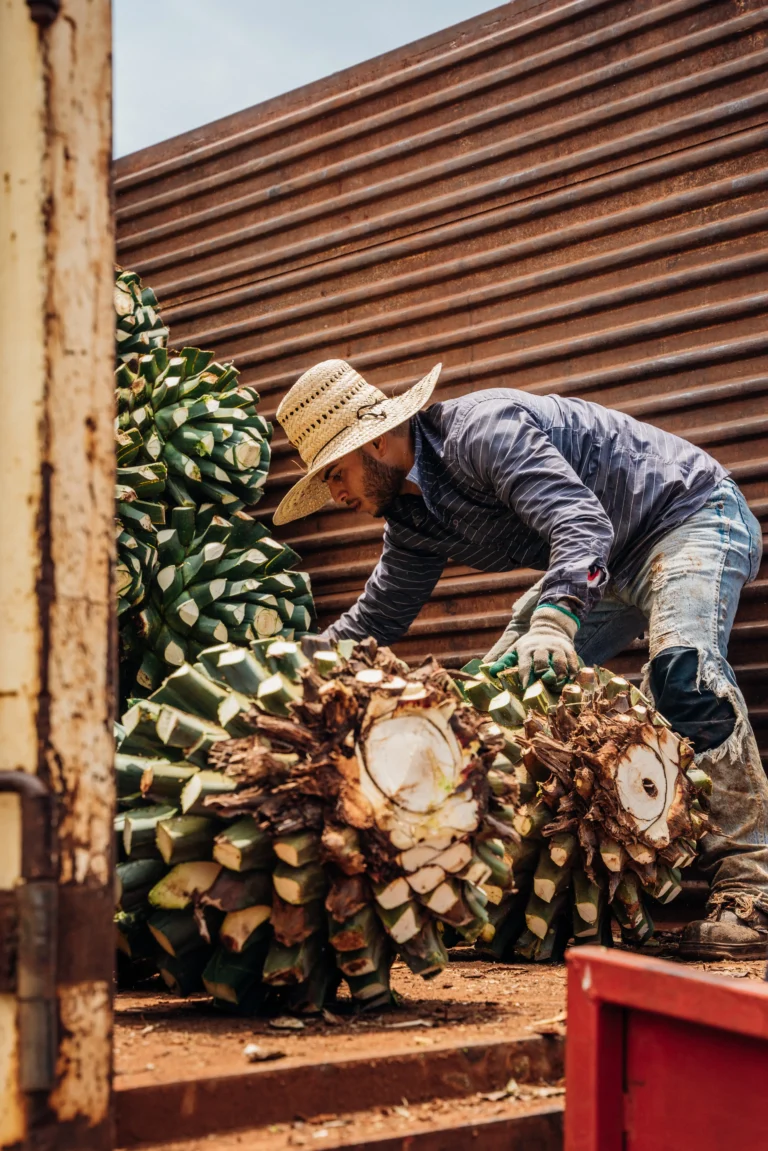
Fun Fact: Blue agave plants for tequila production take 7 to 10 years to reach maturity. Harvesters called “jimadores” remove the leaves by hand using a specialized tool called a “coa.” A mature agave heart weighs 80 to 200 pounds and contains enough fermentable sugars to produce several liters of tequila.
Quick Tip: Premium raw materials always produce superior alcohol. Lower-quality ingredients never improve during processing.
Meet Our Maestra Tequilera
Casa México Tequila is crafted under the guidance of world-renowned Maestra Tequilera Ana María Romero Mena. With decades of experience creating acclaimed tequilas and mentoring future generations of distillers, she brings both deep tradition and thoughtful innovation to the brand. From agave selection to distillation and aging, her expertise ensures every expression reflects authenticity, precision and exceptional quality.

2. Prepare the Mash
Preparing the mash transforms raw materials into a workable mixture for fermentation by cleaning, crushing, or grinding them. Starch-based materials (grains, potatoes) require milling or grinding into flour or meal, while fruit-based materials need crushing or pressing to extract juice. Water is added to form a thick mixture called mash, with temperature and quality playing crucial roles in extraction efficiency. Hot water extracts sugars and compounds from grain-based materials, and cold water works better for delicate fruit materials. The ratio of raw materials to water affects the final alcohol concentration.
How Important is Mash Preparation
Mash preparation sets the stage for successful fermentation. Poor mash preparation leads to inefficient sugar extraction and lower alcohol yields. Mash preparation affects the factors listed below.
- Maximizing sugar extraction from raw materials
- Creating optimal particle size for enzyme action
- Establishing proper temperature and pH conditions
- Ensuring an even distribution of materials in water
- Preventing contamination that damages later stages
Critical Importance: 8/10
How to Prepare the Mash
- Clean all raw materials thoroughly to remove dirt, debris, and potential contaminants.
- Mill, grind, or crush the raw materials to the appropriate particle size. Grains must become coarse flour. Fruits must release juice but retain some pulp.
- Heat water to the appropriate temperature. Grain mashes require 150 to170°F (65 to 77°C). Fruit mashes work at room temperature or slightly warmer.
- Mix raw materials with water in proper proportions. Standard ratios range from 1:2 to 1:4 (raw material to water) depending on the beverage type.
- Stir the mixture thoroughly to ensure even distribution and prevent clumping.
- Monitor and maintain temperature throughout the mashing period. The mixture must rest for 30 minutes to 2 hours.
Fun Fact: Traditional Scottish whisky makers call the mash tun vessel a “mash tub,” and some distilleries use wooden versions that are over 100 years old.
Quick Tip: Consistent particle size leads to even extraction and better fermentation.
3. Convert Starch to Sugar
Converting starch to sugar transforms complex carbohydrates into simple sugars that yeast consumes, with enzymes breaking down long starch chains into fermentable sugars (glucose and maltose). Natural enzymes exist in malted grains (barley), and commercial enzyme preparations supplement or replace natural sources. The conversion occurs through saccharification, the process of breaking down starches into fermentable sugars, with temperature control being essential because enzymes work optimally at specific temperatures. Alpha-amylase breaks starches into shorter chains at 154 to167°F (68 to 75°C), while beta-amylase converts shorter chains into fermentable sugars at 131 to150°F (55 to 66°C). The process takes 60 to 90 minutes, and fruit-based alcohols skip most starch conversion because fruits naturally contain simple sugars.
How Important is Starch Conversion
Starch conversion determines fermentation efficiency and alcohol yield. Yeast does not access energy from starch molecules without proper starch conversion. Starch conversion affects the factors listed below.
- The amount of fermentable sugar available
- The final alcohol content achievable
- The sweetness and body of the finished beverage
- The efficiency and economics of production
- The consistency between batches
Critical Importance: 9/10 (grain-based spirits and beer), 2/10 (fruit-based beverages)
How to Convert Starch to Sugar
- Add malted grain (barley) to the mash. Malt contains high concentrations of natural enzymes. Use 10% to 20% malted grain in the total grain bill.
- Add commercial enzymes (amylase preparations) according to the manufacturer’s instructions as an alternative.
- Maintain mash temperature at 148 to 158°F (64 to 70°C) for optimal enzyme activity.
- Hold temperature for 60 to 90 minutes. More extended rest allows complete starch breakdown.
- Test conversion completion using an iodine test. Iodine stays yellowish-brown when conversion completes. Blue-black color indicates remaining starch.
- Raise the temperature to 170°F (77°C) for 10 minutes to stop enzyme activity.
Fun Fact: A single barley grain contains over 20 different enzymes that work together to convert starch to sugar.
Quick Tip: Temperature accuracy matters more than expensive equipment.
4. Add Yeast
Adding yeast introduces microorganisms that consume sugar and produce alcohol. Yeast belongs to the fungus family and exists in thousands of strains (different strains create distinct flavor profiles, aromas, and alcohol tolerances). Brewers select specific strains for each beverage (ale yeast, lager yeast, wine yeast, champagne yeast, or distillers yeast). The liquid from previous steps (wort for beer or must for wine) must cool to the appropriate temperature before yeast addition, because temperatures above 95°F (35°C) kill most yeast strains. Introducing oxygen helps yeast multiply initially, and yeast cells multiply in the first 12 to 24 hours (before alcohol production begins in earnest).
How Important is Yeast Addition
Yeast addition initiates the transformation of sugar into alcohol. Proper yeast management affects the factors listed below.
- The speed and completeness of fermentation
- The flavor profile and aroma characteristics
- The alcohol content and residual sweetness
- The clarity and stability of the final product
- The risk of contamination and off-flavors
Critical Importance: 10/10
How to Add Yeast
- Cool the prepared liquid to the appropriate temperature. Ale yeasts prefer 60 to 75°F (15 to 24°C). Lager yeasts prefer 45 to55°F (7 to 13°C). Wine and spirits yeasts work at 65-75°F (18 to 24°C).
- Transfer liquid to sanitized fermentation vessels.
- Measure sugar content using a hydrometer or refractometer. Record original gravity.
- Rehydrate dry yeast in warm water (95-105°F/35-40°C) for 15 to 20 minutes before pitching. Add liquid yeast directly into the wort.
- Add yeast to the cooled liquid. Use a sufficient quantity. 5 to 10 grams of dry yeast per 5 gallons for beer and spirits. One packet of wine yeast per 5 to 6 gallons of must.
- Mix the wort vigorously for 1 to 2 minutes to add air.
- Seal the fermentation vessel with an airlock.
Fun Fact: A single yeast cell reproduces to create 20 million cells within 24 hours under optimal conditions.
Quick Tip: Proper yeast rehydration reduces stress and improves fermentation speed and quality.
5. Fermentation
Fermentation converts sugar into alcohol through yeast metabolism. Yeast cells consume glucose and fructose to produce ethanol and carbon dioxide as primary byproducts, while secondary compounds (esters, phenols, and higher alcohols) develop flavor and aroma. The process occurs in two phases (Aerobic and Anaerobic). Aerobic respiration happens first when oxygen is present, allowing yeast to multiply rapidly with little alcohol production, followed by anaerobic fermentation when oxygen is depleted, during which yeast focuses on sugar consumption and alcohol production. Temperature control shapes the flavor profile (cooler temperatures create cleaner, crisper flavors, and warmer temperatures produce more complex, fruity characteristics). Fermentation duration depends on the beverage type (1 to 2 weeks for beer, 2 to 4 weeks for wine, and 3 to 7 days for high-alcohol spirits at warmer temperatures). It completes when yeast consumes all available sugar or alcohol reaches yeast tolerance limits.
How is Alcohol Made by Fermentation? Alcohol is made by fermentation by yeast cells breaking down sugar molecules through glycolysis, where each glucose molecule splits into two pyruvate molecules, which then convert to acetaldehyde while releasing carbon dioxide, and finally acetaldehyde reduces to ethanol (C6H12O6 → 2 C2H5OH + 2 CO2). Heat is produced as a metabolic byproduct, causing the temperature to rise 5-10°F during active fermentation. Yeast cells generate approximately 51% of the theoretical alcohol yield, with the remaining 49% becoming carbon dioxide and other compounds, meaning one pound of sugar produces roughly 0.5 pounds of alcohol. Fermentation efficiency depends on yeast health, stable temperature, nutrient availability, and initial oxygen levels, with healthy fermentation indicated by vigorous bubbling through the airlock and a cloudy, active liquid, while weak fermentation signals issues with yeast viability, temperature, or nutrients.
How Important is Fermentation
Fermentation creates the alcohol that defines all alcoholic beverages. Fermentation affects the factors listed below.
- The alcohol content of the final product
- The flavor complexity and character
- The aroma profile and bouquet
- The mouthfeel and body
- The presence or absence of off-flavors
Critical Importance: 10/10
How to Perform Fermentation
- Place the fermentation vessel in a location with a stable temperature. Avoid direct sunlight and temperature fluctuations.
- Monitor temperature daily. Use heating belts or cooling systems if necessary.
- Observe fermentation activity through the airlock. Expect 1 to 3 bubbles per second at peak activity.
- Take gravity readings every 2 to 3 days after the first week. Fermentation completes when the specific gravity remains stable for three consecutive days.
- Maintain sanitary conditions. Avoid opening the vessel unnecessarily.
- Allow beer or wine to rest on yeast for 3 to 7 days after fermentation completes to let yeast reabsorb some off-flavor compounds.
- Record final gravity for alcohol calculation. Calculate Alcohol by Volume (ABV) by using the formula, ABV = (Original Gravity – Final Gravity) × 131.25.
Fun Fact: A 5-gallon batch during peak fermentation releases approximately 15 cubic feet of carbon dioxide, enough to fill party balloons.
Quick Tip: Patience produces better alcohol. Rushing fermentation leads to off-flavors and incomplete sugar conversion.
6. Distillation
Distillation separates alcohol from water and other compounds using differences in boiling points. Ethanol boils at 173°F (78°C) and water at 212°F (100°C). Heating the fermented liquid produces alcohol-rich vapor that rises through the still and condenses in a cooler section, making a distillate with higher alcohol concentration than the original liquid. The two main still types are pot stills and column stills. Pot stills operate in batches and preserve more flavors from base ingredients, while column stills run continuously and produce higher-proof, cleaner-tasting spirits. Pot stills are common for whiskeys, and column stills are common for vodka and neutral spirits. A distillation run separates into three parts (heads, hearts, and tails). Heads contain volatile compounds (methanol, acetone, acetaldehyde). Hearts contain desired ethanol with good flavor, and tails contain heavier alcohols (fusel oils, propanol). Skilled distillers collect only the heart fraction for consumption.
How is Alcohol Made by Distillation? Alcohol is made by distillation by heating the fermented wash to 173 to190°F (78 to 88°C), causing ethanol to evaporate preferentially. Alcohol-rich vapor rises through the still, contacts a cool condenser, and liquefies. The condensed liquid collects at a higher proof than the wash. Single distillation produces spirits with 20% to 40% ABV, double distillation increases concentration to 60% to70% ABV, and triple distillation reaches 80% to 85% ABV. Careful temperature control and managing the vapor flow through the condenser determine the quality and purity of the final distillate.
How Important is Distillation
Distillation concentrates alcohol to levels impossible through fermentation alone. Distillation affects the factors listed below.
- Alcohol strength of spirits
- Purity and clarity of the product
- Flavor profile intensity
- Removal of harmful compounds
- Economic value of the final product
Critical Importance: 10/10 (for spirits), 0/10 (for beer and wine)
How to Perform Distillation
-
- Transfer fermented wash to the still and strain large particles.
- Seal still properly. Check for leaks.
- Heat still gradually to 173°F (78°C).
- Discard first 50-100ml of distillate per 5 gallons of wash (heads fraction).
- Collect hearts fraction until the temperature exceeds 195°F (90°C) or the distillate smells harsh.
- Discard tails fraction.
- Measure alcohol content using an alcoholmeter or a hydrometer.
- Clean still thoroughly after each run.
Fun Fact: Traditional Scottish whisky goes through distillation twice in copper pot stills. Copper reacts with sulfur compounds and removes unpleasant flavors.
Quick Tip: Slow, steady distillation produces higher-quality spirits.
7. Purification
Purification removes remaining impurities, unwanted flavors, and residual compounds after distillation. Different spirits require different methods (vodka undergoes extensive purification for neutral flavor, whiskey undergoes minimal purification to preserve character, and tequila balances purity with agave flavors). Filtration methods include activated carbon, charcoal, paper filters, and membrane filters, where activated carbon absorbs organic compounds and colors, charcoal removes oils and harsh flavors, paper filters clarify liquid, and membrane filters trap microscopic particles. Multiple filtration passes increase purity but remove desirable flavors. Chemical methods supplement physical filtration, with cold filtering chilling spirits to near-freezing to solidify fatty acids and proteins for removal, and fining agents (bentonite, isinglass, gelatin), attracting and settling particles.
How is Alcohol Made by Purification? Alcohol is made by purification by passing the distilled spirit through filtration media. Carbon or charcoal absorbs compounds through adsorption, with organic molecules sticking to porous surfaces. Spirits flow slowly through columns packed with carbon. Cold filtration chills spirits to 32 to 36°F (0 to 2°C) for 24 to 48 hours, allowing solids that cause cloudiness to form and be filtered out, after which the spirits return to room temperature, remaining clear.
How Important is Spirit Purification
Purification determines smoothness, clarity, and flavor profile. Purification affects the factors listed below.
- Smoothness and drinkability
- Visual clarity and appeal
- Consistency between batches
- Shelf stability and aging potential
- Marketability and price point
Critical Importance: 8/10 (vodka, light spirits), 4/10 (whiskey, aged spirits)
How to Purify Spirits
- Measure volume and proof of distilled spirit. Calculate the filtration media needed.
- Rinse the filtration media to remove dust and loose particles.
- Pack filtration media into the column or container. Eliminate air pockets.
- Pour spirit slowly through filtration media (1 to 2 gallons per hour).
- Collect filtered spirit in sanitized containers. Avoid contamination.
- Repeat filtration 2 to 4 times for vodka/neutral spirits.
- Chill the spirit to 32 to 36°F (0-2°C) for cold filtration for 24 to 48 hours, filter through fine paper or membrane filters.
- Rest purified spirit for 24 to 48 hours before bottling.
Fun Fact: Some premium vodka brands use silver, gold, or diamond-dust-coated filters, but carbon filtration provides most of the purification effect.
Quick Tip: Reactivate used carbon by heating dried carbon to 450°F (230°C).
8. Aging
Aging transforms newly distilled spirits through chemical reactions with wood and oxygen as they rest in wooden barrels (oak) for months to decades. The charred interior forms activated carbon layers, while wood compounds (lignin, tannins, cellulose) dissolve into the spirits. Temperature fluctuations drive aging, with warmth expanding spirits into wood pores and cool temperatures contracting them back out. The charred layer filters harsh compounds and adds smoky, caramel, and vanilla notes, while oak contributes vanillin (vanilla), guaiacol (smoke), eugenol (clove), and furfural (almond). Oxygen slowly enters barrels, softening harsh alcohol notes and creating new flavor compounds. Evaporation concentrates spirits, with water and alcohol evaporating at different rates, a phenomenon known as the “angel’s share.” Barrel location affects aging speed.
How Important is Aging
Aging transforms harsh new spirits into smooth, complex beverages. Aging affects the factors listed below.
- Flavor complexity and depth
- Color and appearance
- Smoothness and drinkability
- Market value and prestige
- Regional character and tradition
Critical Importance: 10/10 (whiskey, cognac, aged rum), 0/10 (vodka, gin, white rum)
How to Age Spirits
- Select appropriate barrels. New charred oak for bourbon. Used bourbon barrels for Scotch.
- Inspect barrels for leaks and damage. Repair or replace if necessary.
- Fill barrels at entry proof (bourbon ≤125 proof, Scotch 110-126 proof).
- Seal barrels with proper bungs.
- Store barrels in temperature-controlled warehouses (60 to 70°F/15 to 21°C).
- Rotate barrels quarterly for even aging.
- Sample spirits every 6 to 12 months to monitor flavor development.
- Account for evaporation losses (2% to 4% per year). Top up barrels or accept concentration.
Fun Fact: Small barrels (5-15 gallons) age spirits 4 to 8 times faster than standard 53-gallon barrels.
Quick Tip: Barrel size and temperature control drive aging speed and flavor extraction.
9. Dilution and Bottling
Dilution reduces alcohol concentration to the final drinking strength. Aged spirits exit barrels at 50-65% ABV. Water addition lowers proof to standard bottling strength (40% to 50% ABV). Water source matters, and minerals and pH affect the final flavor. Distillers use filtered, deionized, or spring water. Dilution occurs gradually over several days. Rapid dilution shocks spirits and creates cloudiness. Temperature affects dilution. Cold spirits accept water more easily without clouding. Bottling requires sterile equipment and procedures. Bottles get washed, sanitized, and filled with diluted spirit. Caps or corks seal bottles. Labels provide legal information.
How Important is Dilution and Bottling
Dilution and bottling determine final product quality and consumer experience, affecting the factors listed below.
- Flavor balance and smoothness
- Shelf stability and longevity
- Legal compliance and marketability
- Consumer safety and satisfaction
- Brand reputation and consistency
Critical Importance: 7/10
How to Dilute and Bottle Spirits
- Calculate dilution requirements using the formula (Current Volume × Current ABV) / Target ABV = Final Volume to determine how much water to add, ensuring the final alcohol strength is safe, palatable, and meets labeling standards.
- Filter water to remove impurities and off-flavors.
- Check water pH (6.5 to7.5) to maintain flavor balance.
- Chill spirit and water (50 to-60°F / 10 to-15°C) to prevent cloudiness.
- Add water gradually (10 to-20% per day, 3 to-5 days) while stirring to mix evenly.
- Test proof daily using an alcoholmeter at 68°F (20°C).
- Rest the diluted spirit for 5 to 7 days to integrate flavors.
- Sanitize bottles and equipment to avoid contamination.
- Fill bottles consistently (750ml for spirits, neck and shoulder for wine).
- Seal bottles immediately to protect from oxidation.
- Apply labels and date codes for legal compliance and information.
- Inspect bottles for clarity, fill level, and label alignment.
- Store upright in cool, dark conditions to preserve quality.
Fun Fact: The standard 750ml bottle size comes from the average capacity a glassblower created with one breath in the 1700s.
Quick Tip: Always add water to spirits, never spirits to water. The exothermic reaction releases heat safely when water is added first.
What is Alcohol Made Of?
Alcohol is made of ethanol, water, and minor compounds that create flavor, color, and aroma. Ethanol (C2H5OH) forms the active ingredient in all alcoholic beverages. Water makes up the most significant portion of volume in most drinks. Minor compounds, called congeners (esters, aldehydes, acids, tannins), give each beverage its distinctive character. The chemical composition varies by type of beverage. Beer contains 4% to 6% ethanol and 94% to 96% water. Wine includes 12% to 15% ethanol and 85% to 88% water. Spirits contain 40% to 50% ethanol and 50% to 60% water, with the remaining portion made up of congeners. Alcoholic beverages start with ingredients that provide sugars or starches for fermentation. Grains (barley, corn, wheat, rye) serve as the base for beer and whiskey. Fruits (grapes, apples, pears) form wine and cider. Sugarcane and molasses produce rum. Agave plants provide the base for tequila. Water is a solvent and dilution agent throughout production. Yeast converts sugars from these ingredients into ethanol and carbon dioxide through fermentation. The quality of grains, fruits, water, and yeast directly determines the smoothness, flavor, and clarity of the final beverage.
Where does Alcohol come from?
Alcohol comes from natural processes and human production methods. Yeast consumes sugars in organic materials and converts them into ethanol through fermentation. Natural fermentation occurs when wild yeasts interact with sugars in ripe or rotting fruits, producing alcohol without human intervention. Ancient humans discovered alcohol production thousands of years ago. Archaeological evidence shows fermented beverages in China around 7000 before the common era (BCE) from rice, honey, and fruit. Mesopotamians brewed beer from barley by 5000 BCE, while Egyptians made beer and wine for daily use and religious ceremonies. Grains provide starches that convert to sugars during malting or cooking, forming the base for beer and spirits (whiskey, vodka, gin). Fruits offer natural sugars for wine, cider, and specialty beverages. Sugarcane and molasses produce rum and cachaca due to their high sugar content. Honey creates mead, one of humanity’s oldest alcoholic drinks. Agave plants generate tequila and mezcal, with blue agave grown in Jalisco, Mexico, where harvesters process the piña before fermentation and distillation. Early human innovation developed distillation techniques that concentrate ethanol, allowing stronger spirits and longer preservation, shaping regional beverages worldwide.
How was Alcohol First Made?
Alcohol is first made through natural fermentation when wild yeasts consume sugars in fruits, grains, or honey, producing ethanol without human intervention. Early humans discovered these naturally fermented foods and observed their intoxicating effects. Archaeological evidence shows intentional alcohol production around 7000 BCE in China, where civilizations fermented rice, honey, and fruit together. Mesopotamians brewed beer from barley by 5000 BCE, recording recipes on clay tablets, while Egyptians produced beer and wine for daily use and religious ceremonies. Ancient communities learned to control fermentation conditions (temperature, moisture, and storage) to make consistent beverages. Trial and error revealed that specific grains, cleaner water, and proper storage improved flavor and alcohol content. Knowledge passed through generations refined production techniques, making alcohol a key component of cultural and ceremonial practices in early civilizations.
What Ingredients are in Alcohol?
The ingredients in alcohol are listed below.
- Water: Water forms the base of almost all alcoholic beverages, making up 80% to 95% of the final product. Water dilutes alcohol, controls fermentation temperature, and cleans equipment. Mineral content and purity influence flavor and beverage quality.
- Yeast: Yeast is a microorganism that converts sugars into ethanol and carbon dioxide through fermentation. Different yeast strains produce unique flavors and alcohol levels. Brewers and winemakers select specific strains to achieve desired characteristics in beer or wine.
- Sugar: Sugar fuels yeast during fermentation. Natural sugars come from grapes for wine or malted barley for beer. Distillers sometimes add refined sugar to increase alcohol content or adjust flavor balance in spirits.
- Grains: Grains (barley, wheat, rye, corn, and rice) supply starch and sugar for beer, whiskey, vodka, and other spirits. Malting and germination convert starches into fermentable sugars. Different grains contribute distinct flavor profiles.
- Fruits: Fruits provide natural sugars, acids, and flavors for wine, cider, and fruit-based spirits. Grapes dominate wine production. Apples produce cider, while cherries, plums, and berries create specialty beverages with unique tastes.
- Agave: Agave plants supply sugar for tequila and mezcal. Producers harvest the heart of blue agave, roast and crush it to release fermentable sugars. Soil and climate in Jalisco influence the flavor characteristics of premium tequila.
- Hops: Hops add bitterness, aroma, and preservation to beer. Brewers boil hops with wort to balance malt sweetness. Different hop varieties produce citrus, pine, floral, or earthy flavors.
- Additional Flavorings: Botanicals, herbs, and spices create complexity in spirits and liqueurs. Gin uses juniper, coriander, and citrus peels. Liqueurs use vanilla, coffee, chocolate, or fruit essences to produce distinct flavors.
Is all Alcohol made with Yeast?
Yes, nearly all consumable alcohol is made with yeast. Yeast converts sugars into ethanol through fermentation, forming the foundation of alcohol production. Beer, wine, spirits, cider, mead, and tequila rely on yeast to transform grains, fruits, honey, or agave into alcoholic beverages. Brewers add cultured yeast to wort, winemakers depend on wild or cultivated yeast on grape skins, and distillers introduce yeast to ferment grains or agave before distillation. Sugars remain simple carbohydrates without yeast, rather than becoming ethanol. Rare exceptions exist where certain bacteria produce small amounts of ethanol, but commercial production depends almost entirely on yeast. The specific yeast strain determines flavor, alcohol content, and fermentation speed. Saccharomyces cerevisiae is the most widely used species due to its reliable fermentation and alcohol tolerance.
What are the Active Ingredients in Alcohol?
The active ingredients in alcohol are listed below.
- Ethanol (Ethyl Alcohol): Ethanol is the primary active ingredient in all alcoholic beverages. Yeast produces ethanol by fermenting sugars, creating the intoxicating effect. Ethanol slows brain function, affects coordination, and alters mood. The liver metabolizes ethanol into acetaldehyde and then acetic acid for elimination.
- Congeners: Congeners are chemical compounds formed during fermentation and aging that add flavors, aromas, and additional physiological effects. Dark spirits (whiskey, rum, brandy) have higher congener levels than clear spirits (vodka, gin). Congeners include esters, tannins, acetaldehyde, and fusel oils, shaping taste profiles.
- Acetaldehyde: Acetaldehyde forms during fermentation and when the liver breaks down ethanol. It occurs naturally in wine and aged spirits. The compound tends to cause facial flushing, nausea, and rapid heartbeat, and is more toxic than ethanol, contributing to hangovers and long-term health risks.
- Fusel Alcohols: Fusel alcohols are higher-chain alcohols (propanol, butanol, and isoamyl alcohol). Yeast produces fusel alcohols when metabolizing amino acids under stress or high fermentation temperatures. Controlled levels add complexity to spirits, while excess creates harsh flavors and intensifies hangovers.
- Histamines: Histamines develop during fermentation when bacteria and yeast convert amino acids. Red wines, beer, and champagne contain the highest histamine levels. Sensitive drinkers tend to experience headaches, nasal congestion, or skin flushing. Enzymes commonly break down histamines, but insufficient activity causes reactions.
- Sulfites: Sulfites form naturally as yeast metabolizes sulfur compounds and are added as preservatives. They prevent oxidation and spoilage in wines. Sensitive consumers tend to experience headaches, breathing difficulties, or hives, particularly from white and sweet wines with higher sulfite levels.
- Tannins: Tannins are polyphenols from grape skins, seeds, and oak barrels that create astringent, bitter flavors in wine and aged spirits. Red wines contain higher tannins due to extended grape skin contact. Tannins bind to saliva proteins, producing a dry, puckering sensation.
- Tyramine: Tyramine forms from tyrosine during fermentation or aging in red wine, beer, and vermouth. It tends to trigger migraine headaches or dangerous blood pressure spikes for drinkers taking certain medications, making awareness of tyramine levels significant for susceptible individuals.
Does Alcohol Contain Harmful Chemicals?
Yes, alcohol contains chemicals that become harmful when consumed in excess. Ethanol is a toxic substance processed by the liver, causing cellular damage over time. Congeners, which are byproducts of fermentation and aging, include methanol, acetaldehyde, tannins, and fusel oils, contributing to hangovers and adverse health effects. Dark spirits (bourbon, brandy, rum) contain higher congener levels than clear spirits (vodka, gin), which intensify reactions in drinkers. Sulfites in wine trigger allergic responses in sensitive individuals. Acetaldehyde, produced when the body metabolizes ethanol, damages DNA and proteins and increases cancer risks. Trace methanol occasionally forms during fermentation, but proper distillation keeps levels safe. Long-term ethanol consumption harms the liver, brain, heart, and digestive system, with total intake determining risk rather than beverage type. Responsible producers maintain quality controls to minimize harmful compounds.
Is there Ethanol in Alcohol?
Yes, there is ethanol in alcohol, as the primary active ingredient in all alcoholic beverages. Ethanol (C2H5OH) is the intoxicating substance that distinguishes alcoholic drinks from non-alcoholic liquids. Yeast produces ethanol during fermentation by metabolizing sugars from grains, fruits, agave, or honey under oxygen-limited conditions. Beer contains 4% to 6% ethanol by volume, wine 12% to 15%, and distilled spirits 40% to 50% after concentration through distillation. The body absorbs ethanol through the stomach and small intestine, affecting the central nervous system and producing typical alcohol effects. Distillers isolate and concentrate ethanol by heating fermented liquids and capturing vapors, which evaporate at a lower temperature than water. Premium tequila producers in Jalisco control fermentation and distillation to achieve precise ethanol levels while maintaining agave flavors. Ethanol content determines a beverage’s strength, and regulations require labels to show alcohol by volume. Ethanol is the only type of alcohol safe for human consumption, unlike toxic alcohols (methanol or isopropanol).
How long does it take to make Alcohol?
It takes anywhere from a few days to several years to make alcohol, depending on the type of beverage and the desired quality. Fermentation, where yeast converts sugars into ethanol, takes three days to two weeks for most alcoholic drinks. Beer ferments in one to two weeks for ales and three to four weeks for lagers, followed by carbonation and packaging. Wine undergoes primary fermentation for two to three weeks, with additional aging in barrels for months or years to develop flavors. Spirits require one to two weeks of fermentation before distillation concentrates the alcohol. Premium tequila from Jalisco ferments blue agave for five to seven days. Blanco tequila then ages in oak barrels for about two months before bottling. Reposado tequila ages for two months to one year, Añejo tequila ages for one to three years, and Extra Añejo tequila ages for more than three years. Mead ferments for four to six weeks and sometimes ages for several additional months. Cider ferments in two to four weeks, with optional aging for flavor refinement. Total production time includes preparation steps, distillation, aging, filtering, and bottling, making quick beverages ready within weeks, while premium spirits and vintage wines take years to develop smoothness and depth.
What is the Fastest Way to make Alcohol?
The fastest way to make alcohol involves fermenting simple sugars with highly active yeast strains under optimal temperatures, producing ethanol in 24 to 48 hours. Sugar washes combine refined sugar, water, nutrients, and turbo yeast engineered for rapid fermentation, completing the process in one to three days. Warm temperatures of 75 to 85°F accelerate yeast metabolism, allowing sugars to convert to ethanol faster than cooler environments. Simple sugar solutions skip preparation steps (malting, crushing, or cooking), reducing production time. Distillers refine rapidly fermented alcohol through distillation and filtering to create neutral spirits or bases for liqueurs. Quick fermentation methods sacrifice complexity and flavor development, so commercial producers rarely prioritize speed over the quality expected in premium beverages. The faster process works because it eliminates aging, uses pre-processed sugars for immediate yeast access, and employs aggressive yeast that focuses on rapid sugar conversion.
How to make Alcohol at Home?
To make alcohol at home, follow the ten steps listed below.
- Gather Equipment. Collect a food-grade fermentation vessel (plastic bucket or glass carboy), airlock, thermometer, sanitizing solution, measuring cups, stirring spoon, bottles or jars, and siphon tube to ensure smooth production.
- Select Base Ingredient. Choose a primary sugar source such as fruit juice (grape, apple, berry), honey, or malted grains. The base ingredient determines the type and flavor of alcohol. Measure quantities according to the desired batch size, typically one to five gallons.
- Sanitize Equipment. Clean all tools that contact the liquid using hot water and a no-rinse sanitizer. Sanitize the fermentation vessel, airlock, stirring spoon, bottles, and measuring containers to prevent contamination. Allow items to air dry or drain completely.
- Prepare Fermentation Mixture. Combine the base ingredient with water in the sanitized vessel. Heat water to dissolve honey or extract sugars from grains, then cool to 70 to 75°F. Stir thoroughly to distribute sugars evenly and leave headspace for foam during fermentation.
- Add Yeast. Sprinkle dried yeast on the liquid surface or rehydrate it in warm water per package directions. Use brewing, wine, or champagne yeast based on beverage type and desired alcohol content. Seal the vessel with an airlock and place it in a dark, stable-temperature location (65 to 75°F).
- Monitor Fermentation. Observe the airlock daily for bubbling that indicates active fermentation. Expect vigorous bubbling for the first three to seven days, then slower activity as yeast consumes sugars. Maintain consistent temperature to prevent off-flavors.
- Check Fermentation Completion. Look for liquid clarity and stopped bubbling for at least two consecutive days. Use a hydrometer to confirm stable specific gravity. Let the mixture sit undisturbed for several more days to allow the sediment to settle.
- Transfer and Bottle. Siphon clear liquid into sanitized bottles, leaving sediment behind. Fill bottles within one inch of the top and seal with sanitized caps or corks. Label bottles with production date and beverage type.
- Age Alcohol. Store bottles in a cool, dark place. Allow fruit-based wines and meads to age one to six months, while simple sugar washes are drinkable within days. Taste periodically to determine preferred flavor.
- Store and Consume Responsibly. Keep bottles cool and out of sunlight. Refrigerate opened bottles and consume within several days. Serve homemade alcohol carefully, because its strength is higher or lower than that of commercial drinks, and provide it only to adults who are of legal drinking age.
What are the Different Types of Alcohol?
The different types of alcohol are listed below.
- Ethanol (C₂H₅OH): Ethanol is the single alcohol type safe for human consumption in beverages and is the defining compound in all drinkable alcoholic products. Beer, wine, whiskey, vodka, rum, gin, tequila, and liqueurs all contain ethanol as their primary active ingredient, produced through yeast fermentation of sugars from grains, fruits, or agave. Ethanol creates the intoxicating effects that characterize alcoholic beverages by depressing the central nervous system and altering brain function. The compound contributes distinct mouthfeel and flavor characteristics to drinks, with concentration levels ranging from 4% in beer to 50% in distilled spirits. Premium tequila from Jalisco showcases ethanol derived exclusively from blue agave fermentation, delivering smooth drinking experiences when produced and appropriately aged.
- Methanol (CH₃OH): Methanol is highly toxic and entirely unsuitable for drinking, causing severe health consequences that include blindness, organ failure, and death when ingested. Industrial applications utilize methanol as a solvent, antifreeze component, and fuel source, where its chemical properties prove valuable outside beverage contexts. Trace methanol amounts tend to appear in poorly distilled spirits when inexperienced distillers fail to separate initial distillate fractions properly during production. Reputable distillers discard the “heads” portion of distillation that contains methanol and other volatile compounds, ensuring finished products contain only safe ethanol levels. Methanol poisoning represents a serious risk in unregulated or homemade spirits where proper distillation techniques have not been followed.
- Isopropanol (C₃H₇OH): Isopropanol (rubbing alcohol) is toxic when consumed and serves exclusively for cleaning, sanitizing, and disinfecting purposes in medical and household settings. The compound never appears intentionally in beverage production since ingestion causes nausea, vomiting, central nervous system depression, and potentially fatal complications. High-purity ethanol used in professional beverage production remains completely separate from isopropanol despite being alcohols from a chemical perspective. Some industrial flavor extraction processes involve isopropanol as a solvent, but finished food-grade extracts undergo purification to remove all traces before use in consumable products. The clear distinction between beverage-grade ethanol and toxic isopropanol prevents accidental poisoning in legitimate commercial alcohol production.
- Butanol (C₄H₉OH): Butanol exists in several chemical forms (n-butanol and isobutanol) that serve primarily as industrial solvents, fuel additives, and chemical intermediates in manufacturing processes. Fermentation naturally produces trace butanol amounts as byproducts alongside ethanol when yeast metabolizes sugars under certain conditions or stress. Specialty alcoholic beverages contain minute butanol quantities that contribute subtle aroma and flavor notes without posing health risks at naturally occurring concentrations. The compound’s higher molecular weight compared to ethanol creates different sensory properties, adding complexity to fermented products when present in appropriate trace amounts. Commercial beverage producers monitor butanol levels to ensure they remain within safe ranges that improve rather than detract from product quality.
- Propylene Glycol and Polyols (C₃H₈O₂ and Related Alcohols): Propylene glycol and related polyol alcohols serve as non-drinking additives in beverage production, used in carefully regulated small quantities for specific technical purposes. The various types of alcohol in polyols and propylene glycol stabilize flavors, prevent crystallization in liqueur syrups, and maintain product consistency across temperature variations during storage and transport. Regulatory agencies strictly limit propylene glycol concentrations in consumable products to ensure safety while allowing its beneficial technical properties. Liqueur manufacturers incorporate minimal amounts to create smooth textures and prevent sugar separation in sweet, syrup-based products. Food-grade propylene glycol differs from industrial grades, undergoing purification and testing to meet stringent safety standards for human consumption in trace quantities.
What is the Alcohol Content in Beverages?
The alcohol content in beverages is the measure of ethanol concentration, expressed as alcohol by volume (ABV) or proof, and varies depending on the type of drink and production method. Beer contains 4% to 6% ABV, with light beers at 3% to 4% and stronger craft beers or imperial stouts reaching 7% to 12% ABV due to higher sugar content and extended fermentation. Wine ranges from 12% to 15% ABV, with white wines at the lower end and red wines higher because riper grapes provide more fermentable sugars. Fortified and dessert wines reach 17% to 20% ABV because distillers add spirits to increase strength and sweetness.
Distilled spirits (vodka, gin, rum, whiskey, and tequila) contain 40% to 50% ABV, with some premium barrel-proof expressions reaching 50% to 60% ABV and overproof rums exceeding 75% ABV. Liqueurs hold lower alcohol levels, 15% to 30% ABV, due to added sugar, cream, or flavoring. Alcohol content determines how quickly intoxication occurs, as higher ABV beverages require smaller volumes to achieve the same effect.
Standard drink measurements account for ABV differences, defining one standard drink as 12 ounces of 5% ABV beer, 5 ounces of 12% ABV wine, or 1.5 ounces of 40% ABV spirits, each containing roughly 0.6 ounces of pure ethanol. Clear labeling of alcohol content allows consumers to monitor intake, pace drinking responsibly, and avoid unintended overconsumption that impairs judgment or causes health issues.
Which Type of Alcohol does Tequila Belong To?
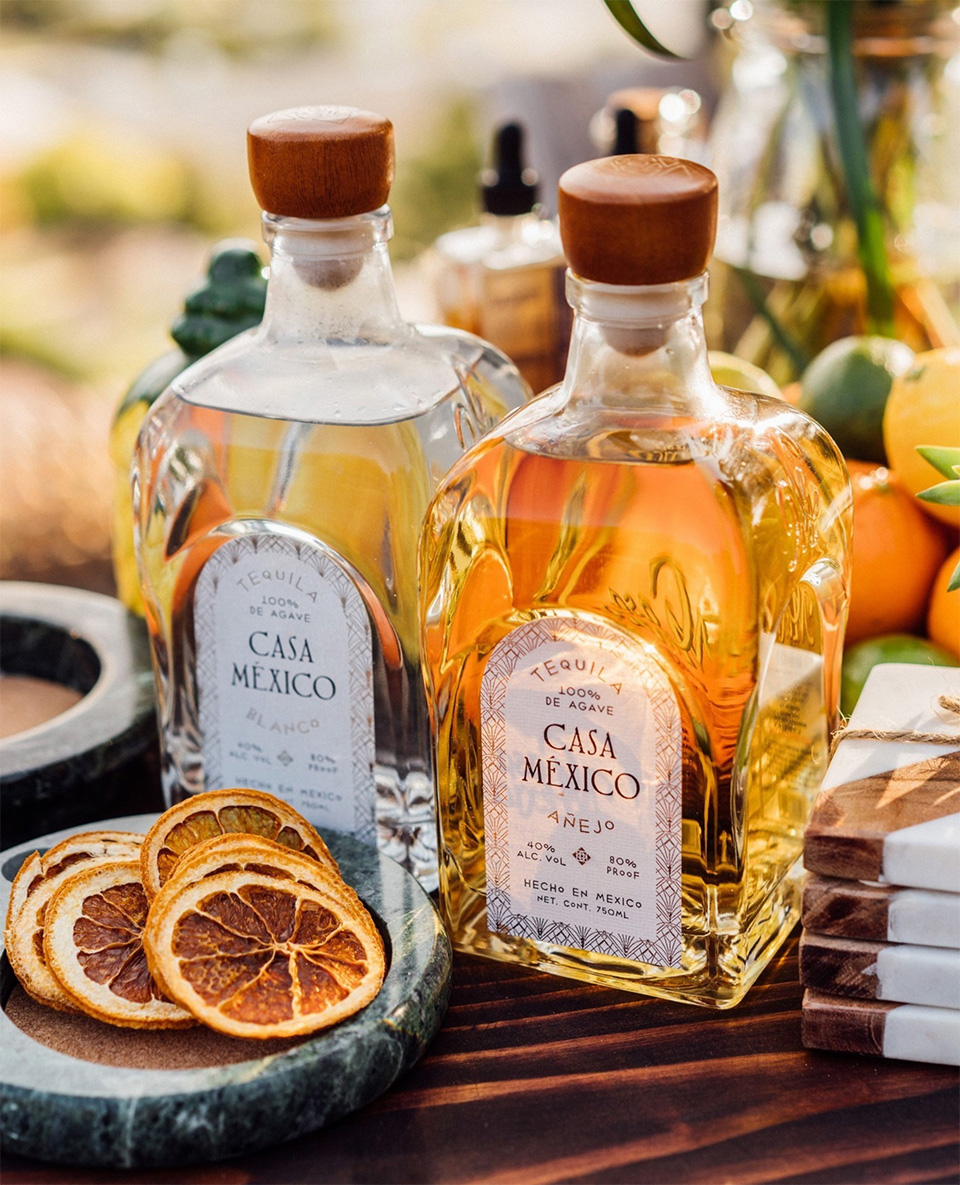
Tequila belongs to the distilled spirits category, classified explicitly as an agave-based spirit produced exclusively in designated regions of Mexico, primarily Jalisco. The spirit uses blue agave (Agave tequilana Weber) exclusively and undergoes fermentation and double distillation to create a clear, high-proof alcohol. The Types of Tequila are distinguished by aging and flavor profiles. Blanco (silver or white) tequila bottles are immediately after distillation or rest for fewer than two months, preserving crisp, pure agave flavors with bright, peppery notes. Reposado ages in oak barrels for two months to one year, gaining golden color and smooth characteristics with subtle vanilla, caramel, and spice notes. Añejo matures one to three years in oak casks, producing a deep amber color and complex flavors balancing agave sweetness with oak, dried fruit, and chocolate notes. Extra añejo rests over three years to create ultra-smooth spirits with sophisticated flavor layers. Joven (gold) blends blanco with aged expressions or adds caramel coloring and flavorings to achieve a golden appearance without barrel aging. Regional factors, production methods, and aging combine to define tequila’s distinctive profile among distilled spirits.
What are the Effects of Alcohol on the Body?
The effects of alcohol on the body are listed below.
- Brain Function Impairment: Alcohol slows brain communication, causing poor judgment, slower reactions, and memory problems. High amounts affect balance and coordination, leading to stumbling and slurred speech.
- Liver Damage and Inflammation: Excess alcohol stresses the liver, causing fat buildup, inflammation, and long-term scarring that tend to lead to liver failure.
- Cardiovascular System Changes: Alcohol dilates blood vessels, lowers blood pressure initially, and chronic use strains the heart, increasing risks of irregular heartbeat and heart disease.
- Digestive System Irritation: Alcohol irritates the stomach and esophagus, tends to cause pancreatitis, and reduces nutrient absorption, leading to vitamin deficiencies.
- Immune System Suppression: Alcohol weakens the immune system, increasing susceptibility to infections and slowing wound healing.
- Dehydration and Electrolyte Imbalance: Alcohol increases urination, causing dehydration and electrolyte loss, which disrupts nerve and muscle function. These consequences are the effects of alcohol on fluid balance.
- Hormonal Disruptions: Alcohol alters hormone levels, reducing testosterone in men, affecting fertility in women, and disrupting metabolism and thyroid function.
- Sleep Pattern Disturbances: Alcohol initially induces sleep but disrupts REM cycles, causes frequent awakenings, and tends to lead to long-term insomnia.
- Cancer Risk Elevation: Alcohol damages DNA and reduces repair capacity, raising risks for liver, breast, esophageal, and colorectal cancers.
- Neurological Damage: Chronic drinking shrinks brain tissue, causes memory loss, nerve damage, and tends to lead to dementia-like symptoms.
- Skin and Appearance Changes: Alcohol dilates blood vessels, dehydrates skin, worsens rosacea, and tends to cause jaundice from liver problems.
- Coordination and Motor Skill Decline: Alcohol impairs motor skills, balance, and reaction time, increasing the risk of falls and accidents.
How long does Alcohol last after Production?
Alcohol lasts for vastly different periods after production depending on beverage type, storage conditions, and whether the container remains sealed or opened. Distilled spirits (vodka, whiskey, rum, gin, and tequila) remain stable indefinitely when stored in sealed bottles because the high alcohol content (40-50% ABV) prevents bacterial growth and oxidation. Unopened wine lasts from one year to several decades, with red wines aging longer than whites due to higher tannin content, though most wines reach peak quality within three to five years. Beer maintains optimal flavor for three to six months after bottling, remaining safe for up to two years if kept in cool, dark conditions without temperature fluctuations. Premium tequila from Jalisco stays fresh indefinitely in sealed bottles, with blanco, reposado, and añejo expressions retaining their agave flavors for years. Spirits gradually lose flavor over one to two years once opened due to air exposure, wine deteriorates within three to seven days as oxygen affects taste, and beer goes flat and stale within hours to days. Proper storage in cool, dark locations with upright bottles for spirits or horizontal corked wines maximizes shelf life, while heat, sunlight, and temperature swings accelerate deterioration.
How is Alcohol Used?
Alcohol is used in ways that are listed below.
- Consume as a Social Beverage: Drink alcoholic beverages during social gatherings, celebrations, and events to facilitate relaxation and bonding. Pour beer, wine, or cocktails at parties, weddings, or casual get-togethers and share with friends, family, or colleagues. Select appropriate beverages for specific occasions, choosing champagne for toasts, beer for casual events, or premium spirits for formal celebrations.
- Mix into Cocktails and Mixed Drinks: Combine spirits with juices, sodas, bitters, and other ingredients to create balanced cocktails. Measure spirits (vodka, rum, gin, or tequila) precisely, then shake or stir with ice to chill and dilute to optimal strength. Garnish drinks with fruit, herbs, or decorative elements to complement flavors and appearance.
- Pair with Food for Culinary Use: Match wines, beers, or spirits with meals to complement flavors. Choose red wines for red meats, white wines for seafood or poultry, and craft beers with casual foods. Serve aged spirits (whiskey or añejo tequila) as digestifs after dinner to aid digestion and provide a refined conclusion.
- Cook with Alcohol for Flavor Development: Add wine, beer, or spirits to sauces, marinades, or braised dishes where heat reduces alcohol while concentrating flavors. Deglaze pans with wine or brandy, marinate meats in beer or wine, or flame desserts with high-proof spirits to create subtle alcoholic notes.
- Sanitize and Disinfect Surfaces: Apply high-proof alcohol to clean surfaces, tools, and equipment. Wipe countertops, medical instruments, or frequently touched areas to kill bacteria and viruses efficiently.
- Create Tinctures and Medicinal Extracts: Steep herbs or botanicals in high-proof alcohol to extract and preserve beneficial compounds. Strain after extraction and use measured drops of tinctures in water or juice for health purposes.
- Preserve Foods and Make Infusions: Submerge fruits, herbs, or spices in spirits to create flavored alcohols and preserve seasonal ingredients. Strain and bottle the infused spirits for cocktails, sippers, or desserts.
- Use as Industrial Solvent and Fuel: Apply alcohol in manufacturing to dissolve substances, clean equipment, or power machinery. Mix into antifreeze, de-icing products, or burn ethanol as a biofuel additive.
- Create Personal Care Products: Incorporate alcohol in perfumes, colognes, aftershaves, or hand sanitizers to carry fragrances and provide antiseptic properties. Use in homemade cosmetics for preservation and stability.
- Collect and Age for Investment: Purchase rare wines or vintage spirits to store in climate-controlled environments. Track market trends and sell aged collections at peak value through auctions or specialty dealers.