EN
EN ES
ES PL
PL TR
TR
Cristalino tequila is a unique style of aged tequila that undergoes a filtration process to remove its natural color while retaining the complex characteristics of an aged spirit. The Cristalino tequila process begins with the careful harvesting of mature agave plants, typically blue Weber agave, which is essential to premium tequila production. Cristalino is distilled into a clear spirit after the agave is cooked and fermented.
The key step in making Cristalino tequila is aging, during which the tequila is stored in oak barrels for several months to years. The tequila absorbs flavors from the wood during aging, developing rich, complex notes of vanilla, caramel, and spices. Once the aging process is complete, the tequila undergoes a special filtration technique using charcoal to remove the color imparted by the oak barrels. The filtration results in a clear tequila with the depth and smoothness of an aged spirit but without the darker hue typically associated with aged tequilas. Cristalino tequila is positioned within the premium segment of the tequila market, offering a balance of aged complexity and clarity. It is appreciated for its smoothness, rich flavors, and versatility, and it is often consumed neat or in high-end cocktails. Casa Mexico Tequila, known for its high-quality offerings, produces Cristalino tequila to cater to the growing market demand.
What is Cristalino Tequila?
Cristalino tequila is an Añejo or Extra Añejo that undergoes a filtration process to remove its natural color while preserving the rich, complex flavors developed during aging. It absorbs flavors of vanilla, caramel, and spices aged for 1 to 3 years in oak barrels. The tequila is filtered through activated charcoal to achieve a clear, after aging, crystalline appearance while retaining its smooth, velvety texture and deep aroma.
Cristalino offers the refined depth of an aged tequila with the clarity of a blanco, positioning it in the premium tequila category and providing a unique drinking experience. The result is a tequila that combines the complexity of barrel aging with the crispness and purity of a clear spirit. It is perfect for sipping neat or enjoying in high-end cocktails, catering to those who appreciate both elegance and quality in their tequila.
Why is Cristalino Tequila clear?
Cristalino tequila is clear due to a filtration process using activated charcoal, which removes the color compounds acquired during barrel aging. Activated charcoal absorbs pigments from the wood while tequila ages in oak barrels, giving it a darker color. The activated charcoal filtration removes these pigments, resulting in a clear appearance while maintaining the rich flavors developed during aging, such as vanilla, caramel, and spices. The charcoal filtration process preserves the tequila’s smooth texture and complexity while providing the clarity of a blanco, making it unique in the premium tequila category. The filtration allows drinkers to enjoy the depth and aroma of an aged tequila without the visual appearance of the darker hues. Cristalino is a refined option that combines the best qualities of both clear and aged tequilas.
Is Cristalino Tequila Aged before the Filtration Process?
Yes, Cristalino tequila is fully aged before the filtration process begins. The spirit rests in oak barrels for a minimum of one year as an Añejo or three or more years as an Extra Añejo before any filtration takes place. Aging is not a secondary step but the foundational stage that builds all the flavor, texture, and aromatic complexity the spirit is known for. The filtration occurs only after the maturation period is complete, functioning as a finishing step rather than an interruption to the aging process. The filtration process would have no complex flavor profile to preserve without the prior aging stage, and the resulting spirit would lack the character that defines Cristalino tequila.
What ingredients are used to make Cristalino Tequila?
Cristalino tequila is made from four primary ingredients. Blue Weber Agave provides the fermentable sugars, harvested at peak maturity for the highest sugar concentration. Water is used throughout the process, influencing clarity and balance in the final product. Yeast plays a crucial role in fermentation, converting sugars into alcohol and shaping the tequila’s aromatic character. Oak barrels are used for aging, imparting flavors like vanilla and caramel, before filtration removes the color while preserving the aged flavor profile.
The ingredients that are used to make Crisalino Tequila are listed and explained below.
Meet Our Maestra Tequilera
Casa México Tequila is crafted under the guidance of world-renowned Maestra Tequilera Ana María Romero Mena. With decades of experience creating acclaimed tequilas and mentoring future generations of distillers, she brings both deep tradition and thoughtful innovation to the brand. From agave selection to distillation and aging, her expertise ensures every expression reflects authenticity, precision and exceptional quality.

- Blue Weber Agave: Blue Weber agave provides the fermentable sugars that form the base of all genuine tequila. The plant is harvested at peak maturity, typically between 7 and 12 years, when its sugar concentration is at its highest.
- Water: Water is used throughout cooking, fermentation, and dilution to achieve the desired bottling proof. The mineral content and purity of the water directly affect the clarity and balance of the finished tequila.
- Yeast: Yeast converts the agave sugars into alcohol during fermentation and contributes secondary flavor compounds called esters and congeners. The yeast strain selected by a distillery plays a significant role in shaping the spirit’s aromatic character.
- Oak Barrels: Oak barrels serve as the aging vessel, imparting color, tannins, vanilla, caramel, and spice notes into the tequila. The wood interacts with the spirit over months or years, fundamentally transforming its flavor profile before filtration removes the resulting color.
Why is Blue Weber agave used in Tequila production?
Blue Weber agave is used in tequila production because Mexican law mandates it as the exclusive plant source for spirits bearing the tequila designation. The plant produces a high concentration of fructans, a complex sugar chain that breaks down into fermentable sugars during cooking, yielding a liquid rich enough to sustain proper fermentation. Beyond legal requirements, blue Weber agave delivers a distinct flavor profile that includes cooked sweetness, earthy minerality, and a characteristic vegetal note found in no other plant source. The plant grows exclusively in specific regions of Mexico, particularly Jalisco, giving tequila its protected designation of origin status. No substitute plant produces the same sugar profile or regional flavor identity associated with authentic blue Weber agave tequila.
What Role does Yeast play in Tequila production?
Yeast converts the fermentable sugars extracted from cooked agave into ethanol and carbon dioxide during fermentation. The agave juice, called tepache or mosto, remains a sugar-rich liquid with no alcoholic content without active yeast cultures. Yeast generates a wide range of flavor compounds during fermentation beyond producing alcohol (fruity esters, floral aldehydes, and savory congeners that define the character of the distilled spirit). Different yeast strains produce distinctly different flavor outcomes from identical agave batches, giving distilleries significant control over their house style. The fermentation environment (temperature, duration, and vessel type) further shapes how yeast expresses itself in the final tequila.
How does Cristalino Tequila production begin?
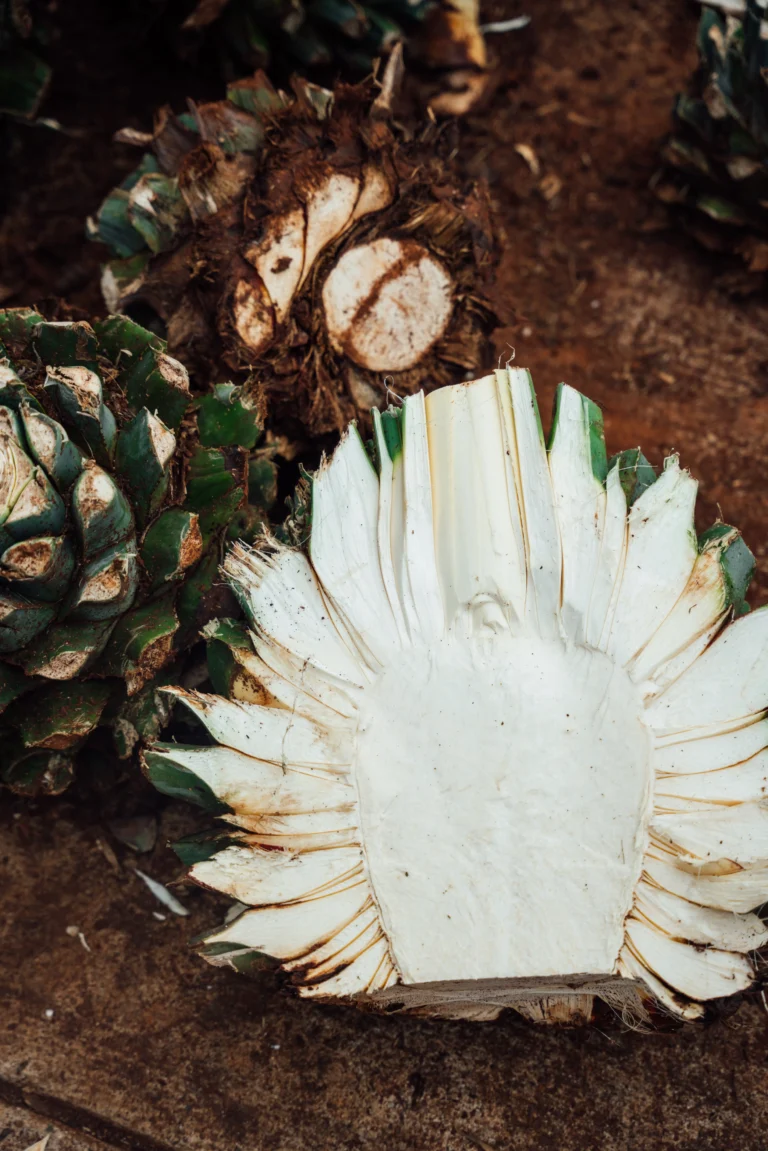
Cristalino tequila production begins with the harvesting of mature Blue Weber agave plants, which are the primary ingredient. The agave hearts, or piñas, are extracted from the plant and then slow-cooked in traditional brick ovens or autoclaves to convert the starches into fermentable sugars. The pineapples are crushed to extract the juice after cooking, which is then transferred to fermentation tanks. The fermentation process converts the sugars into alcohol, typically taking several days. The liquid undergoes distillation in copper pot stills or stainless-steel stills, separating the alcohol from impurities and creating a clear, high-proof tequila base once fermentation is complete. Tequila is ready for aging or further processing into Cristalino by filtering it to achieve the characteristic clarity after the distillation.
How are Agave Piñas prepared for fermentation?
Agave piñas are prepared for fermentation through a series of processes that involve cooking and sugar extraction. The piñas, which are the heart of the agave plant, are slow-cooked in large traditional brick ovens or autoclaves after harvesting. The cooking process, which lasts 24 to 48 hours, breaks down the complex starches in agave into simpler sugars, making them fermentable. The piñas are then crushed to extract the sweet juice, known as “aguamiel.” The crushed agave is processed using a tahona (a large stone wheel) or mechanical crushers once cooked. The extracted juice is collected and transferred to fermentation tanks, where yeast is added to initiate fermentation, converting the sugars into alcohol. The preparation ensures the tequila has the necessary sugar content for fermentation and contributes to the final product’s flavor profile.
How is Tequila distilled before aging?
Tequila is distilled in two primary stages before it undergoes barrel maturation. The first distillation, known as the “destrozado” or “first distillation,” heats fermented agave juice in a pot still. The first distillation process separates the alcohol from impurities, resulting in a liquid known as “ordinario.” The second distillation, called “rectificación” or “second distillation,” refines the alcohol further by removing additional impurities, producing a cleaner, higher-proof tequila. The distiller separates the “heads” (undesirable compounds) and the “tails” (less desirable alcohol) from the “hearts,” which is the purest portion and is retained for aging or bottling. The tequila that emerges from the second distillation has a high alcohol content, around 55% ABV, but is then diluted with water to the desired bottling strength. The distilled tequila is ready for aging in oak barrels at this point, where it will gain its flavor and character.
Does Cristalino Tequila start as Blanco Tequila?
Yes, Cristalino tequila starts as a blanco tequila before barrel aging transforms it into the matured base used for filtration. The spirit is a clear, immediately after distillation, unaged liquid with sharp agave character and no wood influence. The blanco spirit is aged in oak barrels for at least one year for Añejo and Extra Añejo expressions intended for cristalino production, gaining color, tannins, and layered flavor components. The character of the blanco before aging directly influences the final quality of the cristalino, as a well-distilled base produces a more refined, mature spirit. Producers who prioritize clean distillation at the blanco stage create a stronger foundation for the complex aged profile that filtration will later preserve.
How is Cristalino Tequila Aged?
Yes, Cristalino tequila is aged in oak barrels for a minimum of one year as an Añejo or a minimum of three years as an Extra Añejo before filtration takes place. The aging environment exposes the spirit to the wood’s surface, where oxygen exchange through the barrel walls slowly rounds out harsh alcohol edges and builds complexity. American and French oak barrels each impart distinct flavors, ranging from bold vanilla and coconut to subtler spice and dried fruit profiles. Ex-bourbon and wine barrels add secondary layers of sweetness, dried grape character, or stone fruit notes, depending on the previous contents. The extended maturation period is the essential stage that gives cristalino tequila its refined flavor depth, distinguishing it from unaged expressions with similar visual clarity.
What types of barrels are used for Cristalino Tequila?
The types of barrels used for Cristalino Tequila are listed below.
- American Oak Barrels: American oak delivers bold, forward flavors of vanilla, caramel, and coconut to the aging tequila. The tighter wood grain of American oak releases the compounds consistently throughout the maturation period, producing a sweeter, more approachable profile.
- French Oak Barrels: French oak imparts more delicate and nuanced notes, including dried spice, toasted grain, and subtle floral undertones. The looser grain of French oak allows for a slower, more refined interaction between the wood and the spirit.
- Ex-Bourbon Barrels: Ex-bourbon barrels impart residual whiskey character, infusing the tequila with pronounced sweetness, dried fruit, and light toasted wood notes. The previous bourbon contents soak into the wood and transfer gradually into the resting tequila during maturation.
- Wine Barrels: Wine barrels introduce fruity, tannic complexity derived from grape varietals, including notes of dark berry, dried plum, or stone fruit, depending on the wine previously aged in the cask. Wine barrels are used to add layered sweetness and a distinctive finish to the cristalino base before filtration.
How long is Cristalino Tequila aged?
Cristalino tequila ages for different durations depending on the base expression used before filtration. Reposado tequila rests in oak barrels for a minimum of two months and up to eleven months, producing a lightly matured base with gentle wood influence and fresh agave character. Añejo tequila matures for a minimum of one year and up to three years, developing pronounced vanilla, caramel, and oak notes that define the classic cristalino profile. Extra Añejo tequila ages for a minimum of three years, producing the deepest complexity, richest texture, and most layered aromatic profile of any cristalino base. The aging duration directly determines the concentration of flavor compounds that charcoal filtration must carefully preserve, making maturation time one of the most critical variables in cristalino tequila production.
Does aging affect Cristalino Tequila flavor?
Yes, aging profoundly affects the flavor of cristalino tequila because barrel maturation is the stage where nearly all the spirit’s complexity is developed. The longer the tequila rests in oak, the more tannins, vanillin, and woody compounds dissolve into the liquid, creating the layered flavor profile that defines a premium aged spirit. The flavor compounds absorbed during aging remain present in the tequila at varying concentrations, depending on filtration intensity, even after charcoal filtration removes color. A Cristalino produced from an Extra Añejo base carries demonstrably more depth, richness, and texture than one filtered from a shorter-aged Reposado base. The aging duration and barrel type together determine the ceiling of complexity that filtration can preserve in the finished spirit.
How is Cristalino Tequila filtered?
Cristalino tequila is filtered through activated charcoal, a highly porous carbon material that selectively binds to the color compounds deposited into the spirit during barrel aging. The aged tequila passes through or over the activated charcoal medium, which captures tannins, pigments, and other chromogenic molecules responsible for the amber or golden hue of matured spirits. Filtration intensity is carefully calibrated to remove color without stripping the volatile aromatic esters and flavor compounds that aging has developed. Some producers run the tequila through multiple filtration passes to achieve greater clarity, while others use a single controlled pass to preserve maximum flavor retention. The filtered spirit emerges as a clear liquid that carries the full sensory profile of an aged tequila within the visual presentation of an unaged expression, making cristalino tequila filtration one of the most technically demanding steps in premium production
Why is Charcoal Filtration used in Cristalino Tequila?
Charcoal filtration is used in cristalino tequila because activated carbon’s molecular structure creates an extraordinarily large surface area capable of absorbing specific compounds without mechanically altering the liquid. Color compounds from oak barrels (tannins and oxidized pigments) attach to the charcoal surface as the tequila passes through, separating them from the flavor-carrying aromatic compounds. Activated charcoal smooths the tequila’s texture by removing certain harsh or astringent compounds that develop during extended barrel contact beyond decolorization. The selectivity of charcoal filtration distinguishes it from other decolorization methods, as it removes unwanted visual characteristics while preserving the aged spirit’s complexity. Producers rely on this technique because no other filtration medium matches its precision in separating color from flavor at a commercial production scale.
Does filtration remove flavor from Cristalino Tequila?
Yes, filtration removes some flavor from cristalino tequila, though the degree of loss depends on the intensity and duration of the filtration process. Activated charcoal primarily binds color compounds, but some aromatic esters and flavor molecules are inevitably captured alongside the pigments during processing. Distilleries that use minimal filtration retain the greatest amount of aged flavor, while those using aggressive or repeated filtration passes risk producing a thinner, less complex spirit. The goal of responsible filtration is to achieve visual clarity while minimizing flavor loss, a balance that requires precise control over contact time and charcoal volume. A well-filtered cristalino preserves the majority of the aged tequila’s character, with only a subtle reduction in the deepest tannin-driven notes.
Can Cristalino Tequila be over-filtered?
Yes, Cristalino tequila can be overfiltered when excessive charcoal contact strips aromatic compounds alongside the color pigments intended for removal. Over-filtration produces a spirit that appears crystal clear but lacks the depth, texture, and complexity expected of a premium aged tequila. The resulting liquid may taste flat, overly light, or indistinguishable from an unaged blanco, defeating the purpose of the prior barrel maturation stage. Responsible producers closely monitor filtration parameters, including contact time and charcoal concentration, to prevent flavor loss from exceeding acceptable thresholds. Over-filtered cristalino fails to deliver the aged character that defines the category, making filtration precision one of the most important quality controls in premium production.
What does Cristalino Tequila taste like?
Cristalino tequila delivers a flavor profile that combines the freshness of an unaged spirit with the layered complexity of a barrel-matured expression. Vanilla and caramel are among the most prominent notes, derived from oak barrels during aging and retained through careful filtration. Cooked agave provides a sweet, earthy backbone, while hints of citrus peel and dried fruit add brightness to the mid-palate. Oak spice (light cinnamon and clove) appears in the finish, alongside subtle toasted-grain character contributed by the barrel. The balance between the clean, agave-forward brightness found in younger expressions and the smooth, rounded depth of aged tequila defines the signature cristalino tequila tasting experience.
Why is Cristalino Tequila considered smooth?
Cristalino tequila is considered smooth because aging and filtration together eliminate the harshness associated with younger, immature spirits. Extended barrel contact allows oxygen to slowly round out sharp alcohol edges while wood compounds integrate into the liquid, creating a cohesive and refined texture. Charcoal filtration further removes astringent tannins and rough compounds that even aged tequilas carry from prolonged wood contact. The combination of these two processes produces a spirit with a silky mouthfeel and a long, clean finish, lacking the bite commonly associated with unaged expressions. Smooth cristalino tequila represents the cumulative result of maturation time, barrel selection, and precise filtration working in sequence rather than in isolation.
Is Cristalino Sweeter than other Types of Tequilas?
Yes, Cristalino tequila is sweeter than other types of tequila expressions due to the combined influence of barrel aging and the filtration process. Oak barrels deposit vanillin and caramel-producing compounds into the spirit during aging, raising the perceived sweetness above what is found in unaged blanco expressions. Charcoal filtration removes harsh, bitter tannins that counterbalance sweetness in standard-aged tequilas, making the remaining sweet notes more prominent in the cristalino profile. Extra Añejo bases used for cristalino production carry the highest concentration of oak-derived sweetness due to their extended maturation period. Cristalino falls on the sweeter end of the flavor spectrum among recognized types of tequila, while maintaining the mineral agave character that anchors all genuine Mexican tequilas.
How does Cristalino Tequila reflect modern Tequila craftsmanship?
Cristalino tequila reflects modern tequila craftsmanship by uniting centuries-old agave cultivation and distillation practices with contemporary filtration science. Traditional jimador techniques, hornos cooking, and copper pot distillation provide the artisanal foundation that no industrial shortcut replicates, preserving the terroir-driven character of the agave plant. Activated charcoal filtration represents the modern innovation layer, applying precision chemistry to achieve a visual presentation that traditional aged expressions never offered. The category demands mastery of disciplines simultaneously, as errors in aging undermine the filtration stage and over-filtration erases the work of skilled maturation. Casa Mexico Tequila embodies this dual commitment, producing cristalino tequila that honors the depth of traditional Mexican craft while meeting the expectations of a premium, modern global market.
.