EN
EN ES
ES PL
PL TR
TR
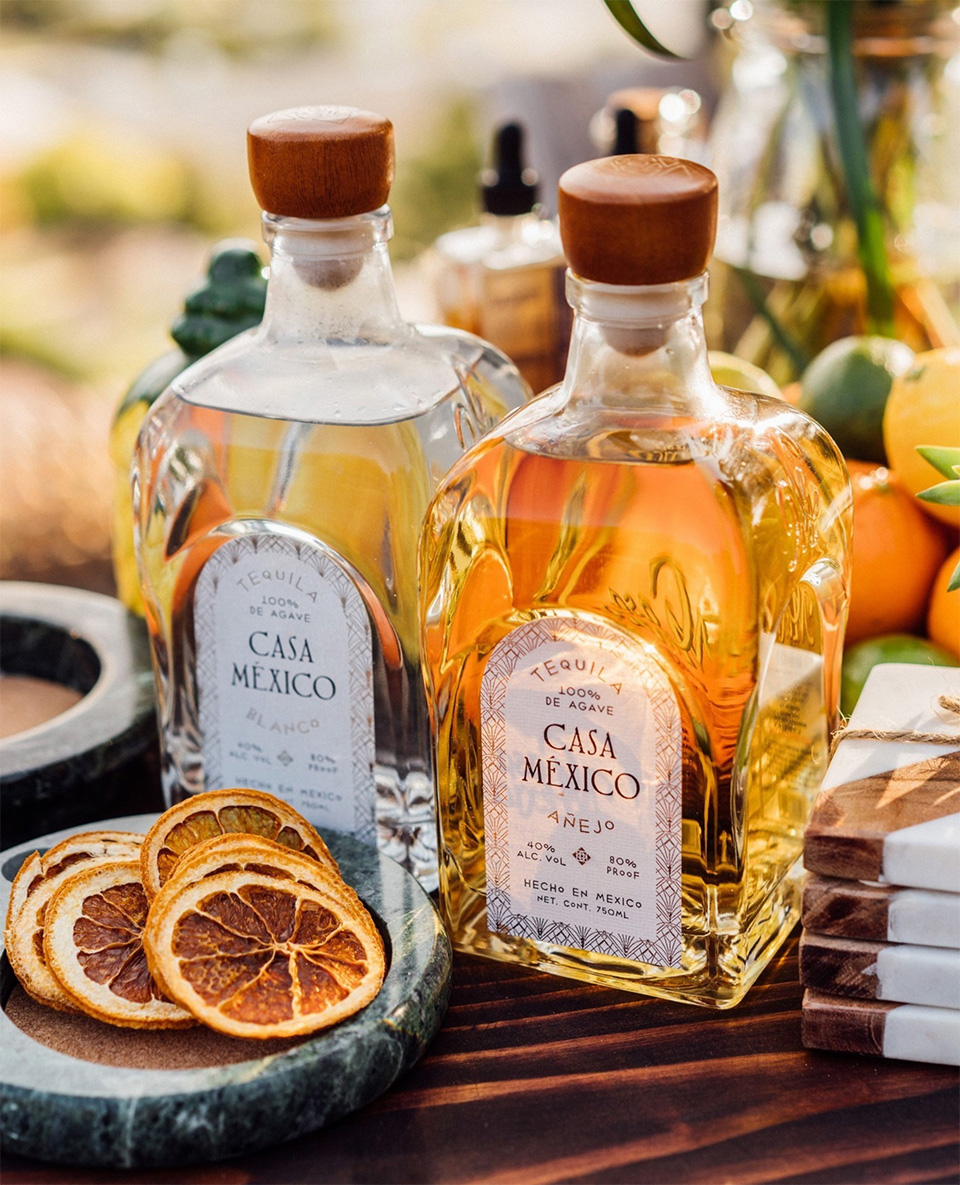
To read a Tequila label…The Tequila Label reading requires identifying key indicators found on the front and back of the glass bottle. How to Read a Tequila Label provides insight into production methods, aging processes, and the spirit’s authenticity. The label displays the Alcohol by Volume percentage (from 35% to 55%) to indicate potency. A Normas Oficiales Mexicanas number consists of four digits (from 0000 to 9999) identifying the specific distillery location. The classification states the age (Blanco, Reposado, Añejo, or Extra Añejo) based on maturation time. Labels specify the agave classification (100% de Agave or Tequila Mixto) to identify the source of fermentation sugars. Consumers locate the CRT stamp (Consejo Regulador del Tequila) to verify compliance with Mexican government standards. Agave classification identifies the source of sugars used during fermentation. Each bottle lists the net content in milliliters (750 ml or 1000 ml) alongside the producer’s name. Legally required text ensures consumers know the geographic region of harvest (Jalisco, Nayarit, Michoacán, Guanajuato, or Tamaulipas).
Choosing spirits becomes easier when the information on the sticker is correctly interpreted. Buyers seek 100% de Agave to identify tequila made with agave as the source of all fermentation sugars. Identifying the NOM number allows enthusiasts to compare brands made at the same facility. Reposado labels indicate aging (from two months to one year) in oak barrels, achieving smoother flavor profiles. Añejo designations signify maturation (from 1 to 3 years), yielding complex tasting notes. Extra Añejo represents spirits aged (three years or longer), providing premium depth. Prices of premium bottles range from $40 to $500, depending on rarity. Quality standards remain high during the production of Casa Mexico Tequila.
1. Check if It Says “100% Agave”
Check if it says “100% Agave” to identify tequila whose fermentation sugars come entirely from blue Weber agave. The lack of the label indicates a mixto product made with up to 49% non-agave fermentation sugars (cane sugar or corn syrup). High-quality spirits offer a smoother sipping experience than mixed alternatives. Agave character contributes to the flavor profiles sought by enthusiasts. Premium spirits highlight the ingredient to justify higher price points. The agave plant provides natural sweetness and complex herbal notes. The maturation of the agave heart takes 7 years to reach peak sugar levels. Farmers harvest the plant by hand to ensure only the highest quality fruit enters the oven. Traditional ovens slow-cook the agave to preserve delicate aromas. Steam pressure breaks down the fibers, releasing fermentable juices. Each batch reflects the dedication of the jimador and the distiller. Distilleries focus on the plant to create high-end nom tequila.
2. Identify the Type of Tequila
Identifying the type of Tequila helps tequila drinkers understand 6 main styles before choosing a bottle. Blanco is unaged and clear, making it suitable for cocktails with bright agave flavor. Joven has a pale gold color and offers a smoother taste for casual drinking. Reposado is aged 2 to 12 months, giving it light oak, caramel, and spice notes. Añejo is aged 1 to 3 years and has richer vanilla, oak, and caramel flavors for sipping. Extra Añejo is aged over 3 years and delivers a darker, deeper profile for premium tasting. Cristalino is filtered-aged tequila, giving it a clear appearance with smooth aged flavors. The label tip highlights 100% Blue Weber Agave as a key detail for identifying quality Tequila, as regulated by Consejo Regulador del Tequila (CRT Tequila) and as a type of tequila.
3. Look for the NOM Number
You look for the NOM number to identify the specific licensed distillery where production occurred. The legal distillery receives a unique four-digit identifier (0000-9999). Enthusiasts use the number to research production facilities and environmental practices. Shared numbers reveal different brands originating from the same physical factory. The presence of the digits confirms the spirit meets official government standards. Transparency improves when the producer location remains visible to the buyer. Comparing numbers helps uncover hidden quality similarities across brand lines. Verifying the digits ensures the product is not counterfeit. The government tracks batch origins through the identifier. Tracking the origin allows for consistent taste evaluations. Agave growers register harvests to maintain the integrity of the supply chain. Distillery owners display the identifier prominently on the glass surface. Each facility undergoes rigorous audits to retain the certification. The digits connect the consumer to the physical site of creation. Quality control measures follow the specific identification code throughout the bottling phase. Verification prevents the sale of illicit liquids in the market. Consistent numbering protects the manufacturer’s reputation. Proper documentation relies on the nom number.
4. Check Where It Was Made
Checking where the spirit was made confirms its origin in one of the five authorized Mexican states (Jalisco, Guanajuato, Michoacán, Nayarit, or Tamaulipas). Producers outside the protected regions cannot legally use the protected name. Jalisco remains the primary producer of blue agave plants. Geographic protections ensure heritage remains preserved across the industry. Soils in the highlands (Los Altos) provide different flavors than those in the valley regions. High altitudes produce sweeter agave fruit with floral aromas. Lower valleys offer earthy, spicy notes favored by traditionalists. Legal definitions require harvest and distillation within the specified zones. Authentic bottles list the municipality of origin to prove compliance. Regional differences define the character of the liquid. Distillers source plants from specific elevations to achieve the desired acidity. Climate conditions in Nayarit influence the speed of agave growth. Soil mineral content in Guanajuato alters the chemical makeup of the harvest. Regulatory boards inspect the harvest location before processing begins. Compliance remains mandatory for each nom number tequila.
6. Alcohol Percentage (ABV)
Checking the alcohol percentage reveals the potency and flavor intensity of the spirit. Most products range 35% to 55% alcohol by volume. Standard bottles typically measure 40% ABV in international markets. High-proof options (45% to 55%) offer concentrated agave notes and bolder textures. Distilleries adjust the levels by adding water after the second distillation. Lower percentages provide a lighter sensation on the palate. Higher concentrations preserve more oils from the agave heart. Potency affects the evaporation of aromatic compounds. Consumers select the strength based on intended use (sipping or cocktails). Each bottle clearly states the volume to meet legal requirements. Consistency in proof reflects the master distiller’s intent. Balance remains the goal for quality production. Temperature affects how alcohol burns during consumption. High-altitude distilleries sometimes favor unique proofing standards for local markets. Producers monitor ethanol levels during each collection phase. Identifying the strength clarifies what nom means in tequila.
7. CRT Seal or Certification
Locating the CRT seal or certification confirms that the spirit meets official Mexican regulations. The Consejo Regulador del Tequila oversees each step of the production cycle. Inspection teams monitor agave harvests, distillery operations, and bottling lines. Certification guarantees that the liquid is authentic and produced safely. Buyers look for the logo to avoid illicit or low-quality spirits. The organization protects the integrity of the industry worldwide. Compliance involves laboratory testing for chemical composition. Seals signify adherence to heritage, law, and quality standards. Absence of the logo suggests the product lacks official recognition. Verifying the seal ensures consumer safety during purchase. Trust relies on the presence of official verification marks. Distilleries undergo annual audits to maintain their standing with the council. Global trade agreements recognize the seal as proof of origin. Verifying the seal ensures consumer safety during purchase. Trust relies on the presence of official tequila labels.
Meet Our Maestra Tequilera
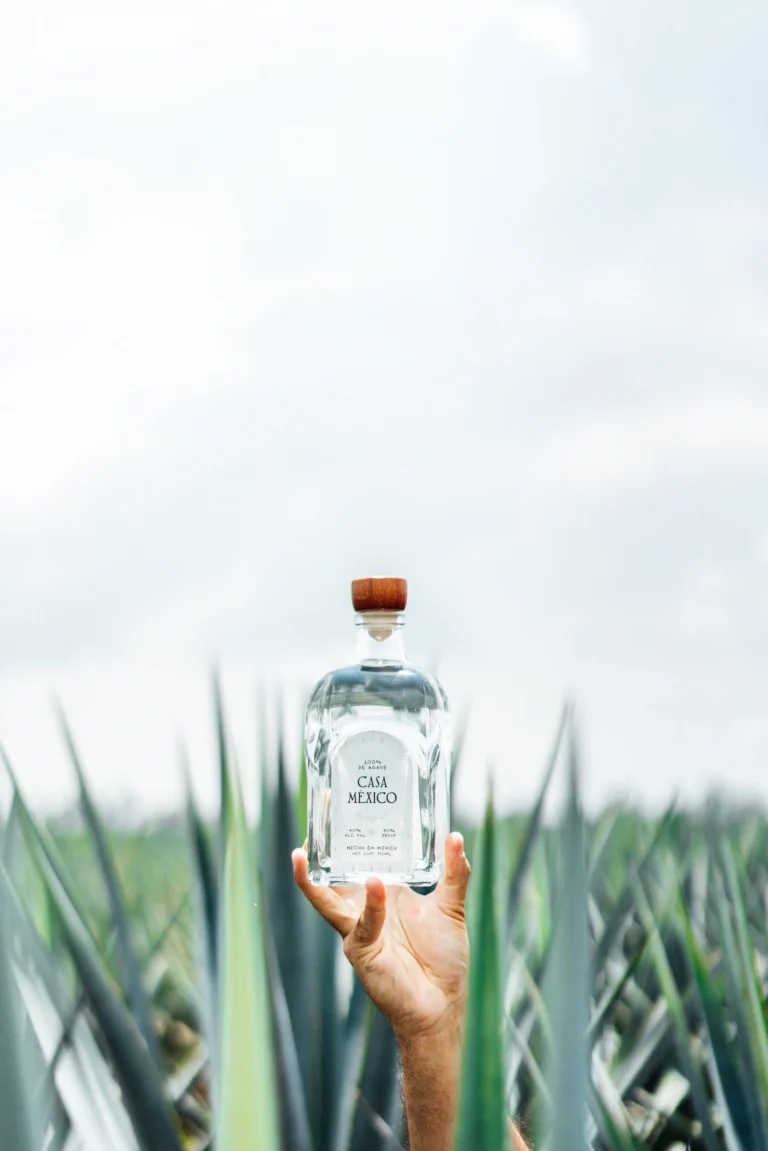
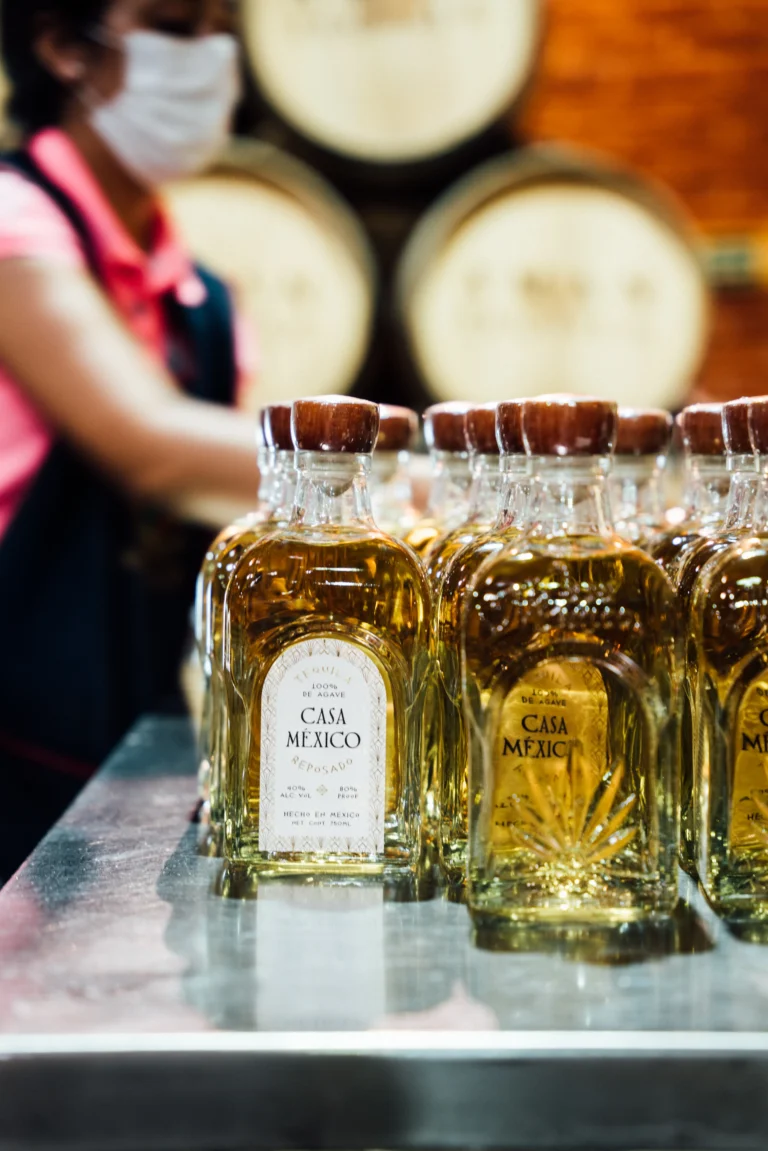
Casa México Tequila is crafted under the guidance of world-renowned Maestra Tequilera Ana María Romero Mena. With decades of experience creating acclaimed tequilas and mentoring future generations of distillers, she brings both deep tradition and thoughtful innovation to the brand. From agave selection to distillation and aging, her expertise ensures every expression reflects authenticity, precision and exceptional quality.

8. Bottle Design vs. Actual Quality
Evaluating bottle design versus actual quality helps avoid choosing spirits based solely on aesthetics. Elaborate glasswork (hand-blown or painted) does not guarantee superior taste. Industrial producers prioritize marketing over artisanal distillation techniques. High-quality spirits come in simple, transparent packaging. Focus remains on the agave source and NOM identification. Reviews and reputation provide better insight than gold foil or heavy lids. Production transparency serves as a better indicator of value. Premium liquids require time, effort, and mature plants. Consumers research the distillery’s history to find top-tier products. Aesthetic appeal targets gift buyers rather than connoisseurs. Value comes from the liquid inside the container. Artisanal producers invest resources into the fermentation process rather than the box. Authentic quality stems from the soil and the oven. Simple labels often hide the most complex spirits in the market. Savvy buyers ignore the flashy exterior to consult the tequila nom list.
What does a Tequila Label Tell You?
A tequila label tells you product and production details. It includes the brand name, spirit category, and agave percentage. The label displays the NOM number (0001-9999) to identify the specific producer location. Alcohol content is expressed as a percentage (35% to 55%), indicating the liquid’s strength. The net content lists the volume (usually 750 ml or 1000 ml). Consumers find the distillery address and state of origin. Classifications like Blanco or Reposado describe the maturation period. Labels reveal if the spirit is 100% agave or a mixto blend. Authenticity markers like the CRT seal confirm government compliance. Understanding the text helps buyers verify the bottle’s quality and origin. Information on the back provides batch numbers for tracking specific harvests. Each detail helps confirm the authenticity of the manufacturing process. Producers print warnings and health notices to follow international shipping laws. Every detail helps confirm the tequila nom number.
What is the Meaning of NOM on Tequila Bottles?
The meaning of NOM on tequila bottles identifies the licensed distillery. It stands for Norma Oficial Mexicana, the set of standards for Mexican products. The unique four-digit number proves the distillery operates under legal supervision. Different brands share the same number if produced at a single facility. The designation ensures the production facility follows sanitation and traditional guidelines. Consumers use the code to track the manufacturer’s history and reputation. Transparency improves when buyers know where the liquid was distilled. The number remains mandatory for each bottle sold globally. Producers undergo regular inspections to maintain the license. Verifying the code helps distinguish artisanal batches from mass-produced spirits. The identifier serves as a fingerprint for the production site. Buyers gain confidence by researching the facility’s history. Authentic spirits carry the code to prove their legitimacy. The identifier serves as a fingerprint for the production site. Buyers gain confidence by researching what is nom in tequila.
Does Every Real Tequila Have a NOM Number?
Yes, every real tequila has a NOM number as a legal requirement. Mexican law requires the identifier on each legal bottle. The presence of the digits confirms the product comes from a certified distillery. Spirits lacking the number do not meet the official definition of a spirit. The number acts as a certificate of authenticity for the consumer. Unregulated bottles without the code pose safety risks or represent counterfeit goods. Regulators enforce the rule to protect the geographic designation of origin. Compliance ensures each producer remains accountable for quality. Buyers check the label to verify the purchase’s legal status. Distilleries display the number prominently to prove their legitimacy. Missing information indicates the product is likely a fake. Inspectors seize unnumbered shipments at international borders. The standard ensures that only genuine spirits reach the shelves. The requirement maintains the high standards of nom meaning tequila.
How can you Find the NOM Number on Tequila?
You find the NOM number on the tequila bottle through its label. The near producer details or the barcode. Consumers look for the letters “NOM” followed by a four-digit code. Brands place the information on the back label for clarity. The digits (0000-9999) identify the factory of origin. The text remains small but legible for verification purposes. Locating the number allows the buyer to research the distillery’s background. Authenticity depends on the presence of the specific identifier. Government regulations mandate the placement of the code on the glass or sticker. The identifier confirms the spirit adheres to traditional production laws. Producers ensure the marking remains visible to avoid legal penalties. Online databases allow enthusiasts to cross-reference the number with the distillery name. Transparency allows for a deeper understanding of the production chain. Finding the code helps enthusiasts identify the NOM Number on Tequila (tequila crt).
Why do Some Tequilas Share the Same NOM?
Tequilas share the same NOM because the spirits originate from a single distillery. Brand owners hire a single facility to produce the liquid using shared equipment. Shared equipment or agave sources result in the same identifier code. Recipes and fermentation times vary even when brands share a location. The arrangement allows smaller brands to use high-end equipment without owning a factory. Consumers notice the repetition when comparing labels at the store. Shared numbers indicate a common production origin for the spirits. Quality levels fluctuate based on the specific brand requirements. The distillery manages production for multiple clients under a single license. Transparency regarding the producer helps buyers find similar flavor profiles. The practice remains common throughout the Mexican spirit industry. Distillery workers maintain strict separation between unique batch requirements. Efficiency improves for the manufacturer when multiple labels use the same stills. Consumers track the identifier to identify the source of their favorite drinks. Each brand retains its unique identity through proprietary yeast strains. Identifying shared sources clarifies what a nom is.
Can One Distillery Produce Different Tequila Brands?
Yes, one distillery can produce different tequila brands because shared production remains a standard practice in the industry. The same facility handles distillation for diverse independent labels. Each brand utilizes unique agave harvests or aging durations. Shared NOM numbers appear on the packaging of the diverse products. Flavor profiles differ according to the brand owner’s proprietary techniques. Large distilleries manage hundreds of different labels simultaneously. Success depends on maintaining distinct characteristics for each client. Efficiency increases when multiple companies share the cost of industrial equipment. Consumers track the facility to find consistent manufacturing standards. The diversity of products showcases the manufacturer’s versatility. Contract distilling allows new entrepreneurs to enter the market without building a factory. Master distillers follow specific instructions provided by each brand owner. The diversity of products showcases the manufacturer’s versatility. Understanding the link reveals the diferencia entre nom y nmx.
What does CRT Mean on a Tequila Label?
CRT mean on a Tequila label, is the tequila regulatory authority in Mexico, and it stands for the Consejo Regulador del Tequila. The organization oversees each phase of the spirit’s production. CRT confirms legal production through rigorous on-site inspections. The logo on the label protects authenticity and heritage. Certification ensures the liquid contains the required agave percentage. Compliance with Mexican law remains the council’s primary focus. The organization monitors the planting and harvest of blue agave. Exported bottles undergo verification to meet international standards. Quality control prevents the sale of sub-standard or fraudulent products. Consumers rely on the seal to guarantee a safe drinking experience. The presence of the mark builds trust in the marketplace. Inspectors verify the liquid’s chemical composition before bottling. Distilleries pay for these services to prove their commitment to excellence. The presence of the mark builds trust in the marketplace. Official verification explains the CRT tequila meaning.
How does CRT Certification Protect Tequila Quality?
CRT certification protects tequila production standards by checking authenticity and compliance at each distillery. The organization monitors the sugar content of the agave hearts. Certified spirits follow official rules regarding aging and production. Quality remains monitored through laboratory analysis of batch samples. CRT oversight reduces the presence of counterfeit products. The certification protects the reputation of the industry globally. Producers must adhere to strict sanitation and safety protocols. Consistency improves when each brand meets the same baseline requirements. Consumer confidence increases when the seal is present on the glass. Tracking production from field to bottle ensures high value. The council maintains a digital record of every liter produced. Adherence to these rules prevents the degradation of the spirit’s legacy. The regulatory body provides the essential nom.
Is CRT Required for Authentic Tequila?
Yes, authentic tequila requires CRT certification because Mexican regulations require it to maintain global spirit standards. The organization verifies the origin and production of every batch. Spirits without the certification cannot legally carry the protected name. Certification involves documentation of every agave plant used in the process. The council issues the authorization needed for international export. Compliance ensures the product remains a true representation of Mexican heritage. Buyers look for the official mark to verify the liquid inside. Producers pay for regular audits to demonstrate their compliance with the law. Lack of certification indicates the liquid is not genuine. The requirement protects the consumer and the producer alike. Standards remain high for bottles. Verification occurs at the point of manufacture and during shipping. Protecting the name of tequila relies on this strict regulatory framework. The requirement protects the consumer and the producer alike. Standards remain high for bottles lacking the NOM.
How do You Know if a Tequila Is 100% Agave?
You know if a tequila is 100% agave if the label clearly says “100% agave.” The statement means all sugars come from the blue Weber agave plant. Authentic bottles display the wording on the front. Mixto products only state “Tequila” without the 100% agave classification. Government laws require the distinction to inform the buyer. Agave-based spirits offer complex flavors (herbal, citrus, or sweet). Mixto varieties contain up to 49% non-agave sugars (cane or corn). Enthusiasts look for an agave character and finish they enjoy. Distilleries focus on the plant to create high-end profiles. The statement identifies the source of sugars used during fermentation. Consumers read the text to find out the source of the sugar. Plant maturation takes years to reach the necessary Brix levels. Consumers read the text to find out what is Agave.
What is the Difference Between Mixto and 100% Agave Tequila?
The difference between Mixto and 100% agave tequila lies in the source of the sugars used during fermentation. 100% agave tequila uses only blue Weber agave sugars. Mixto products include up to 49% non-agave fermentation sugars (cane or corn syrup). Agave-based spirits offer complex flavors (herbal, citrus, or sweet). Price points for 100% agave spirits remain higher due to agave costs. Categorization remains a legal requirement for each producer. Labels clearly mark the difference to guide the purchaser. Distillation of 100% agave tequila requires more agave per liter of finished spirit. High-end brands focus on the quality of the soil and water. Maturation times in the field impact the final complexity of the liquid. Traditional methods preserve the integrity of the plant sugars. Labels clearly mark the difference to guide the purchaser. Understanding the blend helps define the tequila nom list.
Does 100% Agave Tequila Taste Better?
Yes, people think 100% agave tequila tastes better. The 100% agave classification refers to the source of sugars used during fermentation. Natural sweetness comes from the slow cooking of the plant hearts. Smoothness is one characteristic drinkers consider in agave distillates. Connoisseurs seek the complex notes (earth, pepper, or fruit) found in the plant. Taste preferences vary. Production methods influence the final result more than the sugar source. High-quality production ensures a refined sensation on the tongue.
What Other Details Should You Read on Tequila Labels?
The other details should read on tequila labels are listed below.
- NOM Number: Identifies the distillery. The unique identifier identifies the specific distillery where the liquid was produced. The NOM number allows consumers to verify the authenticity and origin of the bottle. Buyers use the code to research the producer’s reputation and location. The digits remain mandatory for each legally sold spirit.
- CRT Certification: Confirms authenticity. The official seal confirms the product meets the strict regulations of the regulatory council. The CRT certification guarantees that the liquid is authentic and complies with traditional Mexican standards. Consumers look for the logo to ensure safety and quality control. The mark signifies government-approved manufacturing practices.
- Alcohol Percentage: Shows alcohol strength. The label shows the alcohol strength (from 35% to 55%) by volume. The figure determines the drink’s potency and flavor intensity. Standard bottles typically measure 40% for the international market. Strength affects the sipping experience and mixing potential.
- Tequila Type: Indicates blanco, reposado, or añejo. The classification indicates the spirit’s age. The category represents a different maturation period in oak barrels. Clear spirits remain unaged, while dark versions rest for months or years. The designation informs the buyer about the expected taste profile.
How does Alcohol Percentage Affect Tequila Flavor?
Alcohol percentage affects tequila flavor by changing the strength and intensity of the spirit. Higher alcohol creates a stronger taste on the palate. Spirits with 45% or higher ABV provide bold, concentrated agave notes. Lower proof (35% to 38%) feels smoother and lighter to the consumer. Diluting the liquid with water after distillation reduces its heat. High-proof options preserve more of the natural oils and aromas. Alcohol balance affects the sipping experience significantly. Stronger spirits carry flavors further during the tasting process. Distillers choose the percentage to highlight specific characteristics of the batch. Intensity depends on the master distiller’s final recipe. Balance between heat and flavor remains the mark of quality. Temperature and oxygenation alter the perception of high-proof spirits. Master distillers monitor the alcohol curve to capture the best flavor fractions. Exploring the concentration helps understand the Tequila Alcohol Percentage.
Is Higher Tequila Alcohol Percentage Always Stronger?
Yes, higher tequila alcohol percentage is stronger than lower concentrations because the flavor and burn become more noticeable at higher proofs. High-proof spirits (above 40%) offer a more intense sensory experience. Smoothness depends on the quality of the distillation process. Exceptional spirits remain drinkable even at 55% ABV. Lower percentages feel less aggressive on the throat. Potency directly relates to the concentration of ethanol in the liquid. Stronger products feature more robust agave profiles. Balance remains more important than the alcohol’s numerical value. Consumers select the strength based on personal tolerance and preference. High alcohol content does not equate to better quality. Master distillers use high-proof batches to showcase the raw power of the agave. Proper aging can mask the heat of higher alcohol levels. Perceptions of strength vary by individual palate. Intensity defines the character of the nom tequila meaning.
How Can Tequila Labels Help You Choose Better Bottles?
Tequila labels help you choose better bottles by identifying quality and authenticity. They provide production details that guide the consumer. Labels show the agave classification (100% or Mixto) to identify the source of fermentation sugars. Certification seals from the CRT guarantee that the spirit meets legal standards. NOM numbers identify the producer and distillery location. Buyers avoid bottles lacking these official markers. Transparency on the label indicates a commitment to traditional methods. Understanding the text prevents the purchase of counterfeit or poor-quality spirits. Information about aging (Reposado or Añejo) helps identify preferred flavors. Reading the fine print helps enthusiasts make better buying decisions. Knowledge of the producer helps predict the batch’s consistency. Labels serve as a roadmap for finding high-value spirits. Detailed information ensures the buyer receives a genuine product from Mexico. Recognizing official symbols allows for a safer purchase. Detailed information ensures the tequila CRT.
What Can Tequila Labels Reveal About Distillation Methods?
Tequila labels reveal the distillation and production methods used by the brand. The bottles mention traditional techniques (Tahona or brick oven cooking). Labels include details about the type of still (copper pot or column). Production style affects the final flavor and texture of the liquid. Artisanal methods result in a more complex spirit. Industrial techniques prioritize speed and volume over nuance. Consumers learn about the water source or fermentation process through the text. High-quality brands emphasize their unique steps to justify pricing. Knowledge of the method helps enthusiasts categorize the spirit’s character. Transparency regarding distillation builds trust with the audience. The step influences the character of the final product. Distillers list these details to appeal to educated consumers. Wood-fired ovens provide a different profile than modern autoclaves. Transparency regarding distillation builds trust with the audience. Identifying the process highlights the nom number.
Does Tequila Distillation Change the Final Taste?
Yes, Tequila distillation changes the final taste because different methods affect the flavor, aroma, and smoothness of the liquid. Pot stills yield a heartier, more traditional spirit with rich textures. Column stills produce a lighter liquid. The number of distillations (usually 2 or 3) affects the profile. Excessive distillation removes some of the natural agave character. The process shapes the character of the finished drink. Heat levels during the run change the extraction of volatile compounds. Production style affects quality and the overall sipping experience. Connoisseurs notice the subtle differences between artisanal and industrial runs. Proper technique ensures a balanced and pleasant spirit. Distillers separate the heads and tails to capture the heart of the run. Each distillation cycle refines the aromatic complexity of the juice. Proper technique ensures a balanced and pleasant spirit. Understanding the run explains the Tequila Distillation.
Why is It Important to Understand Tequila Labels?
Understanding tequila labels is important because it helps you identify quality and authenticity. Labels explain production details that define the spirit’s character. The presentation of agave content and certifications required by law. Distillery information identifies the source of the liquid. Label knowledge improves consumer buying decisions. These steps help identify the style and producer. Information about the region of origin helps ensure geographic protection. Knowing the maturation period helps predict the flavor profile. Certifications like the CRT seal confirm safety and legality. Enthusiasts use labels to find brands made at preferred facilities. The detail on the glass contributes to the value. Avoiding misleading marketing requires a deep understanding of the text. Accurate reading supports a better drinking experience. Producers use labels to communicate their heritage to the buyer. Detailed knowledge allows for a more confident selection at the store. Recognition of the producer clarifies what is nom in tequila.
How Can Reading Labels Improve the Way You Sip Tequila?
Reading labels improves the way you sip tequila by helping you understand the style and origin because it improves tasting expectations by providing the technical background of the liquid. Labels show the aging duration and the alcohol strength. Reading the label reveals the agave classification. Better knowledge improves appreciation for the craft behind the bottle. Drinkers identify the subtle notes based on the distillation method. Information about the distillery location (Highlands or Valleys) hints at flavor profiles. Knowing the batch’s history adds depth to the experience. Consumers choose the right glassware based on the spirit type. Awareness of the NOM allows for comparisons with other brands. Informed sipping leads to a greater connection with the product. Understanding the maturation helps one appreciate the oak influence. Proper context changes the perception of every drop. Informed sipping leads to a greater connection with the product. Preparation involves learning how to Sip Tequila.
Can Tequila Labels Help You Discover Tequila Health Benefits?
Tequila labels identify the agave classification and alcohol strength. The information supports informed drinking choices for the consumer. Labels show the 100% agave classification, identifying the source of fermentation sugars. Understanding the proof allows for better moderation during consumption. Labels do not guarantee health benefits, but they provide transparency. Responsible drinking remains the most important factor for wellness. Informed buyers consider agave character when selecting a bottle. Distilleries provide nutritional information via QR codes on packaging. Transparency in labeling supports the discovery of Tequila Health Benefits.