EN
EN ES
ES PL
PL TR
TR
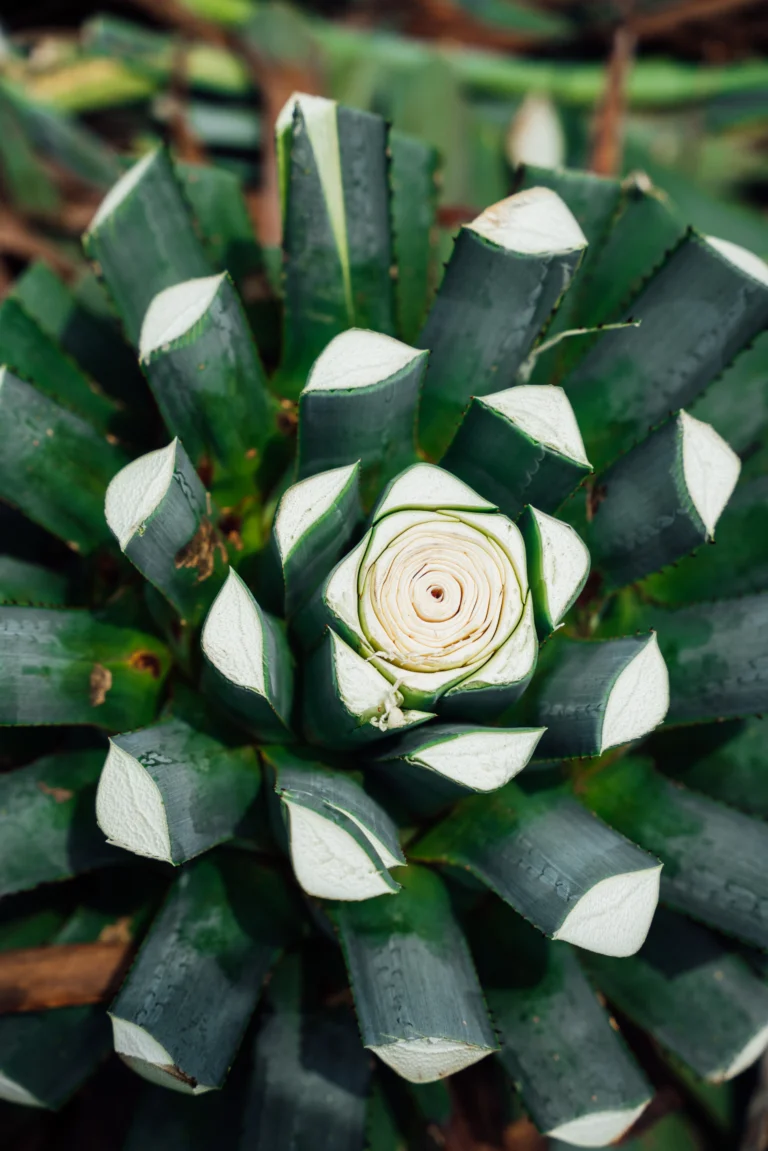
Agave syrup is a natural sweetener derived from the sap of the blue agave and Salmiana agave plants, the same botanical source used for tequila production. Agave syrup undergoes filtration and enzymatic processing that convert complex carbohydrates into simple sugars, producing a smooth liquid sweetener with a mild flavor and a sweetness about 1.2 to 1.5 times higher than table sugar. The nutritional profile consists mostly of fructose, with smaller amounts of glucose, which helps the sweetener dissolve easily in hot and cold beverages.
Agave syrup provides an alternative to refined sugar, although health considerations remain necessary because its high fructose content ranges from 70% to 90%, depending on processing methods. Culinary applications include cocktails, baked goods, desserts, marinades, and salad dressings because the syrup blends smoothly without crystallizing. The comparison with honey, maple syrup, and refined sugar highlights differences in sweetness, flavor, glycaemic response, and nutrient content. The guide explains agave syrup production, nutritional value, potential health benefits, health risks, practical uses, and evidence-based comparisons, providing a complete understanding of agave syrup.
What is agave syrup?
Agave syrup is a natural sweetener produced from the sap of the agave plant, a succulent native to Mexico. Producers extract juice from the piña, then filter plus heat it into a thick, amber liquid. The sugar content of agave syrup consists mainly of fructose, giving it a sweetness level higher than that of table sugar. Cooks and manufacturers use agave syrup in place of granulated sugar or honey, since fructose lowers the finished product’s glycemic index. Bottles of agave syrup appear on grocery shelves under labels including light, amber, plus dark, each reflecting the degree of filtration applied during processing.
What is agave nectar?
Agave nectar is a natural sweetener made from the sap of the agave plant. Agave nectar and agave syrup generally refer to the same product because the terms describe the same liquid sweetener produced through filtration and enzymatic conversion of agave carbohydrates into simple sugars. Manufacturers and regional markets use either “agave nectar” or “agave syrup” on product labels, although the ingredients and production processes remain essentially the same. Minor differences in color, flavor, and fructose content result from the agave species and processing method rather than the product name. Agave nectar provides mild sweetness for beverages, desserts, baked goods, and cocktails regardless of the label used.
How is agave syrup made?
Agave syrup is made by harvesting mature agave plants and extracting the sap from the core. The sap undergoes filtration to remove plant solids before natural enzymes convert inulin into simple sugars, primarily fructose. The liquid then passes through evaporation under controlled heat to concentrate the syrup and achieve the desired consistency. Final filtration produces a clear or amber sweetener, depending on the processing method. Greater processing creates a lighter color and milder flavor, whereas less processing preserves a darker color and richer caramel notes. The conversion of complex carbohydrates into simple sugars gives agave syrup a sweeter taste and a higher fructose content than table sugar.
What nutrients does agave syrup contain?
Agave syrup contains calories, carbohydrates, fructose, plus trace amounts of vitamins plus minerals. One tablespoon delivers 60 calories, comparable to honey, but higher than table sugar. Carbohydrates inside agave syrup consist mostly of fructose, a sugar metabolized differently from glucose. Potassium, calcium, plus iron appear inside agave syrup, though the levels stay too low to affect daily nutrient intake. Fiber called inulin is present in raw agave sap, but processing removes most of it during filtration. The sweetness in agave syrup comes from concentrated sugar, not from a nutrient-dense profile.
How many calories does agave syrup contain?
Agave syrup contains about 20 calories per teaspoon and about 60 calories per tablespoon. The calorie content is slightly higher than that of table sugar, which provides about 16 calories per teaspoon and 49 calories per tablespoon, although agave syrup delivers greater sweetness, allowing smaller amounts in many recipes. Honey contains about 21 calories per teaspoon and 64 calories per tablespoon, making its calorie content similar to that of agave syrup. The difference in calorie content remains small, although total intake depends on serving size and frequency of use. The comparison explains How many Calories does Agave Syrup Contain.
How does agave syrup compare with other sweeteners?
Agave syrup compares with other sweeteners through differences in sugar composition, calorie content, glycaemic index, flavor, and culinary applications. Agave syrup contains a higher proportion of fructose than sucrose, producing a lower glycaemic index than table sugar. Honey contributes antioxidants and floral flavors, maple syrup supplies minerals and caramel notes, and refined sugar delivers a neutral taste for baking. Corn syrup contains mostly glucose, creating a higher glycaemic response than agave syrup.
Meet Our Maestra Tequilera
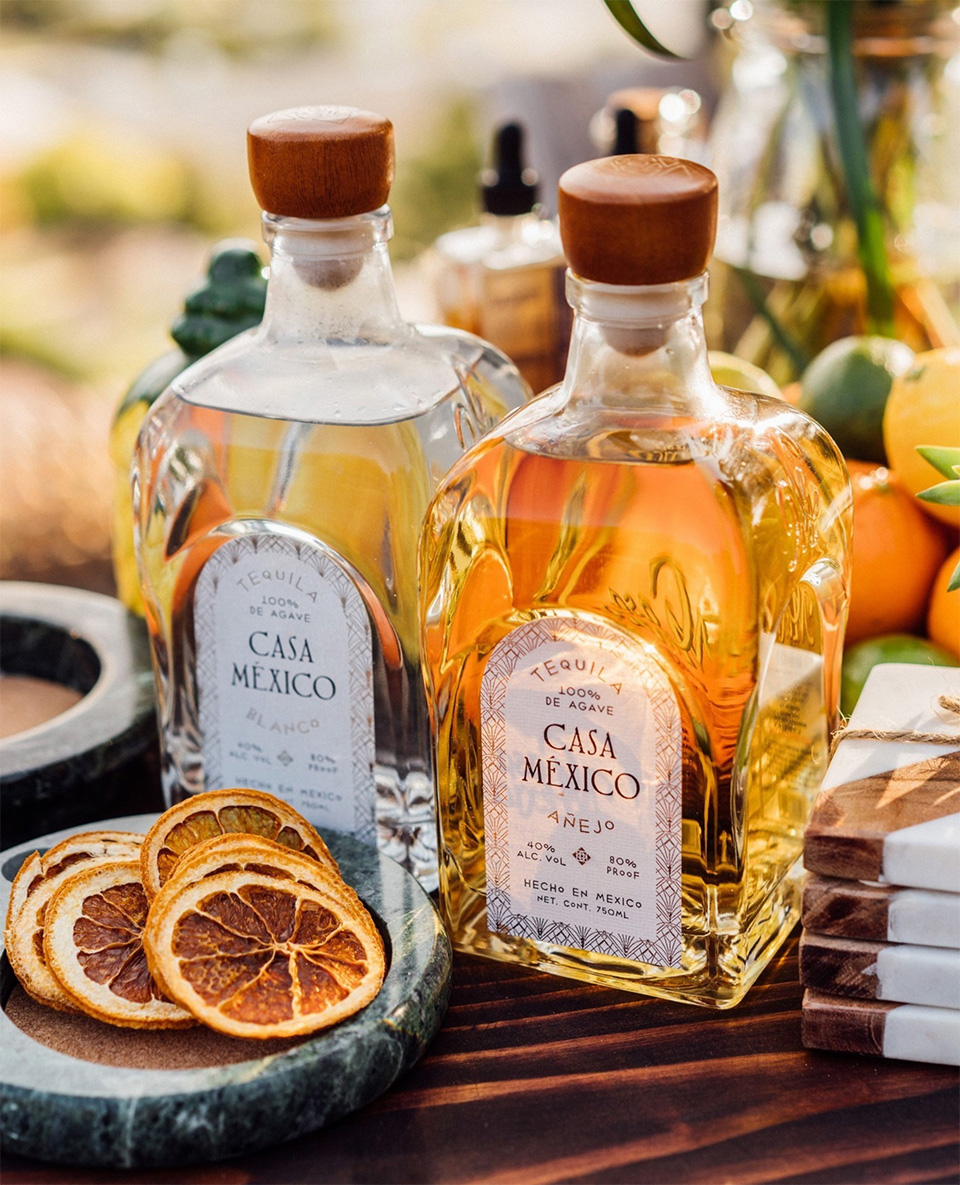
Casa México Tequila is crafted under the guidance of world-renowned Maestra Tequilera Ana María Romero Mena. With decades of experience creating acclaimed tequilas and mentoring future generations of distillers, she brings both deep tradition and thoughtful innovation to the brand. From agave selection to distillation and aging, her expertise ensures every expression reflects authenticity, precision and exceptional quality.

A comparison of agave syrup with other sweeteners is shown in the table below.
|
Sweetener |
Primary Sugar |
Calories (per tablespoon) |
Glycaemic Index |
Best Uses |
|
Agave Syrup |
Fructose (about 70% to 90%) |
60 |
10 to 30 |
Cocktails, iced drinks, desserts, salad dressings, vegan recipes |
|
Table Sugar |
Sucrose |
49 |
65 |
Baking, confectionery, beverages |
|
Honey |
Fructose and glucose |
64 |
50 to 60 |
Tea, marinades, baking, and sauces |
|
Maple Syrup |
Sucrose |
52 |
54 |
Pancakes, waffles, desserts, glazes |
|
Corn Syrup |
Glucose |
62 |
90 to 100 |
Candy making, processed foods, and sauces |
|
Coconut Sugar |
Sucrose |
45 |
35 to 54 |
Baking, coffee, and desserts |
|
Date Syrup |
Fructose and glucose |
60 |
40 to 55 |
Smoothies, oatmeal, and baking |
How does agave syrup compare with table sugar?
Agave syrup compares with table sugar in sweetness, sugar composition, glycaemic index, processing, and culinary performance. Agave syrup contains mostly fructose, making the sweetener about 1.2 to 1.5 times sweeter than table sugar. Table sugar consists of sucrose, which contains equal parts glucose and fructose. Agave syrup dissolves quickly in cold liquids and cocktails, whereas table sugar performs better in recipes that depend on crystallization, aeration, or structure.
A comparison of agave syrup with table sugar is shown in the table below.
|
Feature |
Agave Syrup |
Table Sugar |
|
Primary Sugar |
Fructose (about 70% to 90%) |
Sucrose (50% glucose and 50% fructose) |
|
Sweetness |
About 1.2 to 1.5 times sweeter |
Standard sweetness reference |
|
Calories |
About 60 per tablespoon |
About 49 per tablespoon |
|
Glycaemic Index |
10 to 30 |
About 65 |
|
Texture |
Liquid |
Granulated crystals |
|
Processing |
Extracted from agave sap, filtered, then enzymatically converted into simple sugars |
Extracted from sugar cane or sugar beet, purified, crystallized, and refined |
|
Flavour |
Mild and neutral with light caramel notes |
Clean and neutral sweetness |
|
Best Culinary Uses |
Cocktails, iced beverages, marinades, salad dressings, yogurt, and sauces |
Baking, confectionery, meringues, cookies, cakes, and beverages |
How does agave syrup compare with honey?
Agave syrup differs from honey in flavor, texture, sugar composition, antioxidant content, and culinary performance. Agave syrup contains mostly fructose, resulting in a milder flavor and a lower glycaemic index than honey. Honey contains fructose and glucose together, along with naturally occurring antioxidants, enzymes, organic acids, and trace minerals that vary by floral source. Agave syrup blends smoothly into cold beverages because the thinner consistency dissolves quickly, whereas honey provides a richer flavor and thicker texture that suits baked goods, glazes, and hot drinks.
A comparison of Agave syrup and honey is shown in the table below.
|
Feature |
Agave Syrup |
Honey |
|
Primary Sugar |
Fructose (about 70% to 90%) |
Fructose and glucose |
|
Sweetness |
About 1.2 to 1.5 times sweeter than table sugar |
Slightly sweeter than table sugar |
|
Calories |
About 60 per tablespoon |
About 64 per tablespoon |
|
Glycaemic Index |
10 to 30 |
50 to 60 |
|
Flavour |
Mild, neutral, lightly caramel |
Floral, fruity, earthy, varies by nectar source |
|
Texture |
Thin and smooth liquid |
Thick and viscous |
|
Antioxidants |
Very low amounts after processing |
Naturally contains antioxidants (flavonoids and phenolic compounds) |
|
Nutrients |
Trace minerals in small amounts |
Small amounts of vitamins, minerals, enzymes, and organic acids |
|
Best Uses |
Cocktails, iced beverages, vegan desserts, dressings |
Tea, baked goods, marinades, glazes, and desserts |
How does agave syrup differ from tequila?
Agave syrup differs from tequila because agave syrup is a natural sweetener, whereas tequila is a distilled alcoholic beverage. Each product originates from the blue agave plant, yet production methods create entirely different results. Agave syrup is made from extracted agave sap that is filtered and enzymatically converted into simple sugars, producing a sweet liquid for foods and beverages. Tequila is made from cooked blue agave piñas that undergo fermentation and distillation, producing an alcoholic spirit containing at least 35% alcohol by volume in Mexico and, for many commercial bottlings, commonly 40%. Agave syrup contains no alcohol and functions as a sweetener in cocktails, desserts, dressings, and baked goods. Tequila contributes agave flavor, aroma, and alcohol to cocktails and sipping spirits rather than sweetness. Confusion arises because both products share the same plant origin, although their processing, composition, nutritional value, and intended culinary purposes differ completely. The distinction explains How does Agave Syrup Differ from Tequila.
How is Agave Used to Make Tequila?
Agave is used to make tequila by harvesting mature blue agave plants and cooking the piñas to convert inulin into fermentable sugars. The cooked agave is crushed to extract sweet juice, which undergoes fermentation with yeast before distillation produces tequila. Distillation separates and concentrates the alcohol, creating the characteristic flavor and aroma of the spirit. Commercial agave syrup is not the ingredient used to produce tequila because the syrup is a processed sweetener made from filtered agave sap for food applications. Tequila production relies on freshly extracted juice from cooked agave piñas rather than on bottled agave syrup, although both products originate from the same blue agave plant. The production process explains how agave sugars become a distilled spirit and clarifies how agave is used to Make Tequila.
Why is agave syrup lower on the glycemic index?
Agave syrup has a lower glycemic index because fructose enters the bloodstream via a metabolic pathway separate from glucose. Glucose raises blood sugar levels quickly, triggering a rapid insulin response from the pancreas. Fructose travels to the liver first, where it is converted into glucose and fat at a slower rate, producing a smaller spike in blood sugar. A lower glycemic index score does not mean a sweetener is healthier, since excess fructose intake carries distinct metabolic risks, including fat accumulation in the liver. Nutrition experts caution against treating glycemic index like a single measure of a sweetener’s health impact.
How does fructose influence blood sugar response?
Fructose influences blood sugar response through a metabolic route bypassing insulin during initial digestion. Liver cells absorb fructose directly, converting it into glucose, glycogen, plus fat, without an insulin trigger during the first conversion step. Blood sugar rises more slowly after fructose consumption than after glucose consumption, resulting in a flatter glycemic curve. Repeated high fructose intake shifts metabolic load toward the liver, raising triglyceride levels over time. Insulin sensitivity drops when fructose intake stays high across a prolonged period, according to metabolic research.
What are the health benefits of agave syrup?
The health benefits of agave syrup include a lower glycaemic index than table sugar, greater sweetness that reduces the amount needed in recipes, and suitability for vegan diets because it comes from the agave plant. Agave syrup contains small amounts of potassium, calcium, and magnesium, although the nutrient content remains limited. Scientific evidence does not support claims that agave syrup is a superfood or a healthier replacement without moderation, as its high fructose content remains a nutritional concern.
Which nutrients contribute to the health benefits of agave syrup?
The nutrients that contribute to the health benefits of agave syrup include small amounts of potassium, calcium, magnesium, and trace antioxidants, although the nutritional contribution remains modest. Agave syrup consists primarily of fructose, providing about 60 calories per tablespoon, with very little protein, fat, fiber, vitamins, or minerals. Potassium supports normal muscle and nerve function, calcium contributes to bone health, and magnesium participates in hundreds of enzyme reactions throughout the body. Trace amounts of antioxidants are present in minimally processed agave syrup, although refined products contain lower levels because processing removes many naturally occurring compounds. Sweetness does not indicate superior nutrition because the primary role of agave syrup is to provide energy from simple sugars rather than nutrient delivery. The lower glycaemic index compared with table sugar reflects the higher fructose content rather than a higher concentration of beneficial nutrients. Moderate consumption remains appropriate because agave syrup serves as a sweetener rather than a nutrient-dense food.
Why is agave syrup considered controversial?
Agave syrup is considered controversial since nutrition experts disagree over its fructose content plus impact on metabolic health. Marketing materials describe agave syrup as a natural, healthier alternative to table sugar, emphasizing its low glycemic index. Critics counter that agave syrup has a higher fructose content than table sugar or honey, raising concerns about liver fat accumulation and insulin resistance. Added sugar guidelines from health organizations count agave syrup toward daily added sugar limits, regardless of its natural origin. Disagreement centers around whether a lower glycemic index outweighs the metabolic cost of concentrated fructose.
What are the drawbacks of consuming too much agave syrup?
The drawbacks of consuming too much agave syrup are listed below.
- Liver fat accumulation: High fructose intake routes sugar metabolism toward the liver, raising fat storage over time. Repeated overconsumption links to non-alcoholic fatty liver disease risk. Moderation keeps fructose load inside a manageable range, supporting liver function.
- Calorie surplus: Agave syrup carries 60 calories per tablespoon, adding up fast across multiple servings. Sweetness concentration tempts larger pours than intended, raising total calorie intake. Portion control remains necessary to avoid unplanned weight gain.
- Added sugar overload: Health organizations classify agave syrup as an added sugar, counting toward daily limits set by dietary guidelines. Consuming agave syrup alongside other sweetened foods quickly raises total added sugar intake beyond recommended thresholds. Tracking total added sugar intake across a full day prevents unintentional overconsumption.
- Insulin resistance risk: Chronic high-fructose intake is associated with reduced insulin sensitivity in long-term studies. Reduced insulin sensitivity increases risk factors for type 2 diabetes. Limiting agave syrup portions supports steadier long-term metabolic health.
Is agave healthy?
Yes, agave is healthy when consumed in moderation as part of a balanced diet. Agave syrup contains small amounts of minerals (potassium and calcium), although the nutritional contribution remains limited. The lower glycaemic index produces a slower rise in blood glucose than table sugar because fructose makes up about 70% to 90% of the sweetener. The high fructose content still contributes calories, and excessive intake is linked to adverse metabolic effects, including elevated triglyceride levels and increased liver fat. Moderate use remains the healthiest approach.
Is agave healthier than sugar?
Yes, agave syrup is healthier than table sugar in terms of glycaemic response, although the comparison depends on the amount consumed and dietary goals. Agave syrup has a glycaemic index of about 10 to 30, whereas table sugar averages about 65. The lower glycaemic index produces a slower increase in blood glucose after consumption. Table sugar contains equal amounts of glucose and fructose, whereas agave syrup contains a much higher proportion of fructose. High fructose intake remains a nutritional concern despite the lower glycaemic index, making moderation necessary for either sweetener.
Is agave syrup good for you?
Yes, agave syrup is good for healthy adults when consumed in moderate amounts. Agave syrup provides sweetness with a lower glycaemic index than refined sugar and dissolves easily in beverages and recipes, reducing the quantity needed because the sweetening power exceeds table sugar. The nutritional value remains limited because vitamins, minerals, and antioxidants exist only in small amounts. Excessive consumption increases total sugar and calorie intake, making agave syrup a sweetener rather than a health food.
How should agave syrup be consumed in moderation?
Agave syrup should be consumed in moderation by following the steps listed below.
- Measure servings precisely. One tablespoon delivers 60 calories, marking a reasonable upper limit per serving. Measuring instead of free-pouring keeps portions inside a controlled range.
- Limit servings per day. Two teaspoons per day keeps added sugar intake within the guideline ranges recommended by health organizations. Stacking multiple servings across meals quickly raises total sugar intake.
- Pair servings alongside protein or fiber. Combining agave syrup alongside protein or fiber slows sugar absorption, reducing blood sugar spikes. Oatmeal, yogurt, and nut butter make a fine pairing.
- Track total added sugar intake. Logging agave syrup alongside other sweetened foods reveals total daily sugar consumption. Awareness supports staying inside the recommended added sugar limits set by dietary guidelines.
How can agave syrup be used in everyday cooking?
Agave syrup can be used in everyday cooking by following the five steps listed below.
- Sweeten beverages. Coffee, tea, and smoothies mix quickly with liquid agave syrup, avoiding the grainy texture left by table sugar. Cold beverages benefit since agave syrup dissolves without heat.
- Bake breads plus pastries. Bakers substitute agave syrup for table sugar, using a lower ratio since agave syrup has a stronger sweetness. Moisture content rises when agave syrup replaces dry sugar, prompting a reduced liquid ratio elsewhere inside the recipe.
- Prepare sauces plus glazes. Agave syrup thickens fast when heated, producing a glossy glaze suited to roasted vegetables or meats. Blending agave syrup alongside vinegar or citrus juice builds a balanced sauce base.
- Marinate meats plus vegetables. Agave syrup balances acidity inside marinades, softening sharp flavors from vinegar or citrus. Sugars inside the syrup caramelize fast during grilling, building color across the surface of meat or vegetables.
- Sweeten desserts. Cakes, cookies, plus puddings accept agave syrup in place of granulated sugar, keeping the texture moist. Reduced granulation avoids a gritty texture common in sugar-based desserts.
How can agave syrup replace sugar in recipes?
Agave syrup replaces sugar in recipes by following the steps listed below.
- Apply a two-thirds ratio. Two-thirds cup of agave syrup replaces one full cup of granulated sugar, since agave syrup carries stronger sweetness per volume. Measuring by volume keeps sweetness levels consistent across a converted recipe.
- Reduce other liquids inside the recipe. Recipes cut other liquid ingredients close to one-quarter cup per cup of agave syrup added, balancing moisture content. Skipping the adjustment leaves the batter too thin, plus alters bake time.
- Lower the oven temperature. Oven temperature drops by 25 degrees Fahrenheit when agave syrup replaces sugar, since liquid sweeteners brown fast. Lower heat prevents over-browning across the surface of baked goods.
- Add a leavening agent adjustment. Baking soda counteracts the added acidity from agave syrup, keeping the rise consistent in cakes and breads. One-quarter teaspoon of baking soda per cup of agave syrup keeps the texture light.
Which foods pair well with agave syrup?
Foods that pair well with agave syrup are listed below.
- Yogurt: Agave syrup sweetens plain yogurt without the grainy texture associated with granulated sugar. A small drizzle balances tartness inside Greek yogurt.
- Oatmeal: Agave syrup dissolves fast into warm oatmeal, spreading sweetness evenly across each bite. Pairing alongside cinnamon or fruit builds a balanced breakfast flavor.
- Tea: Agave syrup dissolves quickly in hot tea, avoiding the settling that occurs with granulated sugar. Herbal tea plus black tea accept agave syrup without a flavor clash.
- Coffee: Agave syrup sweetens coffee without altering its flavor profile past a mild sweetness. Cold brew plus hot coffee accept agave syrup fast, dissolving without residue.
- Smoothies: Agave syrup blends fast into smoothies, adding sweetness without disrupting fruit flavor. A small measure balances tartness from citrus or berries.
- Pancakes: Agave syrup pours fast across warm pancakes, replacing maple syrup with a similar consistency. Sweetness spreads evenly across each bite without pooling.
- Baked goods: Agave syrup sweetens muffins, cookies, plus cakes, keeping the texture moist across storage. A finishing drizzle across baked goods adds shine without added crunch.