EN
EN ES
ES PL
PL TR
TR
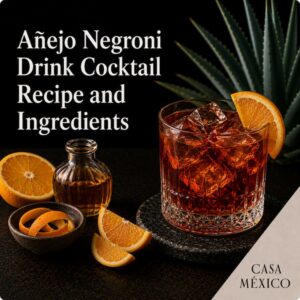
The Añejo Negroni cocktail is a stirred spirit-forward tequila cocktail built on aged tequila, sweet vermouth, and Campari. The Añejo Negroni combines añejo tequila, Campari, and sweet vermouth in equal parts, stirred over ice and strained into a rocks glass over a large ice cube. The defining structural difference from a classic Negroni lies in the base spirit. The aged tequila replaces gin, bringing barrel-driven depth instead of botanical brightness. Añejo tequila contributes vanilla, toasted oak, and dried fruit notes, creating a rounder, warmer foundation. Campari delivers orange and herbal bitterness, cutting through the richness of the aged spirit. Sweet vermouth binds the build with dark cherry, spice, and residual sweetness. The drink is best consumed slowly over a single large ice cube. The Añejo Negroni suits cooler evenings, formal dinners, and drinkers who appreciate depth over refreshment.
What is Añejo Negroni made of? The Añejo Negroni is built on aged tequila as its primary spirit, with Campari serving as the modifier. Añejo tequila’s one-year barrel aging produces a richer character compared to the clean, herbal profile of gin. The key difference from the standard Negroni lies in how barrel-aged agave spirit softens Campari’s bitterness rather than amplifying its botanical edge. Sweet vermouth and an expressed orange peel complete the build, rounding the drink into a balanced, spirit-forward Añejo Negroni cocktail.
What are the Ingredients for Añejo Negroni Cocktail?
The ingredients of Añejo Negroni are listed below.
- Añejo Tequila: The base spirit, aged a minimum of one year in oak barrels. The Añejo Negroni delivers vanilla, caramel, and toasted wood notes that define the drink’s depth.
- Campari: A bitter modifier made from a proprietary blend of herbs, spices, and fruit peels. The Campari contributes bitter orange, ruby red color, and herbal complexity to the build.
- Sweet Vermouth: A fortified, aromatized wine that provides dark cherry, dried spice, and soft sweetness. The sweet Vermouth binds the aged tequila and Campari into a cohesive, balanced structure.
- Large Ice Cube: A single oversized cube that chills the drink while minimizing dilution. Dilution control is critical in a spirit-forward build.
- Orange Peel: Expressed over the finished drink to release citrus oils that lift the aroma. The peel runs along the rim before resting in the glass as a garnish.
- Rocks Glass: The preferred vessel, sized to hold a large ice cube properly. A coupe serves as an alternative for a stirred-and-strained Añejo Negroni recipe presentation.
Should Fresh Añejo or Añejo Purée Be Used in an Añejo Negroni?
Fresh Añejo nor Añejo purée does not apply to the cocktail, as añejo refers exclusively to the aged tequila used as the base spirit. Añejo is not a fruit or ingredient that exists in fresh or puréed form. Añejo is a classification of tequila defined by a minimum aging period of one year in oak barrels, producing a spirit with deep vanilla, caramel, and toasted wood characteristics. The Añejo Negroni uses Añejo tequila expression precisely because barrel aging softens the agave’s raw edge and creates a richer foundation for Campari and sweet vermouth. No juice, pulp, or blended fruit component belongs in the build, as the cocktail is a stirred, spirit-forward drink composed entirely of aged spirits and fortified wine.
What Mixers Pair Best with Añejo Negroni?
The mixers that pair best with the Añejo Negroni are listed below.
- Sparkling Water: A light splash of sparkling water lengthens the Añejo Negroni without disrupting its bitter-sweet balance. Sparkling water opens the aroma and reduces the alcohol intensity for drinkers who prefer a slightly lighter build.
- Club Soda: Club soda adds a clean, neutral effervescence that lifts the heavier notes of aged tequila and sweet vermouth. A measured pour keeps the cocktail’s structure intact while making the drink more approachable.
- Orange Juice: A small measure of fresh orange juice softens Campari’s bitterness and echoes the citrus oils from the expressed orange peel garnish. Orange juice shifts the Añejo Negroni toward a brunch-friendly variation without overpowering the base spirit.
- Grapefruit Juice: Fresh grapefruit juice introduces a tart, slightly bitter citrus layer that complements Campari’s herbal profile. Grapefruit juice pairs naturally with añejo tequila’s oak-driven depth, adding brightness without sweetness.
- Dry Vermouth: A small addition of dry vermouth reduces overall sweetness and sharpens the herbal, bitter edge of the cocktail. Dry vermouth works best as a partial substitute for sweet vermouth in a drier variation of the build.
- Cold Brew Coffee: A measured pour of cold brew coffee deepens the dark, roasted undertones already present in barrel-aged tequila. Cold brew coffee pairs with the Añejo Negroni mixer, built to create a richer, after-dinner variation of the cocktail.
How to Make an Añejo Negroni?
To make an Añejo Negroni, follow the 6 steps listed below.
- Prepare the Mixing Glass. Fill a mixing glass with large ice cubes to chill the vessel before adding any liquid. A properly chilled mixing glass controls dilution during the stir and keeps the final drink cold without watering down the build.
- Measure and Pour the Spirits. Add 1 oz of añejo tequila, 1 oz of Campari, and 1 oz of sweet vermouth directly into the chilled mixing glass. Precise measurement ensures the bitter, sweet, and spirit-forward elements remain in equal balance throughout the drink.
- Stir the Cocktail. Using a bar spoon, stir the mixture steadily for 30 seconds using a smooth, controlled circular motion. Stirring chills and dilutes the drink evenly without introducing air or cloudiness, preserving the cocktail’s clarity and texture.
- Prepare the Rocks Glass. Place a single large ice cube into a rocks glass before straining the cocktail. A large cube minimizes dilution during consumption and maintains the Añejo Negroni’s temperature and concentration over time.
- Strain and Pour. Position a Julep strainer over the mixing glass and strain the cocktail directly over the large ice cube in the rocks glass. A clean strain removes any ice chips and delivers a smooth, clear pour into the serving vessel.
- Express and Garnish the Orange Peel. Hold a wide strip of fresh orange peel over the glass and squeeze it firmly to release the citrus oils across the surface of the drink. Run the expressed peel along the rim of the rocks glass, then rest the peel on the edge as the final garnish for the Añejo Negroni recipe.
The most important step in making an Añejo Negroni is the stir. A proper 30-second stir achieves the precise dilution and temperature that defines the texture and balance of the finished cocktail.
How is the Nutrient Value of Añejo Negroni Cocktail?
The Añejo Negroni delivers a moderate caloric load driven primarily by the sugar content in Campari and sweet vermouth, with añejo tequila contributing the majority of the alcohol-derived calories.
Meet Our Maestra Tequilera
Casa México Tequila is crafted under the guidance of world-renowned Maestra Tequilera Ana María Romero Mena. With decades of experience creating acclaimed tequilas and mentoring future generations of distillers, she brings both deep tradition and thoughtful innovation to the brand. From agave selection to distillation and aging, her expertise ensures every expression reflects authenticity, precision and exceptional quality.

The detailed breakdown of the Añejo Negroni Cocktail nutrient value is listed in the table below.
| Nutrient | Amount per Serving | Unit | Daily Value % | Source / Measurement Basis | Notes |
|---|---|---|---|---|---|
| Calories | 210 | kcal | 11% | 1 oz anejo tequila, 1 oz Campari, 1 oz sweet vermouth | Based on 3 oz total build |
| Total Fat | 0 | g | 0% | 1 oz anejo tequila, 1 oz Campari, 1 oz sweet vermouth | N/A |
| Saturated Fat | 0 | g | 0% | 1 oz anejo tequila, 1 oz Campari, 1 oz sweet vermouth | N/A |
| Cholesterol | 0 | mg | 0% | 1 oz anejo tequila, 1 oz Campari, 1 oz sweet vermouth | N/A |
| Sodium | 4 | mg | 0.2% | 1 oz sweet vermouth, trace from Campari | Trace mineral from fortified wine base |
| Total Carbohydrates | 14 | g | 5% | 1 oz Campari, 1 oz sweet vermouth | No carbs in distilled tequila |
| Dietary Fiber | 0 | g | 0% | 1 oz anejo tequila, 1 oz Campari, 1 oz sweet vermouth | N/A |
| Total Sugars | 12 | g | N/A | 1 oz Campari, 1 oz sweet vermouth | Residual sugar from liqueur and fortified wine |
| Added Sugars | 12 | g | 24% | 1 oz Campari, 1 oz sweet vermouth | No added sugar in anejo tequila |
| Protein | 0 | g | 0% | 1 oz anejo tequila, 1 oz Campari, 1 oz sweet vermouth | N/A |
| Alcohol (Ethanol) | 17 | g | N/A | 1 oz anejo tequila, 1 oz Campari, 1 oz sweet vermouth | Approx. 20% ABV per 3 oz serving |
| Potassium | 40 | mg | 1% | 1 oz sweet vermouth, trace from Campari | Trace mineral from grape-based vermouth |
| Calcium | 6 | mg | 0.5% | 1 oz sweet vermouth | Trace from fortified wine base |
| Iron | 0.2 | mg | 1% | 1 oz Campari, trace from sweet vermouth | Trace mineral from herbal liqueur blend |
How Many Calories Are in an Añejo Negroni? The Añejo Negroni contains approximately 210 calories per standard 3-oz serving. Añejo tequila contributes the largest share of alcohol-derived calories, accounting for roughly 90 to 100 kcal depending on the ABV of the specific expression used. Campari and sweet vermouth add the remaining calories primarily through residual sugar content, with each modifier contributing between 50 and 60 kcal per 1 oz pour. The caloric value of the Añejo Negroni increases when higher-proof tequila expressions or sweeter vermouth brands are used in the build.
What are the Tips to Prepare Añejo Negroni Cocktail Better?
The tips to prepare an Añejo Negroni cocktail better are listed below.
- Use an añejo tequila aged between one and three years. The oak character integrates cleanly with Campari and sweet vermouth without overpowering either modifier.
- Chill the mixing glass with ice for at least 30 seconds before adding any liquid. A cold vessel controls the dilution rate during the stir.
- Stir the build for a full 30 seconds using a steady, circular motion. Proper stirring achieves the right dilution, temperature, and silky texture.
- Measure each component with a jigger rather than free-pouring. The equal-parts structure leaves no margin for imbalance between the tequila, Campari, and sweet vermouth.
- Use a single large ice cube in the rocks glass. A large cube melts more slowly and prevents over-dilution during consumption.
- Express the orange peel directly over the surface before garnishing. The citrus oils released lift the aroma and brighten the first sip.
- Select a sweet vermouth with a dry or semi-sweet profile. A lighter vermouth preserves the bitter-forward balance of the build.
- Adjust sweet vermouth by a quarter ounce if the añejo tequila carries heavy oak or vanilla notes. The adjustment keeps the Añejo Negroni cocktail balanced across every sip.
How to Prevent an Añejo Negroni from Tasting Too Sweet?
To prevent an Añejo Negroni from tasting too sweet, controlling the sweet vermouth ratio and selecting a drier vermouth expression are the two primary adjustments. Excess sweetness enters the build when sweet vermouth exceeds the equal-parts ratio or when a heavily sweetened vermouth pairs with an añejo tequila carrying strong vanilla notes. Reducing sweet vermouth from 1 oz to 0.75 oz while keeping Campari and añejo tequila at 1 oz rebalances the build toward a drier, bitter-forward profile. Selecting a vermouth with lower residual sugar addresses excess sweetness at its source without altering the cocktail’s core structure. Adding a barspoon of dry vermouth introduces herbal sharpness that counteracts the barrel sweetness of the aged spirit. Stirring for a full 30 seconds ensures proper dilution, opening Campari’s bitter and herbal notes and preventing sweetness from dominating the palate. A properly expressed orange peel adds citrus brightness that shifts perceived flavor away from sweetness on the first sip. Serving over a large ice cube in a chilled rocks glass keeps the temperature low, as a warmer drink amplifies the sweetness of Añejo Negroni.
What are the Variations of Añejo Negroni Cocktail Recipes?
The variations of the Añejo Negroni Cocktail are listed in the table below.
| Variation Name | Ingredients | Nutrient | Steps | Opinion |
| Mezcal Añejo Negroni | 1 oz mezcal añejo, 1 oz Campari, 1 oz sweet vermouth, orange peel | Similar calorie range (~210 kcal). Mezcal adds no additional sugar but carries a slightly higher ABV based on the specific expression used. | Stir all ingredients over ice for 30 seconds. Strain into a rocks glass over a large ice cube. Express orange peel and garnish. | The smoky, earthy character of mezcal añejo deepens the bitter profile of Campari and creates a more complex finish than the standard build. |
| Dry Añejo Negroni | 1 oz añejo tequila, 1 oz Campari, 0.5 oz sweet vermouth, 0.5 oz dry vermouth, orange peel | Slightly lower sugar (~9g) due to reduced sweet vermouth. Calorie count drops to approximately 190 kcal. | Combine all ingredients in a mixing glass over ice. Stir for 30 seconds. Strain into a chilled rocks glass over a large cube. Garnish with expressed orange peel. | Splitting the vermouth between sweet and dry reduces residual sweetness and sharpens the herbal edge, making the build more bitter-forward and spirit-driven. |
| Spiced Añejo Negroni | 1 oz añejo tequila, 1 oz Campari, 1 oz sweet vermouth, 1 dash cardamom bitters, orange peel | Negligible caloric change from the bitter addition. Cardamom adds no sugar or fat to the build. | Add all ingredients with cardamom bitters to a mixing glass with ice. Stir for 30 seconds. Strain over a large cube. Express orange peel over the glass before garnishing. | A single dash of cardamom bitters adds a warm, aromatic spice layer that complements the vanilla and oak notes of añejo tequila without disrupting the equal-parts balance. |
| Grapefruit Añejo Negroni | 1 oz añejo tequila, 1 oz Campari, 1 oz sweet vermouth, 0.25 oz fresh grapefruit juice, orange peel | Slight calorie increase (~220 kcal). Fresh grapefruit juice adds approximately 3g of natural sugar per quarter ounce. | Combine tequila, Campari, vermouth, and grapefruit juice in a mixing glass over ice. Stir for 20 seconds. Strain into a rocks glass over a large cube. Garnish with orange peel. | A quarter ounce of fresh grapefruit juice introduces a tart citrus brightness that echoes Campari’s bitter orange base and lightens the overall weight of the aged spirit. |
| Salted Añejo Negroni | 1 oz añejo tequila, 1 oz Campari, 1 oz sweet vermouth, 1 pinch flaky sea salt, orange peel | Sodium increases slightly (~10mg). Salt adds no calories, fat, or sugar to the build. | Stir tequila, Campari, and vermouth over ice for 30 seconds. Strain into a rocks glass over a large cube. Add a pinch of flaky sea salt directly to the surface. Express and garnish with orange peel. | A pinch of flaky sea salt on the surface suppresses bitterness, enhances the sweetness of the aged tequila, and adds a subtle mineral finish that elevates the overall complexity. |
| Barrel-Aged Añejo Negroni | 1 oz extra añejo tequila (3+ years), 1 oz Campari, 1 oz sweet vermouth, orange peel | Calorie count remains near 210 kcal. Extra aging increases perceived sweetness without adding sugar. | Stir all ingredients over ice for 30 seconds. Strain into a rocks glass over a single large ice cube. Express orange peel over the glass and use as a garnish. | Substituting extra añejo tequila deepens the vanilla, dark chocolate, and dried fruit notes in the build, producing a richer, more dessert-forward variation best suited for after-dinner service. |
| Blood Orange Añejo Negroni | 1 oz añejo tequila, 1 oz Campari, 1 oz sweet vermouth, 0.25 oz fresh blood orange juice, blood orange slice | Calorie count rises to approximately 215 kcal. Blood orange juice contributes ~4g of natural sugar per quarter ounce. | Combine tequila, Campari, vermouth, and blood orange juice in a mixing glass over ice. Stir for 20 seconds. Strain over a large cube. Garnish with a blood orange slice. | Fresh blood orange juice deepens the ruby red color of the cocktail and adds a tart, berry-forward citrus note that pairs naturally with Campari’s bitter orange base and the oak depth of añejo tequila. |
Can Añejo Negroni Be Made as a Frozen Cocktail?
Yes, an Añejo Negroni can be made as a frozen cocktail with specific adjustments to the standard stirred build. The three base ingredients (añejo tequila, Campari, and sweet vermouth) blend well at frozen consistency due to their alcohol content, preventing the mixture from freezing solid. Sweet vermouth quantity reduces to 0.5 oz in the frozen format, as blending amplifies the perception of sweetness, and a full ounce creates an overly sweet result. The tequila, campari and vermouth are blended with a cup of ice and blended until smooth before pouring into a chilled rocks glass or coupe. Sparkling water or a small float of Campari is poured on top after blending rather than into the blender, preserving a layer of effervescence and color on the surface. The frozen format suits warm-weather occasions and outdoor settings where the standard stirred build loses temperature too quickly. The frozen Añejo Negroni is best consumed within 10 minutes of preparation before the blended texture melts and dilutes the balance of the build.
What alcohol is in an Añejo Negroni?
The alcohols in an Añejo Negroni comes from añejo tequila as the primary spirit, Campari as the bitter herbal liqueur, and sweet vermouth as the fortified wine modifier.
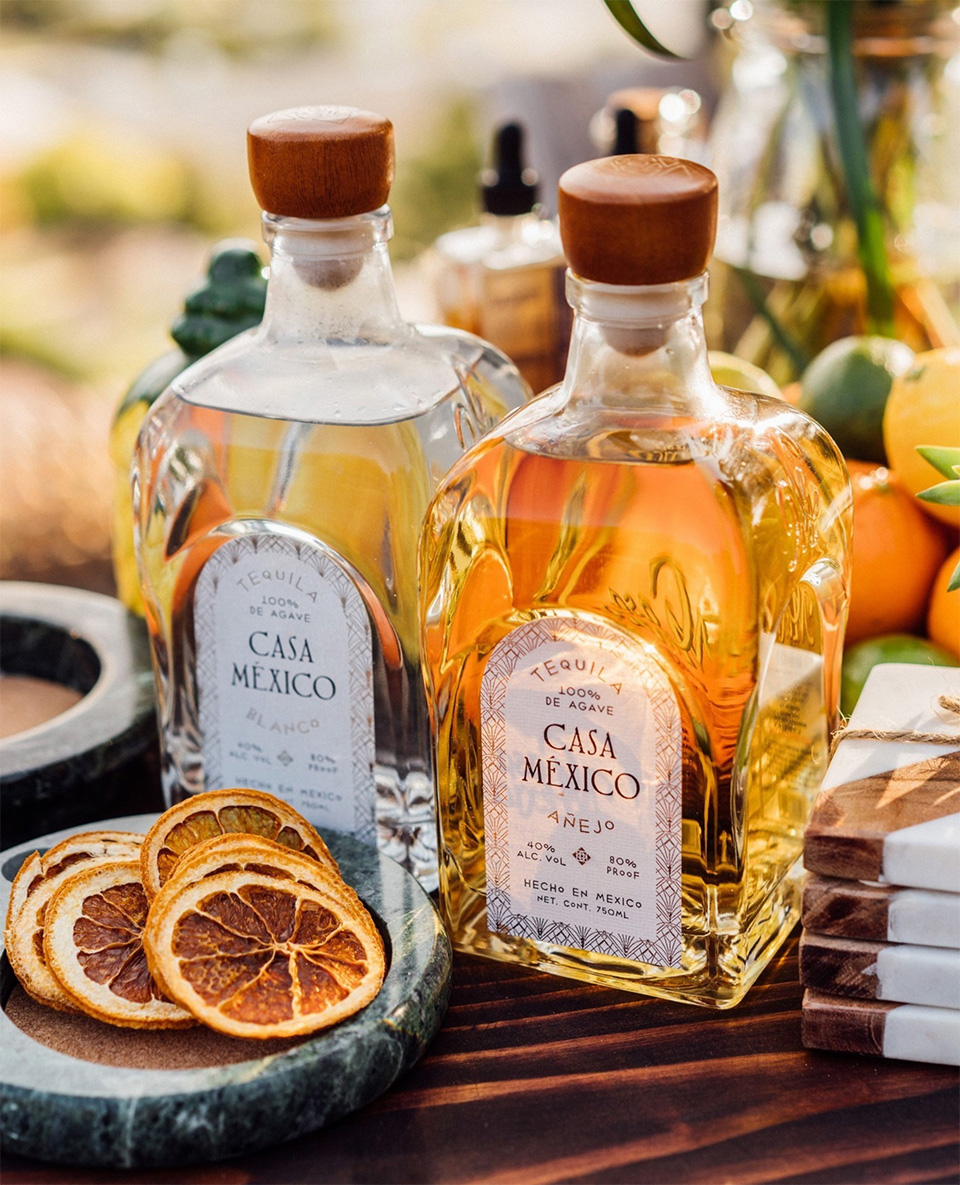
Casa Mexico Tequila Añejo
Casa Mexico Añejo ages for a minimum of one year in oak barrels, producing a rich spirit with deep vanilla, toasted wood, and dried fruit notes. The Añejo integrates directly with the bitter and sweet modifiers of the Negroni build. The Añejo expression provides the structural backbone the cocktail is built around, softening Campari’s sharp bitterness and rounding the sweetness of the vermouth into a cohesive, spirit-forward drink. Use Casa Mexico Añejo as the primary recommended expression for building an authentic Añejo Negroni cocktail.
Casa Mexico Tequila Blanco
Casa Mexico Blanco is an unaged tequila bottled directly after distillation, carrying a clean, bright agave character with light citrus and floral notes. Añejo Negroni built using blanco produces a sharper, more agave-forward result that allows Campari’s bitterness to dominate the palate.
Casa Mexico Tequila Reposado
Casa Mexico Reposado rests in oak barrels for a minimum of two months, developing a soft vanilla and caramel character layered over a fresh agave base. The Reposado expression sits between the brightness of Blanco and the full oak depth of Añejo, producing a balanced, approachable version of the cocktail.
Does Añejo Negroni Have Alcohol? Yes, the Añejo Negroni contains alcohol from añejo tequilas, Campari, and sweet vermouth. The cocktail carries an approximate ABV of 24% to 26% per standard 3-oz serving, placing it among the stronger spirit-forward builds.
How Much Alcohol Does an Añejo Negroni Have?
The Añejo Negroni has an alcohol content of 24% to 26% ABV per standard 3-oz serving. The combined equal-parts pour of añejo tequila has 38% to 40% ABV, Campari at 24% ABV, and sweet vermouth at 15% to 18% ABV. A higher-proof añejo tequila at 40% ABV pushes the build toward the upper end of the range, while a sweeter, lower-ABV vermouth at 15% pulls the finished cocktail slightly lower. Dilution reduces the perceived alcohol strength, softening the burn and allowing the bitter and sweet modifiers to express more clearly on the palate. A build sitting at 24% ABV tastes rounder and more integrated, while one closer to 26% tastes sharper and more spirit-forward on the finish. The safe consumption range for the Añejo Negroni is one to two servings per occasion.
Can Pregnant Women Drink an Añejo Negroni? No, pregnant women cannot drink an Añejo Negroni. The Centers for Disease Control and Prevention (CDC) states that “no safe level of alcohol consumption has been established during pregnancy, and that alcohol exposure at any stage carries the risk of fetal alcohol spectrum disorders”. The Añejo Negroni contains approximately 17g of ethanol per serving, the volume exceeds that of a single standard drink, and poses a direct risk under CDC guidelines.
Does an Añejo Negroni make you drunk?
Yes, an Añejo Negroni makes you drunk when consumed beyond a personal tolerance threshold. The cocktail carries an ABV of 24% to 26% per 3 oz serving, with a single build delivering approximately 17g of pure ethanol directly into the bloodstream. Añejo tequila contributes the largest share of alcohol at 38% to 40% ABV, while Campari and sweet vermouth add further ethanol on top of the base spirit. The stirred, spirit-forward format of the drink contains no juice, soda, or mixer to slow alcohol absorption, making the Añejo Negroni act faster than longer, diluted cocktail formats. Blood alcohol concentration rises more rapidly with spirit-forward builds consumed on an empty stomach, increasing the speed at which intoxication sets in.
Does Añejo Negroni Have Tequila?
Yes, the Añejo Negroni contains tequila as its primary base spirit, specifically the añejo tequila. Añejo tequila aged for a minimum of one year in oak barrels. Añejo tequila carries an ABV of 38% to 40% and contributes the dominant flavor profile of vanilla, toasted oak, and dried fruit that defines the character of the cocktail. The aged spirit replaces gin as the base in the classic Negroni format, shifting the flavor from botanical and juniper-forward to a warm, rounded drink. Añejo Negroni without Añejo tequila becomes a standard Negroni rather than the spirit-forward, Añejo Negroni cocktail.
What is Añejo Negroni?
An Añejo Negroni is a spirit-forward, stirred tequila cocktail that replaces the gin base of a classic Negroni with añejo tequila. The drink combines 1 oz añejo tequila, 1 oz Campari, and 1 oz sweet vermouth in equal parts, stirred over ice and strained into a rocks glass over a single large ice cube. Barrel aging transforms the clean, botanical character of gin into a warm, oak-driven foundation built on vanilla, dried fruit, and toasted wood. Añejo tequila carries depth and richness that softens Campari’s sharp bitterness rather than amplifying it. Campari delivers bitter orange, ruby red color, and herbal complexity that cuts through the weight of the aged spirit. Sweet vermouth binds the two together with dark cherry, dried spice, and residual sweetness that rounds the finish. The Añejo Negroni suits formal dinners, cooler evenings, and drinkers who prefer complex, spirit-forward builds over refreshing, citrus-driven cocktails.
Why is it Called an Añejo Negroni? The Añejo Negroni takes its name from the classic Negroni format and the specific tequila classification used as its base spirit. The word “añejo” translates from Spanish as “aged,” referring to tequila rested in oak barrels for a minimum of one year. The name identifies the defining swap within the build (aged tequila replacing gin), distinguishing the Añejo Negroni recipe from both the original Negroni and other tequila-based variations built on blanco or reposado expressions.
What Does an Añejo Negroni Taste Like?
The Añejo Negroni delivers a complex, bitter-sweet flavor profile shaped by the interaction of three distinct ingredients, each contributing a specific taste role to the finished drink.
The ingredients that affect the taste of the Añejo Negroni are listed below.
- Añejo Tequila: Barrel aging produces vanilla, toasted oak, caramel, and dried fruit notes in the spirit. The warm, rich flavors form the dominant taste foundation of the cocktail and soften the bitterness of Campari on the palate.
- Campari: The bitter orange liqueur introduces sharp herbal bitterness and a citrus peel dryness that cuts through the sweetness of both the tequila and the vermouth. Campari defines the bitter edge of the drink and gives the Añejo Negroni its characteristic ruby red color.
- Sweet Vermouth: The fortified wine adds dark cherry, dried fig, cinnamon, and a measured sweetness that rounds the finish of the cocktail. Sweet vermouth prevents the bitterness of Campari from dominating and creates a smooth, integrated aftertaste.
- Orange Peel: Expressing the peel over the surface of the drink releases citrus oils that lift the aroma before the first sip. The oils add a bright, zesty top note that contrasts with the heavier oak and bitter flavors present in the liquid.
- Oak and Barrel Influence: The one-year minimum aging period in oak barrels deposits tannins into the tequila that add a dry, slightly woody finish to the cocktail. The tannin structure tightens the overall texture of the drink and gives the Añejo Negroni taste a longer, more complex finish than a gin-based Negroni.
How to Drink an Añejo Negroni?
To drink an Añejo Negroni, follow the 6 steps listed below.
- Serve Over a Single Large Ice Cube. Place one large ice cube in a rocks glass before pouring. A large cube keeps the drink cold while slowing dilution throughout consumption.
- Express the Orange Peel Before the First Sip. Squeeze a wide strip of fresh orange peel firmly over the glass to release the citrus oils. The oils prime the aroma and create a brighter first impression on the palate.
- Smell the Cocktail Before Drinking. Bring the glass close and inhale the aroma of the orange peel, Campari, and aged tequila before the first sip. Aroma perception accounts for a significant portion of the taste experience in spirit-forward builds.
- Take Small, Measured Sips. The Añejo Negroni carries an ABV of 24% to 26%, making slow sipping the correct approach. Large sips deliver too much alcohol heat and mask the layered bitter, sweet, and oak notes.
- Allow the Ice to Dilute the Drink Gradually. The large ice cube provides controlled dilution that opens the flavors as the drink progresses. The build integrates more fully within the first few minutes of melting.
- Consume Within 15 Minutes of Pouring. Drinking within 15 minutes prevents over-dilution, which flattens the bitter and oak notes that define the Añejo Negroni recipe.
The most important tip for a better taste experience is to smell the cocktail before drinking. The expressed orange peel significantly sharpens the perception of vanilla, bitterness, and oak on the first sip.
Is Añejo Negroni Best Served Over Ice or Blended?
Añejo Negroni is best served over ice. The cocktail is a stirred, spirit-forward build where carbonation, texture, and precise dilution define the drinking experience. Blending destroys the clean, silky texture achieved through stirring and introduces unwanted aeration that muddies the bitter and oak notes of the build. The large ice cube in a rocks glass provides controlled, gradual dilution that opens the flavors of añejo tequila, Campari, and sweet vermouth as the drink progresses. A blended format eliminates the aromatic contribution of the expressed orange peel, which sits on the surface of the liquid and primes the palate on every sip.
What are the Types of Añejo Negroni Cocktails?
The types of tequila cocktails related to the Añejo Negroni are listed below.
- Pink Paloma: A blanco tequila cocktail built with fresh grapefruit juice and grenadine, served over ice. The Pink Paloma tastes bright, tart, and lightly sweet, sitting at the opposite end of the flavor spectrum from the bitter, oak-driven Añejo Negroni.
- Spicy Paloma: A blanco tequila cocktail combining grapefruit juice, lime, and jalapeño, shaken and served over ice. The Spicy Paloma delivers citrus-forward heat that contrasts directly with the smooth, bitter-sweet complexity of the Añejo Negroni.
- Jalapeño Paloma: A tequila and grapefruit build infused with muddled jalapeño for deeper, more persistent heat than the Spicy Paloma. The Jalapeño Paloma carries a bolder spice and citrus profile, making it a lighter alternative to the spirit-heavy Añejo Negroni.
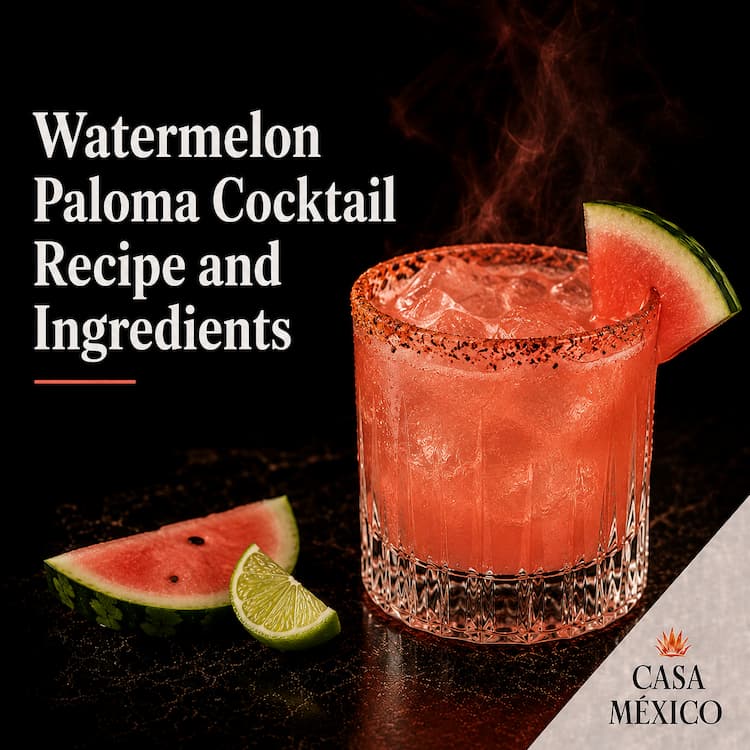
- Watermelon Paloma: A blanco tequila cocktail built with fresh watermelon juice, lime, and a salt rim. The Watermelon Paloma tastes juicy and refreshing, offering a fruit-dominant profile opposite the dry, bitter finish of the Añejo Negroni.
- Strawberry Paloma: A tequila cocktail built with strawberry purée, grapefruit juice, and lime, shaken and served over ice. The Strawberry Paloma delivers berry-forward tartness that contrasts with the herbal bitterness and barrel depth of the Añejo Negroni.
- Pineapple Paloma: A blanco tequila cocktail combining pineapple juice, grapefruit juice, and lime, served over ice. The Pineapple Paloma carries tropical sweetness and bright acidity, placing it in the light, refreshing category opposite the Añejo Negroni’s rich, stirred profile.
- Rose Paloma: A tequila cocktail built with grapefruit juice, rose water, and grenadine, served over ice. The Rose Paloma presents floral, delicate sweetness that differs significantly from the bold, bitter oak character of the Añejo Negroni.
- Blood Orange Paloma: A tequila and blood orange juice cocktail finished with sparkling water and a salt rim. The Blood Orange Paloma shares the ruby red color of the Añejo Negroni but remains lighter, tart, and more effervescent in character.
- Passion Fruit Paloma: A blanco tequila cocktail built with passion fruit purée, lime, and grapefruit soda, served over ice. The Passion Fruit Paloma carries tropical, tangy sweetness that sits at the lighter, fruitier end of the spectrum compared to the Añejo Negroni.
- Guava Paloma: A tequila and guava nectar cocktail finished with grapefruit juice and sparkling water, served tall over ice. The Guava Paloma delivers soft tropical sweetness and gentle acidity, producing a more approachable flavor than the spirit-forward Añejo Negroni.
- Hibiscus Paloma: A blanco tequila cocktail built with dried hibiscus, grapefruit juice, and lime, served over ice. The Hibiscus Paloma carries a floral, tart, cranberry-like flavor that shares the ruby red color of the Añejo Negroni but delivers a completely different taste experience.
- Lavender Paloma: A tequila cocktail built with lavender syrup, grapefruit juice, and sparkling water, served over ice. The Lavender Paloma presents soft floral sweetness and gentle bitterness that comes closest to the Añejo Negroni’s herbal complexity without matching its oak depth or alcohol intensity.
- Añejo Negroni: A stirred, spirit-forward cocktail built on aged tequila, Campari, and sweet vermouth in equal parts, served over a large ice cube. The Añejo Negroni stands apart from all Paloma-style builds through its bitter-sweet modifier structure and full-proof, barrel-driven depth that no other tequila cocktail category replicates.
What is the Difference of Jalapeño Negroni than other Añejo Negroni Cocktail Recipes?
The difference between the Jalapeño Negroni and other Añejo Negroni recipes is the addition of fresh jalapeño slices. The jalapeño is muddled directly into the mixing glass before the equal-parts build is added, then fine-strained out before serving. The heat sits on top of the bitter-sweet structure without altering the base ingredients. The Jalapeño Negroni recipe delivers the same oak-driven depth as the original but finishes with a persistent spice that the clean Añejo Negroni does not carry.
Jalapeño Negroni and Añejo Negroni Recipe
What is the Difference of Spicy Negroni than other Añejo Negroni Cocktail Recipes?
The difference between the Spicy Negroni and other Añejo Negroni recipes is the use of jalapeño-infused añejo tequila as the base spirit. The tequila is infused with sliced jalapeño for 30 minutes and strained before building the cocktail. Infusing the tquila distributes heat evenly across the full flavor profile rather than introducing spice as a direct addition. The Spicy Negroni recipe carries a more integrated heat compared to the sharp, direct spice of the Jalapeño Negroni.
Spicy Negroni and Añejo Negroni Recipe
What is the Difference of Watermelon Negroni than other Añejo Negroni Cocktail Recipes?
The difference between the Watermelon Negroni and other Añejo Negroni recipes is the addition of 1 oz fresh watermelon juice and a reduction of sweet vermouth to 0.5 oz. The watermelon juice softens Campari’s bitterness and lightens the overall structure. The stir time reduces to 20 seconds due to the added juice volume. The Watermelon Negroni recipe trades barrel depth for fresh fruit character, producing a lighter variation of the original build.
Watermelon Negroni and Añejo Negroni Recipe
What is the Difference of Strawberry Negroni than other Añejo Negroni Cocktail Recipes?
The difference between the Strawberry Negroni and other Añejo Negroni recipes is the addition of 0.5 oz fresh strawberry purée and a reduction of sweet vermouth to 0.5 oz. The Strawberry purée amplifies sweetness and introduces a soft berry color into the build. The fine straining after a 20-second stir removes pulp before the drink is poured over ice. The Strawberry Negroni recipe shifts the cocktail toward a lighter, fruit-modified format away from the spirit-driven depth of the standard Añejo Negroni.
Strawberry Negroni and Añejo Negroni Recipe
Where to Serve Añejo Negroni?
The Añejo Negroni is best served at formal dinners, evening gatherings, and occasions where the drink is meant to be savored. The cocktail’s bitter-sweet, oak-driven profile makes it a poor fit for breakfast. The full-proof alcohol content and Campari’s sharp bitterness clash with the light, food-forward nature of morning service. Lunch service suits the Añejo Negroni only as a pre-lunch aperitivo round that precedes the food rather than accompanies it. Dinner is the strongest occasion, served either as a pre-dinner aperitivo to stimulate the palate or as an after-dinner digestif. Corporate gatherings, cocktail receptions, and formal social events provide the right environment for the cocktail. The drink signals sophistication and rewards guests who appreciate depth over sweetness. Cooler-weather outdoor settings such as rooftop dinners, garden evenings, and autumn celebrations suit the warm, barrel-driven character well. Summer beach and pool environments are a poor match for the Añejo Negroni’s rich, stirred profile. Birthday dinners, anniversary celebrations, and tasting events represent the ideal private occasion format. The Añejo Negroni performs well at mezcal and tequila-focused tasting events and chef’s table experiences where cocktails are paired course by course. Cultural celebrations tied to Mexican spirits heritage provide a natural, fitting context for the drink. Rich, savory foods pair best as What to Serve with Añejo Negronis. Aged cheeses, charcuterie, dark chocolate, grilled red meats, and braised dishes complement the bitter orange, oak, and spice profile without dulling the vanilla and barrel-driven finish of the aged tequila.
What Glass to Serve an Añejo Negroni?
A rocks glass, called an Old Fashioned glass, is the correct vessel for serving an Añejo Negroni. The wide, short shape of the rocks glass accommodates a single large ice cube while keeping the surface area open for the expressed orange peel oils to sit on top of the liquid. The low, sturdy build of the glass concentrates the aroma directly toward the nose on every sip, which is critical for a spirit-forward cocktail built on barrel-aged tequila, Campari, and sweet vermouth. The thick base of the rocks glass maintains the temperature of the drink by insulating the liquid from the warmth of the hand during consumption.
The rocks glass differs from other cocktail glasses in five key ways. A coupe glass is stemmed and bowl-shaped, designed for stirred, no-ice cocktails served cold. The Añejo Negroni loses its controlled dilution benefit without a large ice cube in a coupe. A highball glass is tall and narrow, built for long drinks with a high mixer-to-spirit ratio. The Añejo Negroni’s equal-parts, low-volume build is lost in the vertical space of a highball. A martini glass carries a wide, conical bowl on a long stem designed for cold, no-ice, shaken builds. The martini glass’s shape is incompatible with a large ice cube and exposes the drink to rapid temperature loss. A wine glass is designed to direct aroma through a tapered opening and suits spritz-style builds with a higher liquid volume than the Añejo Negroni carries. A Nick and Nora glass is a smaller, stemmed vessel suited for low-volume, stirred cocktails served without ice. The Añejo Negroni fits the volume but loses the large ice cube that controls dilution throughout consumption. The rocks glass remains the standard for the Añejo Negroni recipe across all serving formats. A coupe serves as the only acceptable alternative for a stirred-and-strained, no-ice presentation where immediate consumption is intended.
What makes Añejo Negroni different from others?
The Añejo Negroni is different from others in the ways listed below.
- The Añejo Negroni uses aged tequila as the base spirit, replacing gin with a minimum one-year barrel-aged spirit that introduces vanilla, oak, and dried fruit into the equal-parts build.
- The stirred format produces a silky, clear texture with no aeration. No juice, no soda, and no shaking is involved at any point in the preparation.
- The equal-parts structure of añejo tequila, Campari, and sweet vermouth creates a self-balancing build where no single ingredient dominates, making precise measurement the defining technique.
- The expressed orange peel contributes aroma rather than flavor, sitting on the surface of the drink and priming the palate before every sip rather than integrating into the liquid.
- No other tequila cocktail achieves the same bitter-sweet, oak-driven balance within the Añejo Negroni build. The stirred structure, barrel-aged base, and bitter modifier combination preserves the Añejo Negroni’s distinct identity among Drinks Similar to Añejo Negroni.