EN
EN ES
ES PL
PL TR
TR
Tequila freeze conditions are tied to ethanol level, Alcohol by Volume (ABV), freezer temperature, bottle proof, and storage. Tequila’s freezing behavior depends on alcohol content, as 40% ABV tequila resists forming solid ice under standard home freezer settings. Tequila contains ethanol, water, agave compounds, minerals, and congeners, plus flavor elements from fermentation, distillation, aging, or filtration. Ethanol lowers the freezing point, so higher-ABV tequila resists ice formation better than lower-proof tequila. Standard home freezers chill tequila, thicken texture, mute aroma, and reduce agave clarity before full freezing occurs. Lower ABV tequila freezes sooner due to its higher water content.
Tequila storage affects quality as much as freezing behavior. Heat, sunlight, loose caps, sideways bottle placement, oxygen exposure, weakened aroma, flavor, color, cork condition, and finish. Unopened tequila stays stable in a cool, dark cabinet. Opened tequila needs tight sealing, upright placement, and reduced headspace after each pour. The guide covers freezing point basics, ABV differences, freezer risk, spirit comparisons, bottle care, light control, humidity, opened bottle storage, unopened bottle storage, plus serving guidance.
What is the Freezing Point of Tequila?
The freezing point of tequila is usually near -17°F at 40% ABV, although the exact freezing temperature changes by bottle strength. Standard tequila sits at 35% to 55% Alc. Vol. under the Tequila Regulatory Council requirement. A 35% ABV tequila freezes warmer than a 40% ABV tequila due to higher water content. A 55% ABV tequila freezes colder due to higher ethanol content. Pure ethanol freezes at -173°F, while water freezes at 32°F. A tequila bottle has no single freezing point due to ABV, water, sugar, and dissolved compounds. A standard 0°F home freezer chills tequila, thickens texture, and mutes aroma, yet 40% ABV tequila normally remains liquid.
What Factors Determine the Freezing Point of Tequila?
Factors that determine the freezing point of tequila are listed below.
- Alcohol percentage: Alcohol percentage has the greatest effect on tequila’s freezing point. Higher ABV adds ethanol, which lowers the freezing temperature. Tequila at 55% ABV resists freezing longer than tequila at 35% ABV.
- Water content: Water content raises the freezing point of tequila. Lower-proof tequila contains a greater water volume. Ice crystals appear sooner when the water content rises.
- Sugar content: Sugar changes tequila’s texture during freezing. Sweetened tequila products form syrupy or slushy textures sooner than dry tequila. Sugar influence stays weaker than ABV influence.
- Additives: Change mouthfeel and clarity, as well as freezing behavior. Color, glycerin, sweetener, or flavor compounds alter texture before solid freezing appears. The additive effect stays secondary to ethanol concentration.
Can Tequila Freeze in a Home Freezer?
Yes, tequila can freeze in a home freezer under colder conditions or lower ABV levels. A standard freezer near 0°F does not freeze average 40% ABV tequila solid. A colder chest freezer creates a greater freezing risk, mainly for lower-proof tequila or flavored tequila products. Tequila at 35% ABV has higher water content, so ice crystals form sooner than in 40% ABV tequila. Freezing does not improve quality. Freezer storage dulls agave aroma, pepper, citrus, vanilla, caramel, and oak, plus cooked agave notes. Cabinet storage keeps the tequila flavor clearer than long freezer storage.
Why doesn’t Tequila Freeze in most Freezers?
Tequila does not freeze in household freezers since ethanol lowers the freezing point below the appliance setting. Household freezers commonly sit at 0°F, equal to minus 18°C, according to FDA food storage guidance. Water freezes at 32°F, equal to 0°C, but ethanol freezes far below that point. A 40% ethanol mixture freezes near -23°C, so 80-proof tequila resists solid freezing in a normal freezer. Ethanol changes the liquid structure by reducing the temperature needed to form stable ice crystals. Tequila contains water plus ethanol, so the mixture behaves differently from pure water. Consejo Regulador del Tequila states that tequila has an alcohol content from 35 percent to 55 percent Alc. Vol.
Why does some Tequila Freeze?
Some tequilas freeze when alcohol strength drops, water content rises, or added ingredients change the mixture. Low-proof tequila sits closer to the freezing range of a strong home freezer. A 35 percent ethanol mixture freezes near minus 19°C, close to 0°F appliance settings.
Diluted tequila freezes faster when ice, juice, syrup, or water lowers the alcohol concentration. A margarita mix, tequila punch, or sweetened ready-to-drink tequila beverage forms ice crystals sooner than straight 40 percent ABV tequila. Freezing does not prove poor quality. Recipe dilution, storage temperature, bottle placement, and alcohol strength explain the result.
Meet Our Maestra Tequilera
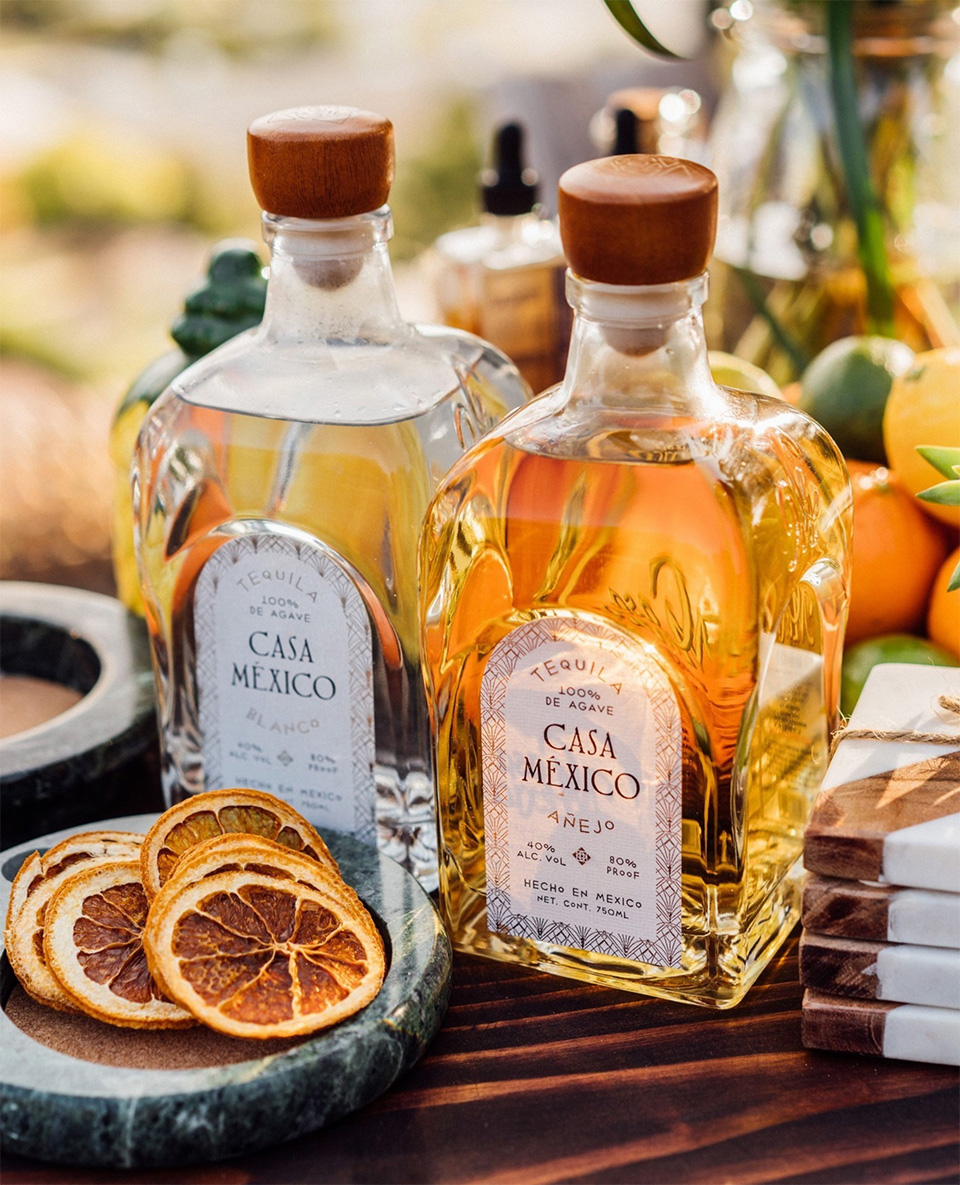
Casa México Tequila is crafted under the guidance of world-renowned Maestra Tequilera Ana María Romero Mena. With decades of experience creating acclaimed tequilas and mentoring future generations of distillers, she brings both deep tradition and thoughtful innovation to the brand. From agave selection to distillation and aging, her expertise ensures every expression reflects authenticity, precision and exceptional quality.

Can Flavored Tequila Freeze More Easily?
Yes, flavored tequila freezes more easily when sugar, water, juice, or cream lowers alcohol concentration. Flavoring does not automatically make tequila weak, but adding nonalcoholic liquid reduces freezing resistance. Coffee-flavored, citrus-flavored, or cream-flavored tequila behaves differently from straight blanco tequila. Sweetened formulas form slush, clouding, or separated layers before fully solidifying. The freezing result reflects formula balance, not automatic quality loss.
How does Tequila Proof Change Freezing Temperature?
Tequila proof changes freezing temperature by raising or lowering the ethanol concentration. Higher proof means higher ABV, stronger freezer resistance, and a colder freezing point. The comparison below uses ethanol-water freezing data, since tequila is a water-ethanol spirit under NOM 006 SCFI 2012.
The way the Tequila proof changes the freezing temperature is shown in the table below.
| Proof | ABV | Approximate Freezing Point | Likelihood of Freezing |
| 70 proof | 35 percent | minus 19°C, minus 2°F | Possible in a very cold freezer |
| 80 proof | 40 percent | minus 23°C, minus 10°F | Low in the household freezer |
| 90 proof | 45 percent | minus 28°C, minus 18°F | Very low |
| 100 proof | 50 percent | minus 32°C, minus 25°F | Rare |
| 110 proof | 55 percent | minus 35°C, minus 31°F | Very rare |
Can High-Proof Tequila Freeze?
Yes, high-proof tequila freezes at very low temperatures beyond standard home freezer settings. Freezing requires deep industrial cold, outdoor polar cold, or a specialized freezer reaching below the ethanol-water freezing range. High-proof tequila stays liquid longer since ethanol concentration remains high. A 50 percent ABV spirit freezes near minus 32°C, far below 0°F. Strong ethanol concentration explains the freezer resistance of High Proof Tequila.
What Happens when Tequila Freezes?
Tequila changes texture, appearance, and liquid balance when freezing begins. Ice crystals form first from the water-rich portion, leaving a stronger alcohol-rich liquid around them. The bottle looks cloudy, slushy, or layered after partial freezing.
Freezing does not remove alcohol from a sealed bottle after a full thaw. Alcohol content returns to the original bottle balance once the liquid fully melts and mixes again. A partially frozen pour tastes stronger if water-rich ice remains inside the bottle. Separation appears clearer in flavored tequila containing sugar, juice, cream, or color additives. Thawing restores much of the liquid texture, but shaking or gentle mixing helps return an even appearance after freezing.
How does Freezing Affect Tequila Quality?
Freezing affects tequila quality through aroma, flavor, mouthfeel, and appearance. Cold temperature dulls aroma release, so agave, pepper, citrus, oak, or vanilla notes smell less expressive. A chilled pour feels smoother since cold liquid reduces alcohol’s sharpness.
Temporary chilling causes little lasting change after the bottle returns to serving temperature. Prolonged freezing creates slush, haze, separation, or a muted aroma during service. Aged tequila loses sensory detail when served too cold, since oak notes need a warmer glass temperature. Freezing does not automatically ruin tequila after one freezer cycle. Repeated freeze-thaw movement disturbs texture, label condition, closure fit, and visual clarity. Balanced room temperature storage protects aroma depth, appearance, and Tequila Quality.
Can Freezing Damage a Tequila Bottle?
Yes, freezing damages a tequila bottle when expanding ice creates pressure inside the container. Water expands during freezing, so a full bottle has less room for pressure relief.
Straight 40 percent ABV tequila rarely freezes in a normal household freezer. Diluted tequila, flavored tequila, or a very cold bottle raises risk. A cracked bottle, pushed cork, or leaking cap signals pressure damage after freezing.
How to Properly Store Tequila?
Proper tequila storage means keeping the bottle stable, upright, sealed, and dark, plus away from heat. Standard home freezer settings sit near 0°F, while room-temperature storage protects tequila aroma better than extreme cold.
To store Tequila properly, follow the six steps below.
- Keep tequila cool. Keep tequila near 59°F to 72°F inside a cabinet, pantry, or bar shelf. Stable temperature limits evaporation pressure inside the bottle. Heat dulls the cooked agave notes, pepper, oak, citrus, and herbal aromas.
- Block direct light. Store tequila away from sunlight, windows, lamps, and warm display shelves. Light exposure weakens aroma over time. Clear glass bottles need darker storage than painted or boxed bottles.
- Control humidity. Keep tequila in a dry indoor place near moderate humidity. Excess moisture damages labels, cartons, and cork tops. Very dry air weakens natural cork closures during long storage.
- Stand bottles upright. Store tequila upright instead of sideways. High-proof alcohol touches the cork when a bottle rests horizontally. Long contact damages the cork texture and adds off-flavors.
- Separate opened bottles from unopened bottles. Unopened tequila stays stable longer when sealed, stored upright, kept cool, and kept dark. Opened tequila needs a tight cap after pouring. Lower fill levels leave greater air space, so aroma loss moves faster after opening.
- Protect the bottle after each pour. Wipe the neck, close the cap firmly, and return the bottle to a dark cabinet. A smaller glass bottle helps preserve tequila when the original bottle is less than half full. Proper tequila care protects agave character through Store Tequila.
How should Opened Tequila be Stored?
To store opened Tequila, follow the four steps below.
- Store the bottle upright. Upright storage keeps tequila away from the cork or cap liner. Alcohol contact weakens closures, and then leakage or a stale aroma appears.
- Place the bottle in a cool, dark cabinet. Stable room temperature protects blanco, reposado, añejo, and extra añejo tequila. Sunlight and heat speed aroma loss, color shift, and flavor dullness.
- Avoid frequent opening. Repeated opening adds fresh oxygen into the bottle. A smaller air space protects flavor better than a half-empty bottle kept for a long time.
- Transfer low bottles into smaller glass containers. A smaller sealed bottle reduces the oxygen space above the tequila. Clean glass preserves aroma better than plastic containers or metal flasks.
Can Tequila be Stored in the Freezer?
No, tequila does not belong in the freezer for quality storage. Standard tequila commonly sits near 35% to 55% ABV, so a normal 0°F freezer resists full freezing in many cases. Extreme cold thickens texture, mutes agave aroma, reduces pepper notes, and flattens oak character. Freezer storage fits brief chilling before service, not long-term bottle care. Room temperature or light refrigeration keeps tequila cleaner than frozen storage.
How does Tequila Compare with other Alcoholic Beverages when frozen?
Tequila compares closely to vodka, whiskey, rum, and gin when frozen, since spirit strength gives higher freezing resistance. Alcohol percentage controls the main difference. Higher ABV lowers the freezing temperature, while lower ABV allows ice to form sooner.
The comparison of Tequila with other alcoholic beverages when frozen is shown in the table below.
| Alcoholic Beverage | Typical ABV | Freezer Behavior | Freezing Resistance |
| Tequila | 35% to 55% | Standard 40% ABV tequila stays liquid in a home freezer. | High |
| Vodka | 35% to 50% | Vodka thickens in texture but stays liquid near standard freezer temperature. | High |
| Whiskey | 40% to 50% | Whiskey resists freezing, though cold storage mutes oak, grain, spice, and vanilla notes. | High |
| Rum | 37.5% to 50% | Rum resists freezing, while sweetened rum feels thicker when chilled. | High |
| Gin | 37.5% to 47% | Gin resists freezing, though the botanical aroma becomes less noticeable. | High |
| Wine | 10% to 15% | Wine freezes sooner due to higher water content. | Moderate |
| Beer | 4% to 8% | Beer freezes first due to low ABV, carbonation, and high water content. | Low |
Which Alcoholic Beverages Freeze before Tequila?
Alcoholic beverages that freeze before tequila are listed below.
- Beer: Beer freezes before tequila due to low ABV. A 4% to 8% beer contains high water content. Carbonation pressure raises the risk of bottle or can breakage after freezing.
- Wine: Wine freezes after beer, yet before tequila. A 10% to 15% ABV wine has enough water to form ice in a standard freezer. Sugar plus acids shifts the exact freezing point.
- Lower proof liquors: Lower proof liquors freeze before full-strength tequila. Cream, sugar, and water, plus flavoring, reduce freezing resistance. Bottle texture changes faster in cold storage.
- Gin, rum, whiskey, vodka: Full-strength spirits freeze after beer, wine, and low-proof liqueurs. Standard 40% ABV strength resists a 0°F freezer. Tequila compares closely when ABV levels match.
Can Vodka freeze under the same Conditions as Tequila?
No, vodka does not freeze under the same standard home freezer conditions as tequila when both spirits sit near 40% ABV. Standard freezers near 0°F lack enough cold force to freeze 80 proof spirits solid. Vodka feels thicker after freezing due to the colder liquid viscosity. Tequila keeps its liquid form under similar conditions, yet freezer storage mutes agave, pepper, citrus, and oak notes. Vodka tolerates freezer service better due to its neutral profile.