EN
EN ES
ES PL
PL TR
TR
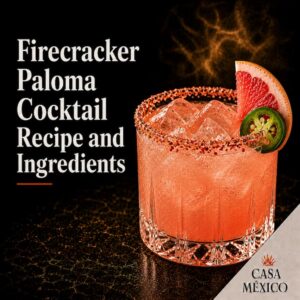
The Firecracker Paloma is a tequila cocktail that fuses grapefruit’s bitter citrus punch with chili heat. The Firecracker Paloma drink cocktail takes the classic Paloma’s citrus with fresh chili and spiced salt. 2 ounces of tequila blanco, 1.5 ounces of fresh grapefruit juice, 1/2 ounce of fresh lime juice, 1/4 ounce of agave nectar, and 2 thin serrano chili slices. Muddle the serrano, combine with the remaining ingredients in a shaker, shake with ice, and strain into a chili-salt-rimmed glass. Garnish with a grapefruit wedge and a serrano wheel to signal the drink’s dual citrus-and-fire character.
Nutrients in the Firecracker Paloma are from grapefruit juice, lime juice, and serrano chili. Grapefruit delivers vitamin C, potassium, and lycopene, making a nutrient-dense citrus base in a tequila cocktail. Serrano chili contributes capsaicin and vitamin A, adding metabolic and antioxidant value absent in spirit-and-syrup drinks. The taste opens with sharp, bitter grapefruit acidity, transitions through the tequila’s agave character, and closes with the serrano’s building heat on the back palate. Lime juice sharpens the midpoint of the flavor sequence, preventing the grapefruit from tasting flat or overly sweet. The drink is served at outdoor events and dinner gatherings.
What is Firecracker Paloma made of? The Firecracker Paloma is made of tequila blanco, fresh grapefruit juice, fresh lime juice, serrano chili, and agave nectar. Tequila blanco provides the raw agave spirit base. Grapefruit juice delivers bitter citrus depth. Serrano chili introduces a sharp, fast-hitting spice that grapefruit juice alone do not produce. The combined ingredient set creates a drink that is citrus-dominant and heat-forward, placing the Firecracker Paloma in a different sensory category from the classic Paloma and chili-cucumber cocktails.
What are the Ingredients for Firecracker Paloma Cocktail?
The ingredients for the Firecracker Paloma Cocktail are listed below.
- Tequila Blanco: The unaged spirit that drives the drink’s agave-forward foundation. Blanco tequila preserves the raw, vegetal agave character that holds its structure under the aggressive acidity of fresh grapefruit without fading behind the citrus.
- Fresh Grapefruit Juice: Grapefruit provides bitter citrus depth, natural sweetness, and a complexity that lime juice alone cannot replicate.
- Fresh Lime Juice: The secondary acid component that sharpens the grapefruit’s flavor and prevents it from tasting flat or overly sweet. Lime juice brings a cleaner, brighter acidity that lifts the entire flavor profile.
- Serrano Chili: The heat source that transforms a standard Paloma into the Firecracker version. Serrano delivers faster, sharper heat than jalapeño, creating a spice that arrives quickly and lingers on the back palate without dominating the grapefruit’s bitterness.
- Agave Nectar: The sweetener that connects structurally to the tequila’s plant origin, providing mild sweetness without competing with the grapefruit’s natural sugar content. Agave nectar prevents over-acidity without pushing the cocktail into sweet territory.
- Chili Salt Rim: The finishing element that primes each sip with simultaneous heat, salt, and spice before the liquid reaches the palate. The rim’s role extends beyond garnish, functioning as a flavor delivery mechanism throughout the entire drinking experience.
Should Fresh Grapefruit or Grapefruit Purée Be Used in a Firecracker Paloma?
Fresh grapefruit juice must be used in a Firecracker Paloma. The cocktail’s defining characteristic is the tension between bitter citrus acidity and serrano chili heat, and freshly squeezed grapefruit produces the sharp, volatile bitterness that holds against the spice effectively. Grapefruit purée undergoes processing that strips the pith-derived bitter compounds and adds stabilizers, producing a sweeter, rounder flavor profile that softens the drink’s intended edge. Purée makes the drink taste approachable but generic, losing the assertive citrus identity that separates it from flavored margaritas.
Fresh grapefruit juice contributes aromatic compounds that activate above the glass’s rim before tasting begins. The volatile terpenes in freshly cut grapefruit interact with the serrano’s capsaicin aroma, creating a scent profile that signals heat and citrus simultaneously. Purée does not carry the volatile compounds at the same concentration, reducing the sensory experience before the first sip. Squeezing grapefruit fresh per serving takes no longer than 60 seconds and produces a drink with a different quality ceiling than any purée-based version achieves.
What Mixers Pair Best with Firecracker Paloma?
The mixers that pair best with the Firecracker Paloma are listed below.
- Fresh Grapefruit Juice: The dominant mixer that anchors the cocktail’s bitter citrus identity. Fresh grapefruit juice maintains the drink’s structural contrast against serrano heat, delivering a flavor backbone that no substitute replicates.
- Grapefruit Soda: A carbonated extension that adds effervescence and a lighter sweetness when building the Firecracker Paloma as a long drink. The bubbles lift the serrano’s heat through the liquid, making the spice feel present without increasing the chili quantity.
- Fresh Lime Juice: The secondary citrus mixer that sharpens the grapefruit’s acidity and introduces a cleaner, brighter flavor layer at the mid-palate. A 1/2-ounce addition prevents the grapefruit from reading as too sweet or too bitter independently.
- Sparkling Mineral Water: A neutral finishing mixer for drinkers who prefer a long, sessionable version of the cocktail. Mineral water preserves the flavor balance while reducing alcohol concentration per sip, extending the drinking experience across a meal.
How to Make a Firecracker Paloma?
To make a Firecracker Paloma follow the five steps listed below.
Meet Our Maestra Tequilera
Casa México Tequila is crafted under the guidance of world-renowned Maestra Tequilera Ana María Romero Mena. With decades of experience creating acclaimed tequilas and mentoring future generations of distillers, she brings both deep tradition and thoughtful innovation to the brand. From agave selection to distillation and aging, her expertise ensures every expression reflects authenticity, precision and exceptional quality.

- Rim the Glass First. Run a grapefruit wedge around the outer rim of a rocks glass, then roll the rim through a mixture of chili powder, coarse salt, and a pinch of cayenne. Preparing the rim before building the drink prevents delays that allow the cocktail to warm before serving.
- Muddle the Serrano. Place 2 thin serrano slices into the base of a cocktail shaker and muddle with 4 to 5 firm presses. Serrano’s cell walls require direct pressure to release capsaicin compounds into the liquid, and insufficient muddling leaves the heat locked inside the pepper rather than distributed throughout the cocktail.
- Add The Liquid Ingredients. Pour 2 ounces of tequila blanco, 1.5 ounces of fresh grapefruit juice, 1/2 ounce of fresh lime juice, and 1/4 ounce of agave nectar directly into the shaker over the muddled serrano. Add the liquid ingredients together and shake promptly to prevent extended acid contact with the muddled chili.
- Shake Firmly with Ice. Fill the shaker with ice and shake for 12 to 15 seconds with consistent force. The citrus acids and serrano oils require thorough agitation to fully integrate, and under-shaking produces a drink with uneven heat distribution across sips.
- Strain and Serve. Strain through a Hawthorne strainer into the prepared rimmed glass over fresh ice. A single strain is sufficient when serrano slices are large enough to catch in the strainer, but double-straining produces a cleaner finish for service settings where presentation matters.
The most important step in making a Firecracker Paloma is building and applying the chili salt rim before any other preparation. The rim determines the first flavor experience the drinker encounters, setting the heat and salinity expectation before the grapefruit and tequila register. A poorly constructed rim falls off during drinking or delivers uneven spice, disrupting the cocktail’s flavor sequence from the first sip. Press the rim evenly into the chili salt mixture on a flat plate, rotating the glass at a consistent angle to ensure full coverage across the entire outer edge.
How is the Nutrient Value of Firecracker Paloma Cocktail?
The nutrient value of a Firecracker Paloma reflects the drink’s fresh-ingredient base, with grapefruit juice providing the micronutrient contribution in the recipe. Fresh grapefruit delivers vitamin C, potassium, and lycopene at concentrations that place the Firecracker Paloma above sweetened cocktails on nutritional merit. Serrano chili adds capsaicin, vitamin A, and trace vitamin C, compounding the drink’s micronutrient profile beyond what citrus alone contributes. Tequila and agave nectar account for the majority of caloric content, while the fresh components keep the calorie count lower than syrup-heavy alternatives.
The Nutrient value of the Firecracker Paloma Cocktail is shown in the table below.
| Nutrient | Amount per Serving | Unit | Daily Value % | Source / Measurement Basis | Notes (Optional) |
| Calories | 195 | kcal | 10% | Estimated from tequila, agave nectar, grapefruit juice | Lower than triple sec-based margaritas |
| Protein | 0.5 | grams | 0% | From grapefruit juice and serrano | Negligible contribution |
| Carbohydrates | 16 | grams | 6% | From grapefruit juice and agave nectar | Natural sugar sources |
| Sugars | 13 | grams | Not specified | From grapefruit juice and agave nectar | No added refined sugar |
| Vitamin C | 22 | milligrams | 24% | From fresh grapefruit juice and lime juice | Based on 1.5 oz grapefruit + 0.5 oz lime |
| Potassium | 166 | milligrams | 4% | From grapefruit juice | Based on 1.5 oz fresh-squeezed grapefruit |
| Vitamin A | 18 | micrograms | 2% | From serrano chili | Based on 2 thin serrano slices |
| Sodium | 120 | milligrams | 5% | From chili salt rim | Varies with rim application thickness |
How many calories are in a Firecracker Paloma? A standard Firecracker Paloma contains a range of 170 to 220 calories per serving. Tequila blanco at 40% Alcohol by Volume (ABV) contributes 65 calories per ounce, placing the 2-ounce pour at 130 calories as the drink’s largest single caloric source. Grapefruit juice adds 30 to 40 calories per 1.5-ounce measure, depending on grapefruit variety and natural sugar content. Agave nectar contributes 45 to 60 calories per half-ounce, and fresh lime juice adds fewer than 10 calories per half-ounce. Omitting the agave nectar entirely and relying on the grapefruit’s natural sugar brings the total into the lower end of the 170-calorie range without altering the drink’s flavor balance.
What are the Tips to Prepare Firecracker Paloma Cocktail Better?
Tips to prepare a better Firecracker Paloma cocktail are listed below.
- Use Ruby Red grapefruit over white grapefruit varieties for a sweet, complex citrus base that reduces the need for agave nectar. Ruby Red’s higher natural sugar content and lycopene-driven depth produce a richer flavor foundation than white grapefruit’s sharper, thinner profile.
- Taste the serrano before muddling to assess its heat level, as individual peppers vary in capsaicin concentration across batches. Adjust slice count to 1 round for mild heat or 3 rounds for an aggressive spice level before committing the chili to the shaker.
- Prepare the chili salt rim mixture in advance and store it in a sealed container at room temperature. Pre-mixed chili salt stays fresh for up to 7 days and ensures consistent rim quality across multiple servings without reworking the recipe each time.
- Juice grapefruit less 10 minutes before serving, as grapefruit juice oxidizes faster than lime juice and loses its volatile bitter compounds within 15 to 20 minutes of cutting. Juice prepared hours in advance produces a flat, overly sweet result that defeats the Firecracker Paloma’s flavor intent.
- Shake harder and longer than standard cocktail practice recommends for the recipe. The citrus oils and serrano capsaicin require aggressive agitation to integrate fully, and a standard 10-second shake leaves flavor compounds separated rather than unified throughout the drink.
How to Prevent a Firecracker Paloma from Tasting Too Sweet?
Eliminate the agave nectar entirely and increase the lime juice to 3/4 ounce to prevent a Firecracker Paloma from tasting too sweet. Sweetness in the cocktail traces to the natural sugar content of grapefruit juice and the agave nectar added during mixing. Ruby Red grapefruit carries enough natural sweetness to sustain the drink’s balance without a supplemental sweetener. Removing it shifts the flavor toward bitter-citrus dominance, which sharpens the serrano’s heat and produces an aggressive and true-to-name Firecracker profile.
Lime juice adjustment provides the second method for managing sweetness. Increasing lime from 1/2 ounce to 3/4 ounce adds a competing acidity that directly neutralizes residual sugar from the grapefruit. Choosing a tequila blanco with a prominent raw agave bitterness, rated at 40% ABV or above, further counteracts sweetness without recipe modification. Avoid grapefruit soda as a mixer in versions where sweetness is already a concern, as carbonated grapefruit products contain added sugars that compound the problem rather than solve it.
What are the Variations of Firecracker Paloma Cocktail Recipes?
The variations of the Firecracker Paloma cocktail recipes are shown in the table below.
| Variation Name | Ingredients | Nutrient | Steps | Opinion |
| Smoked Firecracker Paloma | Mezcal, fresh grapefruit juice, lime juice, serrano, chili salt rim, agave nectar | 200-240 kcal, 13-15% ABV | Muddle serrano, combine with mezcal and citrus, shake with ice, strain into rimmed glass. | Mezcal’s smokiness creates a campfire-and-citrus depth that makes the heat feel warm and enveloping. |
| Double Citrus Firecracker Paloma | Tequila blanco, grapefruit juice, lime juice, blood orange juice, serrano, agave nectar | 205-245 kcal, 12-14% ABV | Muddle serrano, add the citrus juices and tequila, shake, strain. | Blood orange introduces a berry-adjacent sweetness that softens the serrano’s edge for a balanced heat experience. |
| Mango Firecracker Paloma | Tequila blanco, grapefruit juice, fresh mango purée, serrano, lime juice, agave nectar | 210-255 kcal, 12-14% ABV | Muddle serrano, combine with mango, grapefruit, and tequila, shake, strain. | Mango’s tropical sweetness competes directly with the serrano’s heat, creating a push-pull dynamic that sustains interest across multiple sips. |
| Salt-Forward Firecracker Paloma | Tequila blanco, grapefruit juice, lime juice, serrano, heavy chili salt rim, pinch of sea salt in the shaker | 190-225 kcal, 12-14% ABV | Add a pinch of sea salt to the shaker before building, rim heavily with chili salt, shake, strain. | The amplified salinity draws out the grapefruit’s sweetness and sharpens the serrano’s heat simultaneously, creating a complex flavor entry. |
| Hibiscus Firecracker Paloma | Tequila blanco, grapefruit juice, hibiscus syrup, serrano, lime juice | 200-240 kcal, 12-14% ABV | Muddle serrano, add hibiscus syrup in place of agave, combine with citrus and tequila, shake, strain. | Hibiscus adds a floral tartness that intercepts the serrano’s heat mid-palate, producing a cocktail that is simultaneously spicy, tart, and aromatic. |
Can Firecracker Paloma Be Made as a Frozen Cocktail?
Yes, the Firecracker Paloma is made as a frozen cocktail. Blending the standard recipe with 1 cup of crushed ice produces a slushy format that preserves the grapefruit’s citrus bitterness and the serrano’s heat in a cold, textured form. The blending process breaks down the muddled serrano fully, distributing capsaicin compounds throughout the frozen drink evenly than straining achieves in the standard version. The chili heat behaves differently in the frozen format, arriving gradually as the ice melts and releases the serrano compounds across each sip.
Reduce the agave nectar to 1/4 ounce in the frozen version, as blending thickens the drink’s perceived sweetness through texture alone. Use a high-speed blender and process for no longer than 25 seconds to avoid over-dilution that flattens the grapefruit’s bitterness. Apply the chili salt rim to the glass before blending begins, as the cold, wet exterior of a just-poured frozen drink resists rim adhesion. The frozen Firecracker Paloma suits poolside service and warm-weather outdoor events, where the chilled format amplifies the refreshment factor of the grapefruit without diminishing the serrano’s heat.
What Alcohol is in a Firecracker Paloma?
The alcohol in a Firecracker Paloma is tequila, which provides the agave spirit foundation that holds the drink’s structure against aggressive grapefruit acidity and serrano chili heat. Tequila’s blue agave character is the correct base for a Paloma-family cocktail, as the spirit’s natural vegetal and citrus-adjacent notes complement grapefruit rather than conflict with it.
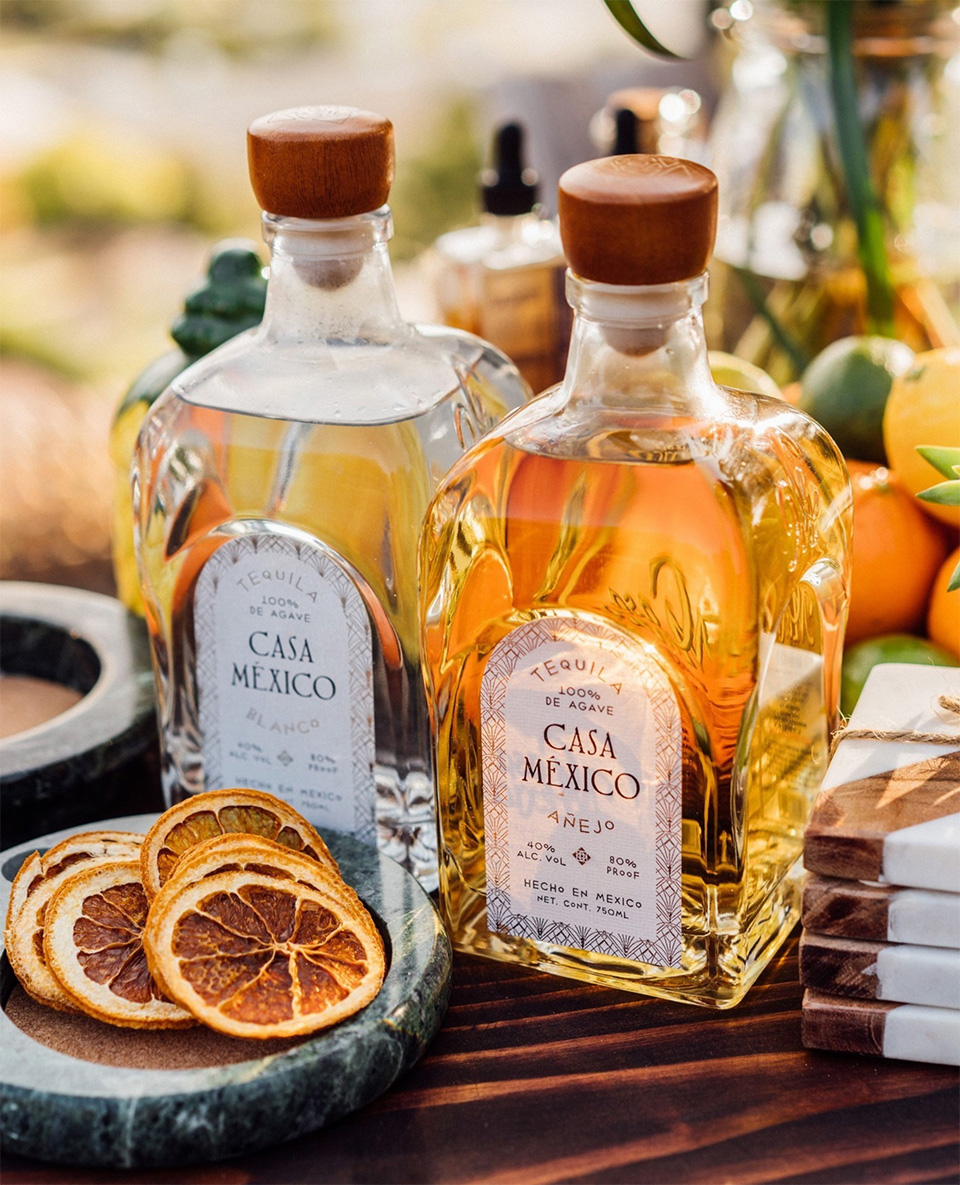
Casa Mexico Tequila Blanco
Casa Mexico Blanco delivers a clean, fresh agave profile that integrates directly with grapefruit juice without adding barrel-derived sweetness or wood character. Its unaged clarity allows the serrano’s heat and the grapefruit’s bitterness to define the drink’s flavor without the spirit competing for dominance. Use 2 ounces per serving as the standard pour for a balanced Firecracker Paloma where citrus and chili lead.
Casa Mexico Tequila Reposado
Casa Mexico Reposado introduces a lightly aged agave character with subtle vanilla and oak notes that soften the serrano’s sharpest heat edge. The resting period adds warmth and roundness to the spirit’s profile, creating a Firecracker Paloma that tastes rich and layered without redirecting the drink toward sweetness. Use 2 ounces per serving for a Firecracker Paloma with greater mid-palate depth.
Casa Mexico Tequila Añejo
Casa Mexico Añejo provides a fully aged, complex agave expression with caramel, toasted oak, and dried fruit notes that add sophisticated weight to the cocktail. The Añejo’s fuller body balances the grapefruit’s bitterness from a position of richness rather than neutrality, creating a premium Firecracker Paloma suited to evening service and food pairing. Use 2 ounces per serving for a refined and spirit-forward version of the drink.
Does Firecracker Paloma have alcohol? Yes, the Firecracker Paloma contains alcohol. The base spirit is tequila, a distilled blue agave product with an ABV ranging from 38% to 40%. Casa Mexico Tequila produces four expressions (Blanco, Reposado, Añejo, and Cristalino), with each offering a different flavor profile that shifts the cocktail’s character while maintaining its citrus-and-heat foundation. The cocktail is served over ice and consumed as an aperitif or alongside food, where its grapefruit bitterness and serrano spice complement bold-flavored dishes directly.
How Much Alcohol Does a Firecracker Paloma Have?
A Firecracker Paloma contains a range of 1.5 to 2.5 ounces of tequila per serving. A standard 2-ounce pour at 40% ABV delivers 22.7 ml of pure alcohol per cocktail, placing it at 1.5 standard drinks by CDC measurement. Reducing the pour to 1.5 ounces lowers pure alcohol to 17 ml while preserving the cocktail’s grapefruit-forward flavor balance, as the citrus naturally fills the structural role the extra tequila volume. Increasing to 2.5 ounces creates a spirit-dominant version where tequila’s agave warmth competes directly with the serrano’s heat, producing a bold and intense finish. A safe serving range of 1.5 ounces per cocktail suits drinkers managing alcohol intake while experiencing the full Firecracker Paloma flavor profile. The grapefruit’s bitter acidity masks alcohol perception.
Can pregnant women drink Firecracker Paloma? No, pregnant women cannot drink the Firecracker Paloma or any alcoholic beverage during pregnancy. The Centers for Disease Control and Prevention confirms that no safe level of alcohol consumption exists at any stage of pregnancy, as alcohol passes directly through the placenta to the developing fetus. Fetal alcohol spectrum disorders resulting from prenatal alcohol exposure cause permanent cognitive, physical, and developmental impairments with no treatment or reversal. Pregnant individuals seeking a citrus-and-spice drink request a non-alcoholic version built on grapefruit juice, sparkling water, serrano, and a chili salt rim, which replicates the Firecracker Paloma’s flavor profile without any alcohol content.
Does a Firecracker Paloma Make You Drunk?
Yes, a Firecracker Paloma makes you drunk when consumed in quantities exceeding an individual’s alcohol tolerance. The 2-ounce tequila base places a single serving at 1.5 standard drinks, meaning two cocktails deliver the equivalent of 3 standard drinks within one session. Grapefruit juice presents a specific risk factor beyond standard citrus mixers: grapefruit contains furanocoumarins, compounds that inhibit the liver enzyme CYP3A4, which processes alcohol and many medications. Inhibiting CYP3A4 slows alcohol metabolism, causing blood alcohol concentration to rise faster and stay elevated longer than drinking the same tequila quantity with lime juice produces. Drinkers who consume Firecracker Palomas at the same pace as standard margaritas encounter a materially higher intoxication rate than the tequila volume alone.
Does Firecracker Paloma Have Tequila?
Yes, the Firecracker Paloma contains tequila. Tequila blanco is the foundational spirit, providing the agave character that frames the drink’s grapefruit-and-chili flavor structure. The core ingredients (tequila blanco, fresh grapefruit juice, lime juice, and serrano) function interdependently, with each component relying on the others to maintain the cocktail’s balance. Tequila’s raw agave bitterness specifically moderates the grapefruit’s acidity, preventing the citrus from overwhelming the palate on the first sip.
Removing tequila from the Firecracker Paloma produces a chili-spiced grapefruit juice rather than a cocktail, as the spirit is the structural anchor holding the flavor components in proportion. The tequila origin from blue agave piñas creates specific flavor compounds that interact with grapefruit’s naringenin bitterness in a way no other base spirit replicates. Mezcal is the closest substitute, preserving the agave character while adding a smoky dimension that shifts the drink’s identity toward the Smoked Firecracker Paloma variation.
What is Firecracker Paloma?
A Firecracker Paloma is a tequila cocktail that combines fresh grapefruit juice, serrano chili, and a chili salt rim into a single drink that delivers citrus brightness and progressive heat. Tequila blanco provides the agave spirit foundation, while grapefruit juice supplies the bitter, complex citrus character that defines the Paloma family. Serrano chili introduces the heat that elevates the version above the standard Paloma, creating the firecracker quality the name references. A Firecracker Paloma is served over ice in a rimmed rocks glass, with the chili salt rim functioning as a flavor-delivery element rather than decoration. The cocktail occupies the heat-and-citrus quadrant of contemporary tequila bartending, targeting drinkers who find standard Palomas too mild and standard spicy margaritas too green-vegetable-forward.
Why is it called a Firecracker Paloma? The cocktail is called Firecracker Paloma because the name combines a description of its heat intensity with the Paloma family identifier. Paloma means dove in Spanish and references the classic grapefruit-and-tequila cocktail that originated in Mexico. Firecracker was added to signal the serrano chili heat that separates the version from the original, using explosive imagery to communicate the drink’s spice level before tasting begins. Bartenders adopted the name to position the drink clearly within menus, where customers needed a one-word signal distinguishing it from standard Palomas without requiring a full ingredient description.
What Does a Firecracker Paloma Taste Like?
The Firecracker Paloma tastes like a bitter grapefruit, warm tequila, spicy, and salty flavor. Bitter grapefruit acidity lands first on the front palate, followed by the agave warmth of tequila blanco on the mid-palate. Serrano heat builds from the mid-palate toward the throat, and the chili salt rim introduces a savory, spiced counterpoint at each contact point between lip and glass. Lime juice operates as a background sharpener throughout the sequence, preventing the grapefruit from reading as sweet and keeping each stage distinct.
The ingredients that affect the taste of the Firecracker Paloma are listed below.
- Fresh Grapefruit Juice: Drives the dominant bitter citrus flavor that defines the cocktail’s identity. Grapefruit’s naringenin compound delivers a distinctive bitterness unavailable in any other citrus fruit, making it irreplaceable in the Paloma flavor family.
- Serrano Chili: Delivers fast, sharp capsaicin heat that builds across the sip and lingers after swallowing. Serrano’s heat arrives sooner and fades faster than jalapeño, creating a dynamic spice curve within a single drink.
- Tequila Blanco: Contributes raw agave warmth and slight bitterness that bridges the grapefruit and chili flavor zones. The spirit prevents the cocktail from tasting like a spiced juice by adding weight and structure beneath the citrus components.
- Fresh Lime Juice: Adds a secondary citrus sharpness that amplifies the grapefruit’s acidity without duplicating its bitterness. Lime is clear, and neutral acid profile creates contrast within the citrus layer itself.
- Agave Nectar: Prevents the combined acidity of grapefruit and lime from producing an uncomfortably tart result. The nectar’s sweetness is low enough to remain invisible on the palate while doing structural work in the background.
- Chili Salt Rim: Creates a savory, spiced entry point at first contact that primes the palate for salt and heat before the liquid’s flavor sequence begins. The rim amplifies each subsequent sip by maintaining a spice reference point throughout the drinking experience.
How to Drink a Firecracker Paloma?
To drink a Firecracker Paloma follow the four steps listed below.
- Contact the Rim Intentionally. Place the lip against the chili salt rim rather than avoiding it during the first sip. The rim’s chili salt sets the heat and salinity expectation that allows the grapefruit and serrano’s flavors to arrive in the correct proportions rather than as a surprise.
- Take a Full First Sip. Draw enough liquid to cover the entire tongue surface on the first contact. Grapefruit’s bitter compounds register on the back and sides of the tongue, and an insufficient sip delivers lime’s front-palate acidity, misrepresenting the drink’s flavor balance.
- Allow the Heat Sequence to Complete. Pause 3 to 4 seconds after swallowing the first sip before drinking again. Serrano’s capsaicin reaches peak intensity 4 seconds after swallowing, and proceeding immediately to the next sip stacks heat before the first wave resolves, compounding intensity beyond the drink’s intended level.
- Rotate the Glass Between Sips. Turn the glass slightly with each sip to encounter different rim coverage across the drinking session. Rotating prevents a single over-salted or under-spiced section of the rim from dominating the experience and ensures the chili salt contributes consistently from first sip to last.
The most important tip for a better Firecracker Paloma taste experience is using freshly juiced grapefruit squeezed less than 10 minutes before serving. Grapefruit juice loses its volatile bitter compounds faster than any other common cocktail citrus, and juice prepared in advance produces a flat, sweet result that removes the drink’s defining character entirely. The grapefruit’s fresh bitterness is the structural element against which the serrano’s heat and tequila’s agave warmth define themselves, making its quality the single variable with the greatest impact on the finished cocktail.
Is Firecracker Paloma Best Served Over Ice or Blended?
The Firecracker Paloma is best served over ice. The rocks format preserves the grapefruit’s bitter complexity across the full drinking session, allowing the citrus and serrano heat to remain distinct rather than merging into a single blended flavor. Ice dilution occurs gradually over 8 to 12 minutes with a single large cube, and the slow water integration actually benefits the Firecracker Paloma by softening the serrano’s peak heat marginally as the drink progresses, creating a cocktail that is approachable without losing its character. Blending eliminates the grapefruit’s volatile aromatic compounds through rapid ice emulsification, producing a smooth drink that tastes similar to a frozen citrus slushie.
A single large-format ice cube in a rocks glass produces the optimal serving condition. Large ice maintains below-dilution temperature for 10 to 15 minutes, preserving the cocktail’s flavor integrity across the entire drinking window. Standard ice cubes work adequately for service settings where large-format ice is unavailable, but require consuming the drink within 8 minutes before dilution compromises the chili salt rim’s structural contribution to each sip.
What are the Types of Firecracker Paloma Cocktails?
The types of Firecracker Paloma Cocktails are listed below.
- Pink Paloma: The Pink Paloma uses pink grapefruit in place of standard Ruby Red. The Pink Paloma has a lighter, less bitter citrus base with a sweet, delicate flavor profile.The Pink Paloma contains no chili element, making it the mild and approachable entry point in the Paloma family.
- Spicy Paloma: The Spicy Paloma introduces chili heat through a spiced rim or chili powder garnish producing a surface-level heat that the Firecracker Paloma applies structurally throughout. The Spicy Paloma tastes milder in cumulative heat, with spice concentrated at glass contact rather than built into the liquid itself.
- Jalapeño Paloma: The Jalapeño Paloma uses muddled jalapeño as its heat source, creating a slower, deeper heat than the Firecracker Paloma’s serrano-driven spice. The Jalapeño Paloma’s heat builds gradually and lingers longer, while the Firecracker Paloma hits faster and with greater initial intensity before fading at a comparable rate.
- Watermelon Paloma: The Watermelon Paloma replaces grapefruit with watermelon juice, shifting the cocktail entirely away from bitter citrus toward sweet, summery fruit. The Firecracker Paloma’s grapefruit bitterness and chili heat place it at the opposite end of the Paloma flavor spectrum from the Watermelon version.
- Strawberry Paloma: The Strawberry Paloma incorporates fresh strawberry alongside grapefruit, softening the citrus bitterness with berry sweetness and producing a fruit-forward version that lacks the heat element entirely. The Firecracker Paloma’s spice-dominant character makes it a structurally different drinking experience from the sweeter strawberry variation.
- Pineapple Paloma: The Pineapple Paloma introduces tropical sweetness and acidity from pineapple juice, creating a complex but sweet citrus profile that contrasts with the Firecracker Paloma’s bitter grapefruit and heat-forward identity. The cocktails share tequila blanco as the spirit base, but diverge in flavor direction.
- Blood Orange Paloma: The Blood Orange Paloma replaces or supplements grapefruit with blood orange juice, adding a berry-citrus sweetness and deep red color that softens the classic Paloma’s bitterness. The Firecracker Paloma’s unmodified grapefruit base tastes sharp and assertive.
- Hibiscus Paloma: The Hibiscus Paloma uses hibiscus syrup or dried hibiscus to introduce floral tartness and a deep crimson color, creating a drink that is simultaneously herbal and citrus-forward. The Firecracker Paloma’s chili heat and grapefruit bitterness place it in a different flavor category from the floral-herbal Hibiscus version.
- Rose Paloma: The Rose Paloma incorporates rose water or rose syrup to create a floral, lightly sweet cocktail that prioritizes aroma and delicacy over bitterness or heat. The Firecracker Paloma and the Rose Paloma is the opposite ends of the sensory intensity spectrum within the same cocktail family.
- Lavender Paloma: The Lavender Paloma uses lavender syrup to introduce a soft, aromatic sweetness that transforms the grapefruit’s bitterness into a gentle, fragrant drink. The Firecracker Paloma’s serrano heat and chili salt rim place it in a different sensory register from the Lavender version’s calming aromatic profile.
What is the Difference of Jalapeño Paloma than other Firecracker Paloma Cocktail Recipes?
The main difference between a Jalapeño Paloma and a Firecracker Paloma is the heat source and the intensity curve it produces. A Jalapeño Paloma uses muddled jalapeño which delivers slow-building sustained heat that develops across multiple sips and lingers on the finish. The Firecracker Paloma uses serrano chili, which produces a faster, sharper initial heat that peaks sooner and creates an immediate spice impression. Cocktails use tequila blanco and fresh grapefruit juice as structural ingredients, but the chili type determines the entire character of the heat experience in each version.
The ingredients for a Jalapeño Paloma Recipe include tequila blanco (2 oz), fresh grapefruit juice (1.5 oz), fresh lime juice (1/2 oz), jalapeño rounds (2 to 3 slices), agave nectar (1/4 oz), and a salt rim. Muddle the jalapeño, combine with grapefruit juice, lime, tequila, and agave, shake with ice, and strain into a salt-rimmed rocks glass over fresh ice. A garnish of a thinly sliced jalapeño round on the glass rim distinguishes the Jalapeño Paloma.
What is the Difference of Spicy Paloma than other Firecracker Paloma Cocktail Recipes?
The main difference between a Spicy Paloma and a Firecracker Paloma is the delivery mechanism of the heat component. A Spicy Paloma applies chili powder, Tajín, or chili salt exclusively to the rim, meaning heat contact occurs when the lip touches the glass rather than throughout the liquid itself. The Firecracker Paloma muddles serrano into the cocktail base, distributing capsaicin throughout each sip regardless of rim contact. The Spicy Paloma tastes milder in cumulative heat intensity and offers a different experience for drinkers who prefer spice as a garnish rather than as a structural ingredient.
The Spicy Paloma Recipe ingredients include tequila blanco (2 oz), fresh grapefruit juice (1.5 oz), fresh lime juice (1/2 oz), agave nectar (1/4 oz), and a Tajín or chili salt rim. No muddling is required, as the chili element lives entirely on the glass exterior. Shake the liquid ingredients with ice, strain into the rimmed glass over fresh ice, and garnish with a grapefruit wedge. A Spicy Paloma presents a cleaner, grapefruit-forward cocktail body than the Firecracker Paloma, with spice acting as a finishing note rather than a through-line.
What is the Difference of Rose Paloma than other Firecracker Paloma Cocktail Recipes?
The main difference between a Rose Paloma and a Firecracker Paloma is the complete absence of heat in the former and the replacement of bitterness with floral sweetness. A Rose Paloma incorporates rose water or rose syrup to transform the grapefruit’s sharp citrus profile into a soft, aromatic cocktail that prioritizes fragrance over acidity. The Firecracker Paloma amplifies grapefruit’s bitterness through serrano heat and a chili salt rim, creating a drink that is deliberately assertive in each sensory dimension. The two cocktails share tequila and grapefruit as common elements but target opposite ends of the flavor and intensity spectrum.
The Rose Paloma Recipe ingredients include tequila blanco (2 oz), fresh grapefruit juice (1.5 oz), fresh lime juice (1/2 oz), rose water (1/4 tsp), agave nectar (1/2 oz), and a sugar rim. Combine the ingredients in a shaker with ice, shake gently to preserve the rose water’s aromatic delicacy, and strain into a sugar-rimmed coupe or rocks glass. A dried rose petal garnish signals the Rose Paloma flavor identity immediately and contrasts sharply with the Firecracker Paloma’s chili wheel and salt rim presentation.
What is the Difference of Strawberry Paloma than other Firecracker Paloma Cocktail Recipes?
The main difference between a Strawberry Paloma and a Firecracker Paloma is the use of fresh strawberry as a sweetening and flavor agent that softens the grapefruit’s bitterness and eliminates the heat element entirely. A Strawberry Paloma builds on the same citrus-and-tequila foundation but redirects the flavor toward berry sweetness, producing an approachable and fruit-forward cocktail suited to drinkers who find the Firecracker Paloma’s combined bitterness and heat too aggressive. The Strawberry Paloma’s dominant flavor impression is sweetness, while the Firecracker Paloma’s is bitterness and heat.
The Strawberry Paloma Recipe ingredients include tequila blanco (2 oz), fresh grapefruit juice (1 oz), fresh lime juice (1/2 oz), fresh strawberries (3 hulled berries), and agave nectar (1/3 oz). Muddle the strawberries in the shaker base, add liquid ingredients, shake with ice, and double-strain into a rocks glass over fresh ice. A fresh strawberry slice fanned over the rim marks the Strawberry Paloma departure from the heat-forward Firecracker presentation visually and in the flavor expectation it creates before the first sip.
Where to Serve Firecracker Paloma?
Serve the Firecracker Paloma at occasions where bold-flavored drinks complement active social settings, depending on the food and atmosphere context. Outdoor summer events is the serving environment, where the cocktail’s chilled citrus and grapefruit freshness counterbalance the ambient heat while the serrano provides a warming internal contrast. The drink functions as a strong aperitif at dinner parties, where its combined bitterness and heat prime the palate for spiced or grilled food courses. Taco bars, rooftop gatherings, and birthday celebrations with Mexican or Tex Mex food themes is the ideal occasions that feature guacamole, elote, carnitas, and grilled fish, which match the cocktail’s bitter spice profile and define what to serve with Firecracker Palomas.
Avoid serving the Firecracker Paloma at delicate tasting events or with light, subtle food courses where the chili heat and grapefruit bitterness overpower surrounding flavors. The cocktail suits evening service from 5 PM onward and performs at well when guests are already engaged in conversation and eating, rather than as a standalone sipping drink in quiet settings.
What Glass to Serve a Firecracker Paloma?
The best glass for a Firecracker Paloma is a rocks glass. The rocks glass accommodates a large ice cube that maintains the cocktail’s temperature across the full 10 to 15 minute drinking window, preventing rapid dilution that erodes the grapefruit’s bitterness and the chili salt rim’s structural contribution. The wide, short opening concentrates grapefruit and serrano aromas above the rim, delivering the cocktail’s scent before tasting begins and setting accurate flavor expectations. The rocks glass’s heavy base accommodates the chili salt rim application process, providing a stable surface for rim construction.
The rocks glass differs from the tall Paloma glass traditionally used in Mexican bar service, which is a highball-format vessel designed for long, carbonated builds with grapefruit soda. The highball format suits sessionable, lightly spiced Paloma variations, but the Firecracker Paloma’s direct heat and shaken format belong in a shorter glass that keeps the drink cold and concentrated. Coupe glasses suit spirit-forward stirred cocktails served up without ice, but the Firecracker Paloma’s chili salt rim cannot be applied to a coupe’s wide, flat rim without loss during drinking. A rocks glass with a clear, heavy base displays the drink’s deep orange-amber color against ice to best visual effect, reinforcing the cocktail’s identity before tasting.
What makes Firecracker Paloma different from others?
The Firecracker Paloma differs from other tequila cocktails in the ways listed below.
- The Firecracker Paloma uses fresh grapefruit juice as its flavor component placing it in a different citrus category from other margarita-family cocktails and spiced tequila drinks.
- Serrano chili muddled directly into the cocktail base delivers heat through the liquid rather than the rim, creating a spice experience that sustains across each sip rather than concentrating at the glass’s edge.
- Grapefruit’s naringenin compound inhibits the liver enzyme (CYP3A4), slowing alcohol metabolism in a way no other common cocktail citrus produces, making the cocktail’s alcohol absorption profile functionally different from lime-based alternatives.
- The chili salt rim functions as a structural flavor element rather than a garnish, modifying each sip’s entry experience across the full drinking session in a way that a decorative garnish does not.
- The cocktail’s calorie range of 170 to 220 per serving reflects fresh-ingredient construction, with no refined sugar added and the majority of carbohydrates sourced from grapefruit’s natural sugars.
- The Spicy Margarita shares the heat-forward tequila cocktail intent but builds on lime rather than grapefruit, producing a narrower, cleaner citrus profile without the Firecracker Paloma’s bitter complexity.
- The Jalapeño Margarita uses muddled jalapeño in a lime-based structure, delivering overlapping heat mechanics but lacking the grapefruit dimension that makes the Firecracker Paloma’s bitterness distinctive.
- The Michelada shares the beer-and-chili heat format in a different spirit category, targeting a comparable spice-and-citrus drinker profile while using a different base, placing the drink within a broader group of drinks similar to Firecracker Paloma.