EN
EN ES
ES PL
PL TR
TR
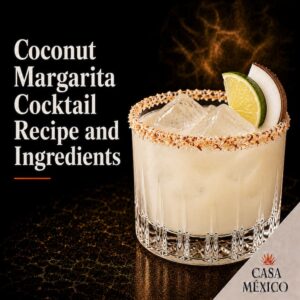
Coconut Margarita is made of tequila and coconut, the two main ingredients, and differs by contributing a creamy texture, tropical aroma, and gentle sweetness rather than alcohol strength and agave-driven sharpness. The coconut margarita drink recipe maintains balance through the interaction of tequila, coconut cream or coconut milk, fresh lime juice, orange liqueur, and ice. Preparation follows measured proportions, shake to blend the coconut content, controlled straining for smooth consistency, and chilled service for stable flavor expression. Nutrients came from coconut and citrus, with medium-chain triglycerides from coconut, vitamin C from lime, minor minerals, and alcohol from tequila as the main dietary factors. Coconut Margarita has a creamy coconut, bright lime acidity, and herbal tequila peppered notes, maintaining structure without excessive sweetness. Best served chilled and sipped slowly to highlight aromatics, paired with light seafood or grilled dishes.
What is a Coconut Margarita made of? The Coconut Margarita is made of tequila (the main ingredient) that provides alcohol structure, agave aroma, and sharp intensity. The second main type of ingredient is coconut, which differs by contributing a creamy texture, tropical fragrance, and mild sweetness rather than distilled strength. The Coconut Margarita achieves contrast through the combination of tequila-driven potency and coconut-based richness.
What are the Ingredients for Coconut Margarita Cocktail?
The ingredients for the Coconut Margarita Cocktail are listed below.
- Tequila: Agave-distilled spirit is the primary alcoholic base and provides a sharp, herbal and peppery character to the Coconut Margarita Cocktail structure.
- Coconut Cream or Coconut Milk: Coconut-derived ingredient that offers a creamy texture, tropical aroma, and gentle sweetness that contrasts tequila’s intensity.
- Fresh Lime Juice: Citrus element that adds acidity and freshness, stabilizing sweetness and alcohol strength within the Coconut Margarita Cocktail.
- Orange Liqueur: Citrus-infused spirit that develops aroma complexity and encourages integration between coconut and agave flavors.
- Ice: Temperature control element that encourages proper dilution, smooth mouthfeel, and balanced flavor release during preparation.
Why Do Coconut Margaritas Have Salt?
Coconut margaritas have salt to develop flavor balance and sharpen taste perception. Salt suppresses excessive sweetness from coconut ingredients while intensifying citrus acidity and agave notes, which creates a clearer and more structured flavor profile in the Coconut Margarita. Salt is a sensory modifier that heightens aroma release and improves contrast between creamy coconut richness and sharp lime acidity. Research (Food Composition Analysis Research) in food science demonstrates that sodium ions reduce bitterness and amplify perceived freshness, which supports clarity in cocktails that contain dairy-like or oil-rich elements from coconut. The Coconut Margarita benefits from salt because coconut cream introduces fat content that softens flavors, and salt restores definition by reinforcing tequila intensity and citrus brightness. The traditional way of preparing a margarita uses salt as a structural component instead of just a garnish, emphasizing balance over simply increasing salinity.
How to Make a Coconut Margarita?
To make a Coconut Margarita, follow the five steps listed below.
- Prepare Ingredients. Measured portions of tequila, coconut cream or coconut milk, fresh lime juice, and orange liqueur establish a balance between alcohol strength, acidity, and sweetness.
- Add Ice. Ice is added to the shaker to regulate temperature and support controlled dilution during mixing.
- Shake Vigorously. Vigorous shaking emulsifies coconut content and distributes fat evenly, producing a cohesive and smooth mouthfeel.
- Strain Finely. Fine straining removes ice fragments and stabilizes texture for clean presentation.
- Serve Chilled. Chilled glass service preserves the aroma, clarity, and structural integrity of the Coconut Margarita.
The most important step in making a coconut margarita is shaking vigorously, as proper emulsification ensures smooth texture, even flavor distribution, and overall drink quality. Proper shaking also helps chill the drink quickly while slightly diluting the alcohol to create a balanced, approachable flavor. Using fresh ingredients, especially lime juice and coconut cream, further enhances brightness and richness, preventing the cocktail from tasting flat or overly sweet.
How Many Drinks does a Coconut Margarita Pitcher Make?
A coconut margarita pitcher makes six to eight drinks. A standard coconut margarita pitcher holds between forty-eight and sixty-four fluid ounces. A single coconut margarita serving measures six to eight fluid ounces in food service and hospitality settings. Division of total pitcher volume by standard serving size results in a yield of six to eight portions.
Coconut margarita density remains higher than classic margarita formulations due to coconut cream lipid content. Increased viscosity limits overpouring and preserves consistent portion control across servings. Coconut margarita maintains a stable yield across casual dining, event service, and home entertaining formats.
Meet Our Maestra Tequilera
Casa México Tequila is crafted under the guidance of world-renowned Maestra Tequilera Ana María Romero Mena. With decades of experience creating acclaimed tequilas and mentoring future generations of distillers, she brings both deep tradition and thoughtful innovation to the brand. From agave selection to distillation and aging, her expertise ensures every expression reflects authenticity, precision and exceptional quality.

Can Coconut Cream be Used for Coconut Margarita?
Yes, coconut cream is used for a coconut margarita. A smooth Coconut Margarita structure is facilitated by the high fat content, concentrated coconut flavor, and thick texture of coconut cream. The cocktail drink benefits from coconut cream because fat content improves mouthfeel, moderates acidity from lime juice, and integrates effectively with tequila through shaking. Evidence from food science research (Food Composition Analysis Research) confirms that coconut cream contains a higher proportion of coconut solids and lipids than coconut milk, which strengthens flavor intensity and stabilizes texture in mixed beverages. Bar practice standards identify coconut cream as a preferred coconut source in creamy cocktails due to consistency control and reduced separation during service. The Coconut Margarita achieves improved balance and flavor definition when coconut cream replaces diluted coconut alternatives in shaken preparations that rely on fat dispersion for uniformity.
How is the Nutrient Value of Coconut Margarita Cocktail?
The nutrient value of the Coconut Margarita Cocktail is shown in the table below.
| Nutrient | Amount per Serving | Unit | Daily Value % | Source / Measurement Basis | Notes |
|---|---|---|---|---|---|
| Energy | 250–300 | kcal | 12–15 | Standard single serving volume | Calorie range varies by coconut cream quantity |
| Total Fat | 10–14 | g | 13–18 | Coconut cream lipid content | Predominantly saturated fat |
| Saturated Fat | 8–11 | g | 40–55 | Coconut-derived fatty acids | Medium-chain triglyceride dominant |
| Carbohydrates | 18–22 | g | 6–8 | Coconut sugars and orange liqueur | Sugar content drives carbohydrate total |
| Sugars | 12–16 | g | Not established | Coconut and citrus ingredients | No dietary fiber contribution |
| Protein | 1–2 | g | 2–4 | Coconut solids | Minor nutritional role |
| Vitamin C | 6–10 | mg | 7–11 | Fresh lime juice | Supports antioxidant intake |
| Potassium | 180–240 | mg | 4–5 | Coconut content | Electrolyte contribution remains limited |
| Alcohol | 18–20 | g | Not applicable | Tequila volume standard | Primary energy contributor |
How many calories are in a Coconut Margarita? A coconut margarita contains approximately 250 to 300 calories per serving, depending on portion size, coconut cream concentration, and added sweeteners. The majority of calories come from alcohol and coconut cream, which provide both energy and richness. Using fresh lime juice instead of pre-mixed sour mixers can slightly reduce sugar content and enhance the overall nutritional profile.
What are the Tips to Prepare Coconut Margarita Cocktail Better?
The tips to better prepare a coconut margarita cocktail are listed below.
- Use fresh lime juice instead of bottled concentrates. Freshly squeezed lime juice delivers a clean and vibrant citrus profile that sharpens the overall flavor.
- Chill the glassware before serving. Placing the glass in the freezer stabilizes the temperature from the first pour to the final sip. Cold glassware preserves texture, reduces dilution speed, and maintains a crisp mouthfeel throughout service.
- Toast coconut flakes for the rim. Light toasting improves aroma through caramelized oils and deepens coconut flavor intensity.
- Balance cream thickness with coconut water. Coconut water lightens the body without reducing the coconut character. Proper dilution improves drinkability and prevents heaviness while maintaining a smooth texture.
- Select high-quality agave tequila. Premium agave tequila delivers clean vegetal notes and refined sweetness that integrate well with coconut and citrus. Higher production standards reduce harsh alcohol edges and support a polished finish.
What are the Variations of Coconut Margarita Cocktail Recipes?
The variations of coconut margarita cocktail recipes are shown in the table below.
| Variation Name | Ingredients | Nutrient | Steps | Opinion |
| Classic Coconut | Tequila, Lime, Coconut Cream | 300 kcal | Shake and strain | Smooth and balanced |
| Spicy Coconut | Tequila, Jalapeño, Coconut | 310 kcal | Muddle and shake | Bold and exciting |
| Toasted Coconut | Tequila, Toasted Flakes, Cream | 320 kcal | Rim and shake | Fragrant and rich |
What alcohol is in a Coconut Margarita?
The alcohol that is in a coconut margarita is tequila as the primary alcoholic base. Coconut Margarita combines agave spirits with citrus and coconut elements to create a balanced cocktail profile. Coconut Margarita relies on distilled agave alcohol rather than rum or vodka.
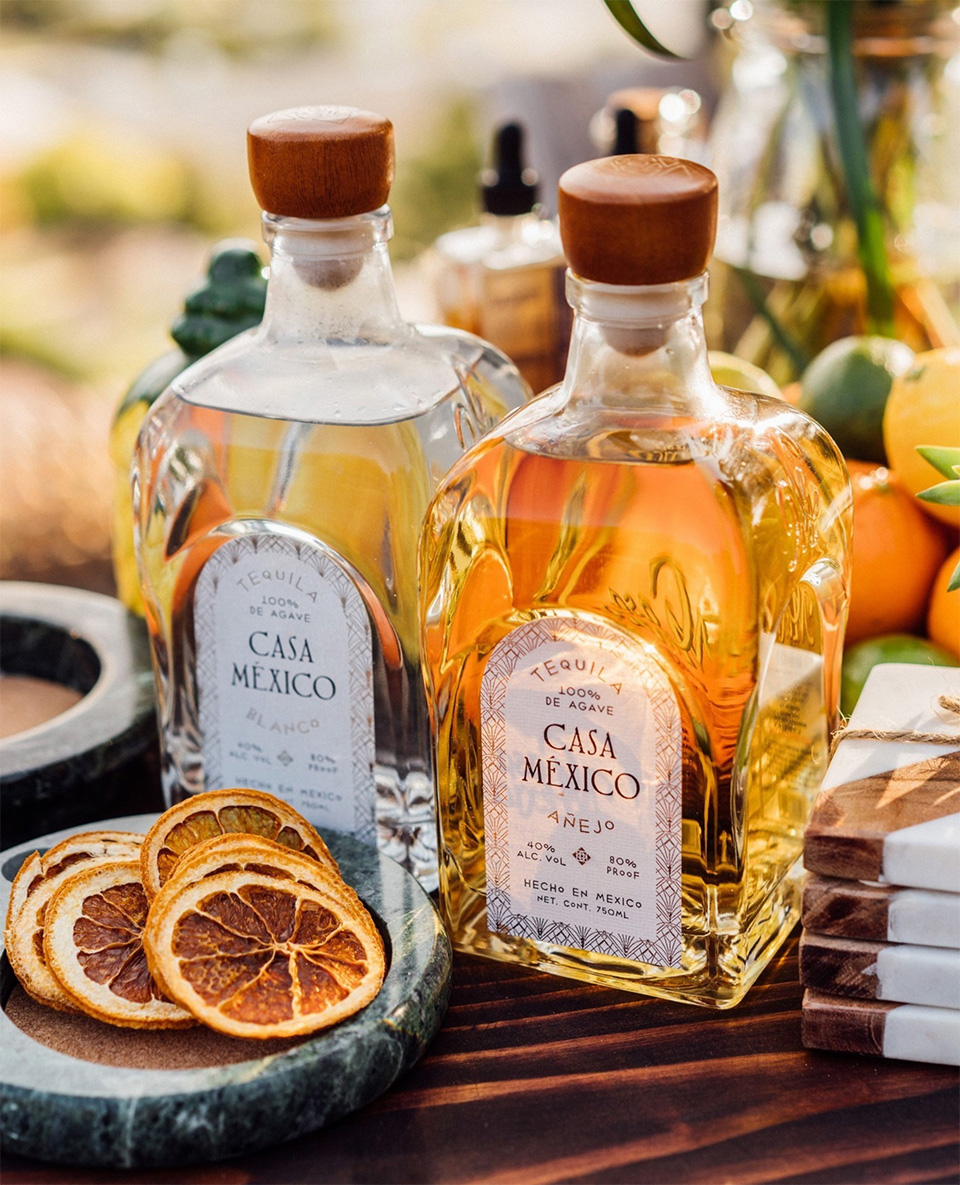
Casa Mexico Blanco Tequila: A clean, unaged tequila that delivers fresh agave notes, improving the tropical, citrus-forward profile of the Coconut Margarita. Pour the blanco tequila over ice first, followed by coconut cream and lime juice to maintain balance and freshness.
Casa Mexico Reposado Tequila: This tequila, with its smooth vanilla undertones from aging in oak barrels, complements the sweetness of coconut cream and the tartness of lime juice. Pour the reposado over ice, then add coconut cream and lime juice to ensure smooth integration without overpowering the flavors.
Casa Mexico Añejo Tequila: Aged for over a year, this tequila introduces rich caramel and oak notes to the Coconut Margarita, giving it a complex, warm twist. Add the añejo tequila over ice first, followed by coconut cream and lime juice, ensuring the drink maintains its creamy texture and layered flavor.
Casa Mexico Cristalino Tequila: With its clarity and smooth oak-influenced flavor, this tequila adds a refined, clean touch to the Coconut Margarita. Pour the cristalino over ice to highlight its transparency, then mix in coconut cream and lime juice to create a crisp, balanced cocktail with a smooth finish.
Does a Coconut Margarita have alcohol? Yes, the Coconut Margarita has alcohol. Coconut Margarita includes tequila derived from distilled blue agave as the primary alcoholic component. It maintains alcoholic strength through standard tequila pouring ratios that align with classic margarita formulations, while coconut ingredients contribute flavor rather than alcohol content. Coconut Margarita retains a comparable alcohol concentration to a traditional margarita despite the presence of creamy coconut elements.
How Much Alcohol Does a Coconut Margarita Have?
A coconut margarita has an alcohol of 14 to 20 grams of pure ethanol per standard serving. Coconut margarita reaches the range through 45 to 60 milliliters of tequila at 40% alcohol, matching international one-standard drinks. It depends on tequila volume, alcohol strength, and ice melt dilution: higher pours and proof boost ethanol, while dilution lowers concentration but not total intake. Coconut Margarita taste and impact shift through coconut cream sweetness and fat content that softens alcohol sharpness, reduces bitterness, and creates a smoother mouthfeel that encourages faster consumption. A safe range suggestion for general adults remains limited to one standard drink per serving under low-risk consumption frameworks referenced in international alcohol research.
Can Pregnant Women drink a coconut margarita? No, pregnant women cannot drink a Coconut Margarita. A coconut margarita contains ethanol from tequila, and no safe intake level exists during pregnancy. The World Health Organization states, “There is no known safe amount of alcohol consumption during pregnancy,” and links prenatal alcohol exposure to fetal alcohol spectrum disorders and impaired neurological development. The United States Centers for Disease Control and Prevention reinforces that position by stating that alcohol use during pregnancy leads to lifelong physical, behavioral, and learning problems.
Does a Coconut Margarita make you drunk?
Yes, a coconut margarita makes you drunk. A coconut margarita contains ethanol from tequila, and ethanol produces intoxication through central nervous system depression. A serving of coconut margarita contains 14 to 20 grams of pure alcohol, which is equivalent to one standard drink as defined by public health and medical studies. Coconut Margarita intoxication risk increases because coconut cream’s sweetness and fat content reduce perceived alcohol strength, which leads to faster consumption without a clear sensory warning. The intoxication effects include impaired coordination, slowed reaction time, and reduced judgment once blood alcohol concentration rises beyond established low-risk thresholds. World Health Organization confirms that intoxication occurs when ethanol intake exceeds metabolic clearance capacity, while the United States Centers for Disease Control and Prevention identifies standard drink consumption as sufficient to produce measurable impairment in many adults.
Does Coconut Margarita Have Tequila?
Yes. Coconut Margarita has tequila. Coconut Margarita uses tequila as the primary alcoholic base derived from distilled blue agave. The structure of the Coconut Margarita is similar to that of a traditional margarita, with tequila contributing the ethanol content, agave flavorings, and alcoholic strength. Coconut Margarita flavor balance depends on tequila interaction with lime acidity and coconut cream richness, which preserves margarita identity while introducing a tropical profile. Beverage formulation research and agave spirit production literature consistently identify tequila as the defining alcohol in margarita-style cocktails.
What is Coconut Margarita?
Coconut Margarita is a tequila-based cocktail that combines lime acidity with coconut richness to create a creamy tropical variation of the classic margarita. Coconut Margarita builds on the traditional margarita structure by retaining tequila and lime juice while incorporating coconut cream or coconut milk for body and flavor depth. Coconut Margarita maintains alcoholic strength comparable to a standard margarita while presenting a smoother taste profile due to fat content from coconut ingredients that soften ethanol sharpness. Culinary and beverage formulation research recognizes the Coconut Margarita as a flavored margarita variant rather than a separate cocktail category, since the defining agave spirit and citrus balance remain intact.
Why is it called a Coconut Margarita? The drink is called a Coconut Margarita because coconut ingredients fit into the traditional margarita structure based on tequila and lime. Coconut Margarita conserves the defining agave spirit base, and citrus balance of a margarita, and coconut cream or coconut milk contributes tropical flavor, richer texture, and softer acidity. Its classification is within the margarita family since tequila sticks to the primary alcohol and lime juice preserves structural acidity, and coconut a flavor modifier rather than a spirit replacement.
What Does a Coconut Margarita Taste Like?
Coconut Margarita tastes creamy, citrus-forward, and lightly sweet with balanced agave warmth. Coconut Margarita presents a smooth mouthfeel driven by coconut fat content and bright acidity from lime juice. The flavor structure combines fresh citrus sharpness with mild tropical sweetness, supported by clean agave notes from tequila that provide depth without dominance. Sensory analysis research on fatty acid balance in beverages supports the perception of softened alcohol intensity and rounded flavor edges in coconut-based cocktails.
The ingredients that affect the taste of a Coconut Margarita are listed below.
- Tequila: Delivers agave-derived earthiness and controlled alcohol warmth that defines margarita identity and supports structure.
- Coconut Cream or Coconut Milk: Contributes creamy texture, mild sweetness, and softened acidity that reduces sharp alcohol perception.
- Fresh Lime Juice: Provides bright acidity that balances coconut richness and prevents flavor heaviness.
- Ice Dilution: Regulates concentration, lowers alcohol sharpness, and improves refreshment through controlled melting.
- Salt or Coconut Rim: Intensifies contrast by sharpening sweetness perception and elevating aroma during consumption.
Is Coconut Margarita Sweet or Creamy?
Yes, the Coconut Margarita is creamy with mild sweetness. Coconut Margarita presents a dominant creamy texture driven by coconut cream fat content that coats the palate and softens acidity. Lime juice acidity balances coconut sugars, keeping the sweetness of the coconut margarita moderate rather than strong.
A study on beverage sensory perception indicates that fat content lessens the sharpness of ethanol and acid, increasing smoothness without intensifying the sweetness of a coconut margarita. Coconut Margarita registers as creamy first, lightly sweet second, with agave warmth from tequila supporting structure rather than sweetness.
How to Drink a Coconut Margarita?
To drink a coconut margarita, follow the five steps below.
- Glassware Preparation. Chill serving glassware to preserve low temperature, control dilution rate, and maintain consistent texture during consumption.
- Serving Temperature. Serve the Coconut Margarita cold to stabilize the coconut fat structure and preserve citrus brightness without flavor separation.
- Sip Technique. Sip the Coconut Margarita in small controlled amounts to register creaminess, acidity, and agave warmth in sequence rather than overwhelming the palate.
- Palate Reset. Pause briefly between sips to allow flavor perception recovery and prevent sensory fatigue from coconut richness.
- Rim Interaction. Touch lips lightly to the rim to introduce salt or toasted coconut aroma that heightens contrast and flavor clarity.
What are the Types of Coconut Margarita Cocktails?
The types of coconut margarita cocktails are listed below.
- Frozen Margarita: A blended margarita style characterized by a smooth, icy consistency that reduces alcohol sharpness and softens lime acidity, creating a colder and more mellow drinking experience.
- Classic Margarita: The standard margarita expression defined by bright lime acidity, clear agave-driven warmth, and a dry, balanced structure that establishes the benchmark for all other margarita styles.
- Spicy Margarita: A variation infused with chili elements that introduce heat, intensify sensory impact, and create contrast against citrus acidity and tequila character.
- Strawberry Margarita: A fruit-forward margarita featuring ripe strawberry flavor that increases sweetness and lowers citrus bite compared to the Classic Margarita.
- Mango Margarita: A tropical-style margarita marked by dense sweetness and a fuller mouthfeel that produces a richer and rounder taste than lighter fruit versions.
- Watermelon Margarita: A refreshing margarita style defined by subtle sweetness, high water content, and a clean finish that delivers lighter flavor intensity than mango-based versions.
- Passion Fruit Margarita: A bold tropical margarita distinguished by sharp acidity and aromatic intensity that produces a tangier profile than most fruit-based variations.
- Coconut Margarita: A creamy margarita variation that emphasizes coconut flavor and texture, reducing citrus edge and alcohol warmth for a smoother and softer profile.
- Blue Curaçao Margarita: A citrus-driven margarita variation featuring orange sweetness and mild bitterness that sits between dry Classic Margarita structure and fruit-dominant styles.
- Cadillac Margarita: A premium margarita style enhanced by higher quality orange liqueur, resulting in deeper citrus richness, increased body, and layered flavor complexity.
- Mezcal Margarita: A margarita variation using mezcal in place of tequila, defined by smoky earthy notes that dominate the profile and reduce fruit emphasis.
- Skinny Margarita: A reduced-sweetness margarita style that focuses on lime acidity and agave intensity, delivering a drier and sharper taste than the Classic Margarita.
- Blood Orange Margarita: A citrus variation combining bittersweet orange character with subtle berry-like notes that add depth beyond standard orange-based margaritas.
- Blackberry Margarita: A dark fruit margarita style characterized by rich berry flavor and light tannic structure that creates a heavier mouthfeel than strawberry versions.
- Peach Margarita: A softly flavored margarita featuring gentle sweetness and floral aroma that produces a smooth and rounded sensory experience.
- Cucumber Margarita: A fresh vegetal margarita variation defined by cooling cucumber notes that lower perceived sweetness and develop refreshment.
- Hibiscus Margarita: A floral-infused margarita style marked by tart acidity and mild bitterness that delivers a sharper and more vibrant finish than sweet fruit variations.
What is the Difference of Mezcal Margarita than other Coconut Margarita Cocktail Recipes?
The difference between Mezcal Margarita and other Coconut Margarita cocktail recipes is defined by spirit origin, texture, aroma, and sensory impact. Mezcal Margarita uses mezcal distilled from roasted agave, which introduces a pronounced smoky aroma, mineral depth, and dry structure that dominate the palate, whereas Coconut Margarita uses tequila distilled from steamed agave paired with coconut cream or coconut milk that produces a smooth mouthfeel and gentle sweetness. Mezcal Margarita flavor expression emphasizes lime-driven acidity and earthy alcohol presence, creating a sharper and more intense tasting profile, whereas Coconut Margarita emphasizes richness, softness, and reduced alcohol bite through coconut fat integration. Coconut margarita highlights thorough shaking to emulsify coconut components for a consistent texture, and the Mezcal Margarita recipe emphasizes clarity and restraint through simple shaking and straining. Mezcal Margarita appeals to the preference for bold and smoky character, and Coconut Margarita appeals to the preference for creamy and tropical balance within the margarita family.
What is the Difference of Frozen Margarita than other Coconut Margarita Cocktail Recipes?
The difference between frozen margarita and other coconut margarita cocktail recipes are centered on texture, dilution method, flavor emphasis, and preparation technique. Frozen Margarita relies on blended ice as a core structural element, producing a thick and slushy consistency that amplifies cold sensation and softens lime acidity through controlled dilution, whereas Coconut Margarita relies on coconut cream or coconut milk to deliver body and smoothness without ice blending. Frozen Margarita ingredients include tequila, fresh lime juice, orange liqueur, ice, and an optional sweetener, and preparation follows a blending process that combines the components until a uniform thickness forms. Coconut Margarita ingredients include tequila, fresh lime juice, coconut cream or coconut milk, orange liqueur, and an optional sweetener, and preparation follows a shaking process that emulsifies coconut fat for a creamy mouthfeel before straining. Frozen Margarita flavor expression emphasizes brightness, sharp citrus clarity, and refreshing chill, while Coconut Margarita flavor emphasizes richness, tropical aroma, and reduced perceived acidity due to fat content. The good thing about the Frozen Margarita recipe is highlighting the volume and icy texture, the reason why most socialites love it.
What is the difference of a Blood Orange Margarita and other Coconut Margarita?
The difference between the blood orange margarita and other coconut margaritas is fruit profile, texture, and preparation method. Blood orange margarita relies on fresh blood orange juice, tequila, lime juice, and orange liqueur, which produce a bright citrus-driven flavour with mild berry undertones and a lean mouthfeel, whereas Coconut Margarita combines tequila, lime juice, and coconut cream or coconut milk, which creates a tropical profile with a richer body and softer acidity. Blood orange margarita preparation follows a shaken method that preserves fresh citrus sharpness and clear structure, whereas Coconut Margarita preparation focuses on emulsification to combine the coconut’s fat content, resulting in a smooth and creamy texture consistency. The coconut margarita recipe concentrates on blending to achieve a uniform texture and balanced sweetness, while the Blood Orange Margarita recipe involves juicing blood oranges, shaking ingredients with ice, and straining into a salted glass. The flavor contrast remains clear since the blood orange margarita highlights vibrant citrus brightness and light bitterness, while the coconut margarita emphasizes round sweetness and tropical depth without replacing the agave character of tequila.
What is the Difference of Mango Margarita than other Coconut Margarita Cocktail Recipes?
The differences between the mango margarita and other coconut margarita cocktail recipes are in fruit sweetness, texture, and preparation. Mango margarita uses fresh mango puree with tequila, lime, and orange liqueur, offering vibrant sweetness and a smooth, fruit-driven body. Coconut Margarita relies on coconut cream or milk with tequila and lime, creating creamy richness and softer acidity. The ingredients highlight natural fruit sugars and pulp to enhance viscosity without dairy fats, while coconut ingredients emphasize fat content to round edges and boost mouthfeel. Making the Mango Margarita Recipe involves peeling and blending mango, shaking with tequila and lime over ice, and straining or serving. A coconut margarita involves shaking or blending tequila, lime, and coconut cream until emulsified for a uniform texture and sweetness. Mango margarita flavor remains bright, juicy, and fruit-forward, and Coconut Margarita flavor is smooth, creamy, and tropical while preserving margarita structure.
Where to Serve Coconut Margarita?
Coconut margarita is served in social and dining settings that favor a relaxed pace and flavor-focused drinks. Coconut Margarita pairs best with lunch and dinner, where its creamy texture and balanced acidity complement grilled seafood, spicy dishes, and tropical menus. The cocktail drink suits birthday parties, due to its look and sweetness that promote celebration and sharing. It is rarely served during breakfast because of its richness and alcohol content, which are not typical of morning drinks. Its appeal increases in warm weather, poolside events, and evening receptions, where served cold, it offers a refreshing and smooth experience. Beverage service research and hospitality menu design studies show that cream-based cocktails gain higher acceptance during later dining periods and festive social events rather than early day service, as discussed in What to Serve with coconut margaritas.
What Glass to Serve a Coconut Margarita?
A Coconut Margarita is served in a classic margarita glass, which offers ideal structure and presentation. The glass’s wide surface optimizes aroma release from tequila and coconut, supports salted or coconut rims without crowding, and its shallow bowl highlights the creamy texture and pale color while keeping the drink cold through a stem that limits heat transfer. The glass features a wide, shallow bowl on a long stem with a broad rim for garnishes, distinct from narrower or vertical drinkware. A margarita glass has a specific bowl width, rim size, and a focus on garnish and aroma, compared to other cocktail glasses. A coupe with a rounded bowl and smaller rim is better for spirit-forward shaken cocktails, while a martini with sharp angles emphasizes clarity over creaminess. A highball offers vertical volume for long, carbonated drinks but lacks surface area for rims and aroma. A rocks glass supports short stirred drinks with ice but limits visual and aromatic appeal for creamy margaritas. Common cocktail glasses include margarita, coupe, martini, highball, rocks, Collins, Nick and Nora, hurricane, and others flute. Each glass type aligns with specific texture, aroma, temperature control, and visual priorities established through beverage service research and hospitality design studies focused on sensory perception, drink stability, and guest experience in professional cocktail presentation, as highlighted in Best Margarita Glasses.
What Makes This Coconut Margarita different from others?
The Coconut Margarita is different from others in the wayslisted below.
- Primary Flavor Structure: Coconut Margarita combines tequila, lime juice, and coconut cream or coconut milk, creating a rounded tropical flavor. Its sweetness and creaminess reduce perceived acidity compared with fruit-forward or classic margaritas that emphasize citrus juice and orange liqueur for brightness.
- Texture and Mouthfeel: Coconut Margarita achieves body through fat-based emulsification from coconut components, creating a smooth and velvety consistency, whereas frozen or fruit puree margaritas rely on ice dilution or fiber content for thickness.
- Aroma Expression: Coconut Margarita releases gentle coconut aromatics layered over agave notes, resulting in a softer aromatic profile than spicy, mezcal, or citrus-heavy margarita variations.
- Preparation Technique: Coconut Margarita preparation emphasizes shaking or controlled blending to stabilize coconut fat, which differs from shaken citrus margaritas or blended ice-based styles.
- Sensory Balance: Coconut Margarita presents restrained alcohol bite and mellow acidity, contrasting sharper lime-driven margaritas or smoke-forward mezcal versions, as highlighted in Drinks Similar to Coconut Margarita.