EN
EN ES
ES PL
PL TR
TR

Reposado Paloma is a citrus-forward tequila cocktail built on reposado tequila, fresh grapefruit juice, lime juice, simple syrup, and sparkling water or grapefruit soda, served over ice in a salt-rimmed highball glass. Reposado Paloma’s tequila rests in oak barrels for a minimum of two months, producing a light caramel and vanilla character without the full depth of a long-aged spirit. The partial oak influence softens the sharp citrus bitterness of the grapefruit into a slightly rounder finish than a blanco-based Paloma delivers. Fresh grapefruit juice remains the primary citrus component, providing the tart backbone that defines the Paloma structure. The salted rim adds the savory contrast that completes the classic presentation.
What is Reposado Paloma Made Of? A Reposado Paloma is made of reposado tequila as its primary spirit, paired with fresh grapefruit juice as the second main ingredient. Reposado tequila, unlike blanco, rests in oak for a minimum of two months, introducing light caramel notes absent in an unaged spirit. Fresh grapefruit juice delivers the sharp, bitter citrus backbone that keeps the drink tart despite the oak softness. Lime juice, simple syrup, sparkling water, and a salted rim complete the Reposado Paloma recipe.
What are the Ingredients for Reposado Paloma Cocktail?
The ingredients for Reposado Paloma cocktail are listed below.
- Reposado Tequila: Reposado tequila forms the base spirit, rested in oak barrels for a minimum of two months. The light caramel and vanilla notes from the partial aging soften the sharp citrus edge of the grapefruit without overpowering the fresh flavors.
- Fresh Grapefruit Juice: Freshly squeezed grapefruit juice provides the primary citrus layer and tart backbone of the cocktail. The natural bitterness of the fruit balances the mild sweetness introduced by the oak-rested tequila.
- Fresh Lime Juice: Lime juice sharpens the overall acidity and adds a secondary citrus note that prevents the grapefruit from tasting flat alongside the soft reposado character. A measured pour keeps the tartness balanced without masking the tequila.
- Simple Syrup: Simple syrup moderates the combined acidity of the grapefruit and lime. The amount adjusts based on the natural sweetness of the grapefruit and the oak softness of the reposado used.
- Sparkling Water or Grapefruit Soda: Carbonation lightens the body of the drink and adds effervescence that lifts the mild oak notes of the reposado on every sip. Grapefruit soda adds sweetness, while sparkling water keeps the finish drier and more citrus-forward.
- Coarse Salt (Rim): A salted rim adds a savory contrast that amplifies the tartness of the grapefruit and balances the light caramel notes of the reposado. The salt improves the perception of citrus on every sip without adding acidity to the drink.
- Ice: Large ice cubes maintain the serving temperature while minimizing dilution throughout the drink. Slower melt preserves the mild oak and citrus balance of the Reposado Paloma ingredients without weakening the flavor over time.
Should Fresh Reposado or Reposado Purée Be Used in a Reposado Paloma?
Fresh reposado tequila is the only appropriate form for a Reposado Paloma, as no purée equivalent exists for a distilled spirit. The fresh versus processed distinction applies to the fruit and herb components of a cocktail rather than to the tequila itself. Reposado tequila is always used in its liquid, bottled form, poured directly from the bottle into the shaker at the measured volume required by the recipe. The quality distinction in a Reposado Paloma lies in the production standard and aging period of the tequila selected, rather than in any fresh or processed format consideration. A reposado aged closer to the one-year maximum delivers more oak softness and caramel depth than one rested for only two months, which affects the overall balance of the finished drink. Using a lower-quality reposado with additives introduces artificial sweetness that disrupts the natural citrus balance the fresh grapefruit and lime provide. The bottle selection is the most critical ingredient decision in the recipe, as the quality of the reposado tequila determines the depth and smoothness of every sip from start to finish.
What Mixers Pair Best with Reposado Paloma?
The mixer pair best with Reposado Paloma are listed below.
- Sparkling Water: Plain sparkling water adds effervescence without introducing competing flavors. The neutral profile keeps the grapefruit tartness and mild reposado character at the forefront of every sip.
- Grapefruit Soda: Grapefruit soda reinforces the primary citrus note while adding a light sweetness that complements the caramel undertones of the rested tequila. The carbonation lifts the mild oak notes on each sip.
- Ginger Beer: Ginger beer introduces a spiced, slightly sweet warmth that pairs naturally with the light vanilla and caramel notes of reposado tequila. The mild heat of ginger bridges the oak softness and the grapefruit acidity without competing with either.
- Coconut Water: Coconut water adds a subtle tropical sweetness that softens the tartness of the grapefruit without adding artificial flavoring. The mild sweetness bridges the partial oak warmth of the reposado and the citrus backbone naturally.
- Hibiscus Tea (Chilled): Chilled hibiscus tea adds a tart, floral depth that complements both the citrus and the light caramel notes of the reposado. The deep ruby color gives the cocktail a visually striking appearance in the glass.
- Cucumber Juice: Cucumber juice adds a cool, clean note that amplifies the refreshing quality of the grapefruit. The low sugar content keeps the finish dry while adding a distinct layer that pairs well with the Reposado Paloma profile.
How to Make a Reposado Paloma?
To make a Reposado Paloma, follow the 6 steps below.
- Prepare the Glass. Run a lime wedge along the rim of a highball glass and press into a plate of coarse salt. Fill the glass with large ice cubes before pouring to maintain the serving temperature from the first sip onward.
- Juice the Citrus. Squeeze fresh grapefruit and lime immediately before preparation. Fresh-squeezed juice delivers sharper, more natural acidity than bottled alternatives, which directly affects the balance against the soft reposado character.
- Combine Ingredients in the shaker. Add 2 oz of reposado tequila, 2 oz of fresh grapefruit juice, 0.5 oz of fresh lime juice, and 0.5 oz of simple syrup into a cocktail shaker. Adjust the syrup amount based on the natural sweetness level of the grapefruit used.
- Add Ice and Shake. Fill the shaker with ice and shake vigorously for 10 to 12 seconds. Shaking chills the mixture, dilutes it slightly, and fully integrates the reposado character with the citrus components.
- Strain into Prepared Glass. Strain the shaken mixture into the salt-rimmed highball glass over fresh ice. Straining removes ice shards that cloud the drink and affect the smooth mouthfeel the reposado produces.
- Top and Garnish. Top with sparkling water or grapefruit soda and garnish with a grapefruit wheel and lime wedge on the rim. Adding the sparkling component after straining preserves the carbonation through the final pour.
The most important step in making a Reposado Paloma is selecting a quality reposado tequila rested for a sufficient period in oak. The partial aging is the defining characteristic that separates Reposado Paloma from a standard blanco-based Paloma and determines the depth and smoothness of the finished Reposado Paloma from the first sip to the last.
How is the Nutrient Value of Reposado Paloma Cocktail?
The nutrient profile of a Reposado Paloma sits between a blanco-based and an añejo-based Paloma, reflecting the partial oak aging of the reposado tequila combined with fresh citrus components.
Meet Our Maestra Tequilera
Casa México Tequila is crafted under the guidance of world-renowned Maestra Tequilera Ana María Romero Mena. With decades of experience creating acclaimed tequilas and mentoring future generations of distillers, she brings both deep tradition and thoughtful innovation to the brand. From agave selection to distillation and aging, her expertise ensures every expression reflects authenticity, precision and exceptional quality.

The detailed breakdown of the Reposado Paloma Cocktail nutrient value is listed in the table below.
| Nutrient | Amount per Serving | Unit | Daily Value % | Source / Measurement Basis | Notes |
| Calories | 200 | kcal | 10 | 2 oz reposado tequila, 2 oz grapefruit juice, 0.5 oz lime juice, 0.5 oz simple syrup | Slightly higher than blanco-based Paloma due to trace oak aging compounds |
| Total Carbohydrates | 20 | g | 7 | Grapefruit juice and simple syrup | Reducing syrup lowers carb content without altering the citrus balance |
| Total Sugars | 15 | g | N/A | Natural fruit sugars from grapefruit and lime, plus added sugar from simple syrup | Light caramel notes from oak aging add trace residual sugars to the spirit |
| Dietary Fiber | 0.4 | g | 1 | Trace from fresh-squeezed grapefruit juice | Mostly removed during juicing |
| Vitamin C | 30 | mg | 33 | Fresh grapefruit juice (approx. 70 mg per 100 ml) and lime juice | Use fresh-squeezed juice immediately to preserve Vitamin C content |
| Potassium | 175 | mg | 4 | Grapefruit juice is the primary potassium source in the recipe | Varies by grapefruit variety and ripeness at time of juicing |
| Sodium | 240 | mg | 10 | Primarily from the salted rim (approx. 150–250 mg per salted rim) | Drops significantly if the salted rim is skipped |
| Total Fat | 0 | g | 0 | No fat-containing ingredients in the recipe | N/A |
| Protein | 0.8 | g | 1 | Trace amounts from fresh citrus juice | Not a meaningful protein source |
| Alcohol | 15 | g | N/A | 2 oz of 40% ABV (80-proof) reposado tequila | Contributes approximately 105 empty calories per serving |
| Calcium | 13 | mg | 1 | Trace amounts from lime and grapefruit juice | Not a significant calcium source |
| Magnesium | 10 | mg | 2 | Small amounts present in fresh grapefruit juice | Supports muscle function at higher dietary levels |
| Antioxidants (Polyphenols) | Low-Moderate | N/A | N/A | Light oak barrel contact introduces trace polyphenols into the reposado | Lower polyphenol content than añejo due to shorter barrel aging period |
| Folate (Vitamin B9) | 13 | mcg | 3 | Naturally present in fresh grapefruit juice | Fresh juice preserves folate better than bottled alternatives |
How Many Calories in a Reposado Paloma? A Reposado Paloma contains approximately 200 calories per standard serving, placing it slightly above a blanco-based Paloma and below an añejo version. Reposado tequila contributes approximately 105 calories from alcohol, with trace oak compounds adding marginally to the total. Fresh grapefruit juice adds approximately 48 calories per 2 oz, while simple syrup contributes 25 to 30 calories. Skipping the simple syrup reduces the overall Reposado Paloma calorie count by approximately 25 to 30 calories per serving without significantly affecting the drink’s balance.
What are the Tips to Prepare Reposado Paloma Cocktail Better?
The tips to prepare Reposado Paloma cocktail better are listed below.
- Selecting a reposado tequila rested closer to the one-year maximum delivers more oak softness and caramel depth that distinguishes the drink from a standard blanco-based Paloma.
- Freshly squeezed grapefruit juice delivers sharper, more natural acidity than bottled juice, creating the tartness needed to balance the mild sweetness of the rested tequila.
- Chilling the highball glass in a freezer for 10 minutes before serving slows ice melt and preserves the reposado character throughout the drink.
- Large ice cubes reduce dilution rate during both shaking and serving, keeping the partial oak complexity intact from the first sip to the last.
- Tasting the grapefruit before juicing determines whether the simple syrup amount needs adjustment. The natural sweetness of the reposado already contributes a mild baseline sweetness that blanco does not.
- Straining the shaken mixture through a fine mesh strainer removes ice shards and citrus pulp that cloud the drink and disrupt the smooth mouthfeel that reposado produces.
- Adding sparkling water or grapefruit soda after straining rather than shaking preserves the carbonation through the final pour.
- A coarse salt or smoked salt rim adds a savory contrast that complements the light caramel notes of the reposado more precisely than a plain unsalted rim does.
How to Prevent a Reposado Paloma from Tasting Too Sweet?
To prevent a Reposado Paloma from tasting too sweet, the three main sources of excess sweetness must be addressed (the light residual sugars from oak aging in the reposado, simple syrup, and grapefruit soda as the mixer). Reduce simple syrup from 0.5 oz to 0.25 oz to directly fix the excessive sweetness. The reposado already contributes a mild baseline sweetness from its partial barrel aging that blanco does not carry. Swapping grapefruit soda for plain sparkling water eliminates added mixer sugar entirely. Increase lime juice from 0.5 oz to 0.75 oz to sharpen the acidity and counters the oak-derived sweetness of the rested spirit. Choose white grapefruit over pink to deliver a more bitter juice that offsets the caramel notes from the short barrel aging. A proper salted rim amplifies tartness on the palate, making the drink taste less sweet without adjusting the syrup ratio. Keeping the reposado pour at 1.5 oz rather than 2 oz reduces the residual oak sugar concentration without losing the aged character of the finished Reposado Paloma recipe.
What are the Variations of Reposado Paloma Cocktail Recipes?
The variations of Reposado Paloma cocktail are listed on the table below.
| Variation Name | Ingredients | Nutrient | Steps | Opinion |
| Smoked Salt Rim | Swap coarse salt with smoked sea salt. All else stays the same. | No caloric change. Trace minerals added. Sodium stays within range. | Rub lime on the rim. Press into smoked salt. Strain cocktail as standard. | Complements the light caramel notes of the reposado. Best with white grapefruit for a sharper contrast. |
| Blood Orange Substitution | Swap 2 oz of grapefruit juice with fresh blood orange juice. | Lower bitterness, higher anthocyanins. Calories near 195 kcal. Vitamin C remains comparable. | Juice blood oranges fresh. Add to shaker with lime, syrup, and reposado. Shake, strain, and top with sparkling water. | Sweeter, floral citrus that suits the light vanilla notes of reposado. Good for drinkers sensitive to grapefruit bitterness. |
| Honey Syrup Swap | Swap simple syrup with honey syrup (1:1 honey to warm water) at 0.5 oz. | Trace antioxidants added. Calories rise slightly to 210–220 kcal. Lower glycemic impact than refined sugar. | Mix honey and warm water at a 1:1 ratio. Cool before use. Add to shaker with citrus and reposado. Shake and strain. | Floral sweetness layers naturally with the mild caramel of reposado. Softer finish than plain simple syrup. |
| Tajín Spiced Rim | Swap coarse salt with Tajín Clásico on the rim. | Negligible calories. Slight sodium increase. Amplifies grapefruit tartness on the palate. | Wet rim with lime. Press into Tajín. Strain cocktail as standard. Garnish with Tajín-dusted lime wheel. | Mild heat and tangy citrus cut through the softness of the rested spirit. Best with grapefruit soda as the mixer. |
| Meyer Lemon Addition | Add 0.25 oz Meyer lemon juice. Reduce lime from 0.5 oz to 0.25 oz. Total acid volume stays equal. | Lower acidity, slightly higher natural sweetness. Calories stay near 200 kcal. | Squeeze both citrus fruits fresh. Add to shaker with reposado and syrup. Shake, strain, and top with sparkling water. | Softer citrus note that bridges lime sharpness and the mild oak warmth of reposado. Better for drinkers who find lime too acidic. |
| Grapefruit Soda Swap | Swap sparkling water with grapefruit soda at 1 to 2 oz. | Adds 6–10 g sugar. Calories rise to 220–235 kcal. More carbonation than sparkling water. | Shake base cocktail as standard. Strain over ice. Top slowly with chilled grapefruit soda. Garnish with a grapefruit slice. | Sweeter, more approachable finish that suits casual occasions. Reduce or skip simple syrup to avoid over-sweetening. |
| Cucumber Reposado Paloma | Add 2 thin cucumber slices into the shaker with the citrus. All other ingredients stay the same. | Negligible calories added. A small amount of Vitamin K contributed. Cucumber water increases dilution slightly. | Add cucumber slices to the shaker. Muddle gently with simple syrup. Add citrus and reposado. Shake, double-strain, and top with sparkling water. | Cool, clean vegetal note that deepens the refreshing quality of the grapefruit. Best in warm-weather settings. |
Can Reposado Paloma Be Made as a Frozen Cocktail?
Yes, a Reposado Paloma can be made as a frozen cocktail. The standard liquid ingredients (reposado tequila, fresh grapefruit juice, lime juice, and simple syrup) must be blended cleanly with ice in a to produce a slushy, granita-style texture. The key adjustment is eliminating the sparkling water or grapefruit soda, as carbonation dissipates immediately during blending. Using frozen grapefruit juice cubes instead of fresh liquid juice deepens the frozen consistency and intensifies the citrus concentration per sip. The blending process distributes the light caramel and vanilla notes of the reposado throughout the entire frozen mixture, producing a slightly richer frozen drink than a blanco-based version. Reducing the simple syrup to 0.25 oz prevents the frozen version from tasting overly sweet, as cold temperature suppresses bitterness and amplifies sweetness on the palate. A Tajín or salted rim applied before pouring ties the savory contrast into the frozen Reposado Paloma serving format.
What alcohol is in a Reposado Paloma?
The alcohol in a Reposado Paloma is reposado tequila. Reposado tequila is a partially aged spirit distilled from 100% blue agave and rested in oak barrels for a minimum of two months. Reposado sits between blanco and añejo in the aging spectrum, carrying light caramel and vanilla notes from the short barrel contact without the full depth of a long-aged spirit.
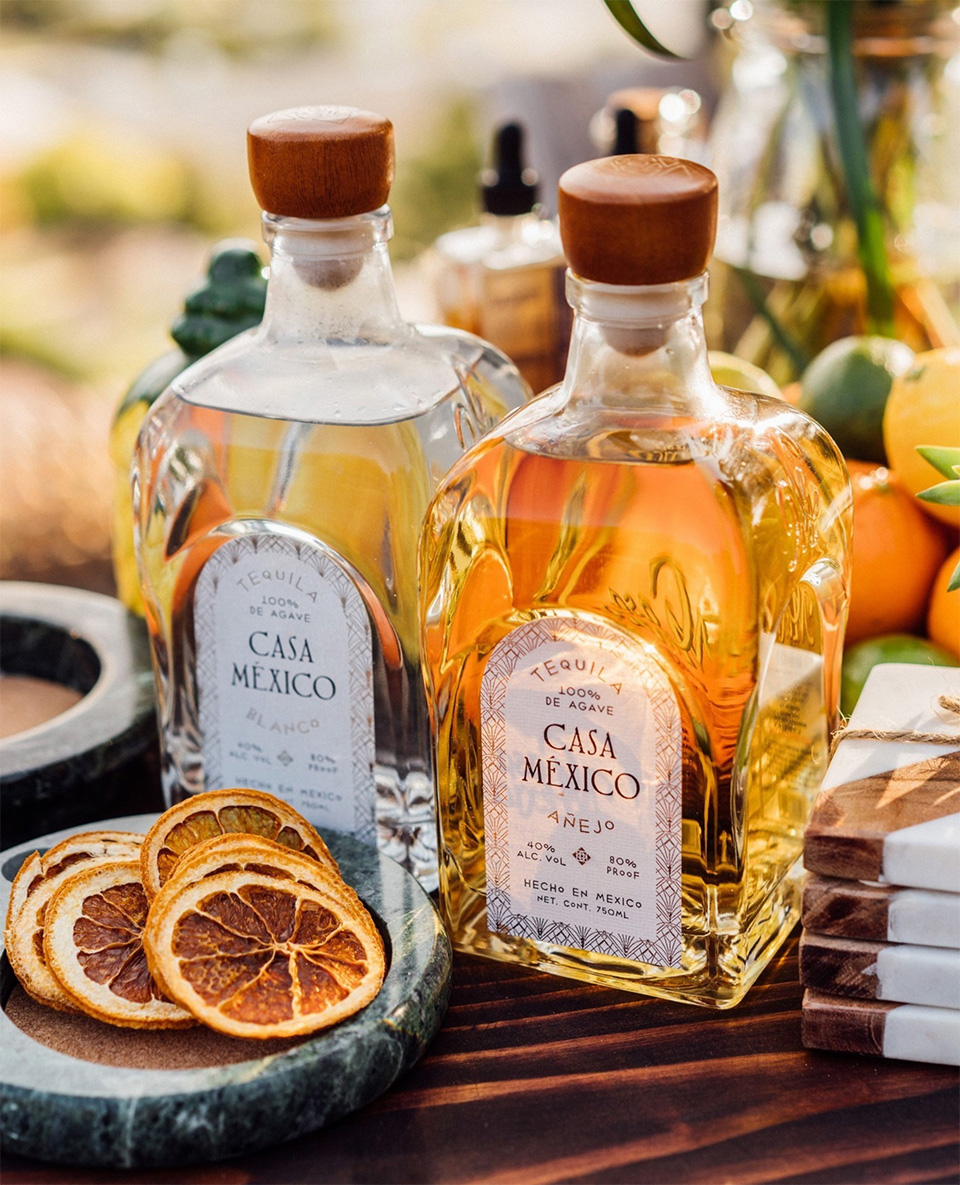
Casa Mexico Reposado Tequila
Casa Mexico Reposado rests in oak barrels for a minimum of two months, developing light caramel and vanilla notes that define the standard Reposado Paloma profile. The partially aged agave character integrates cleanly with fresh grapefruit and lime, adding mild oak softness without competing with the citrus. Mix 2 oz with fresh grapefruit juice, lime juice, simple syrup, and sparkling water for the standard recipe.
Casa Mexico Blanco Tequila
Casa Mexico Blanco is unaged and carries a clean, sharp agave flavor with no oak influence. Used in a Reposado Paloma recipe, blanco produces the most citrus-dominant result, removing the mild caramel softness that the rested spirit contributes. Use 2 oz as a direct substitute for a crisper, more citrus-forward version of the same recipe.
Casa Mexico Añejo Tequila
Casa Mexico Añejo is aged a minimum of one year in oak, producing a deeper caramel, dried fruit, and toasted wood character than a reposado. Añejo in a Reposado Paloma shifts the drink toward a more spirit-forward, whiskey-adjacent profile where the tequila leads over the citrus. Use 1.5 oz with reduced simple syrup to balance the deeper sweetness of the fully aged spirit.
Does Reposado Paloma Have Alcohol? Yes, a Reposado Paloma contains alcohol. The drink is built on reposado tequila as its base spirit, making it an alcoholic cocktail by standard definition. A single serving contains approximately 2 oz of reposado tequila at 40% ABV, placing the alcohol content in line with most standard cocktails served in a highball glass.
How Much Alcohol Does a Reposado Paloma Have?
A Reposado Paloma has an alcohol content of approximately 14 to 16 grams of pure alcohol per serving, based on a 2-oz pour of 40% ABV reposado tequila. The finished drink is around 10% and 13% ABV once the citrus, syrup, and mixer are accounted for. The final ABV fluctuates based on the proof of the reposado used, the volume of mixer added, and the amount of ice dilution during shaking and serving. A higher-proof reposado at 46% ABV increases the alcohol content by approximately 1 to 2 grams per serving. A larger mixer pour of 3 oz or more dilutes the ABV closer to 8% in the final glass. The light caramel and vanilla character of the reposado makes the alcohol slightly less perceptible on the palate than a sharp blanco, increasing the risk of underestimating intake over multiple servings. Higher alcohol content is most noticeable on the finish, where a warmer, rounder fade replaces the sharper alcohol edge of a blanco-based Paloma. A safe and balanced range sits between 1.5 oz and 2 oz of reposado per serving, keeping the ABV within the 10% to 13% window without diminishing the oak and citrus flavor balance of the drink.
Can Pregnant Women Drink Reposado Paloma? No, pregnant women are advised against drinking a Reposado Paloma. The Centers for Disease Control and Prevention (CDC) states that “there is no known safe amount of alcohol use during pregnancy.” The 14 to 16 grams of alcohol in a standard serving crosses the placental barrier regardless of dilution. The smoother, more palatable character of reposado tequila makes the alcohol content less immediately perceptible, increasing the risk of consuming more than intended. A non-alcoholic version built on grapefruit juice, lime juice, honey syrup, and sparkling water serves as a safe pregnancy-friendly Reposado Paloma alternative.
Does a Reposado Paloma make you drunk?
Yes, a Reposado Paloma can make a person drunk when consumed in excess. A single serving contains 14 to 16 grams of pure alcohol from a standard 2-oz pour of reposado tequila at 40% ABV, equivalent to one standard drink by most health guidelines. The light caramel and vanilla character of the reposado masks the sharpness of the alcohol more effectively than blanco, making it easier to consume multiple servings without registering the cumulative intake. Body weight, metabolism, food consumption, and hydration levels all influence how quickly the alcohol takes effect. Consuming more than two servings within an hour raises blood alcohol concentration to levels that impair coordination and judgment in most adults. Drinking the Reposado Paloma cocktail responsibly within the recommended one to two serving limit prevents intoxication while preserving the full enjoyment of the drink.
Does Reposado Paloma Have Tequila?
Yes, a Reposado Paloma has tequila as its primary base spirit, particularly reposado tequila. Reposado tequila is rested in oak barrels for a minimum of two months. The 2-oz measure of reposado tequila per serving contributes the majority of the drink’s alcohol content. The caloric value and the light caramel and vanilla character of reposado paloma define the variation above a standard blanco-based Paloma. Reposado Paloma without tequila is a non-alcoholic mocktail rather than an authentic Paloma-style cocktail.
What is Reposado Paloma?
A Reposado Paloma is a citrus-forward tequila cocktail. Reposado paloma built on reposado tequila, fresh grapefruit juice, lime juice, simple syrup, and sparkling water or grapefruit soda. The drink is served over ice in a salt-rimmed highball glass. Reposado tequila sits between blanco and añejo in the aging spectrum, resting in oak for a minimum of two months. The short barrel contact introduces light caramel and vanilla notes that soften the sharp grapefruit bitterness without the full depth of a long-aged spirit. Fresh grapefruit juice remains the primary citrus component, delivering the tart backbone that defines the Paloma structure. Lime juice sharpens the acidity, while simple syrup moderates the combined tartness of both citrus components. The salted rim adds the savory contrast that completes the classic Paloma-style presentation. The result is a smoother Paloma that sits comfortably between the clean sharpness of a blanco version and the deep spirit-forward complexity of a Reposado Paloma cocktail built on fully aged añejo tequila.
Why is it Called a Reposado Paloma? The name Reposado Paloma describes the two defining elements of the drink. “Reposado” is the Spanish word for “rested,” a direct reference to the minimum two-month oak barrel aging that gives the spirit its light caramel and vanilla character. “Paloma” translates to “dove” in Spanish, a term associated with the light, refreshing quality of the classic Mexican tequila and grapefruit cocktail. The reposado is distinguished by the softer, partially aged variation from both the sharp blanco-based Paloma and the deeply complex barrel-aged Reposado Paloma built on a fully aged añejo spirit.
What Does a Reposado Paloma Taste Like?
A Reposado Paloma tastes like a smooth, citrus-forward drink with a mild oak warmth on the finish. The fresh grapefruit bitterness leads each sip, reposado softens the edge, and a salted rim ties every layer together with a light savory contrast.
The ingredients that affect the taste of the Reposado Paloma are listed below.
- Reposado Tequila: Reposado tequila delivers a smooth, lightly sweet base with subtle caramel and vanilla notes developed during a minimum of two months in oak. The partial aging softens the raw agave edge of blanco without introducing the full depth and warmth of a long-aged añejo.
- Fresh Grapefruit Juice: Grapefruit provides the primary citrus layer, delivering a bright, slightly bitter tartness that cuts through the mild caramel softness of the reposado. The natural bitterness of the fruit keeps the drink tart and refreshing despite the added oak sweetness of the rested spirit.
- Fresh Lime Juice: Lime adds a sharper, more pointed acidity that sharpens the overall citrus profile. The sourness of lime prevents the grapefruit from tasting flat against the smooth, lightly caramelized character of the reposado.
- Simple Syrup: Simple syrup moderates the combined acidity of the grapefruit and lime without pushing the drink toward sweetness. The right measure rounds the tartness into a balanced, smooth finish that complements the mild oak notes of the rested spirit.
- Sparkling Water or Grapefruit Soda: Carbonation lightens the body of the drink and lifts the mild caramel notes of the reposado on every sip. Grapefruit soda adds sweetness, while sparkling water keeps the finish drier and more citrus-forward.
- Coarse Salt Rim: The salted rim delivers a brief savory note at the start of every sip that amplifies the perception of grapefruit tartness. The salt contrast makes the citrus taste sharper and more pronounced, balancing the mild sweetness of the Reposado Paloma flavor profile from the first sip to the last.
How to Drink a Reposado Paloma?
To drink a Reposado Paloma, follow the 6 steps listed below.
- Check the Rim First. Press the lips lightly against the salted rim before the first sip to engage the savory contrast. The salt primes the palate to perceive the grapefruit tartness and reposado warmth more clearly from the opening taste.
- Sip Slowly Through the Ice. Drink at a measured pace to allow the ice to maintain the chill throughout the glass. A cold serving temperature keeps the mild oak and citrus balance intact and prevents the caramel notes of the reposado from becoming too prominent as the drink warms.
- Swirl the Glass Before Each Sip. Give the glass a gentle swirl before drinking to redistribute the citrus oils and reposado character that settle between sips. The aromatic lift from the swirl refreshes the caramel and grapefruit notes with each round.
- Drink Directly from the Glass. Drinking without a straw allows each sip to pass over the salted rim naturally. A straw bypasses the salt entirely, removing the savory contrast that balances the mild oak warmth of the reposado on the palate.
- Pair with Light, Citrus-Compatible Food. Serve alongside grilled fish tacos, ceviche, or guacamole to complement the citrus and mild oak notes of the drink. Heavy or cream-based foods dull the brightness of the grapefruit and the light caramel character of the reposado.
- Consume Within 10 to 15 Minutes. Drink the cocktail before the ice dilutes the mixture beyond the optimal flavor balance. Past that window, the citrus sharpness and mild oak character both weaken as melting ice increases the water content of the drink.
The most important tip for a better-tasting Reposado Paloma is to always drink it freshly made and well-chilled, as temperature directly controls how clearly the mild caramel warmth and grapefruit tartness register together on the palate with every sip.
Is Reposado Paloma Best Served Over Ice or Blended?
A Reposado Paloma is best served over ice. The over-ice format preserves the carbonation from the sparkling water or grapefruit soda, which is lost entirely during blending. Serving over ice maintains the layered flavor structure of the cocktail, keeping the mild caramel and vanilla notes of the reposado distinct from the citrus components throughout the glass. Blending distributes the reposado character uniformly throughout the frozen mixture. The frozen mixture dilutes the light oak softness and reduces the contrast between the mild warmth and the grapefruit tartness that defines the drink. Large ice cubes slow dilution and keep the drink at the ideal serving temperature for 10 to 15 minutes without significantly weakening the citrus and rested tequila balance. The frozen format suits a separate occasion where a slushy texture is the goal, but it produces a fundamentally different drinking experience from the classic over-ice Reposado Paloma serving style.
What are the Types of Reposado Paloma Cocktails?
The types of Reposado Paloma cocktails are listed below.
- Pink Paloma: Pink Paloma uses pink grapefruit juice, producing a sweeter, softer citrus base. The lighter bitterness pairs naturally with the mild caramel softness of the reposado, making it the most seamless variation in terms of flavor compatibility.
- Spicy Paloma: Spicy Paloma uses chili-infused tequila or fresh chili slices, replacing citrus brightness with a broad, building heat. The spice contrasts sharply with the smooth, rounded finish that reposado tequila produces.
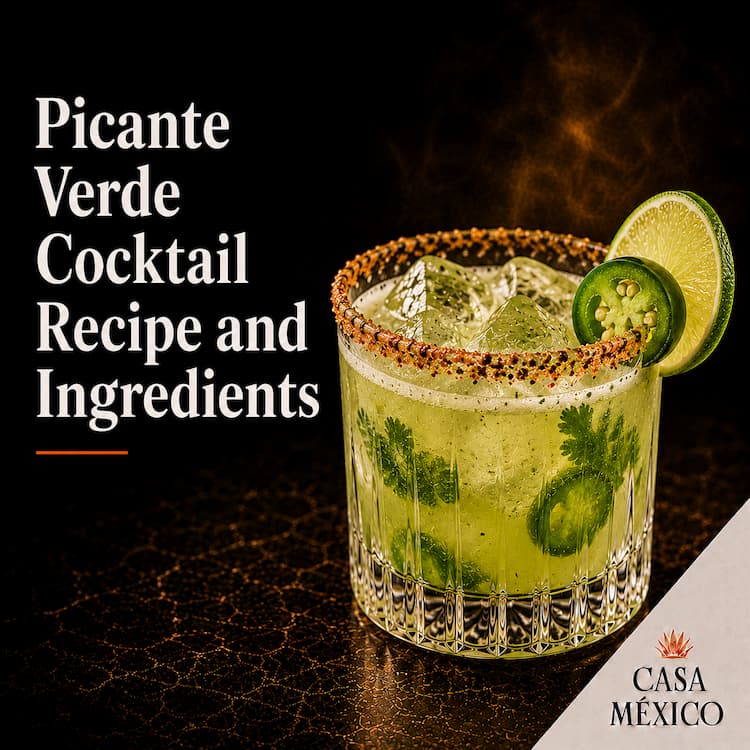
- Jalapeño Paloma: Jalapeño Paloma muddled fresh jalapeño directly into the shaker, delivering sharp, immediate pepper heat. The aggressive spice overpowers the subtle vanilla and caramel character of the partially aged reposado.
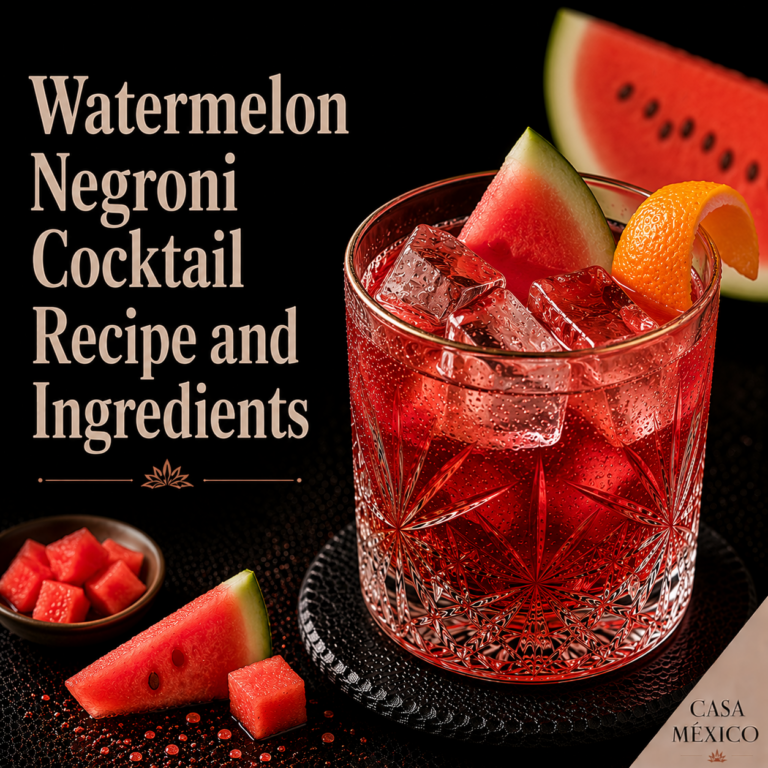
- Watermelon Paloma: Watermelon Paloma adds fresh watermelon juice, introducing a light sweetness that softens grapefruit bitterness. The fruit-forward finish amplifies the mild natural sweetness of the reposado, producing a noticeably sweeter overall profile.
- Strawberry Paloma: Strawberry Paloma muddled fresh strawberries into the base, adding a round berry sweetness. The fruity profile complements the light caramel of the reposado but shifts the drink further away from a citrus-forward balance.
- Pineapple Paloma: Pineapple Paloma replaces grapefruit with fresh pineapple juice, producing a tropical sweetness with mild acidity. The pineapple’s natural sugars layer on top of the reposado’s caramel notes, pushing the drink toward a sweeter, more tropical direction.
- Rosemary Paloma: Rosemary Paloma uses rosemary simple syrup, introducing a woody, pine-like herbal note. The resinous herbal quality pairs particularly well with the light oak character of reposado tequila.
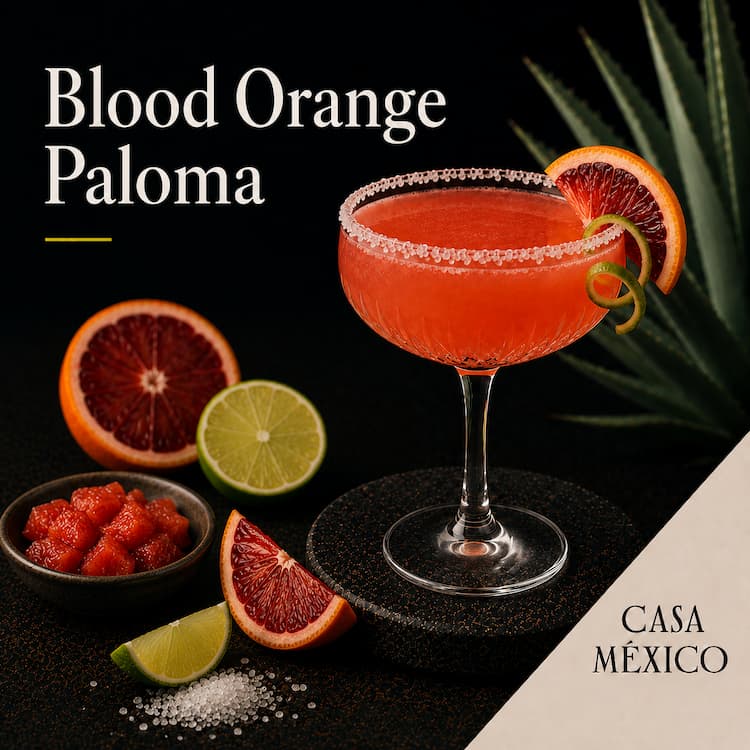
- Blood Orange Paloma: Blood Orange Paloma swaps grapefruit for blood orange juice, producing a sweeter, less bitter citrus base with a floral undertone. The softer acidity allows the caramel notes of the reposado to come forward more than standard grapefruit allows.
- Passion Fruit Paloma: Passion Fruit Paloma adds passion fruit purée, creating a tropical, floral sweetness with layered tartness. The exotic fruit note adds a complexity that sits well alongside the mild vanilla character of barrel-rested reposado.
- Guava Paloma: Guava Paloma incorporates fresh guava, adding a creamy, fragrant tropical sweetness. The gentle profile softens the drink into a more approachable, fruit-driven version that lets the light reposado character support rather than lead the flavor.
- Hibiscus Paloma: Hibiscus Paloma uses hibiscus tea or syrup, adding a tart, floral depth and deep crimson color. The hibiscus acidity sits closest to grapefruit bitterness, making it the most structurally similar variation to a Reposado Paloma in terms of citrus balance.
- Rose Paloma: Rose Paloma uses rose syrup or rose water, replacing citrus sharpness with a delicate floral sweetness. The light, perfumed finish softens the reposado’s oak notes into a more fragrant, less spirit-forward drinking experience.
- Lavender Paloma: Lavender Paloma uses lavender simple syrup, producing a soft, aromatic floral finish. The subtle sweetness of lavender complements the caramel warmth of the reposado without masking the barrel-rested tequila character of the base spirit.
What is the Difference of Jalapeño Paloma than other Reposado Paloma Cocktail Recipes?
The difference between the Jalapeño Paloma and other Reposado Paloma cocktail recipes lies in the use of muddled fresh jalapeño. Fresh jalapeño slices are pressed into the shaker with simple syrup. Capsaicin oils release and distribute sharp, immediate pepper heat throughout the drink. The base ingredients follow the same structure, with jalapeño as the sole addition. The pepper heat competes directly with the light caramel and vanilla notes of the reposado. The heat-forward character is the defining trait of a Jalapeño Paloma Recipe.
What is the Difference of Spicy Paloma than other Reposado Paloma Cocktail Recipes?
The difference between the Spicy Paloma and other Reposado Paloma cocktail recipes lies in the use of chili-infused tequila or fresh chili slices. The chilis introduce a broad, layered heat across the entire drink. The base ingredients remain the same, with chili as the single substitution. Preparation requires either infusing the tequila with dried chili 24 hours in advance or muddling fresh chili with simple syrup before adding citrus. The heat builds with each sip, replacing the smooth, mild oak finish of the reposado with sustained spiced warmth. The broad, coating spice separates the Spicy Paloma Recipe from every other Paloma variation.
Spicy Paloma and Reposado Paloma Recipe
What is the Difference of Watermelon Paloma than other Reposado Paloma Cocktail Recipes?
The difference between the Watermelon Paloma and other Reposado Paloma cocktail recipes lies in the addition of fresh watermelon juice. Watermelon replaces the dry citrus finish with a light, sweet fruit note. Fresh watermelon is blended or pressed and strained before being added to the shaker. The natural sweetness of the watermelon amplifies the mild caramel notes of the reposado. The sweetness-driven finish is what distinguishes a Watermelon Paloma Recipe from the standard reposado version.
What is the Difference of Strawberry Paloma than other Reposado Paloma Cocktail Recipes?
The difference between the Strawberry Paloma and other Reposado Paloma cocktail recipes lies in the use of fresh muddled strawberries. Strawberries introduce a round, berry-forward sweetness in place of the dry citrus and mild oak balance of the reposado version. Fresh strawberries are muddled with simple syrup until fully broken down. The berry sweetness compounds the light caramel notes of the rested tequila. The fruit-first finish defines what separates a Strawberry Paloma Recipe from a classic Reposado Paloma.
Where to Serve Reposado Paloma?
A Reposado Paloma is best served at casual dining settings, afternoon gatherings, and early evening social occasions. Brunch and lunch settings suit the drink well, as the mild caramel softness of the reposado makes it more approachable during daytime hours than a full añejo-based cocktail. Dinner service works naturally when the cocktail is positioned as an aperitif before the main course, as the citrus acidity stimulates the appetite. Birthday parties, backyard gatherings, and rooftop events are strong fits, as the Reposado Paloma’s bright color, salted rim presentation, and fresh garnish make it visually appealing on any bar spread. Poolside events and garden parties represent natural environments for the drink, where the refreshing citrus and mild oak balance suits the relaxed, warm-weather social tone. Holiday occasions such as Cinco de Mayo, summer barbecues, and Mexican-themed dinner parties align closely with the cultural heritage of the Paloma cocktail family. Corporate cocktail hours and semi-formal events suit the Reposado Paloma, as the partial oak aging gives it a slightly more refined character than a blanco. Grilled fish, shrimp tacos, mild cheeses, roasted vegetables, and fresh citrus-dressed salads pair best as What to Serve with Reposado Palomas. Light, fresh foods complement the mild oak softness and grapefruit tartness of the drink without dulling the natural brightness of the citrus finish.
What Glass to Serve a Reposado Paloma?
A Reposado Paloma is best served in a highball glass, a tall, straight-sided glass that holds 8 to 12 oz of liquid. The tall format slows carbonation loss, preserves effervescence throughout the session, and accommodates a full ice fill alongside the sparkling water top-off. The wide mouth allows the salted rim to make full contact with the lips on every sip. The clear glass walls showcase the pale amber tone that the reposado tequila introduces into the citrus mixer, giving the Reposado Paloma a warmer visual appearance.
The highball glass differs from a rocks glass, which is shorter and designed for spirit-forward drinks with minimal mixer. A coupe glass lacks the volume needed for the sparkling water component and the tall ice fill the Reposado Paloma requires. A margarita glass positions the salt rim at an angle that reduces lip contact per sip and does not support the full ice fill. The glass types used for similar cocktail styles include the Collins glass for narrow, carbonation-heavy builds. The coupe glass for served-up presentations, the wine glass for spritz-style drinks, and the mason jar for casual outdoor service. Among all options, the highball glass remains the most functional and visually appropriate choice for a Reposado Paloma across every serving occasion.
What makes Reposado Paloma different from others?
Reposado Paloma is different from others in the ways listed below.
- Reposado tequila is the only base spirit in the Paloma family that occupies the middle ground between the clean sharpness of blanco and the deep complexity of añejo. No other variation delivers that specific balance of mild oak softness and fresh citrus tartness in a single glass.
- Carbonation and citrus remain the structural foundation, but the partial oak aging adds a secondary sensory layer of light warmth and caramel. That gentle depth is present on the finish without competing with the grapefruit bitterness on the first sip.
- Reposado replaces blanco as the sole substitution, yet delivers a noticeably smoother and more layered result without any additional syrup, liqueur, or fruit component.
- Balance leans mild oak-citrus rather than sweet-citrus, herbal-citrus, or spiced-citrus. Fruit variations like Watermelon and Strawberry push the drink toward sweetness. Herb variations like Mint and Rosemary add aromatic layers. Reposado keeps the finish smooth, tart, and lightly warm without pulling the drink in any single direction.
- The partial aging moderates the sharp alcohol edge of blanco while keeping the citrus profile bright enough to define the drink as a Paloma.
- The smooth middle-ground character explains why the Reposado Paloma remains distinct among Drinks Similar to Reposado Paloma, maintaining a clear identity built on mild oak warmth, citrus balance, and approachable complexity.