EN
EN ES
ES PL
PL TR
TR
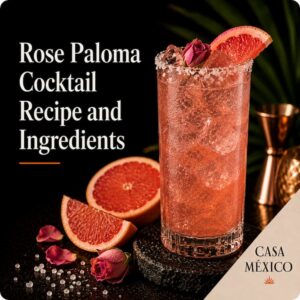
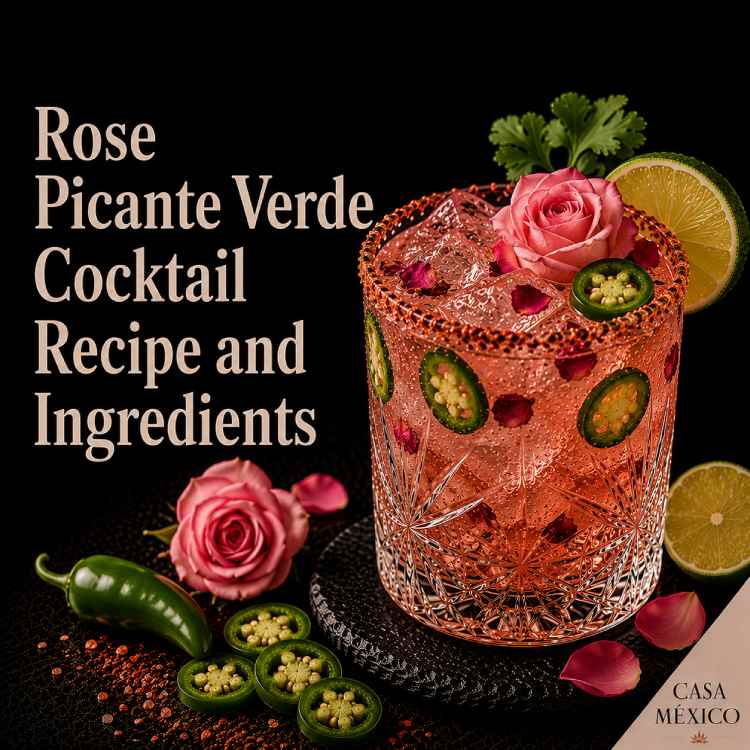
The Rose Paloma is a floral-citrus tequila cocktail built on blanco tequila as the primary spirit base, paired with rose water or rose syrup as the second main type of ingredient. The Rose Paloma’s key difference between the two types of ingredients is that tequila delivers the alcoholic backbone and aromatic carrier medium, while rose water provides the delicate, perfumed floral character that defines the Rose Paloma profile. The Rose Paloma infuses the drink with layered floral depth through rose water or rose syrup measured precisely at no more than 5ml per serving. Grapefruit soda, lime juice, and a salt or sugar rim round out the cocktail’s elegant flavor structure. Measuring the rose component, shaking the core ingredients, and topping with grapefruit soda are the key steps in the drink’s preparation. Nutritionally, the cocktail carries moderate sugar content from the rose syrup and grapefruit soda, vitamin C from the lime juice and grapefruit juice, and negligible protein and fat across the full serving. The taste profile combines delicate floral perfume, earthy agave undertones, and a tart citrus finish. The Rose Paloma drink cocktail is best consumed over ice in a sugar or salt-rimmed highball glass, sipped steadily to allow the rose floral notes and citrus brightness to develop across each drink.
What is Rose Paloma made of? The Rose Paloma is made of blanco tequila as the primary spirit base, with rose water or rose syrup as the second main type of ingredient. Blanco tequila delivers the alcoholic backbone and aromatic carrying medium throughout the cocktail, while rose water provides the delicate, perfumed floral character that defines the Rose Paloma profile.
What are the Ingredients for Rose Paloma Cocktail?
The ingredients for the Rose Paloma Cocktail are listed below.
- Blanco Tequila: The primary spirit base, delivering clean agave flavor and carrying the rose floral character throughout the drink.
- Rose Water or Rose Syrup: The dominant floral component, providing delicate, perfumed depth central to the Rose Paloma profile.
- Fresh Lime Juice: A secondary citrus agent that sharpens overall acidity and balances the rose’s natural floral sweetness.
- Fresh Grapefruit Juice: A supporting citrus component that introduces a tart, slightly bitter contrast to the rose floral base.
- Grapefruit Soda: The finishing carbonated component, adding effervescence and a light citrus lift to the completed cocktail.
- Agave Syrup: A natural sweetener that harmonizes the citrus sharpness without overpowering the rose’s delicate floral notes.
- Kosher Salt or Fine Sugar: The rim-coating element, applied to the glass edge to introduce either a savory contrast or a soft sweetness on the palate.
- Ice: The structural chilling agent, used both during shaking and in the final serving glass.
Should Fresh Rose or Rose Purée Be Used in a Rose Paloma?
Fresh Rose must be used over rose purée for a Rose Paloma. Fresh rose petals deliver a delicate, natural floral intensity that integrates cleanly with the tequila base and citrus components, preserving the light perfumed character that defines the cocktail’s floral profile.
Rose purée carries a thicker, more concentrated body that overpowers the Rose Paloma’s intended delicate flavor balance. The processed purée form introduces excess sweetness and a heavier floral density that suppresses the tequila’s clean agave character entirely.
Fresh rose petals muddle at a controlled pressure, allowing the bartender to regulate floral intensity by adjusting the number of petals and muddling duration per serving.
The distinction matters most in professional preparation, where fresh rose petals offer direct floral output and natural aroma intensity across multiple servings. Rose purée remains acceptable for batch cocktail preparation where fresh petal muddling is impractical, provided the purée originates from food-grade, pesticide-free rose varieties with no added artificial flavoring or preservatives.
What Mixers Pair Best with Rose Paloma?
The mixers pair best with Rose Paloma are listed below.
Meet Our Maestra Tequilera
Casa México Tequila is crafted under the guidance of world-renowned Maestra Tequilera Ana María Romero Mena. With decades of experience creating acclaimed tequilas and mentoring future generations of distillers, she brings both deep tradition and thoughtful innovation to the brand. From agave selection to distillation and aging, her expertise ensures every expression reflects authenticity, precision and exceptional quality.

Grapefruit Soda: The classic finishing mixer, adding carbonation and tart citrus lift that frames the rose’s delicate floral sweetness without overpowering it.
Fresh Grapefruit Juice: A natural citrus mixer that deepens the tart, slightly bitter contrast against the rose floral base.
Fresh Lime Juice: A secondary citrus mixer that sharpens overall acidity and prevents the cocktail from tasting overly perfumed or flat.
Agave Syrup: A natural sweetener mixer that ties the rose and citrus components together without masking the tequila’s clean agave character.
Sparkling Water: A neutral carbonated mixer used to extend the drink’s volume while preserving the rose’s delicate floral aromatic balance.
Lychee Juice: A subtly sweet, floral mixer that introduces a complementary tropical undertone and deepens the rose’s perfumed character without competing with the citrus structure.
How to Make a Rose Paloma?
To make a Rose Paloma, follow the seven steps listed below.
- Prepare the glass. Rim a highball glass with fine sugar or kosher salt by running a lime wedge along the edge and pressing the rim into the coating evenly.
- Measure the rose water. Pour precisely 5ml of rose water or rose syrup into the cocktail shaker. Exceeding 5ml produces an overpowering perfumed character that suppresses all other flavor components.
- Add the liquid ingredients. Pour 60ml of blanco tequila, 30ml of fresh grapefruit juice, and 15ml of fresh lime juice into the cocktail shaker over the measured rose water.
- Sweeten the mixture. Add 10 ml of agave syrup to the shaker to balance the citrus acidity and harmonize the rose water’s floral sweetness.
- Shake the cocktail. Fill the shaker with ice and shake the mixture firmly for 15 to 20 seconds until the exterior of the shaker feels cold.
- Strain into the glass. Fill the prepared highball glass with fresh ice and strain the shaken mixture through a cocktail strainer directly over the ice.
- Top with grapefruit soda. Pour grapefruit soda over the strained mixture to fill the glass, then garnish with a fresh rose petal and a grapefruit wedge.
Measuring the rose water precisely at 5ml is the most critical step in the preparation process. Proper rose water measurement determines the floral intensity of the finished Rose Paloma cocktail, and exceeding the 5ml threshold produces an overpowering perfumed profile that eliminates the citrus balance and agave character from the final drink entirely.
How is the Nutrient Value of the Rose Paloma Cocktail?
The nutrient value of the Rose Paloma reflects moderate caloric content derived mainly from alcohol and carbohydrates, with negligible protein and fat. The nutrient composition below represents a standard 6 to 8 oz serving prepared with blanco tequila, rose water, fresh grapefruit juice, lime juice, agave syrup, and grapefruit soda. The detailed breakdown of the drink is shown below.
| Nutrient | Amount per Serving | Unit | Daily Value % | Source / Measurement Basis | Notes |
| Calories | 190 | kcal | 10 | Alcohol and sugars | Value varies by portion size |
| Carbohydrates | 18 | g | 7 | Soda and agave sugars | Primary energy contributor |
| Sugars | 15 | g | N/A | Agave syrup and grapefruit soda | Includes natural and added sugars |
| Protein | 0 | g | 0 | No protein sources | Negligible amount |
| Fat | 0 | g | 0 | No fat sources | Fat-free beverage |
| Fiber | 0 | g | 0 | No fiber sources | Absent in rose water and strained juice |
| Sodium | 10 | mg | 0 | Grapefruit soda | Increases with a salted rim |
| Vitamin C | 20 | mg | 22 | Fresh lime juice and grapefruit juice | Primary micronutrient contributor |
| Potassium | 90 | mg | 2 | Fresh grapefruit juice and lime juice | Trace mineral from citrus components |
| Calcium | 6 | mg | 1 | Fresh grapefruit juice | Trace mineral from citrus base |
| Folate | 8 | mcg | 2 | Fresh grapefruit juice | Natural B-vitamin present in citrus fruit |
How many calories in a Rose Paloma? A Rose Paloma contains approximately 180 to 200 calories per standard 8-ounce serving. A blanco tequila contributes the largest single caloric share at approximately 95 to 100 calories from a standard 1.5-ounce pour, while fresh grapefruit juice and lime juice add 25 to 35 calories from natural fruit sugars. Agave syrup and grapefruit soda account for the remaining 30 to 40 calories, varying proportionally with the sweetness level applied during preparation. The Rose Paloma carries the lowest natural sugar load among fruit and floral Paloma variations, as rose water contributes near-zero calories independently, positioning the Rose Paloma as a lighter caloric option compared to the Guava Paloma and Passion Fruit Paloma variations.
What are the Tips to prepare a Rose Paloma Cocktail Better?
The tips to prepare a Rose Paloma cocktail are listed below.
- Measure rose water precisely. The rose water requires a strict 5ml maximum per serving to preserve the cocktail’s delicate floral balance. Exceeding the 5ml threshold produces an overpowering perfumed character that eliminates the citrus and agave components from the finished drink.
- Select high-quality blanco tequila. The blanco tequila preserves a clean agave character that complements the rose floral base without competing with the delicate perfumed notes. Aged tequila introduces oak and vanilla influence that dominates the rose’s subtle aromatic character and disrupts the citrus balance.
- Use food-grade, pesticide-free rose petals. The rose petals intended for cocktail preparation must originate from unsprayed, chemical-free sources. Commercially grown decorative roses carry pesticide residues that transfer directly into steeped rose water and compromise the cocktail’s flavor integrity.
- Balance lime juice and agave syrup carefully. The lime juice provides essential acidity that counteracts the rose water’s floral sweetness and prevents the cocktail from tasting flat or overly perfumed, while agave syrup regulates the overall sweetness level. Excess lime produces sharp sourness, whereas excess agave syrup amplifies the rose’s perfumed character beyond the intended floral balance.
- Chill the glass before serving. A pre-chilled highball glass maintains the Rose Paloma’s serving temperature longer than a room-temperature vessel. Sustained chill temperature preserves the rose water’s delicate aromatic volatility throughout the full drinking period.
- Add large ice cubes before topping. The large ice cubes maintain serving temperature and reduce rapid dilution during the final assembly stage. A controlled dilution protects the cocktail’s delicate floral structure and preserves the intended citrus brightness across the full drink.
- Apply a fine sugar or light salt rim. A fine sugar rim introduces a soft sweetness that bridges the rose floral notes and the grapefruit soda’s bitter citrus lift. A light salt rim serves as an effective alternative, suppressing sweet receptor sensitivity and sharpening citrus perception against the rose base.
How to Prevent a Rose Paloma from Tasting Too Sweet?
To prevent a Rose Paloma from tasting too sweet, reduce the rose syrup volume to no more than 5ml and increase the fresh lime juice quantity in the recipe. The fresh lime juice introduces sharp acidity that directly counteracts the rose’s natural floral sweetness, recalibrating the cocktail’s flavor balance toward a cleaner, more citrus-defined profile.
Rose water and rose syrup both carry concentrated floral sweetness that accumulates quickly against the grapefruit soda’s mild carbonation base. A standard serving benefits from no more than 10ml of agave syrup when rose water is used at full 5ml volume. Exceeding the agave syrup threshold alongside rose water amplifies the perceived sweetness exponentially, suppressing the grapefruit juice’s bitter citrus notes and flattening the tequila’s earthy agave finish beneath excessive floral sweetness.
The grapefruit soda selection plays a measurable role in sweetness control within the Rose Paloma preparation. The naturally bitter grapefruit soda varieties provide a stronger counterbalance against the rose’s floral sweetness than lightly sweetened commercial alternatives. Sparkling water mixed at a 1:1 ratio with grapefruit soda creates a drier, more neutral carbonation base that allows the citrus components to assert greater dominance over the rose floral layer. A kosher salt rim reinforces sweetness prevention at the point of consumption, as salt compounds suppress sweet taste receptor sensitivity on the palate without requiring any reduction to the rose water volume itself.
What are the Variations of Rose Paloma Cocktail Recipes?
The variations of Rose Paloma cocktail recipes are listed below.
| Variation Name | Ingredients | Nutrient | Steps | Opinion |
| Spicy Rose Paloma | Fresh jalapeño slices added (1 to 2 slices) | Introduces a subtle heat contrast that cuts through the rose’s delicate floral sweetness | Muddle jalapeño lightly before adding liquid ingredients | Best choice for drinkers who prefer a heat-floral contrast over a purely delicate rose profile |
| Smoky Rose Paloma | Blanco tequila replaced with mezcal | Adds earthy smoke character that creates unexpected depth beneath the rose floral base | No additional steps required, substitute spirit directly | Recommended for drinkers who prefer complex, layered agave profiles paired with delicate floral notes |
| Sugar Rim Rose Paloma | Kosher salt rim replaced with fine sugar coating | Amplifies the rose’s natural floral sweetness at the point of consumption | Apply a fine sugar rim in place of a standard salt or sugar rim | Ideal for drinkers who prefer a sweeter, dessert-adjacent rim that reinforces the rose floral character |
| Honey Rose Paloma | Agave syrup replaced with raw honey (8ml) | Produces a richer, more complex floral sweetness that layers beneath the rose water’s perfumed character | Dissolve the honey in the lime juice before adding to the shaker | Suited for drinkers who prefer a deeper, more complex sweetness that complements rather than competes with rose water |
| Blood Orange Rose Paloma | Fresh grapefruit juice is replaced with blood orange juice | Introduces berry-citrus depth and a deeper pink color that complements the rose’s floral profile | Substitute blood orange juice at an equal volume to grapefruit juice | Best for drinkers seeking a visually distinct variation with a sweeter, less bitter citrus base alongside the rose floral notes |
| Lychee Rose Paloma | Agave syrup replaced with 15ml lychee juice | Creates a layered tropical-floral sweetness that deepens the rose water’s perfumed character | Add lychee juice directly into the shaker in place of agave syrup | Recommended for drinkers who prefer a more complex, multi-layered floral and tropical sweetness profile |
| Elderflower Rose Paloma | 5ml elderflower liqueur added alongside rose water | Introduces a secondary floral dimension that deepens and broadens the rose’s aromatic character | Add elderflower liqueur directly into the shaker with the liquid ingredients | Ideal for drinkers seeking a more complex, layered floral cocktail that extends beyond a single rose note |
Can Rose Paloma Be Made as a Frozen Cocktail?
Yes, the Rose Paloma can be made as a frozen cocktail. The frozen format preserves the core flavor profile (grapefruit, tequila, and rose) while delivering a chilled, slushy texture suited to warm-weather occasions. Blending the Rose Paloma requires no fundamental changes to the base recipe. The standard ingredients (tequila, fresh grapefruit juice, rose syrup or rosé wine, and lime juice) translate directly into a blender format. The ice replaces the need for a shaker, and the blending process integrates the components fully. The frozen Rose Paloma performs best at a specific ice-to-liquid ratio. Executive ice dilutes the rose and grapefruit notes, while little ice produces a thin, watery consistency rather than a true frozen texture.
A ratio of one cup of ice per serving maintains both flavor intensity and the correct slushy consistency. The rose syrup holds up well in frozen preparation. Rose syrup retains its floral character even at low temperatures, which keeps the signature rose note prominent after blending. Rosé wine, used as an alternative to rose syrup, requires slightly more volume in a frozen build to compensate for ice dilution. Grapefruit juice performs reliably in frozen cocktails. Fresh-squeezed grapefruit juice delivers a sharper, more citrus-forward result than bottled juice once blended. The frozen format amplifies tartness, so a small measure of agave nectar balances the acidity without masking the grapefruit character. The frozen Rose Paloma suits batch preparation for gatherings. Large quantities blend evenly, and the finished mixture can be stored in a freezer-safe container for up to two hours without significant separation. A brief re-blend restores the texture before serving.
What alcohol is in a Rose Paloma?
The alcohol in a Rose Paloma is tequila, the primary spirit, and rosé wine or rose-flavored liqueur as the secondary alcoholic component. The three Tequila products below represent the recommended alcohol options for preparing a Hibiscus Paloma cocktail.
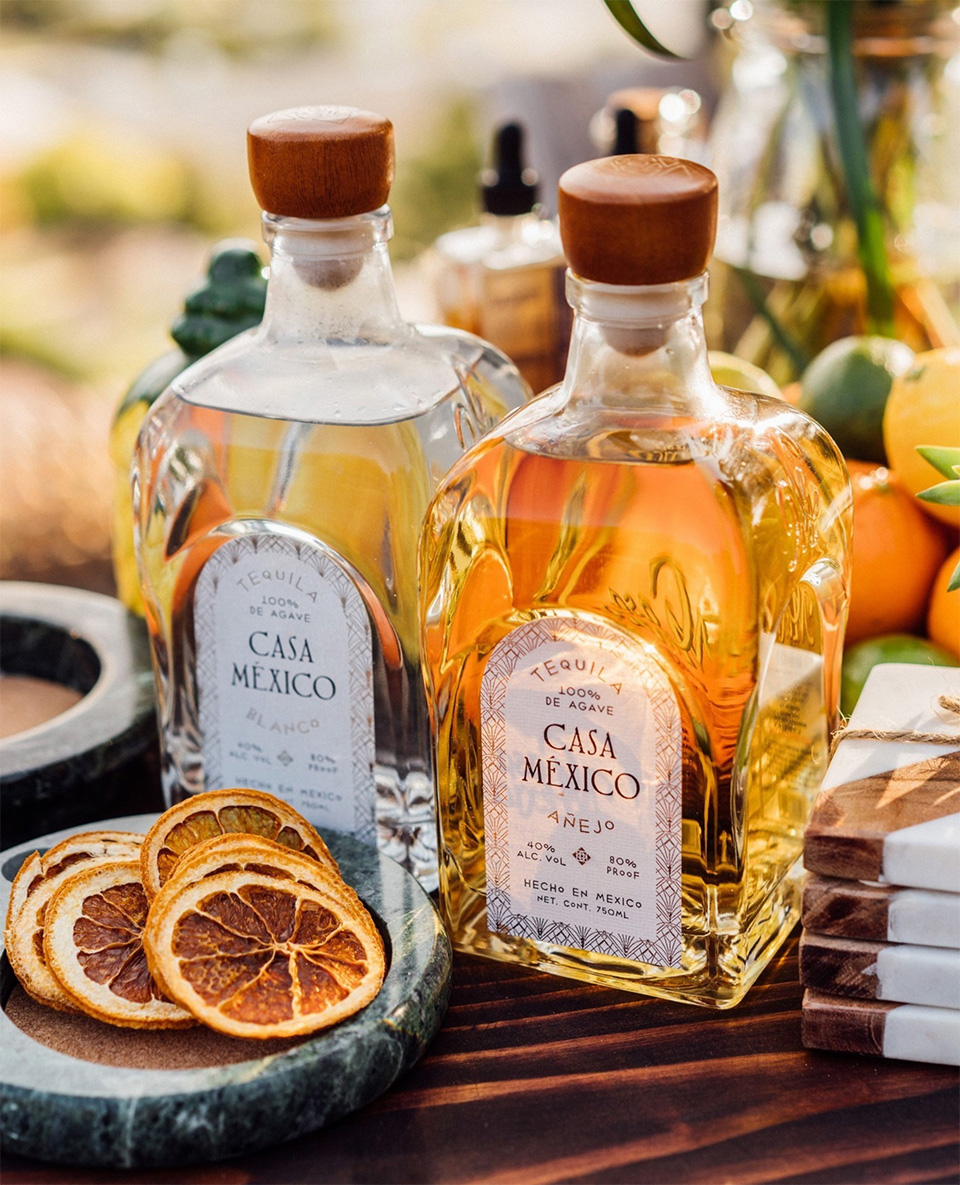
Casa Mexico Blanco
Casa Mexico Blanco is double-distilled and naturally fermented, produced with fully mature blue agave handpicked from the mineral-rich red clay soils of the Jalisco Highlands. Wine Chateau The finished Blanco delivers clean, crisp flavors with notes of melon and pear at 40% ABV.
The unaged profile makes Casa Mexico Blanco the go-to tequila for a classic Rose Paloma, keeping the grapefruit and rose notes at the forefront without oak interference.
Casa Mexico Reposado
Casa Mexico Reposado is slow-cooked in brick ovens, naturally fermented, and double-distilled, then rested for a minimum of six months in new American White Oak barrels. The finished spirit delivers sweet ginger notes, a slight oak finish, and hints of cinnamon. The reposado’s warm spice character pairs well with grapefruit juice in a Rose Paloma, adding structural depth without masking the floral rose element.
Casa Mexico Cristalino
Casa Mexico Cristalino undergoes a complex three-phase carbon cellulose filtration process after aging in American white oak barrels, producing an all-natural, ultra-smooth, crystal-clear spirit with notes of oak and almond at 40% ABV. The Cristalino’s filtered clarity and refined smoothness pair exceptionally well with rose liqueur in an elevated Rose Paloma build suited to special occasions.
Does Rose Paloma have alcohol? Yes, the Rose Paloma contains alcohol. Tequila serves as the primary spirit in a Rose Paloma, paired with rosé wine or rose-flavored liqueur to build the cocktail’s floral, citrus-forward profile. Tequila forms the alcoholic backbone of the Rose Paloma. Tequila brings an earthy, agave-driven base that balances the tartness of fresh grapefruit juice and the sweetness of rose. Blanco tequila is the standard choice for the Rose Paloma, though reposado tequila adds a subtle oak character for a more complex finish.
How Much Alcohol Does a Rose Paloma Have?
The alcohol in a Rose Paloma is approximately 10% to 15% alcohol by volume (ABV) when prepared with standard proportions. A standard Rose Paloma typically includes 45 to 60 ml of blanco tequila at 40% ABV, combined with fresh grapefruit juice, lime juice, and rose syrup or rosé wine. A 45 ml pour of 40% ABV tequila delivers approximately 18 ml of pure alcohol before dilution from ice and rosé wine or rose syrup. Final alcohol concentration varies based on tequila volume, glass size, dilution rate, and mixer ratio. Higher tequila content increases ethanol intensity, producing a stronger agave bite and noticeable throat warmth that sharpens the contrast between the spirit and the floral rose note. Lower tequila content creates a lighter, more citrus-forward profile with reduced alcoholic heat, allowing the grapefruit tartness and rose sweetness to dominate the finished cocktail. Limiting intake to one cocktail containing 45 ml of 40% ABV tequila aligns with common moderate-consumption guidelines for healthy adults, as established by the National Institute on Alcohol Abuse and Alcoholism (NIAAA).
Can pregnant women drink a Rose Paloma? No, pregnant women must not drink a Rose Paloma or any alcoholic beverage during pregnancy. No established safe level of alcohol consumption exists during pregnancy, according to the Centers for Disease Control and Prevention (CDC).
Does a Rose Paloma make you drunk?
Yes, a Rose Paloma makes you drunk when consumed in excess, as the cocktail contains tequila at 40% ABV as the primary alcoholic component. A standard build delivering 10% to 15% ABV per serving produces measurable blood alcohol concentration (BAC) effects after one to two servings in most adults.
The rate at which a Rose Paloma produces intoxication depends on body weight, metabolic rate, food intake, and the total number of servings consumed. A 45 ml pour of 40% ABV tequila delivers approximately 18 ml of pure alcohol per cocktail, which raises BAC by approximately 0.02% to 0.03% in an average adult weighing 70 kg on an empty stomach. Two to three servings consumed within one hour push BAC toward the 0.08% legal intoxication threshold in most jurisdictions. The Grapefruit juice and rose syrup do not counteract the alcoholic content of the Rose Paloma. Grapefruit juice and rose syrup function purely as flavoring components, contributing no protective effect against alcohol absorption.
The citrus-forward, floral profile of the Rose Paloma masks the alcohol heat effectively, which increases the risk of overconsumption as the tequila character becomes less perceptible at lower ABV builds. Responsible consumption of the Rose Paloma requires limiting intake to one to two servings per occasion alongside food and adequate hydration. Exceeding the moderate-consumption guidelines established by the National Institute on Alcohol Abuse and Alcoholism (NIAAA) raises the risk of intoxication, impaired judgment, and next-day adverse effects regardless of the cocktail’s refreshing profile.
Does Rose Paloma Have Tequila?
Yes, a Rose Paloma has tequila as the primary and foundational spirit of the cocktail. Tequila provides the alcoholic backbone and agave-driven flavor base that defines the Rose Paloma’s character across all standard recipe variations. Blanco tequila serves as the standard choice in a rosé Paloma build. Blanco tequila delivers a clean, unaged agave profile that complements the tartness of fresh grapefruit juice and the floral sweetness of rose syrup or rosé wine without introducing competing oak or vanilla notes. A standard Rose Paloma recipe calls for 45 to 60 ml of blanco tequila at 40% ABV per serving.
The reposado tequila functions as a common alternative in Rose Paloma variations. Reposado tequila introduces subtle oak warmth and light spice character from barrel aging, adding structural complexity to the cocktail without masking the citrus and rose elements. The reposado variation suits drinkers seeking a more layered, spirit-forward Rose Paloma profile.
The tequila selection directly determines the Rose Paloma’s final flavor direction. A blanco build keeps the cocktail bright and refreshing, while a reposado build shifts the profile toward warmth and depth. The reposado and blanco tequila are the non-negotiable alcoholic foundation of the Rose Paloma, with the rose and grapefruit components serving as complementary flavor layers rather than dominant elements.
What is Rose Paloma?
A Rose Paloma is a tequila-based cocktail that combines ingredients (fresh grapefruit juice, lime juice, rose syrup or rosé wine, and tequila) served over ice or blended into a frozen form. The Rose Paloma builds directly on the classic Paloma cocktail framework, adding a floral dimension through the rose component that distinguishes the variation from the original grapefruit and tequila build. The classic Paloma originated in Mexico and holds recognition as one of the most consumed tequila cocktails in Mexican drinking culture. The Rose Paloma emerged as a modern variation, gaining popularity alongside the broader craft cocktail movement’s interest in floral and botanical flavor profiles. The addition of rose syrup or rosé wine transforms the Paloma’s sharp citrus character into a softer, more layered drinking experience without abandoning the grapefruit-tequila foundation. The Rose Paloma performs equally well as a shaken cocktail served over ice, a blended frozen build for warm-weather occasions, or a batch preparation for group gatherings. The cocktail’s balanced profile (tart, floral, and spirit-forward) places the Rose Paloma among the most versatile modern tequila cocktails in contemporary mixology.
Why is the Rose Paloma called a Rose Paloma? The Rose Paloma takes its name from two distinct sources. The “Paloma” derives from the Spanish word for dove, referencing the classic Mexican tequila and grapefruit cocktail of the same name. The “Rose” refers to the rose syrup or rosé wine added to the original Paloma build, creating the floral variation that defines the Rose Paloma as a distinct cocktail in its own right.
What Does a Rose Paloma Taste Like?
A Rose Paloma tastes tart, floral, and refreshing, with a citrus-forward profile balanced by the sweetness of rose and the earthy agave character of tequila. The Rose Paloma delivers a layered flavor experience in which no single ingredient dominates, producing a well-rounded cocktail suited to a broad range of palates.
The ingredients that affect the taste of a Rose Paloma are listed below.
- Blanco Tequila: Delivers the foundational agave-driven base of the Rose Paloma. Blanco tequila introduces an earthy, slightly peppery character that provides structure beneath the floral and citrus layers. Reposado tequila, used as an alternative, adds subtle oak warmth and light spice that deepens the overall flavor profile.
- Fresh Grapefruit Juice: Contributes the dominant citrus tartness that defines the Paloma format. Fresh grapefruit juice introduces a bright, bitter-sweet quality that cuts through the sweetness of the rose component and keeps the overall build refreshing rather than cloying.
- Rose Syrup: Adds the floral sweetness that distinguishes the Rose Paloma from the classic Paloma build. Rose syrup introduces a delicate, perfumed quality that softens the grapefruit tartness and complements the agave character of the tequila without overpowering the citrus elements.
- Rosé Wine: Functions as an alternative to rose syrup, contributing a lighter, fruit-driven floral note alongside a secondary layer of alcohol. Rosé wine produces a drier, more nuanced rose character compared to the concentrated sweetness of rose syrup.
- Fresh Lime Juice: Provides a sharp secondary citrus note that brightens the overall flavor profile. Fresh lime juice reinforces the tartness of the grapefruit juice and adds a clean, acidic finish that balances the sweetness of the rose component.
- Agave Nectar: Serves as the sweetening agent in builds where rose syrup alone does not provide sufficient sweetness. Agave nectar adds a mild, neutral sweetness that rounds out the citrus and floral elements without introducing competing flavor notes.
- Salt Rim: Amplifies the citrus and agave notes through contrast. The salt rim enhances the tartness of the grapefruit juice and the earthy character of the tequila, making both elements more pronounced on the palate.
How to Drink a Rose Paloma?
To drink a Rose Paloma, follow the five steps below.
- Prepare the glass properly. Select a chilled highball glass with an evenly applied salt or sugar rim. Ensure the rim forms a thin, uniform layer to create a balanced savory or sweet contrast against the floral and citrus profile of the Rose Paloma in every sip.
- Inhale the aroma before tasting. Raise the glass slightly below the nose and breathe in the rose and grapefruit notes. Aromatic evaluation heightens perception of floral sweetness, citrus brightness, and the underlying agave character of the tequila before the first sip.
- Take the first sip across the rim. Angle the glass so the liquid flows over the salted or sugared edge. Rim contact sharpens the grapefruit’s tartness and amplifies the rose floral note from the opening taste, establishing the full flavor profile immediately.
- Sip slowly and deliberately. Allow the liquid to coat the palate for several seconds before swallowing. Gradual tasting separates the agave warmth of the tequila, the citrus acidity of the grapefruit, and the floral sweetness of the rose into distinct, identifiable flavor stages.
- Finish before heavy dilution occurs. Consume the Rose Paloma within 15 to 20 minutes of preparation. Prolonged ice melt reduces acidity, softens the rose’s floral structure, and flattens the grapefruit tartness that defines the cocktail’s core character.
Consistent rim contact during each sip delivers the most balanced flavor experience across the Rose Paloma’s tart, floral, and spirit-forward profile. The most important tip for a better taste experience is to serve the Rose Paloma in a properly chilled glass. A warm glass accelerates ice melt, dilutes the cocktail prematurely, and collapses the layered contrast between the rose sweetness, grapefruit brightness, and tequila depth before the final sip.
Is Rose Paloma Best Served Over Ice or Blended?
A Rose Paloma is best served over ice for the most balanced and flavor-accurate representation of the cocktail’s tart, floral, and spirit-forward profile. Ice service preserves the distinct layering (grapefruit tartness, rose floral sweetness, and tequila agave depth), allowing each ingredient to remain as a separate but complementary flavor layer. The controlled dilution from ice melt softens the tequila’s agave bite at a measured pace without collapsing the citrus and floral elements prematurely, delivering a progressive tasting experience from the first sip to the last. Blending produces a distinct but equally valid Rose Paloma experience suited to specific occasions. The frozen format integrates all ingredients into a uniform slushy consistency, amplifying the rose sweetness and grapefruit tartness while reducing the perceptibility of the tequila’s agave character. A Rose Paloma served over ice suits formal settings and slow-sipping occasions where the full flavor profile deserves attention. A blended Rose Paloma suits casual, outdoor, and high-volume serving contexts where refreshing texture carries greater priority than layered flavor complexity.
What are the Types of Rose Paloma Cocktails?
The types of Rose Paloma cocktails are listed below.
- Pink Paloma: A lighter, visually striking variation that incorporates pink grapefruit juice or grenadine to produce a blush color and a sweeter, less bitter citrus profile compared to the classic Paloma. The Pink Paloma tastes milder and fruitier than the Rose Paloma, lacking the distinct floral depth that rose syrup or rosé wine contributes.
- Spicy Paloma: A heat-forward variation that introduces chili-infused tequila or a fresh chili tincture alongside the standard grapefruit and lime base. The Spicy Paloma delivers a sharp, lingering heat on the finish that contrasts directly with the Rose Paloma’s soft, floral sweetness, producing a more aggressive and spirit-forward drinking experience.
- Jalapeño Paloma: A close relative of the Spicy Paloma that uses fresh jalapeño slices or jalapeño-infused tequila as the heat source. The Jalapeño Paloma carries a greener, more vegetal heat note compared to the broader chili warmth of the Spicy Paloma and tastes considerably bolder and less sweet than the Rose Paloma.
- Watermelon Paloma: A fruit-forward variation that replaces or supplements grapefruit juice with fresh watermelon juice, producing a sweeter, lighter citrus profile with a distinct summery character. The Watermelon Paloma tastes softer and less tart than the Rose Paloma, with the watermelon’s mild sweetness sitting closer to the Pink Paloma than the floral complexity of the rose variation.
- Strawberry Paloma: A berry-driven variation that incorporates fresh strawberry purée or strawberry syrup alongside grapefruit juice. The Strawberry Paloma delivers a brighter, more candy-like sweetness compared to the Rose Paloma’s refined floral note, producing a fruitier and more approachable flavor profile suited to sweeter palate preferences.
- Pineapple Paloma: A tropical variation that introduces fresh pineapple juice as a secondary citrus component alongside grapefruit juice. The Pineapple Paloma tastes tangier and more acidic than the Rose Paloma, with the pineapple’s sharp tropical brightness contrasting against the grapefruit base in a way that produces a more complex citrus layering than the floral rose variation.
- Rose Paloma: The floral variation of the classic Paloma that incorporates rose syrup or rosé wine alongside fresh grapefruit juice and blanco tequila. The Rose Paloma tastes tart, floral, and refreshing, delivering a layered profile in which grapefruit tartness, rose sweetness, and agave depth balance in equal measure, producing the most refined and botanically complex expression among the Paloma variations.
- Blood Orange Paloma: A citrus-forward variation that substitutes or blends blood orange juice with grapefruit juice, producing a deeper, more complex citrus profile with a distinct berry-like undertone. The Blood Orange Paloma tastes richer and darker than the Rose Paloma, with the blood orange’s tannic bitterness replacing the floral sweetness that rose syrup contributes.
- Passion Fruit Paloma: A tropical variation that incorporates fresh passion fruit purée or passion fruit syrup alongside grapefruit juice. The Passion Fruit Paloma delivers an intensely tart, exotic sweetness that amplifies the citrus base of the Paloma format beyond what the Rose Paloma’s softer floral note produces, creating a more assertive and tropical-forward profile.
- Guava Paloma: A creamy, tropical variation that introduces guava nectar or fresh guava purée as the secondary flavor component. The Guava Paloma tastes smoother and less tart than the Rose Paloma, with the guava’s soft, musky sweetness producing a rounder, more full-bodied mouthfeel compared to the crisp floral and citrus layering of the rose variation.
- Hibiscus Paloma: A floral variation that uses hibiscus syrup or hibiscus-infused tequila as the botanical component. The Hibiscus Paloma tastes more tart and tannic than the Rose Paloma, as hibiscus carries a cranberry-like acidity that intensifies the grapefruit base rather than softening it the way rose syrup does, producing a drier and more astringent floral profile.
- Lavender Paloma: A delicate floral variation that incorporates lavender syrup or lavender-infused simple syrup alongside grapefruit juice. The Lavender Paloma tastes softer and more aromatic than the Rose Paloma, with the lavender’s herbaceous, slightly medicinal floral note producing a gentler, more subtle sweetness compared to the fuller, more pronounced floral character of the rose Paloma.
What is the difference between the Jalapeño Paloma and other Rose Paloma Cocktail Recipes?
The difference between a Jalapeño Paloma and other Rose Paloma cocktail recipes centers on heat source, flavor intensity, and the complete absence of floral and fruit-forward elements. A Jalapeño Paloma uses fresh jalapeño slices or jalapeño-infused tequila to build a heat-driven profile rather than a botanical or fruit-sweetened structure. Rose Paloma cocktail recipes rely on rose syrup, rosé wine, or fruit purées to produce a floral, citrus-forward flavor profile with measured sweetness. A Jalapeño Paloma tastes sharper, greener, and more aggressively spirit-forward, while a Rose Paloma tastes softer, floral, and refreshingly tart.
The difference becomes clearer through ingredient behavior and mouthfeel. Fresh jalapeño in a Jalapeño Paloma releases capsaicin compounds that produce a localized, vegetal heat on the palate rather than a botanical sweetness. Jalapeño-infused tequila intensifies the agave character without introducing the floral or fruit layers that rose syrup and rosé wine contribute. The contrast explains why a Jalapeño Paloma Recipe feels heat-forward, bold, and spirit-dominant, while a Rose Paloma cocktail feels layered, floral, and citrus-balanced.
Jalapeño Paloma and Rose Paloma Cocktail Recipe
What is the Difference of Spicy Paloma than other Rose Paloma Cocktail Recipes?
The difference between a Spicy Paloma and other Rose Paloma cocktail recipes centers on heat breadth, rim composition, and the replacement of botanical sweetness with capsaicin intensity. A Spicy Paloma uses chili-infused tequila, chili powder rim, or fresh chili tincture to build a broad, enveloping heat profile rather than a floral or fruit-sweetened structure. Rose Paloma cocktail recipes rely on rose syrup, rosé wine, or fruit components to produce a refined, citrus-forward flavor profile with a soft botanical finish. A Spicy Paloma tastes more sustained and heat-progressive, while a Rose Paloma tastes lighter, more aromatic, and florally complex.
The difference becomes clearer through ingredient behavior and mouthfeel. Chili powder on the rim of a Spicy Paloma introduces immediate heat contact before the liquid reaches the palate, creating a front-loaded capsaicin experience. Rose syrup in a Rose Paloma softens the grapefruit tartness rather than amplifying heat, producing a rounder and more delicate mouthfeel. The contrast explains why a Spicy Paloma Recipe feels aggressive, heat-layered, and boldly spirit-forward, while a Rose Paloma cocktail feels refined, floral, and balanced.
Spicy Paloma and Rose Paloma Cocktail Recipe
What is the Difference of a Watermelon Paloma and other Rose Paloma Cocktail Recipes?
The difference between a Watermelon Paloma and other Rose Paloma cocktail recipes centers on fruit source, sweetness intensity, and the replacement of floral botanical depth with a light, summery fruit profile. A Watermelon Paloma uses fresh watermelon juice as the primary flavor component to build a softer, sweeter, and less tart profile rather than a floral or heat-driven structure. Rose Paloma cocktail recipes rely on rose syrup or rosé wine to produce a layered, botanically complex flavor profile with measured citrus tartness. A Watermelon Paloma tastes lighter and more approachable, while a Rose Paloma tastes more refined and florally assertive.
The difference becomes clearer through ingredient behavior and mouthfeel. Fresh watermelon juice in a Watermelon Paloma introduces a mild, high-water-content sweetness that softens the grapefruit base without adding botanical complexity. Rose syrup in a Rose Paloma delivers a concentrated floral note that elevates the overall flavor architecture beyond simple fruit sweetness. The contrast explains why a Watermelon Paloma Recipe feels summery, soft, and casually refreshing, while a Rose Paloma cocktail recipe feels structured, floral, and layered.
What is the difference between a Strawberry Paloma and other Rose Paloma Cocktail Recipes?
The difference between a Strawberry Paloma and other Rose Paloma cocktail recipes centers on the sweetness character, fruit intensity, and the replacement of delicate floral depth with a bright, candy-driven berry profile. A Strawberry Paloma uses fresh strawberry purée or strawberry syrup as the defining secondary ingredient to build an overtly sweet, fruit-forward profile rather than a botanical or heat-driven structure. Rose Paloma cocktail recipes rely on rose syrup or rosé wine to produce a refined, floral sweetness that complements grapefruit tartness without overpowering the citrus base. A Strawberry Paloma tastes brighter and more overtly sweet, while a Rose Paloma tastes more measured, floral, and citrus-balanced.
The difference becomes clearer through ingredient behavior and mouthfeel. Fresh strawberry purée in a Strawberry Paloma introduces a dense, berry-forward sweetness that dominates the grapefruit base rather than complementing the citrus notes. Rose syrup in a Rose Paloma integrates with the grapefruit tartness as a balancing agent rather than a dominant flavor layer. The contrast explains why a Strawberry Paloma Recipe feels fruit-saturated, sweet-forward, and casually approachable, while a Rose Paloma cocktail feels botanically complex, tart-balanced, and structurally refined.
Where to Serve Rose Paloma?
A Rose Paloma is best served at outdoor gatherings, casual dining settings, celebratory occasions, and warm-weather events where a refreshing, floral, and citrus-forward cocktail suits the social atmosphere. The Rose Paloma performs exceptionally well at poolside parties, garden events, and beachside gatherings where the cocktail’s pink-hued presentation and tart floral profile complement the open-air environment. The Rose Paloma’s moderate ABV of 10% to 15% per serving makes the cocktail equally suited to brunch and lunch occasions, functioning as a refined alternative to the Mimosa and Aperol Spritz in midday service. The grapefruit tartness and rose floral note pair well with egg-based dishes, fresh fruit platters, seafood, and light chicken courses, making the Rose Paloma a versatile pairing option across both brunch and dinner service formats.
The Rose Paloma suits birthday party settings through both its visual presentation and batch preparation capability. The cocktail’s floral aesthetic aligns naturally with celebratory table arrangements, and large-format batch builds allow the Rose Paloma to serve groups efficiently without compromising flavor consistency. Spring and summer seasons represent the Rose Paloma’s peak service period, though autumn and indoor winter occasions remain viable contexts where the cocktail’s visual appeal and accessible ABV make the Rose Paloma a broadly suitable choice across a wide guest demographic. What to serve with Rose Palomas extends beyond food pairings to include complementary garnishes (fresh grapefruit slices, rose petals, and salted or sugared rims) that strengthen the cocktail’s visual and flavor presentation across all serving occasions.
What Glass to Serve a Rose Paloma In?
A Rose Paloma is best served in a highball glass. A highball glass supports the structural composition of a Rose Paloma (accommodating ice, tequila, fresh grapefruit juice, and rose syrup) without overcrowding the vessel. The tall, narrow proportions preserve the cocktail’s layered citrus and floral build while concentrating the rose and grapefruit aromatics toward the rim. Highball glassware allows proper dilution control while maintaining the visual presentation of the Rose Paloma’s blush-pink hue. A highball glass differs from rocks glassware in height and dilution behavior. A rocks glass features a shorter, wider build designed for spirit-forward drinks with minimal mixer, making rocks glassware unsuitable for the Rose Paloma’s tall, citrus-driven build. Martini glassware lacks the capacity for ice and carbonation, which makes martini glassware incompatible with the Rose Paloma’s full-volume format.
A coupe glass prioritizes aroma in shaken, non-carbonated drinks and does not retain the Rose Paloma’s layered structure effectively. Hurricane glassware offers a dramatic presentation yet introduces excessive surface area, accelerating dilution and weakening the rose floral note prematurely. Collins glassware represents a close alternative due to similar height and structure. Collins glassware typically holds slightly more volume, which suits larger Rose Paloma builds that incorporate grapefruit soda or a rosé wine top-up as an additional component. Double old-fashioned glassware functions in casual service settings, though reduced height alters dilution rate and compromises the visual layering of the Rose Paloma’s blush hue and garnish presentation. Proper glass selection preserves the Rose Paloma’s citrus brightness, manages dilution rate, and reinforces rose aroma delivery. Highball glassware provides the optimal balance between function, flavour clarity, and aesthetic presentation for a Rose Paloma.
What makes Rose Paloma different from others?
Rose Paloma is different from others in the ways listed below.
- The Classic Paloma: The Classic Paloma shares the same tequila, grapefruit, and lime foundation as a Rose Paloma. Both cocktails rely on citrus bitterness and agave structure as the foundational flavor components. The Classic Paloma lacks botanical infusion, while a Rose Paloma introduces rose syrup or rosé wine that adds delicate floral sweetness and a distinctive blush-pink hue.
- The Jalapeño Paloma: The Jalapeño Paloma shares the same citrus-agave backbone as a Rose Paloma. Jalapeño Paloma replaces floral sweetness with fresh chilli heat, producing sharp capsaicin intensity across the palate. A Rose Paloma delivers soft floral complexity and citrus tartness instead of spice-driven warmth.
- The Strawberry Paloma: The Strawberry Paloma shares a fruit-forward modification layered onto the Paloma structure. Strawberry Paloma produces jam-like berry sweetness with softer acidity and a dense, fruit-saturated mouthfeel. A Rose Paloma offers more refined floral depth and sharper citrus tartness than the Strawberry Paloma’s overtly sweet berry profile.
- The Watermelon Paloma: The Watermelon Paloma shares fresh juice integration similar to a Rose Paloma. Watermelon Paloma presents lighter sweetness and a thinner body derived from the high water content of fresh watermelon juice. A Rose Paloma provides stronger floral assertiveness and more defined mid-palate structure than the Watermelon Paloma’s soft, summery profile.
- The Guava Paloma: The Guava Paloma shares tropical aromatic influence with a Rose Paloma. Guava Paloma delivers smooth tropical sweetness and floral fruit depth with a rounder, creamier mouthfeel. A Rose Paloma produces sharper citrus tartness and a more refined botanical finish than the Guava Paloma’s soft tropical character.
- The Pineapple Paloma: The Pineapple Paloma shares a tropical fruit infusion layered over tequila and grapefruit. Pineapple Paloma introduces sharper tropical acidity and brighter sweetness derived from fresh pineapple juice. Tropical acidity originates from pineapple’s natural tartness rather than the structured floral sweetness found in Drinks Similar to Rose Paloma.