EN
 ES
 PL
 TR

Tequila tasting is a structured sensory process that evaluates aroma, flavor, texture, finish, and agave character in every pour. Tequila tasting draws on production knowledge (fermentation, distillation, barrel aging) alongside disciplined technique, giving tasters a precise framework for understanding what is in the glass. Certified Tequila experts recognize that Agave tequilana Weber, the only legally permitted agave species in tequila production, produces over 60 distinct odorants, making each expression a layered sensory subject.
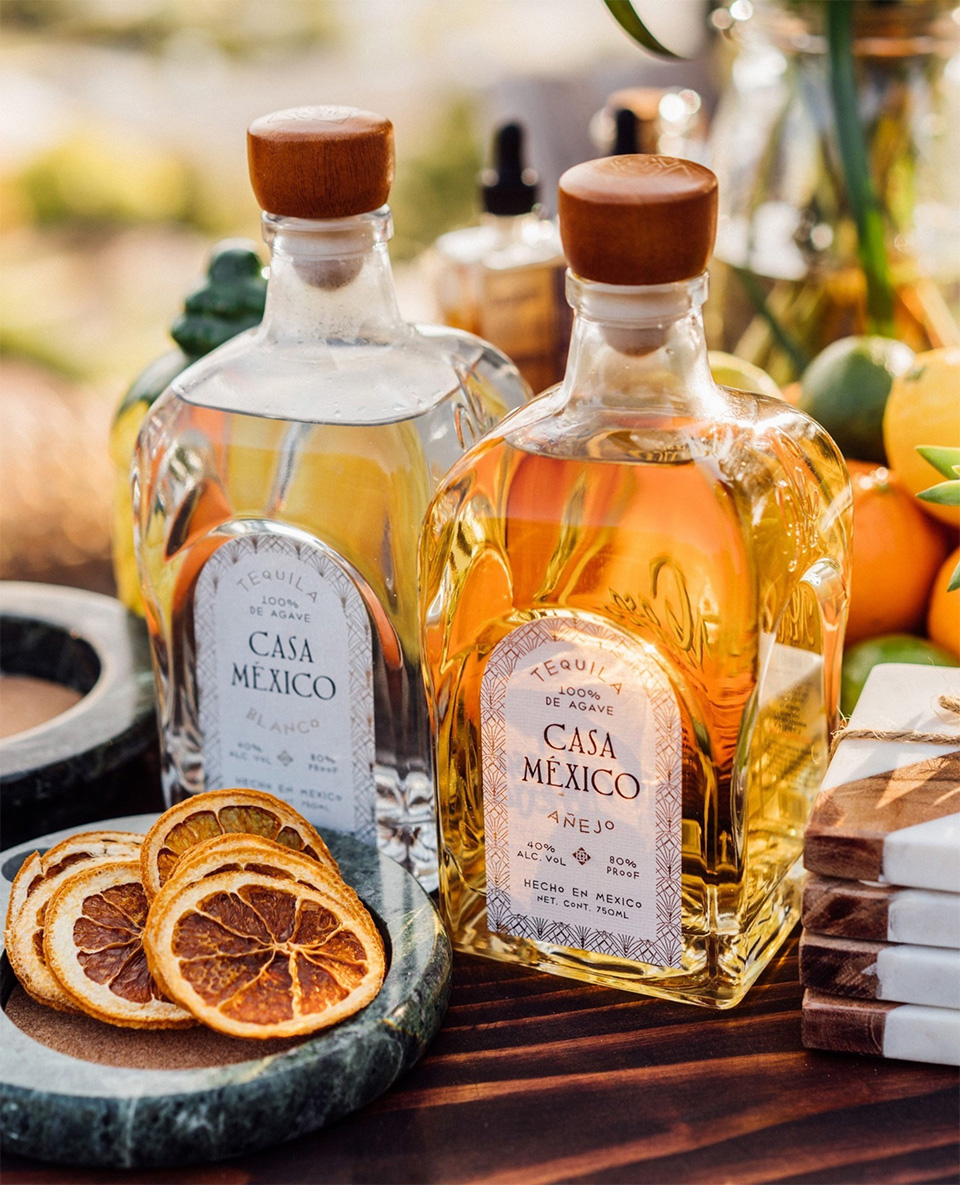
The practice sits firmly within premium spirits appreciation, where attention to detail separates casual enjoyment from genuine understanding. Casa Mexico Tequila reflects that spirit of precision, producing 100% Blue Weber agave expressions across Blanco, Reposado, and Añejo profiles, each carrying a distinct sensory identity shaped by region, production method, and barrel interaction. Evaluating tequila through structured tequila tasting reveals characteristics that routine drinking obscures, from the fresh citrus and pepper of an unaged Blanco to the vanilla-caramel depth of a barrel-aged Añejo.
What is Tequila Tasting?
Tequila tasting is the structured evaluation of tequila through smell, taste, mouthfeel, and finish, applied in deliberate sequence to isolate each sensory layer. The tequila tasting follows a logic adapted from wine and fine spirits evaluation, where each stage targets a separate sensory channel, keeping inputs distinct rather than blurring them. Sensory analysis in tequila tasting identifies aroma compounds (cooked agave, citrus, vanilla, oak), flavor profiles (pepper, caramel, earthiness), textural qualities (smoothness, oiliness, body), and finish length. Scientific characterization of tequila flavor identifies over 175 chemical components in a single expression, with five primary odorants, including vanillin and 2-phenylethanol, carrying the most aromatic weight. The practice turns passive consumption into active appreciation, revealing production decisions that a casual pour conceals.
Why is Tequila Tasting different from simply drinking Tequila?
Tequila tasting is different from simply drinking Tequila because the focus is on identifying flavor complexity, layered aromas, and production characteristics rather than rapid consumption. Drinking for pleasure prioritizes the overall experience. Tasting isolates specific variables: whether the agave was cooked in stone ovens or autoclaves, whether fermentation used proprietary yeast, and how long the spirit rested in oak. Tequila produced from 100% Blue Weber agave carries a spectrum of flavors that casual drinking bypasses entirely. A blanco consumed as a shot delivers alcohol and heat. The same blanco evaluated through structured tasting reveals fresh lime zest, raw agave sweetness, white pepper, and herbal undertones, none of which register at speed.
Are all senses used during Tequila Tasting?
Yes, all senses are used during tequila tasting, with sight, smell, taste, touch, and even hearing contributing to a complete evaluation. Sight assesses color, clarity, and viscosity. Smell, the dominant contributor, accounts for roughly 80% of total flavor perception, as retronasal olfaction carries aroma compounds from the pharynx directly to olfactory receptors after swallowing. Taste receptors on the tongue register sweetness at the tip, acidity and salt at the sides, and bitterness at the back. Touch evaluates mouthfeel, including body, oiliness, warmth, and the finish’s texture. The sound of the pour and the weight of the glass in the hand contribute to the full sensory context of evaluation.
How should Tequila be prepared for tasting?
How Tequila should be prepared for tasting is listed below.
- Room Temperature Serving: Tequila served at room temperature (approximately 20°C) allows volatile aromatic compounds to release naturally. Cold temperatures suppress ester and agave notes, flattening the nose before evaluation begins.
- Proper Glassware: A copita, tulip snifter, or Riedel tequila flute concentrates aromas at the nose. A shot glass or wide-mouth tumbler disperses volatile compounds too quickly, reducing olfactory detail.
- Neutral Palate Preparation: Water and plain crackers reset the palate from prior food, beverages, or strong aromas. Perfumes, food residue, and coffee interfere with accurate sensory detection during tasting.
- Controlled Pour Size: A pour of 1 to 2 oz per tasting session leaves adequate headspace in the glass for aromas to gather. Overfilling eliminates the aromatic chamber that a narrowed rim depends on to direct scent toward the nose.
What is the best glass for Tequila Tasting?
The copita is the best glass for tequila tasting, a tulip-shaped vessel with a wide bowl and a narrowed rim that concentrates aromatic compounds directly toward the nose. The Consejo Regulador del Tequila (CRT) designated the Riedel Bar Tequila Flute as the official tequila glass, developed in partnership with over two dozen tequila producers and connoisseurs specifically for evaluation purposes.
A copita holds approximately 4 to 6 oz, leaving adequate headspace for aroma to gather within the bowl before the rim directs it upward. A snifter performs well with aged expressions (Reposado, Añejo, Extra Añejo) because its wider bowl allows swirling, releasing heavier aromatic compounds (vanilla and caramel). A tequila flute works best for Blanco evaluations, where a narrower bowl focuses light volatile notes (citrus, pepper, fresh agave) without allowing them to dissipate.
Meet Our Maestra Tequilera
Casa México Tequila is crafted under the guidance of world-renowned Maestra Tequilera Ana María Romero Mena. With decades of experience creating acclaimed tequilas and mentoring future generations of distillers, she brings both deep tradition and thoughtful innovation to the brand. From agave selection to distillation and aging, her expertise ensures every expression reflects authenticity, precision and exceptional quality.

How to Sip Tequila?
Sipping tequila begins with a measured 1 to 2 oz pour in a copita or tulip glass held by the stem. The glass stays 2 to 3 inches from the nose during the first inhale, allowing light aromas to register before ethanol becomes too strong. A small sip rests on the palate for 8 to 10 seconds, giving sweetness, acidity, bitterness, and warmth enough time to develop. Slow nasal exhalation after swallowing brings remaining aromas toward the olfactory receptors. Floral and citrus notes appear first, followed by oak, pepper, and cooked agave, completing how to sip tequila.
Should Tequila be chilled during tasting?
No, tequila should not be chilled during tasting. Cold temperatures suppress the release of volatile aromatic compounds, reducing the nose to a fraction of its full complexity. Tequila served at room temperature (around 20°C) releases the full spectrum of ester and agave notes that structured tasting depends on identifying. Ice in particular dilutes the spirit as it melts, altering the concentration and flavor balance mid-session. Tasting evaluates the spirit as produced. Temperature interference distorts results and prevents accurate sensory assessment.
Does glass shape affect Tequila aroma?
Yes, glass shape directly affects tequila aroma perception. A narrowed rim on a copita or tulip snifter traps volatile aromatic compounds within the bowl and directs them toward the nose in concentrated form, separating delicate top notes (floral esters, lime zest) from heavier base notes (roasted agave, oak). A wide, straight-cut rim, as found in a rocks or shot glass, pushes ethanol vapors directly to the nose, masking subtler aromas beneath alcohol heat. Lead-free crystal glass, compared to standard glass, transmits aroma without interference, making it the preferred material for formal evaluation.
How do you evaluate Tequila visually?
Evaluate tequila visually by examining clarity, color, viscosity, and the formation of legs, also called tears, along the inner glass wall. A clear tequila in a clean glass should show no haze or particulate matter, confirming proper filtration and bottling quality. Color directly correlates with aging duration and barrel contact. Viscosity is assessed by swirling: slow-moving, thick legs indicate higher oil and ester content developed through extended barrel time, while fast-running, thin legs suggest a lighter-bodied or younger spirit. Appearance alone does not confirm quality, as charcoal filtration (used in Cristalino production) strips color from aged expressions, producing a clear liquid that retains aged-spirit complexity. Visual analysis frames the tasting before smell or flavor evaluation begins.
What does Tequila’s color reveal about aging?
Tequila’s color reveals the degree and duration of barrel aging across each expression. Blanco tequila is either unaged or aged for fewer than 60 days, producing a clear to silver-white appearance that reflects unmodified agave distillate. Reposado, aged for 2 to 12 months in oak barrels, takes on a light golden hue as wood compounds are transferred into the spirit. Añejo, aged from 1 to 3 years in barrels not exceeding 600 liters, develops a deep amber color from extended oak contact. Extra Añejo, aged for more than 3 years, presents a dark mahogany tone from prolonged barrel contact. Cristalino tequila, originally Añejo or Extra Añejo, appears crystal clear because charcoal filtration removes pigment while maintaining the flavor profile developed during aging.
What are Tequila’s “legs” or “tears”?
Tequila’s “legs” or “tears” are viscosity streaks that form on the inner glass wall after swirling, produced by the interaction of alcohol and water at the surface. Legs form as alcohol evaporates faster than water at the glass rim, creating droplets that run downward under gravity. Slow, thick legs indicate a higher concentration of oils, esters, and glycerols developed during extended barrel aging, pointing to a fuller-bodied spirit. Thin, fast-running legs suggest lower viscosity, characteristic of younger or lighter expressions. Alcohol content influences leg formation, as tequila bottled at standard 40% ABV (80 proof) produces different leg patterns than expressions bottled at higher proof.
Can appearance indicate Tequila quality?
Yes, appearance can indicate Tequila quality. Appearance offers partial quality information but does not confirm it definitively. Clarity, color consistency, and viscosity provide useful preliminary data on filtration quality, aging duration, and body. A hazy tequila may indicate bottling issues or poor filtration. Rich, slow-moving legs suggest a fuller body from barrel contact. Color depth alone is misleading when additives or artificial colorants are present, which are permitted in mixtures of tequilas (non-100% agave expressions). Visual analysis serves as an opener to evaluation, not a conclusive quality measure, and requires aroma and flavor confirmation.
How do you smell Tequila properly?
Smell Tequila properly by holding the glass 2 to 3 inches from the nose and taking a brief, gentle inhale at a distance first. Tequila’s typical alcohol content of 38 to 40% ABV can anesthetize the olfactory epithelium if the nose is placed directly inside the glass, blocking the detection of delicate aromatic compounds beneath ethanol. The glass is brought closer for a slower, deeper breath that reveals base notes (cooked agave, earthiness, oak) after the initial distant inhale captures light volatile top notes (citrus esters, floral compounds). Keeping the mouth slightly open while nosing activates the retronasal passages and reduces the sharpness of ethanol. Nosing from different glass positions reveals different aroma layers: lower in the bowl yields more alcohol and solvent; higher yields barrel and fruit.
What aromas are commonly found in Tequila?
The common aromas found in tequila are listed below.
- Cooked Agave: The foundational aroma of tequila, produced during the piña roasting process. Stone oven cooking (horno) generates a richer, earthier agave note than autoclave steaming, which produces a cleaner but less complex base.
- Citrus: Lime, lemon, and grapefruit esters arise from fermentation. Highland-grown agave (Los Altos, Jalisco) expresses more pronounced citrus notes than lowland agave.
- Vanilla: A primary barrel-derived aroma introduced by American white oak contact during Reposado and Añejo aging. American oak releases vanillin compounds that register immediately on the nose.
- Caramel: A secondary wood-derived note from caramelized sugars within charred or toasted oak barrels, present in aged expressions (Reposado, Añejo, Extra Añejo).
- Pepper: White and black pepper notes are characteristic of Blanco tequila, originating from agave phenolic compounds rather than barrel contact.
- Herbs: Green herb, mint, and grass notes appear in agave-forward expressions, reflecting terroir and agave maturity at harvest.
- Oak: Woody, tannic, and dried-wood aromas increase with extended aging, becoming dominant in Extra Añejo expressions aged beyond 3 years.
- Floral: Jasmine and rose ester notes appear in highland tequilas and some Cristalino expressions after charcoal filtration removes heavier wood compounds.
Why does Tequila sometimes smell like alcohol only?
Tequila sometimes smells like alcohol only because improper nosing technique, high ethanol concentration, or low aroma complexity can collapse the sensory details into a single ethanol impression. Burying the nose inside the glass at standard 38 to 40% ABV exposes olfactory receptors to concentrated ethanol vapor, which temporarily numbs the detection of subtler compounds beneath. Lower-quality tequila produced from mixto (non-100% agave) formulations contains fewer naturally derived aromatic esters and agave compounds, leaving ethanol as the dominant perceivable note. Nosing at a distance (2 to 3 inches), with the mouth open and the glass held at an angle, separates ethanol from aromatic layers that a direct approach obscures.
Should you swirl Tequila before smelling it?
Yes, you should swirl Tequila before smelling it. Tequila benefits from a gentle swirl before smelling. Swirling increases the liquid surface area in contact with air, accelerating the evaporation of volatile aromatic compounds and releasing a broader spectrum of aroma from the glass. Swirling in a tulip-shaped copita or snifter coats the inner bowl walls, concentrating esters, agave compounds, and barrel-derived notes within the headspace above the liquid. A single 2 to 3-second rotation is sufficient. Aggressive swirling at high ABV accelerates ethanol evaporation disproportionately, briefly amplifying alcohol vapor before aromatic compounds follow.
How do you taste Tequila correctly?
Taste Tequila correctly by taking a small sip of approximately half an ounce and allowing it to coat the entire tongue before swallowing. The first contact registers sweetness at the tongue tip, acidity and salt at the lateral edges, and bitterness at the rear. Holding the sip for 8 to 10 seconds activates the four taste zones simultaneously and allows warming to release mid-palate flavor compounds that cold entry suppresses. Swallowing slowly, then exhaling through the nose with the mouth closed, completes retronasal olfaction, where residual aromatic compounds travel from the pharynx to the olfactory receptors for a secondary aroma pass. The finish, measured in seconds or minutes of lingering flavor, is assessed separately from the initial palate impression. Each tasting sip delivers different information than the previous one.
What flavors should you look for in Tequila?
The flavors to look for in tequila are listed below:
- Agave Sweetness: The primary flavor of 100% Blue Weber agave tequila, present in expressions. Blanco carries the freshest, most direct agave sweetness, while aging transforms it into deeper caramel registers.
- Pepper: White pepper is a hallmark of unaged Blanco, originating from agave phenolic compounds rather than spice additives.
- Citrus: Lime zest, lemon peel, and grapefruit pith appear primarily in Blanco and lightly aged Reposado expressions, derived from fermentation esters.
- Caramel: Produced by caramelized oak sugars during barrel aging. Reposado shows light caramel. Añejo and Extra Añejo carry deeper toffee registers.
- Vanilla: American white oak introduces vanillin during Reposado and Añejo aging, creating a creamy, round sweetness at mid-palate.
- Oak: Woody, tannic, and dried-wood notes increase with aging duration. Extra Añejo (minimum 3 years) carries the heaviest oak presence.
- Spice: Cinnamon, clove, and baking spice derive from French oak contact, where eugenol compounds transfer during aging.
- Earthiness: Mineral, soil, and volcanic notes reflect agave terroir, particularly in expressions from lowland Jalisco.
- Minerality: A chalky or stone-dry quality appears in highland agave expressions, linked to the mineral-rich red clay soils of Los Altos.
What is Tequila mouthfeel?
Tequila mouthfeel refers to the textural qualities perceived as the spirit coats the palate (smoothness, oiliness, body, and warmth). Smoothness describes the absence of harsh alcohol edges, a quality that develops through extended barrel aging and proper distillation. Oiliness refers to a glycerol-rich coating sensation that lingers after swallowing, present in older expressions (Añejo, Extra Añejo). The body describes the overall weight and density of the spirit on the tongue: Blanco carries a lighter body, while Extra Añejo presents a fuller, almost viscous texture. Warmth is the thermal sensation of ethanol moving from the throat through the chest, distinct from flavor, and regulated by proof and aging duration.
Is the finish important in Tequila Tasting?
Yes, the finish is a critical component of tequila tasting because it reveals how the spirit behaves after swallowing, measuring its length, warmth, and the character of its residual flavors. A premium aged tequila delivers a finish lasting 30 seconds to several minutes, carrying oak, vanilla, and agave notes that evolve after the initial sip ends. A short, clean finish characterizes well-made Blanco expressions. A long, complex finish with layered notes of dried fruit, spice, and toasted wood distinguishes Extra Añejo expressions. The finish confirms or contradicts initial palate impressions.
How do Tequila Types affect tasting notes?
Tequila types affect tasting notes through aging time, barrel contact, agave processing, and filtration. Blanco tequila, unaged or aged for less than 60 days, offers bold agave sweetness, white pepper, citrus, and fresh herbs. Reposado tequila, aged from 2 to 12 months in oak, adds vanilla and light caramel while keeping the agave core clear. Añejo tequila, aged 1 to 3 years, develops dried fruit, oak tannins, chocolate, and deep caramel notes. Extra Añejo tequila, aged for more than 3 years, creates a richer profile with tobacco, molasses, roasted agave, and dark wood notes. Cristalino tequila, filtered from Añejo or Extra Añejo, offers a cleaner, brighter expression of aged flavors with softer tannins. Aging level creates the main sensory difference across tequila types.
How does Barrel Aging change Tequila flavor?
Barrel aging changes tequila flavor by transferring wood compounds (vanillin, tannins, caramelized sugars, lignin-derived spice) from the oak into the spirit over time. Unaged Blanco tequila enters the barrel carrying raw agave sweetness, citrus, and pepper. Oak contact converts those bright notes into layered vanilla, caramel, dried fruit, and spice across the aging period. American white oak barrels contribute bold vanilla, caramel, coconut, and maple notes, making them the standard for Reposado and Añejo production. French oak barrels introduce subtler spice (cinnamon, clove), dried fruit, and elegant tannins at a slower extraction rate. Añejo regulations cap barrel size at 600 liters to ensure sufficient wood-to-spirit contact. Extended aging beyond 3 years (Extra Añejo) produces dark chocolate, tobacco, and roasted agave notes absent in shorter aging periods.
Is Cristalino Tequila good for tasting sessions?
Yes, Cristalino Tequila is good for tasting sessions because its charcoal filtration process produces a flavor profile that bridges the clarity of Blanco and the depth of Añejo in a single expression. Starting as Añejo or Extra Añejo aged 1 to 3-plus years, Cristalino undergoes activated charcoal filtration to remove the amber color and reduce heavy tannic weight, leaving smooth vanilla, caramel, subtle honey, and light agave, without the dominant wood grip of an unfiltered Añejo. The smoothness and lower tannin levels make Cristalino tequila a reference point in comparative tasting flights, alongside Blanco and Añejo, to illustrate how filtration reshapes sensory character without erasing aged complexity.