EN
EN ES
ES PL
PL TR
TR
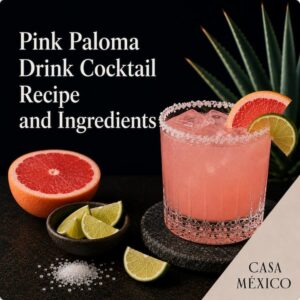
A Pink Paloma is a refreshing tequila-based cocktail that stands out for its use of pink grapefruit juice, which imparts a sweeter and less bitter flavor than regular grapefruit. The Pink Paloma variation of the classic Paloma is made with tequila blanco, providing a smooth and clean agave flavor that serves as the base for the drink. Lime juice is added to balance the sweetness of the grapefruit and bring a touch of tartness, while soda water gives the cocktail its effervescence, making it light and refreshing. Agave syrup is added for an extra touch of sweetness, depending on personal preference, and a salt rim is used to enhance the flavor, creating a contrast to the fruit’s acidity and the drink’s natural bitterness. The result is a vibrant, slightly bitter yet sweet drink that is ideal for warm weather, casual gatherings, and those looking for a crisp and easy-to-drink cocktail.
What is Pink Paloma made of? A Pink Paloma is made of tequila blanco, fresh pink grapefruit juice, lime juice, soda water, and agave syrup (optional). Tequila blanco serves as the base spirit, providing a smooth, clean agave flavor. Fresh pink grapefruit juice adds a unique sweetness and mild bitterness, setting it apart from a traditional Paloma made with regular grapefruit. Lime juice enhances the acidity, balancing the sweetness of the grapefruit. Soda water provides effervescence, making the drink light and refreshing. Agave syrup is sometimes added to adjust the sweetness to personal taste, and a salt rim is used to improve the flavor.
What are the Ingredients for Pink Paloma Cocktail?
The ingredients for the Pink Paloma Cocktail are listed below.
- Tequila Blanco: The tequila blanco forms the alcoholic base of the Pink Paloma Cocktail. Tequila blanco delivers a clean agave profile that supports citrus brightness without oak influence. Tequila blanco maintains balance against acidic components.
- Fresh Grapefruit Juice: The fresh grapefruit juice provides the defining citrus character of the Pink Paloma Cocktail. Fresh grapefruit juice contributes tartness paired with light bitterness that shapes the drink’s identity. Fresh grapefruit juice supports the color depth associated with the pink presentation.
- Fresh Lime Juice: The fresh lime juice sharpens acidity within the Pink Paloma Cocktail structure. Fresh lime juice adds a crisp contrast that stabilizes sweetness perception. Fresh lime juice preserves freshness across the full sip.
- Sweetener: The sweetener offsets grapefruit bitterness within the Pink Paloma Cocktail. Sweetener options include simple syrup or agave nectar (agave nectar). Sweetener selection influences mouthfeel consistency.
- Soda Water: The soda water introduces carbonation into the Pink Paloma Cocktail. Soda water lifts aromatics while keeping alcohol presence restrained. Soda water sustains a light finish.
- Salt Rim: The salt rim frames the Pink Paloma Cocktail sensory profile. Salt rim heightens citrus intensity through mineral contrast. Salt rim placement remains limited to the glassware edge.
Can You Use Fresh Grapefruit Juice in a Pink Paloma?
Yes, you can use fresh grapefruit juice in a Pink Paloma, which stands as the correct preparation choice (hand-pressed ruby grapefruit, freshly squeezed white grapefruit). Fresh grapefruit juice delivers natural acidity, aromatic oils, and mild bitterness that define the classic Pink Paloma structure. Bottled grapefruit juice lacks volatile citrus compounds because heat processing removes aromatic intensity and alters flavor balance. Fresh grapefruit juice preserves pectin content, which supports mouthfeel and visual density inside the glass.
Fresh grapefruit juice improves sweetness control because natural sugar levels vary by fruit ripeness rather than fixed syrup ratios. Sweetener adjustment responds directly to juice acidity rather than masking bitterness with excess sugar. Fresh grapefruit juice contributes a brighter pink hue derived from natural pigments rather than artificial coloring. Visual clarity reinforces cocktail authenticity and aligns with traditional preparation standards.
Fresh grapefruit juice supports carbonation stability after soda water addition. Carbon dioxide integrates more evenly when citrus oils remain intact. Bottled alternatives flatten faster due to stabilizers and preservatives interfering with effervescence. Fresh grapefruit juice pairs cleanly with tequila blanco by preserving agave notes instead of competing with processed bitterness.
What Mixers Pair Best with Pink Paloma?
The mixers that pair best with Pink Paloma are listed below.
- Soda Water: The soda water acts as a neutral mixer for a Pink Paloma. Soda water lifts citrus aromatics through carbonation without altering grapefruit intensity. Soda water preserves the balance between acidity, sweetness, and alcohol.
- Grapefruit Soda: The Grapefruit soda reinforces the citrus profile of a Pink Paloma. The fruit soda delivers sweetness paired with controlled bitterness from grapefruit oils. Grapefruit soda supports consistent flavor output across servings.
- Lime Soda: The lime soda introduces sharper acidity into a Pink Paloma structure. Lime soda adds crisp contrast that offsets grapefruit sweetness. It maintains a refreshing finish across extended sipping.
- Agave Syrup: The agave syrup functions as a balancing mixer for a Pink Paloma. The syrup matches tequila agave notes for flavor continuity. It moderates bitterness without masking citrus character.
- Grapefruit Bitters: The grapefruit bitters intensify aromatic depth inside a Pink Paloma. Grapefruit bitters provide concentrated citrus oils in minimal volume. It refines bitterness control without increasing sweetness.
How to Make a Pink Paloma?
To make a Pink Paloma, follow the six steps below.
Meet Our Maestra Tequilera
Casa México Tequila is crafted under the guidance of world-renowned Maestra Tequilera Ana María Romero Mena. With decades of experience creating acclaimed tequilas and mentoring future generations of distillers, she brings both deep tradition and thoughtful innovation to the brand. From agave selection to distillation and aging, her expertise ensures every expression reflects authenticity, precision and exceptional quality.

- Prepare the Glass. Coat the rim of a highball glass with salt using grapefruit or lime moisture. Fill the glass with fresh ice to stabilize temperature and carbonation retention.
- Add Tequila Blanco. Pour tequila blanco into the glass to establish the cocktail base. Tequila blanco provides a clean agave profile that supports citrus expression without oak influence.
- Incorporate Fresh Grapefruit Juice. Add freshly squeezed pink grapefruit juice to deliver acidity and mild bitterness. Fresh juice maintains aromatic oils that define flavor clarity and visual tone.
- Balance with Sweetener. Introduce agave syrup or simple syrup in a measured amount. Sweetener offsets grapefruit bitterness while preserving freshness rather than masking citrus character.
- Finish with Soda Water. Top the mixture with chilled soda water to introduce carbonation. Gentle stirring integrates components without flattening effervescence.
- Garnish and Serve. Add a grapefruit wedge or lime wheel for aroma reinforcement. Serve immediately to preserve carbonation and citrus volatility.
The most important step involves using fresh grapefruit juice because fresh grapefruit juice defines flavor balance, aroma structure, color integrity, and carbonation performance in a Pink Paloma. Fresh grapefruit juice supplies natural citrus oils that reinforce brightness without artificial sharpness. It preserves a gentle bitterness that interacts cleanly with tequila blanco rather than overpowering the agave character. The fresh juice supports stable carbonation by avoiding preservatives that weaken effervescence.
Should a Pink Paloma Be Shaken or Stirred?
No, a Pink Paloma is stirred rather than shaken (fresh grapefruit juice, soda water, tequila blanco). A Pink Paloma relies on carbonation and clarity, which stirring preserves through gentle integration. Shaking introduces excessive aeration that collapses carbonation and disrupts texture. Stirring maintains separation between citrus oils and dissolved carbon dioxide, which protects aroma release during consumption.
A Pink Paloma includes soda water as a defining mixer rather than a post-mixing adjustment. Shaking soda water forces rapid gas loss and produces foaming that weakens the structure. Stirring blends grapefruit juice, tequila blanco, and sweetener without stressing the carbonated element. The result presents a stable mouthfeel and consistent effervescence.
A Pink Paloma follows highball cocktail standards used across citrus-forward tequila drinks. Bartending references classify shaken preparation for drinks containing egg white, cream, or dense syrups. A Pink Paloma lacks thick components that require aggressive agitation. Stirring preserves visual clarity, clean layering, and a crisp finish.
How is the Nutrient Value of Pink Paloma Cocktail?
The nutrient value of the Pink Paloma Cocktail reflects calories from tequila, natural sugars from grapefruit juice, and minimal minerals from salt. The Pink Paloma Cocktail delivers moderate alcohol content while providing vitamin C derived from fresh grapefruit juice. The Pink Paloma Cocktail maintains a light nutritional profile because soda water contributes no calories or sugars.
The detailed nutrient breakdown of a Pink Paloma Cocktail per 8-ounce serving appears in the table below.
| Nutrient | Amount per Serving | Unit | Daily Value % | Source / Measurement Basis | Notes (Optional) |
| Calories | 170 | kcal | 9% | Estimated from ingredients | Primarily from tequila and sweetener |
| Carbohydrates | 11 | g | 4% | Came from grapefruit juice and a sweetener | Includes natural fruit sugars |
| Sugars | 8 | g | – | Came from grapefruit juice | No refined sugar required |
| Vitamin C | 15 | mg | 25% | Came from fresh grapefruit juice | Supports antioxidant intake |
| Sodium | 160 | mg | 7% | Came from a salt rim | Depends on the rim application |
| Alcohol | 14 | g | – | Came from tequila blanco | Moderate alcohol content |
How many calories are in a Pink Paloma? A Pink Paloma contains around 170 calories per 8-ounce serving. The calorie content comes mainly from tequila, which contributes roughly 140 calories per 2 ounces. Fresh grapefruit juice contributes about 15 calories per ounce through natural sugars. Sweetener adds an estimated 15 to 25 calories, depending on quantity. Soda water contributes zero calories. The combined ingredient structure results in a balanced calorie profile for a Pink Paloma.
What are the Tips to Prepare Pink Paloma Cocktail Better?
The tips to prepare the Pink Paloma Cocktail are listed below.
- Use fresh grapefruit juice to preserve citrus oils, natural color, and balanced acidity.
- Select tequila blanco to maintain clean agave flavor without barrel influence.
- Measure sweetener precisely to counter grapefruit bitterness without masking citrus brightness.
- Add soda water last to protect carbonation strength and aroma lift.
- Chill glassware before mixing to slow dilution and maintain temperature stability.
- Apply salt rim lightly to sharpen citrus perception without overpowering the drink profile.
What are the Variations of Pink Paloma Cocktail Recipes?
The variations of Pink Paloma cocktail recipes are shown in the table below.
| Variation Name | Ingredients | Nutrient | Steps | Opinion |
| Classic Pink Paloma | Tequila blanco, fresh pink grapefruit juice, lime juice, agave syrup, soda water, salt rim | 170 calories, 14 g alcohol, 8 g sugar | Add tequila blanco, grapefruit juice, lime juice, and agave syrup into an ice-filled glass. Top soda water. Stir gently. | Balanced expression that reflects traditional Pink Paloma character. |
| Extra Salty Pink Paloma | Tequila blanco, fresh pink grapefruit juice, lime juice, agave syrup, soda water, and a heavy salt rim | 170 calories, 14 g alcohol, 8 g sugar | Rim glass generously. Add liquid ingredients over ice. Finish soda water. Stir lightly. | Strong mineral contrast that sharpens citrus perception. |
| Low Sugar Pink Paloma | Tequila blanco, fresh pink grapefruit juice, lime juice, soda water, light salt rim | 150 calories, 14 g alcohol, 4 g sugar | Combine tequila blanco, grapefruit juice, and lime juice over ice. Add soda water. Stir briefly. | Drier profile that highlights grapefruit bitterness. |
| Ruby Grapefruit Pink Paloma | Tequila blanco, ruby red grapefruit juice, lime juice, agave syrup, soda water, salt rim | 175 calories, 14 g alcohol, 9 g sugar | Add tequila blanco, ruby grapefruit juice, lime juice, and agave syrup into the glass. Finish soda water. Stir softly. | Deeper color paired with richer fruit sweetness. |
| Lemon Pink Paloma | Tequila blanco, pink grapefruit juice, lemon juice, agave syrup, soda water, salt rim | 165 calories, 14 g alcohol, 8 g sugar | Combine tequila blanco, grapefruit juice, and lemon juice over ice. Add soda water. Stir gently. | Sharper acidity that replaces lime brightness. |
| Sparkling Pink Paloma | Tequila blanco, fresh pink grapefruit juice, lime juice, agave syrup, sparkling mineral water, salt rim | 170 calories, 14 g alcohol, 8 g sugar | Add tequila blanco, grapefruit juice, lime juice, and agave syrup into the glass. Top mineral water. Stir carefully. | More pronounced effervescence that lifts the aroma. |
Can Pink Paloma Be Made as a Non-Alcoholic Drink?
Yes, a Pink Paloma can be made as a non alcoholic drink. (fresh grapefruit juice, lime juice, soda water). A non alcoholic Pink Paloma replaces tequila with citrus forward structure rather than distilled spirits. Fresh grapefruit juice supplies acidity and bitterness that define the cocktail profile. Lime juice sharpens citrus balance and prevents flat sweetness. Soda water provides carbonation that maintains the highball identity.
A non alcoholic Pink Paloma relies on careful sweetness control to avoid juice heaviness. Agave syrup or simple syrup delivers measured sweetness that offsets grapefruit bitterness without overpowering citrus clarity. Salt rim application remains relevant because mineral contrast heightens flavor perception even without alcohol. Glassware temperature control preserves carbonation and mouthfeel during service.
A non alcoholic Pink Paloma aligns with mocktail standards used in professional beverage programs. Bartenders replace alcohol with botanical substitutes only when complexity demands additional layers. Citrus-driven recipes like a Pink Paloma maintain structure through acidity and carbonation alone. The drink retains visual appeal through a natural pink hue derived from grapefruit pigments. Aroma release remains strong because citrus oils remain intact.
What alcohol is in a Pink Paloma?
The alcohol in a Pink Paloma is tequila blanco. Tequila blanco serves as the base spirit that defines the drink structure and flavor direction. Tequila blanco delivers clean agave notes that pair directly with fresh grapefruit juice and lime juice without oak influence. The absence of barrel aging preserves brightness and prevents flavor interference with citrus acidity. A standard Pink Paloma contains one alcoholic component rather than layered spirits, which maintains clarity and balance.
Blanco Tequila
Blanco tequila is unaged or bottled right after the distillation process, making it a clear, uncolored spirit. Blanco tequila does not go through any kind of aging process after distillation, unlike an anejo tequila. The tequila gives the best representation of the blue agave plant flavor since it does not age in oak barrels.
Casa Mexico Cristalino
Cristalino is produced with fully mature blue agave, handpicked from the mineral-rich red clay soils of the Highlands in Jalisco, México. The piñas are placed in brick ovens for two then crushed in the tahona mill. The juice is naturally fermented, double distilled in copper alambique stills, laid to rest in American white oak barrels, then placed in a complex three-phase carbon cellulose filtration process. The finished Cristalino is an all-natural, ultra-smooth, crystal clear spirit ready to be enjoyed.
Casa Mexico Tequila Reposado
Casa Mexico Tequila Reposado offers a slightly aged option with mellow agave flavor and subtle vanilla notes from 2 to 12 months in oak barrels. The golden color and smooth texture provide a richer profile that pairs well with strawberry sweetness. Use 2 ounces per serving in strawberry margaritas for a more complex taste. Blend with orange liqueur, fresh fruit, lime juice, and ice to complete the drink.
Does Pink Paloma have alcohol? Yes, a Pink Paloma has alcohol (tequila blanco, fresh grapefruit juice). A Pink Paloma includes tequila blanco as the base spirit, which provides the alcoholic content and structural backbone of the cocktail. Tequila blanco contributes agave flavor that interacts directly with grapefruit acidity and bitterness. Alcohol presence defines the drink category as a classic tequila highball rather than a citrus soda. A standard Pink Paloma contains 1.5 to 2 ounces of tequila blanco per serving. The amount translates to 14 grams of pure alcohol in an 8-ounce drink. The alcohol level places a Pink Paloma within the moderate strength cocktail range rather than strong spirit-forward drinks. Soda water dilutes alcohol concentration while preserving refreshment.
How Much Alcohol Does a Pink Paloma Have?
A Pink Paloma has moderate alcohol content that depends on tequila volume and dilution level. A standard Pink Paloma contains 1.5 to 2 ounces of tequila blanco, which equals approximately 11 to 15 grams of pure alcohol per 8-ounce serving. The lower end of the range reflects lighter pours paired with higher soda water volume. The higher end reflects full pours with reduced dilution. Alcohol strength places a Pink Paloma within the moderate cocktail category rather than high-proof or spirit-forward drinks.
Alcohol level directly affects taste and impact. Lower alcohol levels highlight grapefruit acidity, citrus bitterness, and carbonation lift. Higher alcohol levels increase agave intensity, warmth, and aroma carried from citrus oils. Increased alcohol presence sharpens bitterness perception and reduces perceived sweetness balance. Soda water dilution moderates ethanol sharpness while preserving refreshment.
Can Pregnant Women drink Pink Paloma? No, pregnant women cannot drink Pink Paloma according to scientific and medical consensus (alcohol exposure during pregnancy, fetal development risk). A Pink Paloma contains tequila blanco, which introduces ethanol into the drink. Ethanol crosses the placental barrier and reaches fetal circulation at concentrations similar to maternal blood alcohol levels. Fetal organs lack the enzymatic capacity to metabolize alcohol, which increases vulnerability to developmental harm.
Medical research establishes a direct association between prenatal alcohol exposure and fetal alcohol spectrum disorders. The Centers for Disease Control and Prevention states, “There is no known safe amount of alcohol use during pregnancy.” The same guidance confirms that no trimester, frequency, or quantity of alcohol intake avoids risk. Even low-level exposure correlates with neurodevelopmental effects, growth restriction, and cognitive impairment.
Does a Pink Paloma make you drunk?
Yes, a Pink Paloma makes you drunk depending on alcohol intake and serving volume (tequila blanco, serving size). A Pink Paloma contains tequila blanco as the sole alcohol source, which introduces ethanol into the body. A standard serving uses 1.5 to 2 ounces of tequila blanco, equaling approximately 11 to 15 grams of pure alcohol per 8-ounce drink. That quantity matches one standard alcoholic drink under public health definitions.
Intoxication level depends on consumption rate, number of servings, body mass, and food intake. One Pink Paloma produces mild alcohol effects for many adults, including relaxation and lowered inhibition. Multiple servings increase blood alcohol concentration and intensify impairment. Soda water dilution reduces alcohol concentration per sip yet does not remove total ethanol intake. Citrus acidity and carbonation accelerate absorption compared to non-carbonated beverages.
Alcohol metabolism follows a fixed physiological rate of roughly 0.015 blood alcohol concentration reduction per hour. Faster drinking overwhelms metabolic clearance and increases intoxication risk. A Pink Paloma prepared with higher tequila volume increases impairment intensity. Responsible consumption practices reduce risk, while repeated servings raise the likelihood associated with a Pink Paloma.
Does Pink Paloma Have Tequila?
Yes, a Pink Paloma has tequila as a core ingredient that defines the cocktail category. A Pink Paloma uses tequila blanco as the primary alcohol, which establishes structure, strength, and flavor direction. Tequila blanco delivers clean agave notes that interact directly with grapefruit acidity without oak influence. Traditional Pink Paloma recipes rely on tequila blanco rather than aged tequila styles to preserve brightness and clarity. A Pink Paloma preparation pairs tequila blanco with fresh grapefruit juice, lime juice, soda water, and a light sweetener. Alcohol presence differentiates a Pink Paloma from citrus sodas or mocktails. Tequila content ranges from 1.5 to 2 ounces per serving, which places the drink within a moderate alcohol range. That quantity aligns with standard cocktail definitions used in professional bartending references.
Tequila blanco supports aroma release from citrus oils through ethanol volatility. Agave flavor anchors bitterness from grapefruit while preventing sharp acidity dominance. Soda water moderates alcohol intensity through dilution while maintaining effervescence. Salt rim application enhances flavor perception without altering alcohol concentration. Removing tequila transforms the recipe into a non alcoholic beverage rather than a cocktail. Culinary and beverage standards classify a Pink Paloma as a tequila-based highball. Recipe variations maintain tequila presence even when sweetness or citrus ratios change. The defining alcohol identity remains tied to Tequila.
What is Pink Paloma?
A Pink Paloma is a tequila-based citrus cocktail defined by fresh grapefruit juice, soda water, and balanced acidity (tequila blanco, pink grapefruit juice, soda water). A Pink Paloma originates from the traditional Paloma, which holds cultural roots in Mexican highball cocktails that emphasize refreshment and citrus clarity. The pink variation derives color and flavor from pink or ruby grapefruit rather than standard grapefruit soda. The structure relies on tequila blanco to provide clean agave character without oak influence. Fresh grapefruit juice contributes natural bitterness and acidity that shape the drink’s identity.
A Pink Paloma uses soda water to introduce carbonation, which lifts aroma and maintains a light mouthfeel. Lime juice sharpens citrus balance and prevents sweetness dominance. Sweetener remains minimal and serves only to counter grapefruit bitterness rather than mask flavor. A salt rim frames the drink by increasing mineral contrast and heightening citrus perception. Ingredient ratios focus on balance rather than intensity.
Why is it called a Pink Paloma? A Pink Paloma is called a Pink Paloma because the cocktail derives its color and identity from pink grapefruit juice rather than standard grapefruit soda. The term Paloma translates to dove in Spanish, which reflects lightness, refreshment, and simplicity associated with the original Mexican highball. The pink modifier distinguishes the variation through natural hue created by pink or ruby grapefruit pigments. The color signals ingredient choice rather than artificial coloring or syrups.
What Does a Pink Paloma Taste Like?
A Pink Paloma tastes bright, crisp, and citrus-forward with a balanced mix of tartness, light bitterness, and gentle sweetness. Fresh grapefruit juice defines the primary flavor through sharp acidity and subtle bitter notes. Tequila blanco contributes clean agave character that grounds citrus intensity without adding oak heaviness. Soda water introduces lift and freshness through carbonation, which keeps the drink light rather than dense. A light salt rim sharpens flavor perception and heightens citrus clarity. The taste feels refreshing, structured, and clean rather than sugary or heavy.
The ingredients that affect the taste of a Pink Paloma are listed below.
- Tequila Blanco: Provides clean agave flavor that supports citrus without overpowering acidity. Tequila blanco adds warmth and structure that anchors the drink.
- Pink Grapefruit Juice: Delivers tartness and mild bitterness that define the drink’s identity. Pink grapefruit juice contributes natural sweetness and the signature pink hue.
- Lime Juice: Sharpens acidity and tightens flavor balance. Lime juice prevents sweetness dominance and reinforces freshness.
- Soda Water: Adds carbonation that lifts aroma and lightens mouthfeel. Soda water keeps the drink crisp and refreshing.
- Sweetener: Softens grapefruit bitterness and smooths acidity edges. Sweetener use remains minimal to preserve citrus clarity.
- Salt Rim: Improves citrus brightness through mineral contrast. Salt rim application intensifies flavor perception without adding sweetness.
How to Drink a Pink Paloma?
To drink a Pink Paloma, follow the five steps below.
- Prepare the Glass. Coat the rim of a highball glass lightly with salt using grapefruit or lime moisture. The salt prepares the palate and sharpens citrus perception before the first sip.
- Add Fresh Ice. Fill the glass with fresh ice to maintain temperature and control dilution. Cold temperature preserves carbonation and citrus brightness.
- Sip Slowly. Take small, steady sips rather than large gulps. Controlled sipping allows grapefruit acidity, agave notes, and carbonation to register in sequence.
- Rotate the Glass Slightly. Turn the glass between sips to vary salt contact. Alternating salted and unsalted sips creates contrast and prevents palate fatigue.
- Finish While Cold. Consume the drink while carbonation remains active. Warm temperature reduces effervescence and dulls citrus clarity.
The most important tip for better taste perception involves sipping the Pink Paloma slowly while alternating contact with the salt rim. Controlled sipping highlights grapefruit bitterness, preserves carbonation texture, and allows tequila blanco to integrate smoothly, creating a cleaner and more balanced Pink Paloma tasting experience.
Can a Pink Paloma Be Prepared Ahead of Time?
No, a Pink Paloma cannot be prepared ahead of time because it does not preserve optimal quality and structure. A Pink Paloma relies on carbonation, fresh citrus oils, and precise dilution, which degrade after mixing. Soda water loses carbon dioxide rapidly once combined with acidic ingredients, resulting in a flat texture and muted aroma. Fresh grapefruit juice oxidizes over time, which dulls brightness and shifts the bitterness balance. Lime juice acidity becomes harsher after extended exposure to air, reducing freshness.
Alcohol integration does not prevent degradation because ethanol does not stabilize carbonation or volatile citrus compounds. Pre-mixed Pink Paloma batches separate during storage, leading to uneven flavor distribution. Ice melts during holding, diluting the drink and weakening the structure. Salt rim application loses effectiveness when glassware sits prepared for extended periods.
Partial preparation improves efficiency without compromising quality. Grapefruit juice and lime juice measurements ahead of service support consistency when stored briefly under refrigeration. The addition remains acceptable shortly before serving. Soda water addition requires last-minute pouring to preserve effervescence. Gentle stirring at service maintains clarity and texture.
What are the Types of Pink Paloma Cocktails?
The types of Pink Paloma Cocktails are listed below.
- Pink Paloma: The Pink Paloma delivers bright grapefruit acidity, light bitterness, and clean agave flavor. Pink Paloma tastes crisp and balanced compared to fruit heavy variations. Carbonation keeps the finish light and refreshing.
- Spicy Paloma: The Spicy Paloma introduces heat through chili or pepper infusion. Spicy Paloma tastes sharper and warmer than Pink Paloma. Spice heightens citrus perception and shortens the finish.
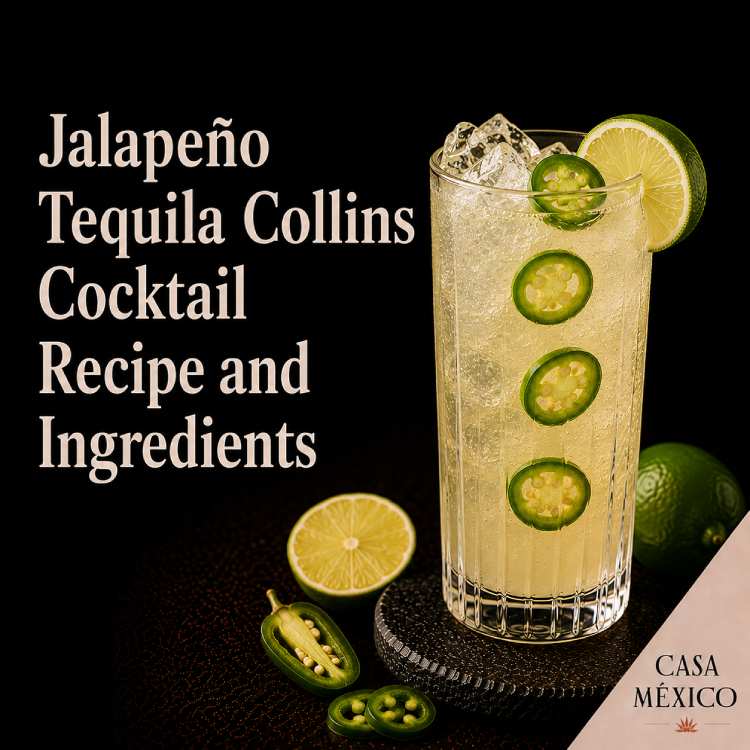
- Jalapeño Paloma: The Jalapeño Paloma adds vegetal heat and green pepper aroma. Jalapeño Paloma tastes fresher and more herbal than Spicy Paloma. Pepper aroma integrates closely with grapefruit bitterness.
- Watermelon Paloma: The Watermelon Paloma softens bitterness through high-water-content fruit juice. Watermelon Paloma tastes lighter and sweeter than Pink Paloma. The finish feels smoother and less acidic.
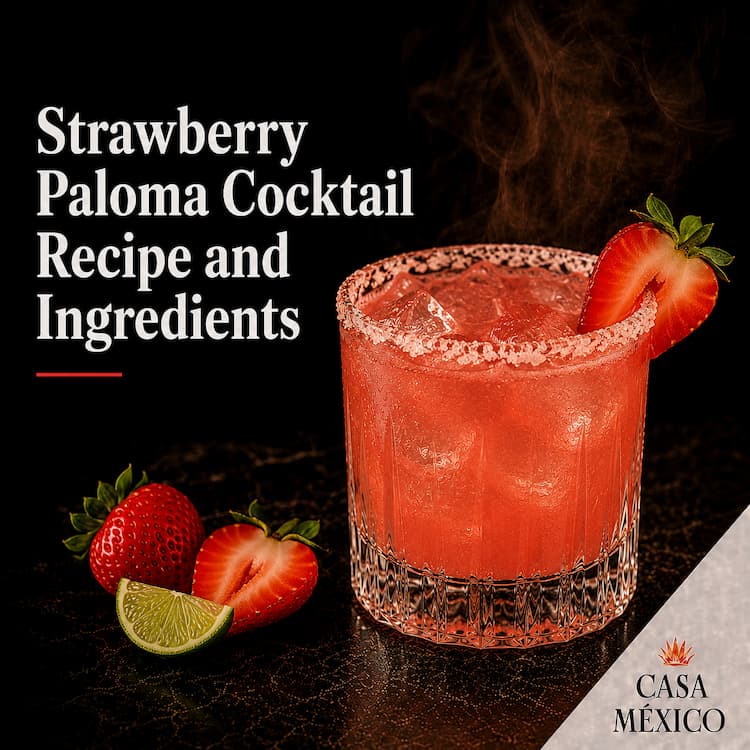
- Strawberry Paloma: The Strawberry Paloma emphasizes sweetness and berry aroma. Strawberry Paloma tastes rounder and less bitter than Pink Paloma. Fruit sweetness reduces perceived sharpness.
- Pineapple Paloma: The Pineapple Paloma increases tropical sweetness and mild acidity. Pineapple Paloma tastes richer and more fruit-forward than Strawberry Paloma. Natural enzymes add a fuller mouthfeel.
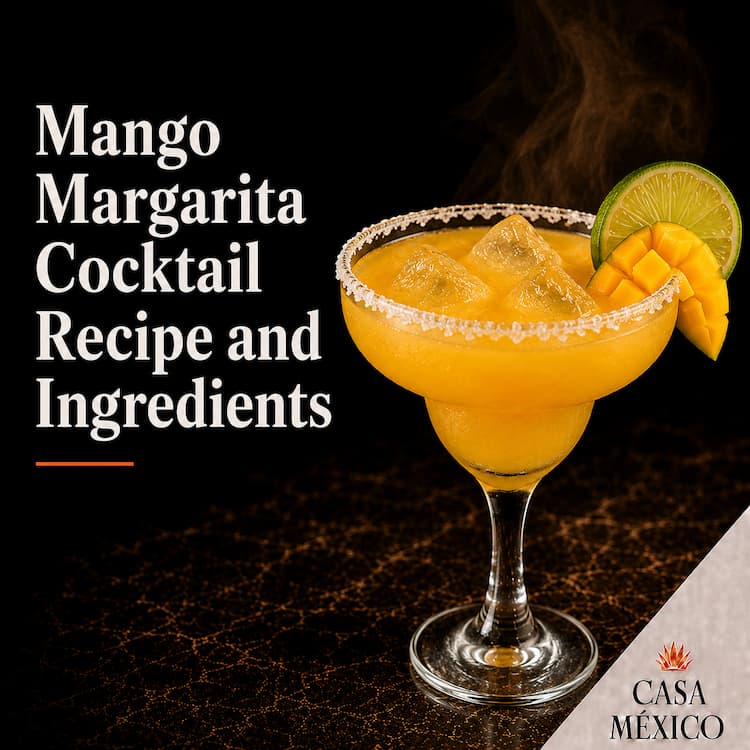
- Mango Paloma: The Mango Paloma delivers dense sweetness and smooth texture. Mango Paloma tastes fuller and less crisp than Pineapple Paloma. Grapefruit bitterness becomes background support.
- Blood Orange Paloma: The Blood Orange Paloma deepens citrus sweetness and color intensity. Blood Orange Paloma tastes less bitter than Pink Paloma. The citrus profile feels richer and darker.
- Passion Fruit Paloma: The Passion Fruit Paloma intensifies tartness and aromatic sharpness. Passion Fruit Paloma tastes more acidic than Pink Paloma. Aroma leads the tasting experience.
- Guava Paloma: The Guava Paloma introduces soft tropical sweetness and floral undertones. Guava Paloma tastes milder and less acidic than Passion Fruit Paloma.
Texture feels gentle and rounded.
- Hibiscus Paloma: The Hibiscus Paloma adds floral tartness and deep red color. Hibiscus Paloma tastes drier and more tannic than fruit-based versions. The finish carries light astringency.
- Rose Paloma: The Rose Paloma emphasizes a delicate floral aroma. Rose Paloma tastes softer and more perfumed than Hibiscus Paloma. Citrus elements remain subtle and restrained.
- Lavender Paloma: The Lavender Paloma introduces herbal floral notes. Lavender Paloma tastes more aromatic and less fruit-driven than Rose Paloma. Floral oils dominate the nose before the palate.
What is the Difference of Rose Paloma than other Pink Paloma Cocktail Recipes?
The difference between the Rose Paloma and other Pink Paloma cocktail recipes comes from floral infusion replacing fruit-driven intensity. Rose Paloma introduces rose water or rose syrup, which shifts the flavor profile toward aromatic softness rather than sharp citrus dominance. Other Pink Paloma variations rely on fruit additions or spice accents that amplify sweetness or heat. Rose Paloma presents a lighter, more perfumed taste where grapefruit bitterness stays restrained. The overall profile feels delicate and aromatic rather than bold or fruit-forward.
The ingredients in a Rose Paloma Recipe include tequila blanco, fresh pink grapefruit juice, lime juice, rose water or rose syrup, soda water, and a salt rim. The preparation steps involve rimming a highball glass lightly with salt, filling the glass with ice, pouring tequila blanco, grapefruit juice, lime juice, and rose element, then topping with soda water and stirring gently. Rose Paloma suits drinkers who prefer floral aroma and subtle citrus balance rather than intense fruit sweetness or spice-driven contrast. The defining distinction rests in aroma-led structure and gentle bitterness that separates the drink from other Pink Paloma styles, which completes the Rose Paloma Recipe.
What is the Difference of Hibiscus Paloma than other Pink Paloma Cocktail Recipes?
The difference between the Hibiscus Paloma and other Pink Paloma cocktail recipes comes from a tart floral infusion replacing fruit sweetness emphasis. Hibiscus Paloma uses hibiscus tea or hibiscus syrup, which introduces dry acidity and light tannic structure. Other Pink Paloma variations lean toward fruit-driven sweetness or aromatic softness that rounds bitterness. Hibiscus Paloma presents a sharper, more structured taste where grapefruit bitterness feels deeper and more pronounced. The profile tastes drier and more complex rather than bright or juicy.
The ingredients in a Hibiscus Paloma Recipe include tequila blanco, fresh pink grapefruit juice, lime juice, hibiscus tea or hibiscus syrup, soda water, and a salt rim. The preparation steps involve lightly salting the rim of a highball glass, filling the glass with ice, adding tequila blanco, grapefruit juice, lime juice, and hibiscus infusion, then topping with soda water and stirring gently. Hibiscus Paloma suits drinkers who prefer tart, floral sharpness and restrained sweetness instead of fruit-forward richness or soft aromatics. The defining distinction rests in tannic depth and crisp acidity that separate the drink from sweeter Pink Paloma styles, which completes the Hibiscus Paloma Recipe.
What is the Difference of Watermelon Paloma than other Pink Paloma Cocktail Recipes?
The difference between the Watermelon Paloma and other Pink Paloma cocktail recipes comes from the high water content of the fruit, replacing sharp citrus dominance. Watermelon Paloma uses fresh watermelon juice, which softens grapefruit bitterness and reduces acidity intensity. Other Pink Paloma variations emphasize citrus sharpness, floral aromatics, or tannic structure. Watermelon Paloma presents a lighter, smoother taste with gentle sweetness rather than pronounced tartness. The profile feels more refreshing and subtle compared to bolder Pink Paloma styles.
The ingredients in a Watermelon Paloma recipe include tequila blanco, fresh watermelon juice, fresh pink grapefruit juice, lime juice, soda water, and a salt rim. The preparation steps involve lightly salting the rim of a highball glass, filling the glass with ice, adding tequila blanco, watermelon juice, grapefruit juice, and lime juice, then topping with soda water and stirring gently. Watermelon Paloma suits drinkers who prefer mild sweetness and reduced bitterness rather than intense citrus or floral forward profiles. The defining distinction rests in hydration-driven freshness and softened acidity that separate the Watermelon Paloma Recipe from other Pink Paloma cocktail recipes.
What is the Difference of Passion Fruit Paloma than other Pink Paloma Cocktail Recipes?
The difference between the Passion Fruit Paloma and other Pink Paloma cocktail recipes lies in the use of passion fruit, which adds a tangy and aromatic complexity. Passion Fruit Paloma incorporates passion fruit juice or puree, bringing a tropical, slightly floral sweetness that balances the bitterness of grapefruit. Other Pink Paloma variations focus on citrus or floral elements (grapefruit or hibiscus), but the Passion Fruit Paloma stands out for its pronounced tartness and vibrant flavor, creating a more exotic taste experience.
The ingredients in a Passion Fruit Paloma recipe include tequila blanco, fresh pink grapefruit juice, lime juice, passion fruit juice or puree, soda water, and a salt rim. The preparation steps involve lightly salting the rim of a highball glass, filling the glass with ice, adding tequila blanco, grapefruit juice, lime juice, and passion fruit juice or puree, then topping with soda water and stirring gently. Passion Fruit Paloma suits drinkers who enjoy bold, tropical flavors with a balance of acidity and sweetness, rather than the simpler citrus or floral notes found in other Pink Paloma variations. The defining distinction rests in the unique tartness and aromatic richness of the Passion Fruit Recipe that sets it apart from other Pink Paloma styles.
Where to Serve Pink Paloma?
Serve a Pink Paloma during daytime events, casual gatherings, or festive occasions where a refreshing and light cocktail is desired. The bright citrus and clean agave flavor make it perfect for brunch or lunch on warm, sunny days. Pink Paloma pairs well with outdoor activities like barbecues, garden parties, or poolside social hours, where guests seek a refreshing and easy-to-drink beverage. The Pink Paloma’s crispness suits birthday parties or casual celebrations, offering guests a light option to enjoy over a longer period without overwhelming the palate. Its balanced acidity and mild bitterness make it an excellent choice for pairing with a variety of appetizers or light mains. The cocktail remains ideal for relaxed settings where conversation and lingering are key, and it complements the vibrant atmosphere of festive gatherings. Knowing what to serve with Pink Palomas improves the event by choosing dishes that match its refreshing character, such as seafood, tacos, or grilled vegetables.
What Glass to Serve a Pink Paloma?
A Pink Paloma is best served in a highball glass. The highball glass is tall and narrow, which helps maintain the refreshing nature of the cocktail by preserving carbonation. The highball glass allows enough space for a generous pour of ice and ensures proper dilution without overwhelming the drink’s balance. The glass shape allows the Pink Paloma’s bright pink color to shine, showcasing its vibrant grapefruit hue, while making it easier to sip and enjoy over a longer period. The tall shape keeps the drink light and refreshing, ideal for the Pink Paloma’s sparkling soda water and grapefruit juice.
The highball glass differs from other cocktail glasses in its height and capacity. It is typically taller than most cocktail glasses, such as the rocks glass or coupe glass, and it accommodates more liquid. Rocks glasses, used for drinks like Old Fashioneds or Negronis, are short and wide, allowing for a stronger, more concentrated drink. Coupe glasses are used for shaken cocktails and have a wider, shallower bowl, which is better for drinks like martinis or champagne.
What makes Pink Paloma different from others?
Pink Paloma is different from others in the ways listed below.
- Classic Margarita: A sharp and straightforward drink made with tequila, lime juice, and orange liqueur. It highlights the brightness of lime and the smoothness of tequila without the refreshing effervescence and grapefruit bitterness of the Pink Paloma.
- Spicy Paloma: The variation adds chili or jalapeños to introduce heat. The Spicy Paloma has more intense spiciness and less of the light, citrusy bitterness found in the Pink Paloma.
- Watermelon Paloma: The version uses watermelon juice instead of grapefruit, resulting in a sweeter and milder drink, compared to the tangy bitterness of a Pink Paloma.
- Blood Orange Paloma: The variant uses blood orange juice for a deeper, sweeter citrus flavor that contrasts with the traditional bitterness of the Pink Paloma, offering a richer taste.
- Mango Paloma: Mango juice sweetens the drink, balancing the grapefruit’s bitterness and providing a tropical twist compared to the bright, tart Pink Paloma, belonging to Drinks Similar to Pink Paloma.