EN
EN ES
ES PL
PL TR
TR
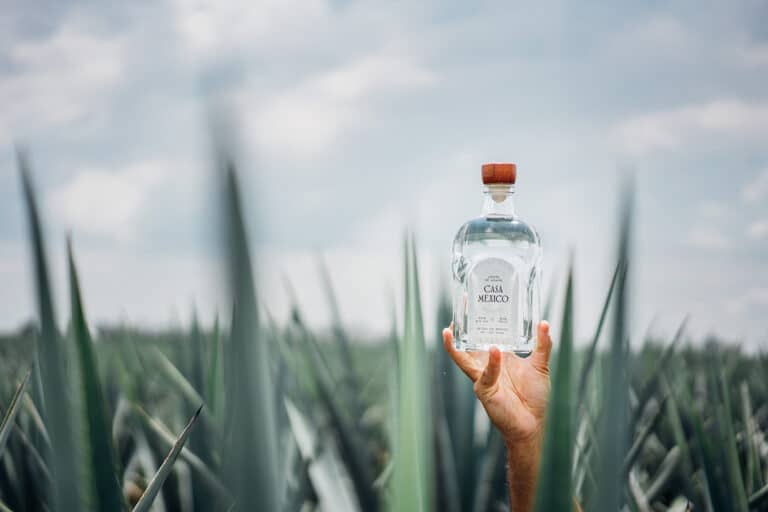
Agave plant harvesting starts long before a jimador touches a blade. Agave plant harvesting depends on years of growth stored inside the piña, the dense core that holds sugar used during fermentation. Blue Weber agave, the variety closely linked to tequila production, takes eight to 12 years to mature. Jimadores strip the spiky leaves using a coa, a flat blade fixed onto a long wooden handle. The exposed piña reveals size, color, and density, three signs jimadores use to judge readiness. Farms across Jalisco, Mexico, remain long-recognized sources of mature agave.
Timing plays a defining role in the harvest outcome. Early removal of the quiote, the tall flowering stalk that rises near maturity, redirects stored energy back into the piña, raising sugar concentration before cutting begins. Piñas harvested too early yield lower sugar levels, weakening flavor during distillation. Piñas left too long risk losing structure and developing woody fibers, which reduce usable yield. Distilleries measure sugar levels through Brix readings, a scale used to gauge dissolved sugar inside the plant. Casa Mexico Tequila sources agave harvested at peak maturity, a practice reflected directly inside the finished bottle.
What is Agave Plant Harvesting?
Agave plant harvesting is the process of collecting mature agave plants by removing the leaves and extracting the piña, the central core used for tequila and other agave-based spirits. Jimadores harvest using a coa, a sharp blade mounted on a long wooden handle. Selection happens after the plant reaches full maturity, a stage that raises sugar content stored inside the piña. Blue Weber agave, the variety linked to tequila production, takes eight to 12 years to reach that maturity level.
Correct timing shapes fermentation efficiency, alcohol yield, and flavor quality inside the finished spirit. Piñas cut too early carry lower sugar concentration, weakening distillation results. Piñas left past peak maturity develop woody fiber, lowering usable yield during processing. Distilleries measure sugar levels through Brix readings, a scale tracking dissolved sugar inside the plant. Jimadores rely on years of field experience to judge piña readiness by its size, color, and density. Casa Mexico Tequila sources agave cut at peak maturity, a standard central to understanding What is Agave in tequila production.
Why is Agave Harvested?
Agave is harvested to collect the piña, the dense core holding natural sugars needed for fermentation and alcohol production. Jimadores wait until the plant reaches full maturity, a stage marked by the piña’s peak sugar concentration. Blue Weber agave, the variety central to tequila production, reaches the stage after eight to 12 years of growth. Cutting too early leaves sugar levels low, weakening fermentation results and reducing alcohol yield. Cutting too late allows woody fiber to develop, lowering usable mass during processing. Distilleries track sugar concentration through Brix readings, a scale measuring dissolved sugar inside the plant. Correct timing shapes flavor development, alcohol yield, and finished quality across tequila and other agave-based products. Farms across Jalisco, Mexico, follow the maturity standard closely, a practice Casa Mexico Tequila maintains through careful field selection before each harvest cycle begins.
Is Every Agave Plant Harvested the Same Way?
No, every agave plant is not harvested the same way. Jimadores adjust their technique based on the variety, since Blue Weber agave differs structurally from the Espadín or Tobalá varieties used in other spirits. Piña size varies across types, requiring different leaf-trimming depth during the coa process. Soil condition and altitude shape harvesting method, since highland plants develop denser cores than their lowland counterparts. Farms in Jalisco, Mexico, apply techniques suited to Blue Weber agave specifically, prioritizing sugar concentration over piña size alone. Timing differs, too, since some varieties mature within six years while others take over a decade to reach peak readiness. Casa Mexico Tequila follows harvesting methods matched precisely to Blue Weber agave, ensuring consistency across each batch collected for production.
When is an Agave Plant Ready to Harvest?
An agave plant is ready to harvest when it reaches full maturity and stores the highest sugar concentration inside the piña. Blue Weber agave, the variety used in tequila production, matures within six to 10 years, a range shaped by species and growing conditions. Jimadores judge readiness through visual signs, tracking piña size, leaf color, and stalk development before cutting begins. The quiote, the tall flowering stalk that rises near maturity, signals a critical shift, since farmers remove it early to redirect stored energy back into the piña.
Sugar accumulation reaches peak levels shortly after that redirection occurs, a window that jimadores monitor closely through field inspection. Harvesting during that window supports stronger fermentation, raising alcohol yield across the distillation process. Distilleries measure sugar concentration through Brix readings, a scale tracking dissolved sugar inside the plant. Farms across Jalisco, Mexico, apply the maturity standard consistently, timing cuts to match peak readiness rather than fixed calendar dates. Casa Mexico Tequila sources agave harvested precisely at the stage, a standard reflected in the finished spirit’s flavor and quality.
Meet Our Maestra Tequilera
Casa México Tequila is crafted under the guidance of world-renowned Maestra Tequilera Ana María Romero Mena. With decades of experience creating acclaimed tequilas and mentoring future generations of distillers, she brings both deep tradition and thoughtful innovation to the brand. From agave selection to distillation and aging, her expertise ensures every expression reflects authenticity, precision and exceptional quality.

How can You Tell if Agave Is Mature?
You can tell agave is mature by checking age, size, sugar content, and visible signs of growth. Jimadores inspect large, fully developed leaves as a first indicator, since immature plants carry thinner, shorter leaf structures. Piña size offers a second signal, since fully mature cores reach substantial mass matched to the specific variety being grown. Blue Weber agave, the type used across tequila production, reaches harvest age between six and 10 years. Sugar concentration rises sharply near maturity, a change that jimadores confirm through Brix readings, a scale tracking dissolved sugar inside the plant.
Accurate identification protects fermentation quality further down the production line. Cutting agave too early lowers sugar content, weakening alcohol yield during distillation. Cutting too late allows fiber to toughen, reducing usable mass inside the piña. Farms across Jalisco, Mexico, rely on jimador expertise built through years of field observation rather than fixed calendar timing. Casa Mexico Tequila applies the maturity indicators consistently, ensuring agave enters production with maximum flavor potential and processing efficiency intact.
Does the Agave Variety Affect Harvest Time?
Yes, the agave variety affects harvest time. Blue Weber agave matures within six to 10 years under typical growing conditions, a timeline central to tequila production. Espadín agave reaches maturity in seven to eight years, a pace common across mezcal production. Tobalá agave takes considerably longer, sometimes exceeding a decade before reaching full maturity, since the variety grows wild rather than cultivated. Increasing altitude and soil composition shift the timing further, since highland plants develop denser piñas more slowly than lowland varieties. Farms across Jalisco, Mexico, adjust harvest schedules based on the specific variety planted across each field. Casa Mexico Tequila sources Blue Weber agave exclusively, timing each harvest to match maturity benchmarks proven to deliver consistent sugar concentration and flavor quality.
How is Agave Harvested?
Agave is harvested by cutting away the leaves and removing the piña, the central core containing fermentable sugars. Jimadores use a coa, a sharp blade fixed onto a long wooden handle, to trim leaves close to the core. Precise cutting minimizes waste while preserving the piña’s structure before cooking. Blue Weber agave, the variety central to tequila production, requires careful trimming since damage to the core lowers usable mass during processing. Farms across Jalisco, Mexico, train jimadores through years of hands-on field experience rather than formal instruction alone.
Proper technique prepares the piña directly for the cooking and fermentation stages ahead. Piñas are moved to ovens or autoclaves shortly after cutting, where stored starches are converted into fermentable sugars by heat. Poor trimming leaves excess leaf fiber attached, slowing the conversion process during cooking. Clean cuts protect sugar concentration, supporting stronger fermentation and higher alcohol yield later on. Casa Mexico Tequila relies on jimador precision at each harvest, a standard that shapes flavor and quality across the finished spirit.
What Tools Are Used to Harvest Agave?
Specialized tools support agave harvesting from the field to the processing stage. Jimadores rely on each tool for a specific task, ensuring precision throughout the cutting and trimming process.
The tools used to harvest agave are listed below.
- Coa: A flat, sharp blade fixed to a long wooden handle. Jimadores use it to strip leaves and separate the piña from the root.
- Machete: The machete acts as a secondary cutting tool for trimming stray leaf fiber. Sharper models allow cleaner cuts near the piña surface.
- Barreta: A metal digging bar used to loosen soil around the root base. Jimadores apply it before extracting mature piñas from the ground.
- Wheelbarrow or cart: A wheelbarrow or cart transports harvested piñas from the field to processing sites. Farms across Jalisco, Mexico, rely on it for efficient movement across large plots.
Can Agave Be Harvested by Hand?
Yes, agave can be harvested by hand. Jimadores perform the entire process manually, using a coa to strip leaves and separate the piña from the root. Manual harvesting allows precise control over cutting depth, protecting piña structure from unnecessary damage. Blue Weber agave requires care, as bruised or cut cores lose sugar concentration during storage. Machinery struggles to match manual precision, given the irregular size and shape of separate plants across a field. Farms across Jalisco, Mexico, continue relying on hand harvesting despite the labor required, prioritizing quality over speed. Casa Mexico Tequila sources agave harvested entirely by hand, preserving core integrity before cooking and fermentation.
How does Blue Weber Agave Compare With Other Agave Varieties?
Agave varieties differ from one another through maturity time, sugar content, and regional use. Comparing each variety highlights why definite types suit tequila production while others serve mezcal, pulque, or fiber industries instead.
The comparison of Blue Weber Agave with other varieties is listed below.
- Blue Agave Plant: Tequila production relies exclusively on a variety storing high sugar concentration inside a dense piña, maturing within six to 10 years, known as the Blue Agave Plant.
- Espadín agave: Espadín agave reaches maturity within seven to eight years, slightly faster than Blue Weber. Mezcal production uses Espadín due to its adaptable growing conditions.
- Tobalá agave: Tobalá agave grows wild across mountainous terrain, exceeding a decade before reaching full maturity. Smaller piña size limits yield compared to cultivated varieties.
- Salmiana agave: Salmiana agave takes over a decade to mature, developing a large piña suited for pulque fermentation. Central Mexico grows the Salmiana variety across high-altitude regions.
- Henequen agave: Henequen agave prioritizes fiber production over sugar content, grown for rope and textile use. Harvest cycles focus on leaf strength rather than piña development.
Why Is Blue Weber Agave Preferred for Tequila?
Blue Weber agave is preferred for tequila because it produces high levels of fermentable sugars alongside a balanced flavor profile. The piña stores dense sugar concentration after reaching maturity, supporting efficient fermentation across large production batches. Natural sweetness inside the core reduces the need for added sugars during processing. Mexican regulation restricts tequila production to the specific variety, reinforcing consistent quality across the industry.
Reliable cultivation across Jalisco, Mexico, gives Blue Weber agave a further advantage over less predictable varieties. Farmers refine growing techniques over generations, producing piñas with steady sugar yield year after year. Smooth, distinctive flavor develops through that consistency, distinguishing tequila from spirits made using wild or hybrid agave types. Production standards remain steady partly because of the reliability, a quality reflected directly across each bottle produced by Casa Mexico Tequila.
Is Blue Weber Agave Used Only for Tequila?
No, Blue Weber agave is not only used for tequila. Distillers use surplus piñas to produce agave syrup, a natural sweetener extracted through similar cooking methods. Fiber from the leaves finds use in rope-making and textile production across smaller regional operations. Livestock feed producers repurpose leftover plant material after piña extraction, reducing waste across harvest cycles. Cosmetic manufacturers extract agave-derived compounds for use in skincare formulations, drawing on the plant’s natural sugars and moisture content. Tequila production remains the dominant use across Jalisco, Mexico, given strict regulation limiting the spirit to the specific variety. Casa Mexico Tequila sources agave dedicated exclusively to tequila, reserving the highest-grade piñas for spirit production alone.
What Happens After Agave Is Harvested?
After agave is harvested, workers transport the piñas to a production facility for cleaning and preparation. Facility staff removes dirt, remaining leaf fiber, and root fragments before cooking begins. Blue Weber agave piñas enter ovens or autoclaves shortly after arrival, since delays risk sugar loss through fermentation starting too early. Cooking converts stored carbohydrates into fermentable sugars, a transformation required before extraction takes place.
Steam or dry heat softens the piña structure, breaking down complex starches into simple sugars. Crushing or shredding follows immediately after cooking, releasing sweet juice used during fermentation. Distilleries across Jalisco, Mexico, time each step closely, since delays between cooking and crushing lower sugar yield. Fermentation begins soon after juice extraction, converting sugars into alcohol ahead of distillation. Casa Mexico Tequila follows the sequence closely, protecting flavor and quality across each stage of production.
How is Harvested Agave Prepared for Processing?
Harvested agave is prepared through trimming, cleaning, and cooking before fermentation begins. Workers remove remaining leaf fiber and root fragments from each piña immediately after arrival at the facility. Cleaning removes dirt and debris picked up during field harvesting and transport. Cooking follows next, using ovens or autoclaves to convert stored carbohydrates into fermentable sugars. Softened piñas move to crushing or shredding equipment shortly after cooking finishes. Extraction releases sweet juice used directly during fermentation, the stage that converts sugar into alcohol. Proper preparation raises sugar extraction efficiency, supporting stronger fermentation results later in production. Quality across the finished spirit depends heavily on precision during the preparation stage, a standard that distilleries across Jalisco, Mexico, maintain closely.
Can Freshly Harvested Agave Be Used Right Away?
No, freshly harvested agave cannot be used right away. Piñas require cleaning first, removing dirt and remaining leaf fiber picked up during field cutting. Cooking follows cleaning, converting stored carbohydrates into fermentable sugars through steam or dry heat exposure. Raw piñas lack fermentable sugar in usable form, since starches remain locked inside the core until heat breaks them down. Skipping cooking prevents fermentation from starting altogether, halting production before it begins. Facilities across Jalisco, Mexico, schedule cooking shortly after harvest, minimizing delay between field cutting and processing. Casa Mexico Tequila maintains strict timing between stages, preserving sugar content and flavor potential in each batch.
What Affects the Quality of Harvested Agave?
Harvested agave quality depends on conditions present long before cutting begins. Field practices, environmental factors, and post-harvest handling each shape sugar content and flavor potential. Recognizing the factors clarifies why finished tequila varies in taste and consistency across different batches.
The factors that affect the quality of harvested agave are listed below.
- Maturity at harvest: Piñas cut before reaching full maturity carry lower sugar concentration. Overripe piñas develop woody fiber, reducing usable mass during cooking.
- Growing conditions: Soil composition and altitude shape piña density and sugar accumulation. Poor drainage or nutrient-poor soil slows healthy plant development.
- Harvesting technique: Clean cuts protect piña structure, preventing sugar loss through bruising or damage. Rough handling during trimming lowers usable mass before processing begins.
- Transport and storage time: Delays between cutting and cooking allow early fermentation to start unintentionally. Extended storage exposes piñas to moisture, encouraging spoilage before processing.
- Water availability: Consistent rainfall or irrigation supports steady sugar buildup inside the piña. Drought conditions slow growth, leading to smaller cores with reduced sugar mass.
- Pest and disease exposure: Weevil infestation damages internal piña tissue, lowering usable sugar content. Fungal infection weakens plant structure, shortening storage life after cutting.
- Genetic origin: Cloned agave plants share uniform genetic traits, producing consistent sugar levels across a field. Seed-grown agave shows greater variation, resulting in inconsistent maturity across a single plot.
How do Growing Conditions Influence Agave Harvest?
Growing conditions influence agave harvest by shaping plant growth rate, health, and sugar accumulation. Soil quality plays a defining role, since nutrient-rich soil supports denser piña development over time. Climate and rainfall levels affect hydration during growth, directly shaping sugar concentration inside the core. Altitude changes growth pace further, since highland plants develop slower yet reach higher sugar density.
Sunlight exposure supports photosynthesis, fueling carbohydrate storage inside the piña throughout the growth cycle. Favorable conditions across all four factors produce healthier plants reaching maturity with stronger sugar content. Farms across Jalisco, Mexico, monitor the conditions closely, adjusting irrigation and soil treatment where needed. Harvest quality and tequila production both depend heavily on the environmental factors staying within a favorable range throughout the growth period.
Does Harvest Timing Change Sugar Content?
Yes, harvest timing changes sugar content. Piñas cut before reaching full maturity carry lower sugar concentration, weakening fermentation efficiency later in production. Sugar levels rise sharply near maturity, reaching peak concentration shortly after the quiote, the flowering stalk, is removed early. Cutting past that peak window allows woody fiber to develop, reducing usable sugar mass inside the core. Distilleries track the window closely through Brix readings, a scale measuring dissolved sugar levels. Farms across Jalisco, Mexico, have harvest cycles around the peak rather than fixed calendar dates. Casa Mexico Tequila sources agave cut precisely within the window, ensuring maximum sugar content before cooking and fermentation.
What Should You Know About Growing and Harvesting Agave at Home?
Growing agave at home rewards patience, since the plant takes years to reach harvest readiness. A few core practices help home growers avoid common mistakes across planting, growth, and cutting stages. Reviewing the basics builds a stronger foundation before attempting a home harvest.
The things you should know about growing and harvesting agave at home are listed below.
- Soil and drainage: Agave requires well-draining soil to prevent root rot during growth. Sandy or rocky soil mixtures work best across most climates.
- Sunlight requirement: Agave requires full sun for healthy growth and sugar accumulation. Partial shade slows growth and weakens plant health.
- Maturity timing: Home-grown Blue Weber agave takes six to 10 years to reach harvest readiness. Smaller varieties mature faster, depending on the species selected.
- Spacing needs: Agave plants require adequate spacing to allow root systems room to expand. Crowded planting slows growth and increases competition for water and nutrients.
- Harvesting tools: A sharp blade or a coa works well for trimming leaves safely at home. Gloves and protective clothing reduce injury risk during the cutting process.
- Post-harvest handling: Piñas require prompt cleaning and cooking after cutting to preserve sugar content. Extended storage without proper cooking risks spoilage or unwanted fermentation.
How do You Harvest Agave Safely?
You harvest agave safely by wearing protective gear and using proper cutting tools throughout the process. Gloves protect hands from sharp leaf edges, while long sleeves guard against scratches during trimming. Eye protection reduces risk from flying debris when cutting close to the piña core. Sturdy footwear prevents injury from falling leaves or heavy piña sections during extraction. A sharp cutting tool (coa or machete) removes leaves cleanly without excessive force. Careful technique protects piña structure, preserving sugar content ahead of cooking and fermentation stages. Farms across Jalisco, Mexico, train workers extensively on safe cutting angles and tool handling. Following the safety steps prevents injury while maintaining harvested agave quality from the field to the facility.
Is Home Harvesting Practical for Every Agave Plant?
No, home harvesting is not practical for every agave plant. Larger varieties (mature Blue Weber agave) develop piñas weighing well beyond a manageable weight for a single person. Wild varieties, including Tobalá agave, grow across mountainous terrain unsuited for home cultivation entirely. Smaller ornamental varieties suit home harvesting better, given their manageable size and simpler tool requirements. Space limitations across residential yards further restrict cultivation of large commercial varieties. Farms across Jalisco, Mexico, remain better equipped for large-scale harvesting through specialized tools and trained labor. Home growers benefit most from smaller agave species suited to limited space and manageable harvest weight.