EN
EN ES
ES PL
PL TR
TR
Hosting a Tequila Tasting begins with selecting quality tequilas, organizing tasting materials, and following a structured tasting process that highlights appearance, aroma, flavor, and finish. Tequila Tasting creates an enjoyable gathering that introduces guests to tequila craftsmanship through guided comparisons of different styles and production methods.
A successful tasting combines education and entertainment through careful planning and responsible serving. Guests compare blanco, reposado, and añejo tequilas to recognize differences created by agave selection, distillation, and barrel aging. Proper glassware, palate cleansers, tasting notes, and a logical serving order improve consistency throughout the event.
Small sample sizes encourage thoughtful evaluation without overwhelming the palate. Group discussions strengthen the experience by allowing participants to compare observations and learn from different perspectives. A structured tasting helps beginners and experienced enthusiasts identify aromas, flavors, body, and finish while developing a deeper appreciation for authentic tequila.
What is a Tequila Tasting?
A tequila tasting is a guided evaluation of different tequilas, focusing on appearance, aroma, flavor, body, and finish. The process follows a consistent method that allows participants to compare each tequila under similar conditions.
A structured tasting begins with a visual inspection, followed by aromas and flavors evaluated in small sips. Each stage reveals characteristics influenced by agave quality, fermentation, distillation, maturation, and barrel aging. Blanco tequila highlights fresh agave notes, reposado develops light oak influence, and añejo displays deeper vanilla, caramel, and spice characteristics.
Comparing several tequilas strengthens understanding of production methods and flavor development. Consistent serving temperatures, identical glassware, and measured pours improve accuracy during each evaluation. Guests recognize similarities and differences more easily through direct comparison rather than tasting a single bottle. A structured tasting transforms casual sampling into an educational experience that develops appreciation for tequila production and craftsmanship.
Why do People Host Tequila Tastings?
People host tequila tastings to explore different tequila styles, learn about production methods, and share the experience with friends, family, or fellow enthusiasts. Guided comparisons help guests recognize differences in aroma, flavor, texture, and finish across multiple expressions.
A tasting introduces participants to blanco, reposado, and añejo tequila through a logical serving order that progresses from lighter to richer flavor profiles. Discussion encourages guests to compare tasting notes while identifying characteristics created through agave selection, distillation, and barrel maturation. Small pours maintain focus on evaluation rather than consumption.
Meet Our Maestra Tequilera
Casa México Tequila is crafted under the guidance of world-renowned Maestra Tequilera Ana María Romero Mena. With decades of experience creating acclaimed tequilas and mentoring future generations of distillers, she brings both deep tradition and thoughtful innovation to the brand. From agave selection to distillation and aging, her expertise ensures every expression reflects authenticity, precision and exceptional quality.

The event combines education with social interaction through structured conversation and shared observations. Guests develop greater confidence when describing aromas, flavors, and finishes after comparing multiple samples. A well-organized tequila tasting creates lasting appreciation for craftsmanship while encouraging responsible enjoyment of premium spirits.
Is a Tequila Tasting Only for Tequila Experts?
No, a tequila tasting is not only for tequila experts. Beginners and experienced drinkers benefit from the same structured tasting process.
Simple guidance helps new participants identify color, aroma, flavor, body, and finish without requiring technical knowledge. Tasting notes, discussion, and side-by-side comparisons improve understanding of different tequila styles. Small sample sizes create a comfortable learning environment while encouraging responsible consumption.
How do you Plan a Tequila Tasting Party?
Planning a tequila tasting party involves selecting guests, choosing tequila expressions, preparing tasting supplies, and organizing the serving order before the event begins. Careful preparation creates a smooth schedule that allows every participant to focus on comparing each sample.
A guest list from six to 12 participants encourages discussion without making the event difficult to manage. Three to five tequila expressions provide meaningful comparisons while limiting palate fatigue. Serving blanco before reposado and añejo creates a natural progression from lighter to richer flavors. Equal sample sizes improve consistency throughout the tasting.
Preparation includes identical tasting glasses, water, plain crackers, tasting note cards, pens, and adequate lighting for visual evaluation. Comfortable seating and sufficient table space improve organization during each tasting round. A clear schedule keeps the event moving at a relaxed pace while allowing enough time for discussion after each sample.
What Should You Prepare Before Guests Arrive?
Hosts should prepare the tasting area, tequila bottles, glassware, palate cleansers, water, and tasting materials before guests arrive. Preparation reduces interruptions and keeps the tasting organized from the first sample to the last.
Arrange bottles in serving order before guests enter the tasting area. Place identical glasses, tasting cards, pens, water, and plain crackers at every seat. Good lighting supports color evaluation, whereas a clean, odor-free room improves aroma assessment. Labels remain visible unless blind tasting is planned.
Preparation allows guests to focus on comparing tequila rather than waiting for supplies or instructions. Organized materials create a smoother experience while improving discussion and note-taking throughout the event.
Do you need a Theme for a Tequila Tasting?
No, a tequila tasting does not require a theme. A clear tasting objective provides enough structure for an enjoyable event.
A theme strengthens the experience through focused comparisons (blanco tequila, aged tequila, highland tequila, additive-free tequila, single distillery expressions). Themed tastings encourage deeper discussion while limiting unnecessary bottle selection. A simple format remains equally effective when the goal centers on learning and comparing tequila styles.
Which Tequilas Should You Serve?
Selecting three to five well-chosen tequilas creates a balanced tasting that highlights different production styles, aging methods, and flavor profiles. A varied lineup allows guests to compare aroma, body, finish, and complexity without creating palate fatigue.
- Blanco Tequila: Blanco tequila showcases the pure character of cooked Blue Weber agave with fresh herbal, citrus, pepper, and mineral notes. The style introduces the distillery’s production quality without barrel influence.
- Reposado Tequila: Reposado tequila matures in oak barrels from 2 to 12 months. Light oak aging develops vanilla, caramel, honey, and spice while preserving agave flavor.
- Añejo Tequila: Añejo tequila ages in oak barrels from 1 to 3 years. Longer maturation creates deeper notes of oak, dried fruit, chocolate, caramel, and baking spices.
- Extra Añejo Tequila: Extra añejo tequila matures for more than 3 years. Extended aging produces a richer texture with pronounced oak, vanilla, cocoa, tobacco, and roasted nut characteristics.
- Cristalino Tequila: Cristalino tequila begins as an aged tequila before charcoal filtration removes the color. The style combines oak-derived flavors with the appearance of a clear spirit.
How Many Types of Tequila Should You Include in a Tequila Tasting?
A tequila tasting should include three to five different tequilas. The range provides meaningful comparisons without overwhelming the palate. Three expressions introduce the major tequila categories through blanco, reposado, and añejo. Four or five expressions expand the comparison by adding extra añejo, cristalino, single-barrel, or additive-free tequila. A focused selection highlights differences in aroma, flavor, texture, and finish more effectively than a large collection.
Serve samples from the lightest style to the richest style. The sequence preserves palate sensitivity and allows guests to recognize gradual changes created through barrel maturation. Small tasting pours encourage careful evaluation throughout the event. Additional guidance appears in Tequila Tasting.
Should you offer Blanco, Reposado, and Añejo Tequila?
Yes, you should offer blanco, reposado, and añejo tequila. The three expressions represent the primary aging categories recognized for tequila.
Blanco highlights fresh agave character without oak influence. Reposado introduces light barrel notes while maintaining noticeable agave flavor. Añejo demonstrates the effect of extended oak maturation through deeper vanilla, caramel, and spice characteristics. Side-by-side comparisons help guests recognize how aging changes aroma, flavor, body, and finish. Additional information appears in understanding the difference between Blanco, Reposado, and Añejo Tequila.
What do You Need for a Successful Tequila Tasting?
A successful tequila tasting requires suitable glassware, tasting supplies, palate cleansers, and an organized serving area. Proper preparation improves consistency and allows guests to evaluate every tequila under similar conditions.
The things you need for a successful tequila tasting are listed below.
- Tasting Glasses: Identical glasses provide consistent aroma concentration and appearance evaluation. Tequila glasses, copitas, or Glencairn glasses support detailed sensory analysis.
- Water: Room-temperature water refreshes the palate and supports aroma perception throughout the tasting.
- Plain Crackers: Unsalted crackers remove lingering flavors before the next sample. Neutral foods preserve tasting accuracy.
- Tasting Note Cards: Note cards allow guests to record appearance, aroma, flavor, body, finish, and personal observations for each tequila.
- Pens: Individual pens simplify note-taking during every tasting round.
- Spittoons or Dump Buckets: Dedicated containers allow guests to evaluate several samples without consuming every pour.
- Serving Mat or Numbered Display: Organized bottle placement keeps the tasting order clear and reduces confusion.
Which Glasses and Supplies Work Best?
Proper glasses and tasting supplies improve aroma evaluation, flavor comparison, and event organization.
The glasses and supplies that work best for Tequila tasting are listed below.
- Copita Glasses: Narrow openings concentrate aromas while allowing gentle swirling before tasting.
- Glencairn Glasses: Tulip-shaped bowls direct aromas toward the nose, improving sensory evaluation.
- Water Glasses: Separate water glasses prevent flavor carryover from tequila samples.
- Plain Crackers: Neutral crackers cleanse the palate without introducing competing flavors.
- Tasting Sheets: Structured evaluation forms organize notes for appearance, aroma, taste, body, and finish.
- Pens: Personal note-taking encourages discussion after every tasting round.
- Bottle Markers: Numbered bottles maintain serving order during guided or blind tastings.
Do you Need Water and Crackers Between Tastings?
Yes, you need water and crackers between tastings. Palate cleansers reduce flavor carryover from one tequila to the next.
Room-temperature water removes lingering alcohol while maintaining aroma sensitivity. Plain unsalted crackers absorb remaining flavors without introducing sweetness or seasoning. Short breaks between samples improve taste accuracy and reduce palate fatigue during guided comparisons.
How Should You Taste Tequila?
You should taste tequila by following a structured evaluation of appearance, aroma, flavor, body, and finish. A consistent process produces reliable comparisons across different tequila styles while improving appreciation of craftsmanship and production quality.
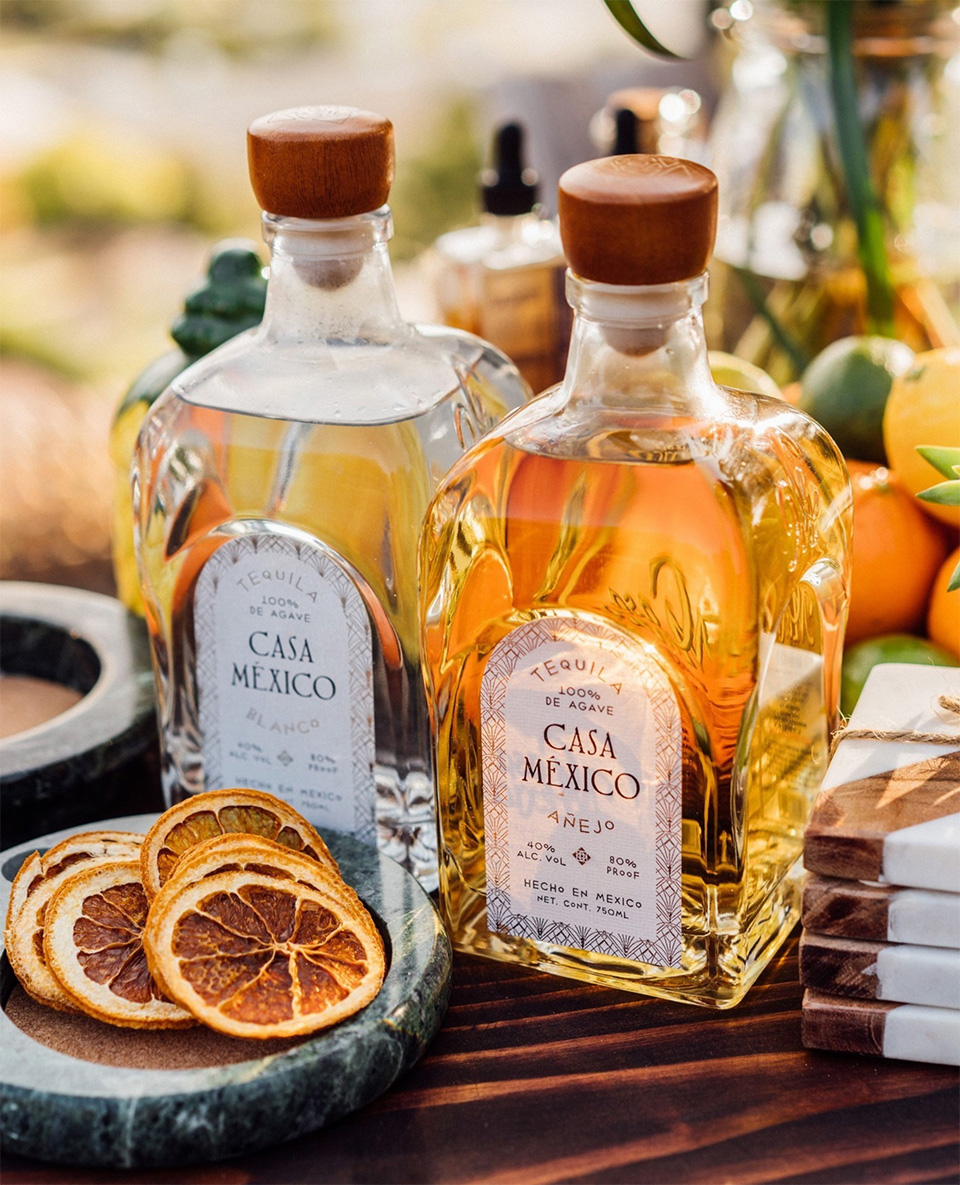
Begin by observing the tequila in a clear tasting glass under good lighting. Color indicates the influence of barrel aging, whereas clarity reflects filtration and production quality. Blanco tequila appears clear, reposado develops a pale golden hue, and añejo displays deeper amber tones.
Swirl the glass gently before smelling the tequila. Short, controlled inhalations reveal aromas (cooked agave, citrus, vanilla, pepper, caramel, oak, herbs). Take a small sip and allow the tequila to coat the tongue before swallowing. Evaluate sweetness, acidity, bitterness, spice, body, and texture during the tasting. The finish measures how long pleasant flavors remain after swallowing. Consistent evaluation makes flavor differences easier to identify across multiple samples. Additional information appears in Tequila Flavors.
What Steps Help You Evaluate Each Tequila?
Evaluating tequila follows a consistent sequence that highlights the unique characteristics of every sample.
The steps to help you evaluate each Tequila are listed below.
- Observe the Appearance: Examine the color, clarity, and viscosity under good lighting. Tears or legs indicate texture rather than quality.
- Smell the Aroma: Swirl the glass gently, then take short inhalations. Identify aromas (agave, citrus, herbs, vanilla, caramel, oak, pepper).
- Take a Small Sip: Allow the tequila to coat the entire tongue before swallowing. Slow tasting reveals balanced sweetness, spice, acidity, and texture.
- Evaluate the Body: Notice the tequila’s weight and mouthfeel. Light, medium, and full-bodied expressions create different tasting experiences.
- Assess the Finish: Observe how long the flavors remain after swallowing. A longer finish often reveals additional layers of aroma and flavor.
- Record Tasting Notes: Write observations after every sample. Consistent notes simplify comparisons throughout the tasting.
Should you Sip Tequila Instead of Taking Shots?
Yes, you should sip tequila instead of taking shots during a tequila tasting. Slow sipping reveals aroma, flavor, body, and finish more effectively than rapid consumption.
Small sips allow the tequila to coat the palate before swallowing. The process highlights characteristics developed through agave cultivation, fermentation, distillation, and barrel aging. Taking shots emphasizes alcohol strength while limiting flavor evaluation. Slow tasting supports accurate comparisons across multiple tequila expressions.
What Foods Pair Best With a Tequila Tasting?
Light, fresh foods complement tequila without masking aroma or flavor. Balanced pairings refresh the palate while highlighting the distinctive characteristics of each tequila style.
Foods that pair best with a Tequila Tasting are listed below.
- Fresh Citrus: Lime, orange, and grapefruit provide bright acidity that complements agave flavors.
- Mild Cheeses: Queso fresco, mozzarella, and young Gouda contribute a creamy texture without overwhelming the palate.
- Seafood: Shrimp, ceviche, oysters, and grilled fish pair well with blanco and reposado tequila.
- Dark Chocolate: Chocolate containing 60% to 70% cacao complements añejo and extra añejo tequila through roasted and caramel notes.
- Roasted Nuts: Almonds, pecans, and walnuts add texture while matching oak-aged expressions.
- Fresh Fruit: Pineapple, mango, melon, and berries provide natural sweetness that balances tequila flavors.
Which Snacks Complement Different Tequila Styles?
Different tequila styles pair well with different snacks that complement their flavor profiles.
The common pairings for different tequila styles are listed below.
- Blanco Tequila: Ceviche, tortilla chips, guacamole, citrus slices, and fresh salsa emphasize bright agave and citrus notes.
- Reposado Tequila: Mild cheeses, roasted almonds, grilled shrimp, and smoked meats complement light oak and vanilla flavors.
- Añejo Tequila: Dark chocolate, caramel desserts, toasted pecans, and aged cheeses pair well with deeper oak and spice characteristics.
- Extra Añejo Tequila: Premium dark chocolate, dried figs, roasted hazelnuts, and blue cheese support rich barrel-aged flavors.
Can Food Improve the Tasting Experience?
Yes, food improves the tasting experience. Proper pairings refresh the palate while highlighting different aroma and flavor characteristics.
Neutral foods reduce flavor carryover between samples. Complementary pairings strengthen sweetness, spice, citrus, or oak notes without dominating the tequila. Balanced food selections create more accurate comparisons throughout the tasting session.
What are the Benefits and Challenges of Hosting a Tequila Tasting?
Hosting a tequila tasting offers an educational and social way to explore different tequila styles. Successful events require thoughtful planning, organized presentation, and responsible serving to create a rewarding experience for every guest. A guided tasting helps participants compare blanco, reposado, añejo, and other tequila expressions under consistent conditions.
Side-by-side evaluation strengthens recognition of aroma, flavor, body, and finish while introducing the influence of agave, distillation, and barrel aging. Group discussion encourages guests to exchange tasting notes and develop greater confidence when describing each tequila.
Planning presents several challenges. Hosts select suitable tequilas, organize the tasting order, prepare enough glassware, and provide palate cleansers for every participant. Excessive samples reduce tasting accuracy through palate fatigue, whereas inconsistent serving temperatures affect aroma and flavor perception. Responsible sample sizes maintain the educational purpose throughout the event.
Preparation improves the overall experience through organized materials, balanced pacing, and a comfortable environment. A structured tasting allows guests to appreciate tequila craftsmanship while creating an enjoyable gathering centered on learning and conversation.
How can You Make the Event More Enjoyable?
You can make tequila tasting more enjoyable by organizing, involving guests, and creating a comfortable setting. Careful preparation encourages discussion while helping guests compare every tequila with confidence.
Arrange tequilas from blanco to extra añejo to create a logical tasting progression. Provide tasting guides, note cards, pens, water, and plain crackers before the first sample. Equal pours improve consistency throughout the event.
Encourage guests to describe aromas, flavors, body, and finish after every tasting. Open discussion introduces different perspectives without influencing individual observations before tasting. Short breaks refresh the palate and maintain attention across multiple samples.
Complementary foods (mild cheeses, fresh fruit, roasted nuts, dark chocolate) strengthen the tasting experience without masking tequila flavors. Relaxed pacing, comfortable seating, and good lighting create an environment that supports learning, conversation, and responsible enjoyment.
Is a Tequila Tasting Suitable for Beginners?
Yes, a tequila tasting is suitable for beginners. A structured format introduces tequila through simple comparisons rather than technical expertise.
Three to five carefully selected tequilas provide enough variety without overwhelming new participants. Guided evaluation of appearance, aroma, flavor, body, and finish develops confidence during every sample. Small tasting pours, tasting notes, and open discussion create a comfortable learning experience while encouraging responsible appreciation of tequila.