EN
EN ES
ES PL
PL TR
TR
The Best Tequila for Margaritas starts with a 100% agave blanco expression, delivering a clean, crisp profile that blends smoothly with lime juice and orange liqueur. The best tequila for Margaritas selection depends on agave quality, distillation method, and freshness, each factor shaping the cocktail’s final balance. Blanco tequila retains raw agave sweetness alongside pepper notes, creating a bold, sharp base suited to citrus-forward drinks. Reposado tequila rests in oak barrels from 2 to 12 months, adding vanilla and caramel undertones without covering the agave character. Añejo tequila ages longer, from 1 to 3 years, producing a smoother spirit suited to sipping or premium margarita variations.
Cristalino tequila filters aged spirits through charcoal, removing color while keeping smooth, aged flavor intact for refined cocktails. High-proof reposado tequila has an ABV above 40%, delivering a bolder kick alongside oak-aged depth. Margarita quality varies with the tequila type poured, as agave concentration and aging time affect sweetness, spice, and smoothness. Bartenders across Mexico and the United States favor blanco tequila for classic margaritas, reserving reposado and añejo for sipping-style variations. Casa Mexico Tequila produces five distinct expressions, giving margarita makers options suited to fresh, aged, or bold cocktail styles.
1. Blanco
Blanco tequila undergoes no aging process, bottling directly after distillation to preserve raw agave flavor. Agave sugars, cooked in traditional ovens or autoclaves, create sharp, peppery notes that are present in each blanco pour. Silver or plata labels are common on blanco bottles, denoting the same unaged spirit style. Alcohol content ranges from 35% to 55% ABV, though commercial blanco tequilas cluster near 40% ABV. Fresh citrus and agave sweetness make blanco tequila a preferred base for margaritas, since aging barrels add flavors competing with lime. Learn more about the production process behind What is Blanco Tequila.
2. Reposado
Reposado tequila rests in oak barrels for 2 to 12 months, gaining color and flavor absent from unaged blanco tequila. Oak contact introduces vanilla, caramel, and light spice notes, softening the sharp agave profile found in blanco expressions. The golden color distinguishes reposado tequila from clear blanco tequila, indicating that the aging process is complete before bottling. Margaritas made with reposado tequila have a rounder, smoother finish, appealing to drinkers who prefer less bite from citrus and agave. Comparing barrel-aged character against fresh agave flavor helps drinkers choose between Reposado vs Blanco.
3. Añejo
Añejo tequila ages in oak barrels for 1 to 3 years, producing a deeper color and a smoother, richer taste. Extended barrel contact draws out notes of dried fruit, chocolate, and toasted wood, replacing the sharp agave bite found in blanco tequila. Sipping añejo tequila straight remains common practice, though premium margarita recipes sometimes call for a small añejo addition. Cost per bottle rises alongside aging time, with añejo tequila often priced from [$40 to $150] depending on the brand. Reviewing Añejo Tequila explains the flavor gap separating blanco, reposado, and añejo styles.
4. Cristalino
Cristalino tequila starts as aged añejo or extra añejo spirit, filtered through charcoal or other media to strip color. Filtration removes pigment while preserving oak-derived flavor, resulting in a clear spirit carrying aged complexity. Vanilla, caramel, and light oak notes remain present despite the clear appearance, distinguishing cristalino from unaged blanco tequila. Margaritas made with cristalino tequila combine the smoothness of aging with the light, crisp look associated with blanco cocktails. Premium bars increasingly feature cristalino tequila on cocktail menus, reflecting rising demand for smooth, visually clean spirits.
5. High Proof Reposado
High-proof reposado tequila has an alcohol content exceeding 40% ABV, often reaching 45% to 50% ABV, depending on the producer. Higher proof concentrates agave and oak flavors, delivering a bolder taste compared to standard 40% ABV reposado bottles. Bartenders use high-proof reposado tequila in margaritas, requiring a stronger backbone, balancing sweeter mixers (agave syrup, triple sec, flavored liqueurs). Dilution with ice affects high-proof tequila less severely, preserving cocktail flavor by slowing melting. Cocktail competitions often feature high-proof reposado tequila, showcasing bold flavor profiles standard-strength spirits cannot match.
What Makes a Good Tequila for Margaritas?
A good tequila for margaritas carries 100% agave content alongside a clean, balanced flavor profile. Fresh agave sweetness, bright citrus notes, and light pepper spice combine well with lime juice, creating a smooth cocktail base. Blanco tequila delivers these qualities most consistently, since no barrel aging interferes with fresh agave character. Reposado tequila offers a secondary option, adding vanilla and caramel notes for drinkers who prefer a rounder margarita flavor. Añejo tequila suits richer margarita variations, contributing dried fruit and chocolate notes atop a standard citrus base. NOM (Norma Oficial Mexicana) certification confirms authentic production, distinguishing genuine 100% agave tequila from mixto alternatives. Alcohol content between 38% and 40% ABV matches standard margarita specifications, balancing strength against citrus and sweetener. Quality checks (100% agave labeling, distillery reputation, NOM verification) help identify tequila suited to a well-balanced margarita.
Meet Our Maestra Tequilera
Casa México Tequila is crafted under the guidance of world-renowned Maestra Tequilera Ana María Romero Mena. With decades of experience creating acclaimed tequilas and mentoring future generations of distillers, she brings both deep tradition and thoughtful innovation to the brand. From agave selection to distillation and aging, her expertise ensures every expression reflects authenticity, precision and exceptional quality.

Which Flavor Notes Work Best in a Margarita?
Specific flavor notes align with lime juice and orange liqueur, creating balanced, refreshing margarita profiles.
The flavor notes best suited to margaritas are listed below.
- Citrus and Pepper: Citrus and pepper notes define blanco tequila, delivering sharp brightness alongside light spice. Fresh agave sugars produce these notes during distillation, before any barrel contact begins. Margaritas made with citrus-forward tequila taste crisp, appealing to drinkers seeking a traditional flavor profile.
- Vanilla and Caramel: Vanilla and caramel notes develop during oak barrel aging, present in reposado and añejo tequila. Barrel char releases sugars into the spirit, softening the sharp agave bite over 2 to 12 months. Margaritas made with vanilla-forward tequila carry a smoother, rounder finish.
- Earthy Agave: Earthy agave notes remain present across each tequila type, tracing back to the cooked piña (the heart of the agave plant) used during production. Roasted or steamed piñas release deep, vegetal flavors absorbed into the finished spirit. Margaritas, highlighting earthy agave flavor, pair well with simple, minimal-mixer recipes.
- Toasted Oak: Toasted oak notes intensify with barrel aging, becoming stronger in añejo and cristalino tequila. Charred barrel interiors transfer smoky, woody compounds into the spirit during storage. Margaritas built around toasted oak flavor suit drinkers preferring bold, dessert-like cocktails.
Does 100% Agave Always Make a Better Margarita?
Yes, 100% agave tequila makes a better margarita than mixto tequila blended with other sugars. Blue agave plants (the source of authentic tequila) require 6 to 8 years to mature before harvest, concentrating natural sugars unmatched by shortcuts. Mixto tequila, containing as little as 51% agave, often carries added caramel color, glycerin, or sugar-based additives masking flavor gaps. Margaritas made with 100% agave tequila taste cleaner, avoiding the artificial sweetness found in lower-quality mixto bottles. Reviewing the Blue Agave Plant explains why maturation time affects final spirit quality.
How do Different Tequila Types Change the Taste of a Margarita?
Different tequila types change the margarita taste through aging time, alcohol content, and flavor compounds absorbed from oak barrels. Blanco tequila creates bright, citrus-forward margaritas, while reposado and añejo tequila add caramel, vanilla, and toasted wood depth. Reposado tequila, aged from 2 to 12 months, softens sharp agave notes without fully masking the spirit’s natural character. Añejo tequila, aged 1 to 3 years, shifts flavor toward dried fruit and chocolate, suited to richer margarita variations. Cristalino tequila blends aged smoothness with a lighter, cleaner profile, altering texture perception without altering core aging flavor. Alcohol content variations (38% ABV to 50% ABV) shift how strongly tequila flavor comes through against sweeter mixers. Higher proof expressions resist dilution better, keeping tequila flavor identifiable across frozen or heavily iced margarita styles. Exploring the Types of Tequila breakdown shows how each style shifts the final cocktail flavor.
Which Tequila Expressions Deliver the Smoothest Margarita Flavor?
Reposado and añejo tequila expressions deliver the smoothest margarita flavor, due to oak aging softening sharp agave notes. Barrel contact from 2 months to 3 years mellows spice, replacing it alongside vanilla, caramel, and light char flavor. Cristalino tequila offers a similar smoothness, filtered clear, despite carrying the aged character of añejo or extra añejo barrels. Margaritas built around smooth tequila expressions suit drinkers who avoid sharp, peppery blanco flavors. Bartenders recommend reposado tequila most often for smooth, crowd-friendly margarita recipes.
Can Aged Tequila Create a Richer-Tasting Margarita?
Yes, aged tequila creates a richer-tasting margarita because oak barrel compounds add depth that’s absent from unaged blanco tequila. Añejo tequila, aged 1 to 3 years, contributes dried fruit, chocolate, and toasted wood flavor to the finished cocktail. Reposado tequila offers a lighter version of this richness, aging only 2 to 12 months before bottling. Margaritas made with aged tequila pair well with premium mixers (agave nectar, fresh orange juice, artisanal orange liqueur). Richness from aging suits sipping-style margaritas more than fast, high-volume cocktail service.
How can you Balance Tequila Flavor with Margarita Ingredients?
Tequila flavor balances the margarita ingredients through careful control of the ratio among spirit, citrus, and sweetener. Lime juice, measured near 1 ounce per cocktail, cuts through tequila’s agave sweetness without overwhelming its natural flavor. Orange liqueur, added in smaller amounts (0.5 to 0.75 ounce), bridges tequila and citrus, rounding out sharp edges. Agave syrup or simple syrup, used sparingly, adjusts sweetness without covering the spirit’s core flavor profile. Salt rims, applied lightly, heighten perceived sweetness alongside tequila’s citrus and agave notes without altering the base recipe. Standard margarita ratios call for 2 ounces of tequila, 1 ounce of lime juice, and 0.75 ounce of orange liqueur for balanced flavor. Adjusting these ratios shifts emphasis toward tequila character or sweetness, depending on the desired final taste. Bartenders match ingredient ratios against specific tequila expressions after studying Tequila Flavor notes.
Which Margarita Ingredients Enhance Tequila’s Natural Flavor Notes?
Fresh lime juice lifts tequila’s natural flavor notes more effectively than bottled lime substitutes, due to higher acidity and aromatic oil content. Orange liqueur (Cointreau, Grand Marnier, Triple Sec) adds citrus depth without masking agave or oak-aged flavor. Agave syrup complements tequila’s core ingredient, reinforcing the sweetness already present in the spirit itself. Salt rims, applied lightly, heighten perceived sweetness alongside tequila’s citrus and agave notes. Selecting fresh, quality ingredients keeps the focus on tequila flavor rather than covering it beneath heavy mixers.
Can Too Much Sweetener Hide the Taste of Tequila in a Margarita?
Yes, too much sweetener hides the tequila taste in a margarita, overpowering the agave and oak-aged flavors with a sugar-forward profile. Excess orange liqueur or syrup, exceeding 1 ounce combined, shifts a margarita toward candy-like sweetness rather than balanced cocktail flavor. Premium tequila brands lose their identity under heavy sweetener use, wasting the value of aged or high-proof expressions. Bartenders recommend keeping sweetener under 25% of total cocktail volume, preserving tequila’s role as the primary flavor. Balanced ratios protect tequila character, allowing agave, citrus, and oak notes to remain identifiable.
How do You Choose the Right Tequila for Different Margaritas?
Choosing the right tequila for different margaritas depends on the cocktail style alongside desired flavor intensity. Blanco tequila suits fresh, citrus-forward margaritas, delivering sharp agave flavor without competing barrel notes. Reposado tequila adds smooth, aged character, suited to margaritas served alongside richer food pairings or slower sipping occasions. Añejo tequila fits premium margarita variations, layering dried fruit and chocolate notes atop a standard citrus base. Cristalino tequila balances aged smoothness with a lighter profile, suited to margaritas that emphasize visual presentation. High-proof reposado tequila withstands ice dilution, preserving flavor in frozen or heavily diluted recipes. Matching tequila type against ingredient ratios and serving style creates a more balanced, intentional cocktail. Alcohol content, aging time, and flavor profile together guide selection toward a margarita suited to the occasion. Explore the full tequila lineup available through Casa Mexico Tequila.
Which Tequila Works Best for Frozen and Spicy Margaritas?
Frozen and spicy margaritas require tequila styles standing up against ice dilution or bold pepper heat.
The tequila types best suited to frozen and spicy margaritas are listed below.
- Blanco Tequila for Frozen Margaritas: Blanco tequila holds sharp agave flavor against ice dilution, common in blended frozen cocktails. Bright citrus notes cut through the added sugar needed to balance the frozen texture. Bartenders favor blanco tequila for frozen service, since barrel-aged notes fade quickly once blended alongside ice.
- High Proof Reposado for Spicy Margaritas: High-proof reposado tequila, with 45% to 50% ABV, stands up to the jalapeño or habanero heat used in spicy recipes. Bold oak and agave flavor remains identifiable despite the pepper infusion overpowering standard-strength spirits. Spicy margarita recipes benefit from tequila strong enough to balance capsaicin heat.
- Cristalino for Balanced Spicy Cocktails: Cristalino tequila offers smooth, aged flavor alongside a clean appearance, suited to spicy margaritas needing subtlety. Filtered clarity keeps visual appeal intact despite pepper garnishes or infused syrups added during preparation. Reviewing Spicy Margaritas shows ingredient pairings suited to heat-forward cocktail recipes.
Does one Tequila Fit Every Margarita Recipe?
No, one tequila does not suit each margarita recipe, since flavor intensity and cocktail style vary across preparations. Blanco tequila suits classic, citrus-forward recipes, while reposado and añejo tequila fit richer, sipping-style variations better. Frozen and spicy margaritas require higher proof or bolder tequila, standing up against dilution or added heat. Selecting tequila based on the specific recipe improves flavor balance more than relying on a single default choice. Bartenders stocking multiple tequila expressions serve a wider range of margarita styles effectively.
How do Popular Tequila Brands Compare for Margaritas?
Popular tequila brands differ across flavor intensity, smoothness, and price point. Blanco-focused brands often deliver fresh agave notes alongside sharp citrus and pepper flavor, priced from [$25 to $45] per bottle. Reposado-focused brands add vanilla and caramel depth, aging spirits inside oak barrels from 2 to 12 months, priced from [$30 to $60] per bottle. Premium brands, aging spirits inside oak barrels for 1 to 3 years, offer smoother finishes priced from [$40 to $150] per bottle. Extra-aged or cristalino brands push pricing higher still, often reaching [$100 to $250] per bottle, reflecting longer barrel time and filtration steps. Alcohol content across popular brands ranges from 38% to 50% ABV, affecting cocktail strength and dilution tolerance. Brand reputation, agave sourcing, and NOM certification numbers factor into pricing and perceived quality among margarita drinkers. Selection depends on preferred margarita style, budget range, and occasion (casual gathering, dinner party, or premium tasting event).
Which Premium Tequilas are Worth Buying for Margaritas?
Premium tequila selections improve margarita quality through better aging, smoother finish, and richer flavor complexity.
Premium tequila options worth buying for margaritas are listed below.
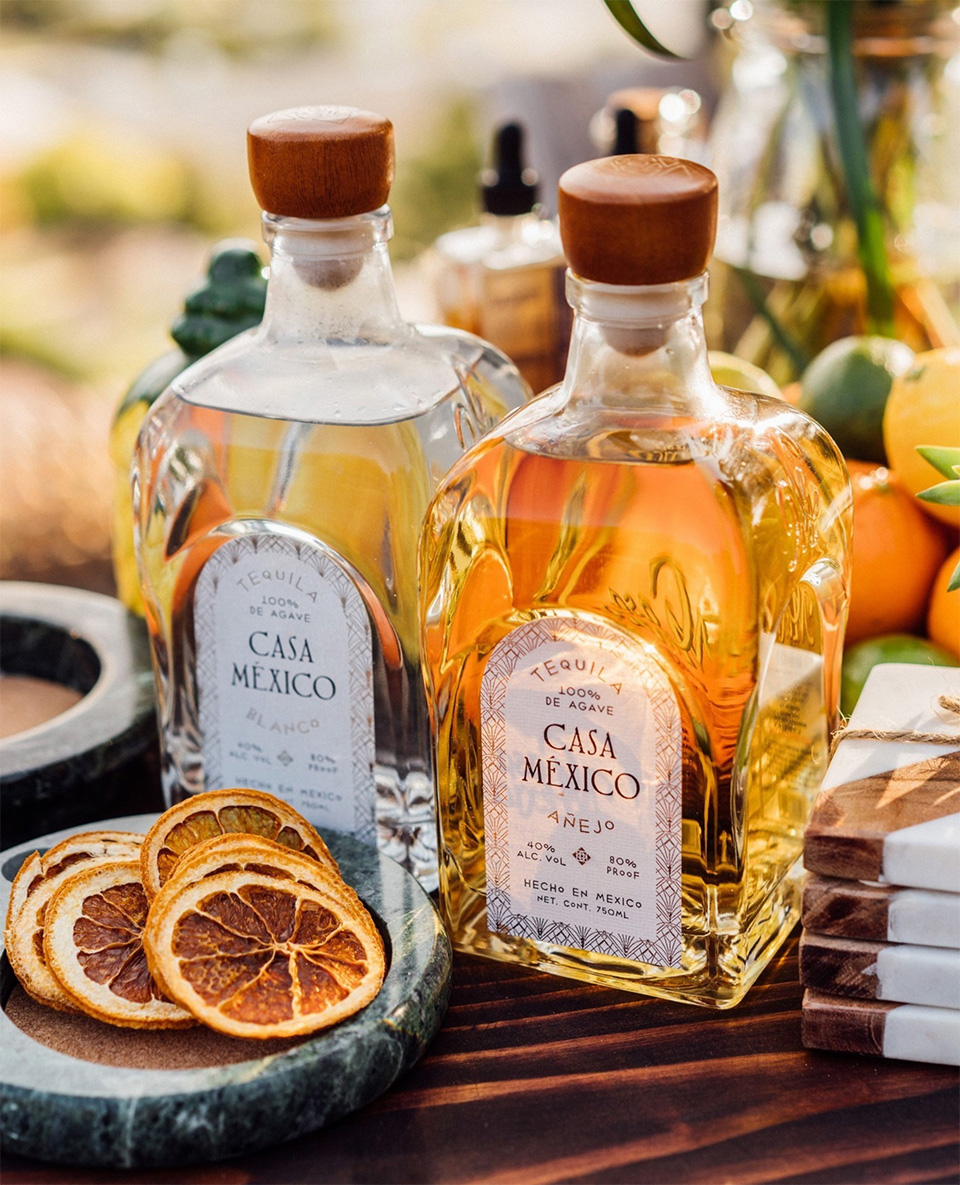
- Casa Mexico Blanco: Casa Mexico Blanco delivers fresh agave sweetness alongside citrus and light pepper notes, bottled directly after distillation. Alcohol content sits near 40% ABV, matching standard margarita cocktail specifications. Bartenders select the blanco expression for classic, citrus-forward margarita recipes.
- Casa Mexico Reposado: Casa Mexico Reposado rests in oak barrels from 2 to 12 months, developing vanilla and caramel undertones. A smooth finish suits margaritas served alongside richer food pairings or at slower-paced gatherings. Golden color distinguishes the reposado bottle from unaged blanco alternatives.
- Casa Mexico Añejo: Aged 1 to 3 years in oak barrels, producing deep color and dried fruit and chocolate notes. Premium margarita recipes benefit from a small añejo addition, layering richness atop a standard blanco base. Sipping the añejo expression straight remains common practice among tequila collectors.
- Casa Mexico Cristalino: Casa Mexico Cristalino filters aged spirit through charcoal, stripping color while preserving oak-derived flavor complexity. A clear appearance pairs well with citrus garnishes, keeping the visual presentation light despite its aged character. Margarita menus increasingly feature the cristalino expression for its smooth, refined profile.
Is Expensive Tequila Always Better for Mixing?
No, expensive tequila is not always better for mixing, since aged, complex flavor notes often disappear beneath citrus and sweetener. Blanco tequila, priced lower than añejo or extra añejo bottles, performs better in citrus-forward margarita recipes. Premium pricing reflects aging time alongside barrel quality, factors mattering more for sipping than for mixed cocktails. Storing tequila properly protects flavor regardless of price point, preserving quality from bottle opening through final pour. Reading How to Store Tequila explains practices for protecting each bottle, budget, or premium.
How Should you Store Tequila to Keep it Fresh for Margaritas?
Storing tequila properly protects flavor from bottle opening through the final pour. Follow the six steps to properly store tequila and keep it fresh. First, store unopened tequila bottles upright and away from direct sunlight to prevent UV damage to delicate agave compounds. Second, keep tequila in a cool location, ideally at 60 to 75 degrees Fahrenheit, to avoid temperature swings that affect flavor stability. Third, seal opened bottles tightly after each pour, limiting oxygen exposure that degrades aroma across 2 to 4 weeks. Fourth, avoid refrigeration or freezing, since low temperatures dull agave sweetness and mute citrus and pepper notes in blanco tequila. Fifth, consume opened blanco tequila within 1 to 2 years, since unaged spirits lose freshness faster than barrel-aged expressions. Lastly, store opened añejo or cristalino tequila the same way, checking for flavor changes after extended air exposure, and noting oak-aged notes fade beyond 3 years past opening. Proper storage, followed across each step, keeps tequila ready for a fresh, balanced margarita at any time.
What are the Best Practices for Storing Tequila for Margaritas
Specific storage practices protect tequila flavor across each expression type.
The best practices for storing tequila for margaritas are listed below.
- Upright Storage. Upright storage prevents cork or cap materials from degrading spirit quality over extended periods. Horizontal storage, common alongside wine bottles, risks unwanted flavor transfer into tequila. Standing bottles upright protects seal integrity across months of storage.
- Temperature Control. Temperature control keeps tequila from 60 to 75 degrees Fahrenheit, avoiding heat damage to agave compounds. Extreme heat accelerates flavor breakdown, dulling citrus and pepper notes found in blanco tequila. Cool, stable storage locations (pantry shelves, bar cabinets, temperature-controlled closets) protect flavor the longest.
- Light Protection. Light protection shields tequila from UV rays, preventing color fading alongside flavor degradation over time. Direct sunlight breaks down delicate compounds faster than indirect or artificial lighting exposure. Dark cabinets or tinted glass bottles offer added protection against light damage.
- Sealed Closure. Sealed closure limits oxygen contact after opening, slowing flavor loss across weeks of storage. Loose caps allow evaporation, reducing volume alongside aromatic intensity within 2 to 3 weeks. Tightening caps fully after each pour extends usable shelf life notably.
Can Improper Storage Change the Flavor of Tequila in Margaritas?
Yes, improper storage changes the flavor used in margaritas, degrading freshness alongside aromatic complexity over time. Heat exposure breaks down delicate agave compounds, dulling citrus and pepper notes central to blanco tequila’s flavor. Light exposure fades color alongside flavor intensity, particularly affecting reposado and añejo bottles displayed near windows. Loose caps allow oxygen exposure, flattening the aroma and reducing overall cocktail quality within 2 to 3 weeks. Proper storage practices protect the integrity of flavor, keeping margaritas consistent from the first pour to the last.
What Should You Know Before Buying Tequila for Margaritas?
Tequila selection for margaritas requires 100% agave labeling and a flavor profile that matches the intended cocktail style. Blanco tequila works best for fresh, citrus-forward margaritas, avoiding barrel-aged flavors that compete with lime juice. Reposado tequila, aged 2 to 12 months, suits richer margarita recipes that call for vanilla and caramel depth. Añejo tequila, aged 1 to 3 years, is best suited to sipping-style margaritas rather than high-volume or frozen preparations. Quality tequila, verified by Norma Oficial Mexicana (NOM) certification numbers, improves taste alongside smoothness across each margarita recipe. NOM numbers, printed on every bottle, trace production back to a certified distillery, confirming authenticity before purchase. Alcohol content, ranging from 38% to 50% ABV, affects cocktail strength, with higher-proof options standing up better to ice dilution. Aging time and agave sourcing shift flavor intensity, from sharp and peppery to smooth and oak-forward. Price ranges from [$25 to $150] per bottle, depending on aging time, brand reputation, and production method. Checking ABV, aging time, agave sourcing, and NOM certification before purchase helps buyers select tequila suited to specific cocktail goals, ensuring margarita quality matches expectations.
What Mistakes Should You Avoid When Choosing Tequila?
Specific buying mistakes reduce margarita quality despite careful ingredient selection elsewhere.
The mistakes to avoid when choosing tequila for margaritas are listed below.
- Choosing Mixto Over 100% Agave: Choosing mixto tequila introduces added sugars alongside artificial flavoring, masking authentic agave taste. Labels reading “100% agave” confirm pure-spirit quality, which is absent from mixto alternatives. Margaritas made with mixto tequila often taste artificially sweet, lacking genuine agave depth.
- Ignoring Aging Labels: Ignoring aging labels leads buyers toward tequila that doesn’t match their intended margarita style. Blanco, reposado, and añejo labels indicate flavor intensity, aging time, and expected smoothness. Reading labels carefully prevents mismatched purchases across different margarita recipes.
- Overlooking ABV: Margaritas lack the strength needed for frozen or heavily diluted recipes. Standard tequila sits near 40% ABV, though high proof options reach 45% to 50% ABV. Checking ABV before purchase ensures that the cocktail’s strength matches the intended recipe.
- Skipping NOM Verification: Skipping NOM verification risks purchasing counterfeit or low-quality tequila mislabeled as authentic. NOM numbers, printed on each legitimate bottle, trace production back to a certified distillery. Verifying the NOM number protects buyers against inferior tequila entering their margarita recipes.
Can the Wrong Tequila Ruin a Margarita?
Yes, wrong tequila choice ruins a margarita, introducing artificial sweetness or flavor mismatched against citrus ingredients. Mixto tequila, which contains added sugars and caramel coloring, often creates a flat, overly sweet cocktail that lacks agave depth. Overly aged tequila, poured into a fresh citrus-forward recipe, buries bright lime flavor beneath heavy oak and vanilla notes. Incorrect ABV selection weakens frozen margaritas, resulting in a watery texture once ice dilution takes effect. Choosing tequila that matches the recipe style protects the flavor balance, keeping the final cocktail enjoyable.