EN
EN ES
ES PL
PL TR
TR
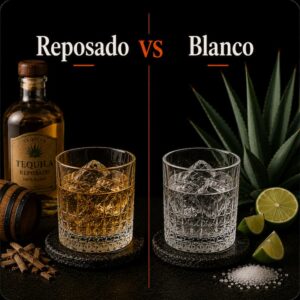
Reposado and Blanco tequila describe the comparison between unaged and barrel-rested tequila styles, with aging acting as the primary differentiator that affects flavor development, color formation, aroma structure, and practical usage. Tequila Blanco is produced without extended barrel aging, which preserves the raw characteristics of cooked agave and results in a clear spirit with sharp definition. Reposado tequila undergoes controlled barrel aging, allowing interaction between oak and spirit that introduces light color, softened texture, and layered flavor elements. Añejo tequila extends the aging process further, producing deeper aroma concentration and richer mouthfeel.
Aging establishes the scope for how tequila behaves in different situations. Blanco emphasizes freshness, intensity, and clarity, making it suitable for cocktails that rely on citrus balance and brightness. Reposado bridges the gap between mixing and sipping by offering mild barrel influence without overwhelming agave character. Añejo shifts tequila toward a sipping profile due to prolonged resting and barrel contact. Understanding tequila categories matters for drinking, mixing, and buying decisions because each style responds differently to dilution, temperature, and pairing. Choosing between reposado vs blanco influences how tequila performs in cocktails, how it tastes when consumed neat, and how it is priced in retail markets. The comparison of tequila blanco vs reposado provides a practical framework for selecting tequila based on flavor preference, intended use, and experience level.
What Are the Main Types of Tequila?
The main types of tequila are listed below.
- Blanco Tequila: A tequila produced without extended barrel aging that retains a clear appearance and preserves the natural agave-forward profile.
- Reposado Tequila: A type of tequila rested in oak barrels for a period ranging from two to twelve months, allowing mild color development and a softened flavor balance.
- Añejo Tequila: The type of tequila aged between one and three years, resulting in darker coloration, smoother alcohol presence, and increased aromatic depth.
- Extra Añejo Tequila: A tequila matured for more than three years, characterized by strong barrel influence and a more complex structural profile as outlined under types of tequila.
How Do Blanco, Reposado, and Añejo Tequila Differ?
Blanco, Reposado, and Añejo tequila differ in aging duration and barrel interaction. The factors shape appearance, flavor composition, and intended use. Blanco tequila emphasizes raw agave clarity and sharper alcohol presence, which allows it to integrate cleanly with citrus juice and sweeteners. Reposado introduces softened texture and subtle wood notes that add complexity while preserving versatility. Añejo prioritizes depth and smoothness, which aligns with slow consumption rather than mixing. Expanded comparison details are available under Blanco vs Reposado vs Añejo.
The differences between Blanco, Reposado, and Añejo are shown in the table below.
| Tequila Type | Aging Period | Color | Flavor Profile | Common Usage |
| Blanco | 0–2 months | Clear | Bright agave, peppery, citrus-forward | Cocktails, shots |
| Reposado | 2–12 months | Light Gold | Balanced agave, mild oak, smooth | Cocktails, sipping |
| Añejo | 1–3 years | Amber | Rich, oaky, vanilla-toned | Sipping neat |
Which Tequila Type Is Best for Different Uses?
The best tequila type for different uses is determined by aging level, flavor concentration, and how the spirit behaves when mixed, chilled, or consumed at room temperature. Each tequila category responds differently to dilution, temperature change, and ingredient interaction, which directly affects suitability for cocktails, sipping, or shots.
Blanco tequila performs best in cocktails that require brightness, sharp agave presence, and clean integration with citrus juice, soda, or sweeteners. The absence of barrel aging allows Blanco tequila to maintain clarity and structural balance when mixed, making it suitable for drinks built around freshness and acidity.
Reposado tequila supports both cocktail preparation and casual sipping due to moderate barrel aging that softens alcohol texture while preserving agave character. Light oak influence adds body and depth, allowing Reposado tequila to function across mixed drinks and slow consumption without overpowering other elements.
Meet Our Maestra Tequilera
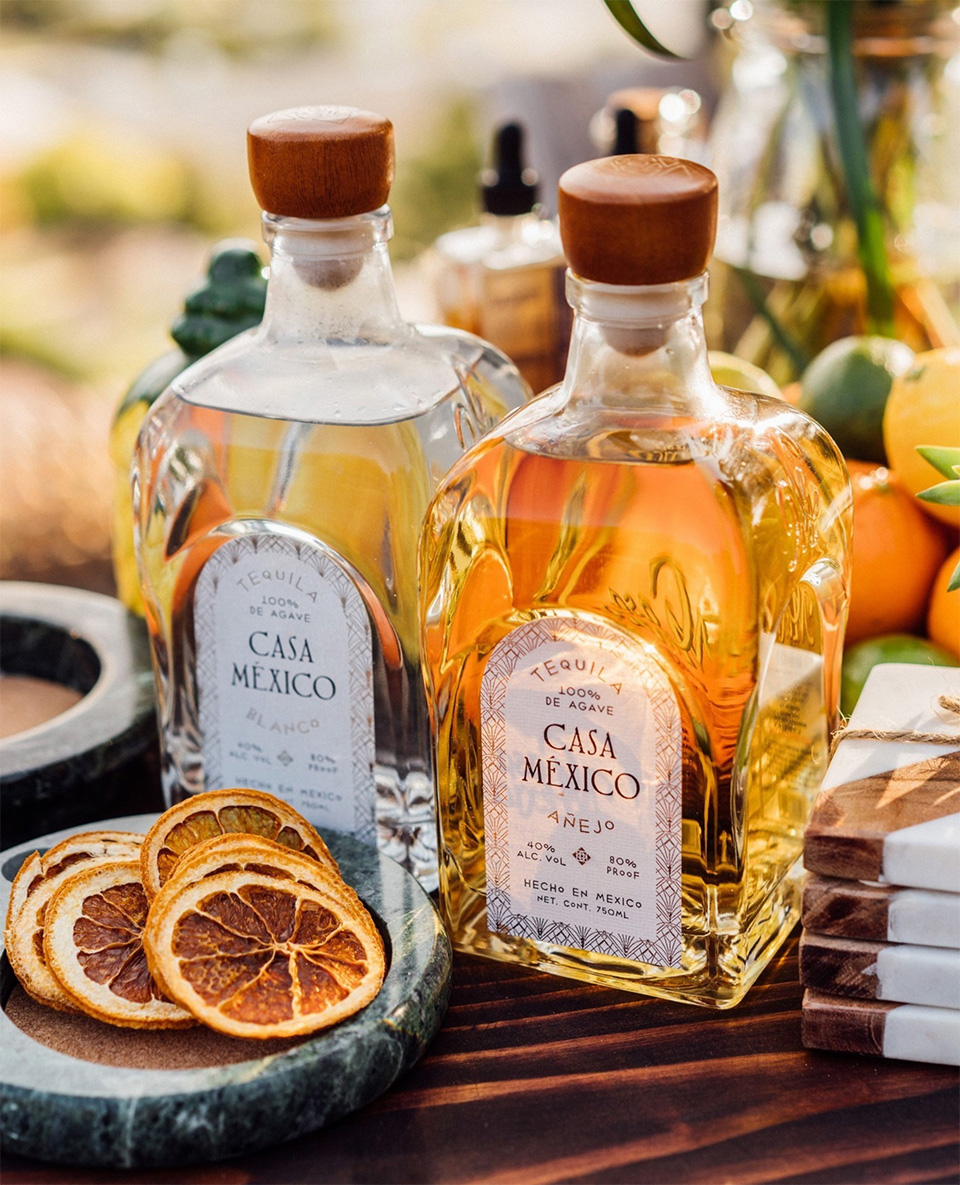
Casa México Tequila is crafted under the guidance of world-renowned Maestra Tequilera Ana María Romero Mena. With decades of experience creating acclaimed tequilas and mentoring future generations of distillers, she brings both deep tradition and thoughtful innovation to the brand. From agave selection to distillation and aging, her expertise ensures every expression reflects authenticity, precision and exceptional quality.

Añejo tequila aligns with neat consumption because extended aging reduces alcohol sharpness and increases aromatic complexity. Barrel interaction develops a smoother texture and layered flavor concentration, which supports slow sipping and controlled temperature service rather than mixing.
Which Tequila Is Best for Cocktails?
Blanco tequila and Reposado tequila are best for cocktails. The Reposado tequila serves as a secondary option based on aging influence and flavor structure. Cocktail preparation requires a tequila that integrates cleanly with mixers while preserving balance, aroma clarity, and structural consistency during dilution.
Blanco tequila maintains a strong agave identity when combined with citrus juice, soda water, or sweeteners. The absence of barrel aging allows Blanco tequila to remain sharp and bright, which supports cocktails that rely on acidity, freshness, and clear flavor separation. The characteristic makes Blanco tequila suitable for drinks where citrus and spirit interaction defines the final profile, as demonstrated across recipes categorized under the cocktails with tequila.
Reposado tequila functions as an alternative for cocktails that benefit from added body and mild depth. Light barrel aging introduces subtle oak influence that rounds alcohol texture without masking mixers. The balance allows Reposado tequila to perform well in cocktails that emphasize warmth and smoothness rather than sharp acidity.
Añejo tequila remains less suitable for cocktails because extended barrel aging introduces heavier oak, vanilla, and caramel characteristics. The elements compete with citrus acidity and sweeteners, which disrupts balance and shifts the drink away from its intended flavor structure
What Is the Best Tequila for Making a Margarita?
The best tequila for making a Margarita is Blanco tequila. Blanco tequila’s unaged composition preserves the natural agave flavor that integrates cleanly with lime juice and orange liqueur. Blanco tequila delivers a sharp, fresh profile that maintains clarity when combined with acidic and citrus-forward ingredients, which form the structural foundation of a Margarita.
The absence of barrel aging prevents oak, vanilla, or caramel notes from interfering with the drink’s balance, allowing the lime juice to remain bright and the orange liqueur to provide controlled sweetness without masking the agave character. Blanco tequila also responds predictably to dilution from ice, which supports consistent texture and flavor throughout the drink. The characteristics explain why classic Margarita preparation standards consistently rely on Blanco tequila, as demonstrated in formulations referenced under the Margarita recipe.
Which Tequila Is Best for Sipping Neat?
The best tequila for sipping neat is Añejo tequila, with select Reposado styles serving as suitable alternatives depending on aging intensity and barrel influence. Extended aging allows Añejo tequila to develop a smoother alcohol texture, deeper aroma concentration, and layered flavor structure that supports slow consumption without mixers.
Barrel interaction reduces sharp alcohol edges and introduces notes (oak, vanilla, and spice), which unfold gradually during sipping. Reposado tequila offers a lighter version of the experience, retaining agave presence while adding mild warmth and softness from shorter barrel aging. Proper glassware with a wide bowl or opening supports aroma release and controlled sipping, allowing the full sensory profile of aged tequila to be experienced without dilution.
Which Tequila Type Should Beginners Choose?
The tequila type beginners should choose is a tequila type that offers recognizable agave flavor, controlled alcohol presence, and approachable pricing. Early experience with tequila benefits from styles that present flavor clearly without excessive heat or layered barrel influence, allowing new drinkers to build familiarity with the spirit’s core characteristics.
Blanco tequila supports beginner learning because it showcases agave in its purest form. The lack of aging preserves natural flavor markers such as herbal brightness, citrus lift, and peppery undertones, which remain unobstructed by oak. The clarity allows beginners to evaluate tequila both neat and in mixed drinks, while accessible pricing encourages trial without long-term commitment.
Reposado tequila offers an alternative for beginners who prefer a softer drinking experience. Limited barrel aging smooths alcohol intensity and adds mild warmth, producing a rounded mouthfeel that remains agave-forward. The transitional profile helps beginners progress toward aged styles while developing sensory awareness influenced by aromatic compounds and restrained oak interaction, as described under Tequila Flavors and Aromas.
What flavor and aroma factors affect the taste of tequila? The flavor and aroma factors that affect the taste of tequila include agave maturity, fermentation activity, and distillation methods, which shape sweetness, herbal notes, and alcohol sharpness. Barrel interaction further influences aroma and smoothness by adding warmth and subtle oak characteristics based on aging duration.
How Do You Choose Between Blanco, Reposado, and Añejo Tequila?
To choose between Blanco, Reposado, and Añejo Tequila, follow the 4 steps below.
- Identify flavor preference. Sharp agave aligns with Blanco, balanced notes align with Reposado, and layered complexity aligns with Añejo.
- Define intended use. Cocktails favor Blanco, mixed versatility favors Reposado, and sipping favors Añejo.
- Set budget range. Increased aging correlates with higher cost due to storage and barrel use.
- Evaluate aroma tolerance. Barrel influence increases with aging and affects aroma intensity.
The steps guide selection by aligning tequila type with taste preference, usage purpose, and aging impact rather than personal habit alone.
When Should You Choose Reposado Over Blanco?
You should choose reposado over blanco in 3 situations below.
- Cocktails requiring depth. Reposado tequila suits cocktails that benefit from added body and warmth without overpowering other ingredients. Short-term barrel aging introduces subtle oak notes that round out alcohol sharpness while allowing mixers such as citrus, bitters, or sweeteners to remain distinct.
- Gift selection. Reposado tequila works well as a gift option because its smoother texture and mild aging appeal to a wider range of drinkers. The balanced profile accommodates both casual sipping and mixed drinks, making it more versatile for recipients with varied preferences.
- Casual sipping. Reposado tequila supports relaxed sipping occasions where a softer mouthfeel is preferred without the heaviness associated with long-aged spirits. Light oak influence reduces sharpness while maintaining agave clarity, which suits informal tasting and moderate consumption.
How Does Budget Influence Tequila Choice?
Budget influences tequila choice by defining price ranges that directly reflect aging time, storage requirements, and production investment. Blanco tequila falls within the range of [$20 to $35] for standard bottles. The lower cost results from minimal or no barrel aging, faster production cycles, and reduced storage expenses. The price range supports frequent use in cocktails and casual consumption without long-term financial commitment.
Reposado tequila appears in the range [$30 to $55] due to its aging period of two to twelve months in oak barrels. Barrel usage increases production costs through material expense, warehouse space, and delayed distribution. The mid-range pricing reflects added smoothness and mild oak influence while remaining accessible for both mixing and light sipping.
Añejo tequila occupies higher price brackets, ranging from $45 to $80 or more, depending on aging length and barrel management. Extended aging between one and three years increases costs through evaporation loss, long-term storage, and capital tied up in inventory. Higher pricing corresponds to greater flavor concentration, smoother alcohol texture, and suitability for sipping rather than mixing. Budget selection aligns closely with aging duration, production time, and intended use rather than branding alone, making price range a practical indicator of tequila style and application.
How Does Alcohol Percentage Influence Tequila Choice?
Alcohol percentage influences tequila choice by affecting mouthfeel, perceived burn, aroma release, and dilution behavior during consumption. Tequila categories maintain a standard alcohol content of 40% ABV, yet aging alters how that alcohol strength is perceived on the palate. Unaged tequila presents alcohol more directly, creating a sharper initial sensation that registers clearly when sipped or mixed.
Barrel aging changes how alcohol integrates with other compounds in the spirit. Reposado tequila feels softer because oak interaction rounds harsh edges and introduces warming notes that reduce perceived burn. Añejo tequila further smooths alcohol intensity through extended aging, allowing ethanol to integrate with wood-derived compounds, which produces a slower, more controlled release of heat during sipping. Alcohol perception changes when tequila is chilled, diluted with ice, or mixed with citrus, making alcohol percentage an important factor in preparation and use. Technical explanations related to strength, dilution, and volatility are discussed under Tequila Alcohol Percentage.
What Is Blanco Tequila?
Blanco tequila is an unaged or minimally rested tequila that highlights the natural characteristics of cooked agave without influence from barrel aging. Production emphasizes distillation accuracy, fermentation quality, and agave sourcing rather than time spent in oak. The clear appearance reflects the absence of prolonged aging, preserving a transparent, colorless spirit. Flavor structure in Blanco tequila centers on bright agave notes supported by peppery, citrus, herbal, or mineral elements depending on production style and region. The lack of barrel contact allows the flavors to remain sharp and well-defined, making Blanco tequila suitable for cocktails that require clarity and precision. The Blanco Tequila appears under silver or plata labeling conventions, which reference its clear presentation rather than a separate aging category.
Is Blanco Tequila the Same as Silver Tequila?
Yes, Blanco tequila is the same as silver tequila, with differences limited to labeling terminology rather than regulatory classification. The two terms describe tequila that has not undergone extended barrel aging and retains a clear appearance. Regulatory standards recognize the category as Blanco, while producers and marketers use silver or plata to communicate visual clarity and freshness to consumers. The interchangeable use of the terms does not indicate variation in production method, alcohol content, or aging status. Labeling preferences vary by brand, market positioning, and regional conventions, but the tequila inside the bottle remains the same category under official classification rules.
What Is Reposado Tequila?
Reposado tequila is a tequila category defined by controlled aging in oak barrels for a period ranging from two to twelve months. The aging process allows the spirit to rest long enough to develop a light golden hue and a smoother mouthfeel while preserving core agave characteristics. Barrel contact introduces subtle flavor changes without overwhelming the original distillation profile. The Reposado Tequila occupies a middle position between unaged and long-aged styles, offering balance rather than intensity. The resting period softens alcohol’s sharpness and adds mild warmth from oak interaction, which distinguishes reposado from the Blanco and Añejo categories.
What Does Reposado Mean in Tequila Aging?
Reposado means in Tequila aging is rested, referring to a controlled aging process that allows tequila to mature in oak barrels for a limited period. The resting stage enables gradual interaction between the spirit, oxygen, and wood without overpowering the natural agave profile. The barrel environment moderates ethanol intensity and reshapes flavor structure through restrained oak influence.
The reposado aging process focuses on balance rather than dominance. Agave flavors remain recognizable, while light oak interaction adds depth and smoothness, explaining why reposado tequila presents a refined profile that sits between the sharp clarity of Blanco and the heavier complexity of longer-aged styles.
How Does Aging Affect Tequila Flavor? Aging affects tequila flavor by softening alcohol sharpness and introducing subtle characteristics from barrel contact (warmth, smoothness, and mild aromatic complexity).
Is Reposado Considered a Dark Tequila?
No, Reposado tequila is not considered a dark tequila. Reposado displays a light amber or pale golden hue that reflects limited barrel aging rather than deep maturation. The color change results from short-term exposure to oak rather than prolonged storage. Reposado coloration remains noticeably lighter than Añejo tequila, which develops deeper tones through extended aging. Visual differences between tequila categories indicate aging duration rather than alcohol strength or quality, placing reposado firmly between clear and dark styles.
Does the Tequila Aging Process Affect Its Color? Yes, the tequila aging process affects color by allowing compounds from oak barrels to transfer into the spirit over time, changing its appearance.