EN
 ES
 PL
 TR

Fermented vs. distilled alcohol differs in how each drink is made and how strong it becomes. Fermented and distilled alcohol begin at the same point. A sugary liquid that yeast turns into alcohol. Fermented drinks (beer, wine, cider, mead, sake) stop once the yeast stops working, which keeps the strength modest. Distilled drinks (whiskey, vodka, rum, gin, brandy) take one extra step, in which a fermented liquid is heated in a still. The alcohol vapor is collected and condensed back into a liquid that is far more concentrated than the original.
Tequila shows both steps in one bottle. Producers in Jalisco ferment cooked blue Weber agave juice using yeast, then distill the liquid in pot or column stills. The Mexican standard NOM 006 sets bottling strength at 35 to 55 percent ABV, far above the strength of beer. Strength depends on the method used, not on the base ingredient. A comparison of fermented vs. distilled drinks clarifies why a pint of beer and a shot of tequila differ so widely in strength. The sections below define each method, compare strengths, and list common examples from beer to tequila.
What is Fermented Alcohol?
Fermented alcohol is a drink made when yeast eats the sugar in a liquid (grain, grape, or fruit juice) and turns it into alcohol and carbon dioxide. The process is called alcoholic fermentation. Brewers in ancient Mesopotamia and Egypt relied on fermented alcohol methods long before stills existed. Barley gives beer, grapes give wine, and apples give cider. Honey gives mead, and rice gives sake in Japan. Fermented drinks range from 4 to 16 percent ABV, since yeast stops working as the alcohol level rises. Fermentation takes from 5 days to several weeks, depending on the drink and the yeast strain.
How does Fermentation Make Alcohol?
Fermentation makes alcohol when yeast feeds on sugar and releases alcohol and carbon dioxide. The process slows or stops once the yeast has used the sugar or the alcohol level grows too high for the yeast to survive. Saccharomyces cerevisiae is the common yeast species behind beer and wine, and alcohol production ends when that yeast runs out of sugar. One molecule of glucose yields two molecules of ethanol and two molecules of carbon dioxide. Yeast works best from 18 to 35 degrees Celsius, and heat above 38 degrees Celsius damages the cells. The carbon dioxide escapes as bubbles, which explains the foam seen on a fermenting tank.
Is Beer Fermented?
Yes, beer is fermented. Brewers steep malted barley in hot water to make wort, then add yeast, which turns the malt sugar into alcohol and carbon dioxide. No distillation follows, so the beer remains low in strength. Most beer ferments for 1 to 2 weeks before conditioning begins. Lager yeast (Saccharomyces pastorianus) works at cooler temperatures than ale yeast. Carbon dioxide from fermentation gives beer its natural fizz, and brewers often add more during packaging.
What is Distilled Alcohol?
Distilled alcohol is a drink made by heating a fermented liquid, collecting the alcohol vapor, and cooling the vapor back into a much stronger liquid. The drink is called a spirit or liquor. Common distilled beverages (tequila, whiskey, vodka) are typically bottled at a strength near 40 percent ABV. Alcohol boils at 78 degrees Celsius, below water’s 100 degrees, so the vapor leaves the still first. Pot stills and column stills handle the heating step, and copper is the favored metal for pot stills. Tequila is distilled twice in Jalisco, and Scotch whisky is distilled twice in Scotland. Distilled spirits have a long shelf life, since their high alcohol content resists spoilage after opening.
How does Distillation Work?
Distillation works by following the five steps listed below.
- Start with a fermented liquid. The base is a low-strength liquid (grain mash, grape wine, or agave juice). Fermentation must finish first, since a still concentrates alcohol that already exists.
- Heat the liquid in a still. Pot stills (copper kettles) heat one batch at a time, and column stills run nonstop. Alcohol boils at 78 degrees Celsius, below water’s 100 degrees.
- Let the alcohol vapor rise. Alcohol evaporates first, so the vapor climbs the neck of the still. The water stays behind in the kettle.
- Cool the vapor into a liquid. A condenser, a chilled coil or tube, turns the vapor back into liquid. The liquid is called a distillate.
- Collect the stronger spirit. Distillers separate the heads, hearts, and tails, and keep the hearts. Tequila goes through a second pass, and whiskey rests in oak barrels.
Does Distilling Come Before Fermenting?
No, distilling does not come before fermenting. Fermentation creates the alcohol first, and distillation concentrates it afterward. A still has nothing to separate until the yeast has produced alcohol. Fermented agave liquid in Jalisco reaches 5-7% ABV before entering the still. The first distillation raises the strength to near 25 percent ABV, and the second pass lifts it to 55 percent ABV.
Meet Our Maestra Tequilera
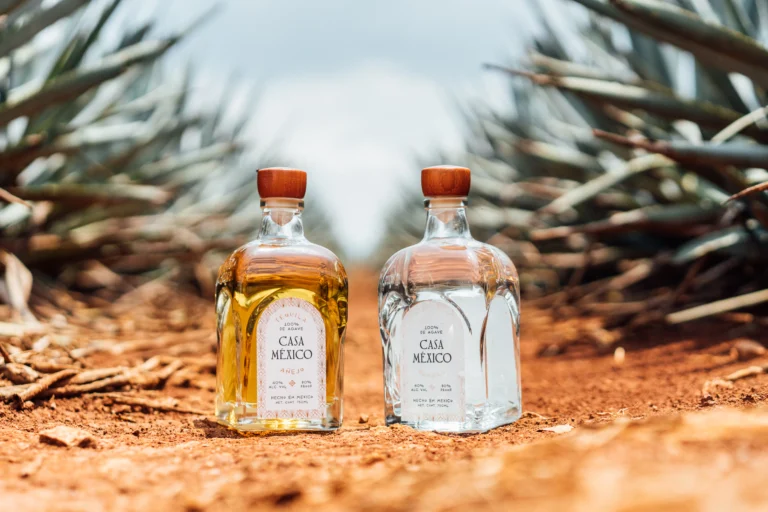
Casa México Tequila is crafted under the guidance of world-renowned Maestra Tequilera Ana María Romero Mena. With decades of experience creating acclaimed tequilas and mentoring future generations of distillers, she brings both deep tradition and thoughtful innovation to the brand. From agave selection to distillation and aging, her expertise ensures every expression reflects authenticity, precision and exceptional quality.

What Separates Fermentation From Distillation?
Fermentation and distillation perform different jobs in alcohol production. Fermentation creates alcohol from sugar using yeast, and distillation concentrates that alcohol using heat. Fermentation comes first, and distillation is an extra step that leaves spirits stronger than fermented drinks. Fermentation runs in tanks at 25 to 35 degrees Celsius, while distillation heats the liquid past 78 degrees Celsius, the boiling point of alcohol. Fermented agave liquid starts near 5 to 7 percent ABV and reaches 55 percent ABV after distillation. Tequila production at Jalisco distilleries shows fermentation vs. distillation as two stages of one process.
How does Brewing Compare With Fermenting?
Brewing compares with fermenting as a whole process compared to a single step. Brewing is the full process of making a drink like beer (malting, mashing, boiling, and fermenting), and fermenting is the yeast stage of that process. The difference between brewing vs fermenting is scope, not purpose. Brewing covers grain preparation, hop boiling, cooling, and packaging, while fermenting covers only the conversion of sugar into alcohol and carbon dioxide. Ale fermentation runs from 5 to 7 days, and lager fermentation runs from 7 to 14 days. Brewers at Guinness in Dublin and Pilsner Urquell in Plzeň control each stage, but the yeast stage sets the final alcohol level. Wine, kombucha, and sourdough rely on fermentation without any brewing steps.
Is Brewing the Same as Fermenting?
No, brewing is not the same as fermenting. Brewing is the full process of making a drink like beer, and fermenting is one stage in which yeast is involved. Brewers start with malting, mashing, and boiling hops before adding any yeast. Fermentation then turns the sugar in the wort into alcohol and carbon dioxide. Ale yeast works near 18 to 22 degrees Celsius, and lager yeast works near 8 to 12 degrees Celsius. Conditioning and packaging follow fermentation and finish the brewing process. Kombucha and yogurt are fermented without any brewing steps.
How Strong Is Distilled Alcohol Compared With Fermented?
Distilled alcohol is much stronger than fermented alcohol. Fermented drinks top out at a lower ABV since yeast stops working at a set alcohol level, which keeps beer near 5 percent and wine near 13 percent. Distilled spirits are concentrated to a far higher ABV, and tequila is bottled from 35 to 55 percent under the Mexican standard NOM 006. ABV stands for alcohol by volume, the share of a drink that is pure alcohol. A bottle of vodka or whiskey at 40 percent ABV carries about 8 times the alcohol of a typical beer by volume. Distillation in a still removes water from the fermented liquid, which explains the jump in strength.
What ABV do Fermented Drinks Reach?
Fermented drinks reach a modest ABV since yeast naturally stops at a limit. Beer lands from four to six percent, and wine lands from 11 to 15 percent. Cider ranges from 4 to 8 percent ABV, and sake climbs to around 15 to 16 percent. Yeast strains such as Saccharomyces cerevisiae tolerate alcohol only to a point, and the yeast dies off as the level rises.
Is Distilled Alcohol Stronger Than Fermented Alcohol?
Yes, distilled alcohol is stronger than fermented alcohol. Distillation separates alcohol from water, which lifts a fermented agave liquid of five to seven percent ABV to 40 percent in a bottle of tequila. Whiskey, vodka, and rum are bottled at near 40 percent ABV, roughly 3 to 8 times the strength of beer. Cask-strength spirits climb past 55 percent ABV, and the Mexican standard NOM 006 caps tequila at 55 percent ABV.
What Drinks are Fermented?
Fermented drinks are listed below.
- Beer: Barley malt, water, hops, and yeast make beer, which is brewed rather than distilled.
- Wine: Crushed grapes ferment into wine on their own sugar.
- Cider: Apple juice ferments into cider, a drink long associated with Normandy and Somerset.
- Mead: Honey diluted in water ferments into mead, one of the oldest fermented drinks.
- Sake: Rice, water, and koji mold ferment to make sake, a Japanese drink often called “rice wine.”
How does Wine Become Alcohol?
Wine becomes alcohol when yeast ferments the natural sugars in grape juice, with no distillation involved. Red wine ferments on the grape skins, and white wine ferments from pressed juice. Fermentation lasts 5 to 14 days in tanks or barrels, and red wine is kept at 25 to 30 degrees Celsius. White wine ferments at cooler temperatures, around 12 to 18 degrees Celsius, which preserves the fruit aroma.
Is Wine Distilled or Fermented?
Wine is fermented, not distilled. Yeast alone creates the alcohol, so wine stays lighter than brandy. Distilling wine produces brandy, a separate spirit. Wine reaches 11 to 15 percent ABV, and brandy is bottled at around 40 percent ABV. Cognac in France is a known example of brandy made from distilled white wine.
What Drinks are Distilled?
Drinks that are distilled are listed below.
- Tequila: Producers distill fermented blue Weber agave, mostly in Jalisco.
- Whiskey: Distillers make whiskey from fermented grain (barley, corn, rye, or wheat) and age it in oak barrels.
- Vodka: Vodka is distilled from fermented grain or potato and filtered to a neutral taste.
- Rum: Rum comes from fermented sugarcane juice or molasses, and the Caribbean is its best-known home.
- Gin: Gin is a neutral spirit flavored with juniper berries.
- Brandy: Brandy is distilled from fermented wine or fruit juice, and Cognac in France is a known example.
How is Tequila Made From Fermented Agave?
Tequila made from fermented agave follows the five steps listed below.
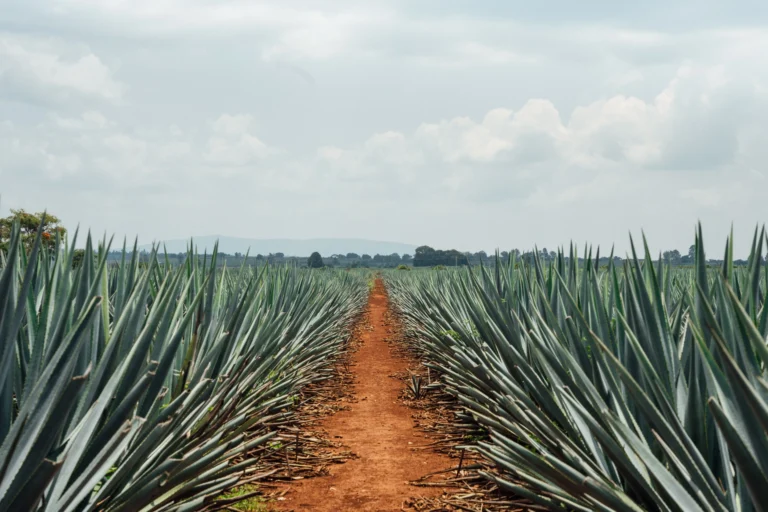
- Cook the blue agave. Jimadors harvest the plant’s core, called the piña, and cook it in brick ovens or autoclaves. Heat turns the starch into fermentable sugar.
- Crush the cooked agave for juice. A roller mill or a tahona stone wheel presses the soft piña. The extracted liquid is called mosto.
- Ferment the juice using yeast. The juice rests in tanks for a few days. Yeast turns the agave sugar into alcohol, leaving a low-strength liquid.
- Distill the fermented liquid. Tequila is distilled twice, and the second pass raises the strength. Pot stills and column stills are both used in Jalisco.
- Rest or bottle the tequila. Blanco tequila is bottled right away. Reposado rests at least two months, and añejo rests at least one year.
Can You Sip Tequila as a Distilled Spirit?
Yes, you can sip tequila as a distilled spirit, especially when it’s 100 percent agave. Aged reposado and añejo bottles suit slow tasting. Reposado rests 2 to 12 months in oak and shows soft vanilla and caramel notes. Añejo rests 1 to 3 years and develops deeper notes of toasted wood and dried fruit. Glassware, temperature, and pacing (a small copita, room temperature, and small sips) are part of how to Sip Tequila.
What Sets Tequila vs Whiskey Apart as Distilled Spirits?
The base plant sets tequila vs. whiskey apart as distilled spirits. Tequila and whiskey are distilled from fermented plants, but tequila is distilled from agave and whiskey from grain, which changes the flavor. Agave gives tequila earthy, citrus, and peppery notes, and grain gives whiskey malty and sweet notes. Aging in oak adds to the contrast found in a Tequila vs Whiskey comparison.
How do Distilled Spirits Show Up in Cocktails?
Distilled spirits show up in cocktails as the strong base that is mixed with juice, soda, or syrups to make a lighter drink. The spirit supplies the alcohol, and the mixers supply flavor and volume. Well-known examples include the margarita (tequila), the Old Fashioned (whiskey), and the Moscow Mule (vodka). Bartenders match the spirit to the mixer, so tequila pairs with lime and grapefruit, and whiskey pairs with bitters and sugar. A standard cocktail holds 1.5 to 2 ounces of spirit, which keeps the base flavor present without overpowering the juice or soda.
What Role does Distilled Tequila Play in a Classic Paloma?
Distilled tequila plays the role of the base spirit in a classic paloma, which adds grapefruit and soda. Blanco tequila keeps the flavor crisp, and lime juice and a pinch of salt balance the grapefruit. Double distillation in Jalisco gives the spirit a clean profile that holds its peppery agave character against the bitter citrus. A standard pour of 2 ounces of tequila is topped with grapefruit soda in a tall glass filled with ice. Mexico’s best-known highball is the Classic Paloma, which shows how a distilled base carries light mixers.
Is a Tequila Sour Made With Distilled Alcohol?
Yes, a tequila sour is made with distilled alcohol. Blanco tequila, the distilled base, is shaken in a tin with lime juice, simple syrup, or egg white for a foamy top. Double distillation in Jalisco gives the tequila a clean, firm backbone that balances the tartness of lime juice. Reposado tequila adds light oak and vanilla notes to the drink, which softens the sour. Pisco or whiskey fills the base spot in other sours, but the Tequila Sour uses an agave spirit instead.