EN
EN ES
ES PL
PL TR
TR
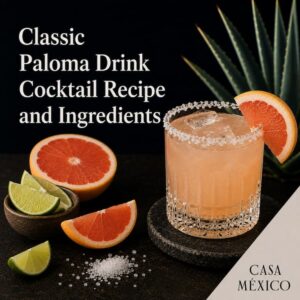
Classic Paloma is a tequila-based cocktail that pairs bright citrus with light carbonation for a crisp, refreshing profile rooted in Mexican drinking culture. The main ingredients are tequila (blanco preferred), fresh grapefruit juice, sparkling grapefruit soda or club soda, fresh lime juice, and ice. The first step is to rim a highball glass lightly with salt if desired, then fill the glass with ice. Add tequila and fresh grapefruit juice, squeeze in lime juice, then top with chilled sparkling grapefruit soda or club soda and stir gently to combine. The cocktail delivers a sharp citrus bite, subtle bitterness from grapefruit, and clean agave warmth with a dry, refreshing finish. Drink the Classic Paloma slowly over ice to keep the citrus bright and carbonation lively.
What is Classic Paloma made of? A Classic Paloma is made of tequila as the primary ingredient, providing alcohol structure and agave character. The second main ingredient is grapefruit, delivered through fresh juice or grapefruit soda, which adds bitterness, acidity, and freshness. The difference between tequila and grapefruit centers on role, since tequila defines strength and base flavor while grapefruit shapes brightness, balance, and refreshing character.
What are the Ingredients for Classic Paloma Cocktail?
The ingredients for a Classic Paloma Cocktail are listed below.
- Tequila: Tequila anchors the Classic Paloma and defines strength, warmth, and agave identity. Blanco tequila delivers sharp agave and light pepper notes that stand out against citrus. Reposado tequila adds gentle oak softness that rounds edges while keeping the drink dry and refreshing.
- Grapefruit Juice: Grapefruit juice establishes the drink’s core flavor and bitterness. Freshly squeezed grapefruit brings natural acidity, subtle sweetness, and aromatic oils. The bitterness balances tequila’s warmth and keeps the profile crisp rather than sugary.
- Sparkling Grapefruit Soda or Club Soda: Sparkling grapefruit soda introduces light sweetness and carbonation that widens appeal. Club soda shifts focus toward grapefruit acidity and agave clarity. Carbonation lifts aroma, refreshes the palate, and lightens mouthfeel.
- Lime Juice: Lime juice sharpens the citrus structure and tightens balance. Fresh lime adds brightness that keeps grapefruit bitterness controlled. Citrus layering prevents heaviness as ice dilution increases.
- Salt: Salt frames citrus bitterness and emphasizes agave character. A light salt rim adds contrast and texture at the first sip. Minimal salinity keeps the finish clean and focused.
- Ice: Ice regulates temperature and dilution from the build to the final sip. Large cubes slowly melt and protect carbonation. Cold service preserves clarity, structure, and refreshment across the drink.
What Mixers Pair Best with Classic Paloma?
The mixers that pair best with a Classic Paloma are listed below.
- Grapefruit Soda: Grapefruit soda defines the traditional Paloma structure through sweetness, bitterness, and carbonation in one component. The sugar content smooths tequila’s heat while grapefruit bitterness keeps the drink from tasting flat. Carbonation stretches flavor across the palate and keeps the drink refreshing over extended sipping.
- Fresh Grapefruit Juice: Fresh grapefruit juice creates a sharper and more natural profile. The juice delivers real citrus oils and mild bitterness that frame the agave flavor directly. The absence of added sugar produces a drier finish and a cleaner citrus expression.
- Club Soda: Club soda reduces sweetness and places tequila at the center of the drink. Carbonation adds lift without altering flavor direction. The combination produces a crisp and restrained Paloma that emphasizes agave clarity and citrus acidity.
- Mineral Water: Mineral water contributes structure through natural salinity and mineral content. Subtle saltiness tightens grapefruit bitterness and supports tequila depth. The mouthfeel feels firmer and more refreshing compared to plain soda water.
- Lime Juice: Lime juice sharpens the citrus profile and reinforces balance. Bright acidity offsets the sweetness from grapefruit soda or juice. The added citrus layer keeps flavor focused as ice melts and dilution increases.
How to Make a Classic Paloma?
To make a Classic Paloma, follow the nine steps below.
- Measure Tequila. Pour 45 milliliters of blanco tequila into a chilled highball glass. Precise measurement sets the alcohol structure and keeps citrus bitterness controlled. Clean agave character supports grapefruit without sharp heat.
- Prepare the Glass. Rim the glass lightly with fine salt if preferred. Light salinity sharpens citrus perception and tightens the finish. A partial rim maintains balance rather than dominance.
- Add Ice. Fill the glass with solid, fresh ice cubes. Cold temperature slows dilution and protects carbonation. Stable ice keeps the texture crisp through the final sip.
- Add Grapefruit Juice. Pour 60 milliliters of freshly squeezed grapefruit juice into the glass. Natural bitterness defines the Paloma profile. Fresh juice delivers clarity and prevents flat sweetness.
- Add Lime Juice. Add 10 milliliters of freshly squeezed lime juice. Lime acidity narrows grapefruit bitterness and brightens the aroma. Controlled citrus layering keeps flavors focused.
- Add Sweetener. Add 5 milliliters of agave syrup or simple syrup when the grapefruit tastes overly sharp. Small sweetness adjustments soften bitterness without masking citrus. Minimal sugar preserves refreshment.
- Top with Grapefruit Soda. Pour chilled grapefruit soda gently until the glass reaches nearly full. Carbonation lifts mouthfeel and spreads flavor evenly. Slow pouring protects bubble strength and texture.
- Stir Lightly. Stir once or twice using a bar spoon. Gentle motion integrates tequila and citrus without flattening carbonation. Limited movement preserves structure.
- Garnish and Serve. Add a grapefruit wedge or lime wheel to the rim. Fresh citrus oils rise with carbonation and shape aroma. Clean garnish reinforces flavor before sipping.
The most important step in making a Classic Paloma is topping with cold grapefruit soda, since carbonation defines lift, balance, and drinkability. Proper carbonation keeps bitterness refreshing rather than heavy. Stable bubbles support aroma release and texture across the entire glass.
Should a Classic Paloma Be Built in the Glass or Shaken First?
A Classic Paloma is built directly in the glass rather than shaken first. The build method preserves carbonation from grapefruit soda and keeps the drink crisp and lively. Shaking removes bubbles, increases dilution, and softens the defining bitter-citrus edge. Direct construction protects the clean, refreshing identity associated with a Classic Paloma.
Ingredient structure explains the preference clearly. Grapefruit soda delivers bitterness, lift, and texture that rely on intact carbonation. Tequila integrates smoothly through light stirring without aggressive movement. Fresh lime juice disperses evenly without requiring force, keeping acidity sharp and controlled. Glass-building controls dilution more precisely. Ice melt progresses gradually, which maintains a balance between agave warmth, citrus bite, and bitterness. Shaking introduces excess water early, which flattens flavor and shortens the finish. Controlled dilution supports steady pacing and clarity throughout the drink.
Meet Our Maestra Tequilera
Casa México Tequila is crafted under the guidance of world-renowned Maestra Tequilera Ana María Romero Mena. With decades of experience creating acclaimed tequilas and mentoring future generations of distillers, she brings both deep tradition and thoughtful innovation to the brand. From agave selection to distillation and aging, her expertise ensures every expression reflects authenticity, precision and exceptional quality.

A light stir completes integration without disrupting structure. Gentle motion aligns flavors while protecting bubbles and mouthfeel. The result tastes brighter, firmer, and more refreshing from start to finish. The method reinforces why the Classic Paloma remains a highball-style cocktail rather than a shaken one.
How is the Nutrient Value of Classic Paloma Cocktail?
The nutrient value of a Classic Paloma Cocktail reflects calories primarily from tequila and grapefruit soda, with smaller contributions from fresh lime juice. Tequila supplies most of the energy through alcohol, while grapefruit soda adds carbohydrates from sugars. The cocktail contains no fat and minimal protein, keeping the profile light and citrus-driven compared with heavier mixed drinks.
The detailed nutrient breakdown of a Classic Paloma Cocktail per 8-ounce serving is shown in the table below.
| Nutrient | Amount per Serving | Unit | Daily Value % | Source / Measurement Basis | Notes (Optional) |
| Calories | 180 | kcal | 9% | Tequila (1.5 oz), Grapefruit Soda, Lime Juice | Based on a standard Classic Paloma build |
| Carbohydrates | 16 | g | 6% | Grapefruit Soda, Lime Juice | Derived primarily from citrus sugars |
| Sugars | 14 | g | N/A | Grapefruit Soda | Depends on soda brand and formulation |
| Protein | 0 | g | 0% | — | No protein-containing ingredients |
| Fat | 0 | g | 0% | — | Fat-free composition |
| Fiber | 0 | g | 0% | — | Juice and soda provide no fiber |
| Sodium | 20 | mg | 1% | Grapefruit Soda | Trace sodium from the carbonated mixer |
How many calories are in a Classic Paloma? A Classic Paloma contains about 180 calories per standard 8-ounce serving. Tequila contributes roughly 95 to 100 calories from 1.5 ounces, while grapefruit soda adds most of the remaining energy through sugars. Lime juice adds negligible calories while sharpening citrus balance and keeping the drink refreshing.
What are the Tips to Prepare Classic Paloma Cocktail Better?
The tips to prepare the Classic Paloma Cocktail are listed below.
- Select a clean blanco tequila with clear agave definition. Pure agave flavor anchors grapefruit bitterness without heaviness. Unaged tequila keeps the drink sharp and refreshing across the glass.
- Use freshly squeezed lime juice to define structure. Bright acidity tightens sweetness and sharpens grapefruit character. Fresh citrus preserves aroma and prevents a flat finish.
- Choose grapefruit soda with real citrus content or combine fresh grapefruit juice with soda water. Natural bitterness creates contrast against tequila’s warmth. Artificial sweetness weakens balance and masks agave notes.
- Chill the glass before building the drink to stabilize carbonation. Cold glass walls slow bubble loss and control early dilution. Stable temperature protects texture from the first sip onward.
- Measure tequila precisely to protect balance. Consistent ratios prevent alcohol heat from dominating citrus. Accurate pours keep the drink steady during extended gatherings.
- Fill the glass fully with solid ice cubes to regulate dilution. Full ice coverage slows the melt rate and preserves the structure. Incomplete ice coverage accelerates watering and dulls flavor.
- Build the drink gently to preserve effervescence. Light stirring integrates ingredients without collapsing bubbles. Minimal movement keeps mouthfeel lively and dry.
- Finish with a fresh citrus garnish to frame the aroma. Expressed oils register before tasting and guide perception. Simple garnish reinforces freshness and sets a clear expectation.
How to Balance Bitterness and Sweetness in a Classic Paloma?
A Classic Paloma balances bitterness and sweetness through measured grapefruit intensity, controlled acidity, and restrained sugar. Grapefruit delivers a dry, bitter backbone that defines the drink’s identity. Tequila anchors the structure with agave warmth, which prevents citrus from tasting thin. Balance emerges when bitterness stays present without dominating the finish.
Grapefruit choice shapes the bitterness level and texture. Fresh grapefruit juice delivers sharper bitterness and a drier profile. Grapefruit soda introduces softer bitterness with added sweetness and carbonation. Excessively sweet soda pushes the drink toward flatness, while fresh juice keeps edges firm and refreshing. Sweetness works best as a corrective tool rather than a feature. A small amount of simple syrup or naturally sweet soda rounds bitterness and supports citrus oils. Overuse of sugar masks grapefruit character and dulls agave clarity. Precise sweetness preserves lift and keeps the drink refreshing.
Acidity locks the balance into place. Fresh lime juice sharpens grapefruit bitterness and prevents sweetness from lingering. Clean acidity keeps the finish tight and crisp. A well-balanced Classic Paloma tastes bright, dry, and refreshing without drifting into sourness or sugar-heavy weight.
What are the Variations of Classic Paloma Cocktail Recipes?
The variations of Classic Paloma cocktail recipes are shown in the table below.
| Variation Name | Ingredients | Nutrient | Steps | Opinion |
| Salty Classic Paloma | 45 ml Tequila, Grapefruit Juice or Grapefruit Soda, Lime Juice, Pinch of Salt | Same calories as standard Classic Paloma with higher sodium | Build the Classic Paloma over ice. Add a small pinch of salt before topping with grapefruit soda. Stir gently once. | Salt tightens bitterness and sharpens grapefruit clarity for a crisper finish. |
| Lemon Classic Paloma | 45 ml Tequila, Grapefruit Juice or Soda, Lemon Juice | Similar calories with a slight vitamin C increase | Replace lime juice with fresh lemon juice. Build over ice and top with grapefruit soda. | Lemon creates brighter acidity and a lighter citrus edge than lime. |
| Pink Grapefruit Paloma | 45 ml Tequila, Pink Grapefruit Juice or Soda, Lime Juice | Slight increase in natural sugars from pink grapefruit | Use pink grapefruit juice or soda in place of white grapefruit. Build over ice and stir lightly. | Pink grapefruit softens bitterness and adds mild sweetness. |
| Spicy Classic Paloma | 45 ml Tequila, Grapefruit Juice or Soda, Lime Juice, Jalapeño Slice | Same calories with trace capsaicin | Muddle a thin jalapeño slice in the glass. Add ice, tequila, citrus, and grapefruit soda. | Heat contrasts citrus bitterness and extends the finish. |
| Agave Sweetened Paloma | 45 ml Tequila, Grapefruit Juice or Soda, Lime Juice, Agave Syrup | Slight increase in carbohydrates from agave | Add a small amount of agave syrup before topping with grapefruit soda. Stir gently. | Agave sweetness rounds bitterness without masking grapefruit character. |
| Mineral Water Paloma | 45 ml Tequila, Fresh Grapefruit Juice, Lime Juice, Mineral Water | Same calories with increased mineral content | Replace grapefruit soda with mineral water after adding fresh grapefruit juice. | Mineral water creates a drier, firmer, and less sweet profile. |
| Smoked Salt Paloma | 45 ml Tequila, Grapefruit Juice or Soda, Lime Juice, Smoked Salt Rim | Same calories with added sodium | Rim the glass lightly with smoked salt. Build the drink over ice and stir gently. | Smoked salt adds savory depth and reinforces agave warmth. |
| Low-Sugar Classic Paloma | 45 ml Tequila, Fresh Grapefruit Juice, Lime Juice, Soda Water | Lower sugar and lower carbohydrates | Use fresh grapefruit juice and soda water instead of grapefruit soda. Build over ice and stir lightly. | Reduced sweetness highlights bitterness and keeps the finish clean. |
Can a Classic Paloma Be Made as a Low-Alcohol Cocktail?
Yes, a Classic Paloma works as a low-alcohol cocktail by reducing tequila volume and increasing non-alcoholic components. A half-pour of tequila paired with fresh grapefruit juice and soda water lowers alcohol concentration while preserving bitterness and citrus structure. Dilution stretches flavor across a larger volume, which softens alcohol impact per sip and keeps the profile refreshing.
Flavor balance remains intact through ingredient behavior rather than alcohol strength. Grapefruit bitterness and lime acidity maintain definition even when the tequila presence decreases. Soda water increases lift and texture, which replaces some warmth lost from reduced alcohol. A salt rim or light pinch of salt reinforces structure and keeps the drink expressive despite lower strength.
Low-alcohol construction shifts sensory emphasis. The drink tastes brighter and more citrus-driven with less agave heat on the finish. Slower intoxication and lighter mouthfeel support longer social occasions without sacrificing the Classic Paloma identity.
What alcohol is in a Classic Paloma?
The alcohol in a Classic Paloma is tequila. Tequila functions as the sole alcoholic component and defines the drink’s strength and agave-forward structure. Blanco tequila appears most frequently because the clean profile supports grapefruit bitterness and citrus acidity. Reposado tequila offers a softer option with light oak warmth that rounds the finish. Tequila typically carries an alcohol by volume level near 40 percent, which supplies the entire alcoholic content, while grapefruit soda, lime juice, and salt remain non-alcoholic.
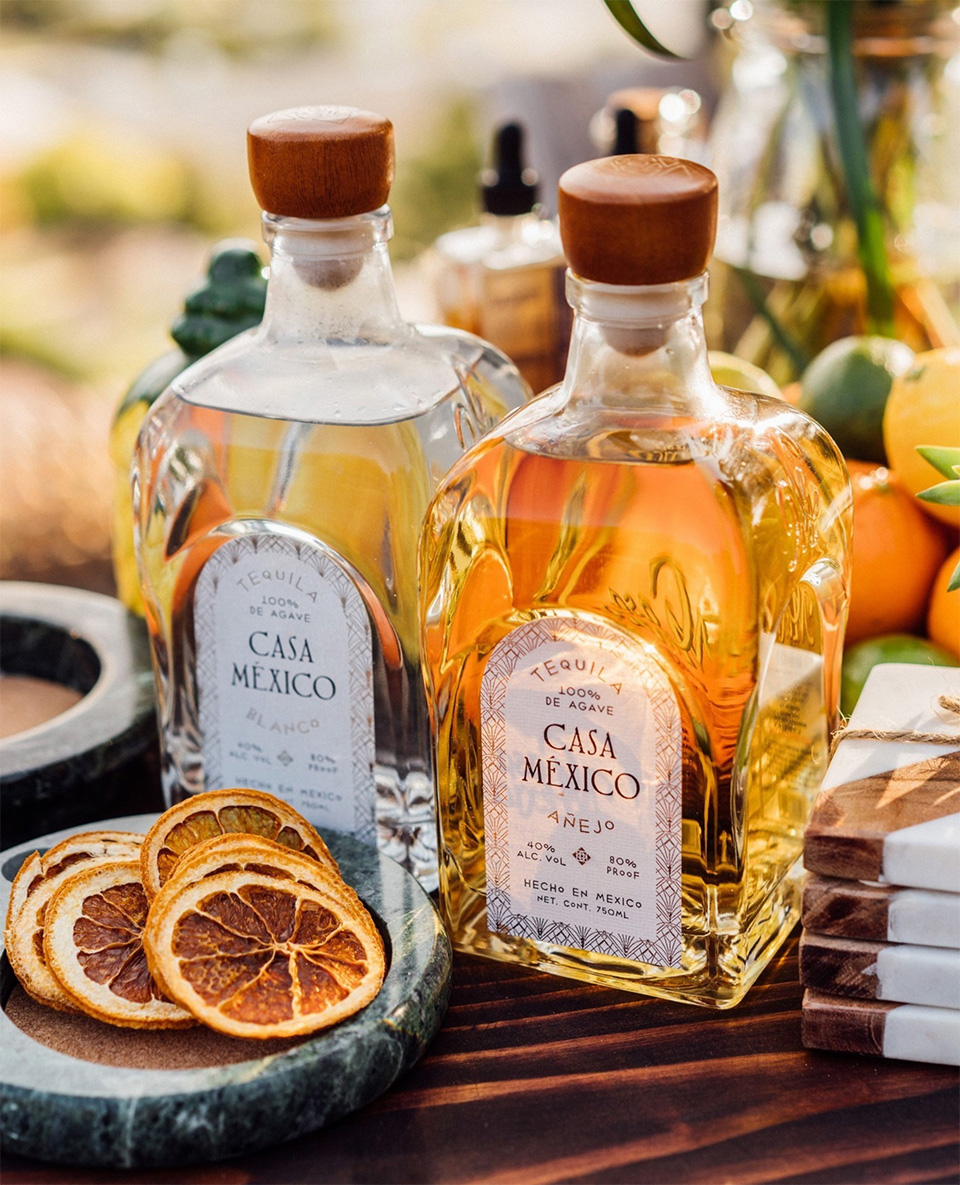
Casa Mexico Tequila Silver
Casa Mexico Tequila Silver delivers a crisp agave profile without barrel influence. The sharp structure pairs cleanly with grapefruit soda and fresh lime juice. The style suits a bright and refreshing Classic Paloma with high clarity.
Casa Mexico Tequila Reposado
Casa Mexico Tequila Reposado introduces mild oak character through short aging. The softer profile smooths grapefruit bitterness and citrus sharpness. The result feels rounder while preserving agave definition.
Casa Mexico Tequila Añejo
Casa Mexico Tequila Añejo contributes deeper vanilla and caramel notes from extended aging. The richer body pairs best with restrained sweetness and controlled carbonation. The option favors a more robust Classic Paloma variation.
Does Classic Paloma have alcohol? Yes, a Classic Paloma contains alcohol because tequila provides the drink’s entire alcoholic content. Tequila establishes strength through its approximate 40 percent alcohol by volume level. Grapefruit soda, lime juice, and salt shape flavor and texture without adding alcohol. The measured tequila pour controls intensity while maintaining balance and refreshment.
How Much Alcohol Does a Classic Paloma Have?
A Classic Paloma contains about 1.5 to 2 ounces of tequila, which equals roughly 20 to 28 grams of pure alcohol per serving. The finished drink falls within an approximate range of 8 to 12 percent alcohol by volume after dilution from ice and grapefruit soda. Tequila quantity defines the primary alcohol range because standard tequila carries about 40 percent alcohol by volume. Ice volume, glass size, and grapefruit soda ratio influence final strength by controlling dilution and pacing.
Alcohol range shapes taste and impact directly. Higher tequila pours push the profile toward stronger agave warmth and a longer alcoholic finish that competes with grapefruit bitterness. Lower tequila pours shift emphasis toward citrus, carbonation, and salt-driven refreshment with a softer alcohol presence. Faster dilution smooths mouthfeel and lowers perceived intensity, while slower dilution preserves heat and sharper edges. A moderate range near 1.5 ounces of tequila supports balance, clarity, and steady drinkability for casual settings.
Can pregnant women drink a Classic Paloma? No, pregnant women must avoid a Classic Paloma and all alcoholic beverages. The Centers for Disease Control and Prevention states, “There is no known safe amount of alcohol during pregnancy.” Alcohol exposure during pregnancy links directly to fetal alcohol spectrum disorders, which result in permanent physical, behavioral, and cognitive harm. A safe range during pregnancy equals zero alcohol regardless of dilution, recipe structure, or serving size.
Does a Classic Paloma make you drunk?
Yes, a Classic Paloma makes a person drunk because tequila supplies the drink’s full alcohol content. A standard Classic Paloma contains about 1.5 to 2 ounces of tequila at roughly 40 percent alcohol by volume. The alcohol amount equals one full standard drink regardless of grapefruit soda, lime, salt, or ice. Carbonation and citrus lighten the taste without lowering alcohol intake.
Drink structure influences perception rather than intoxication. Grapefruit bitterness, acidity, and bubbles soften alcohol heat and create a smoother drinking experience. Faster drinking pace increases alcohol absorption even though the cocktail feels light and refreshing. Intoxication depends on serving count and speed, since multiple Palomas stack tequila content quickly.
Does Classic Paloma Have Tequila?
Yes, a Classic Paloma has tequila as its base spirit, and tequila defines the drink from structure to strength. Tequila supplies the full alcohol content and sets the agave-forward foundation that distinguishes the cocktail from grapefruit soda or citrus spritzes. Blanco tequila keeps the profile crisp and sharp, while reposado tequila introduces light warmth that rounds bitterness. Grapefruit soda contributes bitterness, sweetness, and carbonation without altering the alcohol level. Lime juice tightens acidity and sharpens contrast, while salt heightens flavor perception rather than strength.
Preparation shapes experience rather than composition. Ice lowers the temperature and smooths alcohol warmth through controlled dilution. Carbonation lifts aroma and texture, creating a lighter mouthfeel while preserving ethanol quantity. The drink tastes approachable despite full-strength spirits, which explains its popularity in warm settings. Flavor balance influences pacing without reducing alcohol presence.
Classification depends on the base spirit rather than mixers. The recipe fits squarely within tequila-based cocktails because tequila anchors flavor, structure, and potency. Citrus and carbonation support refreshment instead of replacing the spirit character. The identity remains fixed around tequila.
What is Classic Paloma?
A Classic Paloma is a tequila cocktail made with tequila, grapefruit soda, fresh lime juice, and salt, built over ice for a crisp and refreshing profile. The drink follows a simple highball-style structure that emphasizes citrus bitterness and carbonation rather than sweetness. Tequila provides alcohol content and agave character, while grapefruit soda delivers bitterness, light sweetness, and effervescence. Lime juice sharpens acidity and tightens balance, creating a bright, dry, and clean finish that feels light and refreshing.
Preparation shapes texture and flavor clarity in the final drink. Building the cocktail over ice preserves carbonation and controls dilution. Gentle stirring integrates tequila and citrus without flattening bubbles. Salt heightens grapefruit bitterness and agave depth without increasing sweetness, keeping the drink focused and structured.
Why is it called a Classic Paloma? The name reflects its status as the traditional and widely recognized Paloma preparation. The term Paloma refers to the grapefruit-forward tequila drink popularized in Mexico. The word Classic distinguishes the original structure from modern variations that replace grapefruit soda with fresh juice or sweeteners. The cocktail earns the name Classic Paloma because tequila, grapefruit soda, lime, and salt define the original and enduring formula.
What Does a Classic Paloma Taste Like?
A Classic Paloma tastes bright, crisp, and refreshing with a balance of citrus bitterness, light sweetness, and clean agave warmth. Grapefruit leads the flavor profile with a dry, slightly bitter edge rather than sugary citrus. Carbonation creates a lively texture that keeps each sip light and cooling. The finish feels sharp and mineral-driven, which prevents heaviness and supports extended drinking.
The ingredients that affect the taste of the Classic Paloma are listed below.
- Tequila: Tequila establishes structure and alcohol presence. Blanco tequila delivers sharp agave flavor with subtle pepper and herbal notes that cut cleanly through grapefruit bitterness. Reposado tequila softens the profile with mild oak warmth, producing a smoother and slightly rounder finish without adding sweetness.
- Grapefruit Soda: Grapefruit soda defines the drink’s signature character. Natural bitterness from grapefruit keeps the cocktail dry and refreshing. Light sweetness balances acidity while allowing bitterness to remain the dominant note rather than turning the drink sugary.
- Lime Juice: Lime juice tightens balance and clarity. Fresh acidity sharpens grapefruit flavor and reinforces agave definition. Controlled lime addition prevents bitterness from becoming harsh and keeps the profile focused.
- Salt: Salt refines and amplifies flavor contrast. A light salt rim heightens grapefruit bitterness and deepens agave notes. Salinity sharpens the finish and improves overall balance without changing texture.
- Ice: Ice controls temperature and dilution. Cold temperature preserves crispness and keeps bitterness clean. Gradual dilution smooths alcohol warmth while maintaining carbonation and structure through the full glass.
How to Drink a Classic Paloma?
To drink a Classic Paloma, follow the eight steps below.
- Chill the Glass. Start with a highball glass packed with fresh ice. Cold glass walls slow dilution and protect carbonation from rapid collapse. Stable temperature keeps grapefruit bitterness crisp and prevents sweetness from rising too quickly.
- Hold the Glass Upright. Maintain a relaxed, vertical grip while drinking. Upright handling keeps carbonation active and evenly distributed. Active bubbles lift aroma and keep texture sharp from start to finish.
- Smell Before Sipping. Bring the glass close to the nose before drinking. Grapefruit oils register first, followed by mineral notes and clean agave. Aromatic awareness prepares the palate and sharpens flavor recognition.
- Take Small Sips. Drink in short, controlled sips rather than large gulps. Smaller sips allow bitterness, acidity, and tequila warmth to appear in sequence. Controlled intake prevents alcohol heat from overpowering citrus freshness.
- Let the Drink Rest on the Palate. Hold each sip briefly before swallowing. The pause separates bitterness from acidity and highlights mineral lift. Texture feels more precise when flavors register individually.
- Allow Gradual Dilution. Let ice melt naturally during drinking. Slow dilution smooths alcohol warmth and rounds grapefruit edges. Balanced melt preserves carbonation while softening intensity.
- Revisit Flavor Progression. Taste the drink again after several minutes. Grapefruit bitterness eases while agave and mineral notes become more noticeable. Awareness of progression adds depth to the drinking experience.
- Pause Between Sips. Take short breaks between sips. A rested palate detects freshness more clearly and avoids bitterness fatigue. Spacing keeps the drink lively and structured through the glass.
The most important tip for better taste comes from slow, deliberate sipping. Controlled pacing preserves carbonation and keeps grapefruit bitterness clean and focused. Gradual sipping maintains balance between citrus acidity, mineral lift, and agave warmth. Steady rhythm prevents alcohol heat from overtaking refreshment and keeps the Classic Paloma crisp until the final sip.
Can a Classic Paloma Be Prepared Ahead of Time for Parties?
Yes, a Classic Paloma works well for partial advance preparation at parties when handled correctly. Tequila, fresh grapefruit juice, and lime juice combine ahead of time and stay stable under refrigeration for several hours. Pre-mixing the non-carbonated components locks in flavor balance and reduces last-minute work.
Carbonation timing determines final quality. Sparkling water or grapefruit soda belongs in the glass at serving time to preserve bubbles and texture. Early carbonation collapses the lift and dulls bitterness, which flattens the drink quickly. Ice management affects consistency during service. Chilling the pre-mixed base keeps the temperature low without dilution. Building each drink over fresh ice maintains structure and keeps grapefruit bitterness crisp.
Batch preparation supports speed without sacrificing character. Controlled ratios protect balance while fresh carbonation restores brightness at pour time. The approach keeps the Classic Paloma refreshing, structured, and party-ready without tasting tired.
What are the Types of Classic Paloma Cocktails?
The types of Classic Paloma cocktails are listed below.
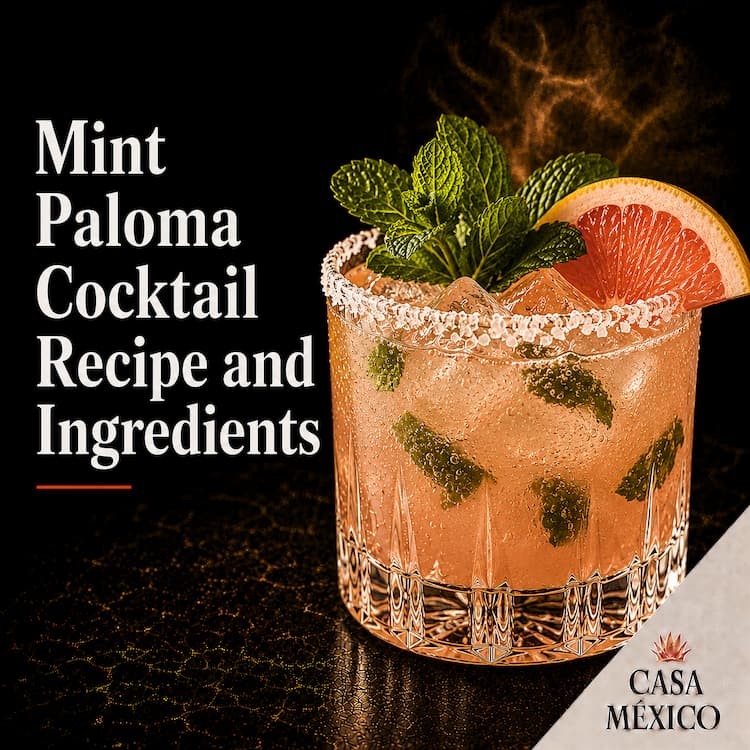
- Pink Paloma: Pink Paloma tastes softer and smoother due to sweeter grapefruit varieties or added citrus juice. Reduced bitterness places more focus on freshness and drinkability. The profile feels balanced and easygoing compared to a Classic Paloma.
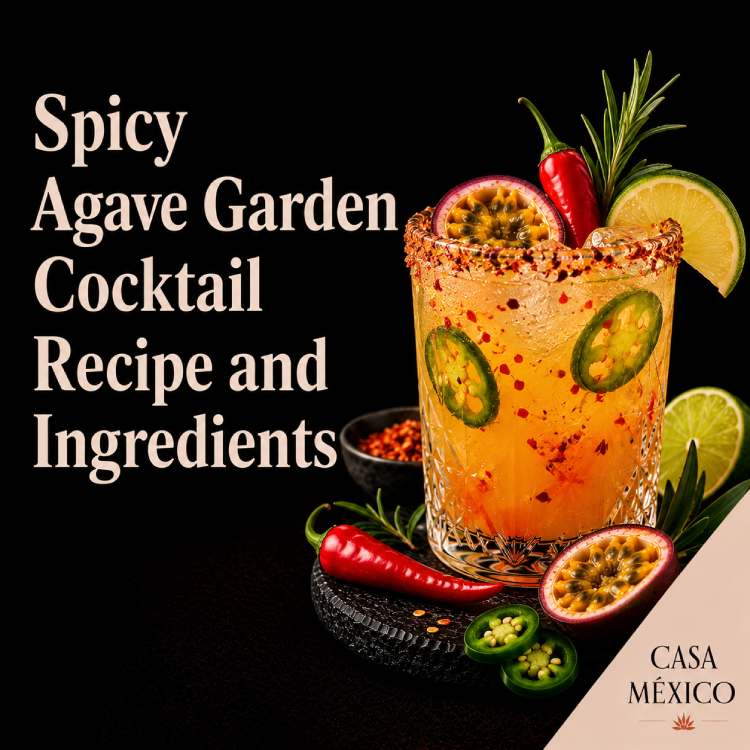
- Spicy Paloma: Spicy Paloma tastes sharp and warming with chili heat rising quickly after the first sip. Heat heightens grapefruit bitterness and sharpens acidity. The finish feels longer and more intense than a Classic Paloma.
- Jalapeño Paloma: Jalapeño Paloma tastes green and savory with fresh pepper character shaping the mid-palate. Heat stays clean and vegetal rather than smoky. The drink feels crisp and aromatic next to a Classic Paloma.
- Watermelon Paloma: Watermelon Paloma tastes light and juicy with mild sweetness, lowering bitterness. Watermelon dilutes grapefruit sharpness and softens acidity. The drink feels refreshing and casual compared to a Classic Paloma.
- Strawberry Paloma: Strawberry Paloma tastes sweet-forward with ripe berry flavor leading the sip. Strawberry pushes grapefruit bitterness into the background. The drink feels rounder and less sharp than a Classic Paloma.
- Pineapple Paloma: Pineapple Paloma tastes bright and tangy with tropical acidity lifting the profile. Pineapple sharpens citrus energy while adding sweetness. The drink feels louder and more expressive than a Classic Paloma.
- Mango Paloma: Mango Paloma tastes smooth and rich, with tropical sweetness dominating the palate. Mango reduces perceived bitterness and adds weight. The drink feels fuller and softer than a Classic Paloma.
- Blood Orange Paloma: Blood Orange Paloma tastes deep and citrusy with mild sweetness and restrained bitterness. Blood orange adds complexity without harsh edges. The drink feels smoother and darker than a Classic Paloma.
- Passion Fruit Paloma: Passion Fruit Paloma tastes bold and aromatic with sharp tang defining the structure. Passion fruit amplifies acidity and fragrance. The drink feels vibrant and energetic compared to a Classic Paloma.
- Guava Paloma: Guava Paloma tastes mellow and fragrant with gentle sweetness, smoothing the grapefruit bite. Guava creates a softer mouthfeel. The drink feels relaxed and approachable next to a Classic Paloma.
- Hibiscus Paloma: Hibiscus Paloma tastes tart and dry with floral bitterness shaping the finish. Hibiscus reinforces grapefruit sharpness rather than sweetness. The drink feels structured and crisp compared to a Classic Paloma.
- Rose Paloma: Rose Paloma tastes delicate with a light floral aroma leading perception. Subtle sweetness softens citrus edges. The drink feels elegant and restrained compared to a Classic Paloma.
- Lavender Paloma: Lavender Paloma tastes herbal and aromatic with a dry, perfumed finish. Lavender emphasizes aroma over sweetness. The drink feels drier and more fragrant than a Classic Paloma.
What is the Difference of Pink Paloma than other Classic Paloma Cocktail Recipes?
The difference between a Pink Paloma and other Classic Paloma cocktail recipes centers on the sweetness level, bitterness control, and citrus expression. A Pink Paloma relies on sweeter grapefruit juice or pink grapefruit soda rather than sharper white grapefruit. Classic Paloma recipes emphasize pronounced grapefruit bitterness paired with mineral soda for a drier profile. A Pink Paloma tastes smoother and softer, while other Classic Paloma versions taste sharper and more bitter with a stronger citrus bite.
The difference becomes clearer through ingredient choice and palate feel. Sweeter grapefruit reduces bitterness and shifts the balance toward fruit-forward refreshment rather than bracing sharpness. Reduced bitterness allows tequila’s warmth to feel rounder and less aggressive across the finish. Carbonation still refreshes, though sweetness shapes a gentler mouthfeel. The contrast explains why the Pink Paloma Recipe feels approachable and smooth, while Classic Paloma cocktail recipes feel crisp, bitter, and more assertive.
What is the Difference of Spicy Paloma than other Classic Paloma Cocktail Recipes?
The difference between a Spicy Paloma and other Classic Paloma cocktail recipes centers on heat intensity, flavor tension, and finish behavior. A Spicy Paloma introduces chili heat through fresh peppers or infused spice rather than relying only on grapefruit bitterness. Classic Paloma recipes focus on citrus bitterness and carbonation without heat. A Spicy Paloma tastes sharper and more aggressive on the palate, while other Classic Paloma versions taste cleaner and more citrus-driven without sensory burn.
The difference becomes clearer through ingredient interaction and mouthfeel. Chili compounds trigger warmth that lingers beyond the sip and reshapes how grapefruit acidity and tequila register on the tongue. Bitterness feels restrained as heat takes a leading role in perception. Carbonation lifts spice while extending the finish rather than softening it. The contrast explains why the Spicy Paloma Recipe feels bold and stimulating, while other Classic Paloma cocktail recipes feel crisp, bitter, and refreshment-focused.
What is the Difference of Watermelon Paloma than other Classic Paloma Cocktail Recipes?
The difference between a Watermelon Paloma and other Classic Paloma cocktail recipes centers on the sweetness source, texture, and dilution behavior. A Watermelon Paloma uses fresh watermelon juice or purée to replace part of the grapefruit bitterness with natural fruit water and light sweetness. Other Classic Paloma recipes rely on grapefruit soda or juice to drive bitterness and citrus tension. A Watermelon Paloma tastes softer and rounder, while other Classic Paloma versions taste sharper and more bitter.
The difference becomes clearer through fruit composition and mouthfeel. Watermelon contributes high water content with low acidity, which thins the texture and shortens the finish compared to grapefruit-forward versions. Sweetness feels subtle and refreshing rather than zesty or biting. Carbonation lifts watermelon aroma but does not counterbalance bitterness because bitterness stays reduced. The contrast explains why the Watermelon Paloma Recipe feels gentle, cooling, and easy-drinking, while other Classic Paloma cocktail recipes feel crisp, bitter, and more assertive.
What is the Difference of Strawberry Paloma than other Classic Paloma Cocktail Recipes?
The difference between a Strawberry Paloma and other Classic Paloma cocktail recipes centers on the sweetness profile, fruit texture, and acidity balance. A Strawberry Paloma uses fresh strawberry juice or purée to introduce soft sweetness and mild fruit acidity. Other Classic Paloma recipes depend on grapefruit soda or juice to deliver bitterness and sharp citrus tension. A Strawberry Paloma tastes rounder and fruit-led, while other Classic Paloma variations taste brighter and more bitter.
The difference becomes clearer through fruit behavior and mouthfeel. Strawberries contribute natural sugar and light pulp that thicken texture and soften grapefruit’s sharpness. Sweetness feels fuller and more pronounced without relying on soda sugars. Acidity shifts away from bitter citrus toward gentle berry tang, which shortens the bite on the finish. The contrast explains why the Strawberry Paloma Recipe feels smooth, approachable, and fruit-forward rather than crisp, bitter, and citrus-dominant.
Where to Serve Classic Paloma?
Classic Paloma fits social and dining settings that favor brightness, citrus refreshment, and steady pacing rather than spirit-heavy sipping. The tall, sparkling structure keeps the drink light and approachable across extended gatherings. The grapefruit and lime profile supports conversation-driven environments where refreshment matters more than intensity.
Breakfast and brunch settings suit a Classic Paloma when menus stay light and fresh. Grapefruit bitterness sharpens the palate without weight, while carbonation keeps the texture crisp alongside eggs, seafood, fruit plates, and baked items. Lunch settings benefit from a Classic Paloma because acidity and bubbles reset the palate between bites. The drink pairs cleanly with grilled dishes, tacos, salads, and fried foods without overpowering flavor.
Dinner service and celebrations work well for a Classic Paloma during early evening pacing. The profile prepares the palate before heavier drinks or wine appear later. Birthday parties favor the style because bitterness balances sweetness and keeps energy social rather than rushed. Food pairing decisions align naturally with What to Serve with Classic Palomas.
What Glass to Serve a Classic Paloma?
A Classic Paloma belongs in a highball glass because the drink relies on carbonation, ice volume, and vertical balance. The tall structure holds tequila, grapefruit soda, and lime juice without crowding flavors. The shape keeps the drink refreshing rather than dense or spirit-heavy.
The highball glass manages dilution and temperature in a controlled way. Ice stays stacked rather than spread, which slows melt and protects flavor clarity. Grapefruit bitterness stays firm while lime acidity remains sharp across the full glass. Carbonation rises steadily through the liquid, which preserves lift and keeps the texture lively instead of flat.
The highball glass fits the Paloma category better than rocks or stemmed glassware. Rock glasses shorten the drink and reduce bubble life. Stemmed glasses disconnect the drink from ice control and casual pacing. The tall glass keeps the Classic Paloma cold, bright, and consistent from start to finish.
What makes Classic Paloma different from others?
The Classic Paloma is different from other cocktails in the ways listed below.
- The grapefruit-forward profile defines the drink immediately. Grapefruit soda introduces bitterness, light sweetness, and citrus oils in a single component. The bitterness keeps sugar restrained and prevents the drink from drifting into fruit punch territory. Tequila stays clear and sharp because grapefruit supports agave instead of covering it.
- Carbonation shapes texture and pacing more than shaking or stirring. Bubbles lift aroma on every sip and keep the palate refreshed. The drink stays lively across time rather than flattening quickly. The carbonation-driven structure favors steady sipping instead of fast consumption.
- The ingredient list stays intentionally short. Tequila establishes strength and agave character. Grapefruit soda delivers flavor and texture in one step. Lime juice tightens acidity without shifting focus away from grapefruit bitterness. The absence of syrups and liqueurs keeps the finish dry and clean.
- The balance leans bitter-citrus rather than sweet-citrus. Many tequila cocktails emphasize sweetness to soften alcohol warmth. The Classic Paloma relies on bitterness and carbonation to manage intensity. The finish feels crisp and restrained instead of rich or rounded.
- The overall experience fits relaxed social settings. Carbonation moderates alcohol perception per sip. The flavor profile stays refreshing through extended drinking without palate fatigue. The structure explains why the Classic Paloma remains distinct among Drinks Similar to Classic Paloma, maintaining a clear identity built on bitterness, simplicity, and balance.