EN
EN ES
ES PL
PL TR
TR
Yes, tequila is a depressant, joining vodka, whiskey, rum, gin, wine, and beer under a single pharmacological class. Tequila has a reputation for high-energy nights, loud music, and quick shots, which creates a common misconception about its actual effect on the central nervous system. Ethanol, the active compound inside every alcoholic beverage, slows communication between brain cells and produces depressant effects regardless of the source ingredient or distillation process. Initial feelings of excitement stem from reduced self-control and lowered inhibitions rather than from stimulant activity. Rising blood alcohol concentration gradually produces slower reaction time, impaired judgment, reduced coordination, and delayed reflexes.
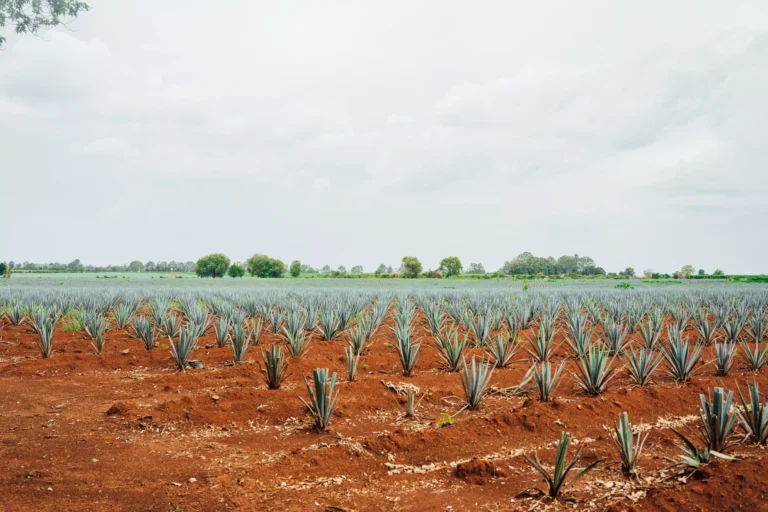
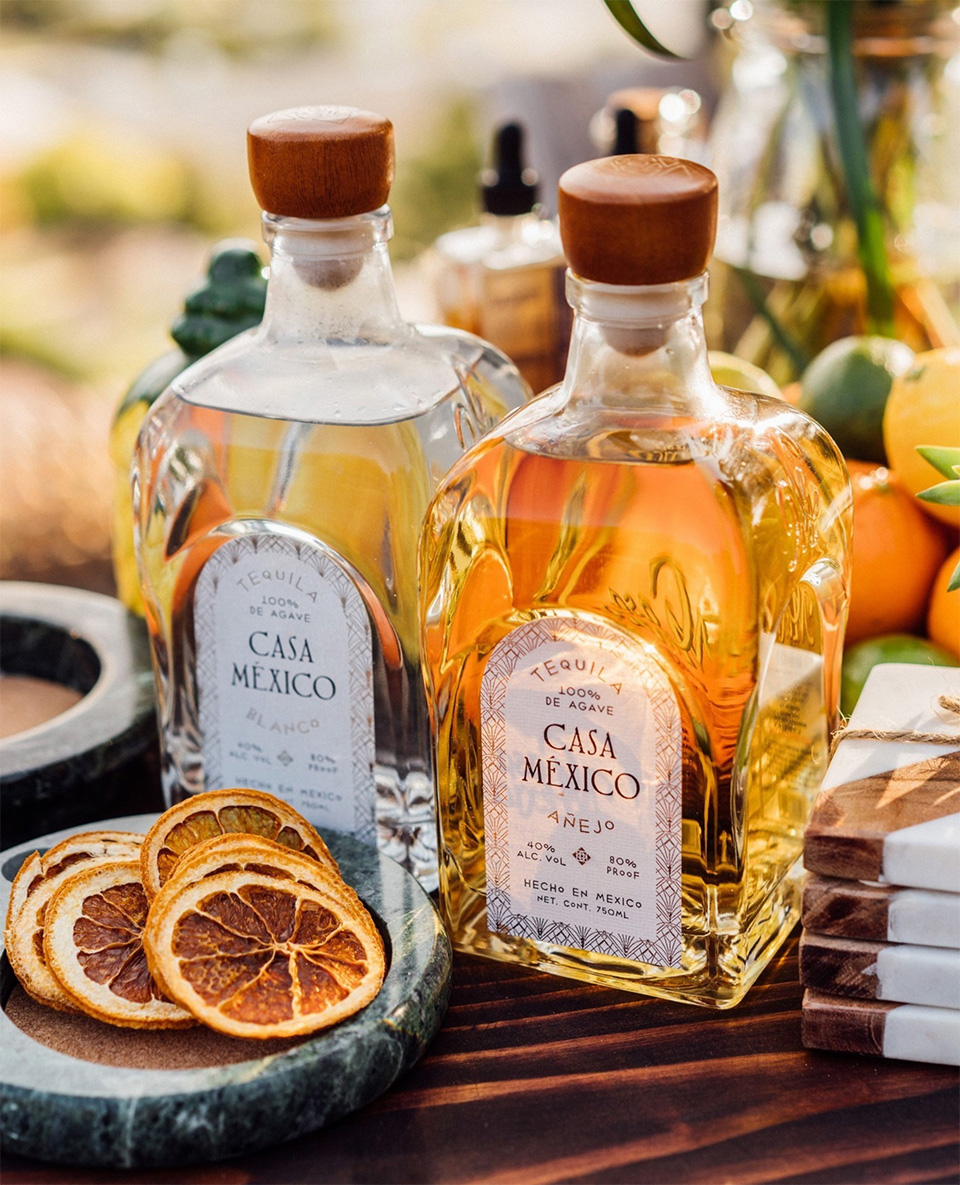
Blanco, Reposado, and Añejo tequila differ by aging period rather than by chemical classification, keeping every style within the depressant category. Weber Blue Agave, cultivated across Jalisco, Mexico, undergoes fermentation and distillation to produce tequila with 35% to 55% alcohol by volume, depending on the product. Alcohol concentration influences the strength of the depressant effect, although the classification remains unchanged across tequila styles. Drinking speed, serving size, food intake, and body composition influence how quickly depressant effects become noticeable after consumption. Scientific research consistently classifies tequila as a central nervous system depressant because ethanol produces the same biological effect regardless of the alcoholic beverage consumed.
What Makes Alcohol a Depressant?
Alcohol works as a depressant since ethanol suppresses activity across the central nervous system after absorption into the bloodstream. The neurotransmitter GABA increases its activity after ethanol intake, slowing signal transmission among neurons and producing relaxation, slower reaction time, and reduced coordination. Glutamate, a neurotransmitter tied to alertness, drops in activity at the same time, deepening the sedative effect across brain regions responsible for movement, judgment, and speech. A single serving of alcohol, containing 14 grams of pure ethanol, alters brain chemistry within minutes regardless of drink type (tequila, wine, or beer).
Ethanol crosses the blood-brain barrier rapidly after entering the bloodstream, allowing depressant effects to develop soon after consumption. Brain regions controlling decision-making, memory formation, balance, and emotional regulation become less active as blood alcohol concentration rises. Higher alcohol intake produces stronger depressant effects, including impaired coordination, slower reflexes, slurred speech, and reduced attention. Long-term heavy alcohol consumption changes brain function by disrupting normal neurotransmitter activity, increasing tolerance, and contributing to physical dependence through repeated exposure.
How does alcohol affect the brain and nervous system?
Alcohol affects the brain through direct action on GABA and glutamate receptors, slowing communication among neurons within seconds of absorption. Reaction time slows, coordination weakens, and judgment declines as ethanol concentration rises inside the bloodstream. Speech centers, motor control regions, and memory formation areas each exhibit a measurable decline in function during intoxication. Ongoing neuroscience research continues expanding knowledge about how alcohol affects the brain, reinforcing the classification of every alcoholic beverage as a central nervous system depressant.
Alcohol reduces activity in the prefrontal cortex, the brain region responsible for decision-making, impulse control, and problem-solving. Cerebellum function declines during intoxication, reducing balance, coordination, and precise movement. Hippocampus activity becomes disrupted, making new memories harder to form after heavy alcohol consumption. Rising blood alcohol concentration produces greater impairment across the brain and nervous system, increasing the risk of falls and delayed responses while supporting scientific understanding of Alcohol affect the brain.
Is tequila a stimulant or a depressant?
Yes, tequila is a depressant, not a stimulant. Ethanol, the active ingredient in tequila, slows nervous system activity from the first sip onward. Lowered inhibition creates a false sense of energy, masking the sedative process beneath a lively social atmosphere. Initial excitement reflects reduced self-control instead of increased brain activity.
Blood alcohol concentration rises after tequila consumption, increasing depressant effects across the brain and nervous system. Slower reaction time, reduced coordination, impaired judgment, and delayed reflexes become more noticeable as ethanol enters the bloodstream. Blanco, Reposado, and Añejo tequila remain central nervous system depressants because each style contains ethanol regardless of aging. Alcohol concentration influences the intensity of intoxication, whereas ethanol determines the depressant effect.
Meet Our Maestra Tequilera
Casa México Tequila is crafted under the guidance of world-renowned Maestra Tequilera Ana María Romero Mena. With decades of experience creating acclaimed tequilas and mentoring future generations of distillers, she brings both deep tradition and thoughtful innovation to the brand. From agave selection to distillation and aging, her expertise ensures every expression reflects authenticity, precision and exceptional quality.

Why do some people think tequila is a stimulant?
Tequila carries a stimulant reputation because lowered inhibition mimics an energy boost during the early stages of intoxication. Reduced anxiety, increased sociability, and faster talking speed appear within minutes after a shot, creating an impression of heightened alertness. Fast absorption, tied to a straight pour instead of a mixed drink, intensifies the initial sensation compared with slower sipping styles. The depressant process remains active beneath the surface even as behavior briefly resembles a stimulant response.
Dopamine release during early alcohol consumption contributes to temporary feelings of pleasure and excitement without changing tequila’s pharmacological classification. Social settings, loud music, celebrations, and group drinking reinforce the perception that tequila increases energy instead of suppressing nervous system activity. Rising blood alcohol concentration gradually replaces temporary excitement with slower reflexes, reduced coordination, impaired judgment, and drowsiness. Scientific evidence classifies tequila as a central nervous system depressant because ethanol consistently slows brain function regardless of the drinking environment.
What causes the energizing feeling after drinking tequila?
Lowered inhibition causes the energizing feeling after drinking tequila, not a stimulant compound inside the spirit. Cortisol and dopamine levels shift during early intoxication, producing a brief sense of confidence, sociability, and excitement. Blood alcohol concentration rises quickly after a shot because straight tequila reaches the bloodstream faster than many slower-consumed alcoholic beverages. Descriptions of an energized drinking tequila sensation originate from reduced restraint instead of increased nervous system activity.
Ethanol suppresses activity across the central nervous system from the beginning of alcohol absorption, despite the temporary feeling of increased energy. Reduced activity in the prefrontal cortex weakens self-control, encouraging louder speech, greater confidence, and more spontaneous behavior. Rising blood alcohol concentration gradually replaces the initial excitement with slower reflexes, impaired coordination, reduced judgment, and drowsiness. Neuroscience research explains energized drinking tequila through temporary behavioral changes produced by ethanol instead of stimulant activity.
How does tequila compare with other alcoholic drinks?
Tequila compares with vodka, whiskey, rum, gin, wine, and beer through a shared classification as central nervous system depressants. Ethanol remains the active compound in every alcoholic beverage, regardless of raw ingredient or production method. Alcohol by volume differs across beverage categories, influencing intoxication intensity instead of pharmacological classification.
The comparison of tequila with other alcoholic drinks is shown in the table below.
|
Beverage |
Alcohol Type |
CNS Effect |
Typical ABV |
|
Tequila |
Distilled spirit from Weber Blue Agave |
Depressant |
35% to 55% |
|
Vodka |
Distilled grain or potato spirit |
Depressant |
40% to 50% |
|
Whiskey |
Distilled grain spirit |
Depressant |
40% to 50% |
|
Rum |
Distilled sugarcane spirit |
Depressant |
37.5% to 50% |
|
Gin |
Distilled botanical spirit |
Depressant |
37.5% to 50% |
|
Wine |
Fermented grape beverage |
Depressant |
8% to 15% |
|
Beer |
Fermented grain beverage |
Depressant |
4% to 8% |
Does tequila affect the body differently than other spirits?
Tequila affects the body like other distilled spirits because every spirit contains ethanol as the active ingredient. Agave sugars produce a distinctive flavor profile after fermentation and distillation, although the depressant mechanism remains identical across spirit categories. The absorption rate depends on alcohol concentration, serving size, stomach contents, and drinking speed, rather than on the plant source used during production. Comparative research continues confirming a shared physiological pathway across tequila, vodka, whiskey, rum, and gin.
Ethanol enters the bloodstream through the stomach and small intestine before reaching the brain, liver, and other organs. Liver enzymes metabolize ethanol through the same biological process regardless of whether the drink originates from Weber Blue Agave, grains, grapes, or sugarcane. Blood alcohol concentration determines the degree of impaired coordination, slower reaction time, and reduced judgment across every distilled spirit. Scientific evidence consistently demonstrates that how tequila affects the body follows the same biological pathway as other spirits despite differences in flavor, aroma, and production methods.
What Factors Influence How Tequila Affects the Body?
Factors influencing how tequila affects the body range from body weight to drinking pace, food intake, hydration level, and personal tolerance. Each factor below shapes absorption speed, intoxication level, and recovery time after consumption.
The factors that influence how tequila affects the body are listed below.
- Body weight: Higher body mass dilutes alcohol concentration across a larger volume of blood, slowing intoxication onset. Lower body mass concentrates ethanol faster, resulting in quicker impairment with an identical serving size. Muscle and fat ratio shifts absorption speed further, since water content differs across tissue types.
- Food intake: Food inside the stomach slows alcohol absorption into the bloodstream, delaying peak intoxication. An empty stomach accelerates absorption, producing a faster and stronger depressant effect from an identical serving. Protein and fat, compared against carbohydrate alone, slow gastric emptying most effectively.
- Hydration level: Dehydration intensifies the alcohol’s impact on the nervous system, deepening dizziness, fatigue, and impaired coordination. Water intake alongside alcohol slows the blood alcohol concentration rise, softening the severity. Fluid balance supports faster recovery after a drinking session ends.
- Drinking pace: A rapid pace, several shots within a short span, floods the bloodstream faster than liver metabolism allows. Slower pacing allows the liver to process ethanol more steadily, reducing peak blood alcohol concentration. One standard drink per hour matches the typical liver processing speed.
- Personal tolerance: Repeated exposure to alcohol shifts enzyme activity inside the liver, altering metabolism speed over time. Tolerance changes intoxication perception without altering the depressant classification of the substance. Genetics, drinking history, and liver health each shape tolerance differently from one person to another.
How Does Tequila Affect Mood and Behavior?
Tequila affects mood through lowered inhibition, triggering sociability, relaxation, and reduced anxiety during the early stages of intoxication. Behavior shifts toward greater talkativeness, confidence, and reduced self-restraint as blood alcohol concentration rises. Judgment and impulse control decline further at higher intoxication levels, increasing the likelihood of poor decision-making, aggression, and emotional volatility. Mood changes appearing later during a drinking session shift toward irritability, fatigue, or sadness because of the depressant effects of ethanol.
Alcohol reduces activity in the prefrontal cortex, weakening emotional regulation and logical decision-making during intoxication. Dopamine release contributes to temporary feelings of pleasure and excitement before depressant effects become more noticeable. Rising blood alcohol concentration slows reaction time, reduces attention, and increases impulsive behavior across social situations. Scientific evidence consistently demonstrates that tequila’s effects on mood and behavior depend on ethanol’s actions throughout the brain and central nervous system rather than on unique compounds found in tequila.
How can tequila be consumed more responsibly?
Responsible tequila consumption reduces the risk of alcohol-related harm through balanced drinking habits and informed choices. Safe alcohol consumption focuses on moderation, hydration, food intake, and awareness of personal limits.
Tequila can be consumed more responsibly by following the five steps below.
- Eat Before Drinking. Consume a balanced meal before drinking tequila because food slows alcohol absorption into the bloodstream. Protein, healthy fats, and complex carbohydrates help reduce rapid increases in blood alcohol concentration.
- Drink slowly. Pace each serving to give the body time to metabolize ethanol. Slower consumption reduces rapid intoxication and supports better judgment throughout the drinking session.
- Stay Hydrated. Drink water throughout the occasion because alcohol increases fluid loss. Regular hydration reduces dehydration and supports normal body function during alcohol consumption.
- Avoid Binge Drinking. Limit alcohol intake instead of consuming multiple drinks within a short period. Excessive alcohol intake increases the risk of impaired coordination, poor decision-making, alcohol poisoning, and accidents.
- Know Personal Limits. Body weight, metabolism, food intake, biological sex, and alcohol tolerance influence alcohol effects. Recognizing personal limits reduces unnecessary health and safety risks.
- Arrange Safe Transportation. Use a designated driver, taxi, or rideshare service after drinking alcohol. Driving under the influence increases the risk of traffic collisions and serious injuries.
- Stop Drinking When Impaired. Slower reaction time, reduced coordination, blurred vision, and impaired judgment indicate rising intoxication. Ending alcohol consumption at that point reduces additional impairment.
What are common myths about tequila?
Common myths about tequila create misconceptions about production, quality, health effects, and consumption. Scientific evidence and tequila regulations distinguish facts from popular beliefs.
The common myths about tequila are listed below.
- Tequila is a Stimulant: Tequila is a central nervous system depressant because ethanol slows brain activity. Early feelings of excitement result from reduced inhibition instead of stimulant effects.
- Freezing Improves Every Tequila: Freezing softens alcohol perception by reducing aroma intensity. Premium Blanco, Reposado, and Añejo tequila retain more flavor complexity at room temperature or lightly chilled.
- Tequila Causes Worse Hangovers Than Other Spirits: Hangover severity depends on alcohol intake, hydration, food consumption, sleep, and congeners instead of tequila alone. Excessive consumption increases hangover risk regardless of the alcoholic beverage.
- Premium Tequila Contains a Worm: Authentic tequila never contains a worm inside the bottle. The worm tradition is associated with certain mezcal products rather than tequila produced under Mexican regulations.
- Clear Tequila Is Lower Quality: Blanco tequila remains unaged or lightly rested to preserve fresh agave flavors. Color reflects aging instead of quality, making Blanco, Reposado, and Añejo legitimate premium styles.
- Tequila Never Expires: Unopened tequila remains stable for many years when stored properly. Opened bottles gradually lose aroma and flavor through oxidation after repeated exposure to air.
- Tequila Is Always Made from Cactus: Authentic tequila is produced from Weber Blue Agave, a succulent plant that differs botanically from cactus. Mexican regulations require tequila production to follow established agave standards.
Is Tequila not a Depressant?
No, tequila is not a depressant, joining every alcoholic beverage under the same pharmacological classification. Ethanol content, not spirit type, determines central nervous system effects after consumption. Energetic behavior following a shot reflects reduced inhibition rather than stimulant activity from the drink. Temporary excitement does not change tequila’s classification because brain activity slows throughout intoxication.
Ethanol increases GABA activity and suppresses glutamate signaling, reducing communication across the brain and nervous system. Rising blood alcohol concentration slows reaction time, weakens coordination, reduces judgment, and impairs memory regardless of tequila style. Blanco, Reposado, and Añejo tequila differ through aging and flavor profile instead of pharmacological action. Medical and neuroscience research consistently classifies tequila as a depressant because ethanol produces the same biological effects across distilled spirits, wine, and beer.
What Alcohol Is Not a Depressant?
No alcoholic beverage is a depressant because every drink containing ethanol acts as a central nervous system depressant. Tequila, vodka, whiskey, rum, gin, wine, beer, cider, and liqueurs are classified the same way regardless of their ingredients, flavors, or production methods. Ethanol slows communication between neurons by increasing GABA activity and reducing glutamate signaling throughout the brain.
Differences among alcoholic beverages involve alcohol by volume, production process, raw ingredients, and flavor profile instead of nervous system classification. Higher alcohol concentration increases the intensity of intoxication without changing the depressant effect of ethanol. Temporary feelings of energy, confidence, or excitement result from lowered inhibition during early intoxication instead of stimulant activity. Medical and neuroscience research consistently classifies every ethanol-containing alcoholic beverage as a central nervous system depressant.
Why Is Tequila Often Misunderstood?
Tequila is often misunderstood because social stereotypes, marketing, and drinking culture create misconceptions about its effects and quality. Many people associate tequila with parties, quick shots, and high-energy behavior instead of recognizing ethanol as a central nervous system depressant. Temporary excitement caused by lowered inhibition reinforces the false belief that tequila acts as a stimulant. Differences among Blanco, Reposado, and Añejo tequila lie in aging and flavor rather than pharmacological effects.
Confusion develops from misinformation about hangovers, freezing, alcohol strength, and production methods. Authentic tequila follows strict production standards that require production from Weber Blue Agave in designated regions of Mexico. Scientific research consistently demonstrates that tequila affects the brain and body through ethanol in the same manner as other alcoholic beverages. Greater awareness of production, alcohol content, and neuroscience continues improving public understanding of Tequila Misunderstood.