EN
EN ES
ES PL
PL TR
TR
The history of Tequila is deeply rooted in Mexico’s cultural and agricultural traditions. The tequila origin is traced back to the indigenous peoples of western Mexico, who fermented the agave plant long before Spanish colonists introduced distillation techniques in the 16th century. Tequila is a distilled spirit explicitly made from the blue Weber agave plant, cultivated in the volcanic soils of Jalisco and a few surrounding regions. The strict geographical link forms the legal origin of tequila, ensuring authenticity and protecting its identity as Mexico’s national spirit.
The drink evolved from a local specialty into a symbol of Mexican pride and craftsmanship. The history of tequila gained international recognition in events (the U.S. Prohibition era, when Americans discovered it in border towns, and the 1968 Mexico City Olympics, which showcased it to the world. Tequila history reflects its transformation into a global luxury spirit and its enduring role in Mexican culture, celebrations, and national identity.
What is the Origin of Tequila?
The Origin of Tequila is traced to the town of Tequila in Jalisco, Mexico. Production began in the 16th century when Spanish settlers distilled fermented agave, which had been used by Indigenous groups for centuries. The drink was first referred to as mezcal wine, made from the agave plant. Local producers in Tequila and nearby Amatitán received authorization to distill mezcal wine by the late 18th century, establishing the foundation for what became recognized as tequila. The volcanic soil in Jalisco provided the right conditions for cultivating blue agave, which became the required plant for authentic tequila.
The cultural and economic role of Jalisco strengthens evidence of tequila’s origin. Tequila gained recognition beyond Mexico and became linked to national identity by the 19th century. About 90%of all tequila is produced in Jalisco, with the remainder created in nearby states under strict regulations that protect its origin. The town of Tequila remains central to its history, with distilleries and agave fields surrounding the area, preserving traditions that began centuries ago. The name, production methods, and geographic link confirm that tequila originated in the town of Tequila in Jalisco.
Where did Tequila First Originate?
Tequila first originated in the region surrounding the city of Tequila in Jalisco, Mexico. The settlement was formally recognized in the 16th century, and Spanish settlers began distilling agave after learning of its use by Indigenous communities. Early references described the drink as mezcal wine, created from the agave plant. Local producers in Tequila and nearby Amatitán received authorization to distill mezcal wine by the late 18th century, laying the groundwork for tequila as a distinct spirit. The volcanic terrain of Jalisco proved suitable for cultivating blue agave, which became the required source for authentic tequila.
Tequila spread internationally and became tied to Mexican identity by the 19th century, while regulations protected its designation of origin. Jalisco produces most of the tequila, and the city of Tequila continues to preserve its historical role with distilleries and agave fields that trace back centuries. The geographic link, cultivation of blue agave, and historical records confirm that tequila’s specific birthplace is the area surrounding the city of Tequila, established in the 16th century.
When was the Production of Tequila First Recorded?
The first recorded Production of Tequila was when José María Guadalupe de Cuervo received authorization in the 1700s to begin commercial distillation in Jalisco, Mexico. The Cuervo family established one of the earliest licensed distilleries in the late 18th century. King Ferdinand VI of Spain granted José María Guadalupe de Cuervo land to cultivate agave in 1758. King Charles IV issued a royal decree allowing José María Guadalupe de Cuervo’s descendants in 1795. José María Guadalupe Cuervo produces and distributes tequila on a commercial scale legally. It marked the first documented large-scale production of tequila, transforming it from a regional mezcal wine into a recognized spirit. The volcanic soil of Jalisco provided the right conditions for blue agave, ensuring that tequila’s identity remained tied to the region.
Evidence of tequila’s first recorded production is reinforced by the Cuervo family’s role in shaping the industry. The distillery of La Rojeña is located in the town of Tequila, and it became the oldest active tequila distillery in the world. Tequila was no longer limited to local consumption but was distributed across Mexico by the late 1700s, laying the foundation for its global recognition in the 19th century. The Cuervo enterprise established tequila as a commercial product, and its legacy confirms that the first recorded production occurred in Jalisco under royal authorization in the 1700s.
Meet Our Maestra Tequilera
Casa México Tequila is crafted under the guidance of world-renowned Maestra Tequilera Ana María Romero Mena. With decades of experience creating acclaimed tequilas and mentoring future generations of distillers, she brings both deep tradition and thoughtful innovation to the brand. From agave selection to distillation and aging, her expertise ensures every expression reflects authenticity, precision and exceptional quality.

How did the Spanish Influence the Development of Tequila?
The Spanish influenced the development of tequila by introducing distillation to the native fermented agave drink, creating the first version of the spirit. Spanish conquistadors arrived in Mexico in the 16th century and encountered Indigenous groups who consumed pulque, a traditional fermented beverage made from agave. Pulque was important in ritual and daily life, but it was not distilled. The Spanish introduced copper and alembic stills, techniques inherited from Arabic traditions, and applied them to agave fermentation. The process transformed pulque into a stronger distilled spirit, which became known as mezcal wine. Production later concentrated in Jalisco, where the volcanic soil was suitable for cultivating blue agave, the plant required for authentic tequila.
Evidence of Spanish influence is clear in historical records showing that distillation of agave spirits began soon after European technology was introduced. Indigenous fermentation practices combined with Spanish distillation methods created a new drink that evolved into tequila. Commercial authorization for production in Jalisco followed in the 1700s, and tequila gained recognition as distinct from other agave spirits. Tequila did not develop into the spirit that became central to Mexican identity and global trade without the Spanish introduction of distillation.
What was the Role of the Agave Plant in Early Tequila Production?
The role of the agave plant in early tequila production was as the essential raw material, first used by Indigenous peoples to create pulque, a fermented beverage consumed for centuries before Spanish colonists introduced distillation. Indigenous communities in Mexico harvested agave long before European contact, using its sap to produce pulque, a drink central to ritual and daily life. Locals applied distillation techniques to the fermented agave when Spanish settlers arrived in the 16th century, transforming pulque into a stronger spirit that evolved into mezcal wine. Production concentrated in Jalisco, where volcanic soil provided ideal conditions for cultivating blue agave, the specific variety later required for tequila. The transition from pulque to distilled spirits marked the beginning of tequila’s development, with the agave plant serving as the foundation of its identity.
Evidence of the role is seen in historical records that highlight the continuity between Indigenous fermentation practices and Spanish distillation methods. Pulque remained important, but the distilled version gained recognition as a distinct spirit by the 18th century. The cultivation of blue agave in Jalisco ensured tequila’s authenticity and tied its production to a specific geographic origin. The enduring importance of the Agave Plant demonstrates how Indigenous traditions and the Spanish combined to create tequila’s earliest form.
What is the Significance of the Blue Agave Plant in Tequila Production?
The significance of the Blue Agave plant in Tequila production is that it serves as the exclusive raw material defining the spirit’s identity and authenticity. Authentic tequila, by law, is solely made from the blue Weber agave (Agave tequilana), as established under Mexico’s Official Standard NOM-006-SCFI-2012. The regulation sets strict requirements for tequila production, including the use of blue agave sugars and cultivation within specific regions ( Jalisco, Guanajuato, Nayarit, Michoacán, and Tamaulipas). The plant requires 5 to 6 years to mature, and its high sugar content makes it suitable for fermentation and distillation. The volcanic soil of Jalisco provides the right conditions for cultivation, which is why tequila production is concentrated in the area.
Evidence of the significance is seen in the way Mexican law protects tequila under the denomination of origin system. NOM-006-SCFI-2012 does not define the raw material but regulates labeling, geographic boundaries, and production standards. The framework ensures that the Blue Agave Plant remains the legally protected foundation of tequila, preserving its cultural heritage and economic importance while preventing imitation products from being marketed as tequila.
Who is Credited with the First Commercial Production of Tequila?
The Cuervo family is credited with the first commercial production of tequila, having received a license from the King of Spain in 1795. José María Guadalupe de Cuervo was granted land in Jalisco in 1758 to cultivate agave, and his descendants later secured royal authorization to distill and sell tequila commercially. King Charles IV of Spain issued a license to José María Guadalupe Cuervo’s son, José María Guadalupe de Cuervo, in 1795, allowing the family to produce and distribute tequila legally. It marked the beginning of tequila as a recognized commercial product, moving beyond local consumption and establishing its place in Mexico’s economy.
The Cuervo family’s distillery, La Rojeña, located in the town of Tequila, became the oldest active tequila distillery in the world. The enterprise set the foundation for large-scale production and distribution, ensuring tequila’s growth as a distinct spirit tied to Jalisco. The royal license of 1795 is considered the definitive moment when tequila transitioned from regional tradition to commercial industry, with the Cuervo family credited as pioneers in its history.
How is Tequila Made from Agave?
The main production steps of how Tequila is made from Agave are listed below.
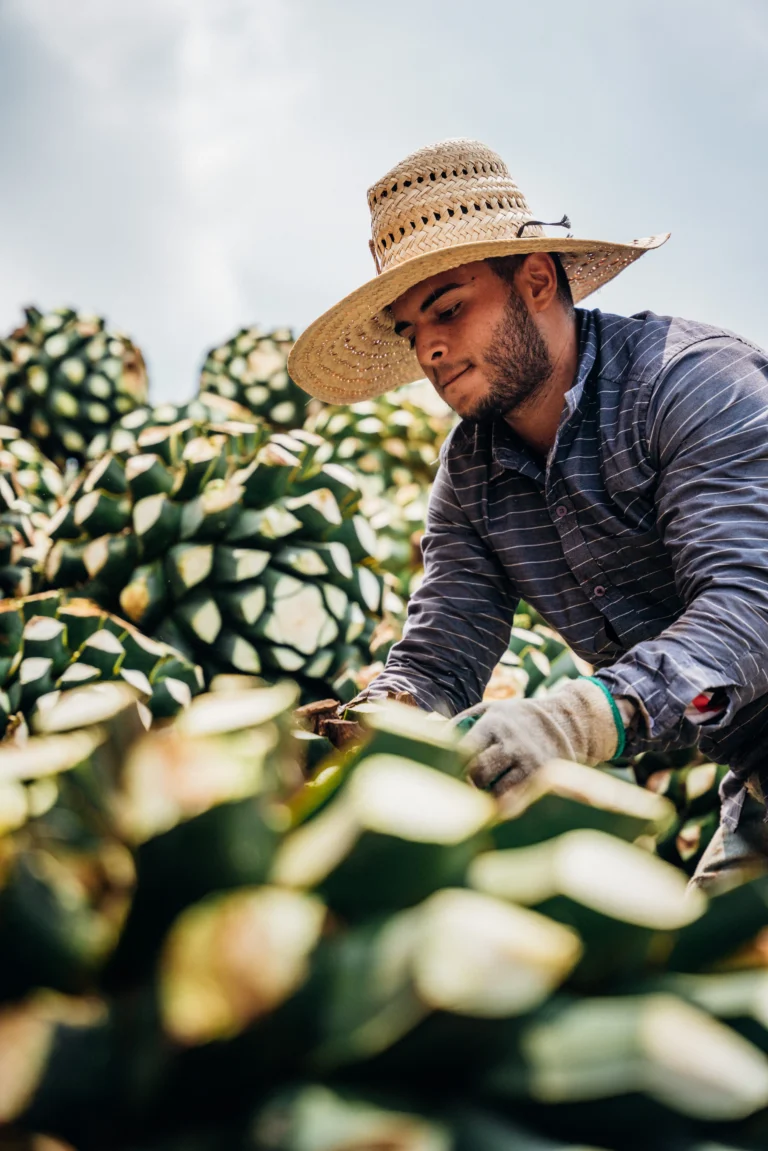
- Harvesting the agave piña: Jimadores cut away the sharp leaves of the agave plant to expose the piña, or heart. The piña is the part rich in sugars needed for fermentation. Harvesting requires skill and timing because the plant must be fully mature, after 5 to 6 years.
- Cooking: The harvested piñas are placed in ovens or autoclaves to be cooked. Cooking breaks down complex carbohydrates into fermentable sugars. The agave remains too fibrous and starchy to process.
- Crushing: The softened piñas are crushed to release their juice, called aguamiel. Traditionally, a stone wheel known as a tahona was used, but modern distilleries employ mechanical shredders. Crushing ensures maximum extraction of sugar-rich liquid for fermentation.
- Fermenting: The extracted juice is transferred into fermentation tanks. Natural or added yeast converts the sugars into alcohol, producing a low-alcohol liquid called mosto. The stage determines much of tequila’s flavor profile.
- Distilling: The mosto is distilled twice, in copper or stainless steel stills. Distillation concentrates alcohol and refines flavors by separating impurities. The result is a clear spirit that qualifies as tequila before aging or bottling, showing the process of how is Tequila made.
What is the Tequila Making Process?
The tequila-making process is the essential steps that begin with growing the blue Weber agave plant over 5 to 6 years and end with the final distillation of the fermented juices. Agave cultivation requires patience, as the plant must mature for 5 to 6 years before harvesting. Skilled jimadores then remove the leaves to expose the piña, which is cooked in ovens or autoclaves to convert starches into fermentable sugars. The softened piñas are crushed to extract aguamiel, the sweet juice, which is transferred into fermentation tanks where yeast transforms sugars into alcohol. Distillation follows and is performed twice in copper or stainless steel stills, concentrating alcohol and refining flavors.
The complete cycle, from long-term agave growth to the distillation of fermented juices, defines the authenticity and identity of tequila. Additional steps (aging) in oak barrels shape the flavor, producing reposado or añejo varieties. Strict Mexican standards regulate every stage to protect tequila’s denomination of origin. The volcanic soil of Jalisco provides ideal growing conditions, reinforcing the spirit’s geographic identity. The elements ensure tequila remains a product deeply tied to tradition, culture, and the Tequila Alcohol Percentage law.
Is Tequila Distilled?
Yes, tequila is distilled, and the process is fundamental to its production. The agave juice known as mosto undergoes distillation to concentrate alcohol and refine flavors after fermentation. Tequila is distilled twice in copper pot stills, a method that removes impurities while preserving the natural character of the agave. The first distillation, called destrozamiento, produces a cloudy liquid known as ordinario, while the second distillation, rectificación, yields a clear spirit with the desired alcohol strength.
Mexican regulations mandate the double distillation process to ensure consistency and authenticity. Copper pots are preferred because they conduct heat evenly and react with sulfur compounds, eliminating unwanted flavors. The result is a clean, smooth spirit that is bottled immediately as blanco or aged in oak barrels to create reposado and añejo varieties. Distillation does not define tequila’s alcohol content but ensures its distinctive taste, making it the critical step that transforms fermented agave juice into a legally recognized and significant spirit.
How is Tequila Fermented?
Tequila is fermented through the conversion of cooked agave sugars into alcohol by yeast in large vats. The extracted juice, which is known as aguamie, is placed into fermentation tanks after the piñas are harvested, cooked, and crushed. Natural airborne yeasts or cultivated strains are added to initiate fermentation. The yeast consumes the simple sugars produced in cooking, transforming them into ethanol and carbon dioxide. The stage lasts 4 to 5 days and makes a low-alcohol liquid called mosto, which serves as the base for distillation.
The fermentation process is critical because it determines much of tequila’s flavor profile. Factors (type of yeast used, size of the vats, and duration of fermentation) all influence the final character of the spirit. Traditional distilleries rely on natural fermentation, which takes longer but adds complexity, while modern producers use controlled yeast strains for consistency. Producers ensure that the sugars from the agave plant are fully converted into alcohol by carefully managing fermentation, showing the process of how Alcohol is made.
How long does Tequila Take to make?
Tequila takes between 5 to 6 years to make, because the blue Weber agave plant must fully mature before it is harvested. The plant requires years of growth in the volcanic soils of Jalisco, where it develops the starches and sugars needed for fermentation. Skilled jimadores wait until the agave reaches maturity, after 5 to 6 years, before cutting away the leaves to reveal the piña, or heart, which is the raw material for tequila. The long cultivation period is the most time-consuming stage of the process and defines tequila’s authenticity.
The actual production process takes 4 to 6 days. The piñas are cooked to convert starches into fermentable sugars, crushed to extract aguamiel, and fermented in large vats where yeast transforms sugars into alcohol. Distillation is performed twice in copper or stainless steel stills, concentrating alcohol and refining flavor. The total time extends, depending on whether the tequila is bottled immediately as blanco or aged in oak barrels. The definitive cycle always combines years of agave growth with 4 to 6 days of production after harvest.
What is the most Common Region in Mexico for Tequila Production?
The most common and primary region in Mexico for tequila production is the state of Jalisco. The western state is considered the birthplace and heartland of tequila, with the town of Tequila itself located northwest of Guadalajara. Jalisco’s volcanic soil, climate, and altitude provide ideal conditions for cultivating the blue Weber agave, the only variety permitted for authentic tequila. The region has centuries of tradition, with the first large-scale distilleries established as early as the 1600s, making Jalisco the most famous and dominant tequila-producing area.
Jalisco accounts for the majority of production and is home to the most recognized brands, while tequila is legally produced in five Mexican states. The Jalisco, Nayarit, Guanajuato, Michoacán, and Tamaulipas. The Highlands (Los Altos) and Lowlands (El Valle) are distinguished, each imparting flavor profiles to the spirit. The Highlands produce sweeter, fruitier tequilas due to their red clay soil, while the Lowlands yield earthier, spicier notes from volcanic terrain. The geography, tradition, and regulation ensure that Jalisco remains the most iconic and influential region in tequila’s global identity.
Is it illegal to Make Tequila Outside of Mexico?
Yes, it is illegal to make tequila outside of Mexico, because “tequila” is a protected designation of origin (PDO). Only spirits produced in specific regions of Mexico, using blue Weber agave and following strict regulations, are legally labeled and sold as tequila. The designation was established to safeguard tequila’s authenticity and cultural heritage, ensuring that its production remains tied to Mexico’s geography and traditions. Locals do not market it as tequila under international trade agreements, even if other countries grow agave and distill a similar spirit. This protection is comparable to Champagne in France, which must come from the Champagne region to carry the name.
Tequila’s PDO status is enforced by the Mexican government and the Tequila Regulatory Council (CRT). The law specifies that tequila is only produced in five regions. The Jalisco and limited areas of Nayarit, Guanajuato, Michoacán, and Tamaulipas. The regulations guarantee that tequila maintains its quality, identity, and economic importance. The PDO preserves tequila’s global reputation as a spirit deeply tied to tradition, culture, and law by restricting the name to Mexico.
How did Tequila Become a Significant Part of Mexican Culture?
Tequila became a significant part of Mexican culture because it is a symbol of national identity and a central element in social traditions. Tequila embodies Mexico’s heritage, is closely associated with mariachi music, and plays a role in celebrations and gatherings across the country.
Tequila’s cultural importance stems from its deep historical roots in Jalisco, where indigenous groups first fermented agave before Spanish colonists introduced distillation. Tequila evolved into a national symbol, representing Mexican craftsmanship and pride. Its protected designation of origin ties the drink directly to Mexico’s land, strengthening the role in national identity. Tequila is inseparable from cultural expressions (mariachi music), where the drink and the music together symbolize joy, resilience, and tradition. Tequila is central to Mexican celebrations, from weddings and fiestas to national holidays, serving as a communal drink that brings locals together.
Is Tequila a Mexican Drink?
Yes, tequila is a Mexican drink, and it is recognized as Mexico’s most famous and iconic national spirit. Tequila is made exclusively from the blue Weber agave plant and is legally produced in designated regions of Mexico, specifically the state of Jalisco. Its protected designation of origin ensures that tequila remains tied to Mexican soil, tradition, and craftsmanship, like a Champagne in France or Scotch whisky in Scotland. The legal and cultural connection makes tequila not a drink, but a symbol of Mexico’s heritage and authenticity.
Tequila holds a central place in Mexican culture and identity. Tequila is celebrated in music and mariachi, and is a mainstay in national festivities, weddings, and social gatherings. Tequila’s role in the traditions highlights its importance as more than an alcoholic beverage. It is a cultural emblem that represents pride, community, and history. The global recognition of Mexico’s national spirit reinforces the country’s image worldwide, making the Tequila flavors and aromas a defining marker of Mexican culture and tradition.
How many Years must Tequila Age to be considered Anejo?
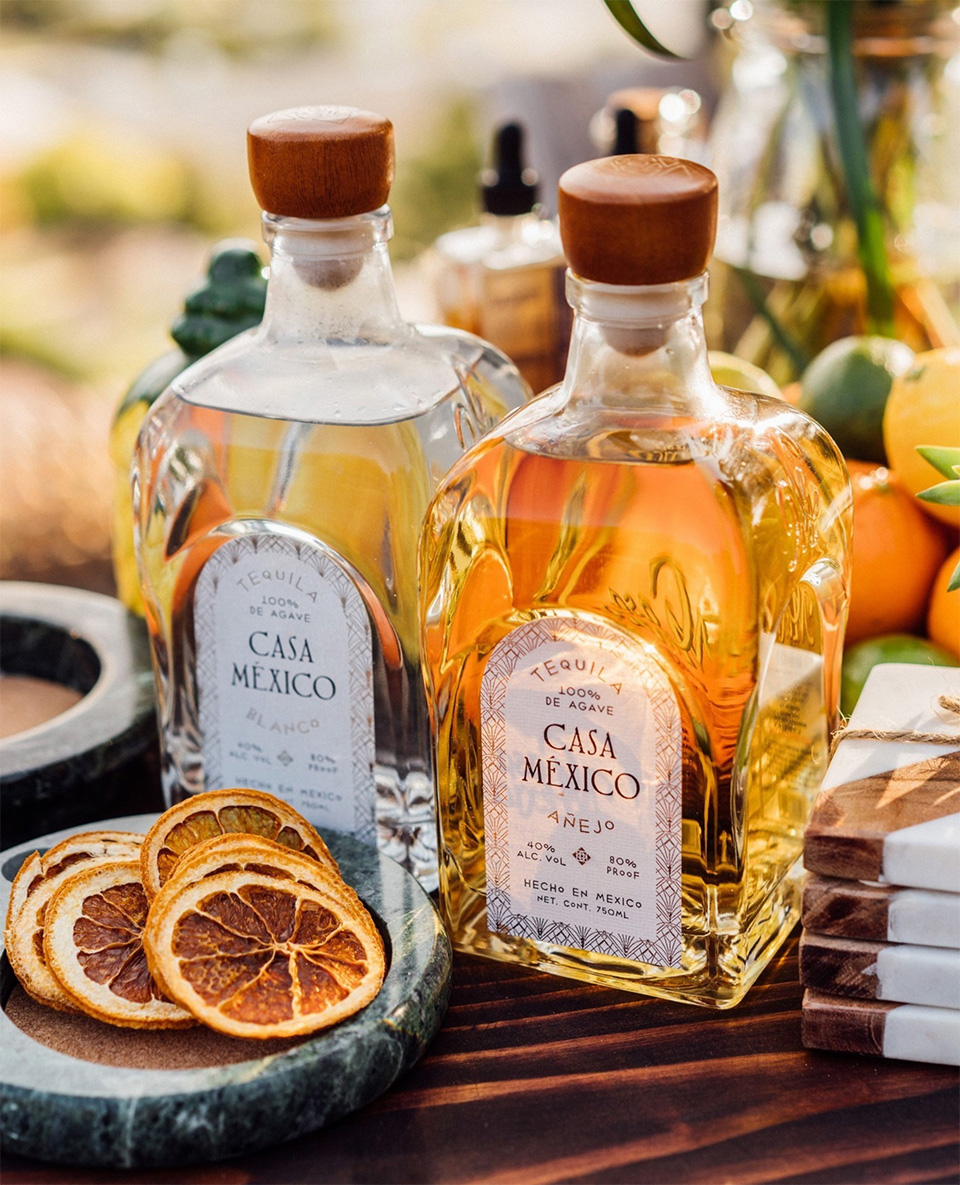
Añejo tequila must be aged in oak barrels for a minimum of one year but less than three years. A process that allows the spirit to absorb rich flavors from the wood, develop a smoother texture, and gain complexity that distinguishes it from younger tequilas. The aging period allows the spirit to absorb flavors from the wood, giving it a smoother, richer profile compared to younger tequilas. The oak imparts notes of vanilla, caramel, and spice, while mellowing the raw agave character, creating a balanced and complex drink.
Mexican regulations strictly define the category to preserve authenticity and consistency. Producers achieve depth and refinement by aging tequila for at least one year, but keeping it under three years ensures it does not cross into the extra añejo classification. The controlled process highlights the craftsmanship behind Anejo Tequila and its place as one of the most respected expressions of Mexico’s national spirit.
Does Tequila Get Better with Age?
No, tequila does not get better with age once it is bottled. Tequila does not continue to mature or improve in the bottle because the aging process solely occurs while it is stored in oak barrels, unlike wine, which undergoes barrel aging. Tequila interacts with the wood, absorbing flavors (vanilla, caramel, and spice) while mellowing the raw agave notes. The process defines categories, including reposado (aged at least 2 months), añejo (aged 1 to 3 years), and extra añejo (aged over 3 years).
Tequila becomes a stable spirit and no longer changes in flavor or quality once it is bottled. The sealed glass prevents interaction with external elements, meaning the tequila tastes the same years later as it did on the day it was bottled. The character is entirely shaped before bottling, so while barrel aging improves complexity, tequila does not evolve afterward. It makes tequila fundamentally different from wine, where bottle aging transforms taste and aroma over time.
How has the Global Demand for Tequila Changed?
Global demand for tequila has grown, driven by premium, 100% agave varieties. The tequila market was valued at USD 10.53 billion in 2023 and is projected to reach USD 19.73 billion by 2030, reflecting a strong compound annual growth rate (CAGR) of 9.5%. Consumers in the United States are shifting toward higher-quality tequilas, favoring artisanal and super-premium categories over mass-produced options. The trend highlights a growing preference for authenticity, craftsmanship, and flavor profiles.
The United States remains the largest market, accounting for over 63% of global tequila revenue in 2023, underscoring its dominance in driving international demand. Premium and super-premium tequilas are increasingly popular in bars, restaurants, and retail, reflecting a cultural shift toward quality over quantity. The surge has elevated tequila from a traditional Mexican spirit to a global luxury product, with expanding influence in Europe and Asia. The rising demand for premium expressions demonstrates how tequila has evolved into an internationally recognized spirit, supported by growing consumer interest in authenticity and Tequila Statistics.
What Historical Events Contributed to the Rise of Tequila in the Global Market?
Tequila rose in the global market due to key historical events that expanded its visibility and demand. Americans flocked to border towns in Mexico, where tequila was legally available over prohibition in the United States (1920–1933), when alcohol was banned domestically. The period introduced tequila to U.S. consumers on a large scale, cementing its reputation as a distinctive Mexican spirit. The 1968 Summer Olympics in Mexico City provided international exposure, showcasing tequila to visitors and media from around the world. The milestones marked tequila’s transition from a regional drink to a globally recognized product.
Tequila’s rise was increased by Mexico’s efforts to protect its authenticity through the designation of origin in the 1970s, ensuring spirits made in specific Mexican regions bear the name. Coupled with cultural exports (mariachi music and Mexican cuisine), tequila became a symbol of national identity and pride. Growing demand in the United States and Europe for premium, by the late 20th century, 100% agave tequilas elevated their global status. The 1968 Olympics and subsequent legal protections created the foundation for tequila’s enduring success in the international market.
How much Tequila is Produced Annually in Mexico?
Mexico’s tequila industry produced 495.8 million liters in 2024, according to the Consejo Regulador del Tequila (CRT). 400 million liters were exported to more than 120 countries, underscoring tequila’s importance as one of Mexico’s most valuable cultural and economic exports. Production had already reached 225.8 million liters by the first quarter of 2025, showing strong momentum and continued global demand despite discussions about market saturation. The numbers confirm tequila’s resilience as a worldwide product, maintaining steady growth even in competitive international markets.
The figures highlight how Mexico has positioned tequila as a cultural symbol and a premium spirit category. Rising demand for 100% agave tequila continues to push production levels higher year after year. It highlights how tequila has grown into a global powerhouse. Production has more than doubled compared to early 2000s levels, driven by rising interest in premium and artisanal categories. The CRT’s strict regulations ensure that every liter produced meets quality standards tied to Mexico’s denomination of origin. Tequila’s expansion reflects its cultural heritage and its transformation into a luxury spirit with worldwide recognition, with hundreds of millions of liters produced each year.
What Percentage of Global Tequila Production is Exported from Mexico?
Over 80% of all tequila produced in Mexico is exported, with the United States being the largest market by far. Mexico remains the sole legal producer of tequila, and the vast majority of its output is shipped abroad, reflecting the spirit’s global demand and cultural influence.
The United States imported 321.6 million liters of tequila, accounting for more than half of global consumption and receiving over 80% of Mexico’s total exports.
Mexico itself is the second-largest consumer, representing about one-third of the domestic market, while Spain ranks a distant third with 1.4% of global demand. The export-heavy model underscores tequila’s transformation from a regional Mexican drink into a worldwide product, with international sales driving much of the industry’s growth. The dominance of the U.S. market highlights how tequila has become deeply embedded in American drinking culture, while Mexico’s strict designation of origin laws ensure that all exported tequila maintains its authenticity and quality.
How has the Global Tequila Market Grown in the Last Decade?
Tequila is projected to expand by nearly USD 9 billion in market value over the next decade, reflecting one of the fastest growth trajectories among global spirits. The surge is driven by a major “premiumization” trend, with consumers increasingly favoring high-end, 100% agave tequilas that emphasize authenticity and craftsmanship.
Tequila has shifted from being seen primarily as a party drink to becoming a luxury spirit category comparable to Scotch whisky and Cognac over the last ten years. The market was far smaller, but by 2023 it had already reached USD 10.53 billion and is forecasted to climb to USD 19.73 billion by 2030, with the United States accounting for more than 60% of global revenue. The rise in premium and super-premium tequila sales underscores how the industry has transformed, elevating tequila from a regional Mexican tradition into a globally recognized symbol of quality.
How much Alcohol is in Tequila?
Tequila contains between 35% and 55% alcohol by volume (ABV), but it is most commonly bottled at 40% ABV, which equals 80 proof. The standard strength is widely recognized in Mexico and international markets, ensuring consistency in flavor and potency. The 40% ABV level balances the bold agave character with smooth drinkability, making it suitable for sipping neat, mixing in cocktails, or enjoying in celebrations.
The ABV range is regulated by Mexican law under the Norma Oficial Mexicana (NOM), which sets strict standards for tequila production. 40% ABV remains the global benchmark, while some tequilas are bottled at slightly higher or lower strengths depending on regional preferences or export requirements. The consistency allows tequila to maintain its identity as Mexico’s national spirit while offering variety in different expressions (blanco, reposado, añejo, and extra añejo). The alcohol content is essential when exploring the different Types of Tequila, as aging and production methods influence flavor, but how the spirit is best enjoyed.
Does Tequila have Alcohol?
Yes, tequila contains alcohol. Tequila must be distilled from the blue Weber agave plant and bottled with an alcohol by volume (ABV) ranging between 35% and 55%, though the most common strength worldwide is 40% ABV (80 proof). It makes tequila a strong distilled spirit, comparable to vodka, rum, and whiskey in potency.
The alcohol content is regulated under Mexico’s Norma Oficial Mexicana (NOM), ensuring consistency and authenticity in all tequila categories. The alcohol strength remains within the same regulated range, while aging in oak barrels influences flavor and smoothness. The alcohol content is essential when exploring different expressions (reposado, añejo), and Blanco Tequila, which is bottled directly after distillation and showcases the pure agave character.