EN
EN ES
ES PL
PL TR
TR
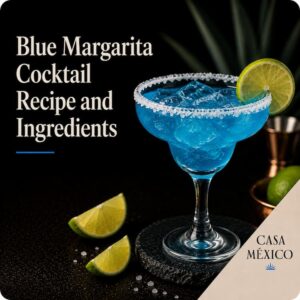
A Blue Margarita is a visually distinctive cocktail that combines tequila, Blue Curaçao, and fresh lime juice to create a bright, citrus-forward drink with a balance of sweetness and acidity. The main ingredients include 2 ounces of tequila, 1 ounce of Blue Curaçao, and 1 ounce of fresh lime juice. Prepare by shaking all ingredients with ice and straining into a glass, optionally rimmed with salt. Garnish with a lime wedge. The drink is moderately high in alcohol and sugar, offering a crisp, refreshing taste with a clean tequila backbone and a lightly sweet citrus finish. It is best enjoyed as a pre-dinner cocktail or at social and summer-themed events.
What is a Blue Margarita made of? A Blue Margarita is made of tequila, which serves as the base spirit and provides an agave-forward, dry, and structured alcoholic foundation. The second main ingredient is Blue Curaçao, which delivers orange-citrus sweetness and gives the cocktail its characteristic blue color. The difference between the two ingredients lies in their functional roles. Tequila defines the strength, mouthfeel, and core flavor profile, while Blue Curaçao modifies the taste by adding sweetness, citrus depth, and visual identity, creating a balanced contrast between sharp acidity and expressive sweetness.
What are the Ingredients for a Blue Margarita Cocktail?
The ingredients for a Blue Margarita cocktail are listed below.
- Tequila: The primary base spirit of the cocktail, typically a blanco tequila, providing a clean, agave-forward alcoholic foundation.
- Blue Curaçao: An orange-flavored liqueur that adds citrus sweetness and gives the drink its distinctive blue color.
- Lime Juice: Fresh lime juice delivers the essential acidity and tartness that defines a margarita.
- Triple Sec (optional): Can be added to enhance orange notes and increase sweetness if a more classic margarita balance is desired.
- Salt: Used for rimming the glass, enhancing citrus perception, and balancing sweetness.
- Ice: Used for chilling and controlled dilution, ensuring a crisp and refreshing texture.
Why does Blue Margarita Have Salt?
Blue Margaritas have salt because it enhances balance and sharpens flavor contrast within the cocktail. The salt counteracts the sweetness of Blue Curaçao, preventing the drink from tasting overly sugary. It also intensifies the acidity of the lime juice, making the citrus notes more vivid and refreshing. As a traditional element of margaritas, the salted rim amplifies the tequila’s agave character and adds depth, creating a cleaner, more dynamic, and well-structured taste profile.
How to Make a Blue Margarita?
To make a Blue Margarita, follow the seven steps below.
- Rim the Glass: Use a lime wedge to moisten the rim of your glass. Dip the rim into salt to create a balanced contrast to the citrus and sweetness.
- Combine Ingredients: Pour 2 ounces of tequila, 1 ounce of Blue Curaçao, and 1 ounce of fresh lime juice into a cocktail shaker.
- Add Ice: Fill the shaker with ice and secure the lid tightly to allow proper chilling and dilution.
- Shake Well: Shake vigorously for about 10 to 15 seconds to fully integrate the ingredients and chill the cocktail.
- Strain into a Glass: Strain the mixture into the prepared glass, either over fresh ice or straight up, depending on preference.
- Garnish: Garnish with a lime wedge or lime wheel to reinforce the citrus profile.
- Serve: Serve immediately while cold, crisp, and visually vibrant.
The most important step in making a Blue Margarita is shaking the ingredients thoroughly. Proper shaking ensures the tequila, Blue Curaçao, and lime juice are evenly blended, correctly diluted, and well chilled. This step is where balance is achieved, preventing the cocktail from tasting too sweet, too sharp, or too strong, and defining the clean, refreshing character of a well-made Blue Margarita.
How to Make a Blueberry Margarita?
A Blueberry Blue Margarita is made by muddling blueberries and shaking tequila, blue curaçao, lime juice, agave, and ice, then serving it in a salt-rimmed glass.
To make a blue blueberry margarita, follow the six steps below.
Meet Our Maestra Tequilera
Casa México Tequila is crafted under the guidance of world-renowned Maestra Tequilera Ana María Romero Mena. With decades of experience creating acclaimed tequilas and mentoring future generations of distillers, she brings both deep tradition and thoughtful innovation to the brand. From agave selection to distillation and aging, her expertise ensures every expression reflects authenticity, precision and exceptional quality.

- Prepare the glass. Rub lime around the rim. Dip the rim in salt, then fill the glass using fresh ice.
- Muddle the blueberries. Add 6 to 8 fresh blueberries to a shaker. Press gently until the berries release juice.
- Add the liquids. Add 2 oz blanco tequila, 1 oz blue curaçao, 1 oz lime juice, and 1/2 oz agave syrup. Add ice.
- Shake the mixture. Shake until the shaker feels cold. The blueberry juice blends into the blue curaçao.
- Strain the cocktail. Strain into the prepared glass. Use a fine strainer to remove blueberry skins.
- Garnish the drink. Add a lime wheel, 3 blueberries, and a salt rim finish. Serve chilled.
How to Prepare a Lavender Elderflower Margarita?
A Lavender Elderflower Margarita is prepared by shaking blanco tequila, elderflower liqueur, lavender syrup, fresh lime juice, and ice and then serving the drink in a salt-rimmed glass.
.
To prepare a lavender elderflower margarita, follow the five steps below.
- Prepare the glass. Rub lime around the rim. Dip the rim in salt, then fill the glass using fresh ice.
- Add the liquids. Add blanco tequila, elderflower liqueur, lavender syrup, lime juice, and orange liqueur to a shaker.
- Shake the drink. Add ice to the shaker. Shake until the mixture feels cold.
- Strain the cocktail. Strain into the prepared glass over fresh ice.
- Garnish the margarita. Add a lavender sprig, lime wheel, and light salt finish. Serve chilled.
How to Make a Lavender Syrup Cocktail Without Tequila?
A Lavender Elderflower Margarita is prepared by shaking blanco tequila, elderflower liqueur, lavender syrup, fresh lime juice, and ice and then serving the drink in a salt-rimmed glass.
Ingredients: 2 oz blanco tequila, 1/2 oz elderflower liqueur, 1/2 oz lavender syrup, 1 oz fresh lime juice, 1/2 oz orange liqueur, ice, salt, a lavender sprig, and a lime wheel.
To make a lavender syrup cocktail without tequila, follow the five steps below.
- Prepare the glass. Rub lime around the rim. Dip the rim in salt, then fill the glass using fresh ice.
- Add the liquids. Add blanco tequila, elderflower liqueur, lavender syrup, lime juice, and an orange liqueur to a shaker.
- Shake the drink. Add ice to the shaker. Shake until the mixture feels cold.
- Strain the cocktail. Strain into the prepared glass over fresh ice.
- Garnish the margarita. Add a lavender sprig, lime wheel, and light salt finish. Serve chilled.
What is the Best Type of Tequila for a Blue Margarita?
The best type of tequila for a Blue Margarita is blanco tequila. Blanco tequila offers a clean, crisp, and agave-forward flavor that pairs well with the citrus sweetness of Blue Curaçao and the sharp acidity of fresh lime juice. Because it is unaged, blanco tequila does not introduce oak or vanilla notes, which could interfere with the bright and refreshing profile of the cocktail. Using blanco tequila keeps the drink light, balanced, and focused on citrus and agave rather than sweetness or heaviness.
Can Blanco or Aged Tequila Be Used in a Blue Margarita?
Yes, both blanco tequila and aged tequila can be used in a Blue Margarita, but each creates a different flavor outcome. Blanco tequila delivers a fresh, sharp agave taste that enhances the citrus notes and keeps the drink crisp and refreshing. It is the preferred choice for a classic Blue Margarita profile. Aged tequilas such as reposado or añejo add warmer notes like vanilla, caramel, and light oak, which soften the citrus edge and increase richness. While aged tequila can work, it shifts the drink away from its bright, refreshing character toward a heavier and more complex style, making blanco tequila the ideal option for a balanced Blue Margarita.
How is the Nutrient Value of a Blue Margarita Cocktail?
The nutrient value of a Blue Margarita Cocktail is shown in the table below.
| Nutrient | Amount per Serving | Unit | Daily Value % | Source / Measurement Basis | Notes (Optional) |
| Calories | 220 | kcal | 11% | Estimated based on standard recipe | Varies by tequila and liqueur brand |
| Total Fat | 0 | g | 0% | — | No fat unless sweetened mixers are added |
| Saturated Fat | 0 | g | 0% | — | Not present |
| Cholesterol | 0 | mg | 0% | — | Not present |
| Sodium | 180 | mg | 8% | Salted rim | Varies depending on rim usage |
| Total Carbohydrates | 24 | g | 9% | Blue Curaçao, lime juice | Mainly from liqueur sugars |
| Dietary Fiber | 0.5 | g | 2% | Lime juice | Minimal contribution |
| Sugars | 22 | g | N/A | Blue Curaçao | Primary sugar source |
| Protein | 0 | g | 0% | — | Not present |
| Calcium | 10 | mg | 1% | Lime juice | Trace amount |
| Iron | 0.2 | mg | 1% | Tequila | Trace amount |
What are the Tips to prepare a better blue margarita cocktail?
Tips to prepare a Blue Margarita cocktail better are listed below.
- Fresh lime juice: Fresh lime juice gives sharp acidity and a cleaner citrus aroma. Bottled lime juice tastes flat after storage.
- Blanco tequila: Blanco tequila keeps agave flavor bright. Reposado adds oak, vanilla, richer finish.
- Blue curaçao: Blue curaçao controls color and orange sweetness. Excess liqueur makes the drink sugary.
- Agave syrup: Agave syrup balances lime acidity. Small amounts protect the cocktail from excess sweetness.
- Light salt rim: A light salt rim keeps citrus sharp. Full salt rims overpower lime, orange liqueur, tequila.
- Hard shake: A hard shake builds chill, texture, dilution. Shake using ice 10 to 15 seconds.
- Fresh ice: Fresh ice keeps the drink clear. Shaker ice melts faster, weakening color, flavor, texture.
- Clean garnish: Lime wheel, orange slice, cherry create a clean garnish. Garnish supports citrus aroma, bright presentation.
What Are the Variations of Blue Margarita Cocktail Recipes?
The variations of Blue Margarita Cocktail recipes are shown in the table below.
| Variation Name | Ingredients | Nutrient | Steps | Opinion |
| Classic Blue Margarita | Tequila, Blue Curaçao, lime juice, salt, ice | Calories: 220, Sugars: 22g | Shake all ingredients with ice. Strain into a salted glass. | Clean, balanced, and visually striking |
| Frozen Blue Margarita | Tequila, Blue Curaçao, lime juice, ice | Calories: 230, Carbs: 25g | Blend all ingredients until smooth. Serve frozen. | Refreshing and ideal for hot weather |
| Blue Coconut Margarita | Tequila, Blue Curaçao, coconut cream, lime juice, ice | Calories: 280, Fat: 6g | Shake or blend ingredients. Serve chilled. | Creamy tropical twist |
| Spicy Blue Margarita | Tequila, Blue Curaçao, lime juice, jalapeño, salt, ice | Calories: 225, Sodium: 190mg | Muddle jalapeño, shake with ingredients, strain. | Adds heat and complexity |
| Blue Margarita Spritz | Tequila, Blue Curaçao, lime juice, soda water, ice | Calories: 190, Sugars: 18g | Shake base, top with soda. Serve over ice. | Lighter and more refreshing |
What Alcohol Is in a Blue Margarita?
Tequila is the primary alcohol in a Blue Margarita. The secondary alcoholic component is Blue Curaçao, an orange-flavored liqueur that adds sweetness and color. Together, these spirits form the structural and expressive foundation of the cocktail, balanced by lime juice.
Blanco Tequila in a Blue Margarita
Blanco tequila provides a crisp, unaged agave flavor that aligns with the citrus-forward profile of a Blue Margarita. Its clean structure allows Blue Curaçao and lime juice to remain dominant without interference from oak or vanilla notes. Blanco tequila is the preferred choice for maintaining clarity, freshness, and balance.
Reposado Tequila in a Blue Margarita
Reposado tequila introduces mild oak, vanilla, and caramel notes. While it can be used, it softens the citrus sharpness and slightly reduces the drink’s brightness. This option is suitable for drinkers who prefer a smoother and warmer profile.
Añejo Tequila in a Blue Margarita
Añejo tequila adds deep oak, spice, and caramelized notes. While it elevates complexity, it shifts the cocktail away from its refreshing character. Añejo tequila is best reserved for experimental or premium Blue Margarita variations rather than classic recipes.
Does a Blue Margarita Have Alcohol? Yes, a Blue Margarita contains alcohol. Tequila serves as the base spirit, while Blue Curaçao contributes additional alcohol and sweetness. When combined with lime juice and ice, the cocktail delivers a moderate alcohol content typical of margaritas, with sweetness masking some of the perceived strength.
How Much Alcohol Does a Blue Margarita Have?
A Blue Margarita contains approximately 15 to 20% alcohol by volume (ABV), depending on the proportions of tequila and Blue Curaçao used in the recipe. Tequila serves as the primary alcoholic base, while Blue Curaçao contributes additional alcohol along with sweetness and citrus flavor. Lime juice and ice do not add alcohol but affect dilution, texture, and balance. The alcohol in a Blue Margarita provides warmth and structure. Drinks with excessive alcohol overpower the citrus profile, while drinks with too little alcohol taste flat and overly sweet. An ideal Blue Margarita targets 15–18% ABV to maintain a clean, refreshing, and well-balanced flavor.
Can Pregnant Women Drink a Blue Margarita? No, pregnant women should not drink a Blue Margarita. Alcohol consumption during pregnancy carries serious health risks, including developmental disorders and fetal alcohol spectrum disorders (FASD). Health authorities advise avoiding alcohol entirely during pregnancy, as no safe level of alcohol consumption has been established. Protecting maternal and fetal health requires complete avoidance of alcoholic beverages, including cocktails such as Blue Margaritas.
Can a Blue Margarita Be Made Without Alcohol?
Yes, a Blue Margarita can be made without alcohol. The cocktail can be adapted by replacing tequila and Blue Curaçao with non-alcoholic tequila alternatives and blue citrus syrups. Fresh lime juice remains essential for acidity and balance. The non-alcoholic version preserves the visual identity and citrus-forward flavor of a Blue Margarita while eliminating alcohol content, making it suitable for non-drinkers.
Does a Blue Margarita Have Tequila?
Yes, a Blue Margarita contains tequila. Tequila is the foundational spirit of the cocktail and defines its alcoholic strength and agave-based flavor profile. Combined with Blue Curaçao and lime juice, tequila forms the structural core of the drink, maintaining its identity as a margarita while allowing color and citrus sweetness to differentiate it from the classic version.
Can You Make a Non-Alcoholic Blue Margarita?
Yes, a Non Alcoholic Blue Margarita is made by replacing tequila with alcohol-free blue curaçao syrup, lime juice, orange juice, agave, and sparkling water. The syrup gives a blue color, an orange flavor, visual identity. Fresh lime juice keeps the margarita sharp. Sparkling water adds a lighter texture. Salt rim, lime wheel, and orange slice complete the classic presentation.
What Is a Blue Margarita?
A Blue Margarita is a colorful variation of the classic margarita cocktail, made by combining tequila, Blue Curaçao, and fresh lime juice. This version preserves the tangy and refreshing structure of a traditional margarita while introducing a bright blue color and a slightly sweeter citrus profile. Tequila serves as the primary alcoholic base, providing a clean, agave-forward foundation. Blue Curaçao replaces traditional orange liqueur, adding orange-citrus sweetness and visual identity. Lime juice delivers the signature tartness that balances the drink. A Blue Margarita is typically served in a salt-rimmed glass and is popular for social gatherings, summer events, and visually driven cocktail menus.
What Does a Blue Margarita Taste Like?
A Blue Margarita tastes bright, citrus-forward, and refreshing, with a clean balance of sweetness and acidity. Tequila provides a crisp, agave-based warmth and structure, while Blue Curaçao adds orange-citrus sweetness and a slightly bitter peel note. Fresh lime juice delivers sharp tartness, keeping the drink lively and preventing it from becoming overly sweet. The result is a vibrant cocktail that is zesty, slightly sweet, and clean on the finish, with a refreshing mouthfeel and a visually striking presentation. A Blue Margarita feels lighter and more refreshing than dessert-style margaritas, making it suitable for social and warm-weather occasions.
How to Drink a Blue Margarita
To drink a Blue Margarita, follow the five steps below.
- Chill the glass. Chill the glass before serving. Cold glassware keeps lime acidity crisp.
- Sip from the salt rim. Sip from a light salt rim. Salt sharpens lime, tequila, and blue curaçao.
- Smell the garnish. Smell the lime garnish first. Citrus aroma prepares the palate.
- Take slow sips. Take slow sips instead of large pulls. Slow drinking keeps the sweetness, acidity, and alcohol balanced.
- Stir after a few sips. Stir gently after the ice starts melting. Light movement keeps the blue curaçao, lime, and tequila consistent.
- Serve it beside light food. Serve it beside chips, shrimp tacos, and citrus salad. Light food keeps the cocktail bright.
Keep the drink cold from first sip to last. Cold temperature gives better aroma, cleaner lime acidity, and smoother blue curaçao sweetness.
What Are the Types of Blue Margarita Cocktails?
The types of Blue Margarita cocktails are listed below.
- Classic Blue Margarita: Tequila, Blue Curaçao, and lime juice. Clean, balanced, and citrus-forward.
- Frozen Blue Margarita: Blended with ice for a slushy texture and extra refreshment.
- Spicy Blue Margarita: Includes jalapeño or chili for heat that contrasts with citrus sweetness.
- Blue Coconut Margarita: Adds coconut cream or coconut water for a tropical profile.
- Blue Raspberry Margarita: Uses raspberry liqueur or syrup for a sweet-fruity twist.
- Cadillac Blue Margarita: Uses premium orange liqueur alongside Blue Curaçao for depth.
- Mezcal Blue Margarita: Replaces tequila with mezcal for smoky complexity.
- Skinny Blue Margarita: Reduces sugar by lowering liqueur amounts or using soda water.
What Is the Difference Between a Mango Margarita and a Blue Margarita?
The main difference between a Mango Margarita and a Blue Margarita lies in the flavor base and sweetness profile. A Mango Margarita emphasizes tropical fruit sweetness from mango purée or juice, creating a smooth and fruity drink. A Blue Margarita focuses on citrus sweetness and visual appeal through Blue Curaçao. Mango Margaritas are fruit-forward and juicy, while Blue Margaritas are sharper, more citrus-driven, and visually bold.
What Is the Difference Between a Mezcal Margarita and a Blue Margarita?
The main difference between a Mezcal Margarita and a Blue Margarita is the base spirit. Mezcal introduces smoky, earthy flavors that dominate the cocktail, while a Blue Margarita relies on tequila and citrus brightness. Blue Margaritas are cleaner and lighter, while Mezcal Margaritas are deeper and more complex.
What Is the Difference Between a Blood Orange Margarita and a Blue Margarita?
A Blood Orange Margarita uses blood orange juice for a natural citrus sweetness and red hue, creating a fruit-forward and aromatic drink. A Blue Margarita uses Blue Curaçao for sweetness and color, resulting in a more artificial but visually striking appearance. Blood Orange Margaritas taste juicier and fresher, while Blue Margaritas taste brighter and more liqueur-driven.
What Is the Difference Between a Spicy Margarita and a Blue Margarita?
A Spicy Margarita incorporates chili or jalapeño to introduce heat, creating contrast with lime acidity. A Blue Margarita focuses on sweetness and citrus without heat. A spicy margarita is bold and intense, while Blue Margaritas are smoother and more approachable.
What is the difference between a Pineapple Margarita and other Blue Margarita Cocktail Recipes?
A Pineapple Margarita incorporates pineapple juice to introduce tropical sweetness, creating contrast against lime acidity. A Blue Margarita focuses on blue curaçao, orange flavor, citrus brightness, and vivid blue color. A pineapple margarita is fruitier, juicier, and softer in taste, making the tropical profile the defining trait of Pineapple Margarita.
What is the difference between a Coconut Margarita and other Blue Margarita Cocktail Recipes?
A Coconut Margarita incorporates coconut cream or coconut milk to create a creamy tropical flavor, giving contrast against lime acidity. A Blue Margarita focuses on blue curaçao, orange flavor, citrus brightness, and vivid blue color. A coconut margarita is smoother, richer, and softer in taste, making the creamy tropical profile the defining trait of the coconut margarita.
Where to Serve a Blue Margarita?
Blue Margarita is best served at lunch, dinner, and birthday parties, not breakfast. Breakfast clashes with tequila, blue curaçao, lime acidity, and salt rim due to early timing. Lunch service includes tacos, ceviche, grilled shrimp, and citrus salads. Dinner service includes fajitas, carne asada, enchiladas, and seafood plates. Birthday parties fit Blue Margarita due to its bright color, citrus taste, and visual garnish. Food pairing completes the service plan, linking Blue Margarita timing to What to Serve with Margaritas.
What is the Best Glass for a blue margarita?
The best Blue Margarita glass is a wide-rim margarita glass. The broad rim holds salt, lime garnish, and a bright blue color. A lavender-colored margarita image fits a wide rim glass, salt rim, lime wheel, and lavender sprig. A margarita glass differs from a martini, coupe, rocks, and highball glasses through wider rim space. Common cocktail glass types include margarita glass, coupe glass, rocks glass, highball glass, and martini glass. Glass shape guides rim space, garnish, and chilled service under Best Margarita Glasses.
Where to Serve a Blue Margarita?
A Blue Margarita is best served at social gatherings, summer parties, beach events, poolside settings, and themed celebrations. It works well as a pre-dinner cocktail due to its refreshing nature. Blue Margaritas pair well with salty snacks, seafood, tacos, and spicy foods. They are less suitable for formal dinners or dessert pairings and are ideal for casual, energetic environments.
What Makes a Blue Margarita Different from Other Margaritas?
Blue Margarita differs from others due to blue curaçao, its bright blue color, and its orange-citrus flavor. Standard margaritas rely on clear orange liqueur, lime acidity, a tequila base, and a salt rim. Blue Margarita keeps the same tequila structure, adding a sweeter orange note and a strong visual identity. Its color makes the drink easier to identify, besides classic, frozen, fruit, and spicy margaritas. Classic Margarita uses tequila, lime juice, orange liqueur, and a salt rim. Similar cocktail pages group related versions under Drinks Similar to Blue Margarita.
- Frozen Margarita blends ice into the classic base, giving it a colder texture.
- Pineapple Margarita adds tropical fruit sweetness to the lime base.
- Coconut Margarita adds creamy tropical flavor to the tequila base.
- Mango Margarita adds soft fruit sweetness, reducing the sharp citrus bite.
- Strawberry Margarita adds berry sweetness, lighter acidity, and pink color.
- Spicy Margarita adds chili heat to the lime-tequila base.
- The Blue Hawaiian Margarita keeps its blue color, adding tropical pineapple flavor.
- Flavor-related cocktail pages organize the category under Drinks Similar to Blue Margarita.