EN
EN ES
ES PL
PL TR
TR
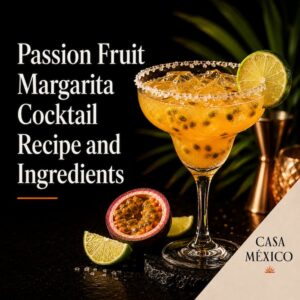
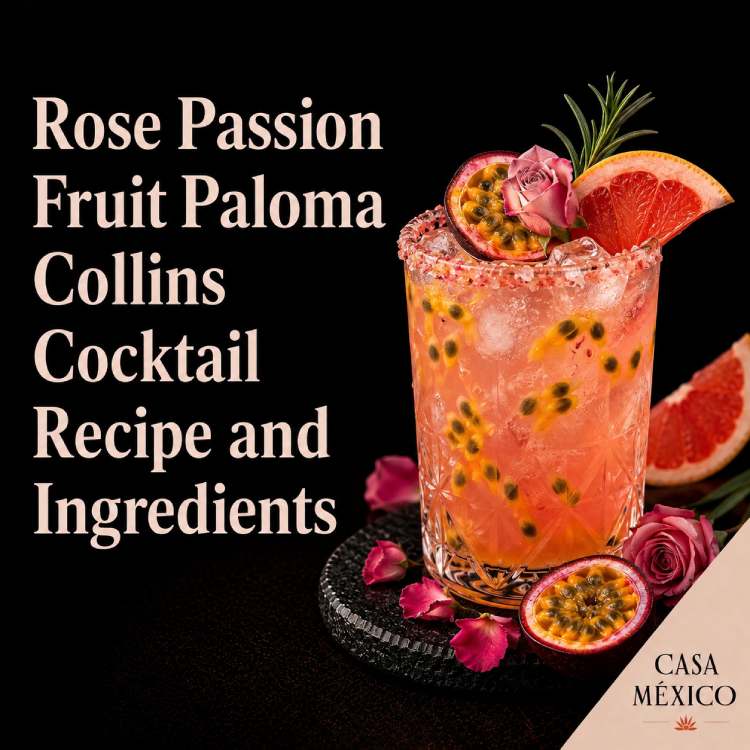
A Passion Fruit Margarita is a tropical and exotic cocktail that combines tequila, passion fruit puree, and fresh lime juice to create a vibrant, tart drink with a complex aromatic profile and a balanced sweet-acidic structure. The main ingredients include 2 ounces of tequila, 1 ounce of passion fruit puree, and 1 ounce of fresh lime juice, often balanced with a small amount of agave nectar. Prepare by shaking all ingredients with ice and straining into a glass, typically rimmed with Tajín or salt. Garnish with a lime wheel or fresh passion fruit pulp. The drink is moderately high in alcohol and natural fruit sugars, offering a zesty, mouth-watering taste with an earthy agave backbone and a lush tropical finish. It is best enjoyed as a refreshing afternoon drink, at beach-themed events, or paired with spicy coastal cuisine.
What is a Passion Fruit Margarita made of? A Passion Fruit Margarita is made of tequila, which serves as the base spirit and provides a clean, peppery, and structured alcoholic foundation. The second main ingredient is passion fruit puree, which delivers an intense tropical tartness, floral aroma, and gives the cocktail its characteristic golden-yellow color. The difference between the two ingredients lies in their functional roles. Tequila defines the strength, body, and core spirituous profile, while passion fruit puree modifies the taste by adding exotic acidity, fruit density, and aromatic depth, creating a balanced contrast between sharp citrus and lush tropical sweetness.
What are the Ingredients for a Passion Fruit Margarita Cocktail?
The ingredients for a Passion Fruit Margarita cocktail are listed below.
- Tequila: The primary base spirit, typically a blanco tequila, providing a crisp, agave-forward alcoholic foundation.
- Passion Fruit Puree: A tropical fruit concentrate that adds intense tartness, floral sweetness, and a vibrant yellow-orange color.
- Lime Juice: Fresh lime juice delivers the essential citric acidity that brightens the fruit notes and defines the margarita structure.
- Agave Nectar (optional): Used to balance the high acidity of the passion fruit and provide a silky mouthfeel.
- Tajín or Salt: Used for rimming the glass to enhance flavor contrast and sharpen the tropical profile.
- Ice: Used for chilling and controlled dilution, ensuring a crisp and refreshing texture.
Why does Passion Fruit Margarita Have Tajín?
Passion Fruit Margaritas often use Tajín because it enhances the tropical balance and sharpens the flavor contrast within the cocktail. The salt and chili in the Tajín counteract the sweetness of the passion fruit, preventing the drink from tasting one-dimensional. It also intensifies the acidity of the lime and passion fruit, making the exotic notes more vivid and refreshing. As a modern pairing for tropical margaritas, the Tajín rim amplifies the tequila’s earthy character and adds a savory depth, creating a cleaner, more dynamic, and well-structured taste profile.
How to Make a Passion Fruit Margarita?
To make a Passion Fruit Margarita, follow the seven steps below.
- Rim the Glass. Use a lime wedge to moisten the rim of your glass. Dip the rim into Tajín or salt to create a savory contrast to the tropical sweetness.
- Combine Ingredients. Pour 2 ounces of tequila, 1 ounce of passion fruit puree, 1 ounce of fresh lime juice, and 0.5 ounces of agave nectar into a cocktail shaker.
- Add Ice. Fill the shaker with ice and secure the lid tightly to allow proper chilling and dilution.
- Shake Well. Shake vigorously for about 12 to 15 seconds to fully integrate the dense fruit puree and chill the cocktail.
- Strain into a Glass. Double strain the mixture into the prepared glass over fresh ice to ensure a smooth texture free of pulp or seeds.
- Garnish. Garnish with a lime wheel or a fresh passion fruit half to reinforce the tropical profile.
- Serve. Serve immediately while cold, frothy, and aromatically potent.
The most important step in making a Passion Fruit Margarita is shaking the ingredients vigorously. Proper shaking ensures the tequila, dense passion fruit puree, and lime juice are evenly emulsified, correctly diluted, and well chilled. This step is where balance is achieved, preventing the cocktail from feeling too heavy or syrupy and defining the bright, refreshing character of a well-made tropical margarita.
How to Make a Blueberry-Passion Fruit Margarita?
A Blueberry Passion Fruit Margarita is made by shaking tequila, passion fruit purée, blueberry syrup, lime juice, orange liqueur, and ice, then straining the mix into a rimmed glass. The tequila, orange liqueur, and lime juice base follows the International Bartenders Association margarita structure.
To make a blueberry-passion fruit margarita, follow the six steps below.
Meet Our Maestra Tequilera
Casa México Tequila is crafted under the guidance of world-renowned Maestra Tequilera Ana María Romero Mena. With decades of experience creating acclaimed tequilas and mentoring future generations of distillers, she brings both deep tradition and thoughtful innovation to the brand. From agave selection to distillation and aging, her expertise ensures every expression reflects authenticity, precision and exceptional quality.

- Gather Fresh Ingredients. Use 50 ml 100 percent agave tequila, 20 ml orange liqueur, 15 ml fresh lime juice, 30 ml passion fruit purée, 15 ml blueberry syrup, ice, salt, and a lime wheel. Fresh fruit gives the cocktail a brighter aroma, sharper acidity, and deeper color.
- Rim the Glass. Rub a lime wedge around the glass rim. Dip the rim into salt or sugar, depending on the desired sweet or savory balance.
- Muddle the Blueberries. Crush 6 to 8 fresh blueberries inside a shaker. Add blueberry syrup to deepen the berry color.
- Add the Liquids. Pour tequila, orange liqueur, lime juice, passion fruit purée, and blueberry syrup into the shaker. Add agave nectar when the passion fruit tastes too tart.
- Shake the Margarita. Fill the shaker halfway with ice. Shake hard for 10 to 15 seconds until the shaker feels cold.
- Strain the Drink. Strain the margarita into the prepared glass over fresh ice. Fine strain the mixture when a smoother texture fits the recipe.
- Garnish the Cocktail. Add a lime wheel, fresh blueberries, or passion fruit pulp on top. The garnish gives a clear visual cue for the blueberry passion fruit flavor.
How to Prepare a Lavender Elderflower Margarita?
A Lavender Elderflower Margarita is prepared by shaking tequila, elderflower liqueur, lavender syrup, lime juice, ice, then straining the drink into a rimmed glass. The classic margarita base uses 100 percent agave tequila, triple sec, and fresh lime juice.
To prepare a Lavender Elderflower Margarita, follow the six steps below.
- Gather Floral Ingredients. Use 50 ml 100 percent agave tequila, 20 ml elderflower liqueur, 15 ml fresh lime juice, 10 ml lavender syrup, ice, a lime wedge, and salt. Elderflower margarita recipes use tequila, elderflower liqueur, and lime juice as the core mix.
- Rim the Glass. Rub a lime wedge around the glass rim. Dip the rim into salt mixed with dried culinary lavender.
- Add the Liquids. Pour tequila, elderflower liqueur, lime juice, and lavender syrup into a shaker. Keep lavender syrup light to avoid a perfume-like taste.
- Shake the Margarita. Add ice to the shaker. Shake hard for 10 to 15 seconds until the shaker feels cold.
- Strain the Cocktail. Strain the drink into the prepared glass over fresh ice. Fine strain the mix when dried lavender enters the shaker.
- Garnish the Drink. Add a lime wheel or small culinary lavender sprig. The garnish highlights the floral aroma without overpowering the tequila base.
How to Make a Lavender Syrup Cocktail Without Tequila?
A Lavender Syrup Cocktail without tequila is made by mixing lavender syrup, fresh lemon juice, sparkling water, and ice, then garnishing the drink using lemon or edible lavender. Lavender lemonade mocktails use lemon juice, lavender syrup, and sparkling water as a simple zero-proof base.
To make a Lavender Syrup Cocktail without tequila, follow the six steps below.
- Prepare Lavender Syrup. Simmer equal parts water plus sugar until the sugar dissolves. Steep the culinary lavender 30 minutes, then strain the syrup.
- Chill the Ingredients. Chill sparkling water, lemon juice, and lavender syrup before mixing. Cold ingredients keep the drink crisp without excess dilution.
- Fill the Glass. Add ice to a highball glass. Place a lemon wheel inside the glass for citrus aroma.
- Add Citrus Syrup. Pour 15 ml of fresh lemon juice and 20 ml of lavender syrup into the glass. Add 5 ml lime juice when sharper acidity fits the drink.
- Top the Drink. Add 120 ml chilled sparkling water. Stir gently to keep the bubbles bright.
- Garnish the Cocktail. Add a lemon wheel, lavender sprig, or edible flower. The garnish marks the floral citrus profile without tequila.
How is the Nutrient Value of the Passion Fruit Margarita Cocktail?
A Passion Fruit Margarita Cocktail has an estimated 240 calories per serving. The estimate uses 50 ml tequila, 20 ml orange liqueur, 15 ml lime juice, 30 ml passion fruit pulp, 5 ml agave syrup, ice. USDA FoodData Central provides the food composition basis, and FDA Daily Value references provide the percent values.
The nutrient value of the Passion Fruit Margarita cocktail is shown in the table below.
| Nutrient | Amount per Serving | Unit | Daily Value % | Source / Measurement Basis | Notes |
| Calories | 240 | kcal | Not listed | Recipe estimate from tequila, orange liqueur, lime juice, passion fruit pulp, agave syrup | Alcohol plus added sweetener drives most calories |
| Total Carbohydrate | 22 | g | 8% | USDA component estimate plus FDA 275 g DV | Fruit pulp, liqueur, agave provide carbohydrates |
| Total Sugars | 17 | g | Not established | USDA component estimate | Includes fruit sugar plus added sweetener |
| Added Sugars | 14 | g | 28% | Orange liqueur plus agave syrup estimate, FDA 50 g DV | Added sugar varies by liqueur sweetness |
| Dietary Fiber | 3 | g | 11% | Passion fruit pulp estimate, FDA 28 g DV | Pulp gives fiber; strained juice gives less |
| Protein | 1 | g | 2% | Passion fruit pulp estimate | Protein remains low |
| Total Fat | 0.2 | g | 0% | Passion fruit pulp estimate | Fat remains minimal |
| Saturated Fat | 0 | g | 0% | Recipe estimate, FDA 20 g DV | No cream or dairy added |
| Sodium | 10 | mg | 0% | Ingredient estimate, FDA 2,300 mg DV | Salt rim excluded |
| Alcohol | 16 | g | Not established | 50 ml tequila at 40% ABV estimate | Alcohol has no Daily Value |
| Vitamin C | 14 | mg | 16% | Lime juice plus passion fruit pulp estimate, FDA 90 mg DV | Citrus and passion fruit provide vitamin C |
| Potassium | 120 | mg | 3% | Passion fruit pulp plus lime juice, estimate, FDA 4,700 mg DV | Potassium stays modest per cocktail |
How many calories are in a margarita? A margarita has 200 to 300 calories per serving; an average 8-ounce margarita has 274 calories, according to USDA data cited by Verywell Fit.
What are the Tips to prepare a better Passion Fruit Margarita Cocktail?
Tips to prepare a Passion Fruit Margarita Cocktail better are listed below.
- Use fresh lime juice to keep acidity bright against passion fruit sweetness.
- Measure tequila, orange liqueur, lime juice, passion fruit purée, and sweetener before shaking to keep flavor consistent.
- Strain passion fruit pulp when a smoother cocktail texture fits the recipe.
- Shake the cocktail hard using ice for 10 to 15 seconds to chill the drink evenly.
- Use a half-salt rim to add contrast without covering the fruit aroma.
- Taste the passion fruit purée before adding agave syrup, depending on fruit ripeness.
- Serve the drink over fresh ice to keep the cocktail cold without flat dilution.
- Garnish using a lime wheel, passion fruit pulp, or edible flower to show the tropical flavor clearly.
What are the Variations of Passion Fruit Margarita Cocktail Recipes?
Passion Fruit Margarita Cocktail recipe variations are small changes to salt, citrus, sweetener, passion fruit amount, ice, garnish, or glass preparation. The main recipe keeps tequila, orange liqueur, and fresh lime juice as the margarita base, then changes one part at a time.
The variations of Passion Fruit Margarita Cocktail recipes are shown in the table below.
| Variation Name | Ingredients | Nutrient | Steps | Opinion |
| Half Salt Rim Passion Fruit Margarita | Main recipe, sea salt, lime wedge | Sodium | Rub half the rim using lime. Dip the wet side into sea salt before pouring the cocktail. | The variation gives savory balance without heavy salt. |
| Chili Salt Passion Fruit Margarita | Main recipe, chili salt, lime wedge | Sodium | Mix chili powder plus salt. Coat half the rim before adding the drink. | The variation fits passion fruit’s tart tropical flavor. |
| Lime Forward Passion Fruit Margarita | Main recipe, extra 5 ml lime juice | Vitamin C | Add extra lime juice to the shaker. Reduce agave syrup when the drink tastes too sweet. | The variation gives sharper acidity. |
| Meyer Lemon Passion Fruit Margarita | Main recipe, 10 ml Meyer lemon juice, 5 ml lime juice | Vitamin C | Replace part of the lime juice using Meyer lemon juice. Shake the recipe as normal. | The variation gives a softer citrus taste. |
| Less Sweet Passion Fruit Margarita | Main recipe, 2.5 ml agave syrup | Added sugar | Cut agave syrup by half. Keep passion fruit pulp at the same amount. | The variation keeps fruit flavor brighter. |
| Extra Passion Fruit Margarita | Main recipe, 45 ml passion fruit pulp | Carbohydrate | Add 15 ml extra passion fruit pulp. Shake harder to blend the thicker texture. | The variation gives stronger tropical aroma. |
| Fine-Strained Passion Fruit Margarita | Main recipe, fine mesh strainer | Dietary fiber | Shake the main recipe. Strain the drink through a fine mesh strainer before serving. | The variation gives a smoother finish. |
| Crushed Ice Passion Fruit Margarita | Main recipe, crushed ice | No major nutrient change | Add crushed ice to the glass. Pour the shaken cocktail over the ice. | The variation feels colder, lighter, easier to sip. |
| Sparkling Passion Fruit Margarita | Main recipe, 30 ml sparkling water | No calorie increase | Shake the main recipe first. Top the glass using sparkling water after straining. | The variation gives a lighter texture. |
| Unsalted Passion Fruit Margarita | Main recipe, no salt rim | Sodium | Skip the rim coating. Garnish using lime wheel or passion fruit pulp. | The variation keeps the fruit aroma cleaner. |
What Alcohol is in a Passion Fruit Margarita?
The alcohol in a Passion Fruit Margarita comes from tequila as the primary spirit and orange liqueur as the secondary alcohol source. Tequila provides the agave base that defines the margarita. Orange liqueur adds citrus sweetness, extra alcohol content, and balance against lime acidity. Passion fruit juice, pulp, or puree adds tropical fruit flavor without alcohol unless the recipe uses passion fruit liqueur.
Blanco Tequila
Blanco tequila gives a Passion Fruit Margarita a clean agave flavor that pairs well with tart passion fruit and fresh lime. The unaged profile keeps the cocktail bright, crisp, and fruit-forward. A standard serving uses 2 ounces of blanco tequila at 40% alcohol by volume (80 proof).
Reposado Tequila
Reposado tequila adds mild oak, vanilla, and warm spice notes from short barrel aging. The smoother profile softens passion fruit acidity and creates a rounder margarita. A serving uses 2 ounces of reposado tequila for a richer tropical flavor.
Orange Liqueur
Orange liqueur, triple sec, or Cointreau adds citrus sweetness and secondary alcohol content. The liqueur supports the balance between tequila, lime, and passion fruit. Most Passion Fruit Margarita recipes use 1 ounce per cocktail.
Passion Fruit Liqueur
Passion fruit liqueur adds extra tropical aroma and alcohol when used instead of plain passion fruit puree or juice. Recipes use a small amount to intensify fruit flavor without making the drink too sweet. A serving commonly uses 0.5 to 1 ounce in recipe variations.
Does a margarita have alcohol? Yes, a Passion Fruit Margarita has alcohol from tequila and orange liqueur. Tequila provides the main alcohol content, and orange liqueur adds a smaller supporting amount. An average 8-ounce serving contains 1.5 to 2 ounces of alcoholic ingredients, equal to about one to two standard drinks based on pour size. Non-alcoholic versions omit tequila and orange liqueur entirely and use passion fruit, lime, sweetener, and sparkling water for flavor.
How much Alcohol does a Passion Fruit Margarita have?
A Passion Fruit Margarita contains 1.5 to 2.5 ounces of alcohol per serving, depending on the recipe and pour size. Tequila provides the primary alcohol, while orange liqueur contributes a smaller secondary amount. Alcohol level shifts based on tequila quantity, orange liqueur volume, liqueur strength, passion fruit purée, lime juice, and ice dilution. Higher alcohol concentration sharpens agave bite and makes passion fruit taste more tart, while lower alcohol levels allow tropical fruit and citrus flavor to remain balanced. A safe and balanced range for taste and impact stays between 1.5 and 2 ounces of total alcohol per serving, which preserves fruit clarity without overpowering acidity or sweetness.
Can Pregnant Women drink a margarita? No, pregnant women cannot drink Margaritas or any alcoholic beverages. The Centers for Disease Control and Prevention (CDC) states, “There is no known safe amount of alcohol use during pregnancy.” Alcohol exposure during pregnancy is linked directly to fetal alcohol spectrum disorders, which affect physical development, behavior, and learning. Medical guidance supports complete avoidance of alcohol during pregnancy rather than reduced intake or controlled portions.
Does a Passion Fruit Margarita Make You Drunk?
Yes, a Passion Fruit Margarita does make you drunk when tequila intake raises blood alcohol concentration. A standard version contains tequila, orange liqueur, passion fruit, lime juice, and a sweetener. NIAAA defines 1.5 ounces of 40% distilled spirits as one standard drink, so a margarita with 2 ounces of tequila exceeds one standard drink before orange liqueur enters the count. Alcohol strength, serving size, drinking speed, body weight, food intake, and tolerance affect intoxication. Pregnant people need to avoid alcohol, since the CDC states that no known safe amount of alcohol exists during pregnancy.
Does Passion Fruit Margarita have Tequila?
Yes, a Passion Fruit Margarita does have tequila at the center of the drink. The recipe blends passion fruit juice or purée, lime juice, orange liqueur, sweetener, ice, plus salt. Tequila gives the cocktail an agave base that balances tart passion fruit. Orange liqueur adds citrus sweetness; tequila remains the main spirit. The alcohol identity of the cocktail depends on Tequila.
Can you make a Non-Alcoholic Passion Fruit Margarita?
Yes, you can make a Non-Alcoholic Passion Fruit Margarita by replacing tequila and orange liqueur with passion fruit purée, fresh lime juice, orange juice, agave syrup, sparkling water, and a salt rim. The drink keeps the margarita style through acidity, sweetness, salt contrast, and citrus aroma. Passion fruit purée gives the tropical body that tequila normally carries through its strength and warmth. Fresh lime juice creates the sharp sour base, while orange juice replaces the citrus role of orange liqueur. Sparkling water adds dilution and lift, making the cocktail lighter without alcohol. A good serving uses 45 ml passion fruit purée, 20 ml lime juice, 20 ml orange juice, 10 ml agave syrup, ice, and 60 ml sparkling water.
What is a Passion Fruit Margarita?
A Passion Fruit Margarita is a tequila cocktail made from tequila, passion fruit purée or juice, lime juice, orange liqueur, sweetener, and ice, plus a salted rim. It keeps the classic margarita structure, since Britannica lists tequila, orange liqueur, lime juice, and salt as the traditional base. The passion fruit adds tropical acidity, a bright aroma, mild sweetness, and a golden color. The drink carries the margarita name because “Margarita” means “daisy” in Spanish, and cocktail histories connect the drink to the tequila-based Daisy cocktail family. The Passion Fruit Margarita works as a fruit-forward variation of the classic margarita.
Why is it called a margarita? It is called a margarita because “margarita” means daisy in Spanish. Cocktail history connects the name to the Tequila Daisy, an early drink style made from a base spirit, citrus juice, sweetener, plus liqueur. The modern margarita kept tequila, lime juice, orange liqueur, plus salt as its core structure.
What does a Passion Fruit Margarita Taste Like?
A Passion Fruit Margarita tastes like a bright tropical citrus cocktail with tart fruit sweetness and a clean agave backbone. Passion fruit delivers a sharp tropical aroma, fresh lime adds crisp acidity, and tequila anchors the drink with earthy agave notes. Orange liqueur smooths the edges with light citrus sweetness, while the salted rim sharpens contrast and keeps the fruit flavor balanced rather than overly sweet. The flavor progression starts tangy, builds juicy tropical depth mid-sip, and finishes clean with lingering citrus and passion fruit.
The ingredients that affect the taste of the Passion Fruit Margarita are listed below.
- Passion Fruit: Passion fruit contributes tart tropical flavor, floral aroma, and natural sweetness. Fresh purée gives a stronger fruit body, while strained juice creates a lighter texture.
- Tequila: Tequila provides the core agave flavor and mild alcohol bite. Blanco tequila keeps the profile crisp and fresh, while reposado tequila adds light oak warmth.
- Lime Juice: Lime juice supplies bright acidity that cuts through sweetness and alcohol. The tartness keeps the drink refreshing and prevents passion fruit from tasting heavy.
- Orange Liqueur: Orange liqueur adds citrus sweetness and aromatic depth. The sweetness rounds sharp edges from lime and tequila while supporting the tropical fruit flavor.
- Agave Syrup: Agave syrup adjusts sweetness and softens acidity. Small amounts help balance tart passion fruit without masking citrus.
- Salt Rim: Salt creates a savory contrast that heightens citrus perception and reduces bitterness. The rim prepares the palate and keeps the tropical sweetness balanced from first sip through finish.
How to Drink a Passion, Fruit Margarita
The steps to drink a Passion Fruit Margarita are listed below.
- Chill the Glass. A cold glass keeps the passion fruit aroma crisp. Cold temperature keeps lime acidity clean.
- Smell the Aroma. Passion fruit gives floral, tart notes before the first sip. The aroma prepares the palate for tequila, citrus, salt, and sweetness.
- Sip from the Salted Rim. Salt softens lime’s sharpness. Small sips let tequila, orange liqueur, and passion fruit show balance.
- Keep a Slow Pace. The cocktail contains tequila plus orange liqueur. Slow drinking keeps flavor clear and reduces fast intoxication.
- Pair Light Food. Citrus shrimp, grilled fish, guacamole, and fresh fruit match the tropical profile. Light food keeps the drink refreshing.
The most important tip is to keep the drink cold. Cold temperature gives a cleaner taste, brighter acidity, and a smoother tequila finish.
What are the other Types of Passion Fruit Margarita Cocktails?
The other types of Passion Fruit Margarita Cocktails are listed below.
- Classic Margarita: A Classic Margarita uses tequila, lime juice, orange liqueur, and a salt rim. The taste is cleaner, sharper, and drier than the Passion Fruit Margarita. The style gives the main flavor baseline for fruit margaritas.
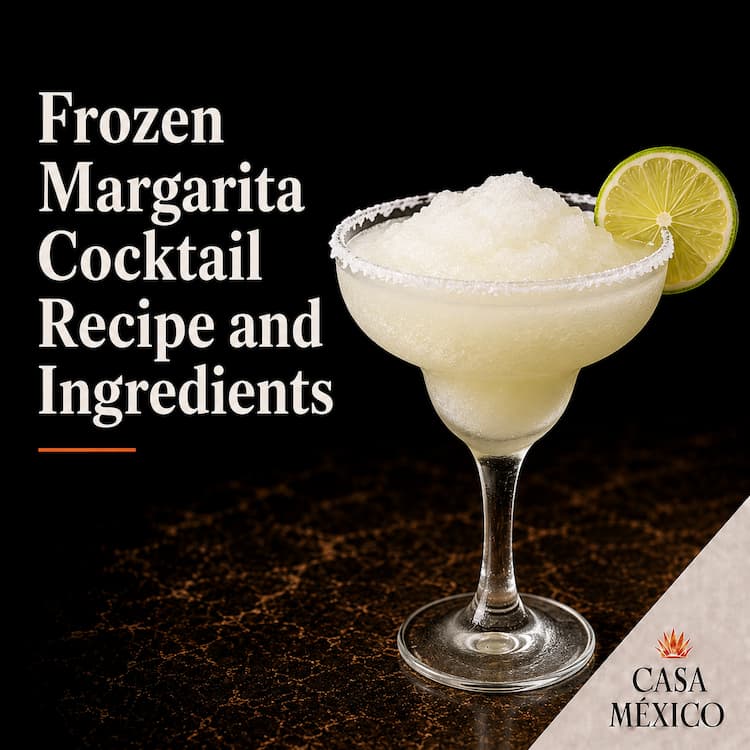
- Frozen Margarita: Frozen Margarita uses the classic base blended with ice. The taste is colder, softer, and less sharp than a shaken margarita. The texture feels slushy, light, and refreshing.
- Spicy Margarita: Spicy Margarita uses jalapeño, chili, or pepper syrup. The taste is hotter than the Passion Fruit Margarita, with a stronger pepper finish. The spice cuts the sweetness and sharpens the citrus.
- Strawberry Margarita: The Strawberry Margarita uses strawberry purée or muddled strawberries. The taste is sweeter, softer, and rounder than the Passion Fruit Margarita. The berry flavor gives a smoother finish than tart tropical fruit.
- Mango Margarita: Mango Margarita uses mango purée or mango nectar. The taste is richer, thicker, and sweeter than the Passion Fruit Margarita. The tropical profile feels smoother and less acidic.
- Watermelon Margarita: Watermelon Margarita uses watermelon juice or fresh watermelon. The taste is lighter, juicier, and cleaner than mango or strawberry margaritas. The finish feels softer than the Passion Fruit Margarita.
- Pineapple Margarita: Pineapple Margarita uses pineapple juice or pineapple purée. The taste is bright, tangy, sweet, and tropical. The flavor feels bolder than watermelon but less tart than the Passion Fruit Margarita.
- Passion Fruit Margarita: Passion Fruit Margarita uses passion fruit purée, lime juice, tequila, and orange liqueur. The taste is tart, tropical, and aromatic. The style feels sharper than a mango margarita and fruitier than a classic margarita.
- Coconut Margarita: Coconut Margarita uses coconut cream, coconut milk, or coconut water. The taste is creamy, mellow, and lightly sweet. The style feels softer than citrus-heavy fruit margaritas.
- Blue Curaçao Margarita: A Blue Curaçao Margarita uses blue curaçao for orange flavor and blue color. The taste is sweet, citrusy, and playful. The style feels sweeter and less tart than the Passion Fruit Margarita.
- Cadillac Margarita: Cadillac Margarita uses tequila, lime juice, and premium orange liqueur. The taste is richer, smoother, and rounder than a Classic Margarita. The style feels less tropical than the Passion Fruit Margarita.
- Mezcal Margarita: Mezcal Margarita uses mezcal instead of tequila. The taste is smoky, earthy, and bold. The style feels heavier than fruit margaritas and deeper than the Classic Margarita.
- Skinny Margarita: Skinny Margarita uses tequila, lime juice, light sweetener, and fewer sugary mixers. The taste is sharper, leaner, and drier than fruit margaritas. The style keeps agave and citrus at the center.
- Blood Orange Margarita: Blood Orange Margarita uses blood orange juice. The taste is citrusy, slightly bitter, and berry-like. The style feels deeper than Classic Margarita but less tropical than Passion Fruit Margarita.
- Blackberry Margarita: Blackberry Margarita uses blackberry purée or muddled blackberries. The taste is dark, jammy, and tart. The style feels richer than Strawberry Margarita and less tropical than Passion Fruit Margarita.
- Peach Margarita: Peach Margarita uses peach purée or peach nectar. The taste is soft, juicy, and lightly floral. The style feels gentler than Mango Margarita and less tart than Passion Fruit Margarita.
- Cucumber Margarita: Cucumber Margarita uses fresh cucumber juice or muddled cucumber. The taste is crisp, cool, and vegetal. The style feels lighter than fruit margaritas and calmer than the Spicy Margarita.
- Jalapeño Margarita: Jalapeño Margarita uses jalapeño slices or pepper syrup. The taste is bright, citrusy, and spicy. The style feels hotter than Passion Fruit Margarita and sharper than Mango Margarita.
- Hibiscus Margarita: Hibiscus Margarita uses hibiscus tea or hibiscus syrup. The taste is floral, tart, and slightly cranberry-like. The style feels drier than Strawberry Margarita and brighter than Blackberry Margarita.
- Pomegranate Margarita: Pomegranate Margarita uses pomegranate juice or syrup. The taste is tart, deep, and slightly tannic. The style feels sharper than Watermelon Margarita and darker than Passion Fruit Margarita.
What is the Difference of Classic Margarita than other Passion Fruit Margarita Cocktail Recipes?
The difference between a Classic Margarita and other Passion Fruit Margarita cocktail recipes lies in the fruit layer and flavor intensity. A Classic Margarita keeps tequila, lime juice, orange liqueur, and salt as the main flavor structure, while Passion Fruit Margarita recipes add tropical purée, extra tartness, and a fuller fruit body. The ingredient list stays cleaner in a Classic Margarita, and the flavor depends more on agave, citrus acidity, and orange sweetness. Make a Classic Margarita by adding tequila, fresh lime juice, and orange liqueur directly to a shaker. Pour in 2 ounces of tequila, 1 ounce of fresh lime juice, 1 ounce of orange liqueur, ice, and shake vigorously. Strain into a salt-rimmed glass over fresh ice and garnish with a lime wheel. The result delivers cleaner acidity, stronger agave clarity, and a drier finish than Passion Fruit Margarita variations, which defines the Classic Margarita Recipe.
What is the difference between a Spicy Margarita and other Passion Fruit Margarita Cocktail Recipes?
The difference between a Spicy Margarita and other Passion Fruit Margarita cocktail recipes lies in the source and intensity of the flavor focus. A Spicy Margarita pushes pepper heat forward through jalapeño, chili, or infused spice, while Passion Fruit Margarita recipes keep tropical tartness and fruit sweetness at the center. The ingredient list stays simple, and pepper quantity and handling shift the final flavor impact. Make a Spicy Margarita by adding jalapeño slices directly to a shaker and muddying firmly to release capsaicin. Pour in 2 ounces of tequila, 1 ounce of fresh lime juice, 1 ounce of orange liqueur, and ice, and shake vigorously. Strain into a salt-rimmed glass over fresh ice and garnish with a jalapeño slice. The result delivers sharper heat, faster spice buildup, and a bolder finish than Passion Fruit Margarita variations, which defines the Spicy Margarita.
What is the difference between a Pineapple Margarita and other Passion Fruit Margarita Cocktail Recipes?
The difference between a Pineapple Margarita and other Passion Fruit Margarita cocktail recipes lies in the fruit’s sweetness and acidity profile. A Pineapple Margarita brings juicy tropical sweetness with a softer tart edge, while Passion Fruit Margarita recipes deliver sharper tang, floral aroma, and stronger tart fruit intensity. The ingredient list stays close to a classic margarita, and the fruit choice shifts the drink from sharp and aromatic to sweet and bright. Make a Pineapple Margarita by adding pineapple juice or pineapple purée directly to a shaker. Pour in 2 ounces of tequila, 1 ounce of fresh lime juice, 1 ounce of orange liqueur, pineapple juice, and ice, and shake vigorously. Strain into a salt-rimmed glass over fresh ice and garnish with a pineapple wedge or lime wheel. The result delivers sweeter tropical flavor, smoother acidity, and a brighter fruit finish than Passion Fruit Margarita variations, which defines the Pineapple Margarita.
What is the difference between a Coconut Margarita and other Passion Fruit Margarita Cocktail Recipes?
The difference between a Coconut Margarita and other Passion Fruit Margarita cocktail recipes lies in the texture and flavor base. A Coconut Margarita adds creamy coconut flavor and a softer mouthfeel, while Passion Fruit Margarita recipes focus on tart tropical fruit, bright acidity, and floral aroma. The ingredient list stays close to a classic margarita, and coconut changes the drink from sharp and fruit-forward to smooth and mellow. Make a Coconut Margarita by adding coconut cream, coconut milk, or coconut water directly to a shaker. Pour in 2 ounces of tequila, 1 ounce of fresh lime juice, 1 ounce of orange liqueur, coconut ingredients, and ice, and shake vigorously. Strain into a salt-rimmed glass over fresh ice and garnish with lime or toasted coconut. The result delivers creamier texture, softer acidity, and a smoother tropical finish than Passion Fruit Margarita variations, which defines the Coconut Margarita.
Where to Serve a Passion Fruit Margarita?
A Passion Fruit Margarita is best served at lunch, dinner, cocktail hour, tropical gatherings, and beach meals, plus birthday parties, not breakfast. Breakfast does not suit the drink, since tequila plus orange liqueur raises alcohol strength during early meals. Lunch service includes spicy tacos, ceviche, grilled shrimp, and citrus salads. Dinner service includes grilled fish, chicken, pork, roasted vegetables, and fresh salsa. Birthday parties fit the cocktail due to bright colors, fruit aroma, and easy pitcher preparation. Strong acidity needs salty, savory, lightly sweet food nearby; menu planning starts from What to Serve with Margaritas.
What is the Best Glass for a passion fruit margarita?
A Passion Fruit Margarita is best served in a margarita glass, which features a wide shallow bowl and a stem. The wide bowl allows the tropical yellow color and fruit garnish to stand out, while the rim gives enough space for salt, sugar, or chili salt. The stem reduces warming from hand contact and keeps the cocktail cooler for a longer period. The open shape also helps release the passion fruit aroma before each sip.
The margarita glass is specifically designed for cocktails (margaritas), where color, rim garnish, and temperature affect the drinking experience. The margarita glass differs from a rocks glass, which is shorter, heavier, and better for drinks served directly over ice. A coupe glass has a stem and an elegant bowl, but it has a smaller rim for salt or sugar. A highball glass is taller and narrower, making it better for sparkling mixed drinks (tequila soda), not fruit-forward margaritas. A margarita glass remains the ideal choice for Passion Fruit Margarita presentation. The wide rim supports salt or sugar garnish, and the shallow bowl highlights the drink’s texture, color, and tropical fruit character, making it part of Best Margarita Glasses.
What makes this Passion Fruit Margarita Different from Others?
Passion Fruit Margarita differs from others because of its bright tropical acidity, floral aroma, and tart fruit character. Different versions use premade sour mixes that lack the fresh sharpness of lime juice and real passion fruit purée. The Passion Fruit Margarita stands out with its unique combination of tangy passion fruit, citrus, smooth tequila, orange liqueur, and salt rim. Its fruit-forward profile sets it apart from other versions by adding tropical depth without hiding the agave base. Related tropical citrus cocktails appear in Drinks Similar to Passion Fruit Margarita.
- Classic Margarita has lime, tequila, orange liqueur, and a salt rim for a clean citrus-forward experience.
- Pineapple Margarita delivers a sweeter tropical flavor with softer acidity than passion fruit.
- Mango Margarita has rich fruit sweetness that creates a smoother and fuller cocktail.
- Watermelon Margarita gives a lighter, juicier profile with a softer finish.
- Coconut Margarita adds creamy texture and mellow tropical flavor.
- Blood Orange Margarita brings deeper citrus notes with mild bitterness and berry-like sweetness.
- Strawberry Margarita uses sweet berry flavor for a softer fruit-forward version.
- Hibiscus Margarita adds floral tartness and a brighter finish than berry-based margaritas.