EN
 ES
 PL
 TR

Neutral spirit is a highly distilled alcohol with a nearly flavorless taste and a clean aroma. Neutral spirit starts as a fermented mash of grain, grapes, or sugarcane before distillation columns strip away the flavor compounds. Aeneas Coffey patented the continuous distillation column in 1830, which made production of high-strength spirit practical at an industrial scale. Distillers collect the spirit at 95 to 96% alcohol by volume (ABV) before dilution. The Alcohol and Tobacco Tax and Trade Bureau (TTB) in the United States defines neutral spirits as spirits distilled at or above 190 proof. Producers use the spirit as a clean base for vodka, gin, liqueurs, and other drinks.
Tequila differs from neutral spirit because tequila keeps the earthy, sweet flavor of blue Weber agave. The second distillation of tequila ends near 55% ABV to protect the agave character. Jalisco, Mexico, anchors the Denomination of Origin that protects the identity of tequila. Neutral spirit follows the opposite path, as each distillation pass removes heavier alcohols, esters, and aldehydes. Industry documents list the spirit as rectified spirit, neutral alcohol, or grain neutral spirit.
What is Neutral Spirit?
Neutral spirit is a highly purified alcohol distilled to a very high strength, which leaves almost no taste or smell. Ethanol forms nearly the whole volume, and water makes up the remainder. An azeotrope of ethanol and water forms at 95.6% ABV, which sets the ceiling for simple distillation. The liquid pours clear and feels sharp on the tongue, with a faint alcohol scent. Pure ethanol burns with a pale blue flame. Distilleries in the United States, Poland, and Brazil make neutral spirit from corn, rye, and sugarcane. Food, pharmaceutical, and beverage manufacturers buy the spirit in bulk tanks for extracts, tinctures, and drinks. Quality graders judge the spirit by purity, smoothness, and the absence of congeners. Chemists and distillers call the product rectified spirit because rectification purifies the liquid through repeated distillation.
How is Neutral Spirit Made?
Neutral spirit is made through fermentation, repeated distillation, and careful dilution. Producers start with a sugary mash and finish with a clean spirit. Each stage removes flavor and raises purity, which pushes the strength toward 96% ABV. Distillers in Poland follow the same sequence.
Neutral spirit is made by following the five steps listed below.
- Ferment a Sugary Mash. Yeast converts the sugars in corn, grapes, or sugarcane into ethanol during fermentation. Distillers call the fermented liquid the wash. The wash reaches eight to 12% ABV after three to five days.
- Distill the Wash in a Column. Distillation columns heat the wash, and ethanol vapor rises through stacked plates. Ethanol boils at 173 degrees Fahrenheit, which is lower than the boiling point of water. Each plate concentrates the vapor further.
- Repeat the Distillation. Rectifying columns remove fusel oils, methanol, and other flavor compounds from the vapor. Each pass lifts the strength toward 96% ABV. Distillers repeat the process until the spirit tastes clean and neutral.
- Collect the High Strength Spirit. Distillers keep the middle cut, called the heart, and set aside the heads and tails. The heart holds the cleanest ethanol, while the heads and tails return to the column for another pass.
- Dilute the Spirit if Needed. Bottlers add demineralized water to lower the strength of the finished product for retail use. Mineral-free water keeps the liquid clear and protects the clean taste. Slow mixing keeps the blend even.
Is Neutral Spirit Pure Alcohol?
No, neutral spirit is not pure alcohol. Neutral spirit contains ethanol and water, and trace levels of leftover flavor compounds (esters and aldehydes). Anhydrous ethanol reaches 99.5% ABV or higher after dehydration with molecular sieves. The water content separates beverage-grade spirit from anhydrous ethanol used in laboratories and fuel blends. The spirit absorbs moisture from air, so tightly sealed stainless steel containers protect its strength. Producers assess spirit composition through gas chromatography, which measures ethanol, water, and congener levels in each batch.
What is Grain Neutral Spirit?
Grain neutral spirit is neutral spirit made from grain (corn, wheat, rye, or barley). Hammer mills grind the grain into coarse meal before cooking to expose the starch. Distillers cook the grain, then hold the mash from 140 to 160 degrees Fahrenheit. Malt or enzymes convert the starch into fermentable sugar during the hold. Grain neutral spirit reaches 95% ABV or higher after column distillation. Corn leads grain neutral spirit production in the United States, and wheat leads production in Scotland. A bushel of corn weighs 56 pounds and yields about 2.8 gallons of ethanol. Home bartenders use bottled grain neutral spirit for infusions, tinctures, and homemade liqueurs. Barrels play no role, since the spirit stays clear and unaged. Labels and recipe books call the product grain alcohol or neutral grain spirit.
Why is Grain a Common Base for Neutral Spirit?
Grain is a common base for neutral spirit because grain is plentiful and ferments well. Corn kernels hold about 70% starch by weight, which yields a high volume of fermentable sugar. Farms in the Midwest, Ukraine, and France harvest large volumes of corn and wheat each year. Dry grain is stored for months in silos, so distilleries run steady production year-round. Distillers grains, the leftover solids, go to cattle as feed, which lowers waste and cost. Yeast strains convert grain sugars at a steady rate, which keeps batch results consistent. Distillers choose the grain by local price and yield, since the finished spirit tastes neutral either way. Grain mashing equipment exists worldwide.
Meet Our Maestra Tequilera
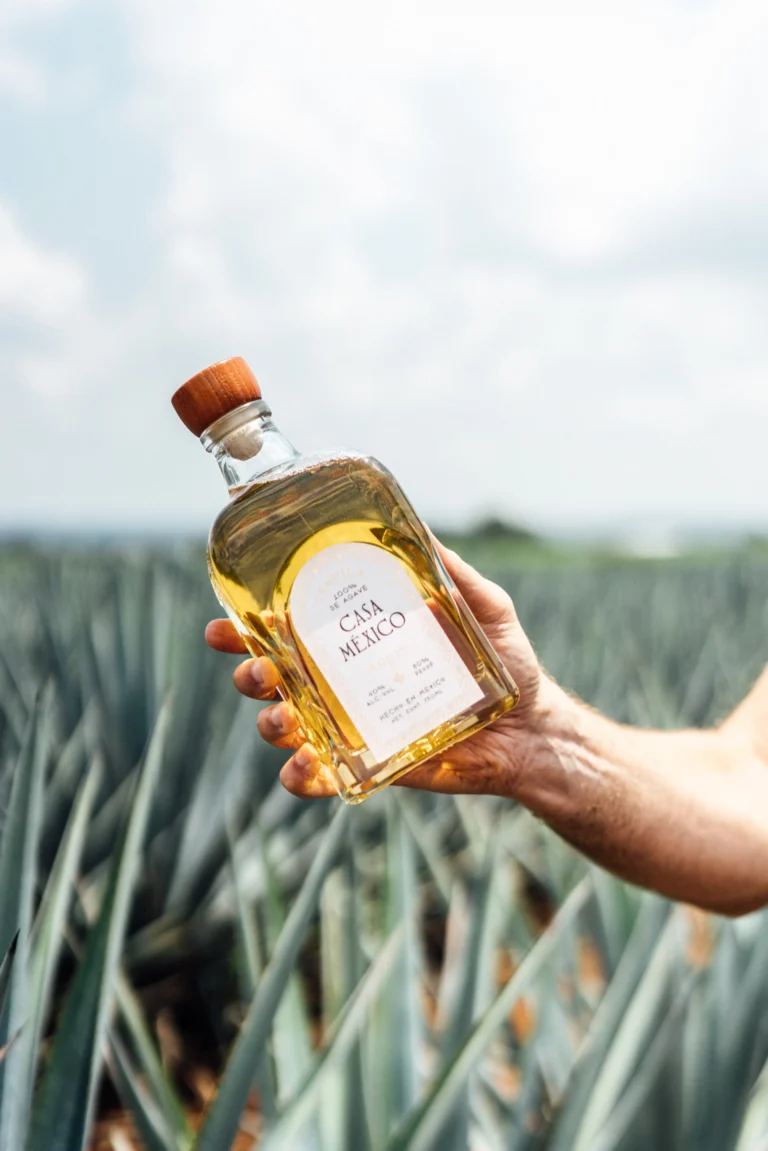
Casa México Tequila is crafted under the guidance of world-renowned Maestra Tequilera Ana María Romero Mena. With decades of experience creating acclaimed tequilas and mentoring future generations of distillers, she brings both deep tradition and thoughtful innovation to the brand. From agave selection to distillation and aging, her expertise ensures every expression reflects authenticity, precision and exceptional quality.

Is Grain Alcohol a Mixture?
Yes, grain alcohol is a mixture. Grain alcohol combines ethanol and water in a single liquid phase, so the components mix evenly at the molecular level. Chemists classify the liquid as a homogeneous mixture because each sample has the same composition. Physical processes separate ethanol and water, so no chemical bond joins the two compounds. The ratio shifts when the spirit is diluted for bottling, though the mixture stays uniform. Standard rectified spirit is a mixture of about 96% ethanol and 4% water.
How Strong is Neutral Spirit?
Neutral spirit is distilled to around 95 to 96% ABV, which is about 190 proof, before dilution for bottling. ABV stands for alcohol by volume, a measure of the share of ethanol in the total liquid. Bottled vodka and gin reach 40% ABV, so the undiluted spirit carries over twice the strength. Beer averages 5% ABV, and wine averages 12% ABV. The strength makes the liquid flammable, so distilleries store the spirit in grounded stainless steel tanks. Hydrometers and digital density meters measure the strength during production. Taxes in the United States apply to the proof gallon, so strength affects the cost of each bottle. Retail bottles of undiluted grain neutral spirit rank among the strongest alcohol in the world, and Polish rectified spirit reaches 96% ABV.
What does Proof Mean for Neutral Spirit?
Proof means a strength rating equal to twice the ABV in the United States. Neutral spirit at 95 % ABV equals 190 proof, and bottled vodka at 40% ABV equals 80 proof. A 151 proof spirit measures 75.5% ABV, and a 100 proof spirit measures 50% ABV. The term dates to England in the 1500s, when tax officials tested spirit with gunpowder. Labels in the United Kingdom and the European Union list ABV instead of proof. Halving the proof number converts the rating back to ABV. Bartenders read the proof to judge how much water and ice the drink needs to reach a target strength. Readings assume a temperature of 60 degrees Fahrenheit.
Does Neutral Spirit Get Diluted Before Bottling?
Yes, neutral spirit does get diluted before bottling. Spirit leaves the column near 96% ABV, which is too strong for drinking neat. Blenders mix the spirit with purified water in stainless steel tanks until a lab test confirms the target strength. Vodka lands at 40% ABV, and cream liqueurs fall near 17% ABV. Slow water addition prevents heat spikes, since mixing ethanol and water releases heat and shrinks the total volume. Filtration through charcoal polishes the diluted spirit before the bottling line.
How is Neutral Spirit Used in Drinks?
Neutral spirit is used in drinks as a base for vodka, gin, and liqueurs. The clean profile carries botanicals, fruit, and sugar without adding flavor of its own. Strength and consistency drive the choice, since producers buy spirit at 95% ABV or higher.
The neutral spirits used in drinks are listed below.
- Vodka Base: Vodka starts as a neutral spirit bottled at a minimum of 80 proof in the United States. The TTB requires the spirit to show no distinctive character, aroma, taste, or color. The spirit meets the standard before filtration.
- Gin Base: Gin distillers redistill neutral spirit with juniper berries, coriander, and citrus peel. Juniper must lead the flavor under United States and European Union rules. Compound gin skips redistillation and adds flavor extracts straight to the spirit.
- Liqueur Base: Liqueur makers steep fruit, herbs, nuts, and spices in neutral spirit to extract flavor. Sugar syrup then sweetens the infusion into a finished liqueur. Orange liqueurs and coffee liqueurs rely on the neutral base for clean extraction.
- Premixed Cocktails: Canned cocktails use neutral spirit to carry alcohol without changing the flavor. Hard seltzers (ABV from 4% to 6%) use the same clean base. The base keeps color and shelf life stable.
- Blending: Blenders combine neutral spirit with whiskey to produce blended whiskey. Neutral spirit stretches the batch and lightens heavy flavors. Port producers add grape spirit (77% ABV) to stop fermentation, which shows how rectified spirit uses extend to fortified wine.
What Makes Neutral Spirit a Good Cocktail Base?
Neutral spirit makes a good cocktail base because the clean taste lets juices, sodas, and syrups lead the flavor in a mixed drink. Cranberry juice, ginger beer, and tonic water keep their own identity when paired with the spirit. Ethanol dissolves aroma compounds from fruit, herbs, and citrus peel, so infusions taste vivid. The lack of color keeps clear cocktails transparent and lets natural juice colors show. Consistent flavor from bottle to bottle gives bartenders repeatable results across a menu. Bartenders pour 1.5 ounces per cocktail, so the mixers stay balanced. Highballs (vodka soda, vodka tonic) and sours show the benefit clearly. Cold dilution from ice mellows the heat of the spirit, which keeps the finish smooth.
Does a Classic Paloma Need Neutral Spirit?
No, a classic paloma does not need neutral spirit. Tequila forms the base of the drink, and blanco tequila from Jalisco is the standard choice. Grapefruit soda or fresh grapefruit juice, lime juice, and a pinch of salt complete the recipe in a tall glass. Blue Weber agave gives the drink an earthy, peppery character that a neutral spirit lacks. A neutral spirit swap turns the drink into a Salty Dog, which uses vodka and a salted rim. Tequila remains the required spirit in a Classic Paloma.
Is a Pomegranate Margarita Built on Neutral Spirit?
No, a pomegranate margarita is not built on neutral spirit. Tequila anchors the recipe, with two ounces of blanco tequila per drink. Pomegranate juice, lime juice, and orange liqueur complete the build. Orange liqueur starts from a neutral spirit base, so neutral spirit plays a supporting role in the glass. The earthy sweetness of blue agave leads the profile. Blue Weber agave takes five to seven years to mature before harvest. Bartenders shake the mixture over ice and strain it into a chilled coupe. A sugar rim and fresh arils finish a Pomegranate Margarita.
What Sets Neutral Spirit Apart From Tequila?
Flavor sets neutral spirit apart from tequila. Distillers strip neutral spirit of taste, while tequila keeps the earthy, sweet character of blue agave. Tequila derives from blue Weber agave, and 100% agave tequila uses no other sugar source. The Consejo Regulador del Tequila certifies tequila production in Mexico. Producers roast blue agave hearts (piñas) in ovens to convert inulin into fermentable sugar. Blanco tequila shows cooked agave, citrus, and black pepper notes. Reposado tequila rests two months to one year in oak, and añejo tequila rests one to three years. Neutral spirit follows no raw material rule, so grain, grapes, or sugarcane qualify. Neutral spirit shows ethanol heat with no flavor on the palate. Tequila bottles at 35 to 55% ABV, while neutral spirit starts at 95% ABV before dilution.
How Do Tequila vs Whiskey Differ From Neutral Spirit?
Tequila and whiskey differ from neutral spirit because tequila and whiskey keep flavor from the raw material and from aging. Tequila draws flavor from blue agave, and whiskey draws flavor from malted barley, corn, or rye. Oak barrels add vanilla, caramel, and spice to reposado tequila, bourbon, and Scotch whisky. Bourbon requires a mash bill of at least 51% corn and aging in new charred oak. Scotch whisky ages for at least three years in oak, which deepens color and flavor. Neutral spirit goes the opposite direction, since distillers aim for as little flavor as possible in the final liquid. The flavor gap places neutral spirit outside the debate of Tequila vs Whiskey.
Can You Sip Tequila as a Flavorful Spirit?
Yes, you can sip tequila as a flavorful spirit. Sipping works best with 100% agave tequila, since the spirit keeps the full range of agave flavors. A copita glass concentrates aroma at the rim and lets the drinker taste each layer. Room temperature serving preserves aroma, since cold dulls the flavor of the spirit. Neutral spirit offers no flavor reward for sipping, since the liquid has little aroma or taste. Tasting flights from blanco to añejo show the range available to anyone who chooses to sip tequila.
How is Vodka Related to Neutral Spirit?
Vodka is related to neutral spirit because commercial vodka starts as neutral spirit diluted with water. Filtration through charcoal, quartz, or lava rock removes trace impurities and smooths the texture of the liquid. Craft vodka keeps a trace of character from the base (potato, rye, wheat, corn). Potato vodka feels creamy on the palate, and rye vodka shows a peppery spice. Brands label the grain or potato source to signal the base character. Vodka stays clear because the base spirit carries no color. Column distilleries in Poland, Sweden, and the United States produce the base spirit. Bottlers buy bulk neutral spirit from large distilleries, then add water and filter the blend. Water quality shapes the mouthfeel of the finished vodka. Flavored vodka adds natural essences to the filtered spirit after dilution, so the base remains neutral.
What is Extra Neutral Alcohol?
An extra neutral alcohol is a very high grade of neutral spirit with very few flavor compounds, used as a base for drinks. Producers target 96% ABV and measure congener levels in parts per million. Plants link a series of columns to strip heads, fusel oils, and tails from the rising vapor. Purchasing teams read the spec sheet for methanol, acetaldehyde, and ester limits. European Union rules call the product ethyl alcohol of agricultural origin, with a minimum of 96% ABV. Hard seltzers, vodka, and ready-made cocktails rely on the grade for a clean finish in the glass. Beverage producers abbreviate extra neutral alcohol as ENA in trade and purchase orders.
Is Extra Neutral Alcohol the Same as Neutral Spirit?
No, extra neutral alcohol is not the same as neutral spirit. The extra neutral grade sits at the top of the neutral spirit category. Neutral spirit meets the United States standard at 190 proof, and the top grade reaches 192 proof. Additional rectification removes trace congeners from the top grade. Buyers of the top grade expect lower methanol, aldehyde, and fusel oil levels than standard neutral spirit. The terms overlap in casual use, so labels and recipes treat the grades as neutral spirit.
What are Examples of Neutral Spirit?
Examples of neutral spirit include grain, grape, sugarcane, and potato spirits. The raw material sets the name of each neutral spirit. Fermentation and distillation follow the same path, so the finished liquid tastes clean regardless of the source. Distilleries in Brazil, France, and Poland supply bulk spirit.
The examples of neutral spirits are listed below.
- Grain Neutral Spirit: Producers distill the spirit from corn, wheat, rye, or barley. The United States market relies on corn for the bulk of the supply. Grain gives the spirit a light, clean body.
- Grape Neutral Spirit: Winemakers distill the spirit from grape must or surand wine. France, Italy, and Spain supply grape spirit for brandy and fortified wine. The spirit adds a soft body to sweet liqueurs.
- Sugarcane Neutral Spirit: Distillers ferment sugarcane juice or molasses before running the wash through distillation columns. Brazil and India supply large volumes of spirit from sugarcane. Rum begins from the same cane sugars but skips the final rectification.
- Potato Neutral Spirit: Distillers in Poland and Northern Europe cook potatoes to release starch for fermentation. Rectification strips the earthy flavor of the tuber. Vodka and liqueur makers buy the spirit as a base.
How do Grain and Grape Neutral Spirit Differ?
Grain and grape neutral spirit differ in the raw material used for fermentation. Grain neutral spirit comes from corn or wheat, while grape neutral spirit comes from grapes. Distillers run each fermented base through distillation columns until the spirit tastes neutral. Grain holds starch, so mashing and enzymes come first. Grapes hold sugar, so yeast ferments the juice directly. Grain neutral spirit dominates vodka and gin production in the United States. Grape harvests run in late summer (August to September), which ties grape spirit supply to the wine calendar. Surand wine from France and Italy turns into grape spirit through distillation. Producers of vermouth and fortified wine buy neutral grape spirits for fortification.
Is Vodka Made From Neutral Spirit?
Yes, vodka is made from neutral spirit. Vodka production begins at the rectifying column, where distillers collect neutral spirit near 96% ABV. Water, filtration, and bottling follow the distillation step. Brands in Poland, Sweden, and the United States buy neutral spirit or distill the spirit on site. Labels list the base material (grain, potato, grape, sugarcane), while the production path stays the same. The United States sets a bottling minimum of 40% ABV for vodka, while the European Union sets 37.5%.