EN
EN ES
ES PL
PL TR
TR
Agave vs Tequila is a comparison that separates a Mexican plant from a Mexican distilled spirit. Agave vs Tequila explains how raw plant sugars become alcohol after harvest, cooking, fermentation, distillation, plus aging. Agave is a succulent plant from the Asparagaceae family, grown across Mexico, arid America, and semiarid regions. Blue Weber agave, named Agave tequilana Weber Azul, supplies the legally recognized base ingredient in tequila production. Tequila is a protected spirit produced in approved Mexican regions, led by Jalisco, through regulated methods tied to agave origin. Agave, therefore, begins the chain, tequila finishes the chain.
Agave matters in food, sweeteners, fibers, traditional drinks, plus spirits, so the plant has broader use than tequila. Tequila is the finished alcoholic product, shaped by cooked agave juice, yeast fermentation, distillation strength, barrel contact, and classification. Blanco keeps direct cooked agave character, reposado gains oak influence, and añejo develops deeper barrel notes. Agave nectar fits sweetening needs, yet tequila fits sipping, pairing, and cocktails, plus production education. Clear separation helps readers compare the plant source, legal category, flavor role, alcohol content, processing stage, protected origin, label meaning, and cultural value in Agave vs Tequila. Comparison prevents confusion during sweetener selection, spirit study, and menu planning.
What is Agave?
Agave is a succulent plant native to Mexico and dry regions of the Americas. The plant has thick, fleshy leaves that store water during hot, dry seasons. The central core, called the piña, stores natural sugars used in food, sweeteners, fermented drinks, and distilled spirits.
Agave has agricultural value across Mexican food culture, traditional beverages, fiber goods, and modern sweetener production. Processed agave sugars are used to make agave syrup, a liquid sweetener. Fermented agave juice creates pulque, while distilled agave spirits include tequila plus mezcal.
Blue agave, or Agave tequilana Weber, grows mainly in western and central Mexico. Tequila production legally depends on Blue Weber agave, not every agave species. Mezcal production uses multiple agave species, including Espadín, Tobalá, and Tepeztate.
How Does Agave Grow?
Agave grows slowly in warm, dry climates through fleshy leaves, deep roots, and a sugar-rich central core. The plant stores water in its thick leaves, which helps it survive during dry seasons. Blue agave develops blue-gray leaves, sharp spines, and a central piña used in tequila production. The piña holds the fermentable sugars needed after harvest.
Agave growth depends on sunlight, drainage, soil minerals, altitude, plus field care. Kew describes Weber Azul agave as a large succulent that reaches 2 meters in height. Commercial Blue Weber agave commonly reaches harvest maturity in 6 to 10 years. Farmers harvest the piña after sugar concentration reaches tequila production quality.
Is Every Agave Plant Used to Make Tequila?
No, not every agave plant is used to make tequila. Tequila is made from Blue Weber agave (Agave tequilana Weber blue variety) under Mexican tequila rules. The rule protects tequila identity, production origin, raw material standards, plus label accuracy. The Tequila Regulatory Council identifies blue agave as the permitted agave for tequila production under the Appellation of Origin.
Meet Our Maestra Tequilera
Casa México Tequila is crafted under the guidance of world-renowned Maestra Tequilera Ana María Romero Mena. With decades of experience creating acclaimed tequilas and mentoring future generations of distillers, she brings both deep tradition and thoughtful innovation to the brand. From agave selection to distillation and aging, her expertise ensures every expression reflects authenticity, precision and exceptional quality.

Other agave species support mezcal, agave syrup, pulque, fiber, food, and agricultural products. Mezcal production uses different agave varieties, including Espadín, Tobalá, and Tepeztate. Agave syrup comes from processed plant sugars, not distilled spirit production. Blue Weber agave remains the required plant for any spirit labeled tequila.
What is Tequila?
Tequila is a distilled Mexican alcoholic spirit made from fermented juice extracted from cooked Blue Weber agave hearts. Mexican tequila rules protect the spirit through the Tequila Designation of Origin, which controls origin, raw materials, production methods, and labeling standards. Official production occurs in authorized Mexican territories, using the Agave tequilana Weber blue variety. The raw agave hearts, called piñas, provide the natural sugars needed for fermentation.
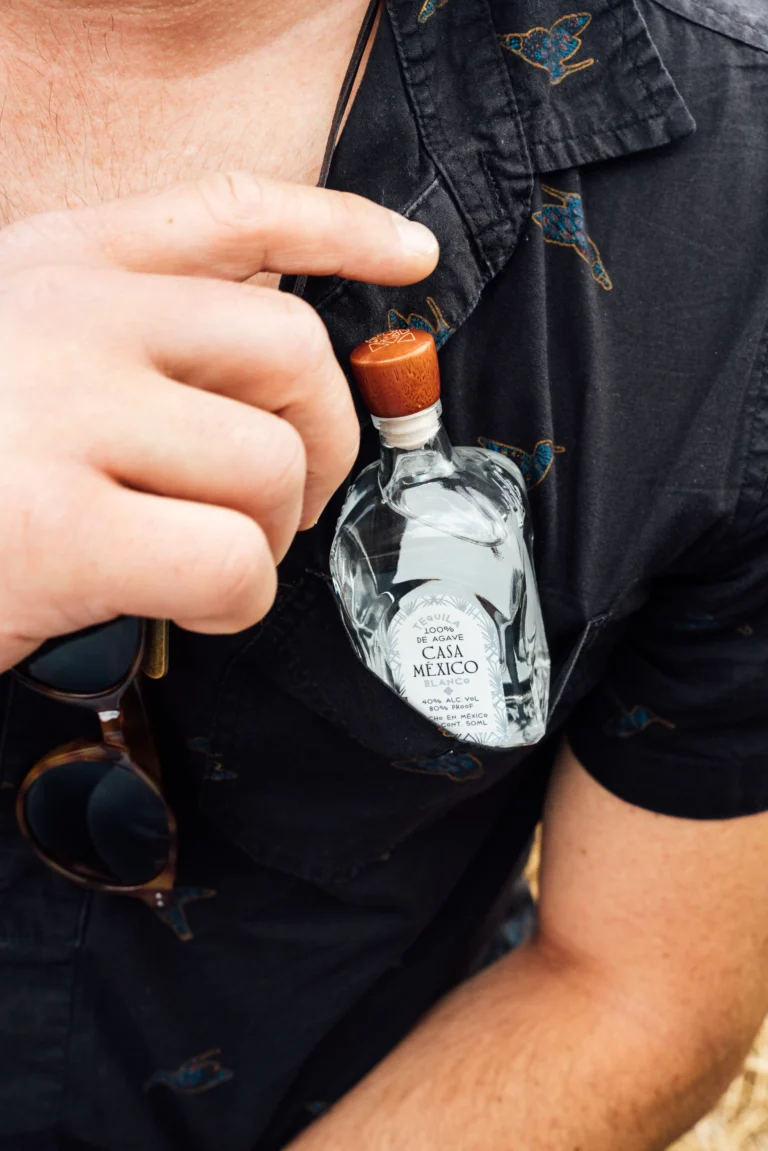
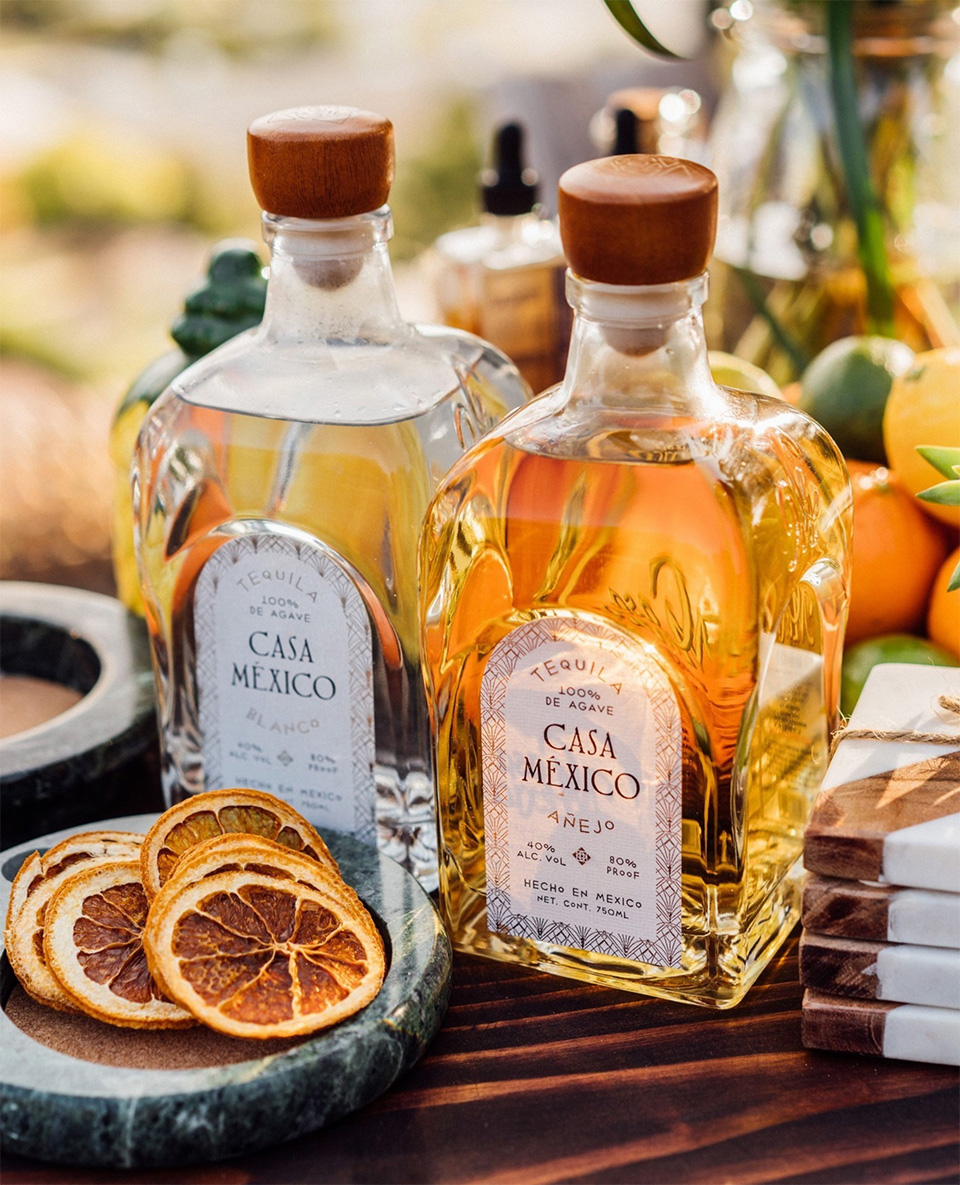
Fermentation changes cooked agave sugars into alcohol through yeast activity. Distillation concentrates alcohol, refines aroma, and separates the spirit from heavier plant compounds. Tequila identity depends on agave source, production region, regulatory certification, alcohol strength, and label category. Low-carb discussions connect tequila to distillation, since pure tequila contains negligible carbohydrates after proper production. A regulated tequila example from the category is Casa Mexico Tequila.
How is Tequila Made?
Tequila is made by harvesting Blue Weber agave, cooking the piñas, extracting sweet juice, fermenting the juice, and then distilling the liquid into a spirit. Mature piñas hold the natural sugar needed to create alcohol during fermentation. Jimadores remove the long leaves, then keep the dense agave heart. Cooking softens the piña, releases agave aroma, and converts stored carbohydrates into fermentable sugars.
Crushing separates the cooked agave juice from the plant fibers. Yeast changes agave sugars into alcohol during fermentation. Distillation concentrates ethanol, refines aroma, and removes heavier plant compounds. Blanco tequila keeps a fresh agave profile after distillation. Reposado, añejo, and extra añejo tequila gain oak color, spice, and vanilla, plus a smoother texture, during barrel aging.
Must Tequila Be Made From Blue Agave?
Yes, tequila must be made from Blue Weber agave to carry the legal tequila name. Mexican tequila rules identify the Agave tequilana Weber blue variety as the required raw material. NOM 006 SCFI 2012 protects tequila’s identity, origin, and production method, plus labeling standards. The Tequila Designation of Origin limits legal production to authorized Mexican territories.
Blue Weber agave matters because the plant provides the sugar base used before fermentation. Cooking releases agave sugars, and yeast converts them into alcohol. Distillation creates the finished tequila spirit from the fermented agave liquid. Other agave species are used in different Mexican agave drinks. Mezcal, bacanora, raicilla, plus pulque follow separate agave traditions outside tequila rules.
How is Agave Different From Tequila?
Agave is different from tequila in terms of category, composition, production, plus regulation. Agave is a succulent plant that grows in fields before harvest. The plant stores water in thick leaves, then stores natural sugars in the central piña. Farmers use agave in food, syrup, fiber, pulque, mezcal, plus tequila production. Tequila begins after mature Blue Weber agave piñas are harvested, cooked, crushed, fermented, and then distilled. Cooking releases fermentable sugars from the piña. Fermentation changes agave sugars into alcohol. Distillation concentrates the alcohol into a regulated Mexican spirit. Agave remains the raw plant source, and then tequila becomes the finished distilled beverage.
What are the main differences between agave and Tequila?
The main differences between agave and tequila are listed below.
- Category: Agave is a succulent plant. Tequila is a distilled alcoholic spirit. The category difference separates the raw plant from the finished drink.
- Composition: Agave contains water, fiber, minerals, and natural sugars. Tequila contains alcohol, water, and aroma compounds, plus trace congeners after distillation. The composition changes after cooking, fermentation, and distillation.
- Use: Agave supports syrup, fiber, food, fermented drinks, plus distilled spirits. Tequila is made from Blue Weber agave as its base. The spirit depends on agave-sugar conversion during production.
- Production: Agave grows in fields before harvest. Tequila production includes cooking, extraction, fermentation, distillation, plus aging when required. The production stage turns plant sugar into alcohol.
- Classification: Agave classification follows plant species plus variety. Tequila classification follows blanco, joven, reposado, añejo, and extra añejo. The spirit class structure explains different types of tequila.
Are Agave and Tequila the Same Thing?
No, agave and tequila are not the same thing. Agave is a succulent plant used as the raw ingredient for tequila production. The plant stores water in thick leaves and natural sugars in the central piña. Blue Weber agave provides the legal sugar source for tequila.
Tequila is a distilled Mexican spirit made after Blue Weber agave piñas are cooked, crushed, fermented, and distilled. Fermentation changes agave sugars into alcohol. Distillation concentrates the alcohol into the finished spirit. Agave remains the agricultural source, and tequila becomes the regulated alcoholic beverage.
Which Types of Agave Are Used for Spirits?
The agave species used for spirits are listed below.
- Blue Weber Agave: Blue Weber agave is the primary agave used in tequila. The botanical name is Agave tequilana Weber blue variety. The plant gives tequila its legal raw material identity.
- Espadín: Espadín is a common agave used in mezcal. The species is widely cultivated due to its reliable sugar content plus broad availability. Espadín produces a balanced mezcal base.
- Tobalá: Tobalá is an agave used in mezcal production. The plant is associated with smaller piñas plus concentrated flavor. Tobalá gives mezcal an earthy and floral plus mineral character.
- Tepeztate: Tepeztate is an agave used in mezcal. The plant matures slowly compared to cultivated agaves. Tepeztate creates intense herbal, green, and mineral flavors.
- Salmiana: Salmiana is an agave used in some Mexican agave spirits. The plant is linked to pulque plus regional mezcal traditions. Salmiana offers herbal, vegetal, and earthy notes.
Why is Blue Agave Used for Tequila?
Blue Weber agave is used for tequila because Mexican tequila rules approve the plant as the required agave species. The official name is Agave tequilana Weber blue variety. The plant grows sugar-rich piñas that support fermentation after cooking. Mature piñas provide the juice used before distillation.
Blue Weber agave gives tequila its legal identity, agave character, and regional production link. Cooking converts stored agave carbohydrates into fermentable sugars. Yeast changes the sugars into alcohol during fermentation. Distillation concentrates the spirit into tequila. Legal tequila production depends on this approved agave source. The plant connects origin, composition, flavor, plus certification under Blue Agave.
Can Other Agave Species Be Used for Tequila?
No, other agave species cannot be used for tequila. Tequila must use Blue Weber agave under Mexican tequila standards. The official plant name is Agave tequilana Weber blue variety. The rule protects tequila identity, raw material control, production origin, and label accuracy.
Other agave species remain valid for different agave spirits. Mezcal uses multiple agave species, including Espadín, Tobalá, Tepeztate, and Arroqueño. Bacanora, raicilla, pulque, plus agave syrup follow separate production traditions. A spirit made from another agave species does not qualify as tequila.
How Do Agave and Tequila Compare?
Agave versus tequila compares a source plant to a finished Mexican spirit. Agave is a succulent plant that stores water in thick leaves plus natural sugars in the piña. The piña is the central core used for tequila production. Tequila is a distilled alcoholic beverage made from fermented Blue Weber agave sugars.
Production separates agave from tequila through harvest, cooking, extraction, fermentation, distillation, aging, plus bottling. Agave has no alcohol before fermentation. Tequila contains alcohol after distillation, with official strength ranging from 35 percent to 55 percent alcohol by volume. Agave fits sweeteners, fibers, food uses, pulque, mezcal, and tequila production. Tequila is a fits regulated alcoholic beverage made in authorized Mexican regions.
How Do They Differ in Taste and Alcohol Content?
Agave differs from tequila in taste and alcohol content through plant form, sugar content, processing stage, and fermentation status. Raw agave has mild sweetness, green vegetal notes, and dense plant texture. Agave syrup has stronger sweetness, light caramel notes, and a smooth liquid texture. Agave contains 0 percent alcohol before fermentation.
Tequila has earthy, herbal, peppery, citrus, or cooked agave notes, depending on production style. Blanco tequila keeps a brighter agave character, while aged tequila develops oak, vanilla, spice, and a warmer texture. Tequila contains 35% to 55% alcohol by volume under Mexican tequila standards. Cooking, fermentation, distillation, aging, and bottling create the final flavor and alcohol profile.
Does Agave Naturally Contain Alcohol?
No, agave does not naturally contain alcohol. Agave is a succulent plant that stores carbohydrates in the piña before production. The piña holds the natural sugars needed for fermentation. Raw agave remains a plant ingredient, not an alcoholic drink.
Alcohol appears after yeast converts agave sugars into ethanol during fermentation. Tequila gains alcohol during fermentation, and then distillation raises the ethanol concentration. Distillation separates alcohol from heavier plant compounds. The finished spirit contains alcohol because tequila production changes agave sugars into ethanol.
What Are the Benefits and Drawbacks of Agave and Tequila?
The benefits and drawbacks of Agave and Tequila are listed below.
- Agave Sweetness: Agave syrup sweetens drinks, sauces, and desserts, plus baked recipes, with a mild flavor. The syrup has a lower glycemic index than table sugar. The syrup remains high in fructose plus calories.
- Agave Use Limit: Agave works best as a sweetener, not a wellness shortcut. High intake adds concentrated sugar to daily nutrition. Portion control matters in coffee, oatmeal, sauces, and cocktails.
- Tequila Spirit Value: Tequila provides a regulated Blue Weber agave spirit from Mexico. Plain tequila contains alcohol, water, and trace aroma compounds. Neat tequila has no meaningful sugar, yet alcohol still adds calories.
- Tequila Drawback: Tequila contains ethanol, which causes intoxication. Heavy intake raises health, safety, and judgment risks. Sweet mixers raise sugar intake in margaritas, palomas, and fruit cocktails.
Is Agave Syrup Better Than Sugar?
No, agave syrup is not always better than sugar. Agave syrup has a lower glycemic index than table sugar, which means blood glucose rises at a slower pace. The lower glycemic index is due to the high fructose content. Fructose still adds calories, counts as added sugar, and requires liver metabolism after digestion.
Agave syrup remains a sweetener, not a health food. Table sugar contains glucose plus fructose, while agave syrup contains a higher fructose share. The better choice depends on dietary needs, blood sugar control, calorie targets, and total sugar intake. Moderate intake matters for both sweeteners.
Is Agave Syrup a Healthy Sweetener?
No, agave syrup is not necessarily a healthy sweetener. Agave syrup comes from concentrated agave plant sugars, but the syrup contains high fructose content. Fructose adds calories, contributes to total sugar intake, and requires liver metabolism after digestion. Agave syrup has a lower glycemic index than table sugar, yet a lower glycemic response does not remove the calorie or sugar impact. Excess sweetener intake affects low-carb diets, diabetic diets, and calorie-controlled diets. Moderate intake matters for agave syrup, table sugar, honey, and other added sweeteners.
How Should You Choose Between Agave and Tequila?
Agave and tequila selection depends on purpose, alcohol preference, serving size, and sugar intake. Agave is a good fit for food use when sweetness, plant flavor, or syrup texture matters. Agave syrup works in beverages, marinades, sauces, glazes, and desserts. The syrup adds sugar and calories, so portion control matters in low-carb or calorie-controlled diets.
Tequila fits drink use when the goal is a distilled alcoholic beverage made from Blue Weber agave. Plain tequila contains alcohol and negligible carbohydrates after distillation. Tequila works for neat pours, low-carb tequila sodas, classic cocktails, and culinary alcohol use. The better choice depends on whether the need is for sweetness from agave or alcohol from tequila.
When is Each One the Better Choice?
Agave is the better choice when the goal is sweetness, plant-based flavor, or liquid texture in food. Agave syrup blends easily into cold drinks, marinades, sauces, glazes, dressings, and baked recipes. The syrup gives strong sweetness in small portions, but it still adds sugar and calories. Low-carb diets, diabetic diets, and calorie-controlled diets require careful portions of agave syrup.
Tequila is the better choice when the goal is a distilled alcoholic beverage made from Blue Weber agave. Plain tequila suits neat pours, tequila sodas, tastings, classic cocktails, and culinary alcohol use. Distillation leaves tequila with negligible carbohydrates when no sweet mixer is added. The right choice depends on flavor role, alcohol need, serving size, and sugar intake.
Does the Best Choice Depend on Your Purpose?
Yes, the best choice depends on the purpose. Agave fits sweetening, cooking, baking, marinades, or plant-based ingredient use. Agave syrup adds sweetness to tea, sauces, and desserts, plus cocktails without alcohol. Raw agave or agave nectar belongs in food preparation when the goal is flavor, texture, or sugar content. Tequila fits alcoholic drinks, agave spirit tasting, cocktail preparation, or culinary recipes that need distilled alcohol. Tequila adds ethanol, aroma, and cooked agave character instead of sugar. Agave and tequila share the same plant source, yet the final use separates each option clearly.