EN
 ES
 PL
 TR

An agave spirit is a distilled drink made from the fermented sap of the agave plant. Agave spirits are best known for tequila and mezcal, two protected drinks from Mexico. The category matters, since one plant yields spirits that taste very different by type, region, and production method. Cooked agave hearts, called piñas, supply the sugars that yeast converts into alcohol during fermentation. Blue Weber agave takes 6 to 8 years to mature, which makes tequila production a slow agricultural process. Distillation turns the sweet juice of the cooked agave heart into a spirit of 35 to 55% alcohol by volume. Aging in oak barrels adds amber color and vanilla notes to reposado and añejo styles.
Tequila has held a denomination of origin since 1974, whereas mezcal received its own in 1994. Spirits from Jalisco differ in taste from spirits made in Oaxaca, since soil, agave type, and cooking method vary. Raicilla from Jalisco and bacanora from Sonora add regional variety through local agave species. Each bottle of agave liquor reflects a specific plant, place, and craft, which explains the wide range of styles on the shelf.
Where Do Agave Spirits Come From?
Agave spirits come from Mexico, where the agave plant grows wild and is cultivated in states (Jalisco, Oaxaca, Durango, and Sonora). Tequila and mezcal are made under protected designations of origin that limit the regions, plants, and methods allowed. Tequila rules cover the state of Jalisco, selected municipalities in Guanajuato, Michoacán, Nayarit, and Tamaulipas. Producers in the United States make agave spirits outside the protected zones, yet the labels exclude the names “tequila” and “mezcal”. Tequila ships from Mexico to the United States, the largest export market, and to over 100 other countries. The history of agave drinks in Mexico reaches back to the Aztec period, when communities fermented agave sap into pulque. Spanish colonists introduced distillation in the 16th century, which turned the fermented sap of Mexican agave into the first mezcal.
What Plant Is Used to Make an Agave Spirit?
The plant used to make an agave spirit is the agave, a large succulent called maguey in Mexico. The heart of the plant, called the piña, holds the sugars that distillers convert into alcohol. Mature piñas weigh from 80 to 200 pounds, depending on the species. The plant stores fructans, which, when heated, convert into fermentable sugars during cooking. Producers cook the piña, ferment the sweet juice, then distill the liquid into a spirit. Blue Weber agave (Agave tequilana) is the plant required for tequila production. Mezcal makers use Espadín, Tobalá, Madrecuixe, and Tobaziche, among dozens of agave types. A maguey agave matures over years in the field, which concentrates the sugars the distiller needs.
Is Agave a Cactus?
No, agave is not a cactus. Agave is a succulent in the Asparagaceae family, whereas cacti belong to the Cactaceae family. Agave and cacti grow in dry, desert regions, which explains the common confusion. Cacti carry areoles, small cushions that produce spines, whereas agave leaves grow in a rosette from the base. Agave leaves store water in thick, fleshy tissue, which lets the plant survive long dry spells. The tequila industry relies on blue Weber agave, not a cactus, to supply the sugars that become the spirit.
How Is an Agave Spirit Made?
An agave spirit is made by harvesting the agave heart, cooking it, crushing it, fermenting the juice, then distilling the liquid. Jimadores harvest the piña using a sharp blade called the coa de jima. Cooking in brick ovens, autoclaves, or earth pits converts starches into fermentable sugars. Tahona stone wheels, roller mills, or shredders crush the cooked agave to release the sweet juice. Yeast ferments the juice into a low alcohol liquid over two to seven days. Mezcal producers ferment in wooden vats, which adds local yeast character. Copper pot stills or column stills distill the liquid, commonly twice. Reposado, añejo, and extra añejo rest in oak barrels, whereas blanco goes to the bottle fresh.
Is Blue Agave the Only Plant Used in Agave Spirits?
No, blue agave is not the only plant used in agave spirits. Tequila by law uses blue Weber agave, a rule set by Mexican standards. Mezcal uses over 30 agave types (espadín, tobalá, tepeztate, cuishe). Espadín supplies the bulk of mezcal production in Oaxaca, since the plant matures faster than wild varieties. Bacanora uses Agave angustifolia in Sonora, whereas raicilla uses Agave maximiliana and Agave inaequidens in Jalisco. Distillers choose the plant to shape sweetness, smoke, and herbal notes in the finished bottle of each spirit.
What Are the Main Types of Agave Spirits?
The main types of agave spirits are tequila, mezcal, raicilla, and bacanora. Each type carries a regional name, a set of permitted plants, and a distinct production style. A liquor like tequila ranks first in global sales, whereas the other three remain regional specialties.
Meet Our Maestra Tequilera
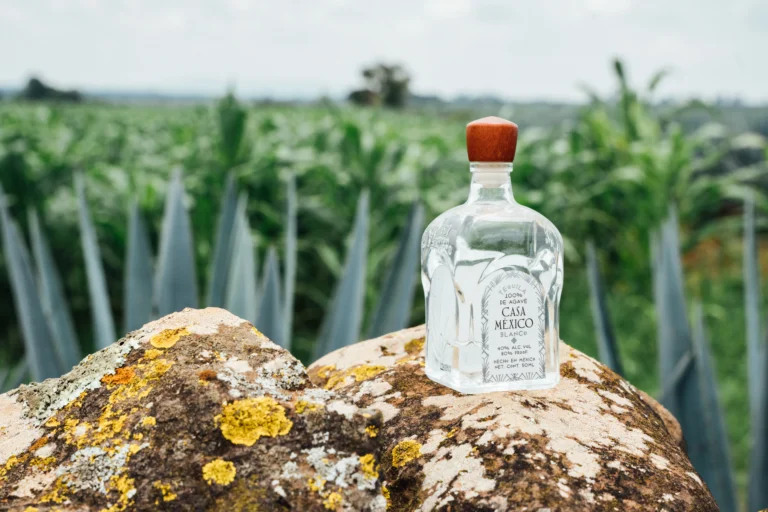
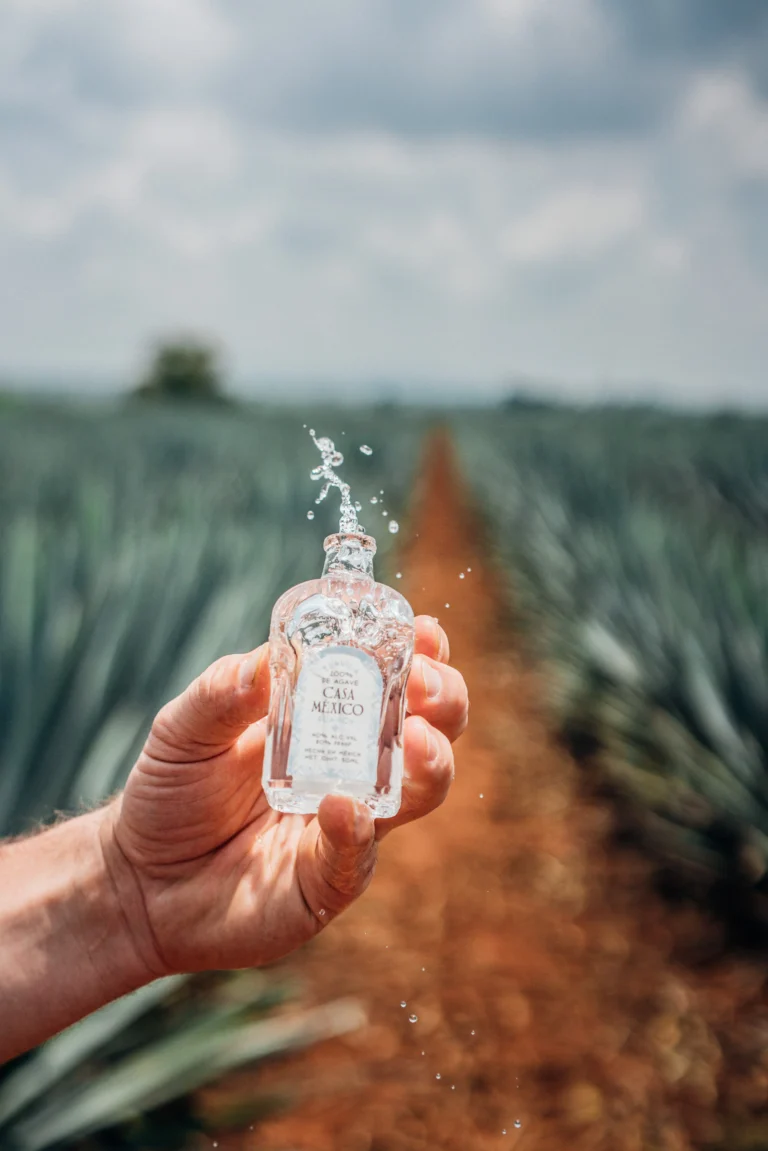
Casa México Tequila is crafted under the guidance of world-renowned Maestra Tequilera Ana María Romero Mena. With decades of experience creating acclaimed tequilas and mentoring future generations of distillers, she brings both deep tradition and thoughtful innovation to the brand. From agave selection to distillation and aging, her expertise ensures every expression reflects authenticity, precision and exceptional quality.

The main types of agave spirits are listed below.
- Tequila: Tequila is made from blue Weber agave in Jalisco and four other approved states. The style ranges from unaged blanco to long-aged añejo. Sweet, citrus, and peppery notes define the profile.
- Mezcal: Mezcal is made from over 30 agave types, mainly in Oaxaca, Durango, and Guerrero. Cooking in earth pits gives the spirit a smoky character. Expressions range from smooth espadín to bold wild agave bottlings.
- Raicilla: Raicilla is a spirit from the coastal and mountain zones of Jalisco and Nayarit. Producers cook agave in earth pits or ovens, then distill it in clay or copper stills. The flavor runs fruity, floral, and lightly smoky.
- Bacanora: Bacanora is an agave spirit from Sonora, made from Agave angustifolia. Producers cook the piña in earth pits, then distill it in small batches. The flavor leans smoky, earthy, and herbal.
How Does Agave Tequila Differ From Other Agave Spirits?
Agave tequila differs from other agave spirits in its plant, region, and legal production rules. Tequila is an agave spirit made from blue Weber agave in specific regions of Mexico. Other agave spirits use different plants, places, and methods, which widens the flavor range. Mezcal uses over 30 agave types, whereas Bacanaora relies on Agave angustifolia. Tequila production is regulated by the Consejo Regulador del Tequila, founded in 1994. Cooking in ovens or autoclaves gives tequila a cleaner, sweeter profile than cooking in earth pits. The agave tequila category stays narrow in origin yet broad in styles, from blanco to añejo. The rules set the category called Agave Tequila apart from other distillates of the plant.
Is Tequila an Agave Spirit?
Yes, tequila is an agave spirit. Tequila is the best-known agave spirit, made by distilling the fermented juice of the blue Weber agave. The town of Tequila in Jalisco gave the spirit its name. Production starts with piñas cooked in brick ovens, followed by crushing, fermentation, and double distillation. Mexican rules require at least 51% blue Weber agave sugars in any tequila, whereas premium bottles use 100%. Each bottle of the tequila spirit keeps the sweet, earthy flavor of the plant.
How Does Mezcal Differ From Tequila?
Mezcal differs from tequila in its plants, cooking method, and smoky flavor. Mezcal is made from over 30 agave varieties, whereas tequila uses only blue Weber agave. Traditional mezcal makers cook piñas in earth pits heated by volcanic rock, which imparts a smoky flavor to the spirit. Tequila producers cook piñas in brick ovens or autoclaves, which keeps the flavor cleaner and sweeter. Oaxaca leads mezcal production in Mexico, whereas Jalisco leads tequila production. Mezcal makers crush the cooked agave using a tahona, a stone wheel pulled by a horse or a mule. The mezcal alcohol content ranges from 36 to 55% by volume, close to the 35 to 55% range of tequila.
Is Mezcal an Agave Spirit?
Yes, mezcal is an agave spirit. Mezcal is made by cooking, fermenting, and distilling the heart of the agave plant. Tequila is technically a type of mezcal in the broad sense of agave distillates. Mexican law treats the two drinks separately, each under its own denomination of origin. The mezcal denomination of origin covers Oaxaca, Durango, Guerrero, San Luis Potosí, and Zacatecas. Espadín, the leading agave in mezcal, grows mainly in Oaxaca. Smoky, earthy, and herbal flavors define the traditional mezcal profile, which separates it from the clean taste of blanco tequila.
What Types of Tequila Count as Agave Spirits?
The types of tequila that count as agave spirits are blanco, reposado, añejo, extra añejo, and cristalino. Blanco is bottled fresh or rested a maximum of two months. Reposado rests in oak barrels from two months to one year. Añejo ages from one to three years in oak barrels of 600 liters or smaller. Extra añejo ages over three years, which deepens the flavor toward caramel and dried fruit. Cristalino is an aged tequila filtered through charcoal to remove the barrel color. Each type starts from the same fermented blue Weber agave juice, which keeps the plant source constant. Aging time is the main factor that separates the types of tequila on the shelf.
Is Blanco Tequila an Agave Spirit?
Yes, blanco tequila is an agave spirit. Blanco is unaged tequila distilled from fermented blue Weber agave juice. Its clear color comes from skipping barrel aging. The spirit keeps the plant flavor at its clearest, showing citrus, black pepper, and cooked agave notes. Distillers bottle the spirit fresh or rest it briefly in stainless steel tanks. Blanco bottlings from Jalisco, Guanajuato, or Michoacán carry a 100% agave label when no other sugars are added. Bartenders choose blanco tequila in margaritas, palomas, and other citrus cocktails.
How Much Alcohol Is in an Agave Spirit?
The alcohol content of an agave spirit is near 40% by volume, a standard strength in Mexico and the United States. Tequila rules set a minimum of 35% alcohol by volume, and a maximum of 55%. The United States sets a 40% floor for tequila sold domestically. Mezcal bottles range from 36 to 55% alcohol by volume. Cask strength tequila and mezcal expressions reach 50% or higher, whereas flavored tequilas drop to 35%. Agave liqueurs sit at 15-30%, since added sugar replaces part of the spirit. Higher strength bottles carry a bolder, hotter flavor, whereas 40% bottles taste smoother. Distillers add water after distillation to reach the target strength. Proof labels on each agave alcohol bottle double the percentage, so 40% proof equals 80.
What Is Agave Alcohol?
Agave alcohol is the alcohol made by fermenting and distilling the sweet juice of the agave plant. Yeast converts the sugars in the cooked piña into ethanol and carbon dioxide during fermentation. Distillation concentrates ethanol from 5-8% in fermented juice to 40% or higher. Agave nectar, a sweetener made from the same plant, contains no alcohol. The alcohol in the spirit is ethanol, the same compound found in other distilled drinks worldwide. An agave liqueur is lower in alcohol and sweeter than the spirit, since producers add sugar and flavoring. Agave alcohol carries the plant’s flavor compounds into the glass, including earthy, sweet, peppery, and herbal notes.
Is Agave Alcoholic?
No, agave is not alcoholic. The agave plant and its syrup contain no alcohol in raw form. The spirits made by fermenting and distilling agave juice are alcoholic. Fermentation by yeast produces ethanol, whereas raw agave juice contains only sugars. Agave nectar is a food sweetener, whereas tequila and mezcal are controlled alcoholic beverages. Pulque, a fermented agave sap from the Aztec era, contains about 4-6% alcohol. Labels of agave spirits list the alcohol percentage by volume in the United States and Mexico.
What Does an Agave Spirit Taste Like?
An agave spirit tastes like a mix of earthy, sweet, peppery, and herbal flavors. The flavor varies with the type of agave, the cooking method, and the aging process. Sweetness comes from the cooked piña, which leaves sweet aromas of honey and dried fruit in the spirit. Blanco tastes fresh and plant-forward, with notes of lime peel and green herbs. Reposado, añejo, and extra añejo taste rounder, with notes of vanilla, caramel, and toasted oak. The finish runs from short and crisp in blanco to long and warm in añejo. Mezcal adds smoke, minerals, and roasted fruit, depending on the cooking pit and the agave species. Highland agave from Los Altos in Jalisco tastes sweeter and fruitier, whereas lowland agave tastes earthier. The agave flavor remains recognizable across styles, from a clean blanco to a smoky mezcal.
How Does an Agave Spirit Get Its Flavor?
An agave spirit gets its flavor by combining the plant, the cooking method, the fermentation, the distillation, and the aging. The plant sets the base flavor, from sweet and citrusy in blue Weber to earthy and mineral in wild agave. Cooking caramelizes the sugars in the piña, giving earth pit mezcal a smoky edge. Fermentation in wooden vats, steel tanks, or open-air tanks shapes the fruity and floral notes. Distillation in copper pot stills keeps the heavier aromas, whereas column stills produce a lighter spirit. Aging in oak barrels adds vanilla, caramel, and spice notes, depending on barrel size and aging time. Dilution water brings the spirit to bottling strength, softening the alcohol’s heat.
Can an Agave Spirit Taste Smoky?
Yes, an agave spirit can taste smoky. Smoky agave spirits are commonly mezcal, since producers cook the agave in earth pits that add smoke. Mezcal from Oaxaca carries smoke from oak or mesquite wood burned in the pit. Bacanora and raicilla carry a lighter smoke from earth pit roasting. Tequila cooked in brick ovens or autoclaves tastes sweet rather than smoky. Aged tequila gains toasted notes from charred oak, which tastes close to smoke. Drinkers who prefer smoke choose a joven mezcal made from espadín.
How Do You Drink an Agave Spirit?
Drink an agave spirit by sipping it neat, serving it over ice, or mixing it into a cocktail. The best method varies, depending on the type of spirit. Aged añejo and extra añejo suit neat sipping in a copita or snifter at room temperature. Room temperature serving lets the aroma open, whereas cold serving mutes the sweetness. Mezcal is served neat in a copita, accompanied by orange slices and sal de gusano. Blanco works over ice in a rocks glass, where the melting ice softens the heat. Cocktails like the margarita, paloma, and mezcal negroni blend the spirit into citrus, soda, or vermouth. Agave spirits suit slow sipping and mixed drinks, which makes the category flexible. The range of agave drinks runs from a two-ounce neat pour to a tall paloma over ice.
What Is the Best Way to Sip an Agave Spirit?
The best way to sip an agave spirit is to pour a small amount into a tulip-shaped glass. A copita, a narrow tulip glass used in Mexico, concentrates the aroma toward the nose. A pour of one to two ounces rests for five minutes, so the alcohol vapors settle. Nosing the spirit first, mouth slightly open, softens the alcohol sting and reveals agave aromas. The first sip stays small, since a slow sip lets the tongue register sweetness, spice, and earth. A glass of water alongside the pour resets the palate after each sip. Sipping the spirit over 20 to 30 minutes lets the flavors open, since the glass warms in the hand.
Can You Sip Tequila Like Other Agave Spirits?
Yes, you can sip tequila like other agave spirits. A good tequila suits slow sipping, so the same method used in mezcal applies. Tequila labeled 100% agave shows the cleanest flavor when sipped neat at room temperature. A copita, a room-temperature pour, and a short rest bring out vanilla, agave, and oak notes. Mixto tequila, which includes added sugars, tastes sharper when sipped neat. Enthusiasts sip tequila slowly, one small pour at a time, to notice the changes in aroma and taste.
What Cocktails Use an Agave Spirit?
The cocktails that use an agave spirit are the margarita, paloma, tequila sour, and mezcal negroni. Each recipe builds on the spirit using citrus, soda, or bitter liqueur. The agave spirit for RTD cocktails (ready-to-drink canned drinks) copies classic recipes in a portable format.
The cocktails that use an agave spirit are listed below.
- Margarita: The margarita blends tequila, lime juice, and orange liqueur, served in a salt-rimmed glass. Blanco tequila keeps the citrus flavor bright. The balance runs tart, sweet, and clean on the finish.
- Paloma: The paloma blends tequila with grapefruit soda, served over ice and garnished with a lime wedge. The paloma ranks among the favorite tequila drinks in Mexico. The taste is crisp, bitter, and lightly sweet.
- Tequila sour: The tequila sour blends tequila, lemon juice, and a sweetener, shaken hard until chilled. Egg white adds a silky foam on top. The taste is tart, smooth, and gently sweet on the finish.
- Tequila Collins: The Tequila Collins blends tequila, lemon juice, simple syrup, and club soda, served over ice in a tall glass. The soda adds a light fizz. The taste is refreshing, tart, and mild.
- Tequila Sunrise: The tequila sunrise layers tequila, orange juice, and grenadine, with the grenadine sinking to create a red-to-orange gradient. The drink gained fame in the 1970s. The taste is fruity, sweet, and mild.
- Mezcal negroni: The mezcal negroni blends mezcal, sweet vermouth, and a bitter red liqueur in equal parts. The smoke of the mezcal replaces the juniper bite of gin. The taste is bitter, smoky, and rich.
Does a Margarita Cocktail Use an Agave Spirit?
Yes, a margarita cocktail uses an agave spirit. A margarita is made from tequila, an agave spirit, lime juice, and orange liqueur. Blanco tequila is the standard base because its unaged flavor complements the citrus. Orange liqueur (triple sec) adds sweetness and a bitter orange note. A salted rim and a lime wheel finish the glass. Mezcal margaritas replace the tequila using the smoky spirit of Oaxaca. The classic margarita cocktail ratio uses two parts tequila, one part orange liqueur, and one part lime juice.
Is a Tequila Sour Made With an Agave Spirit?
Yes, a tequila sour is made with an agave spirit. Tequila forms the base of the drink, joined by lemon juice and a sweetener. Simple syrup or agave nectar provides the sweetness that balances the acid. Egg white adds a smooth texture and a foamy cap. Reposado tequila adds oak and vanilla notes to the base. Dashes of aromatic bitters add a spice note on the foam. A well-shaken tequila sour shows the sweet, earthy character of the agave through a tart citrus frame.
Where Can You Buy an Agave Spirit?
You can buy an agave spirit in liquor stores, specialty shops, and online stores. Liquor stores stock popular tequila and mezcal brands in 750 milliliter bottles. Specialty shops carry small-batch bottlings from Oaxaca and Jalisco, and staff trained in agave spirits. Online stores ship in states where direct-to-consumer alcohol shipping is legal. Duty-free airport shops sell agave spirits in sealed bottles at arrival and departure terminals. Brands offer different types and bottle sizes, from 50-milliliter minis to one-liter bottles. Availability varies by place, since each state and country sets its own alcohol sale rules. The legal drinking age is 21 in the United States, whereas Mexico sets the minimum at 18. Each agave bottle carries a label listing the type, proof, and producer, which guides the purchase.
What Should You Look for on an Agave Spirit Bottle?
You should look for the spirit type, the 100% agave statement, and the origin on an agave spirit bottle. The label details confirm the authenticity, the quality tier, and the style of the spirit. Mexican tequila labels list a NOM number, which identifies the distillery.
You should look for the factors listed below on an agave spirit bottle.
- Type of spirit: The type of spirit names the category, from tequila to mezcal, raicilla, or bacanora. The name must comply with the region’s production rules. A bottle labeled agave spirit signals a product made outside the protected zones.
- 100% agave statement: The statement 100% agave confirms the spirit uses agave sugars alone. Tequila lacking the statement is a mixto, which may contain up to 49% other sugars. Premium bottles from Jalisco carry the statement prominently.
- Alcohol percentage: The alcohol percentage shows the strength in alcohol by volume (ABV). Standard bottles read 40%, which equals 80 proof. Higher numbers signal a bolder, hotter spirit, with 50% in cask-strength bottles.
- Age statement: The age statement names the aging category, from blanco to reposado, añejo, or extra añejo. The age category reflects the time spent in oak barrels. Mezcal labels use joven, reposado, and añejo.
- Region of origin: The region of origin shows where the agave grew and where the spirit was distilled. A named state or village signals traceable sourcing. Premium mezcal labels list the state, village, and agave species.
- Producer name: The producer name identifies the distillery or brand owner. A
small-batch label lists the maker, the batch number, and the bottling date. Producers that hold a track record in Jalisco or Oaxaca signal consistent quality.
Does 100 Percent Agave Matter?
Yes, 100 percent agave matters. Tequila labeled 100% agave uses agave sugars alone, whereas mixto tequilas add cane or corn sugars. Mixto tequilas contain at least 51% agave sugars. The 100% statement signals a cleaner flavor and a fuller agave character. Mexican labels print the statement in Spanish, reading 100 por ciento de agave. Buyers who compare bottles in a liquor store find the statement near the type name. Quality producers in Jalisco highlight the statement, since it signals a pure agave product.