EN
EN ES
ES PL
PL TR
TR
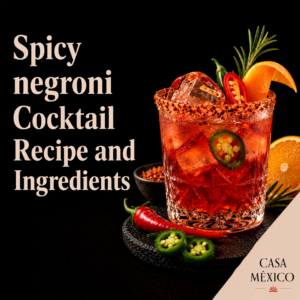
Spicy Negroni Cocktail Recipe and Ingredients start with gin as the main ingredient, forming the botanical, spirit-forward base of the drink. Campari serves as the second main type, adding bitter, citrus-forward depth distinct from the herbal, juniper-driven character of gin. Gin delivers the structural backbone and aromatic complexity, whereas Campari introduces bitterness and a deep red color that carries through the finished pour. Sweet vermouth joins the two base spirits, contributing body and light sweetness that balances the bitterness before spice enters the recipe.
What is a Spicy Negroni made of? Spicy Negroni Cocktail Recipe and Ingredients follow a short set of measured steps, stirred with ice and strained into a chilled glass over a fresh cube. Nutrient content centers on calories from gin, Campari, and vermouth, with minimal sugar carried mainly through the vermouth. Taste leans bitter and herbal upfront, shifting toward a building heat from muddled chili or infused spirit. Serving style ranges from a classic rocks glass to a chili-rimmed pour finished with an orange twist.
What are the Ingredients for a Spicy Negroni Cocktail?
The ingredients for a Spicy Negroni Cocktail consist of five core components measured in fixed ratios to balance bitterness, sweetness, and heat. Gin, Campari, sweet vermouth, chili, and ice form the standard base, with garnish added after stirring completes. Ratios typically follow one ounce of gin, one ounce of Campari, one ounce of sweet vermouth, and a chili element, adjusted to taste.
The ingredients for the Spicy Negroni Cocktail are listed below.
- Gin: Gin supplies the botanical, juniper-forward base of the drink. London dry styles keep the flavor crisp against the bitter Campari. Proof strength affects how sharply the spirit registers beneath the chili heat. One ounce per serving stands as the standard measure in most bar recipes.
- Campari: Campari contributes the deep bitterness and red color central to any Negroni. Citrus-forward notes cut through the sweetness of vermouth and chili heat. Aromatic bitters within the liqueur intensify once combined with spice. One ounce per serving keeps the bitter backbone intact.
- Sweet Vermouth: Sweet vermouth adds body and light herbal sweetness that balances Campari’s bitterness. Quality vermouth noticeably improves the final balance of the cocktail. Freshness matters, since opened bottles lose flavor within a few weeks. One ounce per serving rounds out the drink’s structure.
- Chili: Chili adds building heat, setting this variation apart from a standard Negroni. Fresh slices or chili-infused spirits both work as delivery methods. Seeds included raise the spice level noticeably higher than seeded slices. A small amount, adjusted to taste, keeps spice from overwhelming the other flavors.
- Ice: Ice chills the mixture while diluting it slightly during stirring. A large cube melts slower, preserving its strength once strained into the glass. Crushed ice dilutes faster, softening both bitterness and heat. Full stirring time depends on ice quality and the mixing glass size.
- Orange Peel: Orange peel garnish adds a bright citrus aroma to the finished drink. Expressing the oils over the glass boosts the scent before the first sip. Peel width affects how strongly the citrus note carries. A thin, fresh twist works better than a thick or dried peel.
- Chili Salt Rim: A chili salt rim reinforces the drink’s heat with the very first sip. Coarse salt mixed with dried chili flakes adheres well to a citrus-dampened rim. Rim thickness controls how much heat and salt reach the palate. This optional finish suits drinkers seeking a bolder, spicier presentation.
Can You Make a Non-Alcoholic Spicy Negroni?
Yes, a Spicy Negroni can be made without alcohol by substituting gin, Campari, and sweet vermouth with zero-proof alternatives built to match the same volume and intensity. Several brands now produce non-alcoholic spirits designed specifically to replicate the botanical, bitter, and herbal notes of a classic Negroni. A one-to-one substitution keeps ratios identical to the standard recipe, since these alternatives are formulated to mirror the original spirits closely. Bitter, red-colored substitutes replicate Campari’s citrus bite with natural extracts, including gentian root, without any alcohol. Chili heat carries over unchanged, since spice comes from the pepper rather than the spirit base. Stirring and straining follow the same steps as the standard recipe, preserving the drink’s traditional presentation. The result delivers a comparable bitter, spiced flavor profile suited to drinkers avoiding alcohol entirely.
What Mixers Pair Best with Spicy Negroni?
Mixers that pair best with a Spicy Negroni extend the bitter, herbal, and spiced profile without overwhelming the gin and Campari base. Soda water, tonic water, and ginger beer rank among the most common additions bartenders use to lighten and adjust the drink. Each mixer shifts a single dimension of the cocktail, namely, fizz, bitterness, or spice intensity.
The mixers paired best with a Spicy Negroni are listed below.
- Soda Water: Soda water lightens the drink’s strength, turning it into a taller, more sessionable pour. Carbonation lifts the aroma of chili and orange peel once poured. A two-ounce top dilutes the bitterness slightly without erasing the core flavor. This mixer suits drinkers preferring a longer, lighter cocktail.
- Tonic Water: Tonic water adds its own bitterness, layering on top of the Campari’s existing bite. Quinine notes intensify the drink’s overall bitter profile. A two-ounce top shift shifts the cocktail toward a bolder, more assertive finish. This mixer suits drinkers who favor stronger, bitter flavors.
- Ginger Beer: Ginger beer introduces spice and stronger carbonation, reinforcing the chili heat already present. The sweetness of ginger beer softens the bitterness of Campari and vermouth. A two-ounce top creates a spicier, fizzier variation of the standard recipe. This mixer works well for drinkers seeking a bolder, warming finish.
- Orange Juice: Orange juice adds sweetness and citrus brightness, tempering the drink’s sharp bitterness. Fresh-squeezed juice avoids the added sugar found in bottled versions. A one-ounce addition softens the cocktail into a milder, more approachable pour. This mixer suits drinkers new to the traditional Negroni’s bold profile.
- Grapefruit Soda: Grapefruit soda adds citrus fizz that cuts through the drink’s bitterness with a tart edge. Carbonation lifts aroma while balancing sweetness against the Campari’s bite. A two-ounce top brightens the cocktail without erasing its bitter core. This mixer suits drinkers seeking a tangier, more refreshing variation.
- Coconut Water: Coconut water softens the spirit’s sharpness while adding a light tropical undertone. Low sugar content keeps the drink from turning overly sweet. One ounce blended in mellows the chili heat slightly on the finish. This mixer suits drinkers seeking a smoother, less aggressive spice level.
- Prosecco: Prosecco finishes dry, with a sparkling finish that lightens the overall body. Fine bubbles lift the aroma of orange peel and chili together. A two-ounce top turns the cocktail into a festive, lower-proof variation. This mixer suits drinkers seeking a celebratory, brunch-friendly presentation.
How to Make a Spicy Negroni?
Spicy Negroni preparation follows a fixed sequence of steps that combine infusing, stirring, and straining in order. The process takes under six minutes from start to pour, built directly in a mixing glass rather than shaken, preserving the drink’s bold, spirit-forward character. Consistency depends on how the chili heat gets introduced before the remaining spirits are combined.
Meet Our Maestra Tequilera
Casa México Tequila is crafted under the guidance of world-renowned Maestra Tequilera Ana María Romero Mena. With decades of experience creating acclaimed tequilas and mentoring future generations of distillers, she brings both deep tradition and thoughtful innovation to the brand. From agave selection to distillation and aging, her expertise ensures every expression reflects authenticity, precision and exceptional quality.

To make the Spicy Negroni, follow the eight steps listed below.
- Prepare the chili. Slice one fresh chili, removing seeds for milder heat or keeping them for a stronger kick. Fresh chili releases oils faster than dried varieties once muddled. Seed removal offers the most direct method for controlling spice level. A sharp knife keeps slices thin and easy to muddle.
- Muddle the chili. Press the chili slices gently in the mixing glass to release oils and heat. Light muddling avoids releasing bitterness from the pepper’s inner membrane. Muddling too aggressively can push spice past a balanced level. A muddler or the back of a spoon works well for this step.
- Add the gin. Measure one ounce of gin into the mixing glass. Botanical notes from the gin add depth beneath the developing chili heat. London dry styles keep the flavor crisp against the bitter Campari. Substituting a citrus-forward gin shifts the profile toward a brighter finish.
- Add the Campari. Pour one ounce of Campari into the same glass. Bitter, citrus-forward flavor defines the classic Negroni backbone. Chili heat layers directly on top of the existing bitterness. Reducing Campari slightly softens the bitterness for milder palates.
- Add the sweet vermouth. Measure one ounce of sweet vermouth into the mixing glass. Vermouth adds body and a light herbal sweetness to the mix. Sweetness balances the combined bitterness and heat from Campari and chili. Fresh vermouth noticeably improves the cocktail’s final balance.
- Add ice and stir. Fill the mixing glass with ice, then stir for thirty seconds. Stirring chills the drink while diluting it slightly for balance. Overstirring waters down the bold, spiced profile that the recipe depends on. A bar spoon allows controlled, even stirring throughout the glass.
- Strain into a glass. Strain the mixture into a chilled rocks glass over a large ice cube. Straining removes chili pieces for a smoother, cleaner pour. A large cube melts slower, keeping dilution minimal over time. Serving over fresh ice resets the drink’s temperature after stirring.
- Garnish and serve. Finish with an orange twist or chili salt rim along the glass edge. Garnish adds aroma that complements the bitter and spicy notes. Expressing the orange peel oils over the glass boosts the citrus scent. Serving immediately preserves the intended heat and balance before dilution continues.
Muddling the chili with the right amount of pressure stands as the most important step in the process, since too little muddling leaves the drink flat while too much pushes bitterness past a balanced level. Controlling this single step determines how well the heat integrates with the classic Negroni structure. Getting it right early corrects for minor measuring variations made in later steps.
How is the Nutrient Value of a Spicy Negroni Cocktail?
A standard Spicy Negroni Cocktail carries a nutrient profile driven mainly by alcohol from gin and Campari, with minimal sugar from sweet vermouth. Calorie count shifts with pour size, vermouth sweetness, and how much chili or chili-infused spirit joins the standard recipe. Restaurant versions often exceed the standard measure, pushing overall nutrient values higher than a home-mixed pour.
The nutrient value of a Spicy Negroni Cocktail is shown in the table below.
| Nutrient | Amount per Serving | Unit | Daily Value % | Source / Measurement Basis | Notes |
| Calories | 220 | kcal | 11% | 3 oz standard pour | Varies with vermouth quantity |
| Total Fat | 0 | g | 0% | No fat-based ingredients | Gin, vermouth, and Campari carry no fat |
| Total Carbohydrate | 12 | g | 4% | Sweet vermouth | Includes natural sugar from vermouth |
| Sugar | 10 | g | 20% | Sweet vermouth | No refined sugar in classic recipe |
| Sodium | 8 | mg | 0.3% | Trace from vermouth, chili rim if used | Rises with a salted rim |
| Alcohol | 21 | ml ABV equivalent | Not established | 1 oz gin, 1 oz Campari | Contributes the largest share of calories |
How many calories in a Spicy Negroni? A standard Spicy Negroni has 220 calories per three-ounce serving, placing it among the stronger, spirit-forward cocktails. Alcohol from gin and Campari contributes the largest share of that total, ahead of sugar from sweet vermouth. Chili adds heat without contributing any measurable calories to the finished drink. Vermouth carries the bulk of the carbohydrate content, since gin and Campari hold little to no sugar on their own. Restaurant pours frequently exceed the standard three ounces, sometimes raising calorie count above 280 through larger spirit measures. A lighter version cuts calories by reducing vermouth slightly and relying more on chili for flavor impact. Smaller pour sizes offer the most direct method for reducing calorie intake without changing the core recipe.
What are the Tips to Prepare Spicy Negroni Cocktail Better?
Preparation tips for a Spicy Negroni Cocktail focus on chili handling, stirring technique, and ingredient freshness to sharpen the final result. Small adjustments to technique separate a flat or overly harsh pour from a balanced, well-rounded cocktail. Timing and ingredient freshness carry more weight than exact ratios in most cases.
Tips for preparing a better Spicy Negroni Cocktail are listed below.
- Remove Chili Seeds for Milder Heat: Seed removal lowers the spice ceiling while keeping the pepper’s fresh flavor intact. Left-in seeds raise the heat noticeably higher than seeded slices. This adjustment suits drinkers with lower spice tolerance. Testing a small muddle first helps gauge intensity before committing to a full batch.
- Muddle Chili Gently: Gentle muddling releases oils gradually rather than overwhelming the drink at once. Aggressive muddling risks releasing bitterness from the pepper’s inner membrane. A light touch keeps heat balanced against the Campari’s own bitterness. This step benefits from a soft muddler rather than a heavy one.
- Use Fresh Vermouth: Fresh, quality vermouth noticeably improves the final balance of the cocktail. Opened bottles lose flavor quickly once exposed to air. Refrigeration after opening extends usability for a few weeks. Stale vermouth flattens the drink’s herbal sweetness noticeably.
- Stir, Do Not Shake: Stirring keeps the drink clear and properly diluted without excess air bubbles. Shaking introduces cloudiness that changes the drink’s traditional appearance. Thirty seconds of steady stirring achieves the right chill and dilution. A bar spoon allows controlled, even stirring throughout the glass.
- Serve Over a Large Ice Cube: A single large cube melts slower than several smaller pieces. Slower melting preserves the drink’s intended strength and heat for longer. Standard cubes dilute the pour faster, softening both bitterness and spice too quickly. Large-format ice molds produce the best results for this style of drink.
- Balance the Campari Ratio: Reducing Campari slightly softens bitterness for drinkers with milder preferences. Increasing Campari sharpens the drink’s traditional bitter backbone against the chili heat. Small adjustments in quarter-ounce increments keep the change manageable. This tip works well alongside adjusting chili quantity for overall balance.
- Rim the Glass with Chili Salt: A chili salt rim reinforces heat with the very first sip. Coarse salt mixed with dried chili flakes adheres well to a citrus-dampened rim. Rim thickness controls how much heat and salt reach the palate. This optional finish suits drinkers seeking a bolder, spicier presentation.
- Express the Citrus Garnish: Expressing orange peel oils over the glass boosts aroma before the first sip. Garnish adds a citrus note that complements the bitter and spicy flavors. Twisting the peel releases oils more effectively than a flat slice. Fresh garnish added right before serving preserves the strongest aromatic effect.
What are the Variations of Spicy Negroni Cocktail Recipes?
Variations of the Spicy Negroni recipe adjust a single ingredient or step from the main formula, producing a distinct flavor profile while keeping the core structure intact. Alternate citrus, swapped chili types, and adjusted vermouth ratios rank among the most common changes bartenders apply to the standard pour. Each variation shifts bitterness, heat, or sweetness without changing the overall drink category or base spirit. Nutrient values and preparation steps shift only slightly from the classic recipe despite the flavor change.
The variations of the Spicy Negroni Cocktail Recipes are shown in the table below.
| Variation Name | Ingredients | Nutrient | Steps | Opinion |
| Jalapeño Negroni | Replaces standard chili with sliced jalapeño | No added calories | Muddle jalapeño before adding gin, Campari, vermouth | Sharper, greener heat than a standard chili pepper |
| Grapefruit Twist Spicy Negroni | Adds fresh grapefruit peel garnish | No added calories | Express grapefruit oils over the finished pour | Brighter citrus aroma, balances heat with tartness |
| Smoky Habanero Negroni | Replaces standard chili with smoked habanero | Adds trace calories from oils | Muddle smoked habanero gently before mixing base spirits | Deeper heat with a smoky, earthy undertone |
| Honey-Sweetened Spicy Negroni | Replaces part of the vermouth with honey syrup | Adds 15 kcal, 4g sugar | Stir the honey syrup with the standard base mixture | Smoother sweetness, softer contrast against the chili heat |
What Foods Pair Well with a Spicy Negroni?
Grilled meats pair well with a Spicy Negroni through shared bold, smoky notes that complement the drink’s bitter and spiced profile. Charred steak, grilled sausage, and barbecue ribs balance the cocktail’s heat against rich, savory flavors from the grill. Salty appetizers, such as cured meats, olives, and aged cheese, improve the drink’s bitter, savory character without competing with it. Spicy dishes, including buffalo wings or arrabbiata pasta, reinforce the chili heat rather than contrasting it, appealing to drinkers who favor bold, layered spice. Citrus-forward desserts, such as orange or blood orange tart, echo the drink’s garnish while offering a sweet counterpoint to the bitterness. Dark chocolate rounds out a lighter pairing option, since its bitterness mirrors the Campari while its subtle sweetness tempers the lingering chili heat.
What alcohol is in a Spicy Negroni?
The alcohol in a Spicy Negroni is gin, Campari, and sweet vermouth, blended together in equal measure to form the classic Negroni base. Gin is a botanical, juniper-forward distilled spirit that supplies the drink’s aromatic backbone, while Campari contributes concentrated bitterness, and sweet vermouth adds body and light herbal sweetness. Together, the three spirits create the structure that chili heat is then layered on top of.
Beefeater London Dry Gin
Beefeater London Dry Gin delivers a crisp, juniper-forward profile with citrus and herbal undertones. Classic production preserves clean botanical notes that complement Campari’s bitterness. Measure 1 oz into the mixing glass before combining the remaining ingredients. Fresh preparation preserves balanced spice and clean flavor throughout the drink.
Campari
Campari develops concentrated bitterness through a blend of herbs, fruit peels, and aromatic botanicals. Deep red color and citrus-forward bite define the classic Negroni backbone. Measure 1 oz into the mixing glass alongside gin and vermouth. Bitterness levels stay consistent, giving the chili heat something firm to build against.
Casa Mexico Tequila
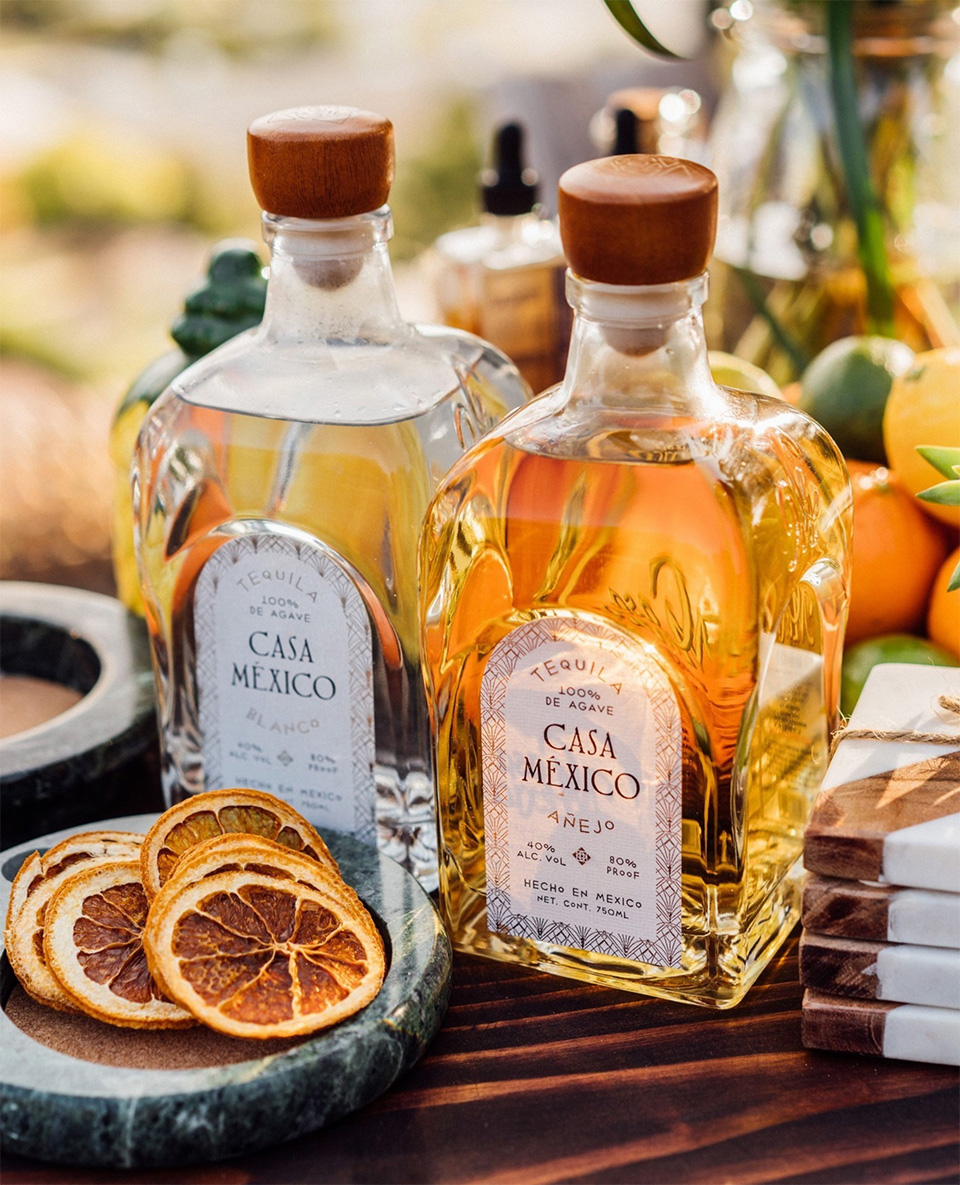
Casa Mexico Tequila offers an agave-forward alternative to gin, producing a variation sometimes labeled a “Spicy Tequila Negroni.” Earthy, herbal notes shift the flavor away from gin’s juniper profile. Substitute 1 oz for gin during preparation. Agave character creates a distinct, smoky twist, available through Casa Mexico Tequila.
Does Spicy Negroni have alcohol? Yes, a Spicy Negroni does have alcohol. Gin, Campari, and sweet vermouth each contribute alcohol, typically poured at one ounce per spirit for a standard three-ounce serving. Alcohol content stays firm across the drink, since stirring dilutes the mixture only slightly compared to shaken cocktails. Chili adds heat without contributing any additional alcohol to the finished pour. Standard recipes maintain an equal ratio of gin, Campari, and vermouth, producing a strong, spirit-forward drink regardless of chili intensity. Proper stirring distributes the ingredients evenly, allowing the bitter, herbal, and spiced notes to stay balanced from the first sip to the last.
How Much Alcohol Does a Spicy Negroni Have?
A Spicy Negroni carries roughly 24% to 28% alcohol by volume once stirred with ice and strained, placing it well above lighter, soda-topped cocktails. Gin proof, Campari strength, and vermouth ratio shift this range, giving bartenders flexibility to adjust potency without changing the drink’s core bitter profile. Higher gin content sharpens the alcohol taste against the bitter Campari and warming chili, while a longer stir dilutes the strength only slightly compared to shaken cocktails. A pour of one ounce each of gin, Campari, and vermouth keeps the drink within a strong, spirit-forward range typical of classic Negronis. Restaurant versions sometimes push gin content higher, raising alcohol by volume closer to 30% and intensifying the spirit’s presence over the bitter and spiced notes. Reducing each spirit slightly, while keeping equal ratios, softens overall strength while preserving the drink’s structure. A safe range for most adult drinkers falls between three-quarters and one ounce of each spirit per standard serving.
Can pregnant women drink Spicy Negroni? No, pregnant women should avoid Spicy Negroni because of its high alcohol content from gin, Campari, and vermouth. The American College of Obstetricians and Gynecologists identifies no confirmed safe level of alcohol during pregnancy, placing any spirit-forward pour outside a safe range for expecting mothers. Alcohol crosses the placenta directly, carrying risk regardless of the quantity consumed at any stage of pregnancy. Non-alcoholic Negroni alternatives, built from zero-proof gin, bitter aperitif, and vermouth substitutes, deliver a comparable bitter and spiced flavor without the associated risk. Bartenders substitute each spirit at an equal measure, preserving structure and heat while removing alcohol entirely from the recipe. Pregnant drinkers seeking the classic taste without the risk find the non-alcoholic version a direct, evidence-backed alternative to the standard recipe.
Does a Spicy Negroni make you Drunk?
Yes, a Spicy Negroni can make you drunkbecause of the combined gin, Campari, and sweet vermouth blended into its base recipe. Alcohol absorption depends on serving size, spirit proof, and the number of drinks consumed within a short period. A single standard-size Spicy Negroni carries roughly three ounces of combined spirits, placing it among the stronger classic cocktails by volume. Chili heat and bitterness mask the taste of alcohol without reducing its actual effect on the body, making the drink easy to underestimate. Drinking multiple servings within an hour raises blood alcohol concentration at the same rate as any spirit-forward cocktail, regardless of the bold, bitter flavor profile. Adult drinkers pacing consumption to one drink per hour, alongside food intake, reduce the likelihood of rapid intoxication while still enjoying the bitter, spiced flavor the Spicy Negroni is known for.
Does Spicy Negroni Have Tequila?
No, a traditional Spicy Negroni does not have tequila, since the classic recipe calls for gin as the base spirit. Origin ties to Italy place gin, not tequila, at the center of the drink’s history and establishes a bitter flavor profile. Bartenders seeking a tequila-based twist substitute gin with a blanco or reposado pour, producing a variation sometimes labeled a “Spicy Tequila Negroni.” Agave notes shift the flavor away from the traditional profile, adding earthy undertones against the bitter Campari and building chili heat. The proof strength between tequila and gin runs close enough that the substitution happens at an equal measure without altering the recipe’s structure. Brands built around tequila craftsmanship offer spirits suited to drinkers exploring agave-based alternatives to the standard gin recipe, with full product details available through Casa Mexico Tequila.
Is a Spicy Negroni Served Chilled?
Yes, a Spicy Negroni is served chilled because the recipe calls for stirring with ice before straining into a glass over a fresh cube. Chilling the mixture during stirring reduces harshness from the gin and Campari while keeping the drink’s spirit-forward strength largely intact. A large ice cube in the serving glass maintains a cold temperature longer than several smaller cubes, slowing dilution as the drink is consumed. Serving warm or at room temperature would intensify both the alcohol burn and Campari’s bitterness, throwing off the drink’s intended balance. Chili heat registers more sharply against a warm base, making proper chilling essential to keeping spice, bitterness, and sweetness in proportion. Bartenders typically pre-chill the serving glass alongside the stirring process, further slowing temperature change once the drink is poured. A properly chilled Spicy Negroni holds its balance for several minutes longer than one served without ice, giving drinkers a wider window to enjoy the intended flavor profile before dilution shifts the taste.
What is Spicy Negroni?
A Spicy Negroni is a stirred cocktail combining gin, Campari, sweet vermouth, and chili, served over ice in a chilled rocks glass. Texture stays clear and spirit-forward, achieved through stirring rather than shaking, preserving the drink’s bold, bitter character without added dilution or air. Flavor balances deep Campari bitterness against herbal vermouth sweetness, with chili adding a building heat that layers on top of the classic structure. Serving style typically includes a rocks glass garnished with an orange twist or a chili salt rim. Ingredient ratios, preparation steps, nutrient content, and serving traditions define the full identity of the drink, condensed into the recipe as a whole rather than any single element.
Why is it called a Spicy Negroni? The Spicy Negroni is called by that name because the recipe builds directly on the classic Negroni, adding chili as its defining twist. The base name references the original 1919 Italian cocktail, credited to Count Camillo Negroni, who requested a stronger variation of the Americano. Adding chili to the equal-parts gin, Campari, and vermouth formula introduces heat while preserving the drink’s traditional bitter backbone. Naming the variation directly after its added ingredient helps drinkers identify the flavor twist before ordering or preparing the cocktail. The name has stayed consistent across modern cocktail menus, distinguishing this recipe from the plain, chili-free original Negroni.
What Does a Spicy Negroni Taste Like?
A Spicy Negroni tastes bitter, herbal, and warming, with Campari’s sharp edge balanced against sweet vermouth and building chili heat. Gin adds botanical depth beneath the bitterness, while spice lingers after each sip. Each ingredient contributes a distinct layer, building a flavor that shifts across the first sip through the last.
The Spicy Negroni tastes like are listed below.
- Gin: Gin introduces botanical, juniper-forward notes beneath the drink’s bitter and spiced layers. London dry styles keep the flavor crisp rather than sweet or floral. Proof level affects how strongly the alcohol registers against the chili heat. Substituting a citrus-forward gin brightens the overall profile slightly.
- Campari: Campari delivers deep, citrus-forward bitterness that defines the drink’s core structure. Concentrated botanicals and fruit peels create a bold, assertive taste. Bitterness intensifies once chili heat builds on top of it. Reducing Campari slightly softens the bite for milder palates.
- Sweet Vermouth: Sweet vermouth rounds out the bitterness with body and light herbal sweetness. Quality vermouth noticeably improves the balance between bitter and sweet elements. Sweetness tempers the sharpness of both Campari and chili together. Stale vermouth flattens this balance, dulling the intended contrast.
- Chili: Chili introduces building heat that separates this variation from a standard Negroni. Fresh slices release oils gradually, intensifying spice with each sip. Seeds included raise the heat noticeably higher than seeded slices alone. Heat lingers on the palate longer than the bitterness from Campari.
- Ice: Ice chills the mixture while diluting it slightly during stirring and serving. A large cube melts slower, preserving strength and heat over time. Crushed ice dilutes faster, softening both bitterness and spice more quickly. Dilution rate directly affects how sharply each flavor registers.
- Orange Peel: Orange peel garnish adds a bright citrus aroma that lifts the bitter and spiced notes. Expressing the oils over the glass boosts the scent before the first sip. Citrus aroma contrasts pleasantly against the drink’s heavier, bitter base. Peel freshness affects how strongly the aroma carries through the glass.
How to Drink a Spicy Negroni?
A Spicy Negroni is best served immediately after straining, sipped slowly while the chill and chili heat stay in balance. Sipping slowly preserves the layered flavor of gin, Campari, vermouth, and chili before melting ice dilutes the mixture. Serving order and pacing affect the taste experience as much as the recipe itself.
To drink a Spicy Negroni, follow the six steps listed below.
- Chill the glass first. Store the rocks glass in a freezer beforehand, keeping the drink cold longer once poured. A frosted glass slows dilution once the drink sits at the table. This step preserves strength and heat through the first several sips.
- Smell before sipping. Bring the glass close to catch the aroma of the orange peel and chili first. Aromatic cues prepare the palate for the bitterness and heat that follow. Skipping this step misses part of the intended tasting sequence.
- Sip slowly. Pace consumption to preserve balance before the ice begins melting fully. Rapid drinking blurs the layered taste of gin, Campari, and vermouth. Slower sipping lets chili heat build gradually rather than all at once.
- Let the heat settle. Pause briefly between sips, allowing chili heat to fade before the next taste. Rushed sipping stacks spice level higher than the recipe intends. This pacing keeps the drink approachable across the full glass.
- Rotate the glass gently. Swirl the drink lightly to redistribute chili oils and citrus aroma. A gentle rotation avoids disturbing the ice too much. This step keeps flavor consistent from the first sip to the last.
- Pair with food. Serve alongside bold, savory snacks, balancing the drink’s bitterness and heat. Cured meats or aged cheese complement the spirit-forward profile well. Food softens the intensity of both chili and alcohol across the sitting.
Sipping slowly while letting the chili heat settle between drinks stands as the most important tip for the best taste experience, since rushed drinking stacks spice faster than the palate can adjust. Waiting a few seconds between sips keeps the heat balanced against the bitter, herbal notes throughout the glass.
What are the Types of Spicy Negroni Cocktails?
Types of Spicy Negroni cocktails extend into a wider family of tequila drinks, each carrying a distinct base spirit and flavor profile. Flavor ranges from bitter and spiced to sweet and citrus-forward across the full category. A comparison with the Spicy Negroni highlights how each variation shifts sweetness, bitterness, or heat.
The Spicy Negroni cocktail types are listed below.
- Tequila Sunrise: Orange juice and grenadine layer over tequila, producing a sweet citrus flavor. Color separates into a visible gradient inside the glass. The bitterness found in the Spicy Negroni remains absent here. Heat from chili never enters this sweeter, fruit-driven build.
- Tequila Sour: Lime juice and simple syrup create a tart, sharp taste. Egg white sometimes adds a light foam texture. Bitterness and chili heat found in the Spicy Negroni are absent. Sweetness dominates over any bitter or spiced notes.
- Tequila Old Fashioned: Bitters and sugar build a bold, spirit-forward taste. Orange peel adds aromatic oils to each sip. Bitterness overlaps slightly with the Spicy Negroni, though without chili heat. Sweetness stays more prominent than in the sharper, hotter Negroni variation.
- Tequila Slammer: Tequila and soda create a sharp, fizzy combination. Quick consumption defines the traditional slammer style. Bitterness and lingering heat from the Spicy Negroni stay absent here. Texture differs, favoring fizz over the Negroni’s stirred, spirit-heavy body.
- Tequila Collins: Lemon juice and soda water build a light, fizzy drink. Sweetness stays higher than the bitter, spiced Spicy Negroni. Chili heat never enters this citrus-forward, refreshing build. Body stays lighter than the dense, spirit-forward Negroni style.
- Tequila Highball: Tequila and soda water keep flavor crisp and simple. Ice dilutes the mixture gradually over time. Bitterness and spice from the Spicy Negroni never enter this simpler build. Simplicity contrasts against the Negroni’s layered, complex flavor profile.
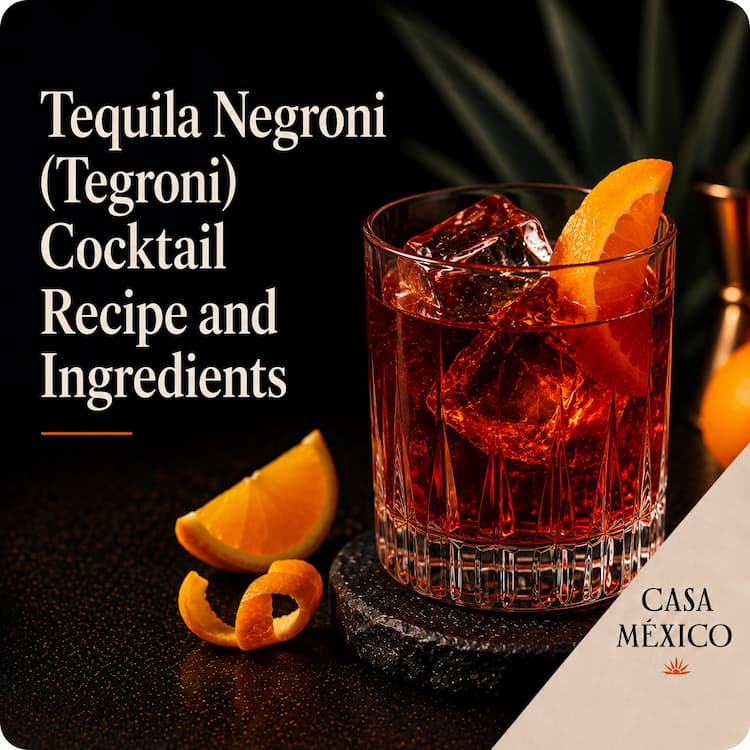
- Tequila Negroni: Tequila replaces gin in this variation, keeping Campari and vermouth intact. Agave notes shift the profile toward an earthier, smokier bitterness. Chili heat can be added identically to the Spicy Negroni recipe. Structure stays closest among all listed types to the original Spicy Negroni.
- Tequila Martini: Dry vermouth and tequila produce a strong, spirit-forward sip. Garnish stays minimal, often a single olive or twist. Bitterness and chili heat from the Spicy Negroni stay absent. Texture differs, favoring a clean, unstirred-with-Campari finish.
- Tequila Mule: Ginger beer adds spice and fizz to the tequila base. Lime juice brightens the spicy ginger profile. Spice type differs from the chili heat found in the Spicy Negroni. Fizz and lightness contrast against the Negroni’s dense, bitter body.
- Tequila Mojito: Mint and lime create an herbal, fresh taste. Soda water adds light effervescence to the mix. Bitterness and heat from the Spicy Negroni are absent entirely. Freshness dominates over the bold, spirit-forward character of the Negroni.
- Tequila Fizz: Citrus juice and soda water build a light, bubbly drink. Egg white sometimes adds a soft foam layer. Bitterness and chili heat from the Spicy Negroni never appear here. Lightness contrasts sharply against the Negroni’s heavier, spirit-driven profile.
What is the Difference of Tequila Mojito Cocktail than other Spicy Negroni Cocktail Recipes?
The main difference between the Tequila Mojito and Spicy Negroni cocktail recipes centers on their fresh, minty, fizzy profile built from soda water rather than Campari and chili. Ingredients include tequila, lime juice, mint leaves, soda water, and sugar, producing a lighter, more effervescent drink than the bitter, stirred Negroni. Preparation starts with muddling mint and lime in a glass, followed by tequila, ice, and a soda water top rather than a stirred, strained pour. Texture stays clear and bubbly, standing apart from the dense, spirit-forward body of a Spicy Negroni. Flavor leans fresh and herbal rather than bitter and warming, appealing to drinkers seeking a lighter, more refreshing alternative. Heat from chili never enters this recipe, keeping the profile approachable for drinkers avoiding spice. Full ingredient measurements and preparation steps for the drink are detailed in the Tequila Mojito Cocktail.
What is the Difference of Tequila Collins than other Spicy Negroni Cocktail Recipes?
The main difference of the Tequila Collins and other spicy Negroni cocktail recipes rests on its light, citrus-forward build using lemon juice and soda water rather than Campari and chili. Ingredients include tequila, lemon juice, simple syrup, and soda water, poured over ice in a tall Collins glass. Preparation starts with tequila, lemon juice, and syrup stirred over ice, topped with soda water for fizz rather than a bitter aperitif and vermouth. Texture stays clear and light, standing apart from the dense, bitter body of a Spicy Negroni. Citrus dominates the flavor rather than bitterness and heat, appealing to drinkers seeking a crisp, refreshing pour over a bold, spiced cocktail. Calorie count runs lower, since the recipe skips Campari entirely, covered in full through the Tequila Collins Recipe.
What is the Difference of Tequila Mule than other Spicy Negroni Cocktail Recipes?
The main difference of the Tequila Mule and other spicy Negroni cocktail recipes rests on its spiced, carbonated profile built from ginger beer rather than Campari and vermouth. Ingredients include tequila, lime juice, and ginger beer, served over ice in a copper mug rather than a rocks glass. Preparation begins with tequila and lime juice poured over ice, topped with ginger beer for carbonation rather than stirred with a bitter aperitif. Texture stays sharp and fizzy, contrasting the dense, stirred consistency of a Spicy Negroni. Spice type differs, since ginger heat replaces the chili and bitter Campari found in the Negroni. Serving vessel differs, since the copper mug keeps the Mule colder for longer than a standard rocks glass, as detailed further through the Tequila Mule Recipe.
Where to Serve Spicy Negroni?
A Spicy Negroni is best served during dinner or an evening gathering setting, rather than breakfast or lunch, given its high alcohol content and bold, bitter-spiced profile. Dinner service pairs the drink with grilled meats or rich, savory dishes, complementing the Campari’s bitterness and the chili’s warmth. Evening gatherings favor the drink as an aperitif or after-dinner sipper, since its strength suits slow, deliberate drinking rather than casual daytime sipping. Birthday party settings work well for guests seeking a bold, adult cocktail, though the drink’s intensity suits smaller, more intimate gatherings over large celebrations. Breakfast and lunch service remain uncommon due to the drink’s high alcohol content and assertive bitterness, which clash with lighter, daytime dining. Cocktail hour and pre-dinner settings rank among the most fitting occasions overall, since the drink’s bitter, appetite-sharpening profile traditionally opens a meal rather than closes it. Cooler months suit the drink well, particularly when guests favor a warming, spiced cocktail over lighter summer pours.
How Strong Is the Bitterness in a Spicy Negroni?
The bitterness in a Spicy Negroni measures high, driven primarily by the one-ounce Campari pour that anchors the classic Negroni structure. Campari’s concentrated blend of herbs, fruit peels, and aromatic botanicals produces a sharp, assertive bite that ranks among the most bitter profiles in classic cocktails. Sweet vermouth softens that bitterness slightly, though the equal one-to-one ratio keeps Campari’s edge clearly dominant throughout the drink. Chili heat layers on top of the bitterness rather than masking it, often intensifying how sharply the Campari registers on the palate. Reducing Campari to three-quarters of an ounce lowers bitterness noticeably while keeping the drink’s core structure intact. Increasing Campari past one ounce pushes the drink toward an even sharper, more assertive bitter profile suited to experienced Negroni drinkers.
What Glass to Serve a Spicy Negroni?
A Spicy Negroni is best served in a rocks glass, recognized by its short, wide shape suited to spirit-forward, stirred drinks. The wide mouth accommodates a large ice cube, garnish, and chili salt rim without spilling during the first several sips. The rocks glass differs from other cocktail glassware through its low, sturdy build, designed to hold concentrated spirits rather than a tall, diluted pour. Standard cocktail glasses, including the Collins glass, suit fizzy, soda-topped drinks rather than stirred cocktails built for concentrated flavor and strength. Types of cocktail glasses used across the wider drink category include the rocks glass, Collins glass, coupe glass, martini glass, and copper mug, each suited to a specific drink style, texture, and serving temperature. The Collins glass, tall and narrow, fits fizzy, carbonated drinks better than the stirred, spirit-heavy build of a Spicy Negroni. A copper mug suits spiced, ginger-based cocktails instead, favored for its chilled metal surface rather than the bold, bitter profile of a Negroni.