EN
EN ES
ES PL
PL TR
TR

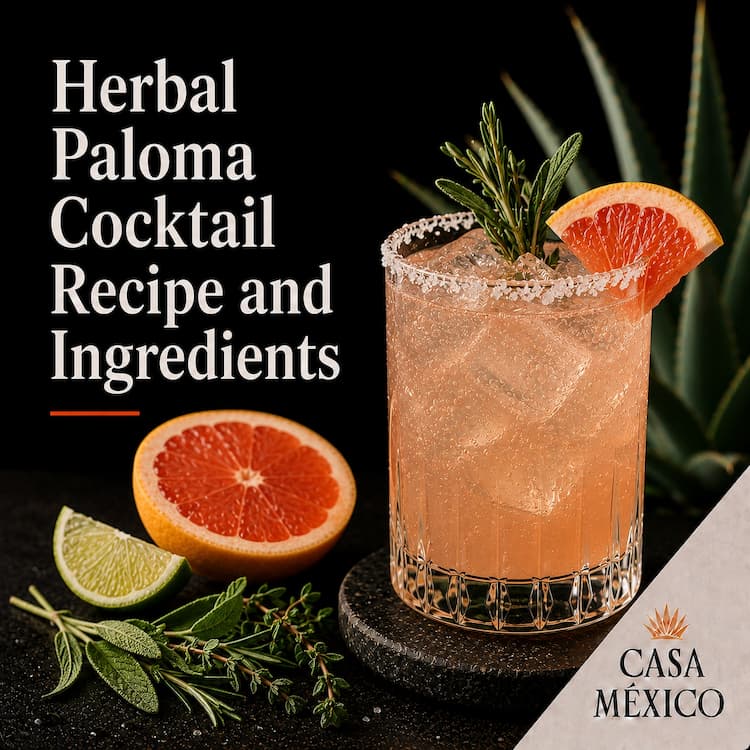
The Rosemary Paloma is a sophisticated tequila-based cocktail that combines 100% agave blanco tequila, freshly squeezed grapefruit juice, lime juice, and rosemary-infused simple syrup, producing a drink that balances bright citrus with woody aromatic depth. The rosemary syrup is prepared first by simmering sugar, water, and fresh rosemary sprigs until the herb’s volatile oils fully infuse into the liquid. Lastly, the tequila, juices, and syrup are shaken together, strained over fresh ice into a salt-rimmed highball glass, and topped with sparkling water last to preserve carbonation. The citrus juices contribute vitamin C, the rosemary syrup adds natural carbohydrates, and the salt rim raises the sodium level of each serving, keeping the nutritional profile light overall. The flavor balances bitter grapefruit against earthy rosemary sweetness, with lime sharpening the acidity and carbonation delivering a crisp mouthfeel that prevents the layered complexity from feeling heavy. The Rosemary Paloma cocktail is best consumed slowly through the salted rim, allowing the salt, citrus, and rosemary aroma to hit the palate simultaneously while the ice stays intact and the bubbles remain alive throughout the full drinking experience.
What is Rosemary Paloma Made Of? A Rosemary Paloma is made of two main ingredient types: a tequila spirit base and a fresh botanical modifier. Blanco tequila forms the primary base, delivering the alcoholic foundation and clean agave character that anchors the entire cocktail. Fresh grapefruit juice serves as the second primary component, providing the citrus acidity that defines the classic Paloma structure. Rosemary-infused simple syrup acts as the key differentiator, replacing the standard lime-soda simplicity of a traditional Paloma with a woody, aromatic herbal depth that makes the Rosemary Paloma a distinctly more complex and sophisticated build.
What are the Ingredients for Rosemary Paloma Cocktail?
The ingredients for Rosemary Paloma Cocktail are listed below.
- Blanco Tequila: Blanco tequila serves as the primary spirit base of the Rosemary Paloma, delivering a clean, unaged agave character that anchors every other ingredient in the build. A standard serving uses 1.5 to 2 ounces, providing the alcoholic foundation without competing against the delicate herbal and citrus elements surrounding it.
- Fresh Grapefruit Juice: Fresh grapefruit juice delivers the dominant citrus flavor of the cocktail, contributing a tangy, bittersweet punch that defines the Paloma identity across all its variations. Freshly squeezed juice produces a brighter, more vibrant acidity than bottled alternatives, making it the preferred choice for a well-balanced and natural-tasting build.
- Fresh Lime Juice: Fresh lime juice sharpens the overall acidity of the cocktail, adding a zesty tartness that prevents the rosemary syrup’s sweetness from making the drink feel flat or overly herbal. A half-ounce measure provides just enough citrus brightness to tighten the full flavor profile without overwhelming the rosemary’s aromatic character.
- Rosemary-Infused Simple Syrup: Rosemary-infused simple syrup serves as the defining modifier of the cocktail, introducing a woody, piney sweetness that no fruit-based or spice-based Paloma variation replicates. The syrup is prepared by simmering equal parts sugar and water with fresh rosemary sprigs until the herb’s volatile oils fully infuse into the liquid, creating a fragrant and complex sweetener.
- Sparkling Water or Grapefruit Soda: Sparkling water or grapefruit soda tops the cocktail with carbonation, adding an effervescent lift that gives the Rosemary Paloma its signature crisp and refreshing finish. The carbonation extends the grapefruit flavor already present in the fresh juice while introducing a sparkling texture that balances the syrup’s richness.
- Sea Salt: Sea salt applied to the rim of the glass draws out the natural sweetness of the grapefruit while reducing the perception of bitterness on every sip. Coarse sea salt grips the lime-coated rim more effectively than fine salt, ensuring the seasoning remains intact throughout the entire drinking experience.
- Fresh Rosemary Sprigs: Fresh rosemary sprigs serve as both the garnish and an aromatic enhancer, releasing their natural piney fragrance directly into the drinker’s nose with every sip taken from the glass. The sprig reinforces the rosemary syrup’s herbal character visually and aromatically, making the garnish a functional element rather than a purely decorative one.
- Ice: Add large ice cubes fill the glass before any liquid , keep the cocktail cold while melting it slowly enough to prevent excessive dilution of the rosemary and citrus flavors. The size and density of the ice directly preserve the flavor concentration of the Rosemary Paloma cocktail from the first sip to the last.
Should Fresh Lime or Lime Purée Be Used in a Rosemary Paloma?
Fresh lime should be used over lime purée for a Rosemary Paloma because freshly squeezed juice delivers sharp, clean acidity that balances the tequila, grapefruit, and herbal rosemary notes without compromising the drink’s effervescent, highball-style character. Squeezing limes directly before serving captures natural citrus oils at peak potency, enhancing the cocktail’s aroma and cutting through the rosemary syrup’s sweetness with a tartness that purée cannot replicate at the same sharpness. Fresh lime contributes natural vitamin C and maintains predictable acid levels that interact cleanly with the alcohol, keeping the flavor profile crisp and the liquid visually transparent alongside the blanco tequila. Lime purée adds unwanted thickness, introduces preservatives that alter the authentic flavor, and clouds the mixture in a way that dulls the rosemary’s herbal brightness and reduces the drink’s refreshing quality. Lime purée suits blended frozen drinks where body and thickness serve a purpose.The clean, well-balanced profile of a Rosemary Paloma demands the clarity, crispness, and natural acidity that only fresh lime juice consistently delivers.
What Mixers Pair Best with Rosemary Paloma?
The mixers that pair best with Rosemary Paloma are listed below.
- Grapefruit Soda: Grapefruit soda serves as the primary mixer in a Cucumber Paloma, topping the build with carbonation that extends the fresh citrus flavor while delivering the effervescent lift that defines the drink’s refreshing finish. The bittersweet grapefruit note in the soda reinforces the fresh juice already present in the glass, creating a cohesive and layered citrus profile.
- Fresh Grapefruit Juice: Freshly squeezed grapefruit juice acts as the dominant citrus component, providing a bright, tangy acidity that anchors the entire flavor build around the tequila and cucumber base. The natural citrus oils in fresh juice enhance the drink’s aroma in a way that bottled juice alternatives cannot replicate.
- Fresh Lime Juice: Fresh lime juice sharpens the overall acidity of the cocktail, adding a zesty tartness that prevents the grapefruit’s sweetness from making the drink feel flat or one-dimensional. A half-ounce measure tightens the full citrus profile without overpowering the cucumber’s mild herbal character.
- Agave Syrup: Agave syrup rounds out any harsh citrus edges in the build, introducing a natural sweetness that complements the tequila’s agave origin and ties every ingredient into a smooth, cohesive finish. A small quarter-ounce addition balances the drink without pushing the flavor profile into overly sweet territory.
- Sparkling Water: Sparkling water serves as a lighter carbonation alternative to grapefruit soda, extending the drink’s volume and effervescence without adding additional citrus flavor or sweetness. The neutral bubbles allow the fresh cucumber and grapefruit notes to remain the dominant flavors throughout the entire serving.
- Coconut Water: Coconut water introduces a subtle tropical sweetness and natural electrolyte content that enhances the Cucumber Paloma’s hydrating quality without competing against the herbal cucumber note. The mild, nutty sweetness of coconut water pairs naturally with the grapefruit’s bitterness, producing a softer and more tropical variation of the classic Cucumber Paloma mixer profile.
How to Make a Rosemary Paloma?
To Make a Rosemary Paloma, follow the 8 steps listed below.
- Prepare the Salt Rim. Run a fresh lime wedge around the outer edge of a highball glass, then press the rim firmly into a flat plate of coarse sea salt. An evenly coated rim ensures the salt enhances every sip rather than concentrating in uneven patches throughout the drink.
- Muddle the Fresh Cucumber. Place two to three fresh cucumber slices at the bottom of the glass and press them gently with a muddler to release their natural juice and oils. Avoid over-muddling, as excessive pressure extracts a bitter, overly vegetal flavor from the cucumber skin rather than its clean, fresh juice.
- Fill the Glass with Large Ice Cubes. Add large ice cubes directly over the muddled cucumber before introducing any liquid. Large ice melts more slowly than crushed ice, preserving the cocktail’s flavor concentration and keeping the drink cold without excessive dilution throughout the serving.
- Measure and Pour the Tequila. Measure 1.5 to 2 ounces of blanco tequila and pour it directly over the ice as the first liquid layer. Casa Mexico blanco tequila works exceptionally well at this stage due to its clean, smooth agave profile that complements the fresh produce ingredients without overpowering them.
- Add Fresh Citrus Juice. Squeeze one ounce of fresh grapefruit juice and a half-ounce of fresh lime juice directly into the glass over the tequila. Fresh citrus delivers natural oils and peak acidity that bottled juice cannot replicate, keeping the flavor profile bright and vibrant.
- Add Agave Syrup. Pour a quarter-ounce of agave syrup into the glass to round out the citrus edges and tie the spirit and produce layers into a smooth, cohesive build. The natural sweetness of agave syrup harmonizes with the tequila’s origin, making it a more authentic sweetener choice than refined sugar alternatives.
- Top with Grapefruit Soda. Pour grapefruit soda slowly along the inside edge of the glass to preserve its carbonation rather than pouring it directly over the ice. Stirring too aggressively after adding the soda flattens the effervescence that gives the Cucumber Paloma its signature refreshing lift.
- Garnish and Serve Immediately. Place a fresh cucumber round and a grapefruit wedge on the rim of the glass as the final garnish before serving. Serving the drink immediately after garnishing preserves the peak carbonation and ensures the cucumber aroma is at its freshest when the first sip is taken.
The most important step in making a Cucumber Paloma is muddling the fresh cucumber correctly, as the right amount of pressure releases clean, aromatic juice that defines the drink’s herbal character, while too much pressure introduces bitterness that no amount of citrus or sweetener can fully correct.
How is the Nutrient Value of Rosemary Paloma Cocktail?
The nutrient value of the Rosemary Paloma Cocktail reflects moderate caloric content derived mainly from alcohol and carbohydrates, with negligible protein and fat.
Meet Our Maestra Tequilera
Casa México Tequila is crafted under the guidance of world-renowned Maestra Tequilera Ana María Romero Mena. With decades of experience creating acclaimed tequilas and mentoring future generations of distillers, she brings both deep tradition and thoughtful innovation to the brand. From agave selection to distillation and aging, her expertise ensures every expression reflects authenticity, precision and exceptional quality.

The detailed breakdown of the Rosemary Paloma Cocktail nutrient value is listed in the table below.
| Nutrient | Amount per Serving | Unit | Daily Value % | Source / Measurement Basis | Notes |
| Calories | 170 | kcal | 8 | Blanco tequila, grapefruit juice, rosemary syrup | Based on 2 ounces of tequila |
| Total Fat | 0 | g | 0 | Blanco tequila | Alcohol lacks fat |
| Sodium | 150 | mg | 7 | Sea salt rim | Salt rim contribution |
| Total Carbohydrates | 12 | g | 4 | Rosemary syrup, grapefruit juice | Includes rosemary syrup |
| Sugars | 10 | g | 20 | Rosemary syrup, grapefruit juice | Derived from syrup |
| Protein | 0 | g | 0 | Grapefruit juice, lime juice | Fruit juice lacks protein |
| Vitamin C | 15 | mg | 25 | Grapefruit juice, lime juice | From grapefruit and lime |
How Many Calories in a Rosemary Paloma? A Rosemary Paloma contains approximately 170 calories per serving. The caloric load comes from three sources: alcohol in the blanco tequila, fruit sugars in the fresh grapefruit and lime juice, and added sweetener in the rosemary-infused simple syrup. Tequila contributes the largest share, as each gram of alcohol delivers 7 calories regardless of the spirit’s flavor profile. Rosemary syrup adds the secondary caloric layer through its refined sugar content, while the fresh citrus juices contribute a smaller amount through their natural fruit sugars. Reducing the syrup quantity or substituting a sugar-free rosemary infusion lowers the caloric content of a Rosemary Paloma without compromising its defining herbal and citrus flavor profile.
What are the Tips to Prepare Rosemary Paloma Cocktail Better?
The tips to prepare Rosemary Paloma Cocktail better are listed below
- Squeeze grapefruit and lime juice fresh immediately before building the drink, as pre-squeezed citrus loses its natural oils and peak acidity within hours of extraction.
- Prepare the rosemary syrup at least one hour before serving to allow the herb’s volatile oils to fully infuse into the sugar base, producing a deeper and more aromatic flavor than a rushed infusion delivers.
- Use large ice cubes rather than crushed ice to slow the melting rate and preserve the cocktail’s flavor concentration from the first sip to the last.
- Press the salted rim only on the outer edge of the glass rather than the inner lip, preventing excess salt from falling into the liquid and over-seasoning the drink.
- Shake the tequila, citrus juices, and rosemary syrup together before adding carbonation, as shaking after the soda is added flattens the effervescence that defines the drink’s refreshing finish.
- Add the sparkling water or grapefruit soda last and pour it slowly along the inside edge of the glass to preserve maximum carbonation throughout the serving.
- Garnish with a fresh rosemary sprig immediately before serving rather than during preparation, as the sprig releases its aromatic oils most effectively when placed on a cold, freshly built Rosemary Paloma cocktail.
How to Prevent a Rosemary Paloma from Tasting Too Sweet?
To prevent a Rosemary Paloma from tasting too sweet, precise measurement of the rosemary syrup stands as the most effective first step. Excess syrup quantity consistently overpowers the acidity of the fresh citrus components, making balance difficult to recover once the build is complete. Reducing the rosemary syrup to a quarter-ounce per serving rather than a half-ounce immediately rebalances the flavor profile. The herbal character the syrup contributes remains intact at the lower measurement without pushing the drink into sweet territory. Increasing fresh lime juice by a quarter-ounce sharpens the acidity enough to cut through residual sweetness left by the syrup and grapefruit juice. Choosing unsweetened sparkling water over grapefruit soda removes an additional sugar source from the build, producing a drier and more balanced finish. A coarser, more generously salted rim counteracts perceived sweetness on the palate, as salt naturally suppresses the sensation of sugar. Steeping rosemary in water without added sugar and relying on the natural sweetness of fresh grapefruit juice produces the most balanced Rosemary Paloma without any risk of excessive sweetness.
What are the Variations of Rosemary Paloma Cocktail Recipes?
The variations of Rosemary Paloma Cocktail are listed in the table below.
| Variation Name | Ingredients | Nutrient | Steps | Opinion |
| Extra Salt Rim Rosemary Paloma | Blanco tequila, grapefruit juice, lime juice, rosemary syrup, sparkling water, thick coarse sea salt rim, fresh rosemary sprig | Sodium increases to approximately 220mg per serving due to heavier salt application. All other nutrients remain identical to the standard build at 170 kcal | Salt the rim with a thicker coarse sea salt layer, then build the standard recipe over ice and top with sparkling water | The heavier salt rim intensifies bitterness suppression and draws out more grapefruit sweetness, making this the most flavor-forward variation for drinkers who prefer a bolder savory contrast |
| Meyer Lemon Rosemary Paloma | Blanco tequila, fresh Meyer lemon juice, grapefruit juice, rosemary syrup, sparkling water, sea salt rim, rosemary sprig | Vitamin C remains at approximately 20mg, Meyer lemon reduces tartness slightly, lowering perceived acidity without changing caloric content from the standard 170 kcal | Replace standard lime juice with fresh Meyer lemon juice, then follow the standard build process over ice with a salted rim and rosemary sprig garnish | Meyer lemon delivers a softer, floral citrus note that makes the rosemary syrup character more prominent, producing a gentler and more aromatic variation than the standard lime build |
| Honey-Sweetened Rosemary Paloma | Blanco tequila, grapefruit juice, lime juice, raw honey instead of rosemary syrup, fresh rosemary sprig muddled, sparkling water, sea salt rim | Calories increase slightly to approximately 180 kcal due to honey’s higher sugar density carbohydrates rise to approximately 14g per serving | Muddle fresh rosemary directly in the glass, add honey and citrus juices, pour tequila over ice, and top with sparkling water while stirring gently to dissolve the honey fully | Raw honey introduces a floral, earthy sweetness that pairs more naturally with fresh rosemary than refined syrup, producing a less processed and more complex flavor profile |
| Pink Grapefruit Rosemary Paloma | Blanco tequila, fresh pink grapefruit juice, lime juice, rosemary syrup, sparkling water, sea salt rim, rosemary sprig | Vitamin C increases to approximately 25mg per serving, sugars rise slightly to 9g due to pink grapefruit’s sweeter profile compared to standard white grapefruit | Replace standard white grapefruit juice with freshly squeezed pink grapefruit juice, then follow the standard build process with ice, rosemary syrup, and sparkling water | Pink grapefruit produces a sweeter, less bitter citrus base that softens the rosemary’s woodsy edge, making this variation more approachable for drinkers who find the standard build too sharp |
| Sparkling Wine Rosemary Paloma | Blanco tequila, grapefruit juice, lime juice, rosemary syrup, dry sparkling wine instead of sparkling water, sea salt rim, rosemary sprig | Calories increase to approximately 210 kcal per serving due to additional alcohol in the sparkling wine, and ABV rises to approximately 15% to 18% | Follow the standard build process over ice, then top with dry sparkling wine poured slowly along the glass edge instead of sparkling water to preserve bubbles | Dry sparkling wine adds a yeasty, mineral effervescence that elevates the Rosemary Paloma cocktail into a more sophisticated and celebratory format suited for formal dining occasions |
| Agave Nectar Rosemary Paloma | Blanco tequila, grapefruit juice, lime juice, agave nectar instead of rosemary syrup, fresh rosemary sprig, sparkling water, sea salt rim | Calories decrease slightly to approximately 155 kcal as agave nectar requires less volume than syrup, and sugars drop to approximately 7g per serving | Combine agave nectar directly with citrus juices and tequila before pouring over ice, muddle a fresh rosemary sprig at the base, and top with sparkling water | Agave nectar keeps the sweetener in harmony with the tequila’s natural agave origin, producing a cleaner and more cohesive flavor build while preserving the herbal character from the muddled fresh sprig |
Can Rosemary Paloma Be Made as a Frozen Cocktail?
Yes, a Rosemary Paloma can be made as a frozen cocktail, though the process requires specific adjustments to preserve the rosemary’s herbal character in a blended format. Blending the standard ingredients with crushed ice produces a slushy, frozen texture that transforms the drink from a light highball into a thicker, dessert-adjacent experience.
The carbonation from sparkling water or grapefruit soda cannot survive the blending process, meaning the effervescent lift that defines the classic build is absent in the frozen version. Increasing the rosemary syrup quantity by a quarter-ounce compensates for the flavor dilution that blending introduces, as the ice integration mutes herbal and citrus notes more aggressively than standard ice cubes do. Fresh grapefruit juice works better than grapefruit soda in the frozen format precisely because carbonation serves no functional purpose once the liquid is blended. The frozen Rosemary Paloma suits happy outdoor occasions and casual summer gatherings where a thicker, more indulgent texture fits the setting better than the crisp, effervescent classic build.
What alcohol is in a Rosemary Paloma?
The alcohol in a Rosemary Paloma is tequila, specifically blanco tequila. Blanco tequila is made from 100% blue agave, which provides the clean, spirit-forward foundation that carries the grapefruit and rosemary components throughout the drink. Selecting the right tequila expression directly determines the quality and character of the finished cocktail, making the spirit choice the single most important decision in the entire build.
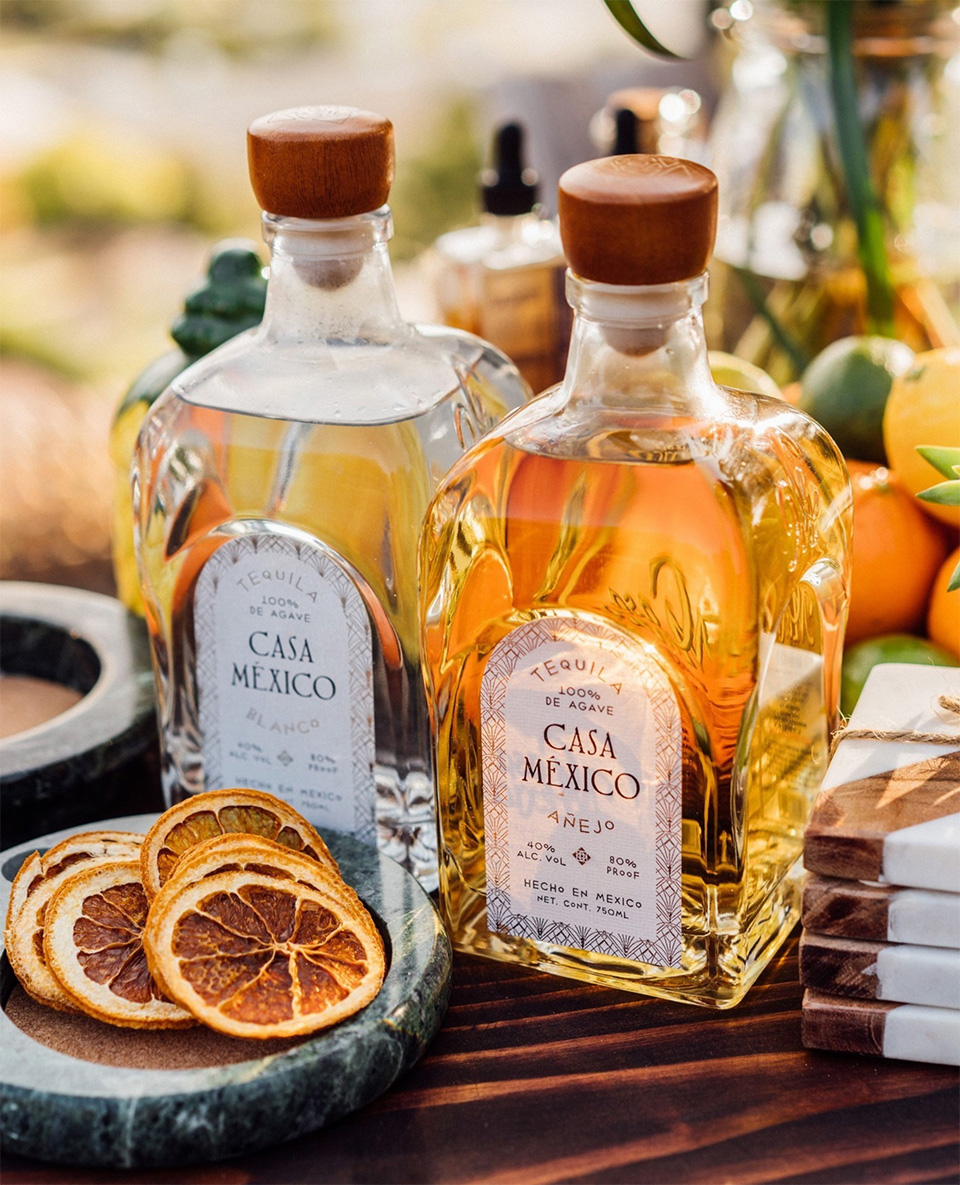
Casa Mexico Blanco Tequila
Casa Mexico Blanco is the primary recommended spirit for a Rosemary Paloma. The unaged expression delivers a clean, crisp agave character with subtle citrus and floral notes that integrate seamlessly with fresh grapefruit juice and rosemary syrup without competing against the ingredient.
Casa Mexico Reposado Tequila
Casa Mexico Reposado brings a lightly aged complexity to the Rosemary Paloma, introducing subtle vanilla and oak notes from its barrel rest that deepen the rosemary syrup’s herbal character. The added warmth from aging makes this expression the preferred choice for an autumn or evening serving of the cocktail.
Casa Mexico Añejo Tequila
Casa Mexico Añejo delivers the richest and most complex tequila base for a Rosemary Paloma, with extended barrel aging producing deep caramel, dried fruit, and spice notes that transform the cocktail into a sophisticated, spirit-forward build. The añejo expression suits drinkers who prefer a bolder, more aged character over the clean brightness of a blanco build.
Does Rosemary Paloma Have Alcohol? Yes, a Rosemary Paloma has alcohol. Blanco tequila serves as the sole alcoholic component in the build, sitting at 40% ABV in its pure form before dilution through ice and mixer integration. Every other ingredient in the recipe, including grapefruit juice, lime juice, rosemary syrup, and sparkling water, contains zero alcohol content. A mocktail version built without tequila delivers the same herbal and citrus flavor profile at zero ABV for those who prefer a non-alcoholic alternative.
How Much Alcohol Does a Rosemary Paloma Have?
The alcohol in a Rosemary Paloma ranges from 12%–18% ABV per serving. The final ABV depends on three factors: tequila pour size, ice dilution rate, and mixer ratio. A standard 1.5-ounce pour of 40% ABV blanco tequila combined with a full top of sparkling water and citrus juice places the drink closer to the 12%–14% ABV range. A heavier 2-ounce pour with less mixer volume pushes the final ABV toward the higher end. The rosemary syrup introduces no alcohol but adds body to the drink, slowing consumption and moderating the rate at which alcohol enters the bloodstream. The herbal and citrus notes of rosemary and grapefruit soften the perceived heat of the tequila. The drink tastes lighter than its ABV measurement suggests, increasing the risk of underestimating its strength. A safe and enjoyable serving falls within the (12%–14% ABV) range, where the Rosemary Paloma maintains its refreshing herbal character without delivering an aggressive alcohol impact on the palate or the body.
Can Pregnant Women Drink Rosemary Paloma? No, pregnant women cannot drink a Rosemary Paloma, as the tequila base makes it entirely unsafe for consumption during pregnancy. The Centers for Disease Control and Prevention (CDC) states that no known safe amount of alcohol exists during pregnancy, meaning even a single serving carries direct risk to fetal development regardless of the drink’s low perceived strength. Alcohol passes through the placenta immediately, exposing the developing fetus to the same blood alcohol concentration as the mother within minutes of consumption. Fetal Alcohol Spectrum Disorders (FASDs) represent the most serious documented outcome of prenatal alcohol exposure, affecting brain development, physical growth, and long-term behavioral function.
Does a Rosemary Paloma make you drunk?
Yes, a Rosemary Paloma makes you drunk when consumed in excess. The drink is built on a 40% ABV tequila base, making it a legitimate alcoholic beverage with real intoxicating potential regardless of its light, herbal presentation. The rosemary syrup and fresh citrus components create a smooth, aromatic flavor profile that masks the strength of the spirit, leading many drinkers to consume more servings than intended before feeling the effects of intoxication. Body weight, food intake, hydration levels, and consumption pace all influence how quickly blood alcohol concentration rises with each serving. Responsible consumption of one to two servings allows most adults to enjoy the drink without experiencing significant impairment or next-day effects.
Does Rosemary Paloma Have Tequila?
Yes, a Rosemary Paloma has tequila as its foundational and sole alcoholic ingredient. The cocktail is a variation of the classic Paloma, which is traditionally built on tequila, grapefruit soda, and lime juice, with rosemary syrup added as the herbal modifier that defines this specific variation. Blanco tequila is the standard choice for the build because its clean, unaged agave character integrates most naturally with the delicate floral and piney notes of the rosemary syrup. Reposado expressions introduce light oak and vanilla complexity that deepens the herbal profile for drinkers who prefer a richer build. The agave tequila expressions serve as an exceptional base for a Rosemary Paloma, delivering authentic agave character that elevates the herbal and citrus components of the cocktail into a refined and well-balanced drinking experience.
What is Rosemary Paloma?
A Rosemary Paloma is a tequila-based cocktail that builds on the classic Mexican Paloma structure by introducing rosemary-infused simple syrup as its defining herbal modifier. The addition transforms a bright, citrus-forward drink into a woody, aromatic cocktail with a sophisticated botanical depth. The classic Paloma recipe consists of blanco tequila, fresh grapefruit juice, lime juice, and sparkling water served over ice with a salted rim. The Rosemary Paloma preserves every element of that foundation while replacing standard sweetener with a rosemary syrup that shifts the flavor profile entirely. The rosemary syrup is prepared by simmering sugar, water, and fresh rosemary sprigs together until the herb’s volatile oils fully infuse into the liquid. The drink is built in a salt-rimmed highball glass over large ice cubes, finished with sparkling water for effervescence, and garnished with a fresh rosemary sprig. The flavor lands bright and tangy at its citrus core, with rosemary introducing a piney, sophisticated finish that makes the cocktail taste more complex than a standard Paloma build. Casa Mexico blanco tequila serves as the ideal spirit base, as its clean agave character integrates seamlessly with the delicate herbal and citrus layers that define the Rosemary Paloma.
Why is it Called a Rosemary Paloma? The Rosemary Paloma takes its name from two distinct origins combined into one title. “Paloma” is the Spanish word for dove, and the classic Paloma cocktail earned that name as a symbol of lightness and simplicity in Mexican drinking culture. The rosemary became the defining ingredient that separates this variation from the traditional build. The pairing of a nature-inspired Spanish title with a Mediterranean herb created a name that accurately reflects the drink’s aromatic and refreshing personality.
What Does a Rosemary Paloma Taste Like?
A Rosemary Paloma delivers a sophisticated flavor profile built from layers of bright citrus, woody herbal sweetness, and clean agave spirit, each ingredient contributing a distinct sensory role that shapes the overall drinking experience.
The ingredients that affect the taste of the Rosemary Paloma are listed below.
- Blanco Tequila: Blanco tequila provides the clean, slightly peppery agave foundation that anchors every other ingredient in the glass. The spirit delivers warmth and subtle earthiness without overpowering the delicate herbal and citrus layers surrounding it.
- Fresh Grapefruit Juice: Grapefruit delivers the dominant citrus flavor, contributing a tangy, bittersweet punch that defines the Paloma identity across all its variations. The natural acidity brightens the entire drink and creates a lively contrast against the smooth tequila base.
- Fresh Lime Juice: Lime juice sharpens the overall acidity of the cocktail, adding a zesty tartness that prevents the rosemary syrup’s sweetness from making the drink feel flat. A small measure tightens the citrus blend without overwhelming the rosemary’s aromatic character.
- Rosemary-Infused Simple Syrup: Rosemary syrup serves as the defining flavor modifier, introducing a piney, woody sweetness that no fruit-based ingredient replicates. The herbal depth it adds transforms the standard Paloma profile into a more complex and botanically sophisticated drinking experience.
- Sparkling Water: Sparkling water introduces effervescence that lifts every flavor in the glass, making the citrus taste brighter and the rosemary note feel lighter and more aromatic. The carbonation prevents the drink from feeling heavy despite the syrup’s body contribution.
- Sea Salt Rim: The salted rim draws out the natural sweetness of the grapefruit while suppressing bitterness on every sip taken from the glass edge. The salt amplifies the rosemary’s herbal character by contrast, making the botanical note more pronounced and defined with each contact.
- Fresh Rosemary Sprig Garnish: The rosemary sprig releases its natural piney oils directly into the drinker’s nose before each sip, priming the palate to perceive the herbal note more intensely than the liquid alone delivers. The aromatic contribution of the garnish makes the Rosemary Paloma taste more complex than its ingredient list suggests.
How to Drink a Rosemary Paloma?
To drink Rosemary Paloma properly, follow the 8 steps listed below.
- Prepare the Rosemary Syrup in Advance. Simmer equal parts sugar and water with fresh rosemary sprigs for five minutes, then allow the infusion to cool completely before use. A properly rested syrup delivers a deeper, more aromatic herbal flavor than a rushed warm infusion produces.
- Salt the Rim Before Building the Drink. Run a fresh lime wedge around the outer edge of a highball glass, then press the rim firmly into coarse sea salt on a flat plate. Salting the rim as the first step ensures the coating sets firmly before any liquid contact loosens it.
- Fill the Glass with Large Ice Cubes. Add large ice cubes directly into the salted glass before introducing any liquid. Large ice melts more slowly than crushed ice, preserving the cocktail’s flavor concentration and carbonation throughout the entire serving.
- Pour the Tequila First. Measure 1.5 to 2 ounces of Casa Mexico blanco tequila and pour it directly over the ice as the first liquid layer. Pouring the spirit first allows it to chill immediately against the ice before the citrus and syrup are added.
- Add Fresh Citrus Juice Directly into the Glass. Squeeze one ounce of fresh grapefruit juice and a half-ounce of fresh lime juice directly over the tequila. Fresh citrus squeezed immediately before serving delivers peak acidity and natural oils that bottled juice cannot replicate.
- Add Rosemary Syrup and Stir Once Gently. Pour a quarter to half-ounce of rosemary syrup over the citrus and tequila, then stir once with a bar spoon to integrate the layers without over-agitating the mixture. A single gentle stir preserves the natural separation of flavors that makes each sip slightly different from the last.
- Top with Sparkling Water Along the Glass Edge. Pour sparkling water slowly along the inside edge of the glass rather than directly over the ice. Pouring along the edge preserves maximum carbonation, keeping the effervescent lift intact from the first sip to the last.
- Sip Through the Salted Rim. Press a fresh rosemary sprig gently between the fingers to release its oils before placing it on the rim, then bring each sip across the salted edge of the glass. The combination of rosemary aroma, salt, citrus, and Rosemary Paloma tequila hitting the palate simultaneously produces the most complete and satisfying flavor experience the cocktail delivers.
Bruising the fresh rosemary sprig before garnishing remains the most important tip for a better-tasting experience. Pressing the sprig firmly between the fingers releases its natural oils directly above the glass. The released aroma primes the sense of smell to perceive the piney herbal character more intensely with every sip. Each serving tastes more aromatic and complex than an ungarnished Rosemary Paloma produces on its own.
Is Rosemary Paloma Best Served Over Ice or Blended?
A Rosemary Paloma is best served over ice rather than blended. Large ice cubes preserve the carbonation from the sparkling water, delivering the effervescent lift that defines the drink’s refreshing highball character. Blending destroys the carbonation entirely, converting the cocktail into a frozen, slushy format. The texture change mutes the rosemary’s delicate piney aroma, which is the drink’s most distinctive sensory quality. The slow melt of large ice cubes keeps the drink cold while introducing minimal dilution. The herbal syrup and fresh citrus flavors remain sharp and distinct throughout the entire serving. The rosemary sprig garnish performs its aromatic function most effectively in an over-ice build, sitting above a cold, still surface rather than being consumed into a blended mixture. A frozen Rosemary Paloma suits casual warm-weather settings where texture takes priority over aromatic complexity. The over-ice build remains the definitive preparation for experiencing the full sensory range of the Rosemary Paloma.
What are the Types of Rosemary Paloma Cocktails?
The types of Rosemary Paloma are listed below.
- Pink Paloma: The Pink Paloma uses pink grapefruit juice as its primary citrus component, producing a sweeter and more delicate flavor. The Pink Paloma tastes lighter and more fruit-forward, lacking the botanical depth that rosemary syrup introduces.
- Spicy Paloma: The Spicy Paloma applies heat through a Tajín or chili-salt rim, delivering an immediate surface spice. The Rosemary Paloma feels more restrained and sophisticated by direct comparison, while the Spicy Paloma tastes bolder and more aggressive.
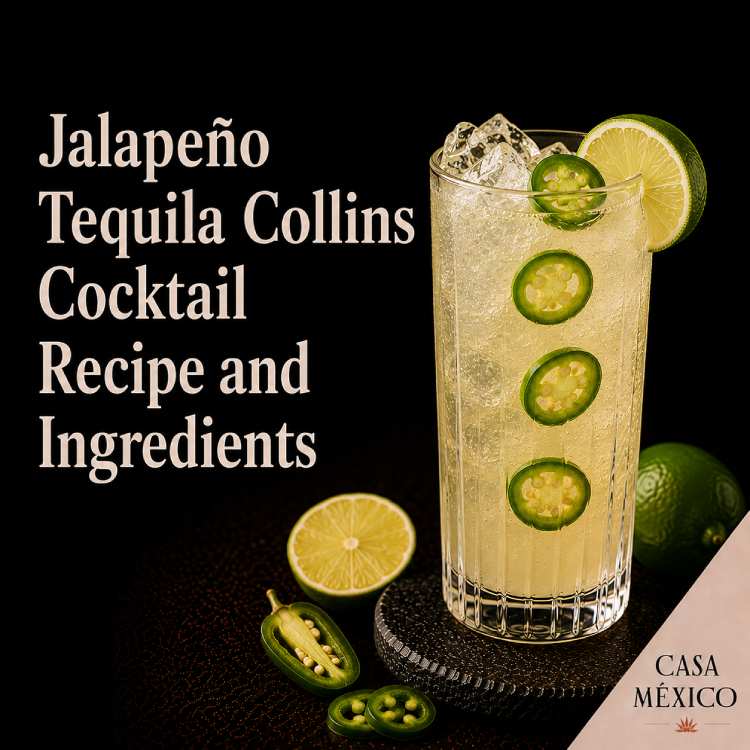
- Jalapeño Paloma: The Jalapeño Paloma introduces fresh muddled jalapeño for a sharp, vegetal heat that defines its entire flavor profile. The Rosemary Paloma shares the herbal modifier category but delivers a gentler, more floral botanical note compared to the Jalapeño Paloma’s assertive capsaicin-driven character.
- Watermelon Paloma: The Watermelon Paloma builds on fresh watermelon juice, producing a candy-sweet, juicy fruitiness that makes it the sweetest expression in the family. The Rosemary Paloma tastes considerably drier and more complex, with its herbal depth sitting at the opposite end of the sweetness spectrum.
- Strawberry Paloma: The Strawberry Paloma introduces a jammy, berry-forward tartness through muddled or pureed fresh strawberries. The Rosemary Paloma feels lighter and more aromatically refined, as its botanical sweetness never reaches the dessert-adjacent richness that strawberry produces.
- Pineapple Paloma: The Pineapple Paloma blends tropical pineapple juice into the citrus base, delivering a tangy, sun-ripened sweetness with a subtle fermented edge. The Rosemary Paloma tastes more grounded and herbaceous, with its earthy botanical note contrasting directly against the Pineapple Paloma’s bright tropical character.
- Blood Orange Paloma: The Blood Orange Paloma substitutes standard grapefruit with fresh blood orange juice, producing a deeper, berry-tinged citrus flavor with less bitterness. The Rosemary Paloma retains more citrus sharpness and herbal restraint, making it taste more structured and less fruit-forward than the blood orange variation.
- Passion Fruit Paloma: The Passion Fruit Paloma delivers an intensely tropical, floral tartness that overwhelms the grapefruit’s bitterness entirely. The Rosemary Paloma tastes noticeably softer and more restrained, as rosemary’s dry herbal character never reaches the sharp, perfumed intensity of passion fruit.
- Guava Paloma: The Guava Paloma carries a fuller, sweeter tropical fruit body with a subtle floral undertone. The Rosemary Paloma feels drier and more structured by comparison, as its herbal restraint contrasts directly against the Guava Paloma’s bold tropical sweetness.
- Hibiscus Paloma: The Hibiscus Paloma uses hibiscus tea or syrup to add a tart, cranberry-like floral depth that enhances the grapefruit’s bitterness. The Rosemary Paloma tastes warmer and more herbaceous, while the Hibiscus Paloma delivers a sharper, more wine-like tartness.
- Rose Paloma: The Rose Paloma introduces rose water or rose syrup, adding a delicate, perfumed sweetness that makes it taste softer and more elegant. The Rose Paloma carries a heavier, more distinctly perfumed character compared to the Rosemary Paloma’s drier and more grounded botanical finish.
- Lavender Paloma: The Lavender Paloma uses lavender syrup to deliver a soothing, aromatic floral sweetness. The Lavender Paloma tastes calmer and more mellow, while the Rosemary Paloma delivers a sharper, more piney herbal definition that makes it the more structured and assertive of the two botanical variations.
What is the Difference of Jalapeño Paloma than other Rosemary Paloma Cocktail Recipes?
The difference of Jalapeño Paloma and other Rosemary Paloma cocktail recipes is its use of fresh muddled jalapeño as the primary flavor modifier. Herbal botanical sweetness is replaced entirely with sharp, capsaicin-driven heat. The Rosemary Paloma builds complexity through aromatic depth, while the Jalapeño Paloma builds complexity through layered vegetal spice. Both drinks share the same tequila-grapefruit-lime foundation, but the modifier ingredient pushes them to opposite ends of the flavor spectrum. The heat in the jalapeño version intensifies as the pepper oils continue releasing into the liquid, a quality the Rosemary Paloma never replicates. The Jalapeño Paloma requires muddling fresh jalapeño slices at the base of the glass before any liquid is added. The Rosemary Paloma requires a pre-prepared rosemary syrup added as a measured liquid component, making its herbal note more controlled. Preparation involves muddling jalapeño at the base of a salted highball glass and filling with large ice. Tequila and citrus are then poured over the ice, topped with sparkling water along the glass edge, and garnished with a jalapeño slice on the rim of the Jalapeño Paloma recipe.
What is the Difference of Spicy Paloma than other Rosemary Paloma Cocktail Recipes?
The difference of Spicy Paloma and other Rosemary Paloma cocktail recipes is its external heat delivery through a Tajín or chilli-salt rim rather than a flavored liquid modifier. No additional ingredient enters the liquid build itself. Every sip draws across the spiced rim first, meaning the chilli heat hits the palate immediately before the citrus and tequila flavors follow. The Rosemary Paloma’s complexity develops from within the liquid through its herbal syrup. The Spicy Paloma’s defining characteristic exists entirely on the glass exterior, making it the most structurally distinct variation from the Rosemary Paloma build.
The Spicy Paloma requires no additional liquid ingredient beyond the classic Paloma build, making it simpler to assemble than the Rosemary Paloma. Preparation involves mixing Tajín and sea salt on a flat plate and pressing the lime-coated rim into the blend. The glass is then filled with large ice, tequila and citrus are poured over the ice, topped with sparkling water along the glass edge, and garnished with a lime wedge and a dusting of chili powder on top of the Spicy Paloma recipe.
What is the difference between Watermelon Paloma than other Rosemary Paloma Cocktail Recipes?
The difference of Watermelon Paloma and other Rosemary Paloma cocktail recipes is its use of fresh watermelon juice as the primary flavor modifier, introducing a candy-like fruitiness entirely absent from the Rosemary Paloma’s dry, herbal build. The Rosemary Paloma relies on a savory botanical modifier to add complexity. The Watermelon Paloma relies on natural fruit sugar to soften the grapefruit’s bitterness and round the overall profile. The two variations sit at opposite ends of the flavor spectrum, making the contrast immediately apparent in the first sip. Fresh watermelon juice requires blending and straining before assembly, adding a preparation step that differs entirely from the Rosemary Paloma’s syrup-making process. Preparation involves blending and straining fresh watermelon juice and salting the highball glass rim. Large ice is added, then tequila, watermelon juice, and lime are poured over the ice, topped with sparkling water, and garnished with a watermelon wedge on the rim of the Watermelon Paloma recipe.
What is the Difference of Strawberry Paloma than other Rosemary Paloma Cocktail Recipes?
The difference of Strawberry Paloma and other Rosemary Paloma cocktail recipes is its bright, jammy tartness introduced through muddled or pureed fresh strawberries. The character it produces is heavier and more fruit-driven than the Rosemary Paloma’s lighter, aromatically complex herbal profile. The Rosemary Paloma builds complexity through a dry botanical modifier. The Strawberry Paloma builds its identity through berry richness that pushes the drink closer to a dessert-style cocktail. The added thickness from the strawberry puree creates a mouthfeel that separates it structurally from the Rosemary Paloma build.
The Strawberry Paloma requires muddling or pureeing fresh strawberries directly in the build. The Rosemary Paloma uses a pre-strained, fully liquid syrup that keeps the drink visually clear and texturally light. Preparation involves muddling fresh strawberries at the base of a salted highball glass and filling with large ice. Tequila and citrus are poured over the muddled fruit, topped with sparkling water gently to preserve carbonation, and garnished with a halved strawberry on the rim of the Strawberry Paloma recipe.
Where to Serve Rosemary Paloma?
A Rosemary Paloma is best served at sophisticated social gatherings, upscale dining settings, and celebratory events where an aromatic, herb-forward cocktail fits the occasion naturally. The drink’s botanical depth and refined citrus profile make it adaptable across multiple meal occasions, from late-morning brunches to formal dinner service. The tequila base and Mexican-inspired structure connect it to garden parties, al fresco dining, and curated cocktail menus where presentation and aroma carry equal weight to flavor.
The garnished highball glass, complete with a salted rim and fresh rosemary sprig, makes it a visually compelling addition to any table setting where the drink’s appearance sets the tone before the first sip. Brunch service suits the Rosemary Paloma best as a late-morning offering paired with smoked salmon, eggs Benedict, or fresh citrus platters, where its aromatic herbal brightness complements light, savory flavors. The drink works naturally beside grilled chicken, light pasta, or Mediterranean-inspired plates where the rosemary note mirrors the herbal profiles common in midday cuisine. Dinner service positions the Rosemary Paloma as an elegant aperitif alongside grilled seafood, lamb, or herb-seasoned dishes where its botanical acidity cuts through richer plate flavors. A birthday party setting benefits from its visual sophistication and batch-friendly preparation, making what to serve with Rosemary Palomas an effortless and impressive hosting decision across all group sizes.
What Glass to Serve a Rosemary Paloma?
A Rosemary Paloma is best served in a highball glass, a tall, straight-sided vessel that accommodates generous ice, layered liquids, and a sparkling water top without crowding the rosemary sprig garnish. The height preserves carbonation more effectively than a shorter glass, keeping the drink effervescent throughout the entire serving. The wide mouth allows the salted rim to make full contact with the lips, ensuring the salt, citrus, and rosemary flavors register together on every sip. A rocks glass serves as an acceptable alternative for a more spirit-forward presentation, but its reduced volume limits the sparkling component that defines the drink’s refreshing highball character.
The highball glass differs from a coupe glass, which is shallow, wide-mouthed, and designed for stirred or shaken cocktails served without ice. A martini glass holds no ice and suits only cold, undiluted builds, making it unsuitable for the Rosemary Paloma’s ice-dependent structure. A Collins glass resembles the highball but runs slightly taller and narrower, holding 10 to 14 ounces. A wine glass lacks the straight sides needed to hold a salted rim effectively, while a margarita glass suits frozen or on-the-rocks tequila builds rather than the carbonated highball format. The highball glass remains the definitive vessel for a Rosemary Paloma because its proportions support every ingredient equally, from the salted rim down to the ice-chilled herbal and citrus base.
What makes Rosemary Paloma different from others?
Rosemary Paloma is different from others in the ways listed below.
- The Rosemary Paloma uses rosemary-infused simple syrup as its defining modifier, introducing a woody, piney botanical depth that no fruit-based or spice-based Paloma variation replicates within the same tequila-grapefruit structure.
- Rosemary syrup adds herbal complexity without the high sweetness level that fruit modifiers introduce, distinguishing it from variations that rely on juice or puree to balance the spirit.
- The combination of sparkling water, fresh citrus, and rosemary syrup delivers simultaneous salty, sour, bitter, and herbal notes in a single sip, producing a multi-layered aromatic experience.
- The fresh rosemary sprig garnish performs a functional aromatic role that fruit-garnished variations cannot replicate, priming the palate before each sip and amplifying the herbal complexity of the liquid beneath it.
- The drink’s dry, structured character suits formal dining occasions and sophisticated gatherings more naturally than sweeter, fruit-forward variations that fit casual settings better.
- The piney, assertive herbal character of rosemary creates a savory backbone, a distinction that sets it apart from every variation among the drinks similar to Rosemary Paloma in the broader tequila cocktail family.