EN
EN ES
ES PL
PL TR
TR
The Best Paloma Recipe combines tequila, grapefruit, lime, and sparkling citrus flavors to create a balanced, easy-to-prepare drink. The best Paloma recipes combine Ingredients, variations, and introduce how to make the best Paloma Drinks, which is one of Mexico’s most popular and refreshing tequila cocktails.
The classic Paloma uses blanco tequila, grapefruit soda, fresh lime juice, and ice before finishing with a salted rim or citrus garnish. Modern recipes incorporate fresh grapefruit juice, flavored syrups, herbs, and seasonal fruit to create personalized variations without changing the cocktail’s refreshing character. The drink remains popular because it requires few ingredients, delivers bright citrus flavor, and pairs well with many foods. Simple preparation makes the Paloma suitable for beginners, whereas endless variations appeal to experienced cocktail enthusiasts. The article explains the cocktail’s flavor, ingredients, tequila selection, preparation techniques, customization ideas, serving suggestions, and popular alternatives to help you make the perfect Paloma every time.
What is a Paloma drink?
A Paloma is a tequila cocktail made with tequila, grapefruit soda, fresh lime juice, and ice. The combination creates a light, citrus-forward drink with balanced sweetness, acidity, and gentle carbonation.
The traditional recipe uses blanco tequila because its fresh agave flavor complements grapefruit without overpowering the drink. Lime juice adds brightness, whereas grapefruit soda provides sweetness, citrus flavor, and effervescence. Many recipes finish with a salted rim that enhances both the tequila and grapefruit. Modern variations replace grapefruit soda with fresh grapefruit juice and sparkling water to produce a less-sweet cocktail.
The Paloma originated in Mexico and remains one of the country’s most recognized tequila cocktails. Its straightforward preparation makes it accessible for home bartenders while providing enough flexibility for seasonal variations and premium ingredients. Understanding tequila production also explains why different tequila styles influence the final flavor. Get more information with Paloma Drinks in Paloma Drink.
What does a Paloma taste like?
A Paloma tastes bright, refreshing, and citrus-forward with balanced notes of grapefruit, lime, and agave. The cocktail combines mild sweetness with pleasant acidity and light bitterness to create a crisp finish.
Blanco tequila offers fresh-cooked agave, pepper, and herbal notes that blend naturally with grapefruit. Lime juice increases freshness while balancing the sweetness of grapefruit soda. Carbonation creates a lighter texture, making the drink especially refreshing in warm weather. A salted rim adds subtle salinity, improving the citrus flavors without dominating the cocktail.
Different tequila styles create noticeable flavor changes. Reposado tequila introduces light vanilla and oak notes, whereas añejo produces richer caramel and spice characteristics. Fresh grapefruit juice creates a brighter, less sweet Paloma than bottled grapefruit soda.
Meet Our Maestra Tequilera
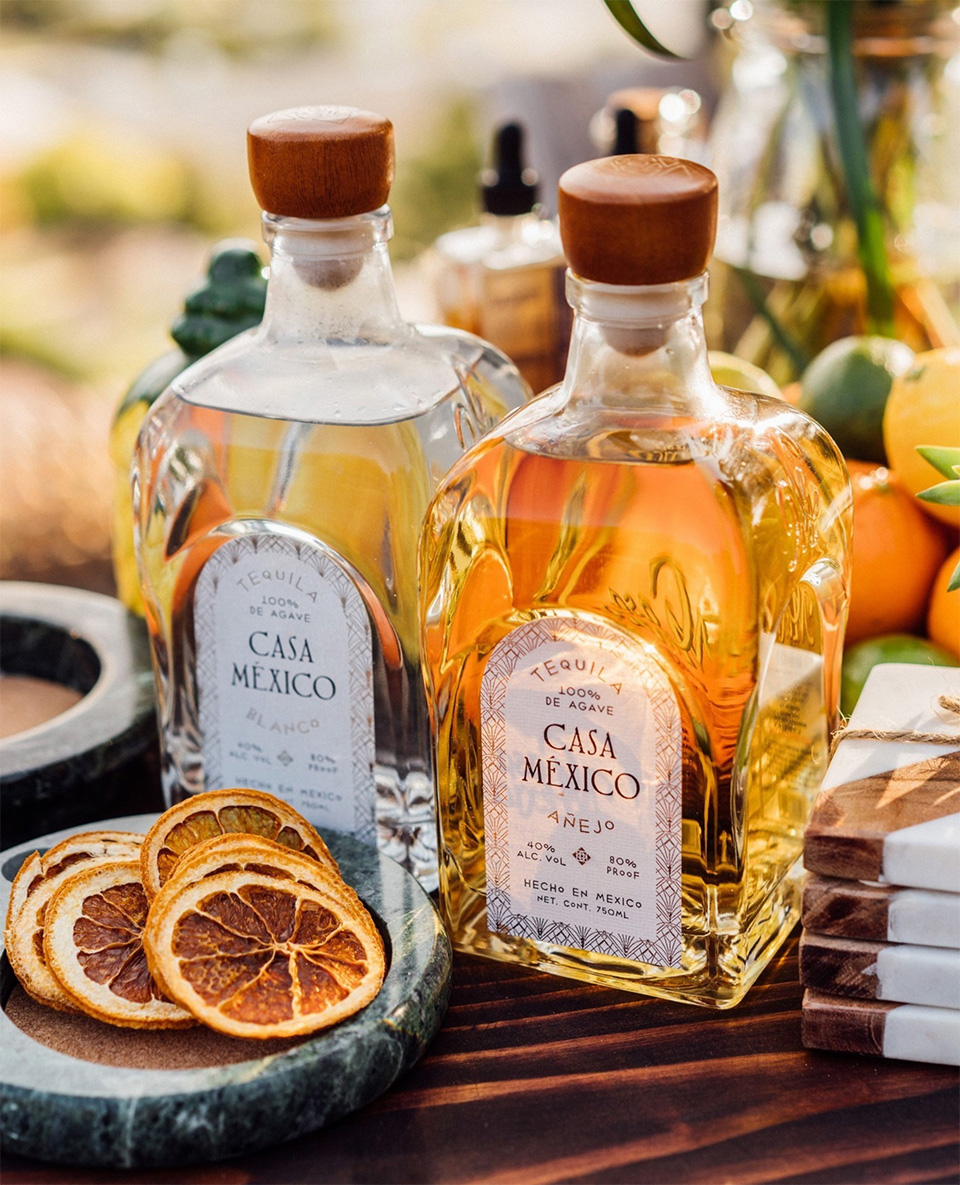
Casa México Tequila is crafted under the guidance of world-renowned Maestra Tequilera Ana María Romero Mena. With decades of experience creating acclaimed tequilas and mentoring future generations of distillers, she brings both deep tradition and thoughtful innovation to the brand. From agave selection to distillation and aging, her expertise ensures every expression reflects authenticity, precision and exceptional quality.

Why is the Paloma one of the most popular tequila cocktails?
The Paloma is one of the most popular tequila cocktails because it combines refreshing citrus flavor, simple preparation, and versatile ingredients. The classic recipe relies on tequila, grapefruit, and lime, creating a balanced drink that suits casual gatherings, restaurants, and home bars. Fewer ingredients reduce preparation time without sacrificing flavor or presentation.
The Paloma attracts beginners because the recipe avoids complicated techniques, specialty
liqueurs, and lengthy ingredient lists. Fresh grapefruit complements the earthy character of tequila, creating a crisp profile with balanced sweetness and acidity. Blanco tequila remains the traditional choice because bright agave notes pair naturally with citrus. The recipe adapts easily through fresh fruit, flavored syrups, herbs, and sparkling mixers, allowing seasonal and regional variations.
Compared with the Margarita, the Paloma delivers lighter sweetness and a more refreshing carbonated finish. Compared with Ranch Water, the Paloma features a stronger grapefruit flavor and a softer citrus profile. The cocktail gained recognition across Mexico during the 1950s before expanding into North American bars during the 1980s. Craft cocktail culture introduced premium tequila and fresh grapefruit juice variations during the 2000s, increasing global recognition. Cocktail bars across North America, Europe, and Asia regularly feature the Paloma, and beverage experts recognize the drink as one of Mexico’s signature tequila cocktails alongside the Margarita today.
What ingredients are in a Paloma cocktail?
A Paloma cocktail contains tequila, grapefruit soda, fresh lime juice, and ice as the traditional ingredients. Optional garnishes and flavor enhancers personalize the drink while preserving its refreshing citrus profile.
The ingredients of a Paloma cocktail are listed below.
- Blanco Tequila: Provides the cocktail’s clean agave character. Fresh herbal and pepper notes balance the grapefruit without adding barrel flavors.
- Grapefruit Soda: Grapefruit soda contributes citrus flavor, sweetness, and carbonation. The ingredient gives the classic Paloma its recognizable taste and refreshing texture.
- Fresh Lime Juice: Brightens the cocktail with natural acidity. The citrus balances sweetness while enhancing the tequila’s agave notes.
- Ice: Ice chills the drink and maintains a crisp finish. Large cubes melt more slowly than crushed ice, which reduces dilution.
- Salt: A salted rim enhances grapefruit sweetness while softening bitterness. Coarse kosher salt and sea salt remain popular choices.
- Optional Garnishes: Grapefruit wedges, lime wheels, rosemary, mint, or jalapeño slices add aroma, color, and visual appeal.
The traditional ingredients with common measurements and practical substitutions are shown in the table below.
| Ingredient | Standard Measurement | Purpose | Substitution |
| Blanco tequila | 2 oz | Base spirit | Reposado tequila |
| Grapefruit soda | 4 oz | Citrus flavor and carbonation | Fresh grapefruit juice with sparkling water |
| Fresh lime juice | 0.5 oz | Acidity and balance | Lemon juice |
| Ice | Fill glass | Chills the cocktail | Large ice cube |
| Salt | As needed | Rim garnish | Tajín or coarse sea salt |
| Grapefruit wedge | 1 wedge | Garnish | Lime wheel |
What tequila is best for a Paloma?
The best tequila for a Paloma is blanco tequila because its fresh agave flavor complements grapefruit without overpowering the cocktail. Other tequila styles create different flavor profiles while maintaining the drink’s refreshing character.
The best tequila for a Paloma is shown in the table below.
| Tequila Type | Flavor Profile | Best Use | Recommendation |
| Blanco | Fresh agave, citrus, pepper | Classic Paloma | Best overall choice |
| Reposado | Vanilla, light oak, caramel | Richer Paloma | Excellent alternative |
| Añejo | Oak, spice, dried fruit | Premium variation | Best for sipping-style Palomas |
Blanco tequila remains the traditional choice because it preserves the cocktail’s bright citrus character. Reposado creates a smoother drink with subtle oak influence, whereas añejo produces a richer cocktail that emphasizes barrel-aged flavors. Premium additive-free blanco tequila delivers the most balanced results, although quality budget blanco tequilas also produce excellent Palomas.
What grapefruit soda should you use in a Paloma?
Grapefruit soda provides the sweetness, citrus flavor, and carbonation that define a classic Paloma. The best choice depends on the sweetness preference and the desired flavor intensity.
The grapefruit sodas you should use in a Paloma are listed below.
- Jarritos Grapefruit: Jarritos offers bright grapefruit flavor with balanced sweetness. The soda remains a traditional choice for authentic Mexican-style Palomas.
- Squirt: A crisp citrus profile with moderate sweetness. The lighter flavor allows the tequila to remain prominent.
- Fever-Tree Pink Grapefruit Soda: Fever-Tree contains natural grapefruit flavor with refined carbonation. The soda suits premium Paloma recipes.
- Q Mixers Grapefruit: Q Mixers produces a less sweet soda with pronounced grapefruit bitterness. The profile creates a more balanced cocktail.
- Fresh Grapefruit Juice and Sparkling Water: Fresh juice combined with sparkling water produces a brighter, less-sweet Paloma. The combination allows greater control over sweetness and acidity.
How do you make a Paloma?
A Paloma is made by combining tequila, grapefruit soda, fresh lime juice, and ice in a prepared glass. A consistent preparation method creates balanced flavor, refreshing carbonation, and an attractive presentation.
The five-step process for making a Paloma is listed below.
- Prepare the Glass. Rim the glass with lime juice, then lightly coat it with coarse salt. Fill the glass with fresh ice.
- Measure the Ingredients. Pour 2 oz blanco tequila and 0.5 oz fresh lime juice into the glass. Accurate measurements create a balanced cocktail.
- Add the Grapefruit Soda. Pour 4 oz of grapefruit soda gently over the tequila. Slow pouring preserves carbonation.
- Stir Gently. Stir the drink briefly with a bar spoon. Gentle mixing combines the ingredients without reducing effervescence.
- Garnish the Cocktail. Add a grapefruit wedge or lime wheel for aroma and presentation. Fresh herbs remain an optional garnish.
Serve the Paloma immediately while the carbonation remains lively and the cocktail stays well chilled. Fresh ingredients and quality tequila produce the cleanest flavor.
How do you make a classic Paloma recipe?
A classic Paloma recipe combines tequila, grapefruit soda, fresh lime juice, and ice in a salted glass.
Make a classic Paloma recipe by following the five steps listed below.
- Prepare the Glass. Rub a lime wedge around the rim, then dip it into coarse salt. Fill the glass with ice.
- Add the Tequila. Pour 2 oz blanco tequila over the ice. Fresh agave flavors create the traditional foundation.
- Add Lime Juice. Measure 0.5 oz fresh lime juice into the glass. Fresh juice provides balanced acidity.
- Top with Grapefruit Soda. Add 4 oz of grapefruit soda slowly to preserve carbonation. Gentle pouring prevents excessive foaming.
- Stir and Garnish. Stir lightly before adding a grapefruit wedge or lime wheel. Serve immediately for the freshest flavor.
How do you salt the rim for a Paloma?
Salting the rim creates a balanced contrast that enhances the grapefruit and tequila flavors.
Salt the rim for a Paloma by following the five steps listed below.
- Moisten the Rim. Rub a lime wedge around the rim of the glass. Lime juice helps the salt adhere.
- Prepare the Salt. Spread coarse kosher salt or sea salt onto a small plate. Even distribution creates a consistent coating.
- Coat the Glass. Roll the moistened rim gently through the salt. Rotate the glass instead of pressing downward.
- Remove Excess Salt. Shake the glass lightly to remove loose crystals. A thin coating prevents excessive saltiness.
- Fill and Serve. Add ice before preparing the cocktail. The finished rim enhances every sip without overwhelming the drink.
How can you customize a Paloma recipe?
A Paloma recipe can be customized by adjusting sweetness, citrus intensity, carbonation, tequila style, and additional flavors. Small changes create different flavor profiles while preserving the cocktail’s refreshing character.
You can customize a Paloma recipe by following the five steps listed below.
- Adjust the Sweetness. Reduce the sweetness by replacing part of the grapefruit soda with sparkling water. Increase sweetness with agave syrup, simple syrup, or flavored syrup.
- Modify the Citrus. Add more fresh lime juice for brighter acidity. Increase the amount of grapefruit juice for a stronger citrus profile.
- Change the Carbonation. Use club soda, sparkling mineral water, or flavored sparkling water to control effervescence. Lower carbonation creates a smoother texture.
- Select a Different Tequila. Blanco produces the freshest Paloma, reposado adds light vanilla notes, and añejo creates a richer cocktail with oak character.
- Add Seasonal Ingredients. Fresh berries, watermelon, mango, pineapple, cucumber, herbs, or citrus slices introduce natural flavors without changing the cocktail’s foundation.
Experiment with one adjustment at a time to identify the flavor differences. Fresh ingredients and balanced measurements produce the most consistent results.
What fruit variations can you add to a Paloma?
Fresh fruit creates seasonal Paloma variations while preserving the cocktail’s citrus foundation.
The fruit variations you can add to a Paloma are listed below.
- Strawberry: Fresh strawberries contribute natural sweetness and light berry flavor. Strawberry pairs well with blanco tequila and fresh lime juice.
- Watermelon: Watermelon produces a crisp, refreshing Paloma with mild sweetness. The fruit complements grapefruit without overpowering the cocktail.
- Pineapple: Pineapple introduces tropical sweetness and balanced acidity. The combination creates a brighter summer variation.
- Mango: Mango adds smooth texture and rich fruit flavor. The sweetness balances grapefruit bitterness naturally.
- Blood Orange: Blood orange contributes deeper citrus notes with subtle berry characteristics. The fruit creates a colorful variation.
- Peach: Fresh peach provides delicate sweetness and floral aroma. Peach pairs especially well with reposado tequila.
How can you make a spicy Paloma?
A spicy Paloma combines fresh citrus with moderate heat to create a balanced cocktail. Controlled spice enhances the tequila without masking the grapefruit.
Make a spicy Paloma by following the five steps listed below.
- Prepare the Glass. Rim the glass with Tajín or a mixture of coarse salt and chili powder. Fill the glass with fresh ice.
- Add Fresh Jalapeño. Muddle two or three thin jalapeño slices gently with fresh lime juice. Light muddling releases flavor without excessive heat.
- Pour the tequila. Add 2 oz of blanco tequila over the muddled ingredients. Blanco tequila preserves the cocktail’s bright profile.
- Add the Grapefruit Mixer. Pour 4 oz grapefruit soda or fresh grapefruit juice with sparkling water. Stir gently to combine the ingredients.
- Garnish the Cocktail. Finish with a jalapeño slice, grapefruit wedge, or lime wheel. Serve immediately while the carbonation remains fresh.
What are the best tips for making the perfect Paloma?
The best Paloma combines quality tequila, fresh citrus, balanced sweetness, and proper preparation. Consistent techniques improve flavor, presentation, and overall drinking experience.
The seven-step best tips for making the perfect Paloma is listed below.
- Choose Quality Blanco Tequila. Fresh agave flavor produces the most traditional Paloma. Premium tequila creates a cleaner finish.
- Use Fresh Lime Juice. Freshly squeezed juice provides brighter acidity than bottled alternatives. Natural citrus balances the sweetness.
- Keep Ingredients Cold. Chilled tequila, grapefruit soda, and glassware preserve carbonation and reduce ice dilution.
- Measure Every Ingredient. Accurate measurements create a balanced cocktail every time. Consistency improves repeatable results.
- Use Large Ice Cubes. Large cubes melt more slowly than crushed ice. Reduced dilution preserves the cocktail’s flavor.
- Stir Gently. Gentle stirring mixes the ingredients without removing carbonation. The drink remains crisp and refreshing.
- Serve Immediately. Fresh carbonation and cold temperature deliver the best Paloma experience.
How does fresh grapefruit juice compare with grapefruit soda?
Fresh grapefruit juice and grapefruit soda produce different Paloma styles through variations in sweetness, carbonation, and citrus intensity.
The comparison between grapefruit juice and grapefruit soda is shown in the table below.
| Ingredient | Flavor | Sweetness | Carbonation | Best Use |
| Fresh Grapefruit Juice | Bright and natural | Low | None | Fresh, less sweet Palomas |
| Grapefruit Soda | Sweet citrus | Medium to high | High | Traditional and convenient Palomas |
Fresh grapefruit juice creates a lighter, more natural cocktail with a stronger citrus character. Grapefruit soda produces the classic Paloma through balanced sweetness and lively carbonation. Combine fresh grapefruit juice with sparkling water to achieve fresh flavor while maintaining effervescence.
Which garnishes work best for a Paloma?
Fresh garnishes improve aroma, presentation, and flavor without changing the cocktail’s foundation.
The garnishes that work best for a Paloma are listed below.
- Grapefruit Wedge: Grapefruit enhances the cocktail’s citrus aroma and reinforces the primary flavor.
- Lime Wheel: Provides a fresh aroma and an attractive presentation. The garnish also supplies additional juice if desired.
- Rosemary Sprig: Rosemary contributes an herbal fragrance that complements agave and grapefruit.
- Mint Sprig: Mint creates a cool aroma and refreshing finish. Fresh leaves improve visual appeal.
- Jalapeño Slice: Jalapeño introduces subtle heat for spicy Paloma variations. Thin slices provide balanced flavor.
- Salt or Tajín Rim: A seasoned rim enhances sweetness while balancing grapefruit bitterness. The garnish completes the classic presentation.
What cocktails are similar to a Paloma?
Several cocktails are similar to a Paloma because they combine tequila or other spirits with citrus ingredients to create refreshing drinks. Each cocktail differs in sweetness, carbonation, preparation, and dominant citrus flavor.
The Paloma emphasizes grapefruit and tequila with sparkling citrus soda, whereas other cocktails highlight lime, lemon, or fresh fruit through different mixers and preparation methods. Some drinks are shaken to create a richer texture, whereas others are built directly in the serving glass for quicker preparation. Selecting a cocktail depends on preferred sweetness, carbonation, and citrus intensity.
The cocktails similar to Paloma are shown in the table below.
| Cocktail | Base Spirit | Main Ingredients | Flavor Profile | Key Difference |
| Paloma | Tequila | Grapefruit soda, lime | Bright, citrusy, refreshing | Uses grapefruit and carbonation |
| Margarita | Tequila | Lime juice, triple sec | Tart, balanced, citrus-forward | Shaken with orange liqueur |
| Ranch Water | Tequila | Lime, sparkling mineral water | Crisp, dry, light | Minimal ingredients and no sweetness |
| Greyhound | Vodka or gin | Grapefruit juice | Clean, slightly bitter | No tequila or carbonation |
| Tequila Sunrise | Tequila | Orange juice, grenadine | Sweet, fruity | Layered appearance |
The Paloma remains one of the most approachable tequila cocktails because it balances refreshing citrus flavor with simple preparation. Additional citrus-inspired recipes appear in Similar Cocktails to Paloma.
How does a Paloma compare to a Margarita?
The Paloma and Margarita both feature tequila, although they differ in ingredients, sweetness, preparation, and serving style. The Paloma delivers a lighter, sparkling profile, whereas the Margarita offers a richer citrus flavor with orange liqueur.
The comparison between Paloma and Margarita is shown in the table below.
| Feature | Paloma | Margarita |
| Base Spirit | Tequila | Tequila |
| Primary Citrus | Grapefruit | Lime |
| Sweetener | Grapefruit soda | Triple sec or orange liqueur |
| Carbonation | Yes | No |
| Preparation | Built into the glass | Usually shaken |
| Serving Style | Highball glass over ice | Rocks or coupe glass |
| Best Occasion | Casual gatherings and warm weather | Parties, dinners, and celebrations |
The Paloma suits drinkers who prefer crisp, refreshing cocktails with light sweetness. The Margarita appeals to those seeking a stronger citrus flavor and a richer texture.
Which tequila cocktails are easiest to make at home?
Simple tequila cocktails require few ingredients and minimal preparation.
The tequila cocktails that are easiest to make at home are listed below.
- Paloma: Tequila, grapefruit soda, lime juice, and ice create a refreshing cocktail in minutes. The recipe requires no shaker.
- Tequila Sunrise: Orange juice and grenadine produce a colorful layered drink with minimal effort. Additional preparation appears in the Easiest Tequila Cocktail.
- Ranch Water: Tequila, lime juice, and sparkling mineral water create a crisp cocktail with three ingredients.
- Batanga: Cola, tequila, fresh lime juice, and a salted glass create a balanced sweet-and-citrus cocktail.
- Tequila Soda: Tequila and club soda provide a light, low-sugar mixed drink. Fresh lime adds brightness and acidity.
How should you serve and pair a Paloma?
A Paloma tastes best when served cold over fresh ice in suitable glassware. Proper serving techniques preserve carbonation while enhancing the cocktail’s refreshing citrus profile. A highball or Collins glass provides enough space for ice, tequila, grapefruit soda, and garnish. Large ice cubes reduce dilution and maintain a colder serving temperature for longer periods. A lightly salted rim enhances grapefruit sweetness while balancing citrus bitterness. Fresh grapefruit wedges and lime wheels improve aroma without changing the drink’s character.
The Paloma pairs well with grilled foods, seafood, tacos, fresh salads, and spicy dishes because bright citrus flavors cleanse the palate. The cocktail also complements casual gatherings, outdoor meals, and summer celebrations through its refreshing character and simple preparation. Chilled ingredients, fresh citrus, and immediate service produce the best drinking experience.
What foods pair well with a Paloma?
Fresh and flavorful dishes complement the Paloma’s citrus profile.
The food that pairs well with a Paloma is listed below.
- Fish Tacos: Fresh fish and citrus toppings complement the tequila and grapefruit flavors.
- Grilled Shrimp: Light seafood matches the cocktail’s crisp acidity without overpowering the drink.
- Guacamole and Tortilla Chips: Creamy avocado balances the bitterness of grapefruit while adding texture.
- Ceviche: Citrus-marinated seafood enhances the Paloma’s refreshing character.
- Grilled Chicken: Mild grilled flavors pair naturally with bright citrus notes.
- Fresh Fruit: Watermelon, pineapple, mango, and citrus provide a light finish that complements the cocktail.
Which glass is best for serving a Paloma?
Tall glasses preserve carbonation and provide space for ice and garnish.
The glass options best for serving a Paloma are listed below.
- Highball Glass: The classic choice holds the traditional Paloma recipe comfortably. The shape maintains carbonation while showcasing the garnish.
- Collins Glass: A Collins glass provides additional height for larger servings and extra ice.
- Double Rocks Glass: A shorter glass suits stronger Paloma variations with less mixer.
- Stemless Wine Glass: The wider bowl highlights citrus aromas while creating a modern presentation.
- Copper Mug: A chilled copper mug keeps the cocktail colder for longer and provides a distinctive serving style.