EN
EN ES
ES PL
PL TR
TR
The best tequila for beginners is smooth, balanced, and made from 100% Blue Agave, offering a gentle entry point into the category. Beginner-friendly tequila avoids harsh alcohol burn, favors rounded flavor over sharpness, and comes in an approachable 40% Alcohol by Volume (ABV) range common across Blanco, Reposado, and Añejo styles. The guide below covers newcomers exploring tequila for the first time, from casual drinkers curious about sipping neat to gift buyers picking a bottle for someone new to the spirit.
Readers learn the traits that separate a beginner bottle from an advanced one, the four main tequila types, and how aging changes taste. The guide walks through label reading, quality checks, budget ranges, and gifting picks, ending with sipping methods and simple cocktails suited to a first tequila experience. Casa Mexico Tequila products appear throughout as examples of accessible, quality options across price points.
What makes a tequila good for beginners?
A good tequila for beginners offers a smooth texture, balanced flavor, and a clean finish that avoids excessive alcohol heat. Blanco tequila often offers fresh-cooked agave notes, while reposado tequila adds gentle oak, vanilla, and caramel character from barrel aging. An approachable 40% ABV provides the standard strength found across quality tequila, while proper distillation creates a cleaner drinking experience. Tequila made from 100% Blue Weber Agave generally provides a clearer expression of cooked agave flavor and avoids the added sugar sources permitted in mix to tequila. Quality production methods further support balance, making the spirit easier to appreciate when served neat or in simple cocktails. Smoothness, balanced flavors, clean agave character, and approachable ABV define what makes a tequila good for beginners.
What flavors should beginners expect from tequila?
Beginners expect sweet cooked agave, bright citrus, and light pepper notes from a quality Blanco tequila as a starting flavor profile. Reposado versions add vanilla, caramel, and mild oak from barrel resting, softening the raw agave edge into a rounder profile. Añejo tequila introduces deeper notes: toasted wood, dried fruit, and a warmer finish built from longer barrel contact. Flavor intensity rises across the three styles, moving from bright and sharp in Blanco toward rich and mellow in Añejo, giving a new drinker a clear path for exploring the spirit gradually.
Why is smooth tequila easier for beginners to enjoy?
Smooth tequila is easier for beginners to enjoy because balanced agave flavors reduce the sharp alcohol sensation that often makes first tasting experiences uncomfortable. A clean finish lets flavors such as cooked agave, vanilla, caramel, and gentle oak remain noticeable without excessive burn. Production quality strongly influences smoothness. Careful cooking, fermentation, distillation, and barrel aging help create a refined spirit with greater balance. Premium examples include Casa Mexico Tequila expressions that emphasize clean agave character and gentle flavor development, making smooth tequila a more approachable choice for new drinkers.
What types of tequila are best for beginners?
The types of tequila best suited to beginners depend on preferred flavor intensity, oak influence, and drinking style. The types of tequila best suited for beginners are shown in the table below.
| Type | Aging | Flavor Profile | Best For Beginners |
| Blanco | Unaged or rested under 2 months | Crisp, citrus, peppery agave | Cocktails, bright sipping |
| Reposado | 2 months to 1 year in oak | Vanilla, caramel, light wood | Neat sipping, smooth entry point |
| Añejo | 1 to 3 years in oak | Toasted oak, dried fruit, rich body | Slow sipping, special occasions |
| Extra Añejo | Over 3 years in Oak | Deep wood, dark caramel, intense body | Experienced palates |
What is the best tequila style for first-time drinkers?
The best tequila style for first-time drinkers is shown in the table below.
| Style | Taste | Smoothness | Recommended For |
| Blanco | Bright, citrus-forward, peppery | Moderate | Margaritas, mixed drinks |
| Reposado | Balanced, vanilla, light oak | High | Neat sipping, easing into flavor |
| Añejo | Rich, caramel, toasted wood | High | Slow sipping, quiet evenings |
Quick recommendation: Reposado offers the most approachable starting point for first time drinkers because aging adds gentle oak character and rounds the spirit’s flavor. Blanco provides a more direct agave experience but carries a sharper profile. Añejo delivers greater depth but costs more and emphasizes barrel-derived flavors.
Meet Our Maestra Tequilera
Casa México Tequila is crafted under the guidance of world-renowned Maestra Tequilera Ana María Romero Mena. With decades of experience creating acclaimed tequilas and mentoring future generations of distillers, she brings both deep tradition and thoughtful innovation to the brand. From agave selection to distillation and aging, her expertise ensures every expression reflects authenticity, precision and exceptional quality.

Which tequila type is easiest to drink?
The tequila types that are easiest to drink are listed below.
- Reposado: Reposado is generally the easiest tequila style for beginners to drink. Barrel aging from 2 to 12 months softens the spirit and adds vanilla, caramel, and gentle oak notes. The balanced profile offers an approachable introduction to tequila.
- Añejo: Añejo provides a smoother and richer drinking experience. Aging from 1 to 3 years develops deeper oak, vanilla, caramel, and dried fruit flavors. The style suits new drinkers who prefer full-bodied spirits.
- Blanco: Blanco delivers a crisp and direct agave flavor. The style offers fresh citrus, pepper, and herbal notes without barrel influence. The sharper profile suits beginners seeking pure agave character.
- Extra Añejo: Extra Añejo offers the richest and most complex profile. Aging beyond 3 years creates pronounced oak, spice, chocolate, and dried fruit notes. The intensity and higher price make the style less approachable for first time drinkers.
Which are the best sipping tequilas for beginners?
The best sipping tequilas for beginners are listed below.
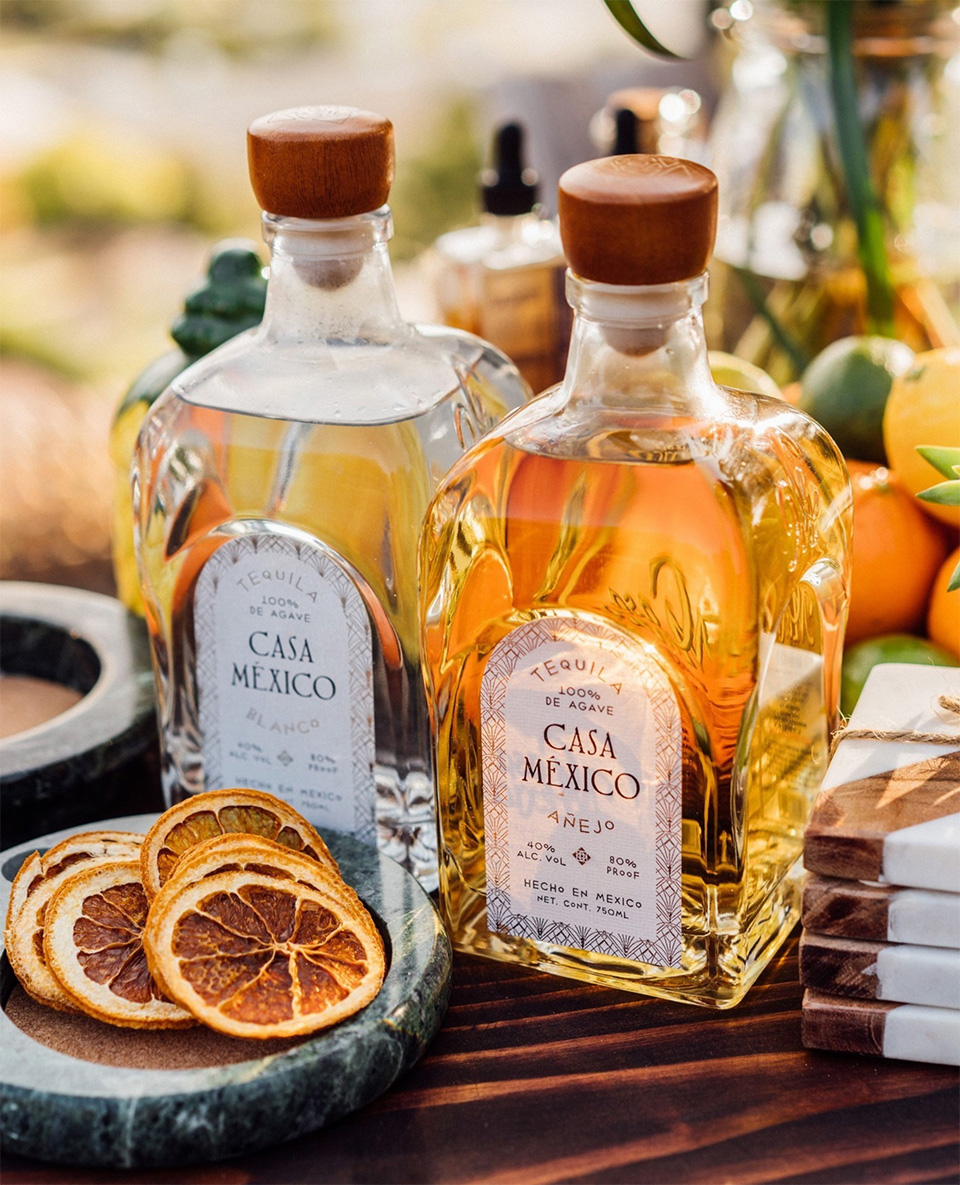
- Casa Mexico Blanco: Clean agave sweetness paired with citrus notes, suited for sipping chilled without ice dilution. The unaged profile keeps flavor bright and direct, letting a new drinker taste raw agave character before moving toward aged styles. Price stays accessible, making the bottle a low-risk starting point for sipping exploration.
- Casa Mexico Reposado: Rested in American white oak, delivering vanilla and light caramel alongside a smooth finish. Barrel aging softens sharpness steadily, removing the harsh edge that turns new drinkers away from straight tequila. The balance between agave flavor and oak warmth suits neat sipping without overwhelming a beginner’s palate.
- Casa Mexico Añejo: Aged over 12 months, producing a caramel hue and toasted oak depth suited for slower sipping. Rich body and dried fruit notes reward patience, appealing to a drinker ready to move past lighter styles. Sipping works best in small pours, letting the deeper flavor unfold gradually across each taste. Each bottle spans a different price range, letting new drinkers pick an entry point that matches their taste preferences and budget.
Which Blanco tequilas are best for beginners?
Casa Mexico Blanco is the best blanco tequila for beginners, built from unaged 100% Blue Agave. Flavor stays crisp and bright, carrying citrus peel, light pepper, and sweet cooked agave without harsh alcohol bite. Clay-oven cooking and stainless steel pot distillation keep impurities low, producing a cleaner finish suited to a new palate. Neat sipping chilled works well, alongside classic cocktail uses (margaritas, palomas), since the bright profile holds up against citrus and salt. Value stays strong against quality, given the 100% Blue Agave base and careful production behind the bottle.
Which Reposado tequilas are best for beginners?
Casa Mexico Reposado is the best reposado tequila for beginners. Rested in American white oak barrels, softening the agave edge into vanilla and caramel undertones. Oak aging lowers sharpness without stripping the tequila of its identity, keeping the spirit recognizable beneath the added warmth. The bottle suits neat sipping and works equally well in an Old Fashioned-style tequila cocktail.
Which Añejo tequilas are best for beginners?
Casa Mexico Añejo is the best Añejo tequila because it provides a beginner-friendly introduction to aged tequila with rich flavors shaped by barrel maturation. Notes of cooked agave, vanilla, caramel, toasted oak, and dried fruit create a smooth and layered sipping profile. The refined character suits relaxed evenings, special celebrations, dinner gatherings, and after-dinner sipping served neat or over ice.
How do you buy tequila for the first time?
Buying tequila for the first time becomes easier when beginners understand the label, tequila category, production details, and intended drinking style. A quality bottle lists 100% Blue Weber Agave, the tequila type, alcohol content, producer information, and the official Mexican regulatory markings required for authentic tequila.
To buy tequila for the first time, follow the six steps listed below.
- Choose 100% Blue Weber Agave. Look for a label stating 100% Agave or 100% Blue Weber Agave. The designation identifies tequila produced entirely from Blue Weber Agave sugars and generally offers a cleaner expression of agave flavor.
- Pick the right tequila style. Choose Blanco for fresh agave flavors and cocktail use. Choose Reposado for softer flavors with gentle vanilla, caramel, and oak notes. Choose Añejo for richer, deeper flavors suited to slow sipping.
- Check the ABV. Most tequila bottles contain around 40% alcohol by volume. Beginners seeking an approachable drinking experience can start with a standard-strength bottle and focus on smoothness and flavor balance.
- Read the bottle information. Check the tequila category, producer, origin, bottle size, and NOM number. The NOM identifies the authorized distillery responsible for producing the tequila.
- Look for quality certifications. Authentic tequila carries regulatory markings associated with Mexico’s tequila standards. The CRT certification framework supports tequila authenticity and compliance with official production requirements.
- Consider the intended use. Choose Blanco for margaritas and other cocktails. Choose Reposado for sipping neat, over ice, or in cocktails, adding depth. Choose Añejo for relaxed sipping during dinners, celebrations, or special occasions.
Beginner Buying Checklist
- 100% Blue Weber Agave listed on the label
- Suitable tequila style selected
- Standard ABV around 40%
- NOM and regulatory information visible
- Producer and bottle information are clearly stated
- Flavor profile matches personal preference
- Price fits the intended budget
- The purpose of drinking is considered before buying
A first tequila purchase becomes more rewarding when quality, style, flavor profile, and intended use guide the decision. A well-labelled 100% Blue Weber Agave tequila provides a strong starting point for exploring the category and discovering preferred tequila for beginners.
What should you look for on a tequila label?
To look for a tequila label, follow the three steps listed below.
- Check for 100% Blue Agave wording. Labels reading “100% de agave” or “100% Blue Agave” confirm pure agave content, ruling out mixto tequila cut with cane sugar or other additives. Authentic bottles state this wording clearly on the front label, never buried in small print.
- Locate the NOM number. A four-digit NOM code identifies the exact distillery producing the tequila, printed near the bottom of the label. Tracing the NOM number confirms production location and links the bottle to a licensed, verified distillery.
- Read the category label. Blanco, Reposado, Añejo, and Extra Añejo appear directly on the bottle, confirming aging length at a glance. Category wording sits near the brand name, giving an immediate signal of flavor intensity and barrel time behind the tequila.
How can you tell if a tequila is high quality?
To tell if a tequila is high quality, follow the four steps listed below.
- Check ingredient transparency. Quality producers list 100% Blue Agave clearly, without vague terms like “tequila-flavored” or blended agave hidden in small print. Clear labeling signals confidence in the production process.
- Research producer reputation. Established distilleries publish harvest regions, aging details, and distillation methods openly across their sites. A traceable production story points toward consistent quality and ongoing craftsmanship behind the bottle.
- Inspect production methods. Slow-cooked agave in clay or brick ovens, paired with stainless steel pot distillation, points toward careful, controlled craftsmanship. Rushed, industrial-scale production tends to strip flavor depth, leaving a harsher, thinner spirit.
- Watch for red flags. Unusually low prices, missing NOM numbers, and vague agave percentage claims signal lower quality behind the label. The absence of aging information on a Reposado or Añejo bottle raises doubt about the actual barrel time.
Inspection checklist:
- Confirm 100% Blue Agave wording on the label
- Locate a valid NOM number
- Research the producer’s history and transparency
- Check for a clear aging statement matching the category
- Avoid bottles priced far below the category average
What are the best cheap tequilas for beginners?
The best cheap tequilas for beginners are listed below.
- Casa Mexico Blanco: Falls in the [$30 to $45] range, delivering 100% Blue Agave quality without a heavy price tag. Tasting notes lean toward citrus peel, sweet cooked agave, and light pepper, giving a bright, clean profile at an accessible cost.
- Casa Mexico Reposado: Priced around [$40 to $55], offering oak-aged smoothness at moderate cost above the Blanco tier. Vanilla, caramel, and light wood notes come through clearly, reflecting the barrel time behind the higher price point.
- Casa Mexico Añejo: Falls from [$50 to $70], reflecting the extended barrel aging behind the deeper flavor profile. Toasted oak, dried fruit, and a rounder body justify the price jump over Reposado, given the added months in barrel. Quality stays consistent across the range, since 100% Blue Agave content and clay-oven cooking apply across every price tier listed.
Which budget tequilas offer the best value?
Casa Mexico Blanco ranks highest for value among entry-level bottles, balancing agave quality against an accessible price point. Sipping performance stays solid, neat, or chilled, while mixing performance holds up equally well in citrus-forward cocktails. Reposado offers a mid-range step up, adding oak complexity without pushing into premium pricing territory.
How much should beginners spend on their first tequila?
A beginner should spend [$30 to $60] on a first tequila, with the ideal price shaped by aging, brand reputation, production methods, and agave quality. A bottle priced near [$40] offers a practical starting point for discovering tequila without entering premium pricing. Blanco tequila generally costs [$25 to $45] and highlights fresh agave flavors, while Reposado tequila ranges from [$30 to $55] and introduces light oak, vanilla, and caramel notes. Añejo tequila usually costs [$40 to $75] and delivers deeper oak, spice, and dried fruit flavors from longer aging. Extra Añejo tequila starts around [$70] and often reaches [$150+] due to extended barrel aging and premium production. Higher prices reflect factors including longer maturation, mature agave, traditional production methods, small batch production, and brand positioning.
What is the best tequila to give as a gift?
The best tequilas to give as a gift are listed below.
- Casa Mexico Blanco: Falls in the [$30 to $45] range, suited for a casual gift built around a bright, versatile flavor profile. Citrus and sweet agave notes appeal broadly, letting a recipient explore cocktails or neat sipping without commitment to a heavier style.
- Casa Mexico Reposado: Priced around [$40 to $55], balancing accessible cost against a smooth, oak-rounded flavor suited to most recipients. Vanilla, caramel notes read as a step up from Blanco, giving the gift a slightly more premium feel without a steep price jump.
- Casa Mexico Añejo: Falls from [$50 to $70], suited for a recipient with established tequila interest, given the deeper, richer profile. Toasted oak, dried fruit flavors signal a more considered gift, fitting occasions calling for a heavier price point. A tequila becomes gift-worthy through clear aging information, a recognizable NOM number, and packaging that reflects the price paid. Presentation matters alongside the tequila itself, a clean label, a sturdy bottle shape, and a gift box or paired glass set raise perceived value on the shelf.
Which tequila gifts are best for new tequila drinkers?
The best tequila gifts for new tequila drinkers are listed below.
- First Tequila Gift: A quality Reposado priced at [$40 to $70] offers a balanced introduction to sipping tequila. The approachable flavour profile pairs well with a premium bottle design.
- Premium Beginner Gift: A smooth Añejo priced at [$60 to $100] suits recipients ready to explore richer tequila. Extended barrel aging adds deeper oak, vanilla, caramel, and dried fruit flavors.
- Gift Set: A tequila bottle paired with a set of copitas or sipping glasses creates a complete tasting experience. A small tasting notebook or premium agave syrup adds practical value.
- Birthday Gift: A Reposado paired with elegant glassware suits birthdays and personal celebrations. A handwritten note adds a personal finishing touch.
- Housewarming Gift: A versatile Reposado paired with two tequila glasses suits a new home. A presentation box adds a polished appearance.
- Milestone Gift: A premium Añejo or Extra Añejo suits anniversaries, promotions, and major achievements. Premium packaging, a presentation case, and quality glassware create a more sophisticated gift.
- Presentation Tips: Choose a bottle featuring distinctive glasswork, refined labeling, and premium packaging. A gift box, ribbon, and handwritten card complete the presentation without overshadowing the tequila.
How should beginners drink tequila?
Beginners should drink tequila slowly and choose a serving style that matches the tequila type and personal taste. Blanco tequila highlights fresh agave character, Reposado adds gentle oak and vanilla, and Añejo delivers deeper flavors from extended barrel aging. Beginners should drink tequila by following the six steps listed below.
- Sip Tequila Neat. Pour a small amount into a copita or narrow tasting glass. Take a small sip and let the tequila rest across the palate before swallowing. Neat serving offers the clearest way to appreciate agave, citrus, spice, oak, and sweetness.
- Drink Tequila on the Rocks. Add 1 or 2 large ice cubes to soften alcohol intensity and slightly chill the spirit. The gradual dilution opens new aromas and creates a smoother drinking experience. Reposado and Añejo tequilas suit the method particularly well.
- Enjoy Tequila in Cocktails. Choose cocktails when fresh, citrus-driven flavors feel more approachable. A Margarita combines tequila, lime, and orange liqueur, while a Paloma pairs tequila with grapefruit and lime. Blanco tequila works well in both styles.
- Taste Slowly. Start with a small sip and notice the aroma before identifying flavor notes. Agave, citrus, pepper, vanilla, caramel, and oak provide useful reference points for beginners.
- Choose the Right Glass. Select a copita or tequila tasting glass for neat pours. A rocks glass suits ice, while a highball glass works well for long cocktails.
- Beginner Serving Recommendation. Start with a quality Blanco served neat or chilled with a small amount of ice. Reposado offers a gentle next step for drinkers seeking softer oak and vanilla flavors. Añejo suits later tasting sessions focused on richer barrel notes.
A slow tasting approach provides the best starting point for discovering tequila. Neat pours reveal the spirit most clearly, ice softens the profile, and cocktails offer an accessible introduction to tequila-based drinks.
How do you taste tequila like a beginner?
Beginners should taste tequila by following the eight steps listed below.
- Pour the tequila. Pour a small serving into a copita or narrow tasting glass. A small pour provides enough spirit for repeated tasting without overwhelming the palate.
- Observe the Appearance. Hold the glass against a light background and examine the color and clarity. Blanco tequila appears clear, Reposado shows pale gold tones, and Añejo develops deeper amber hues from barrel aging.
- Smell the Aroma. Swirl the glass and take short, light sniffs. Look for aromas of cooked agave, citrus, pepper, herbs, vanilla, caramel, oak, or dried fruit.
- Taste the Flavor. Take a small sip and let the tequila move across the tongue. Identify the main flavors first, then notice secondary notes that develop after a few seconds.
- Assess the Mouthfeel. Notice the texture and weight across the palate. Tequila may feel light, silky, oily, warm, or rich, depending on production methods and aging.
- Evaluate the Finish. Pay attention to flavors that remain after swallowing. A short finish fades quickly, while a longer finish leaves lingering notes of agave, spice, oak, vanilla, or pepper.
- Record the Flavors. Use a simple evaluation guide that covers aroma, flavor, mouthfeel, finish, and balance. Notes like cooked agave, citrus, pepper, vanilla, caramel, oak, and dried fruit provide useful starting points for beginners.
- Taste Slowly. Allow time between sips and drink water between different tequilas. A slower pace helps the palate recognize subtle flavor changes without becoming overwhelmed by alcohol.
What cocktails are best for beginner tequila drinkers?
Cocktails best for beginner tequila drinkers are listed below.
- Margarita: A classic Margarita combines tequila, lime juice, and orange liqueur for a bright balance of citrus and sweetness. Blanco tequila works best because fresh agave flavors complement the sharp lime profile.
- Paloma: A Paloma combines tequila with grapefruit soda or fresh grapefruit juice and lime. Blanco tequila suits the drink because its crisp agave character pairs well with refreshing citrus flavors.
- Tequila Sunrise: Tequila, orange juice, and grenadine create a fruity cocktail with gentle sweetness. Blanco tequila provides a clean base that allows the orange and berry flavors to stand out.
- Ranch Water: Tequila, sparkling mineral water, and lime create a light and refreshing drink. Blanco tequila fits the recipe because the clean agave profile remains noticeable alongside citrus and carbonation.
- Mexican Mule: Tequila replaces vodka in a combination of ginger beer and lime juice. Blanco tequila brings fresh agave notes, while Reposado tequila adds softer vanilla and oak character.
- Tommy’s Margarita: Tequila, fresh lime juice, and agave nectar create a simple cocktail with a smooth, sweet, and sour balance. Blanco tequila provides the clearest agave flavor and keeps the drink refreshing. Simple recipes, fresh ingredients, and approachable tequila styles make the Best Cocktails easier for beginners to enjoy.