EN
 ES
 PL
 TR

An alembic still is a traditional pot-style still, made of copper, that distills one batch at a time. An alembic still holds fermented liquid in a rounded pot, heats the liquid, then sends the vapor through a neck into a condenser. Alternate names include alambic, alambique, copper alembic. The pot, head, and neck set the flavor of the final spirit. Heat comes from a direct flame or a steam jacket, depending on the distillery.
Makers produce brandy, tequila, rum, or whiskey in an alembic still. Brandy makers in Charente, France, rely on alembic stills made of copper. Tequila makers in Jalisco, Mexico, rely on the same still type to distill agave. Rum producers in Jamaica and whiskey distilleries in Scotland use pot stills of similar shape. Cognac rules require two runs, which raise the strength of the spirit each time. The pot holds a fixed volume of liquid per run. A small craft distillery picks a pot of modest size, which gives the maker close control of each run. The alembic shape keeps a fuller flavor in the spirit. The alembic remains a core tool of craft distilling worldwide.
How Does an Alembic Still Work?
An alembic still works by heating fermented liquid in a copper pot until the alcohol turns to vapor. Ethanol boils at 173 degrees Fahrenheit, a lower point than the 212 degrees Fahrenheit of water. The vapor rises into the head, then travels through the neck to the condenser. The condenser cools the vapor back into a stronger liquid, which drips into a receiving vessel. The process runs one batch at a time, so the maker empties the pot before the next batch. The first run gives a weak spirit called low wines. Makers run the low wines through a second distillation, which lifts the strength of the spirit. The maker adjusts the heat during the run to hold a steady flow of spirit. The maker gains direct control of the run through alembic distillation, which shapes flavor.
What Parts Make Up an Alembic Still?
The parts that make up an alembic still are linked pieces of one sealed copper system. Each part handles one stage, from heating the pot to collecting the spirit. Vapor travels through the parts in a fixed order.
The parts that make up an alembic still are listed below.
- Pot (Cucurbit): The pot holds the fermented liquid over the heat source until boiling begins. Copper walls spread the heat evenly across the liquid. A Charentais pot in Cognac, France, has a rounded onion shape.
- Heat Source: A direct flame or a steam jacket heats the pot. Direct flame adds a toasted note to the spirit. Steam heating gives gentler control of the temperature, depending on the style of spirit.
- Head (Helmet): The head, called the helmet, sits on top of the pot. The head collects the rising vapor, then narrows the path toward the neck. A rounded head returns heavy droplets to the pot, which keeps the spirit clean.
- Neck (Swan Neck): The neck, or swan neck, links the head to the condenser. A curved neck gives the vapor room to cool, which returns heavier compounds to the pot. The angle of the neck shapes the body of the spirit.
- Condenser: The condenser lowers the temperature of the vapor until liquid forms. Traditional units use a worm tub, a coiled copper pipe set in cold water. Modern units use a straight tube cooled by running water.
- Receiving Vessel: The receiving vessel collects the condensed spirit. A spirit safe, a glass box holding a hydrometer, lets the maker check the strength. The maker routes the heads, the heart, and the tails into separate containers.
Does an Alembic Still Need a Condenser?
Yes, an alembic still needs a condenser. The condenser turns the hot alcohol vapor back into liquid. Without a condenser, the alcohol vapor escapes into the room, which wastes the spirit of the whole batch. Alcohol vapor ignites easily, so a closed path from the pot to the receiver protects the distillery. A worm tub in a traditional distillery cools the vapor in a coil of copper pipe. Running water cools the pipe in a modern condenser, which gives steady results from run to run.
What Is an Alembic Still Made Of?
An alembic still is made of copper sheets, hammered or formed into a rounded pot, a head, and a neck. Coppersmiths in Cognac, France, shape the sections by hand, then join the pieces into one body. Stainless steel stills exist in modern distilleries, mostly at large scale. Glass alembics suit small-scale runs, laboratory work, and chemistry classes. The clear body lets the operator watch the boil. Copper is a soft metal, so repairs and reshaping stay simple in a workshop. Copper turns green over time, a patina called verdigris that makers scrub away. Makers rinse the pot after each batch to remove residue, which keeps the metal bright. Distilleries in Scotland, Mexico, and France order custom copper stills from local workshops. A copper alembic stays the main choice of tequila makers in Jalisco, Mexico.
Why Do Makers Use Copper for an Alembic Still?
Makers use copper for an alembic still because copper heats evenly, which prevents scorching in the pot. Copper conducts heat faster than stainless steel, so the liquid warms across the entire pot. Even heat holds the boil steady, which makes the flavor of each batch consistent. Fermented agave, grape, and sugarcane liquids release sulfur compounds during the boil. Copper binds sulfur compounds in the vapor, which strips unwanted sulfur notes from the spirit. Sulfur notes smell like rotten eggs or burnt rubber, so removal gives a cleaner spirit. Cognac rules in France require copper stills, which reflects the value of the metal. A copper distiller in Jalisco, Mexico, picks the metal to protect the agave flavor and the clean finish.
Meet Our Maestra Tequilera
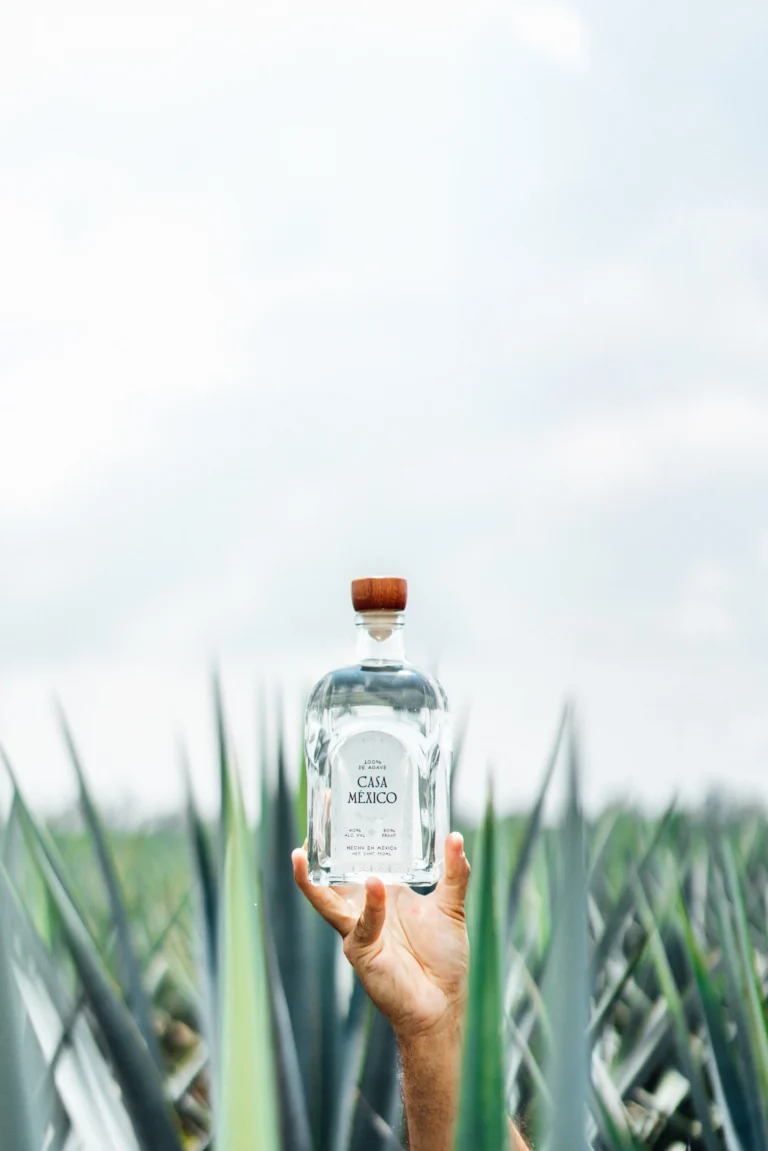
Casa México Tequila is crafted under the guidance of world-renowned Maestra Tequilera Ana María Romero Mena. With decades of experience creating acclaimed tequilas and mentoring future generations of distillers, she brings both deep tradition and thoughtful innovation to the brand. From agave selection to distillation and aging, her expertise ensures every expression reflects authenticity, precision and exceptional quality.

Does an Alembic Still Work Without Copper?
Yes, an alembic still works without copper. Copper changes the flavor of the spirit, not the basic function of the still. A stainless steel still performs the same steps of heating, vaporizing, and condensing. The spirit from a stainless steel still keeps sulfur notes that copper removes. Makers fit copper plates and copper mesh inside a stainless steel still to restore the clean finish. Glass alembics in laboratories need no copper, since the runs are small. Tequila makers in Jalisco, Mexico, keep copper to protect the flavor of the agave.
When Did the Alembic Still First Appear?
The alembic still first appeared in Alexandria, Egypt, during the early centuries CE, when Greek alchemists built an early distilling apparatus. Alexandrian writers (Zosimos of Panopolis, Mary the Jewess) described the first forms of the vessel. Arab alchemists (Jabir ibn Hayyan, Al Razi) refined the alembic from the eighth century to the tenth century. The apparatus reached Europe through Spain and Italy, where scholars translated Arabic texts. Alchemists used alembics to make perfumes, medicines, and essences long before makers distilled spirits in them. Spirit distilling in Europe began in the Middle Ages, when monks and physicians distilled wine into aqua vitae. Spanish colonists brought alembic stills to New Spain in the 16th century. The stills reached Jalisco, where agave distilling took shape. The term alembic alchemy describes the early practice of using the vessel to purify substances.
Where Does the Alembic Still Get Its Name?
The alembic still got its name in medieval Arabic, which formed the word al anbiq. The Arabic word came from the Greek word ambix, meaning a cup or a cap. The prefix al means the in Arabic, a trace that remains in the Spanish alambique. The English word alembic entered use in the Middle Ages through Old French and Medieval Latin. French uses alambic, Italian uses lambicco, Spanish uses alambique. Older texts apply the term alembic to the cap that crowns the still. Modern usage extends the term to the whole still, the pot, the head, the neck, the condenser. The alembic definition in English dictionaries covers the cap and the full still.
Is an Alambique the Same as an Alembic Still?
Yes, an alambique is the same as an alembic still. Alambique is the Spanish and Portuguese spelling of the same vessel. Mexican tequila makers in Jalisco use the word alambique to name the copper pot still in the distillery. Spanish distillers in Galicia run an alambique to make orujo, a pomace spirit. Either name describes a copper pot, head, neck, condenser set that distills in batches. The spelling differs from region to region, but the vessel stays the same. The French form alambic is another spelling of the same word, which shows the shared Arabic root.
How Does an Alembic Still Differ From Other Stills?
An alembic still differs from other stills by distilling in batches, whereas a column still runs without stopping. An alembic still is a type of pot still that loads one batch, runs the batch, then empties the pot. Other types (column stills, hybrid stills) feed liquid into the still in a steady stream. The alembic shape keeps a fuller flavor in the spirit, since the vapor meets little reflux. Reflux is vapor that cools, falls back into the pot, then rises again. A column still has plates inside the column, which create repeated reflux, giving a lighter spirit. Batch runs give the maker time to taste the spirit and adjust the cuts. Column stills suit large volumes of light spirit, alembic stills suit small volumes of full-bodied spirit (Cognac, tequila, mezcal).
What Makes an Alembic Still Similar to a Pot Still?
The shared batch method makes an alembic still similar to a pot still. Each type distills one batch at a time in a rounded pot. The pot holds the full charge of fermented liquid until the heat drives the alcohol out. Little reflux occurs in the pot, so flavor compounds from the grain, grape, or agave stay in the spirit. The result is a fuller spirit, rich in body and aroma. Single malt distilleries in Scotland, Irish distilleries, and Cognac houses in France use the same batch method. The term pot still names the broad category of batch stills, a group that includes the alembic. An alembic pot still adds a curved neck, a helmet, to the basic pot.
Is an Alembic Still a Batch Still?
Yes, an alembic still is a batch still. A batch still processes one full load of fermented liquid per run. The maker fills the pot, heats the liquid, collects the spirit, then empties the pot before the next load. A rest period follows each run, which lets the pot cool. Continuous stills take in liquid and release spirit at the same time. Tequila distilleries in Jalisco, Mexico, run each batch of fermented agave through two distillation cycles. The batch format suits craft production and short runs.
How Does a Column Still Run Compared to an Alembic Still?
A column still runs differently from an alembic still by feeding fermented liquid into the column without stopping. Steam rises through the column, which holds perforated plates at set heights. Each plate condenses the vapor, then boils the liquid again, which raises the strength toward the top. The column gives a lighter spirit, a higher strength, a cleaner profile. An alembic still works in batches, so the pot is filled, run, and emptied before the next load. The batch run gives a fuller spirit, rich in body, which suits Cognac, tequila, and mezcal. Column stills run at industrial scale (vodka, light rum, grain whiskey). The column still (patented by Aeneas Coffey in 1830) made continuous distilling possible.
Can an Alembic Still Run Without Stopping?
No, an alembic still cannot run without stopping. The pot holds a fixed charge of fermented liquid, so the run ends once the spirit is collected. The maker empties the spent liquid, cleans the pot, and loads the next batch before distilling again. Spent liquid, called vinazas in Jalisco, Mexico, leaves the pot after each run. Continuous distilling needs a column still, which feeds liquid and removes spirit at the same time. Craft distilleries run a pair of alembic stills in turn to raise output, though each pot stops after the batch.
Where Do Makers Use an Alembic Still?
Makers use an alembic still in regions that hold a long tradition of pot distilling. The still suits spirits that rely on fuller flavor (Cognac, tequila, rum). Grape, agave, sugarcane, grain, and fruit ferments pass through the copper pot in batches.
Makers use an alembic still in the spirits listed below.
- Cognac and Brandy: Charentais stills, a type of copper pot, hold white wine during the first run. A second run lifts the strength, which gives a clear, aromatic eau de vie. Cognac law sets a minimum of two years in oak.
- Tequila: Tequila makers in Jalisco, Mexico, distill fermented agave in copper alembic stills. The first run gives ordinario, the second run gives the finished tequila. Blue Weber agave gives the spirit a sweet, earthy note.
- Mezcal: Mezcal makers in Oaxaca, Mexico, distill roasted agave in copper pot stills. Copper alembics give a smooth body and a clean finish. Smoke from the roasted agave hearts carries into the spirit during the run.
- Rum: Jamaican rum houses distill fermented molasses in copper pot stills. Long fermentation gives the liquid strong fruit esters before the run. Pot still rum carries a heavy body, a bold taste, a rich aroma.
- Whiskey: Malt whiskey distilleries in Scotland and Ireland run copper pot stills in pairs. Scottish distilleries run a wash still, then a spirit still, in sequence. Craft distilleries in Kentucky use copper pot stills to make small-batch bourbon.
- Fruit Spirits: Fruit spirit makers in Alsace, France, distill fermented cherries, plums, and pears in alembic stills. Eau de vie from the pot keeps the aroma of the fruit. Hungarian distillers make palinka, a fruit brandy, in copper alembics.
How Do Tequila Makers Use an Alembic Still?
Tequila makers use an alembic still by distilling fermented agave in a copper pot, twice per batch. The first run, called ordinario, reaches a strength of 20 to 25% alcohol by volume. The second run refines the spirit to a strength of 50 to 55% alcohol by volume. The maker cuts the heads and the tails, keeping the heart of the second run. Copper alembic stills keep the agave flavor sweet, earthy, and herbal. Distilleries in Jalisco, Mexico, run alembic stills in small batches, which gives close control of the cuts. Mexican law requires Blue Weber agave in tequila, a rule enforced by the Tequila Regulatory Council. Reposado and añejo styles age in oak after the second run.
Is Tequila Distilled Twice in an Alembic Still?
Yes, tequila is distilled twice in an alembic still. Mexican standards for tequila require two distillations, which the Tequila Regulatory Council oversees. The first distillation turns fermented agave into ordinario, a cloudy, low-strength liquid. The second distillation refines the ordinario into a clear, higher-strength spirit. Each pass raises the strength and purity of the spirit. Double distillation gives tequila its clean aroma and a smooth body. Distilleries in Jalisco, Mexico, run a third distillation in rare cases, which lightens the body of the spirit.
How Can You Enjoy Alembic Still Tequila?
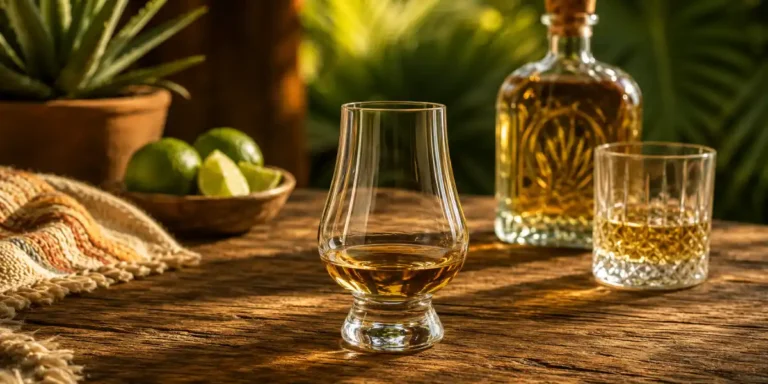
You can enjoy alembic still tequila by sipping it neat, sharing a bottle among friends, matching each pour to a dish. Alembic still tequila tastes fuller, rich in agave sweetness and earthy notes. A copita, a narrow tulip glass, concentrates the aroma. Small sips at room temperature let the agave, the oak, the citrus notes unfold. Blanco tequila shows raw agave. Reposado and añejo styles add oak, vanilla, and caramel. Pairings (grilled meats, citrus fruit, dark chocolate, aged cheese) match the body of the spirit. Mexican tradition places tequila at family gatherings, toasts, and celebrations. Sangrita, a spiced citrus chaser from Jalisco, Mexico, resets the palate from sip to sip. A pour of 1.5 ounces gives a balanced sipping serving.
Should You Sip Tequila Made in an Alembic Still?
Yes, you should sip tequila made in an alembic still. Alembic distilling keeps the agave sweetness and earthy depth, which sipping makes easy to notice. A slow pour in a copita lets the aroma, the texture, the finish unfold. Blanco and reposado styles suit neat sipping at room temperature. Añejo tequila, aged in oak, rewards slow sipping through vanilla and caramel notes. Cocktails suit alembic still tequila too, yet neat serving shows the craft of the maker. Neat pours let drinkers sip tequila at the pace that reveals the full flavor.
Can You Host a Tequila Tasting With Alembic Still Tequila?
Yes, you can host a tequila tasting with alembic still tequila. A flight of three or four bottles shows the range of alembic styles, from blanco to añejo. Each guest needs a copita, a glass of water, and a palate cleanser (plain crackers, orange slices). Tasters nose the aroma first, then sip slowly, then note the finish. The host explains the double distillation in copper stills, which adds context to each pour. Friends and family gather at home to host a tequila tasting, a relaxed way to learn the spirit.
What Cocktails Suit Alembic Still Tequila?
The cocktails that suit alembic still tequila are drinks that keep agave in front. Fuller flavor holds up against citrus, grapefruit soda, aromatic bitters, and sweet syrup. Simple recipes (tequila sour, paloma) show the earthy, sweet notes of the spirit.
The cocktails that suit alembic still tequila are listed below.
- Tequila Sour: A tequila sour mixes tequila, fresh lemon or lime juice, and simple syrup. Egg white adds a silky foam. Alembic still tequila gives the sour a rounded agave body and a smooth finish.
- Paloma: A paloma mixes tequila, grapefruit soda, and lime juice over ice. The drink is a staple at casual gatherings in Jalisco, Mexico. Alembic still tequila adds earthy depth, which balances the sweet, tart grapefruit.
- Margarita: A margarita mixes tequila, lime juice, orange liqueur, and a salt rim. The maker shakes the drink over ice, then strains it into a chilled glass. Alembic still tequila keeps the agave flavor clear, even under the lime.
- Tequila Old Fashioned: A tequila old fashioned stirs aged tequila, agave syrup, and bitters over a large ice cube. The drink suits reposado, añejo tequila, aged in oak. Alembic still tequila supplies the body, which carries the vanilla and caramel notes.
Is Alembic Still Tequila Good in a Tequila Sour?
Yes, alembic still tequila is good in a tequila sour. The fuller body balances the tart lime and the sweet syrup. Agave sweetness and earthy notes stay present beneath the citrus. Egg white, shaken hard, creates a silky foam that carries the aroma. Blanco tequila gives a bright sour, reposado tequila gives a softer, oak-touched sour. A standard sour uses two ounces of tequila, 0.75 ounces of lime juice, and 0.75 ounces of syrup. The result is a tequila sour that tastes rounded, bright, and balanced.
Why Do Distillers Still Choose Alembic Stills?
The distillers still choose alembic stills because the shape gives a fuller flavor, close batch control, and a link to craft tradition. Fuller flavor comes from low reflux, which keeps the heavy compounds in the spirit. Small batch control lets the maker adjust the heat, the speed, the cuts in each run. Smaller pots lower the cost of a trial batch, so makers test new recipes at low risk. Heat ramps slowly in a pot, which gives the maker time to react to the spirit. Craft tradition links the distillery to the long history of Cognac, tequila, whiskey, and rum making. The alembic shape has changed little over centuries, from medieval workshops to modern distilleries. Copper pot stills remain the standard in Jalisco, Mexico, Charente, France, and Speyside, Scotland. An alembic distiller values flavor, control, and craft over speed and volume.
How Does Batch Distilling Shape Flavor?
Batch distilling shapes flavor by letting the maker watch each run and keep the parts of the spirit that carry the best flavor. A run splits into the heads, the heart, and the tails. The heads carry sharp, volatile compounds (acetone, methanol), which the maker sets aside. The heart carries the sweet, rounded flavor of the agave, grape, and grain. The tails carry oily, heavy compounds that dull the spirit. The maker tastes, smells the flow, then moves the cut points by feel. A wide heart cut keeps a fuller flavor, a narrow cut gives a cleaner spirit. Cognac distillers in Charente, France, keep the heart, send the heads and tails back to the next batch.
Do Craft Distilleries Use Alembic Stills?
Yes, craft distilleries use alembic stills. Craft distilleries in Jalisco, Mexico, Charente, France, and Scotland run copper pot stills in small batches. Distillers in the United States, Canada, and Japan adopt alembic stills to build a signature spirit. Small pots cost less than a column system, which lowers the barrier to entry. Coppersmiths build alembic stills in sizes that suit a small craft operation. Hybrid setups add a short column to a pot, giving the maker extra strength control. The alembic remains the choice of craft distilleries that value flavor, control, and tradition.