EN
 ES
 PL
 TR

A column still is a tall, vertical vessel that distills fermented liquid continuously, producing a lighter, higher-strength spirit than a batch pot. A column still receives fresh wash near the top, steam at the base, then releases alcohol vapor from the top, whereas spent liquid drains away. Perforated plates stacked inside the column separate alcohol from water in one steady pass. Strength reaches near neutral levels, which explains the clean, crisp character of the finished spirit. Craft units stand a few meters tall, whereas industrial columns climb past 20 meters.
Vodka, gin, light rum, and grain whiskey are the best-known products of the column still, whereas select tequila producers in Jalisco run the equipment to craft a crisp, clean blanco. Scottish grain distilleries, Kentucky bourbon plants, and Puerto Rican rum makers operate towers around the clock. Continuous operation lowers fuel use and labor time per liter, which explains the dominance of the method in large-scale production. Distillers in the industry call the equipment a Coffey still, a patent still, a continuous still, naming the 1830 patent of Aeneas Coffey. The column still remains the standard tool whenever purity, volume, speed matter.
How Does a Column Still Separate Alcohol From Water?
A column still separates alcohol from water by taking in fermented liquid, steam, then pushing the vapor through plates that cool, re-boil the mixture repeatedly. Steam enters the base of the column, rising through perforated plates stacked one above another. Fermented wash flows down from the top, meeting the hot vapor on each plate. Ethanol boils at 173°F, water boils at 212°F, so alcohol vapor climbs higher at each stage, whereas heavier water falls back toward the base. The cycle repeats across dozens of plates, concentrating the alcohol until the vapor reaches the top. Each plate acts like a miniature pot still, which explains the higher strength of the finished spirit. A Coffey unit joins an analyser column (strips alcohol from the wash) to a rectifier column (concentrates the vapor), giving a spirit near neutral strength. A condenser turns the final vapor into liquid, closing the process of Coffey distillation.
What Parts Make Up a Column Still?
The parts that make up a column still are listed below.
- Column: The column is the tall, vertical shell that houses the plates. Walls of copper and stainless steel carry heat evenly and resist corrosion. Taller columns hold a greater plate count, raising the final strength.
- Plates: The plates, called trays, are perforated discs stacked inside the column. Rising vapor bubbles through the holes, meeting the liquid that flows down. Each plate repeats the boil-and-condense cycle, raising the strength step by step.
- Boiler: The boiler generates the steam that drives the run. Large plants run a steam boiler, whereas craft units heat a pot at the base. Steam rises through the column, lifting alcohol vapor upward.
- Analyser: The analyser is the first column of a Coffey unit. Steam strips alcohol from the descending wash, producing a weak vapor. The vapor moves to the rectifier for further concentration.
- Rectifier: The rectifier is the second column, where the vapor concentrates. Coiled wash pipes inside the rectifier preheat the incoming liquid, saving fuel. Strong spirit collects on a plate near the top, where the distiller draws the spirit off.
- Condenser: The condenser cools the vapor back into liquid. Cold water circulates the tubes, carrying heat away. The liquid then flows to the receiving vessel.
- Receiving Vessel: The receiving vessel collects the finished spirit. Scottish distilleries route the flow through a spirit safe, a locked glass box that lets the operator measure strength. Approved spirit moves to storage tanks, whereas weak liquid returns for another pass. The parts appear in the same order on a labeled column still diagram, from the boiler to the receiving vessel.
Does a Column Still Use Plates Inside the Column?
Yes, a column still does use plates inside the column. Plates, called trays, divide the column into stages, each stage acting like a small distillation. Perforated copper plates fill a Coffey unit, whereas bubble cap plates and sieve trays appear in modern towers. Vapor rises through the openings, whereas liquid drops through downcomers (narrow gaps or pipes), so the two streams meet on each plate. Heat exchange at each stage condenses the heavier water, re-boils the lighter alcohol, raising the strength a step higher. A rectifying column for vodka holds about 40 plates, reaching near neutral spirit. Fewer plates leave a greater share of congeners, a trait used in bourbon and tequila production. Plate spacing, hole size, and liquid depth control the contact time and the final flavor. The plate system explains the clean character of column spirits, since repeated stages strip heavy oils.
Why Does a Column Still Run Without Stopping?
A column still runs without stopping since fresh liquid enters at one end, spirit leaves at the other, so the equipment needs no emptying or refilling from batch to batch. Pumps feed fermented wash into the top of the column, steam enters the base, and spent liquid (stillage) drains from the bottom. Heat and flow settle into a steady state, so alcohol strength stays consistent from morning to night. A pot still must cool, empty, clean, and refill after each run, whereas a column unit operates for days or weeks before maintenance. Grain distilleries in Scotland, bourbon plants in Kentucky, and ethanol facilities in Iowa run towers around the clock. Saved downtime lowers the cost per liter and raises output at large distilleries. Operators adjust the wash feed and steam pressure to hold the target strength. Modern plants automate the controls through sensors, valves, and computer systems. A continuous still suits producers that need steady volume and predictable flavor.
How Does a Column Still Compare to a Pot Still?
A column still compares to a pot still by running nonstop, giving a cleaner, lighter spirit, whereas a pot still distills in batches, keeping a fuller flavor. A pot still holds one charge of liquid, runs once, then needs emptying, cleaning, and refilling. Output from a pot run reaches about 55 to 70 percent alcohol by volume, depending on the number of distillations. A column still reaches 94 percent alcohol by volume or higher in a single pass, thanks to stacked plates. Pot stills keep congeners (esters, fatty acids, higher alcohols), giving whiskey, rum, brandy, and tequila a rounder body. Column stills strip congeners, a trait suited to vodka, light rum, and grain whiskey. Cost differs too, since a column unit carries a higher build price, yet lowers the cost per liter at scale. Hybrid units join a pot to a short column, balancing flavor and strength. The contrast between patent still distillation and pot methods shows in speed, strength, and flavor. A Pot Still explains the batch method in greater detail.
Is a Column Still the Same as a Patent Still?
Yes, a column still is the same as a patent still in everyday use. Distillers and writers use column still, patent still, continuous still, and Coffey still for one equipment family. The name patent still comes from Aeneas Coffey, who secured a patent in 1830 for a refined continuous unit. Robert Stein built an earlier continuous still in Kirkliston, Scotland, in 1826, giving Coffey a base to improve. Strictly, a Coffey still names the two-column model (analyser, rectifier), whereas a column still covers any tall continuous unit, including single-column towers and multi-column plants. Modern stainless steel columns follow the same principle, so the older names persist in the trade. Scottish grain whisky producers keep the term patent still in trade papers and distillery tours. The shared principle, continuous steam-driven separation across plates, ties each version together.
Meet Our Maestra Tequilera
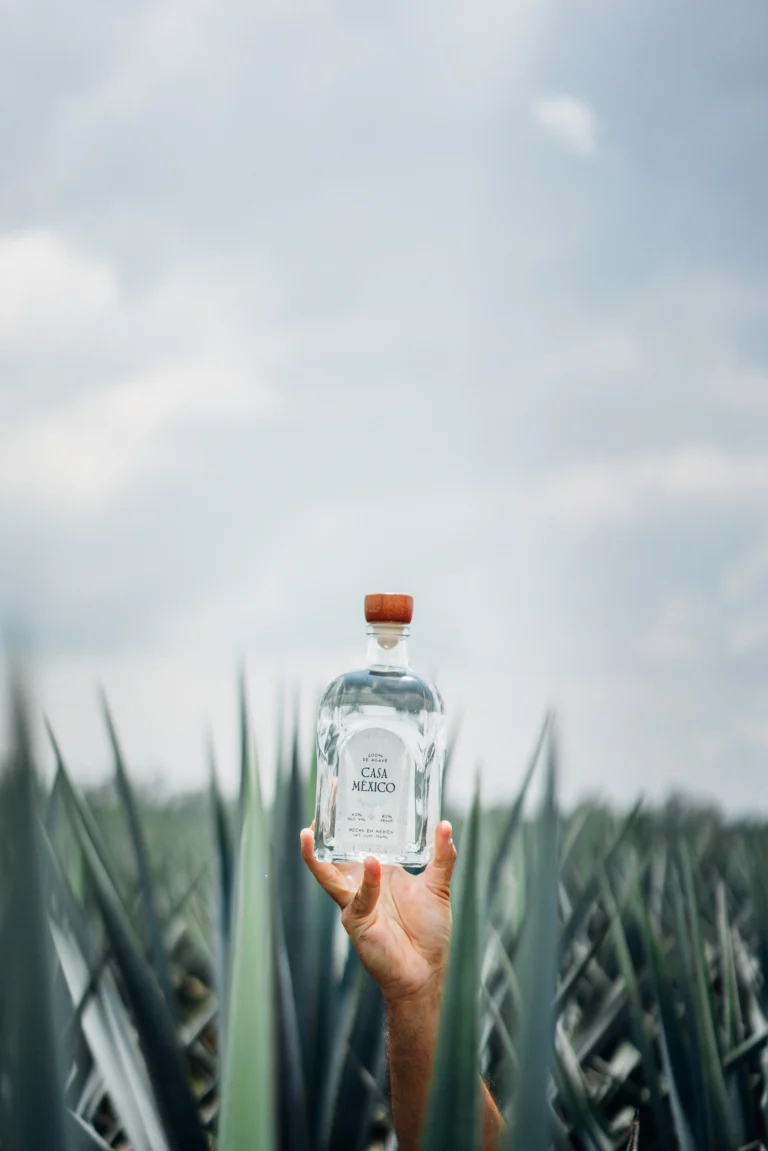
Casa México Tequila is crafted under the guidance of world-renowned Maestra Tequilera Ana María Romero Mena. With decades of experience creating acclaimed tequilas and mentoring future generations of distillers, she brings both deep tradition and thoughtful innovation to the brand. From agave selection to distillation and aging, her expertise ensures every expression reflects authenticity, precision and exceptional quality.

What Spirits Come From a Column Still?
Spirits come from a Column still are listed below.
- Vodka: Vodka relies on column stills to strip congeners, reaching a neutral base near 95 percent alcohol by volume. Distillers in Sweden, Poland, and Russia run grain, potato, and molasses washes through tall rectifying columns. Charcoal filtration and dilution to a bottling strength of 40 percent complete the spirit.
- Gin: Gin starts from a neutral grain spirit made in a column still. Makers redistill the base through juniper, coriander, citrus peel, capturing aromatic oils in the vapor. Distilled gin from England, Spain, and the United States follows the same two-step approach.
- Light Rum: Distilleries in Puerto Rico, Cuba, and the Dominican Republic run column stills on fermented molasses. Long columns strip heavy esters, leaving a crisp, clean base. Charcoal filtration and brief aging in oak barrels produce the colorless, smooth style.
- Grain Whiskey: Grain distilleries in Scotland and Ireland run Coffey stills on wheat, corn, and malted barley. The light spirit forms the smooth backbone of blended Scotch and Irish blends. Oak casks mature the spirit for a minimum of three years.
- Bourbon: Kentucky distillers run a column, called a beer still, on a mash of corn, rye, and malted barley. Federal rules cap distillation strength at 160 proof (80 percent alcohol by volume), preserving grain flavor. New charred oak barrels then add caramel, vanilla, and spice.
- Tequila: Select producers in Jalisco run column stills on fermented agave, giving a lighter, cleaner spirit. Tequila rules permit the equipment, though pot stills remain the favored choice. Blanco expressions show the crisp, bright agave character of the method best.
How Does Column Still Whiskey Taste?
Column still whiskey tastes lighter and smoother than pot still whiskey, showing a clean, delicate profile. Scottish grain whisky, produced on Coffey stills, shows soft vanilla, sweet corn, and light citrus notes. Congeners (esters, fatty acids, oils) fall away in the tall column, leaving a thinner, less oily texture. Pot still whiskey keeps greater oil, spice, and depth, whereas column spirit gives a gentle, easy palate. Bourbon run through a column shows caramel, corn sweetness once aged in new charred oak, since the barrel supplies a large share of the flavor. Blenders use the light grain whisky to balance the heavy character of malt whisky in Scotch blends. The profile of Coffey still whiskey suits drinkers who prefer a soft, approachable dram.
Is a Column Still Common in Tequila vs Whiskey Making?
No, a column still is not common in tequila making, whereas whiskey making relies on the equipment in bourbon, Canadian whisky, Scottish grain production. Tequila makers in Jalisco favor pot stills (alambiques), since the batch method keeps earthy, sweet agave flavor. Column units appear in high-volume plants, where a lighter, cleaner spirit is the goal. Whiskey producers distill grain mash in huge volume, so continuous towers cut cost and time per liter. Bourbon makers run beer stills, Scottish grain distilleries run Coffey stills, Canadian distillers run multi-column systems. Agave mash is smaller in scale, costlier per liter, so batch equipment suits the craft of tequila. Further contrasts in ingredients, aging, and rules are covered in a comparison of Tequila vs Whiskey.
How Do Vodka and Gin Makers Use a Column Still?
Vodka and gin makers use a column still to push the spirit across multiple plates, reaching a clean, neutral base that gin makers flavor and vodka makers bottle. Grain, potato, and molasses washes feed the column, which concentrates the alcohol near 95 percent by volume. Congeners fall away on the upper plates, leaving a spirit near neutral in aroma and taste. Vodka producers in Sweden, Poland, and Russia dilute the base to a bottling strength of 40 percent, then filter the liquid through charcoal. Gin distillers in England and Spain redistill the neutral base through juniper, coriander, citrus peel, capturing aromatic oils in the vapor. Botanicals rest in a basket above the liquid, or steep in the pot, depending on the recipe. The column step sets the clean canvas, whereas the botanicals set the final character.
Can a Column Still Make Light Rum?
Yes, a column still can make light rum. Fermented molasses or cane juice runs through the column, stripping heavy esters, leaving a crisp, clean spirit. Short fermentation (24 to 36 hours) limits fruity, funky aromas, so the column output stays delicate. Puerto Rican rules require a minimum of one year of aging, whereas Cuban-style rums mature in oak, then pass through charcoal to remove color. The finished rum fits cocktails (Mojito, Daiquiri, Cuba Libre), where a neutral base lets lime, mint, cola lead. Pot still rum carries banana, molasses, tropical spice, whereas column rum tastes light and smooth. Blenders combine column and pot rums to build body, balancing lightness against richness.
Where Does a Column Still Fit in Tequila Making?
A column still fits in tequila making through select producers who want a lighter, cleaner spirit, whereas a large share of tequila makers rely on pot stills. The base is fermented agave, cooked in brick ovens or autoclaves, then pressed and fermented. Blue Weber agave grows in Jalisco, Nayarit, Guanajuato, Michoacán, and Tamaulipas under the rules of the Consejo Regulador del Tequila (CRT). Pot stills (alambiques) run two distillations, ordinario and rectificación, keeping earthy agave flavor. A column unit reaches higher strength in a continuous run, trimming time and congeners. Producers choose the equipment based on volume, style, and brand goals. Column runs tend toward tequila meant for mixing, whereas pot runs tend toward tequila meant for sipping. Tequila rules permit either equipment, so a bottle labeled 100 percent agave comes from a pot still, a column still, or a mix of the two.
What Does Column Still Tequila Taste Like?
Column still tequila tastes lighter, cleaner, and crisper, with bright agave and citrus notes. Blanco expressions show lime zest, grapefruit peel, fresh-cut agave, and light white pepper. Texture stays thin, less oily than pot still tequila, since congeners fall away in the tall column. Earthy, cooked, vegetal notes sit in the background, giving a clean, quick finish. Reposado aged two to 12 months in oak adds light vanilla and soft spice, whereas añejo aged one to three years adds toasted wood and dried fruit. The profile suits drinkers who prefer a crisp, approachable tequila over a heavy, earthy one.
Is It Easy to Sip Tequila From a Column Still?
Yes, it is easy to sip tequila from a column still. A lighter body, fewer heavy oils, and a clean finish soften the first sip, making the spirit approachable for newcomers. Blanco served at room temperature shows bright agave and citrus, whereas a slight chill mutes any sharp edge. A tulip-shaped copita concentrates the aroma, letting the nose catch lime zest and fresh agave before the first taste. Small sips of about half an ounce let the palate adjust, whereas water in a separate glass resets the palate after each pour. Reposado and añejo column still bottles add vanilla and oak, which round the finish further. Glassware, pacing, and tasting notes are covered in a guide on how to Sip Tequila.
How Does Column Still Tequila Work in Cocktails?
Column still tequila works in cocktails by providing a lighter base that lets fresh citrus and other ingredients shine in mixed drinks. The clean profile keeps lime, grapefruit, orange, cucumber, and mint in the lead, whereas heavier pot still tequila adds earthy weight. Blanco suits the Margarita, Paloma, Ranch Water, and Tequila Collins, where crisp acidity drives the drink. A measure of one and a half to two ounces leaves room for juice, soda, syrup without burying the base. Agave syrup, orange liqueur, simple syrup round the sharp edge of citrus. Light herbs (basil, cilantro, mint) stand out against the neutral canvas. Bartenders reach for column still blanco in bright, refreshing builds, where freshness matters more than depth.
Does a Classic Paloma Need Column Still Tequila?
No, a classic Paloma does not need column-still tequila. The drink combines tequila, grapefruit soda, lime juice, and a salt rim, so any 100 percent agave blanco works. Column-still tequila suits the recipe, since the light body keeps grapefruit and lime in the lead. A pot-still blanco adds peppery, earthy depth, which complements the bitter edge of grapefruit. A standard build uses two ounces of tequila, half an ounce of lime juice, topped with grapefruit soda over ice. Salt on the rim sharpens the citrus, rounding the finish. Mexican households and bars in Jalisco pour the drink in a tall glass, keeping the build simple. Rim, serving, and soda ratios appear in a Classic Paloma recipe.
Is Column Still Tequila Good in a Tequila Old Fashioned?
Yes, column still tequila is good in a tequila Old Fashioned, provided the bottle is a reposado or añejo aged in oak. Barrel aging adds vanilla, caramel, and baking spice, which supply the body that a stirred drink demands. Unaged blanco from a column keeps a lean, crisp profile, so the cocktail tastes thinner than a version built on pot still tequila. Tall column distillation strips congeners (esters, fatty acids, oils), leaving a clean base that lets agave syrup, bitters, and orange peel lead the flavor. Añejo, aged one to three years, brings toasted wood and dried fruit, giving enough weight to a lighter spirit. Extra añejo, aged over three years, adds deeper oak, resembling a bourbon-style Old Fashioned. A standard build uses two ounces of aged tequila, one teaspoon of agave syrup, two dashes of Angostura bitters, stirred over a large ice cube. Stirring for 20 to 30 seconds chills and dilutes the drink to a smooth strength. An orange peel expressed over the glass releases citrus oils that brighten the finish. Ingredient measures, stirring technique, and garnish ideas are covered in a Tequila Old Fashioned recipe.
How Does Distilling Alcohol Work in a Still?
Distilling alcohol in a still works by heating a fermented liquid so the alcohol turns to vapor, then cooling the vapor into a stronger liquid. Fermented bases hold five to 12 percent alcohol by volume, drawn from grain, agave, sugarcane, grapes, or fruit. Ethanol boils at 173°F, water boils at 212°F, so alcohol vapor leaves the liquid first. A condenser, a coiled pipe or tube bundle cooled by water, turns the vapor back into liquid. The collected spirit holds a far higher strength than the starting wash. Distillers split the output into heads, hearts, and tails, keeping the hearts, the clean middle of the run. Stills come in multiple forms (pot, column, hybrid), each shaping flavor, strength, and speed. Copper and stainless steel are the two main materials, whereas glass appears in laboratories. Spirits from Scotland to Jalisco depend on the same physical principle.
What Types of Stills Are Used for Alcohol?
The types of stills used for alcohol are listed below.
- Pot Stills: Pot stills distill one batch at a time in a rounded vessel topped by a neck, linked to a condenser. Copper pots in Scotland, Cognac, and Jalisco keep a fuller flavor. Output reaches about 55 to 70 percent alcohol by volume per run.
- Column Stills: Column stills run continuously through stacked plates, reaching 94 percent alcohol by volume or higher. Vodka, light rum, and grain whiskey rely on the lighter output. Large distilleries favor the format, since fuel use and labor time fall per liter. A distillation still is chosen by spirit style, batch size, and flavor goal.
- Hybrid Stills: Hybrid stills join a pot still to a short rectifying column. Operators adjust the number of active plates, controlling strength and flavor. Craft distilleries in Kentucky, Germany, and Australia use the format for gin, whiskey, and brandy.
- Reflux Stills: Reflux stills return condensed liquid to the column, raising the strength through repeated contact. Neutral spirit, a high-proof gin base, comes from the method. Craft vodka makers run compact reflux units, producing a neutral base in small volumes.
Is a Column Still Used in Large Distilleries?
Yes, a column still is used in large distilleries. Grain distilleries in Scotland, bourbon plants in Kentucky, vodka factories in Sweden, and ethanol facilities in the Midwest run towers day and night. Continuous operation delivers thousands of liters per hour, a volume no batch pot matches. Lower fuel use and lower labor time per liter reduce the cost of production at scale. Automated controls (sensors, valves, computer systems) hold steady strength across long runs. Large distilleries in Jalisco run column units alongside pot stills, matching the equipment to the product. Craft distilleries lean on pot and hybrid stills, since small batches keep flavor and allow freedom to experiment. Capital cost remains high, so column towers suit producers with steady demand.
When Was the Column Still Invented?
The column still was invented in the early 1800s, followed by the Coffey version patented in 1830. Earlier models came first, starting with Edward Adam, a French distiller who built a multi-chamber still in 1801. Jean Baptiste Cellier Blumenthal built a continuous column unit in France in 1813. Robert Stein constructed a continuous still at Kirkliston, Scotland, in 1826. Aeneas Coffey, a former Irish excise inspector in Dublin, patented a more efficient version in 1830. Coffey units spread through Scotland, Ireland, and England in the following decades, changing the economics of grain spirit production. The 1830 patent explains why the names Coffey and patent still persist today.
Who Improved the Column Still Design?
Aeneas Coffey improved the column still by building on earlier work by Robert Stein, then patenting a more efficient version in 1830. Stein’s continuous still at Kirkliston, Scotland, from 1826 proved the continuous concept, yet left room for refinement. Coffey, a former Irish excise inspector, set up a works in Dublin, where he built a two-column unit (analyser, rectifier). Wash pipes coiled inside the rectifier preheat the incoming liquid, saving fuel. Perforated plates in each column, plus steam entering at the base, delivered a steady, repeatable run. The spirit reached about 94 percent alcohol by volume, far above pot still output. Distilleries in Scotland and Ireland adopted the Coffey unit in the 1830s and 1840s, changing the grain spirit trade.
Is the Column Still Design Still Used Today?
Yes, the column still remains in use today. Modern columns use stainless steel, copper, computer controls, and sensors, yet the principle of continuous, plate-based separation matches the 1830 patent. Vodka, grain whiskey, light rum, bourbon, and fuel ethanol production rely on the equipment. Scottish grain distilleries run Coffey-type units daily, supplying the lighter whisky in blended Scotch. Kentucky bourbon plants run beer stills, whereas Puerto Rican rum makers run tall rectifying columns. Craft distilleries add hybrid columns to pot stills, giving control over strength and flavor. Select tequila producers in Jalisco run column units for a lighter, cleaner blanco. Demand for neutral spirit, blended whisky, and ready-to-drink cocktails keeps the column in production, from family operations to global houses.