EN
EN ES
ES PL
PL TR
TR
Alcoholic drinks are set on fire, explaining why selected alcoholic beverages produce visible flames after ignition. Setting an alcoholic drink on fire begins with ethanol, alcohol concentration, and combustion before examining practical uses in beverages and cooking.
Ethanol serves as the combustible ingredient in alcoholic drinks. Heat converts liquid ethanol into vapor, and the vapor ignites when oxygen and a suitable ignition source are present. Higher alcohol concentrations produce more ethanol vapor, which supports sustained combustion more readily than lower-strength beverages. Bars and restaurants use flaming drinks to create dramatic visual presentations, whereas chefs apply controlled flames during flambé cooking to develop flavor and aroma. Short periods of burning remove only a small portion of the alcohol. Scientific principles explain why some beverages ignite more easily than others. Understanding combustion, alcohol proof, ignition conditions, and safety practices supports responsible handling of flaming drinks in culinary and hospitality settings.
What makes Alcohol Flammable?
Alcohol is flammable because ethanol burns when heat, oxygen, and combustible vapor exist together. Ethanol serves as the fuel, oxygen supports combustion, and an ignition source provides the energy to initiate the reaction. The combination forms the fire triangle.
Ethanol molecules contain carbon and hydrogen atoms that release energy during combustion. Heat converts liquid ethanol into vapor, which ignites more readily than the liquid itself. Higher ethanol concentrations produce more combustible vapor, increasing the likelihood of sustained burning. Water reduces vapor formation and lowers flammability, which explains why many low-alcohol beverages resist ignition.
Combustion continues while fuel, oxygen, and heat remain available. Removing any element of the fire triangle extinguishes the flame. Scientific understanding of flammability explains why overproof spirits ignite more easily than beer, wine, or standard cocktails.
What is Ethanol?
Ethanol is the alcohol present in alcoholic beverages. Yeast produces ethanol through fermentation by converting sugars into alcohol and carbon dioxide. Distillation concentrates ethanol in spirits by separating alcohol from water and other compounds.
Ethanol has the chemical formula C₂H₅OH. The compound is colorless, volatile, and highly combustible under suitable conditions. Heat increases ethanol vapor production, which supports ignition when oxygen and an ignition source are available. Ethanol serves as the primary fuel in flaming drinks and flambé cooking. Additional information appears in What is Ethanol.
Why does Alcohol Burn?
Alcohol burns because…Alcohol burns through the combustion of ethanol vapor. Ignition begins when ethanol vapor reacts with oxygen after receiving enough heat to start the chemical reaction.
Meet Our Maestra Tequilera
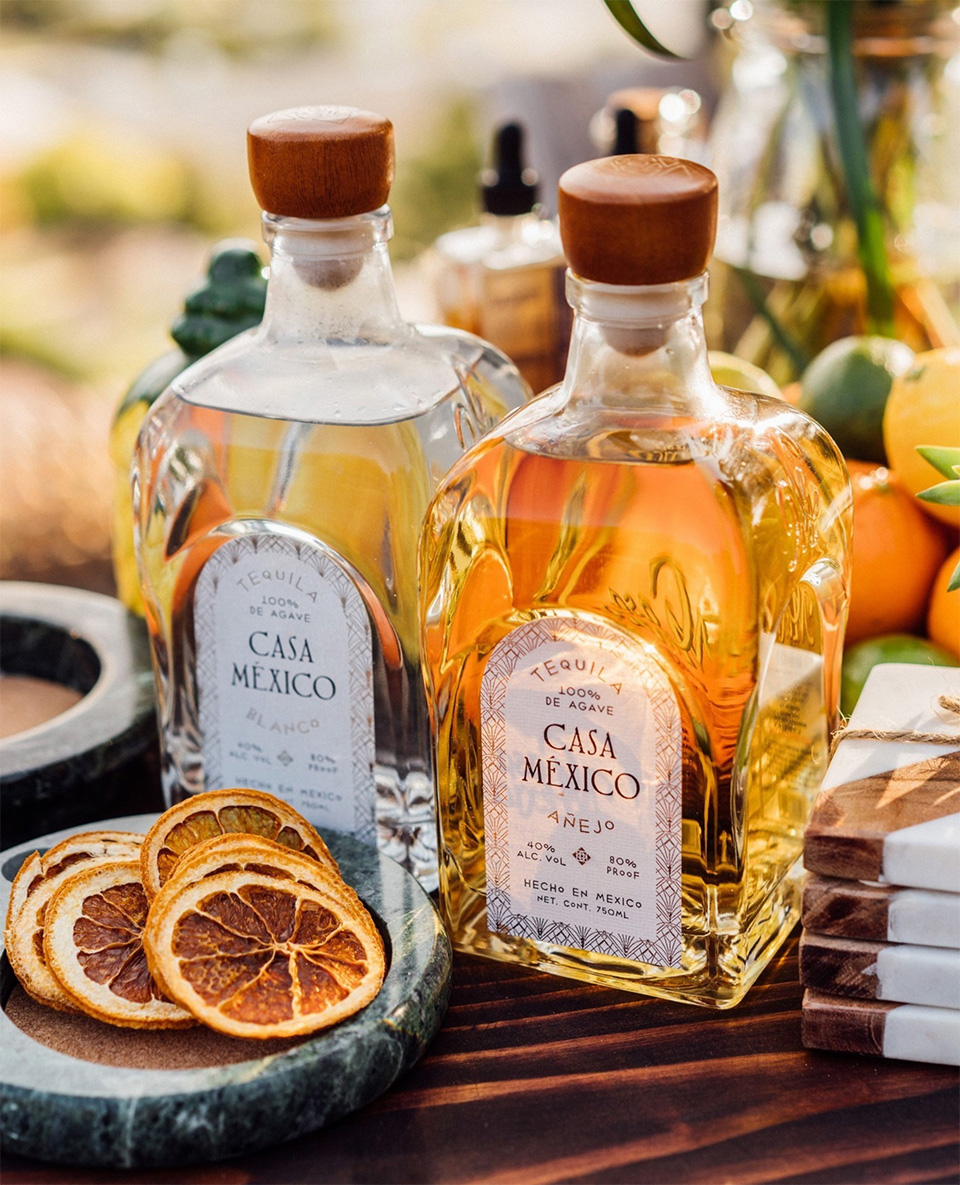
Casa México Tequila is crafted under the guidance of world-renowned Maestra Tequilera Ana María Romero Mena. With decades of experience creating acclaimed tequilas and mentoring future generations of distillers, she brings both deep tradition and thoughtful innovation to the brand. From agave selection to distillation and aging, her expertise ensures every expression reflects authenticity, precision and exceptional quality.

Complete combustion follows the equation:
C₂H₅OH + 3O₂ → 2CO₂ + 3H₂O + Heat + Light
The reaction releases thermal energy and visible light while producing carbon dioxide and water vapor. Blue flames commonly appear during efficient combustion because ethanol burns cleanly. Additional information appears in Why Does Alcohol Burn.
What Happens During Alcohol Combustion?
Alcohol combustion converts ethanol into carbon dioxide, water vapor, heat, and light through oxidation. Combustion occurs as either complete or incomplete combustion, depending on the available oxygen supply. Complete combustion occurs when oxygen is abundant. The reaction produces carbon dioxide, water vapor, and a clean blue flame with minimal residue. Incomplete combustion develops when oxygen becomes limited. The reaction generates carbon monoxide, soot, and reduced heat output. Adequate ventilation supports complete combustion and cleaner burning.
What Conditions Allow Alcohol to Catch Fire?
Alcohol catches fire when sufficient ethanol vapor mixes with oxygen and reaches an ignition source. Alcohol concentration alone does not determine flammability. Vapor formation, temperature, air circulation, and ignition energy influence combustion. Higher-proof spirits release more ethanol vapor than lower-alcohol beverages under similar conditions. Warming the liquid increases vapor production, whereas cooling reduces evaporation. Open containers allow vapor to mix with the surrounding air more easily than sealed containers. Sparks, pilot flames, matches, lighters, and heated surfaces provide suitable ignition sources.
Successful ignition depends on the interaction of all conditions rather than on a single factor. Reduced vapor concentration, limited oxygen, or insufficient heat prevent sustained combustion even when alcohol is present.
How does Alcohol Distillation affect the Concentration of Spirits?
Alcohol distillation increases ethanol concentration by separating alcohol from water through controlled heating and condensation. Ethanol vapor forms before water vapor due to its lower boiling point. Repeated distillation produces spirits with higher alcohol concentrations than fermented beverages. Beer and wine remain below 15% ABV, whereas distilled spirits commonly range from 35% to 50%. Higher ethanol concentrations increase combustible vapor formation under suitable conditions. Additional information appears in Alcohol Distillation.
How does Alcohol Concentration Affect Flammability?
Alcohol concentration affects flammability by changing the amount of ethanol vapor available for ignition. Higher ethanol concentrations generate more combustible vapor than lower-strength beverages. Beer, cider, and wines contain too much water to sustain visible flames under normal conditions. Distilled spirits with higher alcohol content ignite more readily when exposed to an ignition source. Overproof spirits maintain flames longer through greater vapor production than standard-proof spirits.
How does Temperature Influence Alcohol Ignition?
Temperature influences alcohol ignition by increasing ethanol evaporation. Warmer alcohol releases more vapor, improving the conditions for combustion. Flash point describes the lowest temperature at which enough vapor forms to ignite briefly. Ethanol has a flash point near 55°F (13°C) under standard atmospheric conditions. Higher temperatures accelerate vapor formation and improve ignition potential, whereas lower temperatures reduce combustible vapor above the liquid surface.
Can Alcohol Ignite without an Open Flame?
Yes, alcohol can ignite without an open flame. Sparks, electrical arcs, hot metal surfaces, and other ignition sources provide enough energy to ignite ethanol vapor. Open flames remain the common ignition source in kitchens and bars. Heated equipment and electrical faults present similar risks when ethanol vapor accumulates in enclosed spaces. Proper ventilation and controlled handling reduce accidental ignition.
What Proof Liquor is Flammable?
Flammable liquor generally contains 100 proof (50% ABV) or higher, although ignition depends on alcohol concentration, vapor formation, temperature, oxygen availability, and the ignition source. Higher-proof spirits produce more ethanol vapor, which supports sustained combustion more readily than lower-proof beverages.
Alcohol proof expresses the amount of ethanol present in a distilled spirit. The United States proof system defines proof as twice the Alcohol by Volume (ABV) percentage. A spirit containing 50% ABV equals 100 proof, whereas a spirit containing 40% ABV equals 80 proof. Standard spirits from 80 to 90 proof ignite briefly under favorable conditions, although sustained flames remain less reliable than higher-proof products.
Overproof spirits from 100 proof upward produce larger volumes of combustible vapor and remain the preferred choice for flaming cocktails and flambé cooking. Beer, wine, and ready-to-drink cocktails contain insufficient ethanol to sustain visible flames under normal serving conditions. Alcohol concentration remains one factor among several that determine successful ignition.
How is Alcohol Proof Measured?
Alcohol proof measures the concentration of ethanol in a distilled spirit. The United States proof system calculates proof by doubling the Alcohol by Volume percentage. The calculation follows a simple formula (Proof = ABV × 2). A spirit containing 40% ABV equals 80 proof. A spirit containing 50% ABV equals 100 proof. A spirit containing 57% ABV equals 114 proof. Beverage labels commonly display both proof and ABV to identify alcohol strength. ABV provides the international standard, whereas proof remains widely recognized in the United States.
Why are High Proof Spirits more suitable for Flaming Drinks?
High-proof spirits suit flaming drinks because higher ethanol concentrations generate larger amounts of combustible vapor. Greater vapor production supports faster ignition and longer-lasting flames. Standard spirits from 80 to 90 proof contain more water, which limits vapor formation and reduces flame stability. Overproof spirits from 100 proof upward ignite more consistently under controlled conditions. Bartenders often select overproof rum, absinthe, or selected overproof tequilas for dramatic presentations. Additional examples appear in High Proof Spirits.
Which Spirits are most likely to Catch Fire?
High-proof distilled spirits ignite more readily than beverages containing lower alcohol concentrations.
The spirits that are most likely to catch fire are listed below.
- Overproof Rum: Rum from 100 proof upward produces abundant ethanol vapor. Many tiki cocktails use overproof rum for controlled flaming garnishes.
- Overproof Whiskey: Barrel-proof and cask-strength whiskeys contain high ethanol concentrations that support ignition under suitable conditions.
- Overproof Tequila: Selected overproof tequilas ignite more readily than standard 80-proof expressions. Greater alcohol concentration increases combustible vapor.
- Absinthe: Traditional absinthe commonly ranges from 90 to 148 proof. High alcohol strength supports controlled flaming in selected presentations.
- Grain Spirit: Neutral grain spirits often exceed 150 proof. Very high ethanol concentrations create rapid ignition and require careful handling.
Can Low-Proof Liquor Catch Fire?
Yes, low-proof liquor can catch fire under favorable conditions. Sustained flames become less likely as alcohol concentration decreases. Standard spirits around 80 proof sometimes ignite briefly after warming or exposure to a strong ignition source. Beer, wine, and cocktails contain too much water to maintain visible flames. Higher-proof spirits remain more dependable for controlled flaming applications.
Why are Alcoholic Drinks set on fire?
Alcoholic drinks are set on fire to create visual appeal, enhance presentation, and support selected culinary techniques. Flaming drinks attract attention through bright blue flames that highlight the beverage before service.
Bars, restaurants, and cocktail competitions use controlled flames to create memorable presentations. The flame introduces movement and light that distinguish specialty drinks from standard cocktails. Flaming remains a presentation technique rather than a method for removing significant amounts of alcohol. Brief ignition burns only a small portion of the ethanol before the flame extinguishes.
Selected recipes incorporate flaming to warm the drink slightly or release aromatic compounds from citrus oils, spices, or spirits. Professional bartenders control flame size through measured pours and suitable glassware. Responsible handling, proper equipment, and careful preparation remain essential whenever alcohol is intentionally ignited.
How does Flaming Change the Appearance of Alcoholic Drinks?
Flaming changes the appearance of alcoholic drinks by creating a bright blue or blue-orange flame above the liquid surface. Visible flames increase visual impact before the first sip.
The flame reflects off glassware and highlights the beverage’s color in low-light environments. Citrus peels, herbs, spices, and sugar garnishes create additional visual effects during controlled presentations. Bars and restaurants frequently use flaming drinks to create memorable customer experiences without changing the fundamental composition of the cocktail.
How much Alcohol Burns off During Flaming?
Only a small amount of alcohol burns off during brief flaming. Short periods of combustion remove far less ethanol than extended cooking methods. Flaming drinks burn for several seconds to about one minute. The limited burning time allows only a small portion of ethanol vapor to combust above the liquid surface. Simmering, baking, and prolonged flambé cooking remove more alcohol through continued evaporation. Beverage strength changes very little after brief flaming, even when a visible flame appears.
How is Burning Alcohol used in Cooking?
Burning alcohol is used in cooking to develop aroma, enhance flavor, and create dramatic presentation through flambé. The process ignites alcohol vapor above the food while preserving the ingredients beneath the flame. Chefs commonly use distilled spirits to deglaze pans, enrich sauces, and finish desserts or savory dishes. Brandy, rum, whiskey, tequila, and selected liqueurs contribute distinctive flavors that complement meat, seafood, fruit, and pastries. Brief combustion reduces only a small portion of the alcohol, whereas longer cooking removes a greater amount through continued evaporation. Flambé serves both culinary and visual purposes. Flames caramelize surface sugars, release aromatic compounds, and create an attractive tableside presentation. Proper timing, measured alcohol quantities, and controlled ignition improve consistency throughout the cooking process. Additional preparation methods appear in Alcohol Used in Cooking.
How does Flambé Cooking Work?
Flambé cooking ignites alcohol vapor to enhance flavor and presentation.
Flambé cooking follows the six steps listed below.
- Prepare the Food: Cook the main ingredients until nearly finished. Remove excess grease before adding alcohol.
- Warm the Spirit: Heat the spirit slightly without boiling. Gentle warming increases ethanol vapor production.
- Add the Alcohol: Pour a measured amount of spirit into the pan. Keep the container away from direct heat after pouring.
- Ignite the Vapor: Use a long lighter or extended match to ignite the alcohol vapor. Flames rise above the food for several seconds.
- Allow the Flame to Burn Out: Let the flame extinguish naturally as ethanol vapor decreases. Continue cooking after combustion ends.
- Serve the Dish: Present the finished dish once the flame has completely disappeared. Confirm that no active flames remain before serving.
Which Spirits are best suited for Flambé Cooking?
Medium-proof and high-proof spirits provide reliable flambé performance while contributing distinctive flavors.
The spirits best suited for Flambé cooking are listed below.
- Brandy: Brandy delivers fruit, vanilla, and oak notes that complement desserts, steak, and fruit sauces. Classic flambé recipes frequently use brandy.
- Rum: Dark and aged rum contributes caramel, molasses, and spice flavors. Rum pairs well with bananas, pineapple, and tropical desserts.
- Whiskey: Whiskey adds oak, caramel, and baking spice characteristics. Rich meat dishes and savory sauces benefit from whiskey flambé.
- Tequila: Reposado and añejo tequila introduce cooked agave, vanilla, and light oak flavors. Tequila complements shrimp, chicken, citrus desserts, and Mexican-inspired recipes.
- Liqueurs: Orange, coffee, and herbal liqueurs provide concentrated sweetness and aroma. Dessert flambé recipes often incorporate flavored liqueurs.
What Safety Precautions should you follow when Lighting Alcohol?
Lighting alcohol requires careful preparation, suitable equipment, and constant attention.
The seven safety precautions you should follow when lighting alcohol are listed below.
- Use Heat-Resistant Equipment. Metal pans and tempered glass withstand brief exposure to open flames. Damaged cookware increases safety risks.
- Measure the Alcohol. Small quantities produce controlled flames that are easier to manage. Excess alcohol increases flame height.
- Keep Bottles Away from Heat. Pour alcohol into a separate container before adding it to the pan. Direct pouring from the bottle creates a serious fire hazard.
- Maintain Good Ventilation. Open spaces reduce vapor accumulation. Proper airflow supports cleaner combustion.
- Remove Flammable Materials. Paper towels, cloth napkins, decorations, and plastic items belong outside the cooking area.
- Keep a Lid Nearby. A fitted metal lid removes oxygen and extinguishes flames quickly during emergencies.
- Serve After the Flame Ends. Confirm that combustion has stopped completely before moving or serving the food.
How do you extinguish burning alcohol safely?
Burning alcohol requires controlled extinguishing methods that remove heat or oxygen. Safe handling protects people and the surrounding property.
Extinguish burning alcohol safely by following the five steps listed below.
- Cover the Flame. Place a metal lid or baking sheet over the pan. Oxygen removal extinguishes the flame rapidly.
- Turn Off the Heat Source. Shut off burners immediately after ignition if additional cooking is unnecessary. Reduced heat limits continued vapor production.
- Leave the Pan in Place. Stable cookware reduces the risk of spilling or burning liquids. Moving the pan increases fire risk.
- Use a Class B Fire Extinguisher. Apply a Class B extinguisher when flames spread beyond the pan. Follow the manufacturer’s operating instructions.
- Avoid Water. Water spreads burning alcohol and increases the affected area. Water remains unsuitable for extinguishing alcohol fires.
Can burning alcohol spread fire quickly?
Yes, burning alcohol can spread fire quickly. Spilled alcohol carries flames across nearby surfaces while ethanol vapor ignites readily. Open bottles, paper products, cooking oils, and decorations increase the risk of fire spread. Controlled quantities, proper equipment, and careful handling reduce hazards during cooking and beverage preparation.
What Misconceptions exist about Burning Alcohol?
Several misconceptions surround burning alcohol because visible flames often create misleading assumptions about alcohol content, safety, and cooking effects. Scientific evidence demonstrates that combustion depends on ethanol concentration, vapor formation, oxygen, temperature, and ignition conditions rather than appearance alone.
The misconceptions that exist about burning alcohol are listed below.
- Burning Removes All Alcohol: Brief flaming burns only a small amount of ethanol vapor. The alcohol remains because combustion lasts only a short time.
- Every Alcoholic Beverage Burns Easily: Beer, wine, and many cocktails contain too much water to sustain visible flames. Higher-proof distilled spirits ignite more readily.
- Blue Flames Mean Stronger Alcohol: Flame color results primarily from efficient ethanol combustion. Alcohol concentration alone does not determine flame color.
- Flaming Greatly Changes Flavor: Flaming creates visual appeal and releases some aromatic compounds. Short combustion produces only minor flavor changes.
- Burning Alcohol is Completely Safe: Open flames always present fire hazards. Safe equipment, controlled quantities, and proper ventilation reduce the risk of accidents.
The myths vs scientific facts about burning alcohol are shown in the table below.
| Myth | Fact |
| Burning removes all of the alcohol. | Brief flaming removes only a small portion of the alcohol. |
| Every alcoholic beverage catches fire easily. | High-proof spirits ignite more readily than beer, wine, and low-ABV drinks. |
| Blue flames indicate stronger alcohol. | Flame color reflects combustion efficiency more than alcohol strength. |
| Flaming changes flavor dramatically. | Presentation changes more noticeably than flavor after brief burning. |
| Flaming alcohol is harmless. | Burning alcohol requires careful handling because open flames create fire hazards. |
How does Setting Alcohol on fire remove all of the Alcohol?
Setting alcohol on fire does not remove all of the alcohol. Significant amounts of ethanol remain after brief flaming because combustion occurs mainly in the alcohol vapor above the liquid rather than throughout the entire beverage or dish.
Flaming drinks burn for only several seconds to about one minute. The short combustion period consumes a limited amount of ethanol before the flame extinguishes naturally. Food science studies show that longer cooking methods remove more alcohol through sustained heating and evaporation than brief flaming. Simmering, baking, and prolonged cooking reduce alcohol more effectively because heat acts over a longer period. Brief flambé improves presentation and releases aroma, but it does not eliminate the alcohol content.
Does a Blue Flame Indicate Stronger Alcohol?
No, a blue flame does not indicate stronger alcohol. A blue flame usually indicates efficient ethanol combustion with an adequate oxygen supply. Higher-proof spirits often ignite more easily because they produce more ethanol vapor. Flame color depends primarily on combustion conditions rather than alcohol concentration alone. Airflow, impurities, surrounding light, and combustion efficiency influence the flame’s appearance. Two spirits with different alcohol contents can produce similar blue flames under comparable burning conditions.