EN
EN ES
ES PL
PL TR
TR
Tequila is more expensive than other spirits because Blue Weber agave requires 6 to 10 years to reach maturity before harvest. Mexican law restricts tequila production to Blue Weber agave grown within designated regions (Jalisco, Guanajuato, Michoacán, Nayarit, and Tamaulipas). Skilled jimadores harvest each agave by hand, increasing labor costs before cooking, fermentation, distillation, and bottling begin. The Tequila Regulatory Council enforces strict production standards that preserve authenticity and product quality. Barrel aging, limited agave supply, storage costs, and rising global demand further increase production expenses across premium tequila categories.
Tequila is more expensive than other spirits because production depends on long agricultural cycles rather than fast-growing raw materials. Blanco tequila avoids barrel aging, although cultivation and harvesting remain costly. Reposado, Añejo, and Extra Añejo tequila require oak barrel maturation, which reduces available inventory and increases warehouse expenses. Distilleries absorb evaporation losses during aging, known as the angel’s share. Production regulations, labor-intensive methods, and limited availability of raw materials explain the higher tequila prices.
What Factors Affect the Price of Tequila?
The price of tequila depends on production costs, aging time, Blue Weber agave availability, craftsmanship, packaging, brand reputation, and taxes. Tequilas produced from 100% Blue Weber agave, aged longer, or crafted in small batches carry higher prices because production requires additional raw materials, labor, storage, and time. Premium production methods, limited agave harvests, regulatory requirements, and growing global demand increase manufacturing costs, which are reflected in the final retail price.
Blue Weber agave remains the largest cost factor because the plant reaches maturity after 6 to 10 years before harvest. Oak barrel aging increases storage expenses across Reposado, Añejo, and Extra Añejo tequila. Small-batch production reduces output, raising production costs per bottle. Premium glass bottles, handcrafted packaging, import duties, distributor markups, retailer margins, and regional taxes contribute further to shelf prices. The Tequila Regulatory Council enforces production standards that preserve authenticity, adding compliance costs throughout the manufacturing process.
What Makes Tequila Cost More to Produce?
Tequila costs more to produce because production depends on mature Blue Weber agave, labor-intensive harvesting, slow cooking, fermentation, distillation, and barrel aging for selected expressions. Blue Weber agave reaches maturity after 6 to 8 years, making the raw material expensive and vulnerable to supply shortages and price fluctuations. Strict regulations enforced by the Tequila Regulatory Council limit production to approved regions in Mexico, increasing production costs throughout the manufacturing process.
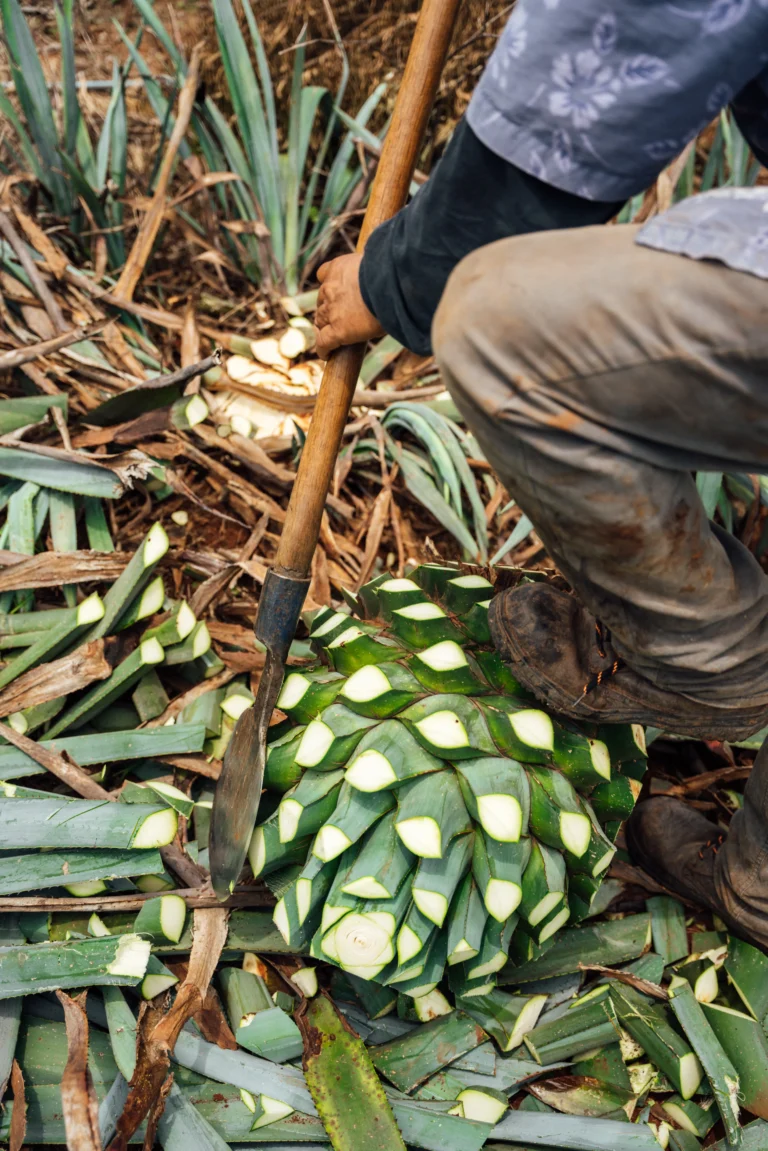
Labor remains a major expense because skilled jimadores harvest each agave plant by hand before processing begins. Traditional cooking methods, controlled fermentation, double distillation, and oak barrel maturation require additional time and operating costs. Reposado, Añejo, and Extra Añejo tequila remain in barrels for months to years, reducing available inventory and increasing warehouse expenses. Premium production methods, limited agave supplies, and aging requirements make tequila more expensive to produce than many other distilled spirits.
Is Tequila More Expensive to Make Than Vodka?
Yes, tequila is more expensive to make than vodka because tequila production depends on Blue Weber agave, whereas vodka commonly uses grains (wheat, rye, corn) or potatoes that mature within a single growing season. Blue Weber agave requires 6 to 8 years to reach maturity before harvest. Hand harvesting, slow cooking, fermentation, distillation, and strict regulations enforced by the Tequila Regulatory Council increase production costs beyond typical vodka manufacturing.
Vodka production follows a shorter production cycle because grains and potatoes remain readily available across many regions. Tequila production remains limited to designated areas in Mexico (Jalisco, Guanajuato, Michoacán, Nayarit, and Tamaulipas) under the protected designation of origin. Reposado, Añejo, and Extra Añejo tequila require additional oak barrel aging, adding storage expenses and inventory costs. Longer cultivation periods, labor-intensive production, and aging requirements make tequila more expensive to produce than vodka.
Meet Our Maestra Tequilera
Casa México Tequila is crafted under the guidance of world-renowned Maestra Tequilera Ana María Romero Mena. With decades of experience creating acclaimed tequilas and mentoring future generations of distillers, she brings both deep tradition and thoughtful innovation to the brand. From agave selection to distillation and aging, her expertise ensures every expression reflects authenticity, precision and exceptional quality.

How Does Agave Affect the Price of Tequila?
Agave affects the price of tequila by determining the largest share of production costs from cultivation through distillation. Blue Weber agave requires 6 to 8 years to reach maturity before harvest, resulting in long production cycles that affect supply and market prices. Higher agave prices increase manufacturing expenses because distilleries pay more for mature plants. Expensive agave leads directly to more expensive tequila across the Blanco, Reposado, Añejo, and Extra Añejo categories.
Limited agave harvests, weather conditions, plant diseases, and rising global demand reduce available supplies, increasing production costs. Tequila produced from 100% Blue Weber agave reflects raw material costs more directly than mix-to tequila because agave remains the primary ingredient. Higher cultivation expenses, labor costs, and limited raw material availability raise wholesale and retail prices. Raw material availability explains what is agave tequila is within tequila production and pricing.
Why Does Blue Agave Take So Long to Grow?
Blue agave takes 6 to 8 years to grow because the plant stores natural sugars gradually before reaching full maturity. Blue Weber agave accumulates high concentrations of fermentable sugars during its final growing years, providing the raw material required for tequila production. Early harvesting produces lower sugar content, reducing alcohol yield and overall production efficiency.
The long growing period increases production costs because farmers invest years cultivating each agave plant before harvest. Weather conditions, drought, pests, and plant diseases create additional risks throughout the cultivation cycle. Mature Blue Weber agave provides the sugar concentration required under tequila production standards established by the Tequila Regulatory Council. Extended cultivation periods directly contribute to the higher production costs of tequila.
Does Agave Shortage Increase Tequila Prices?
Yes, the agave shortage increases tequila prices because Blue Weber agave remains the primary raw material used in tequila production. Limited supplies raise the cost of mature agave purchased by distilleries, increasing production expenses from harvesting through distillation. Higher raw material costs translate into higher wholesale and retail prices across Blanco, Reposado, Añejo, and Extra Añejo tequila.
Agave shortages result from the 6- to 8-year cultivation cycle, adverse weather conditions, plant diseases, and rising global demand. Distilleries compete for mature Blue Weber agave whenever harvest volumes decline, increasing purchase prices across the industry. Premium tequila produced from 100% Blue Weber agave reflects supply shortages more directly because agave accounts for the largest share of production costs.
How Does the Production Process Raise Tequila Costs?
The production process raises tequila costs because cooking, fermentation, distillation, and aging require skilled labor, specialized equipment, and extended production time. Blue Weber agave undergoes harvesting, cooking, crushing, fermentation, and double distillation before bottling. Reposado, Añejo, and Extra Añejo tequila require additional oak barrel maturation, increasing storage expenses and reducing available inventory. Each production stage increases the final price of tequila.
Cooking converts agave starches into fermentable sugars before yeast begins fermentation. Distillation requires energy, equipment, and quality control to meet standards established by the Tequila Regulatory Council. Oak barrel aging adds warehouse costs and evaporation losses known as the angel’s share. Production expenses accumulate at each stage, resulting in higher retail prices across premium tequila categories.
Which Production Steps Add the Most Cost?
Agave harvesting, cooking, distillation, and aging add the most cost during tequila production. Manual harvesting requires skilled jimadores to remove Blue Weber agave leaves before extracting the piña. Cooking requires ovens or autoclaves, fermentation demands careful monitoring, and double distillation consumes energy and specialized equipment. Each stage increases manufacturing expenses before bottling.
Manual harvesting and oak barrel aging require the greatest investment across the production process. Reposado, Añejo, and Extra Añejo tequila remain in oak barrels for months to years, increasing storage costs and reducing available inventory. Distilleries absorb evaporation losses during maturation, known as the angel’s share. Labor-intensive harvesting and extended aging create the greatest impact on tequila production costs.
Does Traditional Production Make Tequila More Expensive?
Yes, traditional production makes tequila more expensive because it requires greater labor, longer processing times, and specialized craftsmanship. Brick ovens slowly cook Blue Weber agave before crushing, fermentation, and double distillation begin. Skilled jimadores harvest each agave plant by hand, increasing labor costs throughout production. Traditional methods prioritize quality over production speed, increasing manufacturing expenses.
Tahona stone crushing, natural fermentation, copper pot distillation, and oak barrel aging require additional time and careful supervision. Lower production volumes increase the cost per bottle because fewer batches are produced during the same period. Reposado, Añejo, and Extra Añejo tequila require further storage in oak barrels, adding warehouse expenses and evaporation losses known as the angel’s share. Traditional production methods contribute directly to higher tequila prices.
How Does Tequila Aging Affect Its Price?
Tequila aging affects its price by increasing production time, storage expenses, and inventory costs. Blanco tequila reaches the market soon after distillation, whereas Reposado, Añejo, and Extra Añejo tequila remain in oak barrels for extended periods. Longer aging requires warehouse space, barrel maintenance, and quality monitoring throughout maturation. Tequila generally becomes more expensive as aging time increases.
Oak barrels add material costs while limiting production capacity because aging tequila is unavailable for sale until maturation is complete. Distilleries absorb evaporation losses during barrel aging, known as the angel’s share, reducing the final bottled volume. Reposado tequila ages from 2 to 12 months, Añejo tequila ages from 1 to 3 years, and Extra Añejo tequila ages longer than 3 years under Mexican regulations. Extended aging increases production costs, leading to higher retail prices across aged tequila categories.
How do Blanco, Reposado, and Añejo Compare in Price?
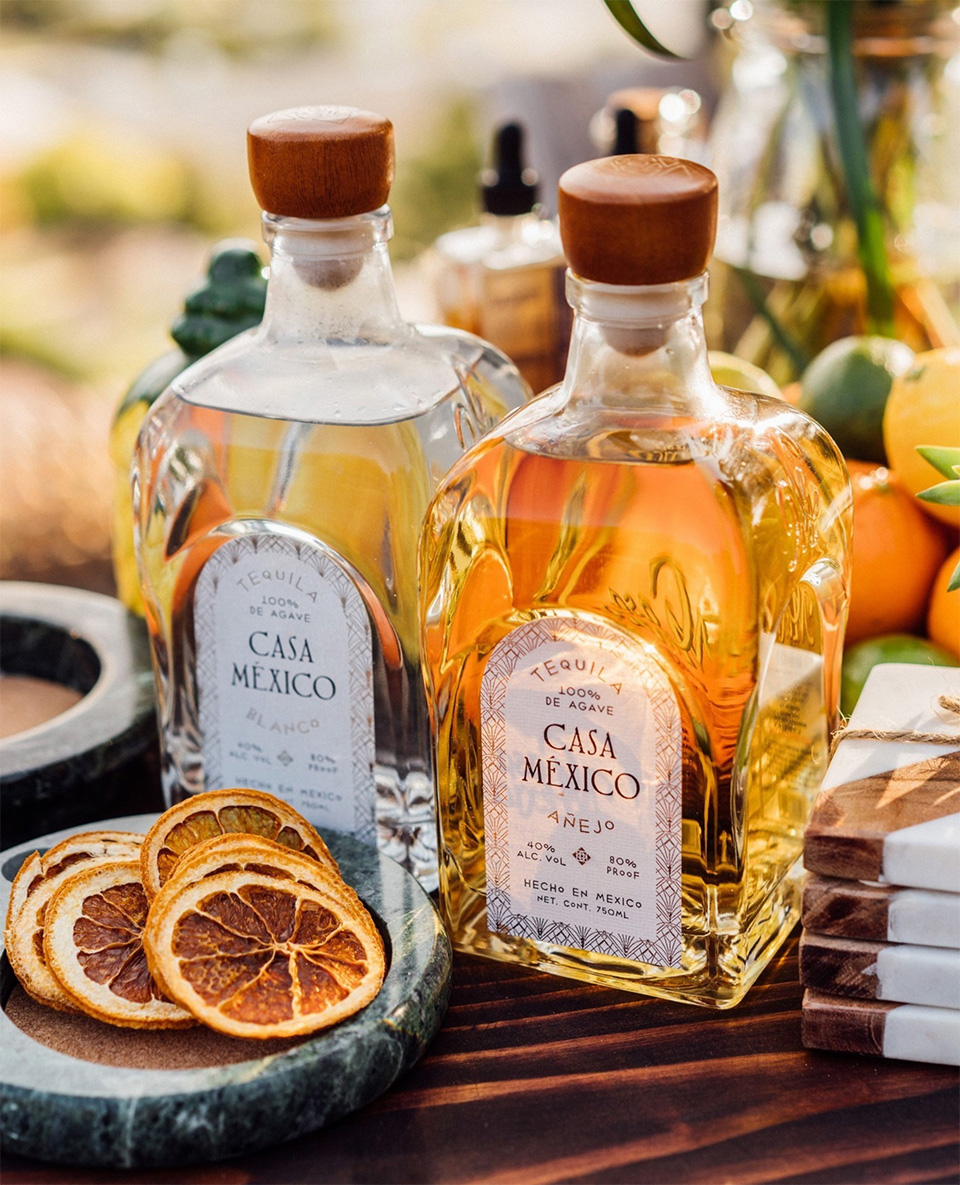
Blanco tequila is usually the least expensive, followed by Reposado tequila, then Añejo tequila. Blanco reaches the market soon after distillation without extended barrel aging, reducing storage expenses. Reposado matures in oak barrels from 2 to 12 months, whereas Añejo matures from 1 to 3 years under Mexican regulations. Longer aging increases production costs, making aged tequila generally more expensive.
Blanco tequila requires fewer production resources after distillation, creating lower manufacturing costs. Reposado tequila requires oak barrels, warehouse space, and longer inventory holding periods before sale. Añejo tequila remains in barrels much longer, increasing storage costs and evaporation losses known as the angel’s share. Aging duration explains much of the price difference across tequila categories, whereas flavor and production differences are explained in Blanco vs Reposado.
Is Aged Tequila Always More Expensive?
Yes, aged tequila is generally more expensive because oak barrel maturation increases production time, storage expenses, and manufacturing costs. Reposado, Añejo, and Extra Añejo tequila remain in barrels for months to years before bottling, delaying product sales and increasing warehouse expenses. Longer maturation creates higher production costs that contribute directly to higher retail prices.
Price still depends on additional factors beyond aging. Blue Weber agave quality, production methods, batch size, packaging, distribution costs, and brand reputation influence the final bottle price. Premium Blanco tequila made from 100% Blue Weber agave occasionally costs more than an entry-level Reposado tequila because craftsmanship and raw material quality remain major pricing factors. Barrel aging remains one of the strongest reasons aged tequila commands higher prices.
Why Are Some Tequila Brands So Expensive?
Some tequila brands cost more because of production quality, barrel aging, premium ingredients, brand reputation, and limited production increase manufacturing costs. Tequila made from 100% Blue Weber agave requires a higher raw material investment than mix-to tequila. Reposado, Añejo, and Extra Añejo tequila require extended oak barrel aging, adding storage costs and reducing available inventory. Premium packaging, handcrafted production, and strict quality standards contribute further to higher retail prices.
Limited production increases value because fewer bottles reach the market from each batch. Skilled jimadores, traditional production methods, and careful quality control require additional labor throughout the manufacturing process. Growing global demand and limited Blue Weber agave supplies raise production expenses across premium tequila categories. Premium craftsmanship, authentic ingredients, and regulated production standards explain the market position of Casa Mexico Tequila.
Why Do Luxury Tequilas Cost So Much?
Luxury tequilas cost so much because premium production methods, extended aging, limited production, and luxury branding increase manufacturing costs. Don Julio 1942 reflects the category through extended barrel maturation, high-quality Blue Weber agave, careful production standards, and premium presentation. Longer production cycles and lower bottle output increase the cost of each release before distribution.
Extended oak barrel aging increases storage expenses and reduces available inventory. Premium glass bottles, handcrafted packaging, strict quality control, and limited production batches add further manufacturing costs. Brand reputation, collector demand, and exclusive positioning add value beyond production costs. Combined production quality, aging, and luxury branding place Don Julio 1942 among the higher-priced tequilas.
Is Premium Branding Part of the Higher Price?
Yes, premium branding is part of the higher price because brand reputation influences product positioning alongside production quality. Premium tequila brands invest in handcrafted bottles, premium packaging, marketing, product consistency, and strict quality control. Higher operating costs contribute to higher retail prices across premium product lines.
Branding alone does not determine tequila value. Blue Weber agave quality, traditional production methods, barrel aging, batch size, and compliance with standards established by the Tequila Regulatory Council remain major pricing factors. Premium branding adds value beyond production costs, resulting in higher prices for tequila that combines craftsmanship, authenticity, and established market recognition.
How Do Bottles and Limited Editions Increase Cost?
Bottles and limited editions increase cost by adding premium packaging, specialized manufacturing, and exclusive product development expenses. Custom glass bottles, handcrafted details, decorative closures, and presentation boxes require higher material and production costs than standard packaging. Limited-edition releases involve smaller production runs, increasing the manufacturing cost per bottle. Rare releases and custom designs create exclusivity that supports higher selling prices.
Luxury presentation extends beyond the tequila itself through collectible packaging and exclusive distribution. Premium brands invest in unique bottle molds, artistic collaborations, numbered releases, and luxury presentation that increase production and marketing expenses. Limited availability creates stronger collector demand, raising retail prices across special editions. Combined production costs, exclusive packaging, and limited supply justify higher prices for premium tequila releases.
How Can Premium Packaging Raise the Price Without Improving Quality?
Premium packaging raises the price without improving tequila quality because decorative presentation increases production and marketing costs rather than changing the liquid inside the bottle. Luxury glass bottles, handcrafted stoppers, premium labels, presentation boxes, and custom bottle designs require higher manufacturing expenses. The tequila remains unchanged when the packaging alone differs.
Luxury packaging creates a stronger perception of exclusivity and collectability. Limited edition bottles, artist collaborations, engraved glass, and gift presentation increase consumer appeal without altering production methods, Blue Weber agave quality, fermentation, distillation, or barrel aging. Buyers pay higher prices for visual presentation, rarity, and brand image even when the tequila quality remains the same.
Does Packaging Affect the Price of Tequila?
Yes, packaging affects the price of tequila because premium bottles, decorative labels, handcrafted closures, and luxury presentation increase manufacturing and marketing costs. Custom glass molds, presentation boxes, engraved bottles, and collectible packaging require additional materials and production processes. Higher packaging expenses contribute directly to higher retail prices.
Packaging does not change the tequila itself. Blue Weber agave quality, fermentation, distillation, and barrel aging determine the character of the spirit inside the bottle. Luxury presentation increases perceived value and collector appeal, creating higher prices even when tequila quality remains unchanged.
How Can You Tell if an Expensive Tequila Is Worth Buying?
An expensive tequila is worth buying when production quality, aging, and craftsmanship justify the higher price. Tequila produced from 100% Blue Weber agave delivers greater authenticity than mixed-to-tequila because the spirit relies entirely on agave sugars. Barrel aging, traditional production methods, and consistent quality control contribute additional value beyond premium packaging or brand image.
Production details provide a stronger measure of value than price alone. Reposado, Añejo, and Extra Añejo tequila require extended oak barrel maturation, which increases production costs due to storage and evaporation losses. A trusted producer, compliance with standards established by the Tequila Regulatory Council, small-batch production, and transparent labeling indicate higher production quality. Combined production methods, authentic ingredients, and aging help determine whether the price is justified.
What Should You Look for Before Paying More?
Higher tequila prices warrant careful evaluation before purchase, as ingredients, aging, craftsmanship, and brand reputation determine long-term value. Tequila produced from 100% Blue Weber agave delivers greater authenticity than mixed-to-tequila. Reposado, Añejo, and Extra Añejo tequila require additional barrel aging, which increases production costs due to extended maturation and storage.
Production quality provides a stronger measure of value than packaging or price alone. Traditional production methods, skilled craftsmanship, compliance with standards established by the Tequila Regulatory Council, and consistent product quality indicate a well-made tequila. Flavor profile, aging category, production methods, and producer reputation deserve comparison before paying a premium for an expensive bottle.
Should You Buy Expensive Tequila for Everyday Drinking?
No, expensive tequila is not necessary for everyday drinking, as premium pricing reflects extended aging, limited production, luxury packaging, and collector appeal rather than everyday practicality. Blanco tequila and many Reposado tequilas produced from 100% Blue Weber agave deliver excellent quality at a lower price. Production quality matters more than the highest price tag.
Premium tequila suits special occasions, slow sipping, and appreciation of barrel-aged expressions. Flavor preference, production methods, aging category, and craftsmanship provide better measures of value than price alone. A well-produced tequila from a trusted producer delivers strong quality without requiring the highest-priced bottle.