EN
EN ES
ES PL
PL TR
TR
Different types of alcohol describe a group of chemical compounds defined by the presence of a hydroxyl group bonded to carbon atoms. The different types of alcohol serve various purposes for human use. Alcohol in everyday context refers to ethanol, the intoxicating substance in alcoholic beverages (beer, wine, spirits, liqueurs) that affects the nervous system and behavior when consumed.
Chemistry recognizes several major forms of alcohol (ethanol, methanol, isopropyl alcohol, industrial alcohols) representing the most widely known categories. Additional variants exist in laboratory and manufacturing use. Not all alcohols are drinkable, since several types serve industrial, medical, or chemical purposes and pose serious health risks when ingested.
Beer types describe the classification of beer based on fermentation method, ingredients, flavor profile, and regional brewing tradition. The list organizes styles into clear categories that explain differences in yeast behavior, malt usage, hop intensity, color, and alcohol strength.
Lager
Lager ranks among the most consumed beer styles globally, recognized for its crisp, clean taste and smooth finish. Brewers create lagers through a cold fermentation process that produces a refined, balanced beverage with minimal fruity esters or harsh flavors. The style originated in Central Europe during the 15th century and has since evolved into numerous substyles.
Lagers dominate the global beer market, accounting for approximately 90% of worldwide beer consumption. The style’s popularity stems from its approachable flavor profile, exceptional drinkability, and consistent quality across batches.
Brewing Process
Brewers ferment lagers at temperatures between 45°F and 55°F using bottom-fermenting yeast strains (Saccharomyces pastorianus). The cold fermentation process typically extends 3–4 weeks, significantly longer than ales. Brewers transfer the beer to cold storage tanks for lagering, a conditioning phase lasting several weeks to several months at near-freezing temperatures. The extended cold storage allows proteins and yeast to settle, producing exceptional clarity and smoothness. Water chemistry plays a crucial role, with soft water preferred for lighter styles and harder water suited for darker variants. The grain bill typically consists of pale malts with occasional additions of specialty malts for color and flavor complexity.
Specifications
- AppearanceLight golden to deep amber, crystal clear with white to off-white foam head
- AromaClean, malty sweetness with subtle hop presence and minimal fruity notes
- TasteCrisp, refreshing, balanced with mild malt sweetness and gentle hop bitterness
- ABV4% to 6%
Popular Examples
- Pilsner UrquellThe original Czech pilsner
- Stella ArtoisBelgian pale lager
- BudweiserAmerican-style lager
- HeinekenDutch pale lager
Ale
Ale represents one of the oldest beer categories, distinguished by warm fermentation and top-fermenting yeast that creates complex flavor profiles. Brewers have produced ales for thousands of years, predating lagers by centuries. The style encompasses a vast spectrum of substyles, from pale golden ales to dark, roasty varieties.
Ales exhibit more pronounced fruity and spicy characteristics compared to lagers due to the warmer fermentation temperatures. The category includes some of the most flavorful and diverse beer styles available. Global ale consumption has grown significantly in recent decades, driven by craft beer movements in North America, Europe, and beyond.
Meet Our Maestra Tequilera
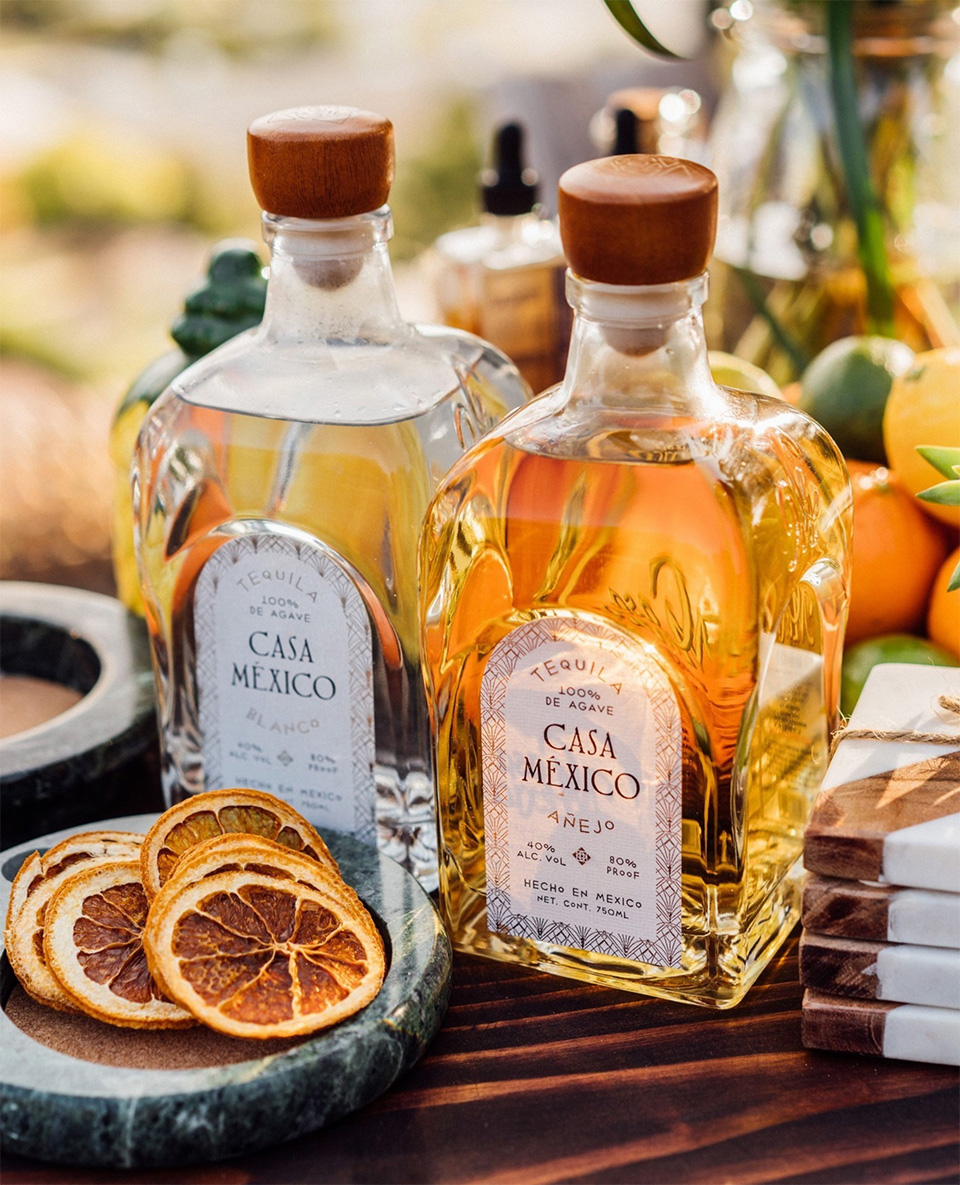
Casa México Tequila is crafted under the guidance of world-renowned Maestra Tequilera Ana María Romero Mena. With decades of experience creating acclaimed tequilas and mentoring future generations of distillers, she brings both deep tradition and thoughtful innovation to the brand. From agave selection to distillation and aging, her expertise ensures every expression reflects authenticity, precision and exceptional quality.

Brewing Process
Brewers ferment ales at temperatures between 60°F and 75°F using top-fermenting yeast strains (Saccharomyces cerevisiae). The warmer temperatures encourage the yeast to produce fruity esters and spicy phenols, contributing to the beer’s characteristic flavor complexity. Fermentation completes within 7 to 10 days, much faster than lager fermentation. Ales are conditioned for 1 to 3 weeks after fermentation, though some styles require extended aging. The grain bill varies widely depending on the substyle, ranging from pale malts in lighter ales to heavily roasted malts in darker varieties. Hop additions vary across ale styles, with some barely hopped and others intensely bitter. Different ale styles allow for creative experimentation with adjuncts (fruit, spices, herbs, coffee).
Specifications
- AppearancePale gold to opaque black, clear to hazy depending on style
- AromaFruity esters (apple, pear, banana), spicy phenols, malt character varies by style
- TasteComplex, fruity, fuller-bodied with varying levels of sweetness and bitterness
- ABV3% to 12%+
Popular Examples
- Sierra Nevada Pale AleAmerican pale ale
- Fuller’s London PrideEnglish bitter ale
- Chimay BlueBelgian strong dark ale
- Samuel Smith’s Nut Brown AleEnglish brown ale
Stout
Stout is a dark, rich beer style derived from porter, characterized by roasted malt flavors and a creamy mouthfeel. The style emerged in 18th-century London when brewers created stronger, stouter versions of porter. Stouts range from dry Irish styles to sweet milk stouts and intensely roasted imperial variants.
The dark color comes from heavily roasted barley, which imparts coffee and chocolate notes. Stouts contain moderate alcohol levels and remain surprisingly drinkable, despite their dark appearance. The style has experienced a renaissance in craft brewing, with brewers producing innovative variants aged in barrels, infused with coffee, or brewed with unusual ingredients.
Brewing Process
Brewers create stouts using a base of pale malt supplemented with roasted barley, black malt, or chocolate malt to achieve the signature dark color and roasted flavor. Fermentation occurs at ale temperatures (60°F to 70°F) using top-fermenting yeast. The roasted grains contribute bitter, coffee-like flavors that balance the malt sweetness. Nitrogen is used for carbonation in certain styles (dry Irish stout), creating a smooth, creamy texture with a dense, cascading foam head. Some variants incorporate lactose (milk stout) for residual sweetness and body, while others add oats for silky smoothness. Imperial stouts undergo extended conditioning to mellow their high alcohol content and develop complex flavor profiles. Barrel aging in whiskey or bourbon barrels has become popular for stronger stout variants.
Specifications
- AppearanceOpaque black to dark brown with tan to brown creamy head
- AromaRoasted coffee, dark chocolate, caramel, sometimes smokiness
- TasteRich, creamy, roasted with coffee and chocolate notes, dry to sweet finish
- ABV4% to 12%+
Popular Examples
- Guinness DraughtDry Irish stout
- Left Hand Milk StoutSweet stout
- Founders Breakfast StoutCoffee stout
- Goose Island Bourbon County StoutImperial stout
Porter
Porter is a dark, malty beer style that predates stout and shares many similar characteristics, but presents a lighter body and less intense roast character. The style originated in early 18th-century London, becoming the first beer style produced on an industrial scale. Porters range from brown to black in color and emphasize malt complexity over roasted bitterness.
The style nearly disappeared by the mid-20th century but experienced a revival through craft brewing movements. Modern porters occupy a niche between brown ales and stouts, offering chocolate and caramel notes without overwhelming roast intensity. The style remains popular among craft brewers who appreciate its balance and versatility.
Brewing Process
Brewers produce porters using a grain bill of pale malt combined with crystal, chocolate, and black malts in smaller proportions than stouts. Fermentation occurs at standard ale temperatures (60°F to 70°F) using top-fermenting yeast. The brewing process emphasizes malt complexity rather than roasted intensity, achieving a balance between sweet caramel notes and subtle roast character. Brewers add brown malt to create authentic historical flavor profiles. The mashing process typically occurs at slightly higher temperatures to produce more residual sweetness and body. Conditioning lasts 2–4 weeks, allowing flavors to integrate and mellow. Modern variations are smoked porters, Baltic porters, and robust American porters with increased hop presence.
Specifications
- AppearanceBrown to black, generally clearer than stouts with tan head
- AromaChocolate, caramel, toffee, mild roasted notes, subtle hops
- TasteMalty, chocolatey, balanced sweetness with moderate bitterness
- ABV4% to 6.5%
Popular Examples
- Fuller’s London PorterEnglish porter
- Anchor PorterAmerican porter
- Deschutes Black Butte PorterAmerican porter
- Founders PorterRobust American porter
Wheat Beer
Wheat beer is a refreshing, often cloudy beer style brewed with a significant proportion of wheat in addition to barley malt. The style exists in multiple traditions (German weissbier/hefeweizen, Belgian witbier). Wheat contributes a smooth, creamy texture and distinctive protein haze. German wheat beers showcase banana and clove flavors from the yeast, while Belgian versions incorporate coriander and orange peel.
The style has gained worldwide popularity due to its light, refreshing character and approachability. Wheat beers serve as excellent warm-weather beverages and appeal to drinkers seeking less bitter beer options. The unfiltered nature of traditional wheat beers gives them a distinctive cloudy appearance and fuller mouthfeel.
Brewing Process
Brewers produce wheat beers using 40% to 70% wheat malt combined with barley malt. German hefeweizens ferment with specialized yeast strains that produce banana (isoamyl acetate) and clove (4-vinyl guaiacol) flavors at warmer temperatures (68°F to 75°F). Belgian witbiers incorporate coriander seeds and dried orange peel during brewing, adding citrus and spice notes. The high protein content from wheat creates a characteristic haze, and most traditional styles remain unfiltered. A decoction mash or step mash helps break down the wheat proteins and improve clarity slightly. Primary fermentation completes in 7 to 10 days, followed by brief conditioning. German wheat beers are bottle-conditioned, retaining yeast sediment that drinkers swirl into the beer before pouring. American wheat beers often use cleaner yeast strains, producing less fruity character.
Specifications
- AppearancePale straw to golden, cloudy with thick white head
- AromaBanana, clove, citrus, bread, sometimes coriander and orange
- TasteSmooth, creamy, slightly sweet with fruity and spicy notes
- ABV4.5% to 5.5%
Popular Examples
- Paulaner Hefe-WeizenGerman hefeweizen
- HoegaardenBelgian witbier
- Weihenstephaner HefeweissbierGerman hefeweizen
- Allagash WhiteAmerican witbier
Pilsner
Pilsner is a pale, golden lager style known for its crisp, clean taste and prominent hop bitterness, originating in the Czech city of Plzeň in 1842. The style revolutionized brewing by combining pale malts, soft water, Saaz hops, and cold fermentation to create a brilliantly clear, refreshing beer. Pilsner has become one of the most imitated beer styles globally, spawning German, American, and international variations.
Czech pilsners emphasize malt complexity and noble hop character, while German pilsners showcase drier profiles with more assertive bitterness. The style’s popularity stems from its exceptional drinkability, golden appearance, and balanced flavor profile. Pilsner remains the foundation for most mass-market lagers worldwide.
Brewing Process
Brewers create pilsners using exclusively pale malts and soft water low in mineral content. Czech pilsners undergo a decoction mashing process that creates rich malt complexity and a slightly darker golden color. German pilsners use single-infusion mashes, producing lighter colors and crisper profiles. Fermentation occurs at cold temperatures (48°F–55°F) using bottom-fermenting lager yeast. Noble hops (Saaz, Hallertau, Tettnang) provide floral, spicy bitterness through multiple additions during the boil. Extended lagering at near-freezing temperatures lasts 4 to 8 weeks, creating exceptional clarity and smoothness. Czech pilsners use open fermentation vessels, while modern production employs closed cylindroconical tanks. The brewing water chemistry significantly impacts the final character, with Czech pilsners benefiting from very soft water that allows hop flavors to shine.
Specifications
- AppearancePale straw to rich gold, brilliantly clear with dense white head
- AromaFloral, spicy hops, bready malt, clean fermentation profile
- TasteCrisp, clean, balanced malt sweetness with pronounced noble hop bitterness
- ABV4.5% to 5.5%
Popular Examples
- Pilsner UrquellCzech pilsner
- Bitburger Premium PilsGerman pilsner
- Warsteiner Premium VerumGerman pilsner
- Victory Prima PilsAmerican pilsner
IPA (India Pale Ale)
India pale ale (IPA) is a hop-forward ale style renowned for its pronounced bitterness, aromatic hop character, and higher alcohol content. The style originated in 18th-century England when brewers created heavily hopped, strong ales to survive the long voyage to British colonial India. Modern IPAs have evolved dramatically through American craft brewing innovations that introduced bold citrus, pine, and tropical fruit hop flavors.
The style has become synonymous with craft beer culture and dominates taproom offerings worldwide. IPAs range from traditional English versions emphasizing earthy, floral hops to intensely aromatic New England-style hazy IPAs to assertively bitter West Coast IPAs. The category continues expanding with substyles (session IPA, double IPA, black IPA, Belgian IPA).
Brewing Process
Brewers produce IPAs using a pale malt base that provides a neutral canvas for hop character. American IPAs typically employ American hop varieties (Cascade, Centennial, Citra, Mosaic) that impart citrus, pine, and tropical fruit flavors. Fermentation occurs at standard ale temperatures (65°F to 70°F) using clean, neutral yeast strains that allow hops to dominate. Dry hopping maximizes aroma while minimizing bitterness. West Coast IPAs feature aggressive hop additions throughout the boil, creating firm bitterness and clarity. New England IPAs incorporate later hop additions, wheat or oats for haziness, and softer water profiles, producing juicy, fruit-forward beers with lower perceived bitterness. Double IPAs employ higher malt bills and extended boils to achieve elevated alcohol levels while maintaining balance. Brewers use hop extracts or specialized products to achieve desired flavor profiles efficiently.
Specifications
- AppearanceGolden to amber, clear to hazy, depending on substyle
- AromaIntense hops: citrus, pine, tropical fruit, floral, resinous
- TasteHop-forward, bitter to balanced, fruity with malt backbone supporting hop flavors
- ABV5.5% to 7.5% (higher for double/imperial variants)
Popular Examples
- Bell’s Two Hearted AleAmerican IPA
- Stone IPAWest Coast IPA
- Dogfish Head 60 Minute IPAAmerican IPA
- Lagunitas IPAAmerican IPA
Wine types categorize wine according to grape variety, production method, sweetness level, and aging approach. The list explains structural differences in acidity, tannin presence, aroma profile, color, and alcohol concentration.
Red Wine
Red wine is made from dark-colored grape varieties, known for complex flavors, tannins, and aging potential. Winemakers extract color, flavor compounds, and tannins from grape skins during fermentation, creating wines ranging from light and fruity to full-bodied and structured.
Red wine dominates global wine consumption, accounting for 55% of all wine sales worldwide. The style encompasses hundreds of grape varieties grown across every wine-producing region, from Bordeaux to Napa Valley to Mendoza. Red wines pair exceptionally well with rich foods, red meats, and aged cheeses due to their tannic structure and bold flavors.
Production Process
Winemakers harvest red grapes at optimal ripeness, then destem and crush the fruit to release juice. The grape must (juice, skins, seeds) ferments together in large vessels, with skins remaining in contact for several days to several weeks, depending on desired extraction levels. Yeast converts grape sugars into alcohol during fermentation. The skins release anthocyanins, tannins, and flavor compounds into the developing wine. Temperature control during fermentation maintains optimal ranges (75°F to 85°F) to extract desired characteristics without creating harsh flavors.
Wine undergoes pressing to separate the liquid from the solid matter. Red wines proceed through malolactic fermentation, where bacteria convert sharp malic acid into softer lactic acid, creating a rounder mouthfeel. Aging occurs in oak barrels (French, American, Hungarian) or neutral vessels (stainless steel, concrete) for months to years, developing complexity and integrating tannins.
Specifications
- Color RangeLight ruby to deep purple-black
- Serving Temp60 to 65°F
- Aging Potential1 to 50+ years, depending on the wine
- ABV12% to 15%
Major Varieties
- Cabernet SauvignonFull-bodied, black currant, cedar, firm tannins, excellent aging potential
- MerlotMedium to full-bodied, plum, chocolate, softer tannins, approachable
- Pinot NoirLight to medium-bodied, red berries, earthy, silky texture, transparent color
- MalbecFull-bodied, dark fruit, velvety, moderate tannins, inky color
- Syrah/ShirazFull-bodied, blackberry, pepper, smoky, powerful structure
- TempranilloMedium to full-bodied, cherry, leather, balanced acidity
White Wine
White wine is produced primarily from green-skinned grapes, characterized by a lighter body, crisp acidity, and refreshing flavors. Winemakers ferment white wine without prolonged skin contact, resulting in pale colors ranging from nearly clear to deep gold.
White wine accounts for 45% of global wine consumption and has gained popularity in warmer climates due to its refreshing qualities. The style encompasses an enormous range from bone-dry Chablis to lusciously sweet Sauternes, from light Pinot Grigio to rich, oaked Chardonnay. White wines pair excellently with seafood, poultry, light pasta dishes, and fresh cheeses.
Production Process
Winemakers harvest white grapes at optimal ripeness levels, prioritizing acid retention to maintain freshness. The grapes undergo immediate crushing and pressing to separate juice from skins quickly, minimizing phenolic extraction. The clarified juice settles in tanks where solids precipitate out before fermentation begins. Fermentation occurs at cool temperatures (50°F to 65°F) in temperature-controlled stainless steel tanks or oak barrels, preserving delicate aromatics and preventing harsh flavors.
Yeast converts sugars into alcohol over 2 to 4 weeks, producing wines with bright fruit character and crisp acidity. Styles undergo malolactic fermentation to soften acidity and add buttery notes, particularly oaked Chardonnays. Aging occurs in stainless steel for fresh, fruit-forward styles or oak barrels for richer, more complex wines. Lees stirring (bâtonnage) adds texture and depth to certain styles.
Specifications
- Color RangePale straw to deep gold
- Serving Temp45 to 55°F
- Aging Potential1 to 30+ years, depending on the wine
- ABV10% to 14%
Major Varieties
- ChardonnayMedium to full-bodied, apple, butter, vanilla (when oaked), versatile
- Sauvignon BlancLight to medium-bodied, citrus, grass, herbs, crisp acidity
- RieslingLight to medium-bodied, stone fruit, floral, high acidity, petrol notes when aged
- Pinot Grigio/Pinot GrisLight-bodied, pear, lemon, mineral, refreshing
- GewürztraminerMedium-bodied, lychee, rose petals, spice, aromatic
- ViognierMedium to full-bodied, apricot, honeysuckle, rich texture
Rosé
Rosé is a pink-hued wine made from red grapes with limited skin contact, combining the refreshing qualities of white wine with subtle red fruit flavors. The style has experienced explosive growth in global consumption since 2010, with Provence rosés leading the category’s premium segment.
Rosé production occurs in virtually every wine region worldwide, from dry Provençal styles to sweeter White Zinfandel versions. The color intensity ranges from pale salmon to deep pink, depending on grape variety, skin contact duration, and production method. Dry rosé has become synonymous with warm-weather drinking and outdoor dining.
Production Process
Winemakers produce rosé through several distinct methods, each yielding different quality levels and flavor profiles. The direct press method involves crushing red grapes and immediately pressing them, allowing minimal skin contact (2 to 6 hours) before fermenting the slightly pink juice like white wine. The maceration method (saignée or bleeding) allows crushed red grapes to sit with skins for 12 to 24 hours, extracting color and flavor before draining off the pink juice for separate fermentation.
Fermentation occurs at cool temperatures (55°F–65°F) in stainless steel tanks to preserve delicate fruit character and maintain refreshing acidity. Rosés finish fermentation completely dry, though regions produce off-dry styles. Winemakers avoid oak aging and malolactic fermentation to maintain brightness and fruit purity. The wines are filtered, stabilized, and bottled within months of harvest to capture maximum freshness.
Specifications
- Color RangePale salmon to deep pink
- Serving Temp45 to 55°F
- Aging PotentialDrink within 1 to 3 years for optimal freshness
- ABV11% to 13%
Major Varieties
- Provence RoséPale salmon, delicate red berries, herbs, mineral, bone dry
- Tavel RoséDeep pink, strawberry, spice, fuller-bodied, structured
- White ZinfandelMedium pink, sweet, candy-like fruit, light-bodied
- Spanish RosadoMedium pink, watermelon, crisp acidity, refreshing
- Italian RosatoCoral pink, citrus, herbs, savory notes, food-friendly
Sparkling Wine
Sparkling wine is a carbonated wine category characterized by persistent bubbles created through secondary fermentation. The style has different varieties (Champagne, Prosecco, Cava).
Global sparkling wine consumption has grown steadily, representing 8% of total wine sales and associated with celebrations, special occasions, and luxury lifestyles. Production methods range from traditional méthode champenoise (secondary fermentation in bottle) to tank method (Charmat process) to simple carbonation injection. Quality sparkling wines develop complex flavors through extended aging on lees (spent yeast cells), creating brioche, toast, and nutty characteristics.
Production Process
Winemakers create the base wine (cuvée) through standard still wine production, blending multiple grape varieties, vineyards, and vintages to achieve desired characteristics. The traditional method involves bottling the base wine with added sugar and yeast (liqueur de tirage), triggering secondary fermentation inside sealed bottles. The trapped carbon dioxide dissolves into the wine, creating natural effervescence.
Riddling gradually rotates bottles upside-down, consolidating lees in the neck. Disgorgement freezes the neck, expelling the frozen lees plug when the bottle opens. Winemakers add dosage (sugar and wine mixture) to adjust sweetness levels before final corking. The tank method (Charmat/Prosecco method) conducts secondary fermentation in pressurized tanks, preserving fresh fruit character and reducing production costs. The wine is filtered and bottled under pressure.
Specifications
- Color RangePale straw to deep gold (white), pale pink to copper (rosé)
- Serving Temp43 to 50°F
- Aging Potential1 to 30+ years for vintage Champagne
- ABV10% to 13%
Major Varieties
- ChampagneComplex, yeast-driven, fine bubbles, toast, brioche, high acidity
- ProseccoFresh, fruity, apple, pear, floral, softer bubbles, approachable
- CavaCrisp, citrus, almond, mineral, traditional method, excellent value
- CrémantVarious French regions, traditional method, diverse styles, elegant
- SektGerman sparkling, Riesling-based, crisp acidity, floral notes
Dessert Wine
Dessert wine is a sweet wine category designed for consumption with or as dessert, characterized by concentrated sugars, intense flavors, and often higher alcohol levels. Winemakers employ various techniques to achieve residual sweetness: late harvest, noble rot infection, drying grapes, freezing grapes, or fortification.
The category covers some of the world’s most expensive and age-worthy wines. Certain Sauternes, Tokaji, and German Trockenbeerenauslese bottles command premium prices. Dessert wine consumption represents a small percentage of global wine sales but maintains devoted followings in traditional wine regions. Styles range from delicately sweet to intensely concentrated, from light-bodied Moscato to rich, viscous Sauternes.
Production Process
Late harvest wines require grapes to remain on vines weeks past normal harvest, concentrating sugars through dehydration. Noble rot wines (Sauternes, Tokaji) depend on Botrytis cinerea fungus infection, which punctures grape skins, causing water evaporation while concentrating sugars and creating unique honeyed flavors. Pickers harvest affected grapes in multiple passes, selecting only properly botrytized berries. Ice wine production leaves grapes on vines until temperatures drop below 17°F, freezing the water content. Winemakers press grapes while frozen, extracting intensely sweet, concentrated juice.
Passito wines involve drying grapes on straw mats or hanging them in ventilated rooms for weeks to months, concentrating sugars through dehydration. Fermentation proceeds slowly at cool temperatures, stopping naturally when rising alcohol levels inhibit yeast activity, leaving substantial residual sugar. Aging occurs in oak barrels or stainless steel for months to years. Extended bottle aging develops remarkable complexity in top examples.
Specifications
- Color RangePale gold to deep amber
- Serving Temp43 to 50°F
- Aging Potential5 to 100+ years for top examples
- ABV8% to 15%
Major Styles
- SauternesIntensely sweet, honeyed, apricot, complex botrytis character, luscious
- Tokaji AszúSweet, dried apricot, honey, orange peel, high acidity, long finish
- Ice WineIntensely concentrated, tropical fruit, honey, high acidity, expensive
- Moscato d’AstiLightly sweet, grapey, floral, low alcohol, gentle bubbles
- Vin SantoSweet, nutty, dried fruit, oxidative, amber color, concentrated
Fortified Wine (Port, Sherry)
Fortified wine is a category where winemakers add distilled spirits (typically grape brandy) during or after fermentation, raising alcohol levels to 15–22%. The added alcohol halts fermentation when added mid-process, preserving residual sugar in styles like Port.
Fortified wines originated as practical solutions for stabilizing wines during long sea voyages, developing into distinct regional specialties. Port from Portugal’s Douro Valley and Sherry from Spain’s Jerez region dominate the category, though Madeira, Marsala, and various regional styles exist worldwide. The category offers exceptional value, with aged examples providing complexity rivaling vintage wines at lower prices.
Production Process
Port production begins with red grape varieties (Touriga Nacional, Touriga Franca, Tinta Roriz) grown on steep Douro Valley terraces. Grapes undergo crushing and brief skin contact in lagares (shallow granite tanks), where foot treading extracts color and tannins efficiently.
Fermentation proceeds for 2 to 3 days before winemakers add aguardente (grape spirit) at 77% alcohol, halting fermentation and preserving natural grape sweetness. The fortified wine ages in wooden barrels or oak casks, developing complexity over the years. Ruby Ports age briefly in large casks, maintaining fruit character and deep color. Tawny Ports age extensively in smaller barrels, oxidizing gradually and developing nutty, caramel flavors.
Specifications
- Color RangePale straw (Fino) to deep mahogany (Tawny Port)
- Serving Temp55 to 65°F depending on style
- Aging Potential10 to 100+ years for Vintage Port
- ABV15% to 22%
Major Styles
- Ruby PortSweet, red fruit, chocolate, full-bodied, youthful, affordable
- Tawny PortSweet, caramel, nuts, dried fruit, oxidized, complex, aged
- Vintage PortVery sweet, black fruit, powerful tannins, age-worthy, prestigious
- Fino SherryBone dry, yeasty, almond, saline, delicate, chilled serving
- Oloroso SherryDry to sweet, walnut, dried fruit, oxidized, rich, warming
- Pedro XiménezIntensely sweet, raisin, fig, molasses, syrupy, dessert wine
Spirits categorize distilled alcoholic beverages based on base ingredients, distillation method, aging practice, and flavor structure. The classification explains differences in alcohol concentration, aroma intensity, mouthfeel, and taste profile across categories (whiskey, vodka, rum, gin, tequila, brandy).
Whiskey
Whiskey is a distilled spirit made from fermented grain mash, aged in wooden casks. The spelling varies by origin: “Whiskey” in Ireland and the United States, “whisky” in Scotland, Canada, and Japan.
Whiskey accounts for approximately 25% of global spirits consumption and has experienced significant growth in premium segments. Aging in oak barrels imparts color, flavor, and complexity, distinguishing whiskey from unaged grain spirits. The category encompasses diverse styles from smoky Islay Scotch to sweet bourbon to smooth Irish whiskey.
Production Process
Grain selection forms the foundation, with barley, corn, rye, and wheat used in various combinations. Malting converts grain starches into fermentable sugars through controlled germination and drying. Mashing mixes ground grain with hot water, extracting sugars to create wort. Yeast fermentation converts sugars to alcohol over several days, producing wash. Distillation in pot stills or column stills concentrates alcohol and develops flavor compounds through multiple passes.
The clear spirit enters oak barrels for aging, where it interacts with wood, extracting vanillins, tannins, and color. Aging duration varies from three years minimum to decades, with longer aging producing more complex spirits. Blending combines multiple barrels or whiskey types to achieve consistent house styles. Water dilution prepares whiskey for bottling at desired proof.
Specifications
- AppearancePale gold to deep amber/mahogany
- AromaVanilla, oak, caramel, smoke, fruit, spice
- TasteComplex: sweet, spicy, smoky, fruity, oaky
- ABV40% to 60%
Major Types
- Scotch WhiskyScotland, often peaty/smoky, malty, complex, aged minimum 3 years
- Irish WhiskeyTriple-distilled, smooth, light, approachable, subtle sweetness
- BourbonAmerican, 51% corn minimum, sweet, vanilla, caramel, charred oak
- Japanese WhiskyPrecision craftsmanship, delicate, balanced, refined flavors
- Rye WhiskeySpicy, peppery, dry, bold, 51% rye minimum (American)
- Canadian WhiskyLight, smooth, often blended, subtle flavors
Vodka
Vodka is a clear, neutral distilled spirit traditionally made from grains or potatoes, characterized by its clean taste and versatility. The spirit originated in Eastern Europe during the 8th or 9th century and has become the world’s most consumed spirit category.
Vodka represents 30% of global spirits sales. Modern vodka production emphasizes purity and smoothness through extensive distillation and filtration. The spirit serves as the foundation for countless cocktails due to its neutral character.
Production Process
Raw materials (wheat, rye, corn, potatoes, grapes) undergo fermentation to produce a low-alcohol wash. Column stills distill the wash multiple times (3 to 5 times or more) to achieve high purity and remove congeners. Producers use continuous distillation in tall column stills for maximum efficiency.
Filtration through activated charcoal, quartz sand, or other materials removes remaining impurities and creates smoothness. Water dilution reduces the high-proof distillate to bottling strength, with water quality significantly affecting final character. The spirit receives no aging, maintaining its clear appearance and neutral profile.
Specifications
- AppearanceCrystal clear, colorless
- AromaNeutral, subtle grain or ingredient notes, clean
- TasteSmooth, clean, neutral, slight sweetness, warming finish
- ABV37.5% to 50%
Major Styles
- Russian VodkaTraditional, wheat or rye-based, clean, slightly sweet
- Polish VodkaOften rye-based, subtle spice, smooth, traditional methods
- Western VodkaMaximum purity, ultra-smooth, marketing-driven differentiation
- Flavored VodkaFruit, vanilla, citrus, pepper infusions, cocktail-focused
Rum
Rum is a distilled spirit made from sugarcane byproducts (molasses, sugarcane juice), associated with Caribbean and tropical regions. The spirit originated in 17th-century Caribbean plantations where enslaved workers discovered fermented molasses produced alcohol.
Rum accounts for 15% of global spirits consumption and encompasses enormous stylistic diversity. The category divides into multiple styles based on color, aging, and production methods. Rum remains central to Caribbean culture and economy while serving as the base for classic cocktails.
Production Process
Sugarcane processing creates molasses or fresh sugarcane juice (agricole rum). Water dilutes molasses to the appropriate sugar levels for fermentation. Yeast fermentation converts sugars to alcohol over 24 hours to several weeks, with longer fermentations developing more complex flavors. Pot stills produce heavier, more flavorful rums, while column stills create lighter, cleaner spirits.
Distillate emerges clear from stills regardless of final color. Aging in oak barrels imparts color and flavor, with tropical climates accelerating maturation. Light rums age briefly or not at all. Dark rums age longer and sometimes receive caramel coloring. Spiced rums incorporate spices, vanilla, and flavorings after distillation.
Specifications
- AppearanceClear to deep mahogany brown
- AromaMolasses, vanilla, tropical fruit, caramel, spice
- TasteSweet, fruity, warming, ranging from light to heavy and funky
- ABV37.5% to 50%+
Major Styles
- White/Light RumClear, mild, clean, cocktail-focused, minimal aging
- Gold/Amber RumMedium-bodied, smooth, vanilla, caramel, moderate aging
- Dark RumFull-bodied, rich, molasses, caramel, extended aging
- Spiced RumVanilla, cinnamon, spices added, sweet, versatile
- Rhum AgricoleFrench Caribbean, fresh cane juice, grassy, vegetal, complex
Gin
Gin is a distilled spirit flavored predominantly with juniper berries, along with various botanicals (herbs, spices, fruits). The spirit originated in the Netherlands during the 16th century and evolved into modern gin in England during the 17th century.
Gin represents 8% of global spirits consumption and has experienced explosive growth through craft distilling innovation. The spirit’s defining characteristic is juniper flavor, required by law. Modern gin production emphasizes botanical diversity, with distillers using regional ingredients and unique recipes.
Production Process
Base spirit production begins with neutral grain alcohol distilled to high purity. Botanical selection defines the gin’s character, with juniper berries mandatory and common additions (coriander, angelica root, citrus peel, orris root). The distillation method varies: steeping botanicals in the base spirit before redistillation, vapor infusion, or cold compounding.
London Dry gin requires redistillation with botanicals and no added sweeteners or colorings after distillation. Pot stills or column stills concentrate botanical flavors during distillation. Water dilution reduces the high-proof distillate to bottling strength. Some producers age gin in oak barrels, creating a golden color and additional complexity.
Specifications
- AppearanceCrystal clear (occasionally golden if barrel-aged)
- AromaJuniper-forward, citrus, herbs, spices, floral notes
- TasteBotanical, piney, citrusy, herbal, dry to slightly sweet
- ABV37.5% to 50%
Major Styles
- London Dry GinJuniper-forward, dry, no added sweeteners, classic style
- Plymouth GinSlightly sweeter, less juniper, earthy, protected designation
- Old Tom GinSlightly sweetened, softer, historical style revival
- Contemporary/New Western GinBotanicals beyond juniper emphasized, innovative
- Navy Strength GinHigher proof (57%+), intense flavors, historical style
Tequila
Tequila is a distilled spirit made exclusively from blue agave plants grown in specific Mexican regions, primarily Jalisco state. Mexican law protects tequila as a designation of origin, requiring production within designated areas and a minimum of 51% blue agave content.
The spirit originated in the 16th century when Spanish colonizers applied distillation techniques to fermented agave beverages. Tequila represents 5% of global spirits consumption and has experienced significant premium segment growth. Production requires 7 to 10 years for agave plants to reach maturity before harvest. Mexicans celebrate Tequila history as an integral part of their culture.
Production Process
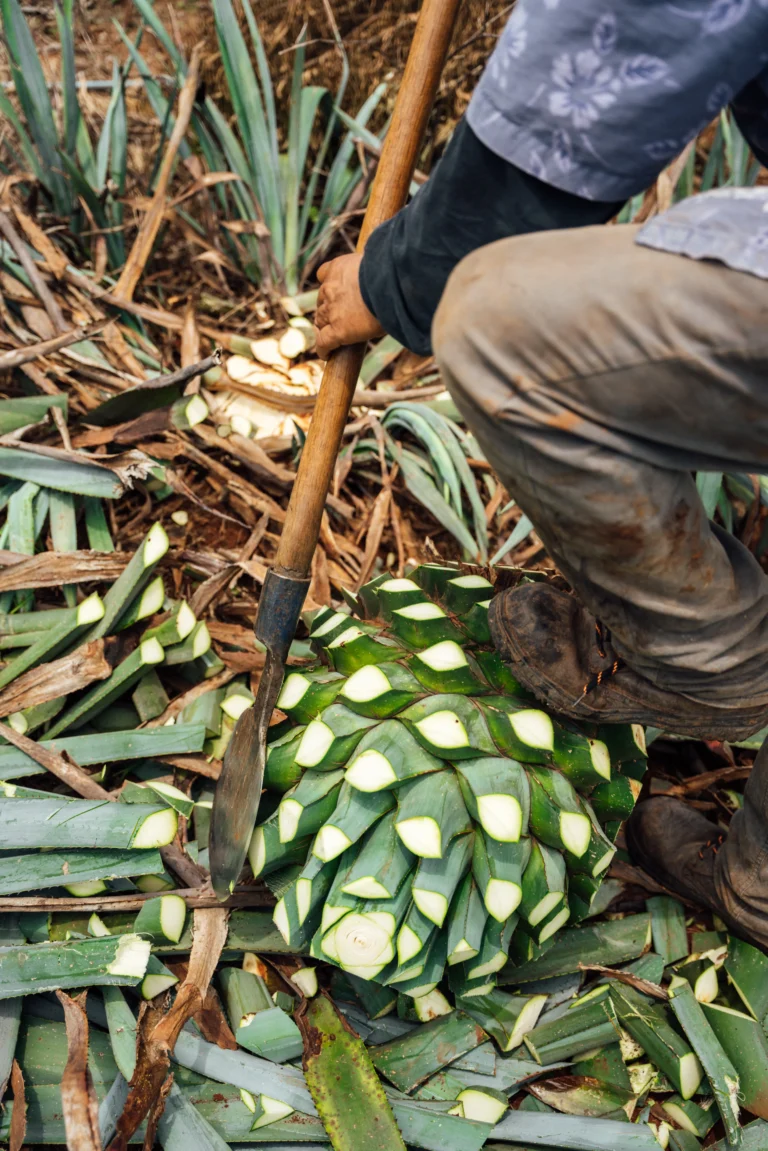
Blue agave plants grow for 7 to 10 years until reaching maturity and optimal sugar content. Jimadores harvest plants by removing leaves and extracting the piña (heart), weighing 40 to 90 pounds. Piñas undergo cooking in traditional stone ovens or modern autoclaves, converting starches to fermentable sugars.
Cooked agave is shredded or crushed to extract sweet juice. Fermentation converts sugars to alcohol over several days using natural or commercial yeasts. Distillation occurs twice in copper pot stills or column stills. Blanco tequila is bottled immediately or rests briefly in stainless steel. Reposado ages 2 to 12 months in oak barrels. Añejo ages 1 to 3 years in oak. Extra añejo ages over 3 years.
Specifications
- AppearanceClear (blanco) to deep amber (extra añejo)
- AromaAgave, citrus, pepper, vanilla, caramel (aged), earthy
- TasteSweet agave, peppery, citrus, smooth to complex depending on aging
- ABV35% to 55%
Major Classifications
- Blanco (Silver)Unaged or rested under 2 months, pure agave flavor, crisp
- ReposadoAged 2–12 months, balanced agave and oak, smooth, golden
- AñejoAged 1–3 years, complex, rich, vanilla, caramel, darker color
- Extra AñejoAged 3+ years, very complex, smooth, whiskey-like, premium
- CristalinoAged then filtered clear, combines smoothness with clarity
Brandy
Brandy is a distilled spirit made from fermented fruit juice, most commonly grapes, aged in oak barrels. The name derives from Dutch “brandewijn” (burnt wine), referring to the distillation process. Brandy represents approximately 7% of global spirits consumption and encompasses styles from around the world.
The spirit originated as a preservation method for wine during long sea voyages. Quality brandies exhibit complexity rivaling fine whiskeys, with extended aging producing exceptional smoothness and depth.
Production Process
Wine production creates the base material through standard grape fermentation, often using specific varieties chosen for distillation. The wine undergoes distillation in pot stills or column stills, with pot stills generally producing more characterful spirits. Double distillation is common, with distillers selecting the heart (middle portion) and discarding heads and tails.
The clear spirit enters oak barrels for aging, where oxidation and wood interaction develop color and complexity. Aging periods range from two years minimum to decades for premium expressions. Blending combines brandies of different ages and barrels to achieve consistent house styles. Water dilution adjusts alcohol levels before bottling.
Specifications
- AppearancePale gold to deep amber/mahogany
- AromaGrape, vanilla, oak, dried fruit, caramel, spice, floral
- TasteSmooth, fruity, warming, complex with oak influence
- ABV35% to 60%
Major Types
- CognacFrench, prestigious, complex, aged in Limousin oak, strictly regulated
- ArmagnacFrench, rustic, single distillation, distinctive character
- Spanish BrandySherry cask-aged, sweet, rich, smooth, approachable
- American BrandyCalifornia-dominant, various styles, often lighter
- PiscoSouth American (Peru, Chile), unaged, grape-forward, clear
Cognac
Cognac is a premium French brandy produced exclusively in the Cognac region of western France under strict regulations. The spirit achieves protected designation of origin status, requiring production within defined areas using specific grape varieties (primarily Ugni Blanc) and traditional methods.
Cognac represents the pinnacle of brandy production, with prestigious houses producing spirits aged for decades. The region is divided into six growing areas, with Grande Champagne and Petite Champagne considered superior. The spirit has become associated with luxury, celebration, and sophistication.
Production Process
Vineyards grow Ugni Blanc grapes in chalky soil that imparts distinctive minerality. Grapes ferment into acidic, low-alcohol wine (7% to 8%), ideal for distillation. Double distillation occurs in traditional copper Charentais pot stills, with distillers making precise cuts to ensure quality. The clear eau-de-vie enters French oak barrels for aging in humid cellars. Minimum aging is two years, but premium Cognacs age much longer.
Evaporation (angels’ share) concentrates flavors while reducing volume significantly. Master blenders combine eaux-de-vie from different years, crus, and barrels to create consistent expressions. Age designations (VS, VSOP, XO) indicate minimum aging of the youngest spirit in the blend.
Specifications
- AppearancePale gold to deep amber
- AromaGrape, vanilla, oak, dried fruit, honey, floral, spice, complex
- TasteSmooth, elegant, complex, fruity, nutty, long finish
- ABV40% to 45%
Age Designations
- VS (Very Special)Minimum 2 years aging, vibrant, fruity, entry-level
- VSOP (Very Superior Old Pale)Minimum 4 years, balanced, smooth, mid-range
- NapoleonBetween VSOP and XO, rich, complex
- XO (Extra Old)Minimum 10 years, very complex, luxurious, smooth
- XXOMinimum 14 years, rare, extremely refined, premium pricing
Scotch
Scotch is whisky produced exclusively in Scotland according to strict legal requirements, aged minimum three years in oak casks. The spirit divides into five categories (Single Malt, Single Grain, Blended Malt, Blended Grain, Blended Scotch).
Scotch represents 10% of global spirits consumption and holds prestigious status worldwide. Regional distinctions (Highlands, Lowlands, Speyside, Islay, Campbeltown, Islands) create diverse flavor profiles from light and floral to heavily peated and smoky.
Production Process
Barley undergoes malting, where controlled germination converts starches to fermentable sugars. Peat smoke exposure during kilning imparts smoky flavors characteristic of Islay and Highland malts, while unpeated malt produces cleaner profiles. Milling grinds dried malt into grist. Mashing mixes grist with hot water, extracting sugars to create wort. Fermentation in wooden or stainless steel washbacks converts sugars to alcohol over 48 to 96 hours.
Distillation occurs twice in copper pot stills (for malt whisky) or continuous column stills (for grain whisky). Still shape significantly affects flavor. The clear new make spirit enters oak casks (primarily ex-bourbon or ex-sherry) for aging minimum three years. Scottish climate allows slow maturation, developing complexity over decades. Blending combines multiple casks or distilleries to achieve house styles.
Specifications
- AppearancePale gold to deep amber
- AromaMalt, peat/smoke (some styles), heather, fruit, sherry, oak, sea salt
- TasteComplex, ranging from light and floral to rich and smoky
- ABV40% to 60%
Major Varieties
- IslayHeavily peated, smoky, medicinal, maritime, iodine, intense
- SpeysideElegant, fruity, sweet, sherried, largest production region
- HighlandDiverse, full-bodied, heather, honey, some peat
- LowlandLight, grassy, floral, delicate, approachable
- CampbeltownMaritime, slight smoke, complex, oily, historical importance
Bourbon
Bourbon is American whiskey produced primarily in Kentucky, made from minimum 51% corn and aged in new charred oak barrels. Federal regulations define bourbon requirements: 51% corn minimum, distillation to no more than 160 proof, barrel entry at no more than 125 proof, aging in new charred oak containers, and bottling at minimum 80 proof.
Bourbon represents America’s native spirit and accounts for approximately 8% of global spirits consumption. The spirit originated in 18th-century Kentucky when settlers discovered the region’s limestone-filtered water and abundant corn produced exceptional whiskey.
Production Process
Grain recipes (mash bills) typically contain 51 to 80% corn, with rye or wheat as secondary grains and malted barley for enzymes. High-corn content creates sweetness, while rye adds spice and wheat contributes softness. Cooking grain releases starches, which enzymes convert to fermentable sugars. Fermentation occurs in large fermenters using proprietary yeast strains. The sour mash process adds spent mash from previous batches to maintain pH consistency.
Column stills produce the distillate, which emerges clear. The clear spirit enters new American oak barrels charred on the interior. Charring caramelizes wood sugars and creates a filtration layer. Aging in Kentucky’s temperature extremes accelerates maturation. Small batch bourbons blend select barrels, while single barrel expressions bottle individual casks without blending.
Specifications
- AppearanceAmber to deep copper/mahogany
- AromaVanilla, caramel, corn sweetness, oak, cinnamon, fruit
- TasteSweet, rich, vanilla, caramel, oak, spice, smooth
- ABV40% to 62.5%+ (cask strength)
Major Styles
- Traditional BourbonBalanced, vanilla, caramel, moderate spice, versatile
- High-Rye BourbonSpicier, peppery, drier, complex, bold
- Wheated BourbonSofter, sweeter, gentle, smooth, less spice
- Small BatchSelected barrels blended, consistent quality, premium
- Single BarrelIndividual cask bottled, unique characteristics, premium pricing
Liqueur types classify sweetened alcoholic beverages based on base spirit, flavoring source, sugar content, and production method. The list explains differences in sweetness intensity, aroma concentration, viscosity, and alcohol strength across herbal, fruit, cream, and spice-based categories.
Baileys
Bailey’s is a sweet Irish cream liqueur combining Irish whiskey, cream, and chocolate flavors. The liqueur was created in Ireland in 1974 and has become the world’s best-selling liqueur, representing a significant portion of the cream liqueur category. Baileys pioneered the cream liqueur market and maintains dominant market share globally. The product uses fresh Irish dairy cream combined with aged Irish whiskey and cocoa extracts. Baileys requires no refrigeration due to its alcohol content and homogenization process, which prevents separation and spoilage.
Characteristics
Bailey’s features a creamy, velvety texture with rich chocolate and whiskey notes balanced by dairy sweetness. The liqueur maintains stability through an emulsification process that binds cream and alcohol together permanently.
The flavor profile combines Irish whiskey warmth with dairy richness and chocolate sweetness, creating a dessert-like drinking experience. Baileys serves as a versatile ingredient in cocktails and desserts while remaining enjoyable on its own. The product has inspired numerous cream liqueur competitors and flavor variations.
Specifications
- AppearanceCreamy beige/tan color, opaque, thick consistency
- AromaChocolate, cream, whiskey, vanilla, caramel
- TasteSweet, creamy, chocolate, smooth, whiskey warmth
- ABV17%
Usage
- Over iceClassic serving method, smooth and chilled
- In coffeeIrish Coffee variation, dessert beverage
- CocktailsMudslides, White Russians, B-52 shots
- DessertsPour over ice cream, baking ingredient, cheesecakes
Kahlúa
Kahlúa is a Mexican coffee-flavored liqueur made from arabica coffee, rum, and vanilla. The liqueur originated in Veracruz, Mexico in 1936 and has become the world’s best-selling coffee liqueur. Kahlúa combines arabica coffee beans with sugarcane rum and vanilla to create its distinctive flavor profile.
The product plays a central role in classic cocktails and serves as a staple bar ingredient worldwide. Kahlúa represents 60% of the coffee liqueur category globally and maintains strong brand recognition.
Characteristics
Kahlúa delivers intense coffee flavor with rum undertones and vanilla sweetness, creating a balanced dessert-like liqueur. The liqueur uses arabica coffee beans sourced from Veracruz, Mexico, providing authentic coffee character.
The rum base adds warmth and complexity, while vanilla contributes smoothness and aromatic depth. Kahlúa’s thick, syrupy consistency makes it ideal for layered drinks and coffee cocktails. The product serves as an essential ingredient in numerous classic cocktails and provides versatility in drinking and cooking applications.
Specifications
- AppearanceDark brown, nearly black, syrupy consistency
- AromaStrong coffee, vanilla, rum, caramel, sweet
- TasteRich coffee, sweet, vanilla, rum warmth, smooth
- ABV20%
Usage
- Espresso MartiniMixed with vodka and espresso, modern classic
- White RussianWith vodka and cream, iconic cocktail
- Black RussianWith vodka only, simple two-ingredient drink
- Coffee enhancementAdded to hot or iced coffee
- DessertsTiramisu, ice cream topping, baking ingredient
Amaretto
Amaretto is an Italian almond-flavored liqueur with a sweet, nutty taste derived from apricot pits or almonds. The liqueur originated in Saronno, Italy during the Renaissance period, with numerous legends surrounding its creation. Amaretto means “a little bitter” in Italian, referring to the slight bitterness from almond or apricot pit oils.
The liqueur has become a staple in bars worldwide and serves as a key ingredient in numerous cocktails. Amaretto production occurs in Italy and internationally, with Disaronno being the most recognized brand.
Characteristics
Amaretto features pronounced almond and marzipan flavors with caramel sweetness and subtle bitterness. Most producers use apricot pits rather than actual almonds, as apricot kernels contain amygdalin that creates an authentic almond flavor.
The liqueur combines sweetness with nutty complexity, making it versatile in cocktails and desserts. Amaretto’s smooth, syrupy texture and moderate alcohol content make it approachable for various consumers. The product serves as a sipping liqueur and a cocktail ingredient, particularly popular in sour-style drinks.
Specifications
- AppearanceAmber to dark brown, clear, viscous
- AromaAlmond, marzipan, vanilla, caramel, cherry
- TasteSweet almond, marzipan, caramel, slight bitterness, smooth
- ABV24% to 28%
Usage
- Amaretto SourMixed with lemon juice and simple syrup, classic cocktail
- On the rocksSimple serving with ice
- In coffeeItalian-style flavored coffee
- With colaSweet mixed drink
- DessertsBiscotti dipping, tiramisu, ice cream topping
Triple Sec
Triple Sec is a clear, orange-flavored liqueur made from dried orange peels, essential in countless cocktails. The liqueur originated in France during the 19th century, with “triple sec” referring to the triple distillation process and “sec” meaning dry.
Triple Sec ranges from budget-friendly brands to premium expressions (Cointreau, Combier). The liqueur serves as a fundamental cocktail ingredient, providing orange flavor and sweetness to mixed drinks. Triple Sec production occurs worldwide, with varying quality levels and orange intensity.
Characteristics
Triple Sec delivers bright orange citrus flavor with varying levels of sweetness depending on the brand. The liqueur uses dried bitter and sweet orange peels macerated in neutral spirits before distillation. Premium versions feature a more refined orange character with balanced sweetness, while budget options tend toward artificial sweetness.
The clear appearance distinguishes Triple Sec from orange curaçao, though they serve similar purposes. Triple Sec’s versatility makes it indispensable in bars, appearing in margaritas, cosmopolitans, and numerous other classic cocktails.
Specifications
- AppearanceCrystal clear, colorless, slightly viscous
- AromaOrange peel, citrus, sweet, clean
- TasteSweet orange, citrus, clean finish, varying intensity by brand
- ABV15% to 40%
Usage
- MargaritaEssential ingredient with tequila and lime
- CosmopolitanMixed with vodka, cranberry, lime
- Long Island Iced TeaComponent in mixed spirit cocktail
- SidecarClassic cognac cocktail ingredient
- KamikazeVodka shot with lime juice
Grand Marnier
Grand Marnier is a premium French orange liqueur blending cognac with bitter orange essence. The liqueur was created in France in 1880 by Alexandre Marnier-Lapostolle, combining his family’s cognac expertise with Caribbean bitter orange flavor.
Grand Marnier distinguishes itself from Triple Sec through its cognac base rather than neutral spirits. The product represents the luxury segment of orange liqueurs and commands premium pricing. Grand Marnier serves as a sipping liqueur, cocktail ingredient, and cooking enhancement.
Characteristics
Grand Marnier features a complex orange flavor layered with cognac depth, vanilla, and oak notes from barrel aging. The liqueur uses Citrus bigaradia (bitter Seville oranges) from the Caribbean, providing intense, aromatic orange character.
The cognac base adds warmth, complexity, and smoothness unavailable in neutral spirit-based orange liqueurs. Grand Marnier’s amber color comes from cognac aging and natural caramel. The product offers sophisticated flavor suitable for sipping neat or elevating cocktails beyond standard Triple Sec applications.
Specifications
- AppearanceDeep amber/orange, clear, rich color
- AromaOrange peel, cognac, vanilla, oak, caramel
- TasteRich orange, cognac warmth, vanilla, smooth, complex
- ABV40%
Usage
- Neat or on rocksPremium sipping experience
- Grand Marnier MargaritaElevated margarita version
- B-52 shotLayered with Kahlúa and Baileys
- Crêpes SuzetteClassic French dessert flambé
- BakingOrange-flavored cakes, sauces, chocolates
Schnapps
Schnapps is a category of distilled spirits with two distinct meanings: traditional German/Austrian fruit brandies and American-style sweetened liqueurs. Traditional schnapps (German Schnaps) are clear, unsweetened fruit brandies distilled from fermented fruit with high alcohol content.
American schnapps are sweetened, flavored liqueurs with lower alcohol content (peppermint, peach, butterscotch). The confusion between styles creates significant differences in product expectations and applications. Traditional European schnapps emphasize pure fruit flavor, while American versions prioritize sweetness and accessibility.
Characteristics
Traditional European schnapps deliver intense, pure fruit flavors without added sugar, showcasing the essence of the base fruit (pears, plums, apples, cherries). The spirits undergo fermentation and distillation of whole fruit, concentrating natural flavors without sweetening.
American schnapps feature candy-like sweetness and artificial or natural flavorings in a neutral spirit base. The category covers popular flavors (peach, peppermint, cinnamon, butterscotch, apple) marketed for shots and simple mixed drinks. Quality varies dramatically across the category, from artisanal European fruit brandies to mass-produced flavored spirits.
Specifications
- AppearanceClear (traditional and most flavored), some colored varieties
- AromaVaries by type: fruit, mint, cinnamon, butterscotch
- TasteTraditional: intense fruit, dry; American: sweet, candy-like, flavored
- ABV15% to 50% (American lower, European higher)
Usage
- ShotsPopular in American bar culture
- Simple mixed drinksWith juice or soda
- DigestifTraditional European consumption
- Peppermint SchnappsHot chocolate, after-dinner drinks
- Peach SchnappsFuzzy Navel, Sex on the Beach cocktails
Traditional alcohol types represent region-specific beverages produced through long-established fermentation or distillation practices tied to local agriculture and cultural rituals. The different local types reflect geographic climate, available raw materials, and inherited production knowledge (rice wine, palm wine, mead), distinguishing local drinking traditions from standardized commercial alcohol categories.
Sake
Sake is a traditional Japanese alcoholic beverage produced from polished rice, water, yeast, and koji mold, classified as a brewed rice alcohol rather than a distilled spirit. Japanese brewing culture defines sake as nihonshu, a beverage deeply tied to ceremonial use, seasonal cuisine, and formal dining settings across Japan. Consumption occurs at warm, room temperature, or chilled depending on style, polish ratio, and serving context, with usage ranging from daily meals to religious rituals.
Production Process
Sake production begins with polishing rice to remove outer protein and fat layers, leaving a starchy core that supports clean fermentation. Steamed rice receives inoculation with Aspergillus oryzae to create koji, which converts starch into fermentable sugars.
Parallel fermentation occurs when yeast converts sugars into ethanol while enzymes continue starch breakdown in the same tank. Multiple-stage additions of rice, water, and koji regulate fermentation balance and alcohol development. Pressing separates liquid from solids, followed by filtration, pasteurization, resting, and dilution to reach target strength.
Specifications
- AppearanceClear and colorless to pale straw
- AromaRice sweetness, melon, pear, banana, floral notes
- TasteClean, smooth, lightly sweet, umami-rich, soft acidity
- ABV14% to 16%
Major Styles
- JunmaiPure rice profile, fuller body, pronounced umami
- GinjoFruity aroma, lighter body, refined finish
- DaiginjoHighly polished rice, elegant aroma, delicate flavor
- NigoriCloudy appearance, creamy texture, mild sweetness
- HonjozoLight body, crisp finish, small brewer-added alcohol for aroma lift
Soju
Soju is a Korean distilled spirit traditionally produced from rice and widely consumed across South Korea as a staple alcoholic beverage. Modern soju production expanded during the twentieth century, leading to lighter styles designed for frequent social drinking and large-scale consumption.
Soju represents the highest per-capita spirits consumption category in South Korea and maintains strong cultural relevance in dining and social rituals. Consumption patterns emphasize shared bottles served chilled alongside meals rather than solitary drinking occasions.
Production Process
Primary production relies on fermenting starch sources converted into sugars through enzymatic action. Traditional methods use rice fermented with nuruk, while modern methods rely on neutral spirits derived from starch crops (sweet potato, tapioca, barley) diluted with water and refined through filtration. Filtration techniques remove impurities and soften texture, producing a clean and neutral profile. Flavor adjustments occur through controlled dilution rather than extended aging.
Specifications
- AppearanceClear and colorless
- AromaNeutral, mild alcohol, faint sweetness, clean finish
- TasteLight, smooth, subtly sweet, minimal burn
- ABV12% to 25%
Cultural Significance
- Korean BBQTraditional pairing
- Social drinkingImportant in Korean culture
- Shot etiquetteTurn away when drinking with elders
- Flavored sojuModern fruit-flavored varieties
Toddy / Palm Wine
Toddy is a traditional alcoholic beverage produced from the natural sap of palm trees. Toddy is palm wine and holds cultural significance across South Asia, Southeast Asia, Africa, and parts of the Pacific. The alcoholic beverage functions as a daily drink, ceremonial beverage, and source of rural income. Fresh Toddy appears as a lightly alcoholic drink consumed shortly after tapping. Fermented Toddy develops stronger alcohol content within hours due to rapid natural fermentation.
Consumption of Toddy occurs in fresh or fermented form, depending on regional practices and storage time. Fresh Toddy serves as a mild social drink consumed during daytime hours, while fermented Toddy serves as an evening alcoholic beverage with noticeable intoxicating effects. Extended fermentation transforms Toddy into a base liquid for distilled spirits in several regions.
Production Process
Palm sap extraction begins with skilled tappers climbing coconut, date, or palmyra palm trees and cutting flower stalks to collect sap. Natural yeast present in the air and on plant surfaces initiates fermentation immediately after sap collection.
Sugar content in fresh sap drives rapid ethanol formation without added yeast or processing aids. Fermentation progresses quickly due to warm climates, increasing alcohol concentration within hours. Some regions control fermentation using cooling or lime addition, while others allow unrestricted natural fermentation.
Specifications
- AppearanceMilky white to pale yellow with cloudy texture
- AromaFresh sap sweetness, mild yeast notes, faint sourness, earthy undertones
- TasteLightly sweet when fresh, tangy and sour after fermentation, mild bitterness in aged Toddy
- ABVFresh Toddy: 2% to 4%; Fermented Toddy: 5% to 8%
Regional Variations
- South India ToddyCoconut palm sap, lightly sour flavor, daily consumption in Kerala and Tamil Nadu
- Sri Lankan ToddyCoconut palm sap, sharper acidity, common base for local arrack distillation
- Philippine TubaCoconut or nipa palm sap, mildly sweet when fresh, vinegar production after extended fermentation
- Indonesian TuakSugar palm or coconut sap, stronger fermentation profile, ceremonial use in Sumatra and Bali
- West African Palm WineOil palm or raffia palm sap, sweeter profile, rapid fermentation, communal consumption
- Pacific Island ToddyCoconut palm sap, mild sweetness, fresh consumption preferred due to rapid spoilage
Mead
Mead is a fermented alcoholic beverage produced from honey, water, and yeast, with historical roots across Europe, Africa, and Asia. Mead represents one of the earliest documented alcoholic drinks and continues to appear in traditional ceremonies, craft beverage markets, and regional alcohol cultures.
Mead consumption historically aligned with ritual use, seasonal celebrations, and communal gatherings. Modern consumption spans craft beverage enthusiasts, historical reenactment communities, and specialty alcohol markets, with serving styles ranging from still to sparkling and dry to sweet.
Production Process
Mead production begins with diluting honey in water to create a fermentable must. Yeast converts honey sugars into alcohol during fermentation, which proceeds at slower rates than grain-based alcohols due to honey’s complex sugar profile. Aging periods range from several months to multiple years, depending on sweetness level, yeast strain, and desired flavor clarity. Optional ingredients modify style categories (fruit additions for melomel, spices for metheglin).
Specifications
- AppearancePale gold to deep amber, with clarity ranging from brilliant to lightly hazy depending on filtration and aging.
- AromaFloral honey, light fruit, herbal notes, waxy sweetness.
- TasteHoney-forward, balanced sweetness, subtle acidity, smooth finish, occasional fruit or spice expression depending on style.
- ABV6% to 20% depending on fermentation strength, residual sugar, and aging method.
Mead Varieties
- Traditional MeadHoney, water, and yeast only, emphasizing floral character and varietal honey expression.
- MelomelFruit-infused mead, producing berry, stone fruit, or citrus-driven flavor profiles.
- MetheglinSpiced or herb-infused mead featuring ingredients (cinnamon, cloves, ginger, herbs).
- CyserApple-based mead combining honey and apple juice, delivering crisp acidity and orchard fruit character.
- PymentGrape-based mead blending honey with grape juice or wine grapes, creating a wine-like structure.
- HydromelLow-alcohol mead with a lighter body and higher drinkability.
- BochetCaramelized-honey mead featuring toasted sugar, toffee, and roasted notes.
Cider
Cider is a fermented apple-based alcoholic beverage traditionally produced in apple-growing regions across Europe, North America, and parts of Australasia. Cider originates from crushed apples fermented into alcohol, creating a drink distinct from beer and wine through fruit-based sugars rather than grains or grapes.
Global consumption remains strong in regions with established apple agriculture. Cider is commonly consumed as a refreshing, lower-strength alcoholic option during meals and social occasions.
Production Process
Cider production begins with harvesting apples selected for acidity, sugar content, and tannin structure. Apples are washed, crushed, and pressed to extract juice, which undergoes fermentation using natural or cultivated yeast strains. Fermentation converts apple sugars into alcohol and carbon dioxide, producing either still or carbonated cider depending on the production method. Producers control sweetness through fermentation timing, filtration, or post-fermentation sweetening, while maturation periods refine flavor and clarity before packaging.
Specifications
- AppearancePale gold to deep amber, ranging from clear to naturally cloudy depending on filtration and style.
- AromaFresh apple, orchard fruit, floral notes, light yeast, mild acidity.
- TasteCrisp apple flavor, balanced sweetness and acidity, light tannin presence, refreshing finish.
- ABV3% to 8%
Major Cider Styles
- Dry CiderCrisp, tart, minimal residual sugar, pronounced apple acidity.
- Semi-Dry CiderBalanced sweetness and acidity, smooth mouthfeel, broad appeal.
- Sweet CiderNoticeable residual sugar, soft acidity, pronounced fruit character.
- Traditional Farmhouse CiderTannic structure, earthy notes, complex fermentation profile.
- Sparkling CiderCarbonated texture, bright acidity, lively finish.
Pulque
Pulque is a traditional Mexican fermented beverage produced from the sap of mature agave plants, primarily agave salmiana and agave atrovirens. Indigenous communities in central Mexico developed pulque long before Spanish contact, and consumption historically carried ceremonial, nutritional, and social significance. Pulque functions as a local agricultural alcohol rather than a distilled spirit, with daily consumption tied to rural diets and communal gatherings rather than commercial export markets.
Pulque consumption centers on freshness, since fermentation continues rapidly after production and limits shelf stability. Taverns known as pulquerías traditionally serve pulque within hours or days of fermentation, often flavored with fruits or grains to moderate acidity. Consumption patterns emphasize low alcohol intake with higher volume compared to distilled spirits.
Production Process
Agave plants mature over eight to twelve years before harvest. Producers cut the central flower stalk to expose the heart, then scrape the cavity to stimulate sap secretion. The collected sap, known as aguamiel, transfers to fermentation vessels where naturally occurring yeasts and bacteria initiate fermentation without distillation.
Fermentation lasts one to three days, producing a viscous, living beverage with active microbial cultures.
Specifications
- AppearanceMilky white to pale beige with a thick, opaque texture
- AromaFresh agave, sour milk, yeast, mild vegetal notes
- TasteLightly sour, earthy, slightly sweet, tangy, creamy mouthfeel
- ABV4% to 6%
Cultural Context
- PulqueríasTraditional drinking establishments where fresh pulque functions as a social and communal beverage.
- CuradosFlavored pulque preparations that incorporate fruits and nuts to soften acidity and vary taste profiles.
- Fresh-only consumptionOngoing fermentation limits usability to a few days after production.
- Modern revivalA renewed interest in craft pulque through urban producers.
Chhaang
Chhaang is a traditional Himalayan fermented alcoholic beverage widely consumed in Tibet, Nepal, Bhutan, and parts of Northeast India. Local communities prepare Chhaang from grains (barley, millet, rice) and consume the beverage during social gatherings, religious festivals, and cold seasons for warmth and sustenance.
Chhaang functions as a staple cultural drink rather than a commercial spirit and holds ceremonial importance in Himalayan societies. Monastic rituals, village celebrations, and household hospitality commonly feature Chhaang as a shared beverage. Communities serve Chhaang warm or at room temperature, depending on altitude and season. Communal vessels encourage shared drinking practices during meals and ceremonies.
Production Process
Grains undergo cooking followed by cooling before inoculation with a traditional fermentation starter (marcha or phab). Natural fermentation occurs in earthenware or wooden containers over several days to weeks, depending on climate and grain type.
Water is added after fermentation, and drinkers consume the liquid through a bamboo straw that filters solids. Repeated water additions extract remaining alcohol until flavor and strength diminish.
Specifications
- AppearanceCloudy white to pale beige with suspended grain particles
- AromaYeasty, mildly sour, grain-forward, earthy
- TasteLightly sour, mildly sweet, cereal-based, smooth, refreshing
- ABV4% to 8%
Preparation & Serving
- Traditional methodGrain fermented with local yeast starter
- Served warmEspecially in cold mountain regions
- Bamboo containerTraditional serving vessel
- Ceremonial useServed in weddings, festivals, hospitality
The types of alcohol found in alcoholic beverages are listed below.
- Ethanol (Drinking Alcohol): The only alcohol intentionally produced for human consumption through fermentation of sugars by yeast. Ethanol provides intoxicating effects by depressing the central nervous system and appears in beer, wine, spirits, and liqueurs at regulated concentrations.
- Methanol (Toxic, Industrial Use): A toxic alcohol sometimes present in trace amounts as a fermentation byproduct in improperly produced spirits. Methanol poses severe health risks because metabolism produces formic acid and formaldehyde, leading to blindness, organ failure, and death.
- Isopropyl Alcohol (Rubbing Alcohol): An industrial and medical solvent not intended for consumption. Isopropyl alcohol causes rapid poisoning, respiratory depression, and gastrointestinal damage when ingested, with no role in beverage alcohol production.
1. Ethanol (Drinking Alcohol)
Ethanol is the only type of alcohol safe for human consumption, serving as the intoxicating agent in all alcoholic beverages. The compound occurs naturally through yeast fermentation of sugars and starches. Ethanol represents one of the oldest and most widely used psychoactive substances in human history.
Chemical Properties
- Clear, colorless liquid with characteristic alcoholic odor.
- Boiling point: 78.37°C (173.1°F).
- Melting point: -114.1°C (-173.4°F).
- Highly flammable with vapors forming explosive mixtures with air.
- Miscible with water in all proportions due to hydrogen bonding.
- Density: 0.789 g/cm³ at 20°C
- Toxicity: Low to moderate; lethal dose approximately 5-8 g/kg body weight
- Flash Point: 13°C (55°F)
- pH Level: 7.33
- Solubility: Fully miscible with water
Common Uses
- Alcoholic beverages (beer, wine, spirits)
- Medical antiseptic and disinfectant
- Fuel additive (E85, E10 gasoline blends)
- Solvent in manufacturing (pharmaceuticals, cosmetics, perfumes)
- Laboratory reagent
- Hand sanitizers (60-95% concentration)
Health Effects
- Acts as a central nervous system depressant
- Impairs judgment, coordination, and reaction time
- Metabolized by liver through alcohol dehydrogenase enzymes
- Moderate consumption produces relaxation and mild euphoria
- Excessive consumption causes intoxication, nausea, vomiting, impaired consciousness
- Acute alcohol poisoning occurs at blood alcohol levels above 0.30%
- Respiratory failure and death possible with severe intoxication
- Long-term abuse leads to liver damage (cirrhosis, fatty liver)
- Brain damage, cardiovascular problems, increased cancer risk
- Causes physical and psychological dependence with regular heavy use
- Fetal alcohol syndrome risk during pregnancy
Ethanol is the only type of alcohol safe for drinking when properly produced and consumed responsibly. Always drink in moderation.
Production Methods
Beverage ethanol is produced through the fermentation of sugars by yeast, converting glucose into ethanol and carbon dioxide. Distillation concentrates ethanol from fermented liquids, producing spirits.
2. Methanol (Toxic, Industrial Use)
Methanol is the simplest alcohol molecule, highly toxic to humans, and used exclusively for industrial purposes. The compound is known as wood alcohol due to historical production through wood distillation. Methanol appears colorless and odorless, making it indistinguishable from ethanol without chemical testing. The substance causes severe poisoning or death when ingested.
Chemical Properties
- Clear, colorless liquid with faint, slightly sweet odor similar to ethanol.
- Boiling point: 64.7°C (148.5°F).
- Melting point: -97.6°C (-143.7°F).
- Highly flammable with invisible flame when burning.
- Miscible with water in all proportions.
- Volatile, readily evaporating at room temperature.
- Density: 0.792 g/cm³ at 20°C
- Toxicity: Highly toxic; lethal dose as low as 0.3-1 g/kg body weight (10-30 mL for adults)
- Flash Point: 11°C (52°F)
- pH Level: Neutral (approximately 7)
- Solubility: Fully miscible with water and most organic solvents
Common Uses
- Antifreeze and windshield washer fluid
- Fuel for racing cars and model engines
- Solvent in chemical manufacturing
- Feedstock for formaldehyde production
- Biodiesel production
- Denaturant added to industrial ethanol
Health Effects
- Metabolized in the liver to formaldehyde, then formic acid (both highly toxic)
- Formic acid accumulates, causing metabolic acidosis and tissue damage
- Initial symptoms (6-24 hours): headache, dizziness, nausea, vomiting, abdominal pain
- Blurred vision progressing to blindness (optic nerve damage)
- Seizures, loss of consciousness, coma
- Respiratory and cardiovascular failure causing death
- Optic nerve is vulnerable; permanent blindness in survivors
- Inhalation of vapors causes headaches, dizziness, respiratory irritation
- Skin contact results in absorption, potentially causing systemic toxicity
- Chronic exposure causes neurological damage and liver problems
Methanol is never safe for human consumption under any circumstances.
Production Methods
Industrial methanol is produced through catalytic conversion of synthesis gas (a mixture of hydrogen and carbon monoxide) derived from natural gas, coal, or biomass.
3. Isopropyl Alcohol (Rubbing Alcohol)
Isopropyl alcohol is a colorless, flammable chemical compound widely used as a disinfectant and solvent. The substance is known as rubbing alcohol when sold as a 70% or 91% aqueous solution for household and medical use. Isopropyl alcohol serves as a less toxic alternative to methanol for industrial applications but remains unsafe for consumption.
Chemical Properties
- Clear, colorless liquid with strong, distinct odor (more pungent than ethanol).
- Boiling point: 82.6°C (180.7°F).
- Melting point: -89°C (-128°F).
- Highly flammable with vapors heavier than air.
- Miscible with water, ethanol, and many organic solvents.
- Evaporates quickly at room temperature, leaving no residue.
- Density: 0.786 g/cm³ at 20°C
- Toxicity: Moderately toxic; lethal dose approximately 2-4 g/kg body weight (240 mL for average adult)
- Flash Point: 12°C (53°F)
- pH Level: Approximately 7 (neutral)
- Solubility: Miscible with water in all proportions
Common Uses
- Household disinfectant and antiseptic (rubbing alcohol)
- Medical facility sterilization and equipment cleaning
- Electronic component cleaning (removes flux, oils)
- Industrial solvent in manufacturing
- Ink and coating formulations
- Laboratory reagent and cleaning agent
Health Effects
- More toxic than ethanol when ingested
- Causes severe central nervous system depression
- Metabolized by liver to acetone (less toxic than methanol metabolites but still harmful)
- Ingestion causes nausea, vomiting, abdominal pain, dizziness, headache
- Severe poisoning results in confusion, respiratory depression, hypotension
- Coma and potential death in extreme cases
- Absorbs rapidly through ingestion, inhalation, or skin contact
- Inhalation of concentrated vapors causes dizziness, headache, respiratory irritation, narcotic effects
- Prolonged skin contact causes irritation, drying, cracking
- Eye contact results in severe irritation and potential corneal damage
- Chronic exposure causes headaches, dizziness, central nervous system effects
Isopropyl alcohol must never be consumed. The 70% concentration proves most effective for disinfection.
Production Methods
Industrial production occurs through two main routes: indirect hydration of propylene (petroleum derivative) using sulfuric acid as catalyst, followed by hydrolysis to produce isopropyl alcohol.
Why is Methanol Dangerous?
Methanol is dangerous because it metabolizes into formaldehyde and formic acid, compounds that cause severe metabolic acidosis, nervous system injury, and organ failure. The human liver converts methanol through alcohol dehydrogenase into formaldehyde, followed by rapid oxidation into formic acid. Formic acid disrupts cellular respiration and oxygen utilization at the mitochondrial level.
Formic acid accumulation leads to profound blood acidity, optic nerve toxicity, and irreversible visual damage. Sustained exposure or ingestion results in respiratory failure, seizures, coma, and death. Documented toxicology evidence confirms that small ingestion volumes produce life-threatening outcomes, since methanol lacks a safe exposure threshold and remains highly toxic even at low doses compared to ethanol.
Is Methanol Ever Found in Alcoholic Drinks?
Yes, methanol is ever found in alcoholic drinks. Methanol appears in trace amounts as a natural byproduct of fermentation during fruit-based fermentation processes used for wine, cider, and certain spirits. Regulatory standards limit methanol content because it causes toxicity at elevated concentrations, and controlled production practices keep levels far below harmful thresholds in commercial beverages.
Methanol presence increases when fermentation or distillation occurs improperly, a pattern documented in illicit or unregulated alcohol production (home-distilled spirits, counterfeit liquor). Industrial safety agencies and food authorities confirm that legal alcoholic drinks contain methanol only at low, regulated concentrations that pose no toxic risk. Poisoning incidents are linked to illegally produced alcohol rather than commercially manufactured products.
Why is Isopropyl Alcohol Poisonous?
Isopropyl alcohol is poisonous because the compound rapidly depresses the central nervous system and converts into toxic metabolites that disrupt normal metabolic function. The body absorbs isopropyl alcohol quickly through ingestion, inhalation, or skin contact. The liver oxidizes the compound into acetone. Acetone accumulates in the bloodstream and interferes with cellular energy processes.
Acetone presence drives metabolic acidosis, impairs oxygen utilization, and increases cardiac stress, leading to symptoms (dizziness, vomiting, coma, respiratory failure). High lipid solubility allows isopropyl alcohol to penetrate brain tissue efficiently, producing stronger sedative effects than ethanol at similar exposure levels. Systemic toxicity escalates through dehydration, hypotension, and gastric mucosal injury (chemical gastritis, hemorrhagic irritation). isopropyl alcohol is a substance with significant and direct poisoning risk even at relatively low doses.
Can you Drink Isopropyl Alcohol?
No, you cannot drink isopropyl alcohol. Isopropyl alcohol is a toxic chemical intended for disinfection and industrial cleaning rather than ingestion. Consumption causes rapid poisoning that affects the nervous system, stomach, and cardiovascular function, leading to vomiting, confusion, loss of consciousness, and organ failure.
Isopropyl alcohol converts to acetone after ingestion, which intensifies toxicity and prolongs harmful effects. Medical toxicology literature classifies ingestion as a medical emergency due to clear associations with coma and death, even at relatively small doses.
What is the Difference between Methanol and Ethanol?
The difference between methanol and ethanol is the level of safety for human consumption. Methanol functions as a highly toxic industrial alcohol. Ethanol functions as a consumable alcohol used in beverages, medicine, and food-related applications. Methanol originates from synthetic chemical processes or wood distillation. Methanol converts into formaldehyde and formic acid after ingestion, causing severe metabolic acidosis, optic nerve damage, and organ failure.
Ethanol originates from the fermentation of sugars and starches and converts into acetaldehyde and acetic acid during metabolism, producing intoxicating effects without immediate lethal toxicity at regulated doses. Methanol serves industrial roles (solvent production, antifreeze formulation, fuel blending). Ehanol serves regulated roles in alcoholic beverages, pharmaceuticals, disinfectants, and biofuels, supported by established food safety and legal frameworks.
The differences between methanol and ethanol are summarized in the table below.
| Factor | Methanol | Ethanol |
|---|---|---|
| Source | Synthetic chemical production and wood distillation | Fermentation of sugars and starches |
| Chemical Formula | CH₃OH | C₂H₅OH |
| Toxicity | Highly toxic to humans even at low doses | Non-lethal at regulated consumption levels |
| Uses | Industrial solvents, antifreeze, fuels | Alcoholic beverages, pharmaceuticals, sanitizers, biofuel |
| Effects on Humans | Causes metabolic acidosis, blindness, organ failure | Causes intoxication, central nervous system depression |
| Taste | Slightly sweet with harsh chemical notes | Mildly sweet with burning sensation |
| Metabolism in the Body | Converts to formaldehyde and formic acid | Converts to acetaldehyde and acetic acid |
| Legal Status | Restricted for industrial use only | Regulated for food, beverage, and medical use |
What Types of Alcohol are Toxic?
The types of alcohol that are toxic are listed below.
- Methanol: A colorless industrial alcohol used in fuel production, solvent manufacturing, and chemical processing. Methanol metabolism produces formic acid, which causes severe metabolic acidosis, optic nerve damage, permanent vision loss, and multi-organ failure.
- Ethanol: A consumable alcohol found in alcoholic beverages and acts as a central nervous system depressant. Ethanol toxicity results from excessive intake and leads to impaired judgment, respiratory suppression, liver disease, cardiovascular strain, and neurological injury.
- Isopropyl Alcohol: Isopropyl alcohol is a disinfectant and solvent used in medical, industrial, and household products. The alcohol ingestion causes severe gastric irritation, central nervous system depression, hypotension, and respiratory compromise.
- Ethylene Glycol: An industrial alcohol commonly present in antifreeze and deicing fluids. Ethylene glycol metabolism produces glycolic and oxalic acids, which cause metabolic acidosis, kidney failure, cardiac dysfunction, and neurological damage.
- Diethylene Glycol: Diethylene glycol is an industrial solvent used in chemical manufacturing and processing applications. Exposure to diethylene glycol leads to delayed kidney failure, metabolic acidosis, neurological injury, and high fatality risk.
- Butanol: An industrial alcohol used as a solvent and chemical intermediate. Butanol toxicity causes central nervous system impairment, gastrointestinal inflammation, respiratory depression, and systemic organ stress at elevated exposure levels.
What is the Most Dangerous (Toxic) Alcohol?
The most dangerous (toxic) alcohol is methanol. Methanol presents extreme danger because human metabolism converts methanol into formaldehyde and formic acid, substances that directly disrupt cellular respiration and acid-base balance. Medical literature documents the rapid onset of metabolic acidosis, optic nerve necrosis, and irreversible brain injury after ingestion, with vision loss occurring before systemic organ failure.
Toxic exposure to methanol originates from adulterated alcoholic beverages, industrial chemicals, and fuel products (illicit spirits, antifreeze, windshield washer fluid), where methanol substitutes ethanol for cost reduction. Methanol toxicity escalates even at low doses, requiring urgent antidotal therapy with ethanol or fomepizole. Poisoning due to methanol carries a high mortality rate without immediate treatment, establishing methanol as the most lethal alcohol by biochemical mechanism, speed of harm, and permanence of injury.
Why is Pure Methanol Fatal?
Pure methanol is fatal because methanol metabolism generates formic acid that disrupts cellular respiration, overwhelms acid–base balance, and leads to irreversible organ failure. Alcohol dehydrogenase converts methanol into formaldehyde. Aldehyde dehydrogenase converts formaldehyde into formic acid, a toxin that inhibits mitochondrial cytochrome oxidase. Cellular energy production collapses when oxygen utilization stops inside tissues, producing profound metabolic acidosis despite normal oxygen delivery in the bloodstream. Severe acidosis destabilizes cardiac rhythm, suppresses brain function, and accelerates systemic collapse.
Small volumes of pure methanol result in lethal outcomes due to rapid formic acid accumulation, according to toxicological evidence. Elevated anion gap acidosis, high serum formate concentrations, and sharp declines in blood pH are prevalent. Neuropathological damage targets the optic nerve and retina, causing permanent blindness through direct cellular toxicity. Advanced poisoning progresses toward cerebral edema, basal ganglia necrosis, coma, and death when metabolic conversion continues without immediate intervention.
Which Alcohol is the Strongest?
The alcohol that are the strongest are listed below.
- Spirytus Rektyfikowany (96% ABV): Near-pure ethanol reaches exceptional concentration through repeated rectification and advanced filtration processes. Industrial, laboratory, and tightly regulated culinary applications dominate usage because of extreme alcohol potency.
- Everclear Grain Alcohol (95% ABV): Highly concentrated ethanol derived from grain sources processed through multi-stage distillation and purification. Regulatory frameworks restrict retail distribution because of elevated proof levels.
- Golden Grain Alcohol (95% ABV): A neutral spirit profile results from high-efficiency distillation that removes most congeners and flavor compounds. Extraction, infusion, and controlled beverage preparation represent primary commercial purposes.
- Bruichladdich X4 Quadrupled Whisky (92% ABV): Four consecutive distillation cycles drive alcohol content far beyond standard whisky strength. Historical Scottish distillation practices guide production methods and formulation.
- Hapsburg Gold Label Absinthe (89.9% ABV): Concentrated ethanol combines with wormwood and herbal botanicals to create intense aromatic character. Traditional absinthe formulation emphasizes strength alongside botanical expression.
- Balkan 176 Vodka (88% ABV): Multiple distillation passes and charcoal filtration raise ethanol concentration to extreme levels. The product targets experienced spirit consumers seeking maximum proof intensity.
- Pincer Shanghai Strength Vodka (88.8% ABV): Precision distillation techniques prioritize ethanol purity and exceptionally high alcohol percentage. Flavor complexity receives minimal focus compared to strength concentration.
- Stroh 80 Rum (80% ABV): Fermented molasses and spiced flavor compounds form a high-proof rum formulation. Culinary and baking applications dominate usage because of the intense alcohol strength.
What is the Strongest Type of Alcohol Sold Legally?
The strongest type of alcohol sold legally is rectified spirit. Rectified spirit is 95% alcohol by volume, representing the upper legal limit for consumable alcoholic beverages. Regulatory authorities permit sale at that strength because distillation physics prevents purification beyond 96% alcohol by volume. Neutral grain spirit brands marketed at 190 proof undergo multiple fractional distillation cycles to reach azeotropic purity, producing a colorless, odorless ethanol base without flavor compounds.
Legal restrictions vary by jurisdiction. Several U.S. states prohibit (Florida, Hawaii, Iowa, Maine) the retail sale of 190-proof spirits due to documented toxicity risk and misuse history. Health agencies associate rectified spirit consumption with acute alcohol poisoning, severe dehydration, and central nervous system suppression at lower volumes than standard spirits. Commercial use centers on dilution for homemade liqueurs, tinctures, and extracts (herbal infusions, flavor concentrates), where alcohol concentration drops substantially before ingestion.
Is there 100% Alcohol?
No, there is no 100% alcohol. Absolute alcohol remains a theoretical concept because ethanol molecules bind water through hydrogen bonding, which prevents total removal of moisture under real-world conditions. Ethanol and water create a constant-boiling azeotrope at approximately 95.6% ethanol by volume, which blocks complete separation through standard distillation methods.
Advanced laboratory processes produce alcohol labeled as absolute ethanol by removing water through chemical dehydration techniques (molecular sieves, magnesium ethoxide), yet analytical testing still detects trace water at the molecular scale. Scientific measurement standards define alcohol purity by achievable concentration limits rather than total absence of water, which confirms that 100% alcohol does not exist in physical practice.
What are Famous Alcohol Brands Worldwide?
The famous alcohol brands Worldwide are listed below.
- Absolut: The Swedish spirits manufacturer produces vodka from winter wheat and deep well water, resulting in a clean and consistent spirit profile. Absolut maintains global recognition through standardized distillation methods, iconic bottle design, and long-standing international market positioning.
- Smirnoff: A multinational vodka producer focusing on large-scale distillation with a neutral flavor profile suited for broad consumer markets. Smirnoff secures worldwide distribution through high-volume output, controlled quality standards, and strong presence across retail and hospitality sectors.
- Johnnie Walker: The Scotch whisky producer blends malt and grain whiskies sourced from multiple Scottish regions under regulated production standards. Johnnie Walker sustains global prominence through tiered label structures, consistent aging practices, and established export networks.
- Jack Daniel’s: An American whiskey distiller applying charcoal mellowing filtration and sour mash fermentation to define a distinctive production style. Jack Daniel’s maintains international recognition through consistent flavor output, trademark packaging, and global bottling operations.
- Bacardi: The global rum producer specializes in light-bodied rum refined through charcoal filtration and controlled blending. Bacardi supports worldwide consumption through standardized formulas, cocktail-oriented positioning, and multi-regional production facilities.
- Heineken: The international brewer produces lager beer using a proprietary yeast strain and tightly regulated brewing processes. Heineken reinforces worldwide visibility through uniform taste profiles, large brewing capacity, and sustained global sponsorship presence.
- Corona: A Mexican beer producer focusing on pale lager styles characterized by light body and restrained bitterness. Corona achieves global reach through export-driven production, distinctive, clear packaging, and leisure-centered brand association.
- Guinness: The Irish brewer produces stout using roasted barley and nitrogenated dispensing methods that define texture and mouthfeel. Guinness maintains international demand through consistent brewing standards and a long-established stout tradition.
- Moët & Chandon: A French Champagne house producing sparkling wines under controlled appellation rules using traditional bottle fermentation. Moët & Chandon sustains luxury positioning through extensive vineyard ownership, high production volume, and global prestige recognition.
- Hennessy: The Cognac producer blends aged eaux-de-vie sourced from designated crus within the Cognac region. Hennessy maintains market leadership through long-term aging programs, strict appellation compliance, and sustained international demand.
Which Alcohols are Most Common in Bars and Restaurants?
The alcohols that are most common in bars and restaurants are listed below.
- Vodka: Vodka is a neutral distilled spirit that presents minimal aroma and restrained flavor intensity. The neutral profile supports high-volume cocktail service through clean interaction with mixers (martini, vodka soda).
- Gin: A juniper-led distilled spirit delivers structured botanical character through infused or redistilled plant ingredients. The aromatic structure supports classic cocktail frameworks that rely on balance and fragrance (gin and tonic, negroni).
- Rum: A sugarcane-based distilled spirit develops flavor from the fermentation of molasses or cane juice. The production base supports drink formats associated with sweetness and tropical profiles across light and aged styles (mojito, daiquiri).
- Tequila: An agave-derived distillate reflects regulated production standards tied to blue agave cultivation. The agave profile supports citrus-driven cocktails and straight pours defined by vegetal and earthy notes (margarita, paloma).
- Whiskey: A barrel-aged grain spirit develops color and layered flavor through wood maturation. The aging process supports sipping service and structured cocktails with pronounced depth (bourbon old fashioned, rye Manhattan).
- Brandy: A fruit-based distillate originates from wine or fermented fruit mash. The rich aromatic profile supports after-dinner service and traditional cocktail formulations (cognac sidecar).
- Liqueurs: Sweetened flavored spirits combine distilled alcohol with botanical, fruit, or dairy components. The composition supports cocktail balance by contributing sweetness, bitterness, or aromatic emphasis (triple sec, amaretto).
- Beer: A fermented grain beverage forms through the interaction of malted grains, hops, yeast, and water. The production method supports wide availability across draft systems and packaged service formats.
- Wine: A fermented grape beverage reflects varietal characteristics shaped by climate and production methods. The structure supports restaurant beverage programs focused on food pairing through glass pours and bottle selections.
How is Alcohol Made?
Alcohol is made by converting sugars into ethanol through controlled fermentation, followed by separation steps that raise ethanol concentration. Fermentation relies on yeast metabolism to transform sugars (glucose, fructose, maltose) into ethanol and carbon dioxide under oxygen-limited conditions. Temperature control directs the reaction speed and byproduct formation.
Yeast selection determines flavor compounds because different strains produce varying esters and higher alcohols (ale yeast, wine yeast). Distillation raises ethanol purity by exploiting ethanol’s lower boiling point relative to water, allowing vapor collection and condensation into a stronger liquid. Aging modifies chemical structure as ethanol reacts with wood compounds, oxygen, and residual sugars, producing stable flavor profiles and color development. Filtration and dilution finalize clarity and strength, completing the production process described in how alcohol is made across fermented and distilled beverages.
How are Fermentation and Distillation Used to Produce Alcohol?
The ingredients used to make alcoholic drinks are listed below.
- Water: The base liquid in alcoholic beverages regulates dilution, mineral balance, and extraction during production. Mineral composition affects fermentation behavior, flavor balance, and final texture across beer, wine, and spirits.
- Fermentable Sugars: The primary energy source for fermentation drives ethanol formation during alcohol production. Sugar type and concentration determine alcohol strength, residual sweetness, and fermentation rate (glucose, fructose, sucrose).
- Yeast: A living microorganism performs fermentation by converting sugars into ethanol and carbon dioxide. Strain selection determines aroma development, alcohol tolerance, and flavor complexity.
- Grains: Starch-rich cereal crops supply raw material for sugar conversion during mashing. Grain selection defines body, mouthfeel, and flavor structure in beer and distilled spirits (barley, corn, wheat, rye).
- Fruits: Natural plant sources provide sugars, acids, tannins, and aromatic compounds required for fermentation. Fruit variety controls acidity, sweetness balance, and aromatic expression in wine and fruit-based beverages (grapes, apples, berries).
- Herbs and Botanicals: Plant-derived aromatics contribute essential oils and bitter compounds to alcoholic beverages. Botanical selection establishes signature flavor profiles in spirits and liqueurs (juniper, coriander, citrus peel).
- Hops: A flowering plant supplies bitterness, aroma, and preservative qualities in beer production. Variety choice and addition timing shape bitterness intensity and aromatic character.
- Flavoring Ingredients: Supplementary components introduce targeted taste and aroma layers beyond fermentation-derived compounds. Added flavors influence sweetness perception, spice intensity, and finish length (honey, spices, coffee).
- Aging Agents: Materials used during maturation interact with alcohol to alter flavor, aroma, and color. Wood exposure contributes tannins, vanillin, and controlled oxidation that deepens complexity over time (oak barrels, wood staves).
- Carbonation Sources: Dissolved carbon dioxide creates effervescence and influences mouthfeel in alcoholic beverages. Carbonation level affects aroma release, perceived sharpness, and drinking sensation in sparkling drinks.
How are Fermentation and Distillation Used to Produce Alcohol?
Fermentation and distillation are used to produce alcohol by converting sugars into ethanol through biological activity and then concentrating ethanol through controlled separation. Fermentation relies on yeast enzymes that break down sugars (glucose, fructose, maltose) into ethanol and carbon dioxide under anaerobic conditions. The process establishes the maximum alcohol level based on yeast tolerance and sugar availability.
Fermented products (beer, wine, spirits) retain alcohol levels limited by yeast survival, ranging from low to moderate concentrations. Distillation applies heat to fermented liquid so ethanol vapor separates earlier than water because of a lower boiling point. The separation is followed by condensation into a liquid with a higher ethanol concentration. Distillation permits precise control over alcohol strength, impurity removal, and compound selection, which defines the structure, potency, and chemical profile of distilled spirits.
Why is Tequila Production Unique?
Tequila production is unique because tequila originates exclusively from blue Weber agave grown in designated regions of Mexico and follows legally protected methods defined by appellation rules. Blue Weber agave requires long cultivation cycles that exceed six years, which limits supply and ties quality directly to agricultural conditions (soil composition, climate).
Mexican law mandates specific steps (harvesting mature agave hearts, slow thermal cooking to convert complex carbohydrates into fermentable sugars, controlled fermentation, and distillation within authorized geographic boundaries). Regulatory bodies enforce denomination standards that govern aging classifications, alcohol composition, and labeling accuracy, preserving authenticity and preventing category dilution. Cultural heritage, regional terroir, and statutory oversight collectively position Tequila production as a geographically bound spirit tradition rather than a flexible industrial process.
Which Alcohols are Safe to Drink?
The alcohols that are safe to drink are listed below.
- Ethanol (Ethyl Alcohol): Ethanol represents the only alcohol intentionally consumed in beverages and food products. The human body metabolizes ethanol through established enzymatic pathways that produce manageable byproducts when intake remains within recognized consumption limits. Regulatory authorities classify ethanol as food grade when produced through fermentation or controlled distillation for beverages (beer, wine, spirits).
- Glycerol (Glycerin): Glycerol functions as a sugar alcohol used in food, pharmaceuticals, and dietary products. Glycerol provides sweetness and viscosity without intoxicating effects and does not produce toxic metabolites during digestion. Food safety agencies approve glycerol for oral consumption in regulated quantities (syrups, supplements, processed foods).
- Propylene Glycol (Food Grade): Propylene glycol serves as a food additive, solvent, and moisture-retaining agent in consumable products. The human body metabolizes propylene glycol into lactic acid, a compound naturally present in normal metabolic processes. Food-grade propylene glycol holds approval for ingestion under established safety standards (flavorings, medications, processed foods).
How many Units of Alcohol are Safe Per Day?
One unit of alcohol are safe per day. Public health guidelines that use alcohol units define one unit as 10 milliliters of pure ethanol, an amount associated with the lowest measurable health risk when intake remains occasional and limited. The United States’ low-risk drinking guidance frames safety through cumulative exposure, stating that harm rises as total intake increases across time rather than through isolated consumption. Risk assessments place one daily unit below thresholds linked to sharp increases in liver disease, cardiovascular strain, and alcohol-related cancers.
Health risk follows a dose-response pattern, where lower intake produces a lower probability of long-term damage rather than zero impact. One unit per day is a boundary where population-level risk remains comparatively minimal when contrasted with higher daily intake. Medical authorities emphasize that safety reflects reduced risk rather than absence of biological effect, since ethanol metabolism still produces acetaldehyde and oxidative stress. Long-term safety depends on strict limitation, consistency, and avoidance of accumulation across days.
How to know which Alcohol is Safe to Drink?
To know which alcohol is safe to drink, follow the six steps listed below.
- Check the alcohol by volume (ABV). Lower ABV values indicate reduced ethanol concentration and lower intoxication intensity. Beverage alcohol follows standardized ABV ranges defined by food and alcohol regulations.
- Verify the legal sale and labeling of alcoholic products. Licensed retailers distribute alcohol that meets government safety and quality requirements. Official labels present verified details about ingredients, origin, and alcohol content.
- Confirm the production sources. Established distilleries operate under regulated fermentation, distillation, and bottling controls. Regulated production limits contamination and prevents toxic byproducts.
- Avoid industrial or non-beverage alcohol. Industrial alcohol contains chemical additives unsuitable for ingestion. Consumption of non-beverage alcohol leads to severe health consequences.
- Assess the intended consumption method. Beverage alcohol undergo formulation for direct human consumption. Cooking or extraction alcohol requires dilution or controlled processing before use.
- Review the storage and packaging condition. Sealed and undamaged containers preserve chemical stability and product safety. Improper storage introduces contamination and accelerates alcohol degradation.
How Alcohol Affect the Human Body?
Alcohol affects the human body by exerting systemic toxic effects on the brain, liver, cardiovascular system, digestive organs, endocrine pathways, and immune defenses. Ethanol crosses the blood-brain barrier rapidly, suppresses excitatory neurotransmitters, and stimulates inhibitory signaling. The interaction produces cognitive slowing, memory disruption, impaired coordination, and reduced impulse control. Repeated exposure alters brain structure through neuronal shrinkage and disrupted synaptic communication, which explains long-term deficits in learning, emotional regulation, and decision making.
The liver processes ethanol through alcohol dehydrogenase and aldehyde dehydrogenase pathways, generating acetaldehyde that damages hepatocytes and triggers inflammatory responses. Chronic exposure drives fat accumulation in liver tissue, fibrosis development, and irreversible cirrhosis through sustained cellular injury. Cardiovascular tissue responds with elevated blood pressure, impaired vascular tone, and weakened cardiac muscle performance, which increases stroke risk and cardiomyopathy incidence.
Digestive organs experience direct mucosal irritation, reduced gastric motility, and impaired absorption of essential nutrients (vitamins B1, B9, B12). Pancreatic tissue experiences enzyme dysregulation that increases pancreatitis risk and disrupts insulin signaling. Hormonal systems experience altered cortisol, testosterone, estrogen, and insulin regulation, which affects stress response, fertility, and blood glucose stability. Immune system suppression occurs through reduced white blood cell production and impaired inflammatory signaling, leading to higher infection rates and slower wound healing.
What are the Effects of Different Types of Alcohol?
The effects of different types of alcohol are listed below.
- Beer: Beer produces gradual intoxication due to lower alcohol by volume. Regular intake contributes to increased caloric load and metabolic stress over time.
- Wine: Wine delivers moderate intoxication linked to ethanol absorption speed. Excessive wine intake places sustained strain on liver function and cognitive processing.
- Spirits: Spirits trigger rapid intoxication because of concentrated ethanol levels. High intake elevates risks of acute toxicity, dehydration, and neurological suppression.
- Liqueurs: Liqueurs combine distilled alcohol with high sugar concentration. Sugar content accelerates intoxication effects and worsens post-consumption fatigue and nausea.
- Fortified Wine: Fortified wine raises blood alcohol concentration faster than standard wine due to added distilled alcohol. Accelerated absorption increases sedation and motor impairment.
- High-Proof Alcohol: High-proof alcohol causes intense central nervous system depression within a short timeframe. Severe consumption patterns define pronounced effects of alcohol linked to respiratory suppression and organ damage.
- Non-Distilled Fermented Alcohol: Non-distilled fermented alcohol (cider, sake) produces steady intoxication through fermentation-derived ethanol. Large-volume intake increases hepatic workload and disrupts metabolic balance.
What are the Short-Term Effects of Drinking Different Types of Alcohol?
The short-term effects of drinking different types of alcohol are listed below.
- Beer: Beer consumption leads to rapid hydration imbalance, stomach bloating, and slowed reaction time due to lower alcohol concentration combined with higher intake volume. Beer intake frequently produces impaired coordination and reduced attention span during social or recreational drinking contexts.
- Wine: Wine intake results in a faster onset of relaxation, facial flushing, and mild dizziness due to higher alcohol concentration compared to beer. Drinking wine triggers headaches and gastric irritation, particularly among adults sensitive to histamines or sulfites.
- Spirits and Liquor: Spirits and liquor intake produce rapid intoxication, impaired judgment, and a sharp decline in motor control because of high ethanol concentration. Spirits consumption frequently leads to nausea, vomiting, and acute blood pressure changes during short exposure periods.
- Cocktails and Mixed Drinks: Cocktails and mixed drinks cause unpredictable intoxication levels due to sugar content masking alcohol strength. Sweetened mixers accelerate alcohol absorption, intensifying short-term effects of alcohol (dizziness, fatigue, delayed cognitive response).
- Shots: Shot consumption results in sudden blood alcohol spikes, immediate loss of coordination, and heightened risk of blackout episodes. Rapid ingestion overwhelms metabolic processing, increasing nausea and acute disorientation.
- Fortified Wines: Fortified wine intake produces stronger sedative effects and faster mental impairment compared to standard wine varieties. Elevated alcohol content contributes to pronounced drowsiness and balance disruption within a short timeframe.
- Energy Drink Alcohol Combinations: Alcohol mixed with stimulants suppresses perceived intoxication while motor impairment persists. Stimulant masking increases risk-taking behavior, heart rate elevation, and delayed recognition of physical limits.
What are the Long-Term Effects of Drinking Different Types Alcohol?
The long-term effects of drinking different types of alcohol are listed below.
- Beer: Regular consumption contributes to gradual weight gain driven by caloric density and carbohydrate load. Prolonged intake places continuous strain on liver function and metabolic regulation.
- Wine: Repeated exposure subjects liver tissue to sustained ethanol processing demands. Extended consumption patterns are associated with cardiovascular stress and increased cancer risk linked to alcohol metabolism.
- Spirits: High alcohol concentration accelerates liver cell damage through repeated toxic exposure. Chronic intake intensifies neurological impairment and dependency development compared with lower-proof beverages.
- Liqueurs: Frequent intake combines alcohol exposure with elevated sugar levels, increasing insulin resistance risk. Long-term patterns contribute to fatty liver disease and progressive metabolic imbalance.
- Fortified Wine: Elevated alcohol strength paired with residual sugar amplifies long-term liver stress. Persistent consumption associates with hypertension, digestive inflammation, and compounded cardiovascular strain.
- Illicit or Unregulated Alcohol: Contaminant presence causes irreversible organ damage and severe neurological injury. Documented poisoning cases demonstrate extreme outcomes associated with long-term effects of alcohol driven by toxic adulterants rather than regulated ethanol.