EN
EN ES
ES PL
PL TR
TR
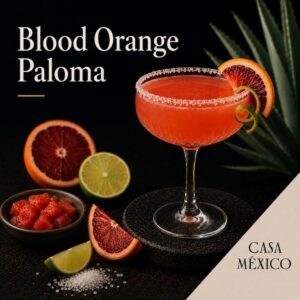
A Blood Orange Paloma is a vibrant tequila-based cocktail that features the sweet, slightly tart flavor of blood orange juice. The main ingredient is tequila blanco, which provides a clean, agave-forward base for the drink. The blood orange juice adds a unique, rich sweetness and a deep, fruity flavor that sets it apart from a traditional Paloma. Lime juice is added to bring acidity and balance the sweetness, while soda water or grapefruit soda provides effervescence, keeping the drink light and refreshing. A pinch of salt on the rim can be added to contrast the sweetness and enhance the drink’s flavor. The result is a balanced, fruity, and effervescent drink that is perfect for casual gatherings or enjoying during warm weather.
What is Blood Orange Paloma made of? A Blood Orange Paloma is made of tequila blanco, fresh blood orange juice, lime juice, and soda water or grapefruit soda. Tequila blanco serves as the base spirit, providing the characteristic agave flavor. Fresh blood orange juice adds a deep sweetness and slight tartness, distinguishing it from a traditional Paloma made with regular grapefruit. Lime juice balances the sweetness, while soda water or grapefruit soda gives the drink its refreshing fizz. The addition of salt on the rim is optional, adding a savory contrast to the drink’s citrus flavors.
What are the Ingredients for Blood Orange Paloma Cocktail?
The ingredients for a Blood Orange Paloma cocktail are listed below.
- Tequila: Tequila acts as the base spirit for the Blood Orange Paloma, providing its signature agave flavor. Blanco tequila is the most common choice, delivering a clean, unaged taste that complements the rich blood orange juice. The tequila’s smoothness creates a solid foundation for the drink while allowing the bright, citrusy elements to shine through.
- Blood Orange Juice: Blood orange juice introduces a distinct, slightly tart flavor with a subtle sweetness. The juice brings a deep, vibrant citrus profile that stands out compared to regular orange or grapefruit juices. Its richness adds complexity to the drink, balancing the acidity from the lime juice and the bitterness of the grapefruit soda.
- Lime Juice: Lime juice adds a zesty, refreshing sharpness to the Blood Orange Paloma. The tartness cuts through the sweetness of the blood orange juice, bringing a balanced citrus punch that prevents the drink from being overly sweet. The lime’s acidity complements both the fruit and tequila flavors, enhancing the overall crispness of the cocktail.
- Grapefruit Soda: Grapefruit soda provides the necessary effervescence and adds a slight bitterness to the cocktail. The soda’s bitterness contrasts nicely with the sweetness of the blood orange juice and helps to create a well-rounded flavor. The bubbles give the drink a lively, refreshing texture, making it perfect for a light, crisp cocktail.
- Ice: Ice is essential for chilling the Blood Orange Paloma and keeping it cool and refreshing. Larger ice cubes are preferable, as they melt slowly, preventing the drink from diluting too quickly. The ice ensures that the drink stays at the optimal temperature, maintaining its crisp and refreshing qualities throughout the experience.
- Salt (Optional): A salted rim can be added for a subtle contrast. The salt heightens the citrus flavors and balances the sweetness, giving the drink an extra layer of complexity. The salt on the rim enhances the overall drinking experience by offering a savory note that complements the fruity sweetness of the cocktail.
What Mixers Pair Best with Blood Orange Paloma?
The mixers that pair best with Blood Orange Paloma are listed below.
- Ginger Beer: Ginger beer adds a spicy and effervescent element that balances the sweetness of the blood orange juice. The zesty ginger flavor complements the bitterness of the grapefruit and the tartness of the lime, while its carbonation lifts the drink’s overall refreshment. The spice from ginger beer adds a lively dimension, making it perfect for a more dynamic cocktail experience.
- Club Soda: Club soda provides a neutral and crisp backdrop that allows the blood orange and tequila flavors to shine. Its carbonation keeps the texture light and bubbly without overpowering the other ingredients. The minimal flavor contribution ensures the spotlight stays on the fresh citrus and agave notes, making it an ideal choice for a balanced, refreshing drink.
- Lemonade: Lemonade introduces an extra layer of citrusy sweetness and acidity that complements the blood orange juice. The natural tartness of lemonade helps balance the drink’s sweetness while adding depth. It softens the lime’s sharpness, resulting in a smoother, more balanced cocktail that retains the Blood Orange Paloma’s fresh, citrus-forward character.
- Tonic Water: Tonic water adds a touch of bitterness and a herbal note that contrasts with the sweetness of blood orange juice. The bitterness from quinine provides a counterpoint to the fruitiness, creating a more complex flavor profile. The effervescence from tonic water gives the cocktail a crisp, clean finish, making it a good choice for drinkers who enjoy a more sophisticated twist on the traditional Paloma.
- Sparkling Wine: Sparkling wine, like prosecco or cava, brings a refined, bubbly texture that elevates the Blood Orange Paloma. Its dryness contrasts with the sweetness of the blood orange, adding complexity while maintaining a refreshing, effervescent profile. The bubbles lift the citrus flavors, creating a more festive and elegant cocktail perfect for celebratory occasions.
- Coconut Water: Coconut water introduces a light, refreshing, and subtly sweet profile that pairs well with the blood orange’s tanginess. The smooth texture and hydrating qualities of coconut water help soften the tartness of lime and grapefruit, creating a more tropical and mellow drink. It adds a unique twist to the traditional Blood Orange Paloma, making it even more refreshing.
How to Make a Blood Orange Paloma?
To make a Blood Orange Paloma, follow the six steps below.
- Measure Tequila. Pour 45 milliliters of blanco tequila into a chilled highball glass. The tequila provides the base for the cocktail, offering a clean agave flavor that complements the rich blood orange juice. Blanco tequila is ideal for its smooth, unaged profile, which lets the citrus flavors shine without being overpowered.
- Prepare the Glass. Rim the glass with salt if desired. A salted rim adds a savory contrast that balances the sweetness of the blood orange while amplifying the drink’s overall refreshing quality. The salt helps bring out the natural flavors of the fruit, providing an added layer of complexity to the drink.
- Add Ice. Fill the glass with large, solid ice cubes. Ice keeps the drink cold, maintaining the refreshing, crisp quality of the cocktail. Larger ice cubes melt more slowly, preventing rapid dilution and ensuring that the flavors stay intact from start to finish.
- Add Blood Orange Juice. Pour 60 milliliters of freshly squeezed blood orange juice into the glass. The blood orange juice brings a unique, sweet-tart citrus flavor that’s richer and more complex than regular orange juice. Its deep color and flavor provide a striking contrast to the tequila and lime.
- Add Lime Juice. Add 10 milliliters of freshly squeezed lime juice. Lime juice provides a zesty acidity that cuts through the sweetness of the blood orange juice, balancing the flavors and preventing the drink from becoming too sugary. The lime’s brightness complements the tequila, making the cocktail crisp and refreshing.
- Top with Sparkling Mixer. Pour chilled grapefruit soda or club soda gently into the glass until nearly full. The sparkling mixer adds effervescence, giving the drink its lively, refreshing texture. The slight bitterness from the grapefruit soda contrasts with the sweetness of the blood orange, while club soda provides a neutral base that lets the fruit flavors shine.
The most important step focuses on using freshly squeezed blood orange juice. Fresh juice ensures a vibrant, naturally sweet flavor that gives the cocktail its distinct, rich citrus profile. Using fresh blood orange juice guarantees the drink’s authenticity and depth, making it the heart of the Blood Orange Paloma.
How is the Nutrient Value of Blood Orange Paloma Cocktail?
The nutrient value of a Blood Orange Paloma cocktail comes from tequila, blood orange juice, lime juice, and a sparkling mixer like club soda or grapefruit soda. Tequila provides the majority of the energy through alcohol, while blood orange juice adds natural sugars and carbohydrates. Lime juice contributes a minimal amount of calories, and the sparkling mixer adds a small number of calories, depending on the choice. The drink remains low in fat and protein, with a light, citrusy profile that is refreshing and relatively low in calories.
The detailed nutrient breakdown of a Blood Orange Paloma Cocktail per 8-ounce serving is shown in the table below.
Meet Our Maestra Tequilera
Casa México Tequila is crafted under the guidance of world-renowned Maestra Tequilera Ana María Romero Mena. With decades of experience creating acclaimed tequilas and mentoring future generations of distillers, she brings both deep tradition and thoughtful innovation to the brand. From agave selection to distillation and aging, her expertise ensures every expression reflects authenticity, precision and exceptional quality.

| Nutrient | Amount per Serving | Unit | Daily Value % | Source / Measurement Basis | Notes (Optional) |
| Calories | 160 | kcal | 8% | Tequila (1.5 oz), Blood Orange Juice, Lime Juice, Club Soda | Calculated for a standard 8 oz serving |
| Carbohydrates | 24 | g | 8% | Blood Orange Juice, Lime Juice, Club Soda | Primarily from blood orange juice and soda |
| Sugars | 20 | g | N/A | Blood Orange Juice, Club Soda | Blood orange juice is the main contributor |
| Protein | 0 | g | 0% | — | No protein-containing ingredients |
| Fat | 0 | g | 0% | — | Fat-free composition |
| Fiber | 0 | g | 0% | — | Blood orange juice does not contribute fiber |
| Sodium | 10 | mg | 0% | Club Soda | Minimal sodium content |
How many calories are in a Blood Orange Paloma? A Blood Orange Paloma contains approximately 160 calories per standard 8-ounce serving. The primary contributor of calories is tequila, providing about 95 calories from 1.5 ounces of blanco tequila. Blood orange juice contributes around 40 to 45 calories, mainly from natural sugars and carbohydrates. The remainder comes from the club soda or grapefruit soda, typically adding 10 to 15 calories. The drink remains light and flavorful due to its balanced mix of natural fruit juices, soda, and moderate alcohol content.
What are the Tips to Prepare Blood Orange Paloma Cocktail Better?
The tips to prepare a Blood Orange Paloma cocktail better are listed below.
- Use fresh blood orange juice for the best flavor. Fresh blood orange juice provides a rich, vibrant citrus flavor that adds depth to the cocktail. The natural sweetness and mild tartness of fresh blood oranges give the drink a unique profile compared to standard orange or grapefruit juice. Pre-bottled juice often lacks the same intensity and freshness, so using freshly squeezed blood orange juice ensures the most authentic and flavorful experience.
- Select high-quality blanco tequila. Blanco tequila works best for a Blood Orange Paloma due to its clean, crisp agave flavor. The unaged nature of blanco tequila preserves the pure agave taste, which complements the blood orange’s sweet-tart profile. Avoid using aged tequila, as it introduces oak flavors that could overpower the fresh citrus and fruity notes.
- Adjust the amount of lime and grapefruit juice for balance. Lime and grapefruit juices provide the acidity needed to balance the natural sweetness of the blood orange juice. Too much lime can make the drink overly sour, while too much grapefruit juice can introduce unwanted bitterness. Finding the right ratio will ensure the drink is refreshing, with a balanced tartness that doesn’t overshadow the blood orange’s flavor.
- Add ice before pouring the mixer. Adding ice before the mixer keeps the cocktail cold and helps maintain its refreshing quality. Ice chills the drink quickly, ensuring that it stays at the perfect temperature. Using large ice cubes helps slow down dilution, preserving the drink’s crisp, flavorful profile throughout.
- Control the level of carbonation. The choice between sparkling grapefruit soda or club soda allows you to control the drink’s fizz. If a more defined grapefruit flavor and slight sweetness are preferred, opt for sparkling grapefruit soda. For a lighter, less sweet drink, use club soda, which provides a more neutral base and lets the blood orange shine through.
- Garnish with a blood orange slice or lime wedge. Garnishing the Blood Orange Paloma with a slice of blood orange or lime adds visual appeal and enhances the fresh citrus aroma. The blood orange slice reinforces the drink’s vibrant, fruity character, while the lime wedge complements the drink’s acidity and balances the sweetness.
- Use a light salt rim for a savory contrast. A small amount of salt on the rim can complement the citrusy flavors by adding a savory touch. Salt balances the sweetness of the blood orange and the acidity of the lime, creating a harmonious contrast without overpowering the drink’s natural flavors. Be sure to use just a pinch, as too much salt can overwhelm the other components of the cocktail.
How to Balance Bitterness and Sweetness in a Blood Orange Paloma?
To balance the bitterness and sweetness in a Blood Orange Paloma, it is important to adjust the ingredients blood orange juice, lime juice, and grapefruit soda. Blood orange juice naturally adds sweetness with a mild tartness, providing the drink’s fruity base. It makes the cocktail feel too sweet or overpowering without balancing elements. Lime juice is crucial in this balance. Its bright acidity cuts through the sweetness of the blood orange, helping to prevent the drink from feeling too heavy or sugary. The sharpness from the lime creates a more complex, dynamic flavor profile.
Grapefruit soda introduces a bitterness that works with the other ingredients, providing a necessary contrast to the sweet blood orange juice. The bitterness of the grapefruit soda can help balance the drink and prevent it from becoming overly sweet. It can overshadow the fruit’s natural sweetness if there is too much bitterness. Increase the amount of blood orange juice or add a little more lime juice to restore the balance. It allows the refreshing, citrus-forward nature of the Blood Orange Paloma to come through without one flavor dominating the others.
Adjusting the carbonation level in the drink plays a role in balancing the bitterness and sweetness. Using sparkling water or club soda instead of sweetened grapefruit soda lightens the drink, making it less sugary while still maintaining its effervescence. It becomes easy to find the perfect balance that suits personal taste by experimenting with the ratios of blood orange juice, lime, and grapefruit soda. A well-balanced Blood Orange Paloma is one that has just the right amount of sweetness, tartness, and bitterness, creating a refreshing and harmonious drink.
What are the Variations of Blood Orange Paloma Cocktail Recipes?
The variations of Blood Orange Paloma cocktail recipes are shown in the table below.
| Variation Name | Ingredients | Nutrient | Steps | Opinion |
| Salty Blood Orange Paloma | 45 ml Tequila, Blood Orange Juice, Lime Juice, Grapefruit Soda, Pinch of Salt | Same calories as standard Blood Orange Paloma, with higher sodium | Rim glass with salt, build over ice, add blood orange juice, lime juice, top with grapefruit soda | Salt balances the sweetness of the blood orange and elevates the citrus, adding a savory touch to the drink. |
| Lemon Blood Orange Paloma | 45 ml Tequila, Blood Orange Juice, Lime Juice, Lemon Juice, Grapefruit Soda | Slight increase in vitamin C from lemon | Replace lime juice with lemon juice, build over ice, add blood orange juice, and top with grapefruit soda | Lemon adds a zesty, refreshing twist without overpowering the blood orange’s flavor. |
| Pink Grapefruit Blood Orange Paloma | 45 ml Tequila, Blood Orange Juice, Pink Grapefruit Juice, Lime Juice, Grapefruit Soda | Slight increase in natural sugars from pink grapefruit | Replace regular grapefruit juice with pink grapefruit juice, and top with soda | Pink grapefruit softens the bitterness of regular grapefruit and adds a mild sweetness. |
| Agave Sweetened Blood Orange Paloma | 45 ml Tequila, Blood Orange Juice, Lime Juice, Agave Syrup, Grapefruit Soda | Slight increase in carbohydrates from agave | Add agave syrup to taste, build over ice, add blood orange juice, lime juice, and top with grapefruit soda | Agave syrup smooths the sweetness and balances the drink, reducing the sharpness of the citrus. |
| Mineral Water Blood Orange Paloma | 45 ml Tequila, Blood Orange Juice, Lime Juice, Grapefruit Soda, Mineral Water | Increased mineral content, same calories | Replace grapefruit soda with mineral water, build over ice, stir gently | Mineral water provides a clean, drier finish while keeping the drink hydrating and refreshing. |
| Smoked Salt Blood Orange Paloma | 45 ml Tequila, Blood Orange Juice, Lime Juice, Grapefruit Soda, Smoked Salt Rim | Same calories with added sodium | Rim the glass with smoked salt, build the cocktail over ice, and stir gently | Smoked salt adds depth and complexity, giving the drink a savory twist. |
| Low-Sugar Blood Orange Paloma | 45 ml Tequila, Blood Orange Juice, Lime Juice, Soda Water, Grapefruit Juice | Reduced sugar and carbohydrates | Use soda water instead of grapefruit soda, build over ice, stir gently | Lower sugar content keeps the drink light and refreshing, emphasizing the blood orange flavor. |
Can a Blood Orange Paloma Be Made as a Low-Alcohol Cocktail?
Yes, a Blood Orange Paloma can be made as a low-alcohol cocktail. One of the simplest ways to achieve this is by reducing the amount of tequila used in the drink. Instead of the typical 1.5 to 2 ounces, use just 1 ounce or even less. The adjustment lowers the alcohol content while still allowing the tequila’s agave flavor to shine through. The other ingredients, such as blood orange juice and lime juice, remain the same, ensuring the cocktail maintains its refreshing and citrus-forward profile without being overpowering.
Another method to reduce the alcohol content is by substituting some of the tequila with sparkling water or a lower-proof mixer. Using soda water instead of grapefruit soda keeps the drink light while still providing effervescence. A lighter mixer like a low-proof grapefruit soda will dilute the alcohol while preserving the cocktail’s refreshing, bubbly character. The approach allows for a drink that’s still flavorful but with less alcohol, making it a suitable option for drinkers looking for a lighter beverage.
The Blood Orange Paloma becomes a versatile, low-alcohol option by modifying the ratios and choosing lighter mixers. It makes the cocktail more sessionable, allowing people to enjoy a refreshing drink without the heavy alcohol content typical of many cocktails. The changes ensure the drink remains balanced, whether by reducing the tequila or swapping in a lighter mixer, flavorful, and enjoyable for a longer time.
What alcohol is in a Blood Orange Paloma?
The alcohol in a Blood Orange Paloma is tequila. Tequila serves as the primary source of alcohol, providing a clean, agave-forward flavor that pairs well with the tangy blood orange juice and citrus elements. The tequila gives the drink its strength, while the fruit juices and soda add refreshing elements without contributing any alcohol of their own.
Blanco Tequila
Blanco tequila is the most common choice for a Blood Orange Paloma. It offers a crisp, unaged profile that allows the bright flavors of the blood orange and lime to shine through. It’s clean, smooth agave taste complements the cocktail’s citrusy base without overwhelming the fruity sweetness.
Patrón Silver Tequila
Patrón Silver is a premium blanco tequila known for its smooth, fresh agave taste. The subtle citrus and pepper notes in Patrón Silver elevate the natural flavors of the blood orange, making it an ideal match for the Paloma. Its smoothness ensures that the drink remains balanced, with the tequila acting as a perfect foundation for the fruit flavors.
Don Julio Blanco Tequila
Don Julio Blanco offers a crisp, vibrant agave profile with hints of citrus and light pepper. This smooth tequila adds a fresh foundation to the Blood Orange Paloma, allowing the sweet, tangy blood orange to stand out. Don Julio Blanco is perfect for those who appreciate a high-quality tequila that complements the fresh citrus notes in the cocktail.
Does Blood Orange Paloma have alcohol? Yes, a Blood Orange Paloma contains alcohol, primarily from tequila. Tequila provides about 1.5 to 2 ounces per serving, with an alcohol content of around 40% ABV. The tequila delivers both the strength and agave flavor, while the blood orange juice and soda contribute refreshing elements without adding alcohol. The alcohol concentration places the Blood Orange Paloma in the moderate-strength cocktail range, offering a balanced and crisp drinking experience.
How Much Alcohol Does a Blood Orange Paloma Have?
A Blood Orange Paloma typically has an alcohol content ranging from 12% to 15% ABV. The range depends on factors such as the amount of tequila used and how much soda or sparkling water is added. A standard Blood Orange Paloma contains about 1.5 ounces of tequila blanco, which is approximately 11 to 14 grams of pure alcohol per 8-ounce serving. The alcohol content will vary based on the specific pour and the amount of soda, with less soda diluting the drink, resulting in a higher alcohol percentage.
The alcohol level impacts the overall taste and experience of the drink. Lower alcohol content allows the blood orange and lime flavors to take center stage, making the drink more refreshing and fruity. With higher alcohol content, the agave flavor of the tequila becomes more pronounced, adding depth and warmth to the drink. The bitterness of the blood orange and the crispness of the lime are balanced by the tequila’s strength, and the soda or sparkling water keeps the cocktail light and effervescent.
A safe alcohol range for a Blood Orange Paloma sits around 12% to 15% ABV, which ensures the drink is flavorful without being too strong. To keep the drink light, the ratio of tequila to mixer should be carefully adjusted based on preference. If looking for a lower alcohol version, reducing the amount of tequila or increasing the soda will help maintain a more moderate alcohol profile while preserving the drink’s refreshing character.
Can Pregnant Women Drink Blood Orange Paloma? No, pregnant women cannot drink a Blood Orange Paloma, according to scientific and medical consensus (alcohol exposure during pregnancy, fetal development risk). The cocktail contains tequila blanco, which introduces ethanol (alcohol) into the drink. Ethanol crosses the placental barrier, reaching fetal circulation at levels similar to the mother’s blood alcohol concentration. Fetal organs cannot metabolize alcohol efficiently, making the developing fetus vulnerable to developmental harm. Medical research establishes a direct association between prenatal alcohol exposure and fetal alcohol spectrum disorders (FASDs). The Centers for Disease Control and Prevention (CDC) clearly states, “There is no known safe amount of alcohol use during pregnancy.” Even low-level alcohol exposure correlates with an increased risk of neurodevelopmental effects, cognitive impairment, and growth restriction in the fetus. It is recommended that pregnant women completely avoid alcohol during pregnancy.
Does a Blood Orange Paloma make you drunk?
Yes, a Blood Orange Paloma makes someone drunk depending on alcohol intake and drinking pace. A standard Blood Orange Paloma contains about 1.5 to 2 ounces of tequila, which is equivalent to approximately 14 to 19 grams of pure alcohol per 8-ounce serving. The amount aligns with one standard alcoholic drink. Tequila is the primary source of alcohol in the cocktail, and its strength determines the overall potency of the drink.
Level of intoxication depends on factors like body weight, the number of drinks consumed, drinking speed, and food intake. One Blood Orange Paloma may cause mild relaxation or lowered inhibition in most adults, but multiple servings will increase blood alcohol concentration and impair motor skills and judgment. The dilution from blood orange juice and soda helps lower the alcohol concentration per sip but doesn’t change the overall ethanol content. The carbonation from soda accelerates alcohol absorption, leading to faster perceived effects compared to non-carbonated drinks.
The body metabolizes alcohol at an average rate of about 0.015% blood alcohol concentration per hour. Drinking quickly can result in higher intoxication, as the body struggles to process the alcohol fast enough. Larger tequila pours increase the likelihood of feeling drunk, amplifying physical and cognitive effects.
Does Blood Orange Paloma Have Tequila?
Yes, a Blood Orange Paloma has tequila as its core ingredient, which defines the drink as a tequila-based cocktail. Tequila provides the alcohol content and agave flavor that gives the drink its foundation. Most recipes use tequila blanco, which offers a clean, smooth agave flavor without the influence of oak aging, allowing the bright blood orange and lime flavors to shine.
Tequila blanco acts as the base of the cocktail, working alongside the citrusy bitterness of blood orange juice and the sharp acidity of lime to create a balanced, refreshing drink. The carbonation from soda or grapefruit soda adds effervescence and lightness, while the tequila’s strength provides depth and warmth to the drink. Standard recipes call for about 1.5 to 2 ounces of tequila, placing the Blood Orange Paloma in the moderate alcohol range.
The defining difference between a Blood Orange Paloma and a non-alcoholic citrus soda lies in the tequila. The drink would be a fruit soda without tequila, lacking the signature agave base that gives it its cocktail identity. The character of the Blood Orange Paloma always centers on tequila as the main spirit.
What is Blood Orange Paloma?
A Blood Orange Paloma is a tequila-based cocktail that combines the refreshing, citrusy taste of blood orange juice with the smoothness of tequila blanco and a splash of soda. This variation of the classic Paloma features blood orange juice, which adds a rich sweetness and mild tartness compared to traditional grapefruit juice. The drink retains the core elements of a Paloma, such as tequila, lime juice, and soda, while the blood orange juice brings a vibrant twist, creating a more complex and fruity flavor profile.
A Blood Orange Paloma is made with 1.5 to 2 ounces of tequila blanco, providing a clean and agave-forward base that complements the tangy sweetness of the blood orange. Fresh lime juice balances the sweetness and sharpens the overall flavor, while soda adds effervescence, keeping the drink light and refreshing. The blood orange juice introduces a unique flavor that is less bitter than grapefruit, offering a more rounded, slightly sweet, and tangy citrus element to the drink.
The Blood Orange Paloma offers a fruity, refreshing variation on the traditional Paloma, making it perfect for consumers who enjoy citrus-driven cocktails with a sweeter twist. The drink combines the smooth tequila with the rich flavor of blood orange, making it ideal for summer sipping or any casual gathering where a light, flavorful cocktail is desired.
Why is it called a Blood Orange Paloma? The drink is called a Blood Orange Paloma because it takes the classic Paloma cocktail and replaces the traditional grapefruit with blood orange juice. The term “Paloma,” meaning “dove” in Spanish, symbolizes the drink’s refreshing and light nature. The addition of blood orange gives the cocktail a deeper, richer sweetness, differentiating it from the original Paloma while still retaining the core tequila-based structure.
What Does a Blood Orange Paloma Taste Like?
A Blood Orange Paloma tastes vibrant, refreshing, and citrus-forward, with a balanced combination of sweet blood orange, tart lime, and the clean, agave-rich flavor of tequila. The blood orange juice provides a natural sweetness that contrasts with the slight bitterness of the grapefruit soda and the sharp acidity from the lime. The tequila offers a smooth foundation with its agave notes, while the soda keeps the drink effervescent and light. The result is a fruity, refreshing cocktail with a crisp finish, making it perfect for warm days or casual gatherings.
The ingredients that affect the taste of the Blood Orange Paloma are listed below.
- Tequila: Tequila serves as the base of the cocktail, providing the drink with its agave-forward flavor. Blanco tequila is used for its smooth, fresh profile that allows the citrus elements to shine while adding depth through subtle peppery notes. Tequila’s warmth helps balance the sweet and tart elements in the drink.
- Blood Orange Juice: Blood orange juice contributes to the drink’s sweetness, with a hint of tartness. The juice’s deeper citrus flavor adds complexity compared to regular orange juice, creating a refreshing base that pairs beautifully with the other ingredients. Its vibrant color also makes the drink visually appealing.
- Lime Juice: Lime juice adds sharp acidity that contrasts with the sweetness of the blood orange juice. The tartness of lime helps to brighten the drink, balancing the natural sugars and giving it a more structured, crisp finish. It prevents the cocktail from feeling overly sweet or cloying.
- Grapefruit Soda or Club Soda: Grapefruit soda introduces a slight bitterness that complements the sweetness of the blood orange juice and adds a refreshing, dry finish. The bitterness contrasts nicely with the fruit’s natural sweetness, while club soda offers a neutral, lighter option with just the right amount of fizz to keep the drink refreshing.
- Salt: Salt, either on the rim or as a pinch, amplifies the citrus bitterness while balancing the sweetness of the blood orange. It adds a savory contrast that complements the tart lime and enhances the overall flavor profile without overpowering the drink’s light, refreshing nature.
- Ice: Ice is key to keeping the drink cold and maintaining its refreshing qualities. It ensures that the flavors stay balanced and prevents the drink from becoming watered down too quickly. Large ice cubes are ideal as they melt slowly, preserving the drink’s texture and effervescence.
- Garnish: A garnish of blood orange slices or a lime wedge adds both visual appeal and a subtle aroma that complements the citrus flavors. The garnish doesn’t overpower the taste but subtly reinforces the freshness and brightness of the drink.
How to Drink a Blood Orange Paloma?
To drink a Blood Orange Paloma, follow these five steps for the best experience.
- Chill the Glass. Start by filling the glass with ice to keep the drink cold. A chilled glass helps maintain the temperature of the cocktail and prevents rapid dilution. The ice keeps the drink refreshing, especially on warm days. Cold ice also adds texture, making each sip more enjoyable as it retains the flavors longer.
- Hold the Glass Upright. Hold the glass steady while drinking to maintain the carbonation. A steady grip ensures that the bubbles stay intact, lifting the blood orange, lime, and tequila flavors with every sip. The effervescence should be evenly distributed, creating a balanced experience that showcases the drink’s crispness.
- Smell Before Sipping. Bring the glass close to your nose before sipping. The fresh aromas of blood orange, lime, and tequila will hit your senses. Smelling the drink before drinking primes the taste buds and prepares the mind for the citrusy and agave-forward notes that follow. The step sets the mood for a flavorful and refreshing experience.
- Take Small Sips. Sip the cocktail slowly, allowing the flavors to evolve gradually. Small sips let the blood orange’s sweetness, the lime’s acidity, and the tequila’s smooth agave notes come together. Drinking slowly ensures that the flavors remain balanced, providing a more controlled and enjoyable experience from start to finish.
- Let the Drink Rest on the Palate. Hold each sip on your palate for a moment before swallowing. This allows the flavors to fully settle and harmonize. A short pause lets the natural sweetness of the blood orange and the tartness of the lime blend seamlessly, while giving time for the tequila’s smoothness to come through.
The most important tip for better taste is to take small, controlled sips. This approach helps maintain the balance of flavors, ensuring the Blood Orange Paloma remains crisp and refreshing throughout the drink. Gradual sipping lets the flavors evolve naturally, making the entire experience smoother and more enjoyable.
Can a Blood Orange Paloma Be Prepared Ahead of Time for Parties?
Yes, a Blood Orange Paloma can be prepared ahead of time for parties, but it requires some careful steps to ensure it stays fresh and bubbly. The juice and tequila mixture can be batched in advance, which is ideal for large gatherings where time is limited. Simply combine the blood orange juice, lime juice, and tequila in a pitcher or large container and store it in the refrigerator. It allows getting most of the work done ahead of time, leaving only the final touches to do when serving.
It is crucial to wait until the moment of serving to add the sparkling water or soda. If added too early, it will lose its effervescence, making the cocktail flat and less refreshing. The fizz is a key element of the drink, balancing the rich sweetness of the blood orange and the smoothness of the tequila. Adding the sparkling mixer right before serving ensures that the cocktail retains its lively, bubbly character.
Ice should be added just before serving to maintain the drink’s temperature and prevent it from becoming diluted too quickly. Pre-batching the drink without ice avoids the issue of melted ice watering down the cocktail. Preparing the juice and tequila mixture ahead of time and adding the finishing touches at the last minute keeps the Blood Orange Paloma crisp, refreshing, and perfect for serving at parties.
What are the Types of Blood Orange Paloma Cocktails?
The types of Blood Orange Paloma cocktails are listed below.
- Pink Paloma: Pink Paloma offers a milder, sweeter citrus profile due to the use of pink grapefruit juice. The natural sweetness of the pink grapefruit reduces bitterness, creating a smoother, rounder flavor compared to the sharper and more complex blood orange version. The Pink Paloma is refreshing but tends to be less bold than the Blood Orange Paloma, focusing more on fruity sweetness than citrus depth.
- Blood Orange Paloma: Blood Orange Paloma stands out with its deep, citrusy flavor. The blood orange brings a refined sweetness and mild bitterness, creating a more complex and balanced taste than the traditional Paloma made with regular grapefruit. The combination of blood orange juice and tequila provides a rich flavor profile that feels both refreshing and sophisticated.
- Watermelon Paloma: Watermelon Paloma is light, juicy, and subtly sweet. The refreshing watermelon softens the grapefruit’s bitterness and reduces the tartness of lime, making it more casual and laid-back compared to the more intense blood orange version. It’s a lighter alternative, perfect for those seeking a refreshing cocktail without too much sharp citrus.
- Strawberry Paloma: Strawberry Paloma offers a sweet, berry-forward flavor. The ripe strawberry adds a mellow sweetness that balances the bitterness of grapefruit. Compared to the Blood Orange Paloma, which has a more complex citrus profile, the Strawberry Paloma is smoother, with a more straightforward sweetness that appeals to fruit lovers.
- Pineapple Paloma: Pineapple Paloma is tangy and tropical, offering a lively sweetness that contrasts with the grapefruit’s bitterness. The pineapple introduces a bright, fruity flavor that gives the drink a more energetic, tropical vibe compared to the subtler complexity of the Blood Orange Paloma. It’s a vibrant twist on the classic.
- Mango Paloma: Mango Paloma is smooth, rich, and creamy, with the tropical sweetness of mango balancing the bitterness of grapefruit. The mango creates a fuller mouthfeel, making the cocktail more indulgent compared to the Blood Orange Paloma, which feels lighter and more citrus-driven. The Mango Paloma is a good option for those seeking a more substantial, tropical drink.
- Passion Fruit Paloma: Passion Fruit Paloma is vibrant and aromatic, with bold acidity and a fragrant flavor that gives it a lively kick. The passion fruit adds an intense and tangy profile that makes the drink feel more energetic than the Blood Orange Paloma. It’s ideal for those who enjoy a bolder, tangier alternative.
- Guava Paloma: Guava Paloma has a smooth, fragrant sweetness that softens the bitterness of grapefruit. The velvety texture of guava makes the cocktail feel more relaxed and approachable compared to the sharper, more intense Blood Orange Paloma. It’s a mellow and tropical drink, perfect for those looking for something mild yet flavorful.
- Hibiscus Paloma: Hibiscus Paloma introduces a tart, floral finish, making it a more complex and structured drink. The hibiscus flowers balance the sweetness of the blood orange, creating a more refined, drier profile compared to the Blood Orange Paloma, which is fruitier. It’s a good choice for those seeking a more sophisticated variation with floral notes.
- Rose Paloma: Rose Paloma has a delicate, floral aroma with a soft sweetness that complements the grapefruit’s acidity. The drink feels elegant and refined, offering a more subtle experience compared to the bold flavors of the Blood Orange Paloma. It’s a lighter, more sophisticated option for those who enjoy floral nuances in their cocktails.
- Lavender Paloma: Lavender Paloma features herbal, aromatic notes with a dry, perfumed finish. The lavender gives the cocktail a sophisticated and calming twist, making it feel more refined and drier than the Blood Orange Paloma. It’s an excellent choice for those looking for a calming, herbal alternative to the fruit-forward flavors of the Blood Orange Paloma.
What is the Difference of Pink Paloma than other Classic Paloma Cocktail Recipes?
The difference between a Pink Paloma and other Classic Paloma cocktail recipes centers on the type of grapefruit used and the resulting flavor profile. A Pink Paloma uses pink grapefruit juice or soda, which introduces a sweeter, milder citrus flavor compared to the regular grapefruit used in a traditional Paloma. The bitterness of the grapefruit in a Classic Paloma is more pronounced, while the Pink Paloma’s use of pink grapefruit softens that bitterness, making it smoother and more approachable.
The difference becomes clearer through ingredient choices and how they affect taste. Pink grapefruit juice adds natural sweetness and a lighter, less bitter taste compared to regular grapefruit, which is typically sharper and more acidic. The mildness of pink grapefruit allows the drink to focus more on sweetness and the smoothness of tequila, while the bitterness in a Classic Paloma creates a more intense contrast between the citrus and the alcohol. The Pink Paloma Recipe results in a drink that’s softer and easier to sip, with a balanced citrus profile that appeals to those who prefer a lighter Paloma.
The Pink Paloma Recipe stands out due to the unique sweetness of pink grapefruit, which sets it apart from the more traditional, bitter versions of the Paloma. The drink has a more mellow, fruit-forward flavor profile, with the pink grapefruit making it less sharp and more refreshing. The Pink Paloma Recipe is a great option for those who want a gentler, sweeter twist on the classic Paloma, providing a softer, balanced drinking experience.
What is the Difference of Spicy Paloma than other Classic Paloma Cocktail Recipes?
The difference between a Spicy Paloma and other Classic Paloma cocktail recipes lies in the addition of heat and the overall flavor complexity. A Spicy Paloma introduces chili peppers or jalapeños, which bring a spicy kick that contrasts with the bitterness of grapefruit and the sweetness of lime. In a Classic Paloma, the flavor profile is dominated by the citrus from grapefruit and lime, with no heat to balance the bitterness, making it a smoother and more straightforward drink.
The difference becomes clearer through the ingredient choices and how they affect the taste. The jalapeños or chili peppers in a Spicy Paloma create an additional layer of intensity, offering a bold flavor profile that is less about sweetness and more about the interplay of spice and citrus. On the other hand, Classic Palomas rely on the natural tartness and bitterness from the grapefruit, which is complemented by the smoothness of tequila. The heat in the Spicy Paloma Recipe gives the drink a more dynamic, energetic feel compared to the milder, more refreshing Classic Paloma.
The Spicy Paloma Recipe stands out because it adds warmth and spice to the typical citrus flavors of a Paloma. The combination of heat, bitterness, and tequila creates a more robust and adventurous drinking experience, whereas Classic Palomas focus on the balance of sweetness and tartness. The Spicy Paloma Recipe appeals to those who enjoy a punchy, flavorful twist on the traditional cocktail.
What is the Difference of Watermelon Paloma than other Classic Paloma Cocktail Recipes?
The difference between a Watermelon Paloma and other Classic Paloma cocktail recipes is centered around the addition of watermelon juice, which introduces a refreshing, mild sweetness that softens the bitterness of the grapefruit. A Classic Paloma relies on the sharp, tangy bitterness of grapefruit, paired with tequila and lime juice for a crisp and citrusy flavor. The Watermelon Paloma, however, has a lighter, fruitier profile, making it less bitter and more hydrating than the traditional Paloma, which is more focused on the citrusy sharpness.
The difference becomes clear when looking at the ingredients and their impact on flavor. Watermelon juice in a Watermelon Paloma adds natural sweetness, which balances the sourness of lime and the bitterness of grapefruit. The watermelon softens the intensity of the grapefruit, creating a smoother, more mellow drink compared to the more robust and acidic Classic Paloma. The watermelon makes the drink feel more relaxed and approachable, while the Classic Paloma retains its sharper, more vibrant citrus punch.
The Watermelon Paloma Recipe stands out because of its sweet, juicy base from the watermelon, offering a subtler, fruit-forward twist on the original Paloma. The addition of watermelon juice gives the cocktail a more laid-back feel, perfect for casual sipping. The combination of watermelon’s sweetness with the tequila’s agave flavor makes the Watermelon Paloma Recipe a lighter and less bitter option, in comparison to the more intense and tart flavors of the Classic Paloma.
What is the Difference of Strawberry Paloma than other Classic Paloma Cocktail Recipes?
The difference between a Strawberry Paloma and other Classic Paloma cocktail recipes lies in the addition of strawberry, which introduces a smooth, sweet berry flavor that softens the grapefruit’s bitterness. A Classic Paloma is primarily focused on the sharp bitterness of grapefruit, which is balanced with tequila and lime juice for a crisp, tangy profile. The Strawberry Paloma, however, brings a fruitier, softer sweetness that makes it a gentler, more accessible option compared to the more intense tartness of the Classic Paloma.
The difference becomes apparent when examining the ingredient choices and their impact on the overall flavor. Strawberry juice or muddled strawberries in a Strawberry Paloma add a natural sweetness that pairs well with the tart lime juice, balancing out the bitterness from the grapefruit. The strawberry’s smooth and subtle flavor rounds out the drink, making it feel more fruity and less acidic than a traditional Paloma. The Classic Paloma’s strong citrus profile, with a focus on the bitterness of grapefruit, creates a more direct, tangy drink.
The Strawberry Paloma Recipe stands out because the sweetness of strawberries creates a smoother, fruit-forward drink, perfect for those who prefer a milder, less bitter option. The addition of strawberries gives the cocktail a fresher, softer taste, making it feel more casual and easy to drink compared to the more intense, citrus-focused Classic Paloma. The balance of sweetness from the strawberries and the refreshing tartness of the grapefruit offers a unique twist on the traditional Strawberry Paloma Recipe.
Where to Serve Blood Orange Paloma?
A Blood Orange Paloma is ideal for events where vibrant, bold flavors are appreciated and a sophisticated yet refreshing cocktail is desired. The deep citrus flavor of blood orange, paired with tequila, creates a drink that’s both rich and refreshing. It makes it a great option for outdoor parties, dinner gatherings, or even brunch, where guests enjoy a drink that is crisp and flavorful without being overpowering.
Blood Orange Palomas are perfect for lunch, dinner, or celebratory events. The drink pairs well with dishes like grilled seafood, tacos, spicy salsas, and charcuterie boards, making it versatile for many cuisines. The blood orange’s mild bitterness balances the sweetness of the tequila and the acidity of lime, complementing a wide range of dishes. Its effervescence adds to the refreshment, making it suitable for both casual and formal dining experiences.
A Blood Orange Paloma is a great choice for birthdays or special occasions. The bold, fruity profile makes it a unique, memorable option that stands out at celebrations. Its balance of sweetness and bitterness, paired with its crisp texture, ensures it’s a refreshing drink that appeals to many. Whether for a relaxed birthday gathering or an elegant dinner party, the Blood Orange Paloma is sure to make a lasting impression. It is perfect for what to serve with Blood Orange Paloma during various events, adding a touch of sophistication to any occasion.
What Glass to Serve a Blood Orange Paloma?
A Blood Orange Paloma is best served in a highball glass to maintain the balance of flavor, texture, and presentation. The tall, straight-sided design of the highball glass gives enough room for ice, blood orange juice, tequila, and soda. It allows the drink to stay well-mixed and maintains its refreshing, crisp character, especially when it’s topped with effervescence from the soda.
The highball glass ensures controlled dilution as ice melts slowly, helping to keep the cocktail’s balance intact. The ice remains mostly submerged, allowing the drink to stay cool without watering down the flavors too quickly. The carbonation is evenly distributed throughout the drink, maintaining the lively mouthfeel and sharpness of the lime, while the smoothness of the blood orange and tequila are kept intact. This design ensures that the Blood Orange Paloma remains refreshing, balanced, and enjoyable from the first sip to the last.
Glasses such as rocks or stemmed glasses aren’t ideal for serving a Blood Orange Paloma. Rocks glasses lack the height and space to accommodate the necessary dilution and carbonation. Stemmed glasses, on the other hand, don’t provide sufficient ice contact, which can lead to uneven temperature control. The highball glass, with its vertical design, is the optimal choice for serving a Blood Orange Paloma, ensuring the drink remains crisp, refreshing, and perfectly balanced.
What makes Blood Orange Paloma different from others?
The Blood Orange Paloma stands apart from other tequila cocktails in several key ways.
- The defining feature centers on blood orange juice and its distinct character. The use of anthocyanin-rich blood orange juice provides a unique color and berry-like undertone. The citrus profile tastes deeper and less sharp than standard grapefruit, giving the drink a richer flavor with subtle sweetness and gentle bitterness. The darker juice changes the visual appeal and signals a fuller tasting experience from the first sip.
- The preparation approach sets the Blood Orange Paloma apart from traditional versions. Fresh blood orange juice adds natural texture and body, creating a smoother mouthfeel than clear citrus juices. The fruit integrates directly with tequila instead of acting as a bright accent, which keeps the flavor consistent throughout the glass. The cocktail feels more rounded and less bracing than classic Palomas.
- Carbonation still plays a key role, yet the berry notes soften the bite of acidity and bubbles. The balance shifts toward depth rather than sharp refreshment, encouraging a steady sipping pace. The structure supports tequila without overpowering it, letting citrus and agave share focus without tension.
- The Blood Orange Paloma brings color, depth, and a softer citrus edge to the category. The combination of berry undertones, balanced bitterness, and carbonation gives it a clear identity among Drinks Similar to Blood Orange Paloma.