EN
EN ES
ES PL
PL TR
TR
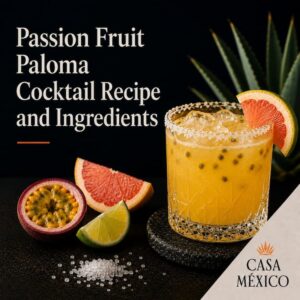
Passion Fruit Paloma drink cocktail blends tequila with the tropical sweetness of passion fruit purée, offering a vibrant and exotic alternative to the classic Paloma. The Passion Fruit Paloma is a fruit-forward twist on the traditional grapefruit build, delivering an intensely aromatic tropical depth alongside the classic tart citrus character. 2 oz of tequila, 1 oz of fresh grapefruit juice, 3/4 oz of passion fruit purée, 1/2 oz of fresh lime juice, and 1/2 oz of agave nectar are the key ingredients. Combine all ingredients in a shaker with ice, shake, and strain into an ice-filled Collins glass, then top with club soda. Garnish with a passion fruit half and a grapefruit wedge for added tropical aroma and visual appeal.
Nutrients in the Passion Fruit Paloma come from the tequila, passion fruit purée, and fresh citrus juice. Tequila contributes 14g of ethanol per serving, while agave nectar and passion fruit purée add 13g of sugar. Fresh grapefruit juice and lime juice provide 38mg of Vitamin C, offering a notable nutritional benefit. The taste is a balance of tart grapefruit bitterness, intensely aromatic passion fruit sweetness, and earthy tequila warmth. The agave nectar ties the tropical and citrus layers together with a natural botanical sweetness. The drink is enjoyed as a chilled, tall cocktail at outdoor gatherings, tropical-themed events, and warm-weather occasions.
What is a Passion Fruit Paloma made of? A Passion Fruit Paloma is made of tequila blanco as the base spirit, providing its signature clean, agave-forward flavor. The second main ingredient is passion fruit purée, which adds an intensely aromatic, tropical-sour contrast to the tequila. Tequila provides the bold, earthy foundation of the drink. Passion fruit purée balances the flavor with a natural, exotic sweetness and tropical brightness that defines the Passion Fruit Paloma as a refreshing tropical tequila cocktail.
What are the Ingredients for Passion Fruit Paloma Cocktail?
The ingredients for the Passion Fruit Paloma are listed below.
- Tequila blanco: Tequila blanco is the primary distilled spirit made from blue agave, forming the alcoholic base of the Passion Fruit Paloma Cocktail.
- Fresh passion fruit pulp: Fresh passion fruit pulp is the fruit component that provides tart sweetness and aromatic intensity.
- Fresh lime juice: Fresh lime juice is the citrus element that contributes sharp acidity and structural balance.
- Grapefruit soda: Grapefruit soda is the carbonated mixer that delivers mild bitterness and light sweetness.
- Agave syrup: Agave syrup is a natural sweetener that refines acidity and enhances flavor harmony.
- Sea salt: Sea salt is an optional rim garnish, creating contrast and heightening perception of sweetness.
Should Fresh Lime or Lime Purée Be Used in a Passion Fruit Paloma?
Fresh lime should be used in a Passion Fruit Paloma. Fresh lime juice provides clean acidity and aromatic brightness that lime purée lacks. Fresh lime juice delivers a sharp citrus structure that stabilizes the sweetness from passion fruit and grapefruit soda. Lime purée contains pulp density and altered texture that distorts carbonation and reduces clarity. Professional bartenders favor fresh lime juice for balance, precision, and consistent flavor expression. Passion Fruit Paloma depends on crisp acidity to maintain refreshment. Fresh lime juice preserves that structural integrity in every serving.
What Mixers Pair Best with Passion Fruit Paloma?
Mixer pairs best with Passion Fruit Paloma are listed below.
- Grapefruit soda: Grapefruit soda is a classic carbonated mixer delivering balanced bitterness and light sweetness that complements tequila and passion fruit.
- Sparkling water: Sparkling water is a neutral effervescence that reduces sweetness and sharpens tropical acidity.
- Fresh orange juice: Fresh orange juice sweetens the rounds’ sharp lime edges without overpowering passion fruit.
- Fresh pineapple juice: Fresh pineapple juice gives the bright tropical layer, reinforcing fruit depth while maintaining acidity.
- Mint infusion: Mint infusion is the light herbal element that introduces aromatic freshness and contrast.
How to Make a Passion Fruit Paloma?
To make a Passion Fruit Paloma, follow the six steps listed below.
- Prepare the glass. Rub fresh lime around the rim and dip the rim into sea salt to create a measured contrast without excessive salinity.
- Add fresh ice. Fill the glass with large, solid ice cubes to slow dilution and preserve flavor concentration.
- Combine the base ingredients. Add tequila blanco and fresh passion fruit pulp into a shaker to establish structure and fruit depth.
- Incorporate acidity and sweetness. Pour fresh lime juice and a controlled measure of agave syrup to regulate tartness and balance.
- Shake with precision. Shake vigorously with ice until the mixture reaches uniform chill and proper aeration.
- Strain and complete. Strain over fresh ice, top with grapefruit soda for effervescence, and stir gently to integrate without flattening carbonation.
The most important step in making a Passion Fruit Paloma is accurately balancing the fresh lime juice with the agave nectar. Fresh lime juice controls the acidity of the drink. A little excess in lime sharpens the tartness to a level that overwhelms the delicate tropical sweetness of the passion fruit purée. Agave nectar controls the sweetness, and too much of it flattens the grapefruit bitterness and dulls the citrus brightness that keeps the drink refreshing from the first sip to the last. The two ingredients work in direct opposition, and the correct ratio between them determines whether the passion fruit character reads as vivid and aromatic or buried beneath either excessive acid or sugar. A precisely balanced build produces a clean, structured finish where the primary ingredients (grapefruit, passion fruit, and tequila) remain identifiable throughout the entire drinking experience.
Meet Our Maestra Tequilera
Casa México Tequila is crafted under the guidance of world-renowned Maestra Tequilera Ana María Romero Mena. With decades of experience creating acclaimed tequilas and mentoring future generations of distillers, she brings both deep tradition and thoughtful innovation to the brand. From agave selection to distillation and aging, her expertise ensures every expression reflects authenticity, precision and exceptional quality.

How is the Nutrient Value of Passion Fruit Paloma Cocktail?
The nutrient value of a Passion Fruit Paloma comes primarily from the alcohol in tequila blanco and the natural sugars (passion fruit purée, grapefruit juice, and agave nectar). A standard serving carries 180 calories, 13g of sugar, and a notable amount of Vitamin C from the fresh grapefruit juice and lime juice. Citrus is the highest nutritional component in the Passion Fruit Paloma cocktail.
The detailed breakdown of the Passion Fruit Paloma Cocktail nutrient value is shown in the table below
| Nutrient | Amount per Serving | Unit | Daily Value % | Source / Measurement Basis | Notes |
| Calories | 180 | kcal | 9% | Standard recipe (2 oz tequila, 1 oz grapefruit juice, 3/4 oz passion fruit purée, 1/2 oz lime juice, 1/2 oz agave nectar, club soda) | No salt rim included |
| Total Carbohydrates | 16 | g | 6% | Passion fruit purée, grapefruit juice, and agave nectar | Acquired from natural fruit sugars and agave |
| Sugars | 13 | g | 14% | Passion fruit purée, grapefruit juice, and agave nectar | Natural sugar from fruit and agave |
| Dietary Fiber | 0.5 | g | 2% | Passion fruit purée and grapefruit juice | Trace amount from tropical fruit and citrus |
| Protein | 0.5 | g | 1% | Passion fruit purée | Trace amount from passion fruit |
| Total Fat | 0.1 | g | 0% | Passion fruit purée | Negligible fat from passion fruit seeds |
| Saturated Fat | 0 | g | 0% | Standard recipe | No saturated fat content |
| Trans Fat | 0 | g | 0% | Standard recipe | No trans fat content |
| Cholesterol | 0 | mg | 0% | Standard recipe | No cholesterol content |
| Sodium | 8 | mg | 0% | Club soda (natural mineral content) | Varies based on club soda brand |
| Potassium | 180 | mg | 4% | Passion fruit purée, grapefruit juice, and lime juice | Notable minerals from tropical fruit and citrus |
| Calcium | 10 | mg | 1% | Grapefruit juice and club soda | Minor mineral contribution |
| Magnesium | 8 | mg | 2% | Passion fruit purée and grapefruit juice | Trace mineral from tropical fruit |
| Phosphorus | 10 | mg | 1% | Passion fruit purée | Minor mineral from tropical fruit |
| Vitamin C | 38 | mg | 42% | Fresh grapefruit juice and lime juice | The notable micronutrient in the drink |
| Vitamin A | 60 | IU | 1% | Passion fruit purée | Minor vitamin from passion fruit |
| Folate (B9) | 20 | mcg | 5% | Grapefruit juice and passion fruit purée | Notable vitamins from citrus and tropical fruit |
| Vitamin B6 | 0.06 | mg | 4% | Passion fruit purée and grapefruit juice | Minor vitamins from fruit components |
| Thiamine (B1) | 0.02 | mg | 2% | Passion fruit purée | Trace vitamin from passion fruit |
| Alcohol | 14 | g | – | Tequila blanco | Primary alcoholic content |
How many calories in a Passion Fruit Paloma? A Passion Fruit Paloma contains 180 calories per standard 8-ounce serving. The primary contributor of calories is tequila, providing about 100 calories from 1.5 ounces of blanco tequila. Passion fruit pulp and fresh lime juice contribute around 40 calories, mainly from natural sugars and carbohydrates. The remainder comes from agave syrup and grapefruit soda, adding 40 calories depending on the sweetness level. The drink remains vibrant and refreshing due to its balanced combination of tropical fruit, citrus acidity, light carbonation, and moderate alcohol content.
What are the Tips to Prepare Passion Fruit Paloma Cocktail Better?
The tips to prepare a Passion Fruit Paloma cocktail better are listed below.
- Use fresh passion fruit pulp. Fresh pulp delivers vibrant tropical acidity and aromatic intensity that bottled alternatives lack. Natural sweetness from ripe passion fruit creates a more defined flavor profile.
- Select high-quality blanco tequila. Blanco tequila preserves a clean agave character that complements passion fruit. Aged tequila introduces oak influence that can dominate citrus and tropical notes.
- Balance lime juice and agave syrup carefully. Lime juice provides essential acidity, while agave syrup regulates sweetness. Excess lime produces sharp sourness, whereas excess syrup suppresses fruit clarity.
- Add large ice cubes before topping. Large ice cubes maintain temperature and reduce rapid dilution. Controlled dilution protects the cocktail’s crisp structure.
- Control carbonation level. Grapefruit soda provides defined bitterness and light sweetness. Sparkling water creates a lighter finish that highlights passion fruit aroma.
- Apply a light salt rim. A restrained salt rim introduces savory contrast that sharpens citrus perception without overwhelming tropical brightness.
How to Prevent a Passion Fruit Paloma from Tasting Too Sweet?
To prevent a Passion Fruit Paloma from tasting too sweet, reduce the amount of agave syrup and increase fresh lime juice to strengthen acidity and restore balance. Agave syrup measurement is critical, as excess amounts overwhelm the natural tropical notes of passion fruit. Replacing sweetened grapefruit soda with a sprakling water lowers total sugar content while preserving carbonation. Ripe but firm passion fruit delivers bright acidity rather than heavy sweetness. Citrus and sweetener ratios determine the overall structure and refreshment level of the drink. Large ice cubes melt slowly, controlling dilution and preventing sweetness from intensifying through flavor concentration. Tasting the mixture before carbonation allows for small lime juice adjustments that refine tartness without masking agave character.
What are the Variations of Passion Fruit Paloma Cocktail Recipes?
The variations of Passion Fruit Paloma is shown in the table below.
| Variation Name | Ingredients | Nutrient | Steps | Opinion |
| Salt-Enhanced Passion Fruit Paloma | Increase sea salt rim thickness and maintain base ingredients | Slight sodium increase | Apply a thicker salt rim before pouring | Enhances contrast and sharpens citrus perception |
| Lemon Forward Passion Fruit Paloma | Replace part of the lime juice with fresh lemon juice | Similar calories and an altered vitamin C ratio | Substitute 50% of lime juice with lemon juice | Produces softer acidity with less sharpness |
| Low Sugar Passion Fruit Paloma | Replace grapefruit soda with sparkling water | Reduced carbohydrates and sugars | Top with sparkling water instead of soda | Creates a lighter and drier finish |
| Extra Tart Passion Fruit Paloma | Increase fresh lime juice by 1/4 oz | Minimal caloric change | Add additional lime before shaking | Intensifies acidity and refreshment |
| Herbal Passion Fruit Paloma | Add fresh mint or basil leaves | Negligible caloric change | Muddle herbs lightly before shaking | Introduces aromatic freshness and complexity |
| Spicy Passion Fruit Paloma | Add thin jalapeño slices | Minimal nutrient impact | Muddle jalapeño gently before shaking | Adds heat that contrasts tropical sweetness |
Can Passion Fruit Paloma Be Made as a Frozen Cocktail?
Yes, Passion Fruit Paloma can be made as a frozen cocktail. Blend the standard ingredients (Blend tequila, fresh passion fruit pulp, lime juice, agave syrup) with ice to create a smooth, slushy texture. Combine the grapefruit soda after blending in a small quantity, or replace the grapefruit soda with sparkling water to prevent excessive foam. Reduce added sweetener slightly, since freezing dulls perceived acidity and can intensify sweetness. Use dense ice rather than crushed ice to control texture and prevent rapid melting. Frozen Passion Fruit Paloma maintains tropical brightness while delivering a thicker mouthfeel suited for warm-weather service. Proper acidity adjustment remains essential to prevent a heavy or overly sweet profile.
What alcohol is in a Passion Fruit Paloma?
The alcohol in Passion Fruit Paloma is tequila. Blanco tequila provides clean agave flavor and crisp structure that supports tropical acidity. Reposado Tequila introduces light oak and subtle vanilla warmth for a slightly richer variation. Añejo Tequila contributes deeper caramelized agave notes from barrel aging. The Blanco tequila remains the preferred choice because unaged agave clarity preserves freshness and prevents wood influence from overpowering passion fruit and citrus components.
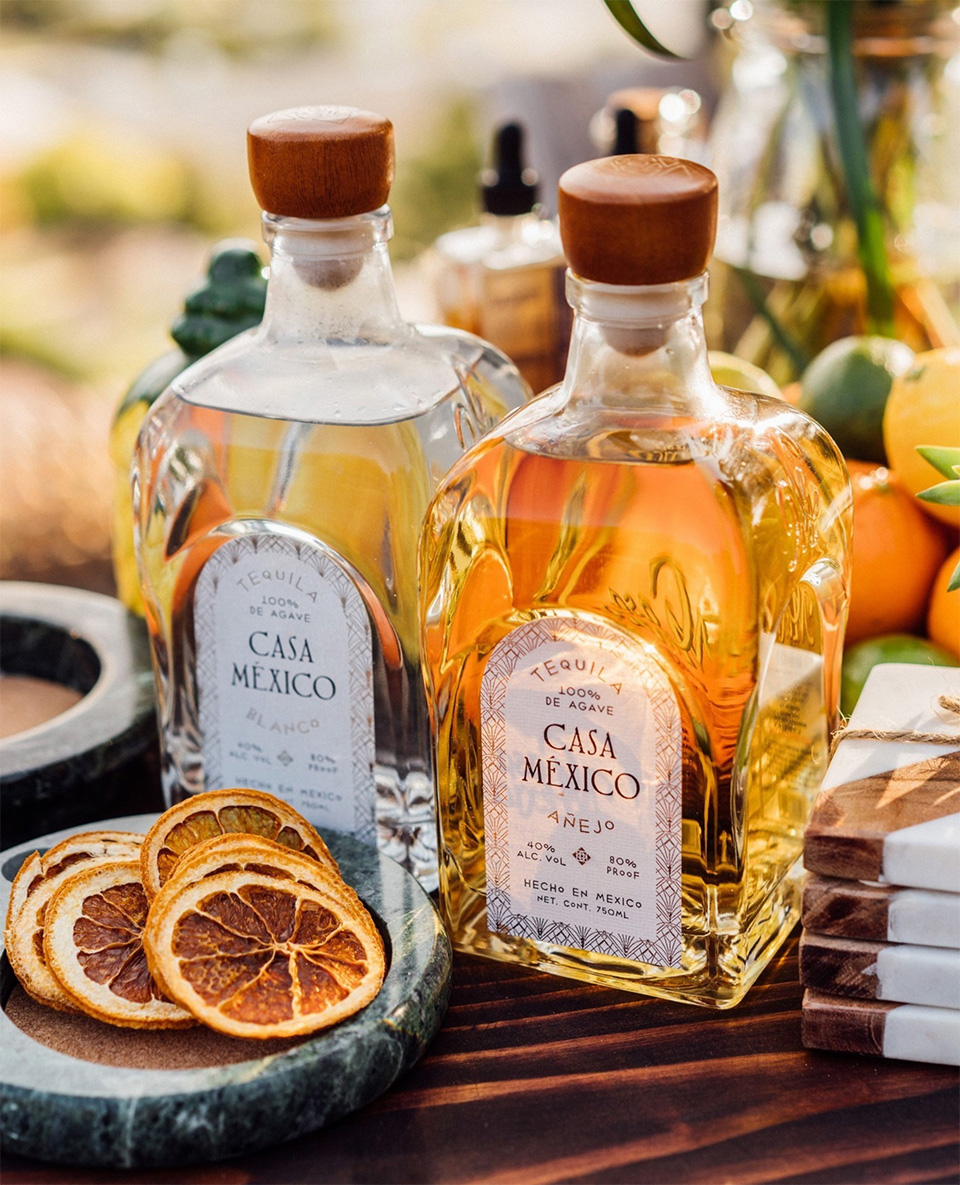
Casa Mexico Blanco Tequila
Casa Mexico Blanco Tequila presents bright agave notes with a smooth, clean finish. Casa Mexico Blanco Tequila integrates effectively with passion fruit acidity and grapefruit carbonation while preserving crisp citrus structure.
Casa Mexico Reposado Tequila
Casa Mexico Reposado Tequila offers subtle oak influence with soft vanilla undertones. Casa Mexico Reposado Tequila creates a slightly warmer variation while preserving citrus clarity and balanced tropical brightness.
Casa Mexico Añejo Tequila
Casa Mexico Añejo Tequila delivers a deeper caramelized agave character from barrel aging. Casa Mexico Añejo Tequila produces a richer Passion Fruit Paloma variation with greater depth and layered complexity.
Does Passion Fruit Paloma have alcohol? Yes, Passion Fruit Paloma contains alcohol. Tequila serves as the base spirit and provides structure with agave-driven character. The alcohol content typically ranges between 15% ABV (Alcohol By Volume) per serving, depending on the pour.
How Much Alcohol Does a Passion Fruit Paloma Have?
A Passion Fruit Paloma has an alcohol content between 12% to 15% ABV (Alcohol By Volume) per serving when prepared with a standard 1.5-ounce pour of 40% tequila. The exact strength depends on the tequila proof, mixer ratio, and dilution from ice, which can either intensify or soften the perceived alcohol heat. A higher alcohol concentration intensifies agave warmth and produces a stronger, sharper finish. A lower ABV version tastes lighter, more fruit-forward, and refreshing with less noticeable alcohol heat. Healthy adults who choose to drink moderately generally mean one standard drink per day for women and up to two for men.
Can Pregnant Women Drink Passion Fruit Paloma? No, pregnant women cannot safely drink a Passion Fruit Paloma or any other alcoholic beverage. Medical consensus maintains that no amount of alcohol is safe during pregnancy. The CDC (Centers for Disease Control and Prevention) states clearly that “there is no known safe amount of alcohol use during pregnancy.” Alcohol passes through the placenta to the developing baby, and the fetus metabolizes alcohol much more slowly than an adult. The ACOG (American College of Obstetricians and Gynecologists) advises that pregnant women should completely avoid alcohol. Drinking alcohol during pregnancy increases the risk of adverse pregnancy outcomes (miscarriage, stillbirth, preterm birth, and low birth weight).
Does a Passion Fruit Paloma make you drunk?
Yes, Passion Fruit Paloma makes you drunk. Passion Fruit Paloma contains tequila, a distilled spirit with significant alcohol content. A standard serving typically contains about 12% to 15% ABV, which is comparable to other tequila-based cocktails. Alcohol affects the body by entering the bloodstream and slowing central nervous system function, which can impair coordination, judgment, and reaction time. Intoxication occurs depending on factors (body weight, metabolism, gender, food intake, hydration level, and how fast the drink is consumed). Drinking multiple servings in a short period significantly increases blood alcohol concentration and the likelihood of intoxication.
Does Passion Fruit Paloma Have Tequila?
Yes, a Passion Fruit Paloma has tequila. Blanco tequila serves as the sole spirit base of the cocktail and the component that defines its alcoholic identity and agave-forward character. A standard build uses 2 oz of blanco tequila at 40% ABV, contributing the clean, mineral-driven backbone. The blanco tequila allows the passion fruit purée and fresh grapefruit juice to lead the flavor without the spirit overpowering either component. Drinking without tequila would simply be a non-alcoholic tropical soda rather than a true Paloma variation.
What is Passion Fruit Paloma?
A Passion Fruit Paloma is a tequila-based cocktail that combines fresh passion fruit pulp, lime juice, and grapefruit soda to create a bright, tropical variation of the classic Mexican Paloma. The Passion Fruit Paloma balances sweet-tart fruit acidity with citrus bitterness and sparkling effervescence, typically finished with a salted rim for contrast. The cocktail preserves the essential structure of a traditional Mexican Paloma while enhancing it with the aromatic intensity and natural sweetness of passion fruit. Tequila provides the clean agave backbone, lime juice sharpens the acidity, and grapefruit soda contributes gentle bitterness and effervescence for balance. The passion fruit pulp, lime juice, grapefruit soda, and tequila create a refreshing, fruit-forward drink that remains crisp and structured rather than overly sweet. A standard serving generally contains about 12 to 15 percent alcohol by volume, offering moderate strength with a smooth, tropical finish.
Why is it called a Passion Fruit Paloma? It is called a Passion Fruit Paloma because it reflects both the drink’s classic foundation and its tropical variation. The word “Paloma,” meaning “dove” in Spanish, refers to the traditional Mexican cocktail made with tequila and grapefruit soda. The addition of passion fruit in the name highlights the key flavor modification that distinguishes it from the original recipe. The “Passion Fruit” signals a variation built on an established base. The name of the cocktail communicates that the drink maintains the tequila and citrus structure of a classic Paloma while introducing tropical sweetness and aromatic intensity. The name Passion Fruit Paloma preserves tradition while clearly identifying the fruit-forward twist.
What Does a Passion Fruit Paloma Taste Like?
A Passion Fruit Paloma tastes like a bright, tropical cocktail where tangy passion fruit and smooth tequila create a vibrant citrus foundation. The flavor opens with sharp lime acidity and juicy tropical sweetness, followed by subtle grapefruit bitterness and clean agave warmth that provide structure and balance.
The ingredients that affect the taste of the Passion Fruit Paloma are listed below.
- Tequila: Tequila provides the foundational agave character with mild peppery and vegetal undertones. Blanco tequila delivers crisp, clean notes, while reposado introduces light vanilla warmth that softens the tropical sharpness.
- Fresh Passion Fruit Pulp: Fresh Passionfruit pulp contributes intense tropical aroma and sweet-tart acidity. Passion fruit creates the cocktail’s signature brightness and slightly tangy complexity.
- Fresh Lime Juice: Fresh lime juice adds crisp citrus acidity that sharpens flavors and prevents excessive sweetness. Lime enhances freshness and keeps the drink lively.
- Grapefruit Soda: Grapefruit soda introduces gentle bitterness and carbonation that lightens the body. The effervescence lifts fruit flavors and creates a clean, refreshing finish.
- Agave Syrup: Agave syrup adds controlled sweetness that balances tart fruit and citrus notes. Agave syrup integrates naturally with tequila’s agave base for cohesive flavor.
- Salt (Rim or Dash): Salt on the rim elevates sweetness while softening bitterness and acidity. Salt enhances overall contrast and produces a more rounded, dynamic taste experience.
How to Drink a Passion Fruit Paloma?
To drink a Passion Fruit Paloma properly, follow the eight simple steps listed below.
- Prepare the glass. Select a highball glass filled with fresh, solid ice cubes. The tall glass preserves carbonation and maintains proper dilution.
- Observe the appearance. Notice the vibrant golden-orange or light coral hue created by passion fruit and grapefruit soda. Look for visible pulp or a salted rim that signals flavor contrast.
- Inhale the aroma before sipping. Bring the glass close and take a gentle breath through the nose. Identify tropical passion fruit fragrance rising above citrus and subtle agave notes.
- Take a small initial sip. Allow the liquid to coat the palate completely. Recognize the bright lime acidity first, followed by passion fruit sweetness and tequila warmth.
- Notice the carbonation. Feel the effervescence lifting flavors across the tongue. The bubbles prevent heaviness and enhance refreshment.
- Identify the flavor progression. Experience how the drink moves from tart citrus brightness to tropical sweetness and finishes with mild grapefruit bitterness.
- Sip slowly and stir occasionally. Gently stir between sips to maintain balance as pulp and soda integrate. This keeps flavor consistent as ice gradually melts.
- Appreciate controlled dilution. Observe as the ice softens the drink, feel how sharp acidity mellows, and sweetness becomes smoother.
The most important tip for a better taste experience is to sip slowly rather than drink it quickly. Slow sipping allows the tropical aromas and citrus layers to fully develop on the palate. Taking a brief inhale before each sip enhances the passion fruit fragrance and intensifies overall flavor perception.
Is Passion Fruit Paloma Best Served Over Ice or Blended?
Passion Fruit Paloma is best served over ice for optimal balance and flavor clarity. Serving it on fresh ice preserves carbonation, maintains the crisp citrus structure, and allows gradual dilution that softens acidity without overpowering the tropical notes. A blended version can create a refreshing frozen variation, blending reduces carbonation and alters texture, producing a thicker, slush-style drink with muted effervescence. A more authentic Paloma experience with bright citrus lift and defined agave character is achieved when the drink is served over ice rather than blended.
What are the Types of Passion Fruit Paloma Cocktails?
The types of Passion Fruit Paloma Cocktails are listed below.
- Pink Paloma: Pink Paloma has a light, citrus-forward, and slightly sweet taste with a clean grapefruit emphasis. The flavor profile is simpler and less tropical than Passion Fruit Paloma.
- Spicy Paloma: Spicy Paloma has a bright and citrusy flavor with added chili heat. The finish is warmer and more intense compared to the smooth tropical acidity of Passion Fruit Paloma.
- Jalapeño Paloma: Jalapeño Paloma has a fresh vegetal heat with a crisp spice. The taste leans savory and sharper than the fruit-dominant Passion Fruit version.
- Watermelon Paloma: Watermelon Paloma has a mild, sweet, and refreshing taste with a juicy, soft texture. The acidity is lower, and the profile is lighter than the tangy structure of Passion Fruit Paloma.
- Strawberry Paloma: Strawberry Paloma has a sweet taste with gentle tartness. Sweetness is more pronounced, and acidity is softer than in Passion Fruit Paloma.
- Pineapple Paloma: Pineapple Paloma has a bright, tropical, and slightly more sugary flavor. Sugar perception is higher, and tanginess is slightly lower than that of the Passion Fruit Paloma.
- Passion Fruit Paloma: Passion Fruit Paloma has an intense aroma with vibrant sweet-tart acidity. Tropical sharpness and balanced bitterness create stronger complexity than most fruit variations.
- Blood Orange Paloma: Blood Orange Paloma has a smooth citrus sweetness with mild bitterness. The profile feels rounder and less sharply acidic than Passion Fruit Paloma.
- Guava Paloma: Guava Paloma has a creamy tropical sweetness with low acidity. Texture perception is softer and sweeter compared to the crisp structure of Passion Fruit Paloma.
- Hibiscus Paloma: Hibiscus Paloma has a tarty and floral taste with cranberry-like brightness. Acidity is more pronounced, and sweetness is lower than in Passion Fruit Paloma.
- Rose Paloma: Rose Paloma has a delicate floral aroma with subtle sweetness. The flavor is lighter and more perfumed than the bold tropical intensity of Passion Fruit Paloma.
- Lavender Paloma: Lavender Paloma has soft, herbal-floral notes with a gentle citrus balance. Aromatics dominate more than fruit tang when compared to the Passion Fruit Paloma.
What is the Difference of Jalapeño Passion Fruit Paloma than other Passion Fruit Paloma Cocktail Recipes?
The difference between Jalapeño Passion Fruit Paloma and other Passion Fruit Paloma variations (Rose Passion Fruit Paloma and Strawberry Passion Fruit Paloma) lies in the addition of fresh jalapeño as the defining ingredient. The muddled Jalapeño introduces crisp, green heat that contrasts the tropical sweet-tart base, creating a sharper and more savory flavor profile than the classic recipe. Other Passion Fruit Palomas focus on fruit brightness without pronounced pepper spice. The preparation emphasizes controlled heat extraction. Fresh jalapeño slices are gently muddled to release flavor without excessive bitterness, then shaken with other ingredients (blanco tequila, passion fruit pulp, and lime juice) before being strained over fresh ice and topped with grapefruit soda. The variation is known as the Jalapeño Passion Fruit Paloma Recipe. The name highlights the bold pepper-forward character within the traditional structure.
What is the Difference of Spicy Passion Fruit Paloma than other Passion Fruit Paloma Cocktail Recipes?
The difference between Spicy Passion Fruit Paloma and other Passion Fruit Paloma cocktail recipes (Rose Passion Fruit Paloma and Strawberry Passion Fruit Paloma) centers on the use of chili-based ingredients (chili syrup, chili powder, or hot sauce). The Spicy Passion Fruit Paloma variation delivers a broader, lingering heat that enhances warmth while maintaining the tropical fruit foundation. Other Passion Fruit Paloma recipes remain fruit-focused without sustained chili intensity. The preparation ensures even spice distribution by shaking the ingredients (tequila, passion fruit pulp, lime juice, and the chili element) together with ice before straining over fresh ice and finishing with grapefruit soda. The Spicy Passion Fruit Paloma Recipe communicates its deliberate elevation of heat and depth.
What is the Difference of Rose Passion Fruit Paloma than other Passion Fruit Paloma Cocktail Recipes?
The difference between Rose Passion Fruit Paloma and other Passion Fruit Paloma recipes (Chili Passion Fruit Paloma and Strawberry Passion Fruit Paloma) is defined through the use of rose water infusion. Floral aromatics soften the tropical sharpness and introduce a delicate, perfumed sweetness that distinguishes it from the fruit-dominant classic version. Traditional recipes emphasize acidity and citrus brightness rather than botanical elegance. A precise measurement when adding the rosewater is required to avoid overpowering the drink. A measured amount of rose water is shaken with the primary ingredients (tequila, passion fruit pulp, and lime juice), then strained over fresh ice and topped with grapefruit soda. The Rose Passion Fruit Paloma Recipe reflects its refined aromatic character through the addition of rose syrup, which introduces a delicate floral sweetness that deepens the tropical passion fruit profile without overpowering it.
What is the Difference of Strawberry Passion Fruit Paloma than other Passion Fruit Paloma Cocktail Recipes?
The difference between the Strawberry Passion Fruit Paloma and other Passion Fruit Paloma Cocktail recipes (Chili Passion Fruit Paloma and Rose Passion Fruit Paloma) is the addition of fresh strawberry purée. The strawberry introduces natural berry sweetness and softens the tangy edge of passion fruit, producing a smoother and more rounded fruit-forward profile. Other Passion Fruit Palomas retain a sharper tropical acidity. The preparation integrates the purée at the base by shaking it with tequila, passion fruit pulp, and lime juice before straining over fresh ice and topping with grapefruit soda. The Strawberry Passion Fruit Paloma Recipe signals the added berry dimension and softer sweetness compared to other Passion Fruit Paloma variations.
Where to Serve Passion Fruit Paloma?
Serve a Passion Fruit Paloma on a weekend brunch, a warm weather evening, a summer party, and a birthday celebration. The cocktail’s bright, tropical, and refreshing character makes it appropriate for various occasions. Breakfast or brunch provides an ideal setting for the Passion Fruit Paloma. The drink pairs well with a Spanish brunch duo, complementing dishes like a Passion Fruit Mousse Tart. The bright citrus and tropical notes align with daytime dining. Lunch gatherings also benefit from the cocktail’s presence, especially as a food pairing. The drink complements grilled shrimp tacos with citrus slaw, mango salsa with plantain chips, or ceviche balanced with avocado and jalapeño. Dinner occasions, particularly warm weather evenings, welcome the Passion Fruit Paloma. The cocktail serves as an aperitif or an accompaniment to lighter dinner fare. The refreshing profile makes it suitable for casual evening meals. Birthday parties and summer gatherings find the cocktail a festive choice. The drink’s vibrant golden hue and crowd-pleasing color make it visually stunning in the glass. The right food pairing brings out the full tropical and citrus character of the drink, and knowing What to Serve with Passion Fruit Palomas elevates the drinking experience.
What Glass to Serve a Passion Fruit Paloma?
The glass to serve a Passion Fruit Paloma is a highball glass. The highball glass is a tall, straight-sided, cylindrical vessel. The glass accommodates the full build (tequila, fresh grapefruit juice, passion fruit, lime, and soda) alongside a full ice column without compressing the ingredients. The vertical structure supports carbonation by allowing bubbles to travel upward through a longer liquid path, preserving the drink’s effervescence throughout consumption. The narrow diameter reduces surface area exposure to ambient air, slowing both dilution and temperature increase. The height of the glass channels the bright aromatic profile of passion fruit and citrus upward, enhancing each sip with a focused nose.
The highball glass differs from other cocktail glasses in five ways. A Collins glass is taller and slightly narrower, designed for drinks with a higher total volume and heavier mixer ratio. The Collins glass is similar in structure, which slightly dilutes the intensity of the passion fruit and grapefruit interplay in a Passion Fruit Paloma. A rocks glass is short and wide, intended for spirit-forward cocktails served over a large ice cube. The increased surface area accelerates carbonation loss, flattening the soda component quickly and disrupting the drink’s intended texture. A margarita glass features a wide, flared bowl that increases evaporation and rapidly dissipates carbonation, making it unsuitable for a carbonated Paloma variation. A martini glass, with its stemmed, conical design, is built for up drinks without ice and lacks both the volume and structure required for a long, sparkling cocktail. A coupe glass, similarly stemmed and shallow, prioritizes aroma in non-carbonated cocktails and cannot sustain the cold temperature or effervescence required. The highball glass remains the standard for a Passion Fruit Paloma due to its balance of volume, carbonation retention, and temperature control. A Collins glass serves as the only practical alternative when a highball glass is unavailable, though the drink’s balance is best preserved in the highball format.
What makes Passion Fruit Paloma different from others?
Passion Fruit Paloma is different from others in the ways listed below.
- A Passion Fruit Paloma stands apart through its layered tropical-citrus structure, where passion fruit introduces a dense, aromatic sweetness that reshapes the classic Paloma’s sharp grapefruit profile. The added fruit component softens bitterness while amplifying aroma, creating a more rounded and expressive highball compared to traditional tequila long drinks.
- Fresh passion fruit delivers a pulpy, fragrant sweetness that contrasts directly with the clean, bitter-citrus simplicity of a standard Paloma, which relies primarily on grapefruit soda or juice.
- Grapefruit remains present but shifts into a supporting role, allowing the tropical acidity of passion fruit to lead the flavor structure rather than dominate it.
- The Classic Paloma shares the same tequila-and-grapefruit foundation but lacks the tropical depth, resulting in a brighter, more bitter-forward profile without the layered fruit complexity.
- The Tequila Sunrise incorporates fruit sweetness through orange juice and grenadine, yet it produces a heavier, non-carbonated build that lacks the crisp lift and effervescence of a Passion Fruit Paloma.
- The Tequila Collins follows the same long-drink format but uses lemon as its primary acid, creating a sharper, linear citrus profile without the rounded tropical character introduced by passion fruit.
- The passion fruit component is the single defining ingredient that separates the Passion Fruit Paloma drink from every cocktail listed in Drinks Similar to a Passion Fruit Paloma, transforming both aroma concentration and flavor balance.