EN
EN ES
ES PL
PL TR
TR
Scotch whisky drinkers do not generally hate tequila because each spirit delivers a distinct flavor profile, production method, and drinking tradition. Scotch whisky develops flavors from malted grains, oak maturation, and, in many expressions, peat smoke. Tequila derives its signature characteristics from Blue Weber agave, producing earthy, herbal, peppery, and vegetal notes that differ from those of whisky. Separate ingredients and production techniques create unique tasting experiences instead of establishing one spirit as superior. Appreciation depends on personal preference, previous tasting experience, and familiarity with different styles of distilled spirits.
Quality and presentation influence perception across both categories. Premium tequila offers layered aromas, balanced texture, and refined flavors that contrast sharply with low-quality products associated with quick consumption. Barrel-aged tequila develops additional vanilla, caramel, spice, and oak notes that appeal to many whisky enthusiasts seeking complex spirits. Flavor preference varies with aroma, finish, sweetness, smoke, and maturation, rather than with the spirit category alone. Open-minded tasting introduces many Scotch whisky drinkers to premium tequila expressions that reflect craftsmanship and traditional production methods.
Why Might Scotch Whiskey Drinkers Dislike Tequila?
Scotch whisky drinkers dislike tequila because tequila delivers a different flavor profile, aroma, and production process from Scotch whisky. Scotch develops characteristics from malted grains, oak barrels, dried fruit, vanilla, spice, and peat smoke. Tequila derives flavor from Blue Weber agave, creating earthy, herbal, citrus, peppery, and vegetal notes that contrast with traditional Scotch profiles. Separate production methods reinforce those differences because tequila begins with cooked agave hearts, whereas Scotch begins with fermented grain mash before distillation and maturation.
Past drinking experiences influence perception alongside flavor preference. Low-quality tequila consumed during social gatherings creates negative impressions that differ greatly from premium tequila crafted through careful distillation and maturation. Barrel-aged tequila develops greater depth through oak influence, producing layered aromas and a smoother finish that appeals to many whisky enthusiasts. Personal preference determines long-term enjoyment because palates, tasting experiences, and aroma preferences vary from person to person.
How is Tequila Different From Scotch Whiskey?
Tequila differs from Scotch whisky in terms of ingredients, production methods, aging practices, flavor profile, and geographic origin. Tequila originates from fermented Blue Weber agave grown within designated regions of Mexico, whereas Scotch whisky originates from malted barley or other grains produced and matured in Scotland. Distillation begins after different raw materials undergo fermentation, creating distinct chemical compositions that influence aroma, body, and finish. Separate production traditions produce recognizable differences across every stage of tasting.
Aging contributes additional variation throughout both spirits. Blanco tequila reaches bottling without extended barrel maturation, whereas reposado, añejo, and extra añejo expressions mature from months to years in oak barrels. Scotch whisky matures for at least 3 years under Scottish regulations, allowing oak, fruit, spice, vanilla, and smoky notes to develop over time. Regional ingredients, climate, maturation practices, and traditional production methods create distinct tasting experiences across tequila and Scotch whisky.
Is Tequila Made From Agave Instead of Grains?
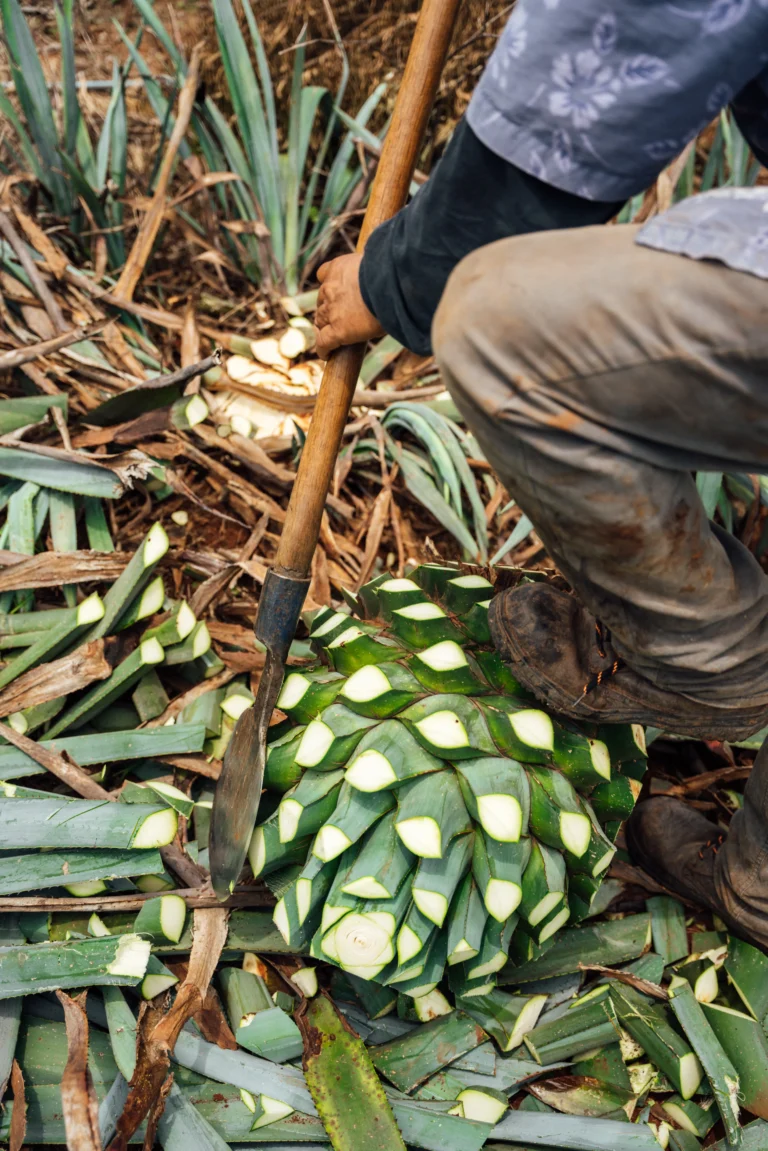
Yes, tequila is made from Blue Weber agave instead of grains. Authentic tequila relies upon fermentable sugars extracted from mature Blue Weber agave plants harvested within approved tequila-producing regions of Mexico. Whiskey relies upon grains (barley, corn, rye, wheat), creating a different production foundation before fermentation, distillation, and maturation. Separate raw materials produce distinct aromas, flavors, textures, and finishes across each spirit.
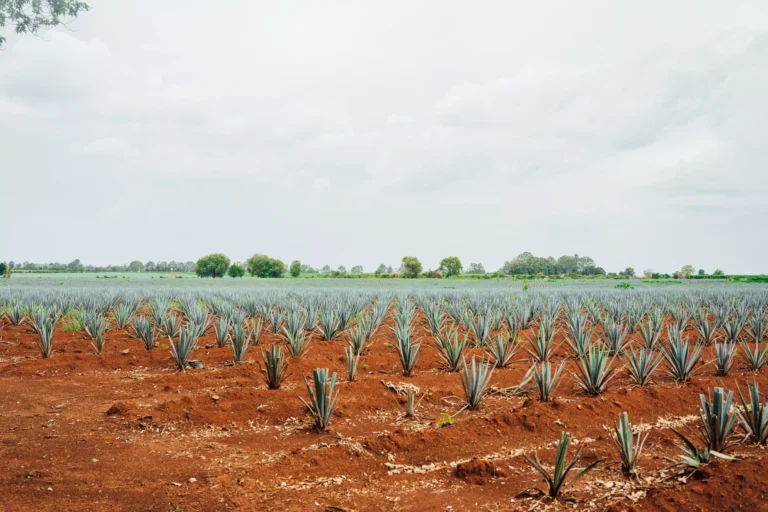
Blue Weber agave requires years of cultivation before harvest, creating a production cycle that differs substantially from grain cultivation. Mature agave imparts earthy, herbal, citrusy, peppery, and lightly sweet characteristics to the finished spirit after cooking and fermentation. Raw material selection explains What is Agave (Tequila) is within authentic tequila production and distinguishes tequila from grain-based whiskey.
Meet Our Maestra Tequilera
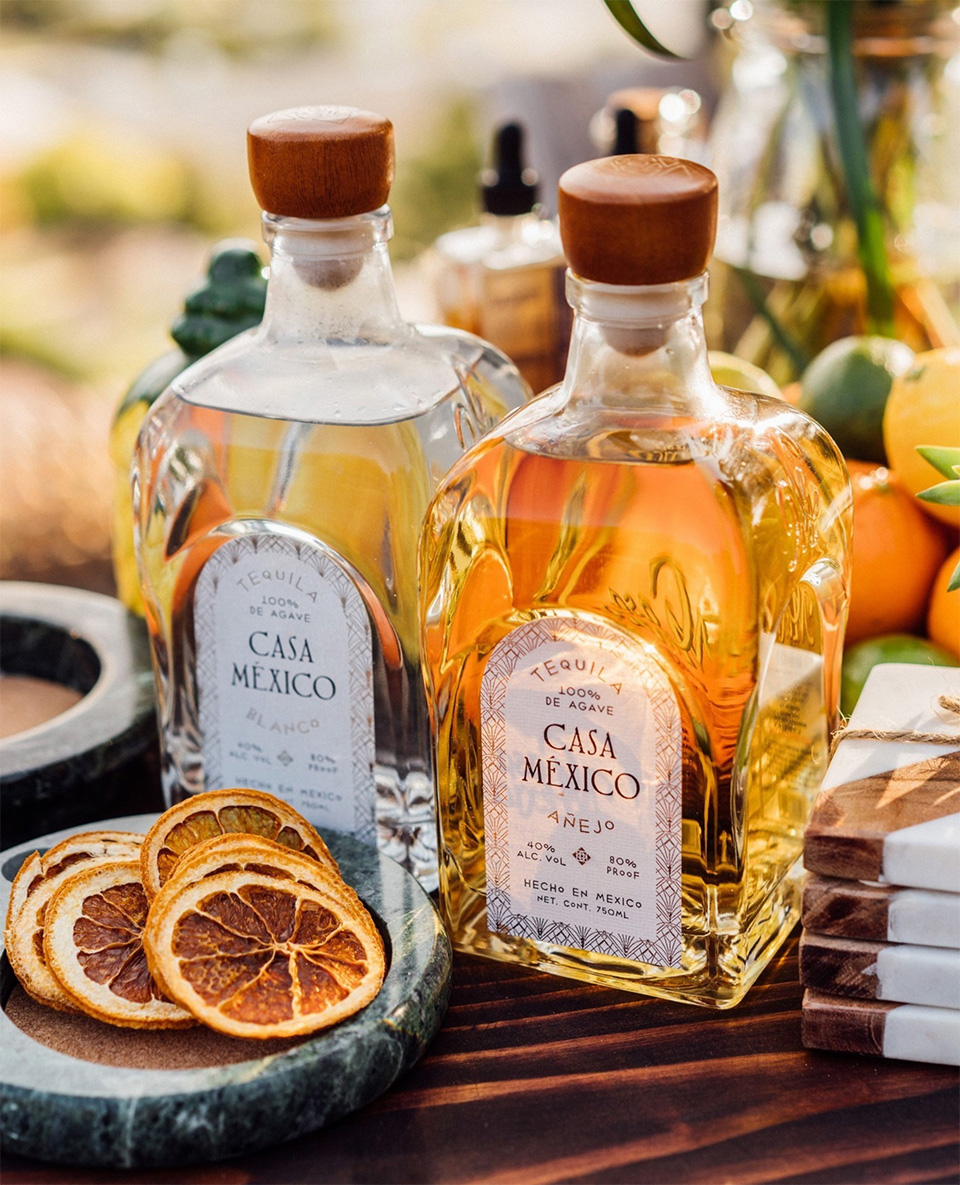
Casa México Tequila is crafted under the guidance of world-renowned Maestra Tequilera Ana María Romero Mena. With decades of experience creating acclaimed tequilas and mentoring future generations of distillers, she brings both deep tradition and thoughtful innovation to the brand. From agave selection to distillation and aging, her expertise ensures every expression reflects authenticity, precision and exceptional quality.

What are the Main Differences Between Tequila and Whiskey?
Tequila and whiskey differ in ingredients, production methods, aging practices, geographic origin, and flavor profile. Tequila originates from fermented Blue Weber agave grown within designated regions of Mexico, whereas whiskey originates from fermented grains (barley, corn, rye, wheat) produced across multiple countries. Distillation transforms different raw materials into distinct spirits that develop unique aromas, textures, and finishes. Barrel maturation contributes additional variation because aging duration, barrel type, and production standards differ across each category.
Flavor reflects every stage of production from raw material selection through maturation. Tequila delivers earthy, herbal, citrusy, peppery, and cooked-agave characteristics, whereas whiskey develops grain, vanilla, caramel, spice, fruit, and oak notes that vary by style and region. Separate production traditions create distinct tasting experiences rather than establishing one spirit as superior. Ingredient selection, maturation, and regional regulations explain the primary differences discussed throughout Tequila vs. Whiskey.
What is the Difference Between Whiskey and Tequila?
The difference between whiskey and tequila begins with the raw material used during production. Whiskey originates from fermented grains (barley, corn, rye, wheat), whereas tequila originates exclusively from Blue Weber agave cultivated within approved tequila-producing regions of Mexico. Fermentation, distillation, and maturation follow distinct production traditions that shape the aroma, texture, and flavor of each spirit. Geographic regulations further distinguish both categories because Scotch whisky originates in Scotland, whereas authentic tequila originates in Mexico.
Flavor differences reflect ingredient composition and aging practices. Whiskey develops notes of oak, vanilla, caramel, grain, dried fruit, spice, and smoke according to production style and barrel maturation. Tequila develops earthy, peppery, citrus, herbal, vegetal, and cooked agave characteristics that remain identifiable across blanco, reposado, añejo, and extra añejo expressions. Separate production methods create distinctive sensory experiences that appeal to different flavor preferences.
Are Tequila and Whiskey Different Kinds of Liquor?
Yes, tequila and whiskey are different kinds of liquor because each spirit follows separate production standards, ingredients, and geographic requirements. Authentic tequila originates from fermented Blue Weber agave cultivated within designated regions of Mexico, whereas whiskey originates from fermented grains produced under country-specific regulations. Distillation produces alcoholic spirits across both categories, although ingredient selection establishes distinct identities before maturation begins.
Classification extends beyond raw materials because aging requirements, production methods, and regional laws differ across tequila and whiskey. Blanco tequila is bottled without extended barrel maturation, whereas many whiskey styles mature for years in oak barrels before release. Aroma, flavor, texture, and finish develop according to production practices associated with each spirit category. Separate classifications reflect unique traditions established through centuries of distillation and regional craftsmanship.
How do Tequila and Scotch Compare in Strength?
Tequila and Scotch whisky compare closely in strength because standard bottlings contain about 40% alcohol by volume (ABV). Production regulations permit higher-proof expressions across both categories, creating alcohol levels that extend beyond standard releases. Similar alcohol content does not guarantee an identical drinking experience because aroma, flavor compounds, and production methods influence alcohol perception. Distillation and maturation contribute unique characteristics that shape the overall profile without substantially changing standard bottling strength.
Perceived intensity varies according to serving style, barrel influence, and ingredient composition. Scotch whisky develops smoky, oaky, dried-fruit, spicy, or malty characteristics that create a fuller impression during tasting. Tequila delivers earthy, herbal, citrusy, peppery, and cooked-agave notes that create a distinct sensory experience despite comparable ABV. Flavor concentration, aroma, finish, and mouthfeel influence perceived strength more than alcohol percentage alone.
Is Whiskey Stronger Than Tequila?
No, whiskey is not stronger than tequila under standard bottling conditions, as both spirits typically contain about 40% alcohol by volume. Higher-proof releases exist across whiskey and tequila, producing alcohol percentages that exceed standard expressions. Production standards establish minimum alcohol levels before bottling, creating comparable strength throughout many commercially available products. Alcohol percentage alone does not determine perceived intensity during tasting.
Flavor compounds influence how strength is experienced across each spirit. Whiskey develops grain, oak, caramel, vanilla, spice, fruit, and smoke characteristics that create a bold impression throughout the palate. Tequila develops earthy, herbal, peppery, citrus, and cooked agave notes that produce a distinct sensation despite similar alcohol content. Aroma, finish, serving temperature, and maturation contribute substantially to overall drinking perception.
Does Tequila Have a Higher Alcohol Percentage Than Whiskey?
No, tequila does not have a higher alcohol percentage than whiskey across standard commercial bottlings. Most tequila and whiskey expressions contain about 40% alcohol by volume, although overproof releases from either category exceed that level. National production standards establish acceptable bottling strengths, creating similar alcohol percentages throughout premium and entry-level expressions. Alcohol content remains comparable despite major differences in ingredients and production methods.
Differences in flavor profile create a stronger or milder impression even when alcohol percentages match. Tequila presents earthy, herbal, peppery, citrusy, and agave-forward characteristics, whereas whiskey develops grain, vanilla, oak, spice, fruit, or smoky notes depending on production style. A comparable alcohol strength supports fair comparison across both spirits, reflecting the production standards associated with Casa Mexico Tequila.
Why does Tequila Affect Some People Differently?
Tequila affects people differently because body size, metabolism, food intake, alcohol tolerance, hydration, and consumption amount influence alcohol absorption and processing. Alcohol enters the bloodstream at different rates across individuals, creating variation in intoxication level, recovery time, and physical response. Drinking on an empty stomach increases alcohol absorption, whereas food slows the movement of alcohol into the bloodstream. Consumption speed contributes another major factor because rapid drinking produces a higher blood alcohol concentration within a shorter period.
The type of spirit represents one part of the overall drinking experience. Similar alcohol content produces different perceptions depending on serving size, mixers, hydration level, and personal physiology. Standard tequila and whiskey contain comparable alcohol percentages, making drinking habits more influential than the spirit itself. Individual biological differences explain why one person experiences stronger effects than another after consuming a similar amount of alcohol.
Does Tequila Affect You Differently From Whiskey?
No, tequila does not affect people differently from whiskey solely because of the type of spirit. Standard tequila and whiskey contain similar alcohol percentages, creating comparable effects when equal amounts of alcohol are consumed. Body weight, metabolism, food intake, hydration, drinking pace, and alcohol tolerance influence intoxication more than the choice of spirit. Equal alcohol intake produces similar physiological effects regardless of whether the source is tequila or whiskey.
Flavor, aroma, and serving style influence perception during drinking without changing alcohol absorption. Tequila is commonly served in shots or cocktails, whereas whiskey is often enjoyed slowly over a longer period. Different drinking habits influence alcohol intake speed, creating different experiences despite similar alcohol content. Consumption pattern remains a stronger factor than the spirit category.
Can Alcohol Strength Change How Tequila Affects You?
Yes, alcohol strength changes how tequila affects the body because higher alcohol concentration delivers more ethanol within each serving. Higher-proof tequila increases blood alcohol concentration more rapidly when the serving size remains unchanged. Lower-proof expressions contain less alcohol per serving, producing a slower rise in alcohol exposure under identical drinking conditions. Serving volume and drinking pace contribute additional influence throughout the experience.
Alcohol percentage is one of several factors that determine overall effects. Body size, metabolism, hydration, food intake, and alcohol tolerance influence alcohol processing after consumption. Standard tequila commonly contains about 40% alcohol by volume, although higher-proof expressions produce stronger effects through greater ethanol concentration. Alcohol concentration varies across Different Types of Alcohol, creating measurable differences in intoxication potential despite similar serving volumes.
Does Tequila Taste Very Different From Scotch?
Yes, tequila tastes very different from Scotch whisky because each spirit originates from different raw materials and follows distinct production methods. Tequila develops earthy, herbal, peppery, citrus, and cooked agave characteristics from Blue Weber agave, whereas Scotch whisky develops malt, oak, dried fruit, vanilla, spice, and smoky notes from malted barley and barrel maturation. Fermentation, distillation, and aging shape separate aroma and flavor profiles that remain recognizable throughout each category. Regional production traditions contribute additional variation that distinguishes both spirits.
Maturation influences flavor complexity in tequila and Scotch without eliminating the characteristics of the primary ingredient. Blanco tequila highlights fresh agave flavors, whereas aged tequila develops caramel, vanilla, and oak notes through barrel aging. Scotch whisky shows greater variation depending on cask type, peat influence, maturation period, and regional style. Ingredient selection and production practices create tasting experiences that remain distinct across both spirits.
What Makes Tequila Taste Different From Whiskey?
Tequila tastes different from whiskey because tequila originates from Blue Weber agave, whereas whiskey originates from fermented grains (barley, corn, rye, wheat). Blue Weber agave contributes earthy, herbal, citrus, peppery, and lightly sweet characteristics that differ from grain-derived flavors. Fermentation and distillation preserve those natural differences before maturation begins. Separate ingredients establish the foundation for distinct aromas, textures, and finishes across each spirit.
Production methods and barrel aging create additional flavor variation throughout both categories. Blanco tequila emphasizes fresh agave character, whereas reposado, añejo, and extra añejo expressions develop vanilla, caramel, spice, and oak influence through maturation. Whiskey develops grain, fruit, caramel, smoke, and spice notes according to grain selection, distillation method, barrel type, and aging duration. Combined production stages create unique sensory profiles that distinguish each spirit during Tequila Tasting.
Does Tequila Have a Stronger Agave Flavor Than Scotch?
Yes, tequila has a stronger agave flavor than Scotch whisky because Blue Weber agave remains the primary ingredient throughout tequila production. Fresh agave contributes earthy, herbal, peppery, citrus, and vegetal characteristics that remain noticeable after fermentation, distillation, and maturation. Scotch whisky develops its flavor from malted grains and oak barrels, producing grain, vanilla, fruit, spice, caramel, and smoky notes instead of agave-forward characteristics.
Barrel aging softens agave intensity throughout reposado, añejo, and extra añejo tequila without removing the signature flavor created by the raw material. Blanco tequila retains the brightest agave profile because minimal barrel influence preserves fresh plant characteristics. Ingredient selection establishes the dominant flavor profile across both spirits, creating clear differences during tasting.
Is Tequila Better Than Whiskey for Some Drinkers?
Yes, tequila is better than whiskey for some drinkers because flavor preference, aroma, production style, and drinking occasion influence enjoyment. Tequila delivers earthy, herbal, citrus, peppery, and cooked agave characteristics that appeal to drinkers seeking fresh and vibrant flavors. Whiskey develops notes of grain, oak, vanilla, caramel, spice, fruit, and smoke that satisfy different taste preferences. Distinct ingredients and maturation methods create separate tasting experiences without placing one spirit above the other.
Personal preference remains the primary factor when comparing both spirits. Blanco tequila highlights fresh agave character, whereas reposado, añejo, and extra añejo expressions develop greater complexity through barrel maturation. Whiskey offers broad flavor variation across bourbon, rye, Irish whiskey, and Scotch whisky, driven by different grains and aging methods. Flavor profile, aroma, finish, and preferred serving style influence long-term enjoyment more than the spirit category itself.
Is Tequila or Whiskey Stronger in Flavor?
Tequila and whiskey differ in flavor strength because each spirit expresses bold characteristics from different ingredients and production methods. Tequila presents pronounced earthy, herbal, peppery, citrus, and agave-forward flavors that remain recognizable throughout each style. Whiskey develops grain, vanilla, oak, caramel, fruit, spice, and smoky notes, creating a rich, layered tasting profile. Ingredient selection determines flavor identity before fermentation, distillation, and maturation begin.
Barrel aging increases flavor complexity across aged expressions without changing the primary character established by the raw material. Blanco tequila emphasizes fresh agave notes, whereas aged tequila develops additional oak influence. Whiskey varies according to grain selection, cask type, regional tradition, and maturation period. Flavor intensity depends upon palate preference rather than a universal measure of strength.
Can Personal Taste Make Tequila More Enjoyable Than Whiskey?
Yes, personal taste makes tequila more enjoyable than whiskey for many drinkers because aroma preferences, flavor expectations, and prior tasting experience influence enjoyment. Tequila appeals to drinkers who appreciate fresh agave, herbal, citrus, peppery, and lightly sweet characteristics. Whiskey attracts drinkers who favor grain, oak, vanilla, caramel, spice, fruit, and smoky flavors developed through grain selection and barrel maturation. Distinct flavor profiles create different tasting experiences across both categories.
Serving style contributes to another influence throughout the overall experience. Slow sipping highlights aroma and finish, whereas cocktails introduce additional flavor combinations that change perception without altering the spirit itself. Individual palate, preferred aroma, and desired flavor profile determine whether tequila or whiskey provides greater enjoyment.
Can Scotch Whiskey Drinkers Enjoy Tequila?
Yes, Scotch whisky drinkers enjoy tequila after discovering expressions that match preferred flavor characteristics and maturation styles. Barrel-aged tequila develops vanilla, caramel, oak, spice, and dried fruit notes that create familiarity for drinkers accustomed to aged Scotch whisky. Blanco tequila presents fresh agave, citrus, herbal, and peppery flavors that differ from whisky, creating a distinct tasting experience rather than a replacement. Ingredient selection and production methods establish separate identities across both spirits.
Exploring different tequila styles expands appreciation for agave-based spirits. Reposado and añejo tequila develop greater complexity through oak maturation, producing balanced aromas and layered finishes that appeal to many whisky enthusiasts. Production quality, aging period, and distillation practices influence the overall profile more than the spirit category itself. Personal preference determines long-term enjoyment because aroma, finish, texture, and flavor remain unique across every expression.
Can You Mix Whiskey and Tequila?
Yes, whiskey and tequila mix together in cocktails that balance the characteristics of both spirits. Tequila contributes earthy, herbal, citrus, and agave-forward flavors, whereas whiskey adds grain, vanilla, oak, caramel, spice, and smoky notes. Careful ingredient selection creates balanced cocktails that prevent either spirit from dominating the overall flavor profile. Citrus juice, bitters, vermouth, and natural sweeteners complement both spirits throughout mixed drinks.
Flavor balance depends upon the whiskey style and tequila expression selected for the recipe. Blanco tequila produces brighter cocktails, whereas reposado and añejo tequila contribute greater oak and vanilla influence. Bourbon, rye, Irish whiskey, and Scotch whisky each create different combinations because grain selection and maturation produce distinct flavor characteristics. Balanced recipes highlight the strengths of both spirits without masking their individual identities.
Is It Bad to Mix Whiskey and Tequila?
No, mixing whiskey and tequila is not bad when alcohol consumption remains moderate, and serving sizes remain controlled. Equal alcohol percentages across standard tequila and whiskey expressions produce similar ethanol content, making total alcohol intake more influential than the combination itself. Responsible consumption reduces the likelihood of excessive intoxication regardless of the spirit selected. Hydration, food intake, and drinking pace contribute substantial influence throughout the experience.
Mixing different spirits does not create a unique chemical reaction inside the body because ethanol remains the primary intoxicating ingredient across distilled beverages. Larger serving sizes and rapid consumption increase blood alcohol concentration regardless of whether tequila, whiskey, or another distilled spirit forms the drink. Drinking habits exert greater influence than combining different spirits on the same occasion.