EN
EN ES
ES PL
PL TR
TR
NEAT Glass is a tasting glass designed to reduce harsh alcohol vapors and improve the aroma and flavor of spirits (whisky, bourbon, tequila, rum, and gin). NEAT Glass features a distinctive flared shape that redirects strong ethanol fumes away from the nose. Georg Riedel inspired the concept through sensory research, and George Manska developed the final design after extensive blind tasting evaluations. Spirit enthusiasts, distillers, bartenders, and judges use the glass during tastings because the shape supports aroma evaluation without excessive alcohol interference. Crystal- and lead-free glass construction delivers clear color, clarity, and viscosity before each tasting. Professional competitions and guided tastings regularly include the glass as part of structured spirit evaluation.
A wide bowl encourages gentle swirling, and a narrow midsection concentrates aromatic compounds before the flared rim disperses harsh vapors. Balanced airflow creates a cleaner nosing experience that highlights agave, oak, vanilla, citrus, pepper, caramel, spice, and fruit notes. Tequila producers and whisky distilleries rely on sensory evaluation during quality control, making glassware selection a meaningful part of the tasting process. Premium versions generally cost from [$15 to $40], depending on material quality, brand, and manufacturing standards. Careful glass design supports consistent sensory analysis, making NEAT Glass a recognized choice for evaluating premium spirits.
1. Original NEAT Glass

The Original NEAT Glass is the first patented version of the Naturally Engineered Aroma Technology tasting glass. George Manska developed the glass to reduce harsh ethanol vapors while improving the aroma and flavor perception of spirits (tequila, whisky, bourbon, and rum). The asymmetrical flared rim redirects strong alcohol fumes away from the nose, creating a cleaner nosing experience during tastings. The wide bowl supports gentle swirling, and the tapered body concentrates aromatic compounds before reaching the rim. Lead-free crystal construction provides clarity for evaluating color, viscosity, and appearance. Distilleries, tasting panels, spirits competitions, and enthusiasts rely on the Original NEAT Glass for consistent sensory evaluation and accurate aroma assessment.
2. NEAT Elite Glass
The NEAT Elite Glass is a premium version of the NEAT Glass created for advanced spirit evaluation and professional tasting sessions. The refined bowl and flared rim maintain the signature Naturally Engineered Aroma Technology design, which reduces harsh ethanol vapors and improves aroma separation. Fine-lead-free crystal construction delivers greater clarity for examining color, viscosity, and brilliance before tasting. Distillers, master blenders, spirits judges, and collectors select the NEAT Elite Glass for evaluating premium tequila, whisky, bourbon, rum, cognac, and other aged spirits. Precision craftsmanship supports consistent aroma perception, making the NEAT Elite Glass a preferred choice for formal tastings and sensory analysis.

3. NEAT Experience Glass

The NEAT Experience Glass is a tasting glass developed for spirit enthusiasts seeking a balanced sensory evaluation. The signature Naturally Engineered Aroma Technology shape directs harsh ethanol vapors away from the nose while concentrating desirable aromas inside the bowl. Lead-free crystal construction delivers clear visibility for examining color, clarity, and viscosity before tasting. The lightweight design provides a comfortable grip during guided tastings, distillery visits, and educational events. Tequila, whisky, bourbon, rum, gin, and cognac reveal layered aromas (agave, oak, vanilla, citrus, caramel, spice) through the controlled airflow created by the NEAT Experience Glass.
4. NEAT Artisan Glass
The NEAT Artisan Glass is a handcrafted tasting glass created for premium spirit evaluation and refined presentation. Skilled glassmakers shape each glass to preserve the signature Naturally Engineered Aroma Technology profile that reduces harsh ethanol vapors and improves aroma separation. The broad bowl encourages gentle swirling, and the flared rim directs strong alcohol fumes away from the nose. Fine lead-free crystal construction highlights the color, clarity, and viscosity of spirits before tasting. Distillers, collectors, spirits judges, and enthusiasts value the NEAT Artisan Glass for evaluating tequila, whisky, bourbon, rum, cognac, and other premium distilled spirits with consistent sensory performance.

5. RIEDEL Drink-Specific NEAT Glass
The RIEDEL Drink-Specific NEAT Glass is a premium-tasting glass created in collaboration with George Manska. The signature Naturally Engineered Aroma Technology profile reduces harsh ethanol vapors while directing desirable aromas toward the nose for a cleaner sensory experience. Fine crystal construction delivers exceptional clarity for evaluating the color, viscosity, and appearance of spirits before tasting. The balanced shape supports accurate nosing and controlled sipping during professional tastings. Distillers, bartenders, spirits judges, and enthusiasts use the RIEDEL Drink Specific NEAT Glass for tequila, whisky, bourbon, rum, gin, and other premium distilled spirits.
What is a NEAT Glass?
A NEAT glass is a tasting glass designed to improve the evaluation of distilled spirits by enhancing aromas while reducing the intensity of alcohol vapors. George Manska developed the patented Naturally Engineered Aroma Technology design to separate ethanol from aromatic compounds during nosing. The wide bowl promotes gentle aeration, and the flared rim redirects harsh alcohol vapors away from the nose while concentrating desirable aromas. The shape creates a cleaner sensory experience that reveals aroma layers (agave, vanilla, oak, citrus, caramel, pepper, and fruit) across tequila, whisky, bourbon, rum, gin, cognac, and other distilled spirits. Professional distillers, spirits judges, bartenders, and enthusiasts rely on the NEAT Glass for sensory evaluation because the design improves aroma perception without excessive ethanol interference. Clear visibility through lead-free crystal or premium glass construction supports examination of color, clarity, and viscosity before tasting. Consistent aroma presentation makes the NEAT Glass a recognized choice for professional competitions, distillery quality control, and guided spirit tastings.
Meet Our Maestra Tequilera
Casa México Tequila is crafted under the guidance of world-renowned Maestra Tequilera Ana María Romero Mena. With decades of experience creating acclaimed tequilas and mentoring future generations of distillers, she brings both deep tradition and thoughtful innovation to the brand. From agave selection to distillation and aging, her expertise ensures every expression reflects authenticity, precision and exceptional quality.

What Makes a NEAT Glass Different From Other Spirits Glasses?
A NEAT Glass differs from other spirits glasses because the patented Naturally Engineered Aroma Technology shape reduces harsh alcohol vapors while enhancing desirable aromas. The wide bowl promotes gentle aeration, and the narrow midsection concentrates aromatic compounds before the flared rim redirects ethanol away from the nose. Traditional tasting glasses (Glencairn glasses, tulip glasses, and snifters) retain more alcohol vapors near the opening, creating a stronger ethanol presence during nosing. Cleaner aroma separation reveals distinct notes (agave, oak, vanilla, citrus, caramel, pepper, and herbs) across tequila, whisky, bourbon, rum, gin, and cognac. Professional distillers, spirits judges, bartenders, and enthusiasts value the NEAT Glass for its distinctive design, which supports accurate aroma evaluation and a balanced tasting experience.
Is a NEAT Glass Designed to Improve Aroma?
Yes, a NEAT glass is designed to improve aroma by reducing harsh alcohol vapors during spirit evaluation. The patented Naturally Engineered Aroma Technology shape separates ethanol from desirable aromatic compounds through a wide bowl, narrow midsection, and flared rim. Cleaner aroma delivery reveals detailed notes (agave, vanilla, oak, citrus, caramel, pepper, and herbs) across tequila, whisky, bourbon, rum, gin, and cognac. Professional distillers, spirits judges, bartenders, and enthusiasts rely on the design because improved aroma perception supports accurate sensory analysis before tasting.
Which Drinks Can You Serve in a NEAT Glass?
A NEAT glass accommodates a wide range of distilled spirits because the distinctive shape reduces harsh alcohol vapors and improves aroma evaluation. Professional tastings and casual spirit appreciation benefit from the glass, as its design reveals subtle aromas and flavors across different categories.
Drinks you can serve in a NEAT glass are listed below.
- Whiskey: Whiskey develops layered aromas (vanilla, oak, caramel, dried fruit, and spice) inside a NEAT glass. The flared rim reduces ethanol intensity, creating a cleaner nosing experience before tasting.
- Bourbon: Bourbon reveals sweet aromas (caramel, maple, vanilla, and toasted oak) through the wide bowl and flared rim. Balanced airflow supports accurate sensory evaluation during professional and casual tastings.
- Scotch: Scotch displays regional characteristics (peat smoke, sea salt, malt, heather, and orchard fruit) with greater clarity inside a NEAT glass. Reducing alcohol vapor improves aroma separation in both single malt and blended Scotch whisky.
- Tequila: Tequila highlights agave character (citrus, black pepper, herbs, vanilla, and cooked agave) through controlled aroma delivery. Blanco, Reposado, and Añejo expressions benefit from cleaner aroma perception.
- Rum: Rum presents aromas (molasses, brown sugar, tropical fruit, vanilla, and oak) with greater definition inside a NEAT glass. The design supports the evaluation of light, dark, aged, and premium rum expressions.
- Gin: Gin releases botanical aromas (juniper, coriander, citrus peel, lavender, and angelica root) through the concentrated airflow created by the glass. Balanced aroma delivery improves botanical identification during tasting.
- Brandy: Brandy develops fruit-driven aromas (apple, grape, dried fruit, vanilla, and oak) inside the bowl before reaching the flared rim. Cleaner nosing improves sensory evaluation without excessive ethanol interference.
- Vodka: Vodka displays subtle aromas (grain, mineral, citrus, pepper) more clearly inside a NEAT glass. Reduced alcohol intensity supports the evaluation of premium vodka during blind tastings.
- Cognac: Cognac reveals layered aromas (apricot, raisin, vanilla, baking spice, and toasted oak) through controlled aroma concentration. Professional tasters use the glass to assess aroma complexity before each sip.
- Mezcal: Mezcal expresses distinctive aromas (roasted agave, smoke, herbs, citrus, and earth) with improved separation inside a NEAT glass. The signature design highlights smoky character without overwhelming ethanol vapors.
1. Whiskey
Whiskey is a distilled spirit made from fermented grains (barley, corn, rye, and wheat). Oak barrel aging develops layered aromas and flavors (vanilla, caramel, toasted oak, baking spice, dried fruit, and smoke), depending on grain selection, barrel type, and maturation period. Scotch whisky, Irish whiskey, American whiskey, Japanese whisky, and Canadian whisky each display distinctive production methods and regional characteristics. A NEAT glass reduces harsh alcohol vapors and concentrates desirable aromas, creating a cleaner sensory evaluation before tasting. Color, clarity, viscosity, aroma, palate, and finish become easier to assess through the signature glass shape. Flavor profile differences across agave spirits and grain spirits become easier to recognize during tequila vs. whiskey comparisons.
2. Bourbon
Bourbon is an American whiskey made from at least 51% corn and aged in new charred oak barrels. Oak maturation develops flavors (vanilla, caramel, butterscotch, toasted oak, and baking spice) that create a rich and full-bodied profile. A NEAT Glass reduces harsh alcohol vapors and improves aroma separation, making color, aroma, palate, and finish easier to evaluate. New charred oak barrels contribute a deep amber color and layered sweetness during maturation. Federal regulations define bourbon production through requirements for grain composition, distillation, barrel aging, and bottling. Grain composition, barrel aging, and production standards become easier to distinguish during tequila vs. bourbon comparisons.
3. Scotch
Scotch is a whisky produced in Scotland from malted barley or other cereal grains under strict production regulations. Maturation in oak casks develops layered aromas and flavors (peat smoke, malt, heather, honey, orchard fruit, sea salt, and vanilla), depending on the region and aging process. Regional styles (Speyside, Islay, Highlands, Lowlands, and Campbeltown) create distinctive aroma and flavor profiles. A NEAT glass reduces harsh alcohol vapors and improves aroma separation during sensory evaluation. Color, clarity, viscosity, aroma, palate, and finish become easier to examine through the signature glass design. Production methods, raw ingredients, and tasting characteristics become easier to distinguish during Tequila vs Scotch comparisons.
4. Tequila
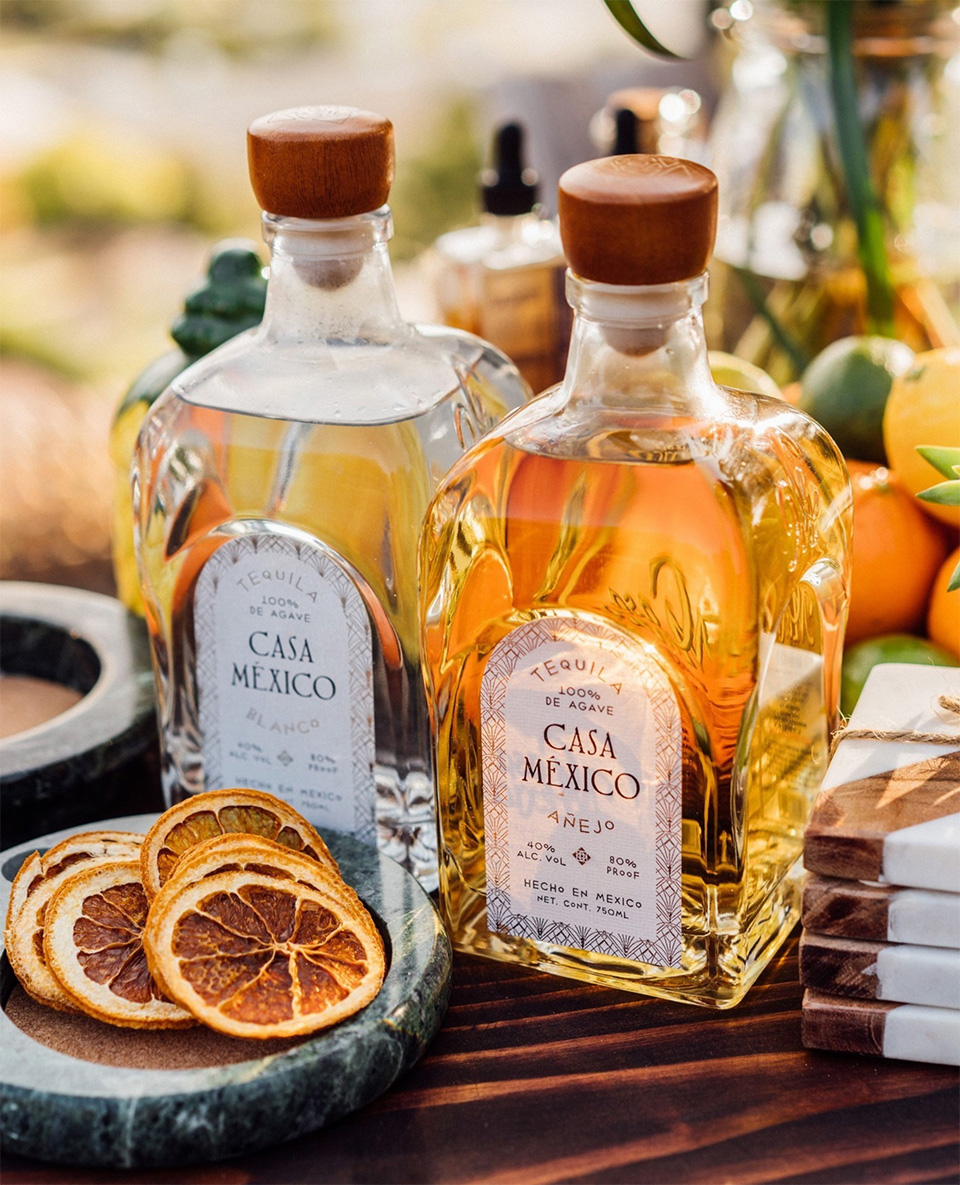
Tequila is a distilled spirit made from Blue Weber agave and produced in designated regions of Mexico under regulated standards. Blanco, Reposado, Añejo, and Extra Añejo expressions reveal aromas (cooked agave, citrus, vanilla, pepper, and oak), depending on the aging process. A NEAT Glass highlights agave character by separating desirable aromas from harsh alcohol vapors during tasting. Mexican regulations require tequila production from Blue Weber agave grown within authorized regions. Barrel aging creates greater complexity across aged expressions without masking natural agave character. Premium agave craftsmanship appears across the expressions offered by Casa Mexico Tequila.
5. Rum
Rum is a distilled spirit made from sugarcane juice or molasses through fermentation and distillation. Barrel aging develops aromas (brown sugar, vanilla, caramel, tropical fruit, and toasted oak), depending on maturation time and cask selection. A NEAT glass improves aroma definition by reducing harsh ethanol vapors during sensory evaluation. White, gold, dark, and aged rum each present distinctive aroma and flavor characteristics. Tropical aging conditions accelerate interaction from the spirit to the oak barrel in many producing regions. Raw ingredients, aging methods, and flavor profiles become easier to distinguish during tequila vs rum comparisons.
6. Gin
Gin is a distilled spirit flavored with juniper berries and complementary botanicals (coriander, citrus peel, angelica root, lavender). Botanical recipes create distinctive aromas and flavor profiles across different gin styles. A NEAT Glass concentrates botanical aromas while reducing alcohol intensity during nosing. London Dry, Old Tom, Plymouth, and Contemporary styles each present a unique botanical balance. Citrus, floral, herbal, and spice notes become easier to identify through controlled aroma delivery. Botanical complexity and agave-driven characteristics become easier to compare during tequila vs gin evaluations.
7. Brandy
Brandy is a distilled spirit made from wine or fermented fruit and matured to develop greater flavor complexity. Oak aging contributes aromas (dried fruit, vanilla, baking spice, toasted oak) that define premium expressions. A NEAT Glass improves aroma separation and supports detailed sensory evaluation before tasting. Grape brandy remains the most recognized style, though apple, pear, and cherry brandies exist across different regions. Extended maturation develops greater depth, smoothness, and aromatic complexity. Production methods and flavor characteristics become easier to distinguish during tequila vs brandy comparisons.
8. Vodka
Vodka is a clear, neutral distilled spirit known for a clean taste, light aroma, and smooth texture. Traditional vodka production uses fermented grains, potatoes, or other agricultural materials, followed by distillation and filtration. The spirit commonly contains 40% alcohol by volume, although strength varies across brands. Vodka works well in cocktails where other ingredients provide the dominant flavor profile. Classic drinks include the Martini, Moscow Mule, Bloody Mary, and Cosmopolitan. Tequila carries distinct agave character, whereas vodka provides a more neutral foundation. Differences in raw materials, production methods, flavor intensity, and regional traditions create a clear distinction between Tequila vs Vodka.
9. Cognac
Cognac is a brandy produced in the Cognac region of France under protected production standards. French oak maturation develops aromas (apricot, raisin, vanilla, baking spice, and toasted oak) that increase complexity over time. A NEAT Glass improves aroma clarity and supports accurate sensory evaluation before tasting. Grande Champagne, Petite Champagne, Borderies, Fins Bois, Bons Bois, and Bois Ordinaires define the official Cognac growing areas. Age classifications (VS, VSOP, XO) indicate minimum maturation requirements before bottling. Regional production methods and flavor characteristics become easier to distinguish during tequila vs cognac comparisons.
10. Mezcal
Mezcal is a Mexican distilled spirit made from agave through traditional roasting and distillation methods. Roasted agave creates distinctive aromas (smoke, herbs, citrus, earth, and minerality) that define the spirit’s character. A NEAT Glass improves aroma separation by reducing harsh alcohol vapors during nosing and tasting. Production uses numerous agave species that create distinctive flavor profiles across different regions of Mexico. Underground pit roasting contributes the signature smoky aroma associated with traditional Mezcal production. Agave varieties, production techniques, and flavor profiles become easier to distinguish in tequila vs mezcal comparisons.
How do You Use a NEAT Glass Correctly?
A NEAT glass is used correctly by pouring a small amount of spirit, gently swirling the liquid, smelling the aromas before tasting, and taking small sips to evaluate flavor development. A pour from 1 oz to 2 oz provides enough surface area for proper aeration without overwhelming the bowl. Gentle swirling releases volatile aromatic compounds, and a brief resting period allows desirable aromas to separate from harsh ethanol vapors. The flared rim directs alcohol fumes away from the nose, creating a cleaner nosing experience that reveals notes (agave, vanilla, oak, citrus, caramel, pepper, herbs, and dried fruit). Evaluating color, clarity, and viscosity before nosing provides additional insight into the spirit’s character and maturation. Slow sipping reveals changes across the palate and finish, creating a structured sensory evaluation. Proper handling and tasting technique allow the NEAT Glass to deliver a balanced aroma and flavor experience for tequila, whisky, bourbon, rum, gin, cognac, mezcal, and other distilled spirits.
How Should You Hold and Taste from a NEAT Glass?
A NEAT Glass is held correctly by gripping the base, and the spirit is tasted by smelling it before taking small, controlled sips. Holding the base limits heat transfer from the hand, preserving the intended serving temperature throughout the tasting session. Stable temperature supports accurate evaluation of aroma, flavor, texture, and finish without unnecessary changes caused by warming the spirit. Gentle swirling releases aromatic compounds before nosing, allowing the signature glass shape to separate desirable aromas from harsh ethanol vapors. Positioning the nose slightly above the flared rim provides a balanced aroma profile without overwhelming alcohol intensity. Small sips reveal flavor progression across the palate and finish, making notes (agave, vanilla, oak, citrus, caramel, pepper, herbs, dried fruit) easier to identify. Careful handling and structured tasting techniques allow the NEAT Glass to deliver consistent sensory evaluation for tequila, whisky, bourbon, rum, gin, cognac, mezcal, and other distilled spirits.
Should You Swirl the Drink Before Nosing?
Yes, you should swirl the drink before nosing. The drink must be swirled gently before nosing, as gentle movement releases aromatic compounds from the spirit’s surface. A light swirl increases contact between the liquid and the air, allowing aromas (agave, vanilla, oak, citrus, caramel, pepper, herbs, and dried fruit) to develop inside the bowl. Excessive swirling produces more ethanol vapor, reducing aroma clarity during evaluation. The NEAT Glass separates desirable aromas from harsh alcohol vapors through the signature flared design, creating a cleaner nosing experience after gentle swirling. A brief pause after swirling allows the aroma profile to stabilize before smelling the spirit. Careful swirling, followed by controlled nosing, supports accurate sensory evaluation of tequila, whisky, bourbon, rum, gin, cognac, mezcal, and other distilled spirits.
What are the advantages of using a NEAT glass?
The advantages of using a NEAT glass are improved aroma clarity, reduced harsh alcohol vapors, and more accurate sensory evaluation during spirit tasting. The patented Naturally Engineered Aroma Technology shape separates ethanol from desirable aromatic compounds through a wide bowl, narrow midsection, and flared rim. Cleaner aroma delivery reveals layered notes (agave, vanilla, oak, citrus, caramel, pepper, herbs, and dried fruit) across tequila, whisky, bourbon, rum, gin, cognac, vodka, mezcal, and other distilled spirits. Lead-free crystal or premium glass construction provides clear visibility for examining color, clarity, and viscosity before tasting. Controlled airflow supports consistent evaluation of aroma, flavor, mouthfeel, and finish throughout the tasting session. Professional distillers, spirits judges, bartenders, and enthusiasts rely on the NEAT Glass during quality control, blind tastings, educational events, and spirits competitions. Refined aroma presentation and reduced ethanol interference create a balanced tasting experience from the first nosing to the final sip.
Why Do Many Whiskey Drinkers Choose a NEAT Glass?
Many whiskey drinkers choose a NEAT glass because the distinctive shape enhances aroma while reducing harsh alcohol burn during nosing. The patented Naturally Engineered Aroma Technology design separates ethanol from desirable aromatic compounds through a wide bowl, narrow midsection, and flared rim. Cleaner aroma delivery reveals subtle whiskey notes (vanilla, caramel, toasted oak, dried fruit, baking spice, honey, and smoke) that become easier to identify before tasting. Reduced ethanol intensity creates a balanced sensory experience without masking delicate aromas developed during barrel maturation. The broad bowl encourages gentle aeration, allowing the whiskey to open gradually before each sip. Professional distillers, spirits judges, bartenders, and enthusiasts value the NEAT Glass because consistent aroma presentation supports accurate evaluation of color, aroma, palate, texture, and finish. Structured aroma delivery creates a refined whiskey tasting experience from the first nosing through the final sip.
Is a NEAT Glass Good for Everyday Drinking?
Yes, a NEAT Glass is good for everyday drinking because the design improves aroma perception without requiring a professional tasting experience. The patented Naturally Engineered Aroma Technology shape reduces harsh alcohol vapors and highlights desirable aromas during each pour. A compact bowl and flared rim support balanced nosing for tequila, whisky, bourbon, rum, gin, cognac, vodka, mezcal, and other distilled spirits. Small pours remain easy to evaluate because the glass preserves aroma clarity from the first sip to the last. Lead-free crystal or premium glass construction provides durability for everyday use and clear visibility when examining color and viscosity. Casual drinkers, enthusiasts, bartenders, and collectors appreciate the NEAT Glass for its distinctive design, which delivers a refined tasting experience during everyday enjoyment and formal tasting sessions.
How Does a NEAT Glass Compare With Other Whiskey Glasses?
A NEAT Glass compares with other whiskey glasses by reducing harsh alcohol vapors while enhancing desirable aromas for a cleaner sensory evaluation. The patented Naturally Engineered Aroma Technology shape separates ethanol from aromatic compounds through a wide bowl, narrow midsection, and flared rim. Traditional whiskey glasses (Glencairn glass, tulip glass, snifter, rocks glass, and copita) emphasize aroma concentration, appearance, or drinking comfort through different bowl and rim designs. A rocks glass suits whiskey served over ice, a Glencairn glass concentrates aromas through a narrow opening, and a snifter encourages warming from hand contact during tasting. A NEAT Glass directs strong alcohol vapors away from the nose, making layered notes (vanilla, caramel, toasted oak, dried fruit, smoke, and spice) easier to distinguish before tasting. Professional distillers, spirits judges, bartenders, and enthusiasts value the distinctive design for structured sensory analysis, though personal preference and tasting style remain key factors when selecting whiskey glassware.
What is the difference between a NEAT glass and a Glencairn glass?
A NEAT Glass differs from a Glencairn glass because the patented Naturally Engineered Aroma Technology design reduces harsh alcohol vapors, whereas the Glencairn design concentrates aromas through a narrow rim. A NEAT Glass uses a wide bowl, narrow midsection, and flared rim to separate ethanol from desirable aromatic compounds before reaching the nose. A Glencairn glass features a tulip-shaped bowl and tapered opening that directs concentrated aromas toward the nose, creating a more focused nosing experience. A NEAT Glass reveals layered aromas (vanilla, caramel, oak, citrus, pepper, herbs, and dried fruit) with reduced ethanol interference, whereas a Glencairn Glass delivers a stronger aroma profile with a greater ethanol presence. Professional distillers, spirits judges, bartenders, and enthusiasts use both glasses for tequila, whisky, bourbon, rum, and other premium spirits during structured tastings. Personal taste preferences, aroma intensity, and sensory goals determine the preferred glass, making the Glencairn Glass an established alternative for evaluating distilled spirits.
Is a NEAT Glass Better Than a Glencairn Glass?
No, a NEAT glass is not better than a Glencairn glass because each glass supports a different tasting approach. A NEAT Glass reduces harsh alcohol vapors through the patented Naturally Engineered Aroma Technology design, creating a cleaner nosing experience with less ethanol interference. A Glencairn glass concentrates aromas through its narrow rim, delivering a stronger, more focused aroma profile that many whisky enthusiasts prefer. A NEAT Glass suits drinkers seeking greater aroma separation across tequila, whisky, bourbon, rum, gin, cognac, and mezcal. A Glencairn glass suits drinkers seeking concentrated aromas and traditional whisky presentation during formal tastings. Personal preference, spirit style, and sensory goals determine the better choice because each glass delivers a distinct nosing and tasting experience.
How Do You Choose the Right NEAT Glass?
Choose the right NEAT Glass by considering the material, size, comfort, and overall craftsmanship. Lead-free crystal delivers greater clarity for evaluating color and viscosity, and premium glass provides durability for regular use. A balanced size accommodates small tasting pours from 1 oz to 2 oz, allowing proper aeration without excessive evaporation. A lightweight design and stable base create a comfortable grip throughout extended tasting sessions. Smooth rim finishing improves sipping comfort, and the signature Naturally Engineered Aroma Technology profile preserves the intended aroma separation during nosing. High-quality construction maintains consistent performance across tequila, whisky, bourbon, rum, gin, cognac, vodka, mezcal, and other distilled spirits. Careful selection of materials, build quality, and handling comfort improves sensory evaluation and creates a refined tasting experience for casual enjoyment and professional spirit analysis.
What Should You Look for When Buying a NEAT Glass?
The things you should look for when buying a NEAT Glass are quality materials, a comfortable grip, precise craftsmanship, and the accuracy of the signature bowl and rim shape. Lead-free crystal provides excellent clarity for examining color, clarity, and viscosity before tasting, and premium glass offers durability for regular use. A well-balanced base and lightweight construction create a comfortable grip that remains stable throughout the tasting session. The wide bowl, narrow midsection, and flared rim preserve the Naturally Engineered Aroma Technology design that separates ethanol from desirable aromatic compounds. Smooth rim finishing improves sipping comfort, and consistent glass thickness supports uniform performance during aroma evaluation. High-quality craftsmanship preserves the intended aroma-enhancing design across tequila, whisky, bourbon, rum, gin, cognac, vodka, mezcal, and other distilled spirits. Careful material selection and precise manufacturing deliver a refined tasting experience that performs consistently over the long term.
Is a Crystal NEAT Glass Worth Buying?
Yes, a crystal NEAT glass is worth buying because crystal provides excellent clarity, refined craftsmanship, and a premium tasting experience. Lead-free crystal displays the color, viscosity, and brilliance of distilled spirits with greater visual precision than standard glass. Thin crystal walls and a finely finished rim create a smooth sipping experience while preserving the signature Naturally Engineered Aroma Technology profile. Premium crystal construction maintains accurate aroma separation by directing harsh ethanol vapors away from the nose during nosing. Professional distillers, spirits judges, bartenders, and enthusiasts value crystal NEAT glasses for structured sensory evaluation and formal tastings. Long-lasting durability, elegant presentation, and consistent aroma performance make a crystal NEAT glass a worthwhile choice for evaluating premium spirits.