EN
 ES
 PL
 TR

Ginger Beer vs Ginger Ale for Cocktails comes down to spice versus sweetness. Ginger Beer vs Ginger Ale for Cocktails starts at the mixer itself, since ginger beer is a spicy, ginger forward soda and ginger ale is a milder, sweeter one. Ginger beer carries a sharp bite from gingerol, the compound behind ginger heat. Ginger ale carries a soft ginger note and a sugary finish. Traditional ginger beer arrives brewed and fermented, whereas ginger ale is a flavored carbonated soda. Bartenders pick one mixer, depending on the cocktail and the spirit.
The sections below cover the main differences, the taste of each mixer, and the alcohol content of each. Further sections explain how each mixer works in cocktails (tequila mule, tequila highball) and when to pick one over the other. Ginger beer began in England in the 1700s, whereas ginger ale took shape in Ireland in the 1850s. Ginger beer suits bold drinks, whereas ginger ale suits light drinks. Ginger ale lets the tequila lead. Brands (Canada Dry, Gosling’s) vary in sweetness and spice. A clear grasp of ginger beer vs ginger ale helps a bartender balance lime, agave, and ginger in each glass.
How Does Ginger Beer Differ From Ginger Ale?
Ginger beer differs from ginger ale in ginger strength, sweetness, color, and fizz. Ginger beer tastes sharp and spicy, and the pour looks deep golden to cloudy. Ginger ale tastes light and sweet, and the pour looks pale and clear. Ginger ale carries livelier carbonation, which creates fine, quick bubbles. Brewed ginger beer uses ginger root, sugar, water, and a yeast starter. Bottled ginger beer uses a higher amount of real ginger, so the bite lingers longer. Ginger ale is a flavored carbonated soda built on ginger flavor, sweetener, and carbonated water. Gingerol, the compound in ginger root, drives the heat in ginger beer. Bold cocktails (Moscow Mule, Dark ’n’ Stormy) lean on ginger beer, whereas light highballs lean on ginger ale. Ginger ale lets the spirit stay in front. The difference between ginger beer and ginger ale comes down to spice versus softness in the glass.
Why Do People Confuse Ginger Beer With Ginger Ale?
People confuse ginger beer with ginger ale since the two are fizzy ginger drinks sold in the same aisle. Grocery stores shelve the two bottles beside tonic water, club soda, and cola. Bartenders pour the two into highballs and long drinks, so shoppers treat the labels as interchangeable. Pale color and a ginger label add to the mix up on first glance. Ginger beer carries a spicy bite, whereas ginger ale carries a mild sweetness. The two mixers hold different levels of real ginger, which changes the taste in a glass. A Moscow Mule built on ginger ale tastes sweeter and flatter than a version using ginger beer. Labels in the United States place ginger beer and ginger ale in the soft drink category, which adds to the confusion. Reading the ingredient list and tasting a small pour clears up the difference quickly.
Is Ginger Beer the Same as Ginger Ale?
No, ginger beer is not the same as ginger ale. Ginger beer is spicier and stronger in ginger flavor, whereas ginger ale is milder and sweeter. The gap comes from ingredients, since ginger beer uses a higher amount of real ginger. Traditional ginger beer is brewed using a yeast starter and fermented for a few days. Ginger ale is a carbonated soft drink flavored with ginger and sweetener. Ginger beer pours deeper in color and carries a peppery finish. Cocktail results change with the swap, since spice and sweetness shift the balance of lime and spirit. A Moscow Mule needs the bite of ginger beer, whereas a tequila highball suits the softness of ginger ale. Brands (Canada Dry, Gosling’s) differ in spice level, so labels and a quick taste confirm the style.
What Is Ginger Beer?
Ginger beer is a fizzy drink made from ginger, sugar, water, and carbonation. Ginger gives the drink a hot, peppery bite through gingerol. Sugar sweetens the drink and feeds the yeast in brewed versions. The brewed style began in England in the 1700s, when a ginger starter fermented the drink over a few days. Fermentation created natural fizz and a trace of alcohol. Bottled ginger beer in grocery stores is a non alcoholic soda carbonated by machine. Alcohol below 0.5% by volume keeps a drink in the non alcoholic category in the United States. Fresh ginger root, lemon, and lime juice appear in craft recipes. Brands (Gosling’s, Reed’s) pour ginger beer into cans and glass bottles. Bartenders use ginger beer in the Moscow Mule, the Dark ’n’ Stormy, and the Kentucky Mule. The spicy profile and deep color of traditional ginger beer set the drink apart from milder sodas.
Is Ginger Beer Fermented?
Yes, ginger beer is fermented when brewed in the traditional way. Brewers mix ginger, sugar, and water, then add a ginger starter built on yeast. Yeast turns sugar into carbon dioxide and a small amount of alcohol over a few days. The result is a cloudy, fizzy drink carrying a tangy, spicy edge. Bottled ginger beer in grocery stores is carbonated rather than fermented. Factories add carbon dioxide to ginger syrup and water, which gives a steady fizz and no alcohol. The method keeps the flavor consistent from bottle to bottle. Alcoholic ginger beer follows the fermented path and carries a stated alcohol percentage on the label. A bottle labeled non alcoholic stays under 0.5% alcohol by volume. Cocktail makers choose the fermented style for depth, whereas the carbonated style gives clean, bright spice.
What Is Ginger Ale?
Ginger ale is a carbonated soft drink flavored with ginger and sweetener. The taste runs lighter than ginger beer, carrying a soft ginger note and a sugary finish. Carbonated water forms the base, and ginger flavor or ginger extract adds the aroma. Sweetener choice (cane sugar, high fructose corn syrup) shifts the body of the drink. Thomas Cantrell is credited with the golden style in Belfast in the 1850s. John McLaughlin, a Canadian chemist in Toronto, introduced pale dry ginger ale in 1907. The pale dry style became the standard for modern bottled ginger ale. Ginger ale goes by the name ginger soda in a number of regions. Golden ginger ale tastes slightly spicier, whereas dry ginger ale tastes crisp and clean. Bartenders choose ginger ale for the Whiskey Ginger, the Horse’s Neck, and the tequila highball. The gentle spice lets the base spirit lead, which makes ginger ales a reliable mixer.
Meet Our Maestra Tequilera
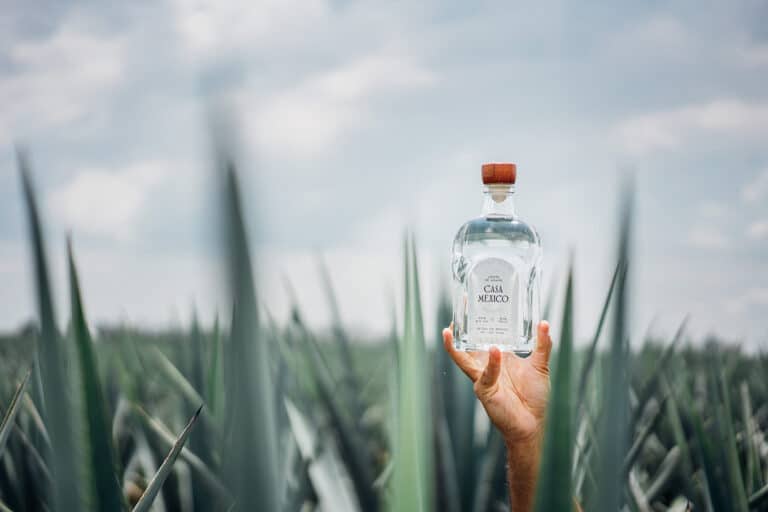
Casa México Tequila is crafted under the guidance of world-renowned Maestra Tequilera Ana María Romero Mena. With decades of experience creating acclaimed tequilas and mentoring future generations of distillers, she brings both deep tradition and thoughtful innovation to the brand. From agave selection to distillation and aging, her expertise ensures every expression reflects authenticity, precision and exceptional quality.

Is Ginger Ale a Soda?
Yes, ginger ale is a soda, since the drink is carbonated, sweetened, and flavored with ginger. Ginger soda is another name for the drink in a number of places. A few ginger sodas carry a stronger ginger flavor and sit closer to ginger beer. Craft ginger soda (Q Mixers) uses extra ginger extract to give a sharper bite. Classic ginger ale (Canada Dry, Schweppes) stays mild and sweet. Carbonated water, sweetener, and ginger flavor form the base of the soda. Shelf placement shows that ginger ale is a soda, since the bottle sits beside cola and lemon lime soda. Brewed ginger beer sits in a separate category, since fermentation adds a small amount of alcohol. Bartenders use ginger ale, a light mixer, in whiskey, rum, and tequila drinks. The tequila highball pairs the soda with lime and silver tequila.
How Does Ginger Beer Taste Compared to Ginger Ale?
Ginger beer tastes sharp, spicy, and slightly peppery compared to ginger ale. Ginger ale tastes lightly sweet, carrying a soft ginger note. Gingerol creates the heat in ginger beer, a tingle that lingers on the tongue and the throat. Ginger ale holds a small amount of ginger, so sugar leads the profile. Ginger beer pours deeper in color, whereas ginger ale pours pale and clear. Ginger beer finishes dry and warm, whereas ginger ale finishes sweet and soft. Lime lifts the spice in ginger beer and brightens the sweetness in ginger ale. Brands (Gosling’s, Canada Dry) shift the spice level from bottle to bottle. Tequila blanco carries peppery agave notes, which echo the bite of ginger beer. Reposado tequila carries vanilla and oak notes, which match the soft sweetness of ginger ale. A gentle ginger ale flavor lets citrus and agave come forward in the glass.
Does Ginger Ale Have Ginger in It?
Yes, ginger ale has ginger in it, in the form of ginger extract or natural ginger flavor. The amount of ginger stays small, which explains the mild taste. Sugar and carbonated water make up the bulk of the drink. Labels list natural flavors, ginger extract, or ginger root extract. Premium ginger ales (Reed’s, Q Mixers) add a higher amount of real ginger, which sharpens the bite. Cheaper ginger ales lean on flavoring and carry a faint ginger note. Ginger ale suits drinks that need a light ginger hint. Cocktails (tequila highball, Whiskey Ginger) use ginger ale to add gentle spice and sweetness. A quick look at the ingredient list reveals the ginger source. A bottle of real ginger beer holds a far higher amount of ginger root, which creates a spicy burn.
Is Real Ginger Used in Ginger Beer?
Yes, real ginger is used in ginger beer, and the amount runs higher than in ginger ale. Brewers add fresh ginger root, dried ginger, or ginger juice to the base. Ginger root supplies gingerol, the compound behind the spicy bite. Traditional recipes grate the root, boil it in sugar water, then ferment the liquid. Bottled versions use ginger extract or ginger juice added to carbonated water. Cheaper bottles rely on flavoring, so the heat tastes weaker. Labels listing ginger root or ginger juice signal a stronger ginger taste. The higher ginger load gives ginger beer a cloudy look and a peppery finish. Lime juice and tequila balance the heat in a Moscow Mule. A tall glass over ice keeps the ginger flavor crisp. Quality brands (Gosling’s, Reed’s) list the ginger source near the top of the ingredient list.
Why Is Ginger Beer Called Beer?
Ginger beer is called beer since the name comes from the older brewed ginger drink. English brewers fermented ginger, sugar, and water in the 1700s, and the fizzy result earned the beer label. A ginger beer plant, a mix of yeast and bacteria, powered the fermentation. The drink spread across the British Empire, reaching Jamaica, Bermuda, and Australia. Today the name is a historical label, since bottled ginger beer is a soft drink. Regular beer uses malted grain and hops, whereas ginger beer uses ginger, sugar, and water. Modern factories carbonate the drink by machine, which removes the need for brewing. The label ginger beer signals the spicy style, not an alcoholic beer. Alcoholic versions (brewed ginger beer at 4 to 7% alcohol by volume) exist in a separate category. Labels in the United States name the alcohol percentage when the drink is brewed.
How Is Ginger Beer Different From Regular Beer?
Ginger beer differs from regular beer in ingredients, flavor, and alcohol content. Regular beer is brewed from malted grain (barley, wheat), hops, water, and yeast. Ginger beer is made from ginger, sugar, and water, plus carbonation or a yeast starter. Beer tastes malty, bready, and bitter, whereas ginger beer tastes spicy, sweet, and zesty. Regular beer carries 4 to 7% alcohol by volume, depending on the style. Bottled ginger beer carries under 0.5%, which places the drink in the soft drink category. Hops give beer a bitter edge, whereas gingerol gives ginger beer a peppery heat. Mashing grain is not part of the ginger beer process. Cocktail makers pick ginger beer to add fizz and spice, not malt. A Moscow Mule uses ginger beer, not beer, which keeps the drink light and spicy. Shelf labels in the beer ginger ale category list ginger, sugar, and water rather than malted barley.
Is Ginger Beer a Beer?
No, ginger beer is not a beer, since the drink is not brewed from malted grain. The name comes from the older brewed ginger drink of England. That drink used ginger, sugar, and water, fermented by a yeast starter. Beer relies on malted grain to supply sugars, whereas ginger beer relies on added sugar. Bottled ginger beer is a soft drink carbonated by machine and holds under 0.5% alcohol by volume. Brewed ginger beer carries 4 to 7% alcohol by volume, which sits in the range of regular beer. United States federal rules define beer as a fermented drink made from malted barley and hops. Ginger beer fails that definition, so the drink sits outside the beer category. Cocktails (Moscow Mule, Dark ’n’ Stormy) rely on ginger beer to supply spice, not grain flavor.
Can Ginger Beer Count as a Soda?
Yes, ginger beer can count as a soda, since bottled ginger beer is a carbonated soft drink. The drink sits in the soda category beside cola, lemon lime soda, and ginger ale. Factories mix ginger extract or ginger juice, sugar, and water, then add carbon dioxide. Labels in the United States list the drink under soft drinks when alcohol stays below 0.5% by volume. Brands (Gosling’s, Reed’s, Q Mixers) sell ginger beer in cans and glass bottles. Brewed ginger beer sits outside the soda category, since fermentation adds alcohol. A ginger beer soft drink carries a spicier taste than cola or lemon lime soda. Bartenders use the soda style in a Moscow Mule, a Dark ’n’ Stormy, and a Kentucky Mule. Store shelves place ginger beer in the mixer aisle, next to tonic water and club soda.
Why Is Ginger Ale Called Ale?
Ginger ale is called ale since the word comes from the history of the drink, not the brewing method. Early ginger drinks in Ireland and England were brewed, and the ale label stayed in use. Modern ginger ale is a carbonated soft drink made from carbonated water, sweetener, and ginger flavor. Regular ale beer uses malted barley, hops, and top fermenting yeast. Ginger ale uses none of the three ingredients. The word ale in the name is a historical label, not a recipe. Pale dry ginger ale, introduced by John McLaughlin in Toronto in 1907, moved the drink away from brewing. Golden ginger ale, linked to Thomas Cantrell in Belfast, carries a deeper color and a spicier taste. Labels (Canada Dry, Schweppes) list carbonated water, sugar, and natural flavors, and show no grain. Alcohol content stays near zero, which separates the soft drink from ale beer.
Is Ginger Ale a Type of Beer?
No, ginger ale is a soft drink and is not a type of beer. Beer is brewed from malted barley, hops, water, and yeast. Ginger ale is made from carbonated water, sweetener, and ginger flavor. United States federal rules define beer as a fermented malt drink, which excludes ginger ale. Alcohol content separates the two, since beer carries 4 to 7% and ginger ale carries none. Ginger ale tastes sweet and mildly spicy, whereas beer tastes malty and bitter. The word ale in the name is a historical label that does not describe the recipe. Ginger ale is sold in the soda aisle beside cola and lemon lime soda. Bartenders use ginger ale in a Whiskey Ginger or a tequila highball to add light sweetness. Ginger beer follows the same rule and sits outside the beer category.
How Much Alcohol Is in Ginger Beer?
The alcohol in ginger beer is near zero in the soft drink version. Bottled soda ginger beer stays under 0.5% alcohol by volume, the United States limit for the non alcoholic label. Brewed or alcoholic ginger beer is a separate product, and the label states the alcohol percentage. Brewed bottles range from 4 to 7% alcohol by volume. The label shows the alcohol percentage near the nutrition panel or the front of the bottle. A bottle labeled alcoholic ginger beer falls under alcohol laws in the United States. Buyers must show proof of age, 21 in the United States, to purchase the alcoholic version. The ginger beer alcohol content depends on fermentation time, the yeast, and the sugar load. Longer fermentation converts a higher share of sugar into alcohol. Soft drink versions skip fermentation and rely on machine carbonation. Moscow Mule recipes assume the non alcoholic soda, so the cocktail strength comes from the spirit.
What Makes Some Ginger Beer Alcoholic?
Fermentation makes ginger beer alcoholic, since yeast turns sugar into alcohol. Brewers extend the fermentation time or add a stronger yeast strain. Sugar feeds the yeast, and the yeast releases ethanol and carbon dioxide. A longer ferment leaves less sugar and a higher alcohol percentage. Ginger bug starters (water, ginger, sugar) capture wild yeast within a few days. Brewed ginger beer reaches 4 to 7% alcohol by volume in finished bottles. Producers stop the process by chilling or filtering the drink. Soft drink ginger beer skips the process, so the alcohol stays near zero. The brewed style carries a drier, tangier taste than the soda. Producers add ginger, lemon, and spice during brewing to balance the heat. The label on alcoholic ginger beer states the percentage and sits in a separate product line from the soft drink. Hard ginger beer (brewed, bottled, canned) mixes into a Dark ’n’ Stormy or a Moscow Mule.
Is Ginger Beer Alcoholic?
No, ginger beer is not alcoholic in the standard soda version. Soda ginger beer stays under 0.5% alcohol by volume, so labels call the drink non alcoholic. Alcoholic ginger beer is labeled alcoholic and carries a stated percentage. Brewed bottles range from 4 to 7% alcohol by volume. Fermentation creates the alcohol, whereas carbonation by machine creates none. The alcohol in ginger beer depends on the process, and the label confirms the product type. Moscow Mule recipes assume the soda version, so vodka or tequila supplies the alcohol. Buyers see terms (alcoholic, hard, brewed) on the front label of the stronger version. Brands (Gosling’s, Reed’s) sell the non alcoholic soda in cans and glass bottles. Traditional ginger beer holds a trace of alcohol from fermentation, though bottled soda skips the step. Age limits apply to the alcoholic version, 21 in the United States.
How Does Ginger Ale Compare to Ginger Beer on Alcohol Content?
Ginger ale holds no alcohol, whereas ginger beer holds none in the soda version and 4 to 7% in the brewed version. Ginger ale is a soft drink made from carbonated water, sweetener, and ginger flavor. The recipe skips fermentation, so no ethanol forms. Ginger beer splits into two categories, a non alcoholic soda and an alcoholic brew. Soda ginger beer stays under 0.5% alcohol by volume. Brewed ginger beer comes from yeast fermentation and carries a stated percentage on the label. Ginger ale acts like a plain mixer, since the spirit supplies the whole alcohol load. Ginger beer soda acts the same way in a Moscow Mule. Alcoholic ginger beer raises the strength of a cocktail, so recipes adjust the spirit pour. Bartenders read the label before building a drink, since brewed ginger beer adds alcohol. Ginger ale carries no age restriction in the United States, whereas alcoholic ginger beer needs proof of age.
Is Ginger Ale Alcoholic?
No, ginger ale is a non alcoholic soft drink. The recipe uses carbonated water, sweetener, and ginger flavor, and no yeast fermentation takes place. Labels in the United States list ginger ale in the soft drink category. The alcohol in ginger ale stays at zero, so the drink suits any age. Brands (Canada Dry, Schweppes) bottle ginger ale in cans, glass bottles, and plastic bottles. Ginger ale holds a light sweetness and a soft ginger note, which pairs with whiskey, rum, and tequila. Bartenders use ginger ale in a Whiskey Ginger, a tequila highball, and a Horse’s Neck. The spirit supplies the alcohol in each drink, so ginger ale softens the strength. Ginger ale differs from brewed ginger beer, which carries 4 to 7% alcohol by volume. Ginger ale over ice keeps the drink light and fizzy.
How Does Ginger Beer Work in Cocktails?
Ginger beer works in cocktails by adding a spicy ginger kick and a lively fizz. Bold ginger flavor stands up to citrus and spirits, so the drink stays lively. Lime juice and ginger beer form the backbone of the Moscow Mule. Gingerol brings a warm burn that balances sour and sweet flavors. A tall glass over ice keeps the fizz sharp from the first sip to the last. Ginger beer pairs with vodka, rum, whiskey, and tequila. A Dark ’n’ Stormy mixes dark rum and ginger beer in a tall glass. A Kentucky Mule swaps vodka for bourbon, and the spice matches the oak. Standard pours run four ounces of ginger beer to two ounces of spirit. Fresh lime wedges and mint garnish lift the aroma. Classic ginger beer drinks (Moscow Mule, Dark ’n’ Stormy, Kentucky Mule) serve in copper mugs or highball glasses.
Why Does a Tequila Mule Use Ginger Beer?
A tequila mule uses ginger beer since the spicy bite balances the lime and the agave notes of tequila. Blanco tequila carries peppery, earthy, and citrus flavors, which meet the ginger heat head on. Lime juice adds tartness, and ginger beer rounds the sharp edge with fizz. The Moscow Mule, created in Los Angeles in 1941, set the template for the drink. Bartenders swap vodka for tequila, and the ginger beer carries the same role. Standard pours use two ounces of tequila, half an ounce of lime juice, and four ounces of ginger beer. A copper mug keeps the drink cold and holds the ginger aroma. Reposado tequila adds vanilla and oak, which soften the spice. Bartenders settle the ginger beer vs ginger ale moscow mule question by tasting for spice, since ginger beer holds the bite. Each pour of ginger beer completes the classic Tequila Mule.
Can Ginger Ale Replace Ginger Beer in a Mule?
Yes, ginger ale can replace ginger beer in a mule, but the drink tastes lighter and less spicy. Ginger ale holds less real ginger, so the heat fades fast. The sweetness of ginger ale rises forward and softens the lime. An extra quarter ounce of lime juice restores the tartness. A splash of ginger syrup (equal parts ginger juice and sugar) brings the bite back. A pinch of fresh grated ginger adds a clean, sharp heat. Two to three dashes of Angostura bitters add spice and depth. Dry ginger ale (Canada Dry, Schweppes) works better than golden ginger ale in a mule. Cold ginger ale keeps the fizz lively over crushed ice. The result suits drinkers who prefer a gentle mule over a fiery one. A Moscow Mule or a tequila mule built on ginger ale tastes closer to a highball.
What Else Is Ginger Beer Good for in a Bar?
Ginger beer works well in highballs, buckets, and spicy twists on tequila drinks. Highballs pair two ounces of spirit with four to five ounces of ginger beer over ice. Buckets are large, shareable drinks poured over crushed ice and topped with ginger beer. Whiskey drinks (Kentucky Mule, Whiskey Ginger Beer Highball) use ginger beer to add spice. Rum drinks, led by the Dark ’n’ Stormy, rely on the molasses notes of dark rum. Vodka drinks, led by the Moscow Mule, rely on the clean base of vodka. Tequila twists add jalapeño, lime, and a splash of ginger beer to a blanco base. Mezcal mules swap tequila for smoky mezcal, and the ginger beer cuts the smoke. Ginger beer works in non alcoholic mocktails, where lime, mint, and bitters add depth. Ginger beer gives a bold spirit a spicy backbone. A lime wedge and a mint sprig finish the glass.
Can Ginger Beer Go in a Margarita Cocktail?
Yes, ginger beer can go in a margarita cocktail, since a small splash adds a spicy ginger note. The splash is not part of the classic recipe, which uses tequila, lime juice, and orange liqueur. A quarter ounce to one ounce of ginger beer tops the glass after shaking. Pouring ginger beer last protects the fizz and prevents the shaker from bursting. Blanco tequila keeps the citrus bright, and the ginger adds a warm finish. A salted rim balances the spice and the lime. Jalapeño slices or a chili salt rim push the heat further. Reposado tequila adds vanilla and oak, which soften the ginger bite. Ginger beer turns a classic margarita into a lengthened, fizzy drink similar to a mule. The addition (a splash of spicy ginger beer) gives a fresh twist on the Margarita Cocktail.
Does Ginger Beer Suit a Spicy Tequila Cocktail?
Yes, ginger beer suits a spicy tequila cocktail, since the ginger bite matches chili and jalapeño notes. Capsaicin from chili and gingerol from ginger layer two kinds of heat. Lime juice cuts the heat, and the fizz lifts the aroma. Blanco tequila keeps the agave flavor clean beneath the spice. A jalapeño tequila mule muddles three slices of jalapeño, lime juice, and two ounces of tequila. Ginger beer tops the glass over ice, which spreads the heat evenly. Tajín or chili salt on the rim adds a savory edge. Mango, pineapple, or cucumber soften the burn and give a gentler sip. Reposado tequila adds oak and vanilla, which round the spice. Ginger beer dries the finish, so each sip leaves a warm, clean aftertaste. Ginger beer balances heat, sweetness, and acid in a Spicy Tequila Cocktail.
How Does Ginger Ale Work in Cocktails?
Ginger ale works in cocktails by adding a light sweetness and a gentle fizz. The mild ginger note lets the spirit stay in front of the flavor. Bartenders choose ginger ale when the base spirit deserves the spotlight. Tequila stands out in a highball, since ginger ale holds little spice. Whiskey Ginger, Horse’s Neck, and Presbyterian are classic examples. Standard pours run two ounces of spirit to four to five ounces of ginger ale. Dry ginger ale (Canada Dry, Schweppes) stays crisp, whereas golden ginger ale leans spicy. Lime or lemon juice adds acid to balance the sweetness. A tall glass of ice keeps the fizz lively and the drink cold. Silver tequila, bourbon, and rye match the soft sweetness. Garnishes (lime wheel, orange peel) add aroma. The ginger ale drink style suits slow sipping, since the flavors stay light and balanced.
Why Is Ginger Ale Used in a Tequila Highball?
Ginger ale is used in a tequila highball since the mixer keeps the drink light, easy, and sweet. The tequila stays the main flavor, since ginger ale holds a mild ginger note. A highball glass holds ice, two ounces of tequila, and four ounces of ginger ale. Lime juice or a lime wedge adds a bright, tart lift. Blanco tequila brings peppery agave, and the sweet fizz softens the edge. Reposado tequila brings vanilla and oak, which suit the caramel sweetness of ginger ale. A gentle stir keeps the bubbles lively. Chilled glasses slow the melt. The highball builds in seconds, which suits home bars and busy bar tops. Ginger beer makes the drink spicier, whereas ginger ale makes the drink smoother. Dry ginger ale (Canada Dry, Schweppes) keeps the sweetness restrained. The easy build and the soft sweetness explain the appeal of a Tequila Highball.
Can Ginger Beer Replace Ginger Ale in a Highball?
Yes, ginger beer can replace ginger ale in a highball, but the drink tastes spicier and stronger in ginger flavor. Ginger beer holds a higher amount of real ginger, which pushes the heat forward. The spirit shares the spotlight instead of leading. A lighter pour of ginger beer (three ounces) keeps the balance. Lime juice sharpens the spice, whereas a splash of simple syrup softens it. Tequila blanco handles the bite well, whereas aged tequila adds smooth vanilla. The result tastes closer to a mule than a classic highball. Cold ginger beer over large ice cubes limits dilution. Ginger beer suits drinkers who enjoy heat, whereas ginger ale suits drinkers who prefer sweet and soft. Brands (Gosling’s, Reed’s) vary in spice, so a quick taste guides the pour. Bartenders adjust the ratio by tasting.
What Easy Tequila Drinks Use Ginger Ale?
Simple tequila drinks that use ginger ale are two or three ingredient builds (tequila, ginger ale, lime). Tequila, ginger ale, and lime takes two ounces of tequila, four ounces of ginger ale, and a lime wedge. A tequila highball adds ice and a gentle stir. A tequila and ginger ale spritz adds a splash of club soda and an orange slice. A paloma twist uses ginger ale and grapefruit juice in place of grapefruit soda. Cucumber slices and mint leaves create a cooling, garden fresh version. Reposado tequila suits a warm, autumn twist using apple cider and ginger ale. Each recipe takes under two minutes to build. Ginger ale keeps the flavor mild, so the agave notes of the tequila stay clear. Lime wedges, ice, and a tall glass cover the basic setup. Cold ginger ale (Canada Dry, Schweppes) keeps the glass crisp. The short ingredient list defines easy tequila drinks.
Is Ginger Ale Used in a Tequila Tonic?
No, ginger ale is not used in a tequila tonic, since the drink uses tonic water. Tonic water carries quinine, which gives a bitter, dry taste. Ginger ale carries ginger flavor and sweetener, which gives a soft, sweet taste. The two mixers produce different drinks from the same tequila. A tequila tonic combines two ounces of tequila, four ounces of tonic water, and a lime wedge. The bitterness of quinine balances the sweetness of agave in blanco tequila. Cucumber, rosemary, or grapefruit peel adds aroma to the glass. Ginger ale suits a tequila highball, where light sweetness softens the spirit. Mixing ginger ale into tonic water muddles the flavors. Tonic brands (Schweppes, Q Mixers) list quinine on the ingredient label. A squeeze of lime ties the glass together. Dry tonic water produces a crisp, clean Tequila Tonic.
Does Ginger Ale Mix Well With Silver Tequila?
Yes, ginger ale mixes well with silver tequila, since the light sweetness meets the clean agave taste. Silver tequila, called blanco, is unaged and bottled fresh. The spirit carries citrus, black pepper, and cooked agave notes. Ginger ale softens the peppery edge and adds a gentle fizz. A two ounce pour of tequila and four ounces of ginger ale builds a balanced highball. Lime juice adds the acid that lifts the agave flavor. Highland blanco from Los Altos in Jalisco tastes sweet and fruity, whereas lowland blanco tastes earthy. Dry ginger ale (Canada Dry, Schweppes) keeps the pairing crisp. Golden ginger ale adds spice, whereas dry ginger ale stays clean. Fresh mint leaves add a cooling aroma. A lime wheel and an ice filled tall glass complete the drink. The pairing offers an easy entry point to tequila cocktails.
When Should You Use Ginger Beer Instead of Ginger Ale?
You should use ginger beer instead of ginger ale when a drink needs a bold, spicy ginger taste. Ginger ale fits lighter drinks where the spirit leads. The choice depends on how much ginger the drink needs. Ginger beer suits mules, bucket drinks, and spicy tequila cocktails. Ginger ale suits highballs, long drinks, and gentle sippers. Citrus heavy recipes (lime, grapefruit, lemon) need the spice of ginger beer to stay balanced. Smoky or oak heavy spirits (mezcal, bourbon) match the bite of ginger beer. Lighter spirits (blanco tequila, vodka) match the mildness of ginger ale. Pours run two ounces of spirit to four ounces of mixer in each style. Tasting the mixer first sets the right amount of ginger. Brewed ginger beer adds depth, whereas bottled ginger beer adds clean heat. Cocktail menus list the mixer name, which signals the intended spice level.
How Spicy Is Ginger Beer Compared to Ginger Ale?
Ginger beer is noticeably spicy compared to ginger ale, which carries a faint bite. The spice level depends on the brand, the recipe, and the ginger load. Gingerol creates the burn in ginger beer, a heat that builds across the tongue. Premium brands (Gosling’s, Reed’s) press real ginger root and taste fiery. Mass market ginger beer leans on extract and tastes milder. Ginger ale carries a small amount of ginger, so sugar leads the taste. Golden ginger ale tastes spicier than dry ginger ale. Fermentation adds a tangy depth that sharpens the heat of brewed ginger beer. Heat levels range from mild to intense across the shelf. Lime juice and ice soften the spice in a mule. A taste test next to ginger ale shows the gap clearly. Drinkers who dislike heat choose ginger ale, whereas heat lovers choose ginger beer.
Does Ginger Beer Taste Like Ginger Ale?
No, ginger beer does not taste like ginger ale, since the drink is spicier, stronger, and less sweet. Ginger ale is mild, light, and sugary, carrying a soft ginger note. Ginger beer delivers a peppery burn and a dry finish. The spice comes from a higher amount of real ginger and gingerol. Ginger ale relies on flavoring and sweetener to carry the taste. Color tells the story, since ginger beer pours deep and cloudy, whereas ginger ale pours pale and clear. Ginger beer suits a Moscow Mule, whereas ginger ale suits a tequila highball. Swapping the two changes the balance of lime, spirit, and spice. A side by side tasting from a small glass of each shows the gap clearly. Brands (Canada Dry, Gosling’s) label the style on the front of the bottle.
What Can Replace Ginger Beer in a Cocktail?
The substitutes that can replace ginger beer in a cocktail are ginger ale plus lime, club soda plus ginger syrup, ginger ale plus fresh ginger, and sparkling water plus ginger juice. Each swap rebuilds the spice that the missing mixer carried. The ginger source decides the result, since fizz is easy to match.
The substitutes that can replace ginger beer in a cocktail are listed below.
Ginger Ale and Lime: A squeeze of lime restores the tart edge that ginger beer brings. Dry ginger ale (Canada Dry, Schweppes) works best, since the flavor stays clean. The mix suits a mule, and a quarter ounce of lime juice per four ounces of ginger ale balances the sweetness.
Club Soda and Ginger Syrup: Club soda adds clean fizz, and half an ounce of ginger syrup adds the spice. The syrup uses equal parts sugar and fresh ginger juice, simmered a few minutes. The result tastes drier than soda ginger beer and carries a sharp ginger bite.
Ginger Ale and Fresh Ginger: A pinch of freshly grated ginger lifts the mild flavor of ginger ale. Muddled ginger coins release gingerol, the compound behind the heat. A fine strain removes the pulp before the pour.
Sparkling Water and Ginger Juice: Sparkling water carries the bubbles, and fresh ginger juice carries the heat. A quarter ounce of juice per four ounces of water matches a mild ginger beer. Agave syrup adds the sweetness that ginger beer normally holds.
Ginger Kombucha: Ginger kombucha brings fizz, tang, and a funky, spicy edge. The drink suits mezcal and tequila mules, since the acidity matches lime. Tasting before the pour guides the balance, since each ginger beer alternative differs in sugar and spice.
Can Club Soda With Ginger Syrup Replace Ginger Beer?
Yes, club soda with ginger syrup can replace ginger beer, though the drink tastes less spicy. Club soda supplies clean carbonation and no sweetness. Ginger syrup supplies the flavor, so the strength of the syrup sets the spice. A standard ratio uses half an ounce of syrup to four ounces of club soda. Homemade syrup simmers sugar, water, and sliced ginger root over 15 minutes. Homemade syrup stays fresh in the fridge across two weeks. Fresh grated ginger in the syrup raises the heat closer to ginger beer. Lime juice adds the acid that a mule needs. The swap suits a Moscow Mule, a tequila mule, and a Kentucky Mule. Ginger beer holds a rounder body and a slight sweetness that the swap lacks. A pinch of salt or a dash of bitters adds depth. Chilled club soda keeps the bubbles sharp.