EN
EN ES
ES PL
PL TR
TR
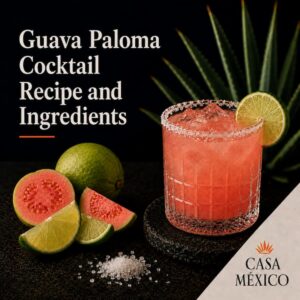
The Guava Paloma is a tropical-citrus tequila cocktail built on blanco tequila as the primary spirit base, paired with fresh guava juice as the second main type of ingredient. The Guava Paloma’s key difference between the two types of ingredients is that tequila delivers the alcoholic backbone and aromatic carrier medium, while guava juice provides the sweet, floral tropical character that defines its profile. Fresh guava flesh infuses the drink with layered fruit depth. Grapefruit soda, lime juice, and a salt rim round out the cocktail’s vibrant flavor structure. Blending the guava base, shaking the core ingredients, and topping with grapefruit soda are the key steps in the drink’s preparation. Nutritionally, the cocktail carries natural fruit sugars from the guava components, dietary fiber traces from fresh guava flesh, and vitamin C from both the guava and lime juice. The taste profile combines sweet tropical fruit notes, earthy agave undertones, and a tart citrus finish. The Guava Paloma drink cocktail is best consumed over ice in a salt-rimmed highball glass, sipped steadily to allow the guava sweetness and citrus brightness to develop across each drink.
What is Guava Paloma made of? The Guava Paloma is made of blanco tequila as the primary spirit base, with fresh guava juice as the second main type of ingredient. Blanco tequila delivers the alcoholic backbone and aromatic carrying medium throughout the cocktail, while fresh guava juice provides the sweet, floral tropical character that defines the Guava Paloma profile.
What are the Ingredients for Guava Paloma Cocktail?
The ingredients for the Guava Paloma Cocktail are listed below.
- Blanco Tequila: The primary spirit base, delivering clean agave flavor and carrying the guava fruit character throughout the drink.
- Fresh Guava Juice: The dominant tropical component, providing sweet, floral depth central to the Guava Paloma profile.
- Fresh Lime Juice: A secondary citrus agent that sharpens overall acidity and balances the guava’s natural sweetness.
- Fresh Grapefruit Juice: A supporting citrus component that introduces a tart, slightly bitter contrast to the guava base.
- Grapefruit Soda: The finishing carbonated component, adding effervescence and a light citrus lift to the completed cocktail.
- Agave Syrup: A natural sweetener that harmonizes the citrus sharpness without overpowering the guava’s fruit notes.
- Kosher Salt or Tajín: The rim coating element, applied to the glass edge to introduce a savory or chili-salt contrast on the palate.
- Ice: The structural chilling agent, used both during shaking and in the final serving glass.
Should Fresh Guava or Guava Purée Be Used in a Guava Paloma?
Fresh Guava should be used in Guava Paloma over Guava Purée. Fresh guava juice delivers a cleaner, brighter fruit profile that integrates naturally with the tequila base and citrus components, preserving the floral aromatic notes that define the cocktail’s tropical character. Guava purée produces a thicker, more concentrated fruit body that disrupts the cocktail’s intended texture and strains inconsistently through a cocktail strainer. The processed form of guava purée carries a heavier, cooked fruit flavor that competes with fresh grapefruit juice rather than complementing the citrus structure. Fresh guava juice blends smoothly into the shaken mixture and strains cleanly, leaving no pulp residue in the finished drink.
The distinction matters most in professional preparation, where fresh guava juice offers consistent flavor output and predictable sweetness levels across multiple servings. Guava purée remains acceptable for batch cocktail preparation where fresh juicing is impractical, provided the purée originates from raw, unprocessed guava fruit with no added sugars or preservatives.
What Mixers Pair Best with Guava Paloma?
The mixers that pair best with a Guava Paloma are listed below.
- Grapefruit Soda: The classic finishing mixer, adding carbonation and tart citrus lift that balances the guava’s natural sweetness.
- Fresh Grapefruit Juice: A natural citrus mixer that deepens the tart, slightly bitter contrast against the guava fruit base.
- Fresh Lime Juice: A secondary citrus mixer that sharpens overall acidity and prevents the cocktail from tasting overly sweet.
- Agave Syrup: A natural sweetener mixer that ties the guava and citrus components together without masking the tequila’s agave character.
- Sparkling Water: A neutral carbonated mixer used to extend the drink’s volume while preserving the existing tropical flavor balance.
- Coconut Water: A lightly sweet mixer that introduces a complementary tropical undertone and deepens the guava’s floral character.
How to Make a Guava Paloma?
To make a Guava Paloma, follow the seven steps listed below.
- Prepare the glass. Rim a highball glass with kosher salt or Tajín by running a lime wedge along the edge and pressing the rim into the salt coating evenly.
- Juice the guava. Press fresh guava flesh through a fine mesh strainer to extract 45ml of clean guava juice, discarding seeds and excess pulp.
- Add the liquid ingredients. Pour 60ml of blanco tequila, 45ml of fresh guava juice, 30ml of fresh grapefruit juice, and 15ml of fresh lime juice into a cocktail shaker.
- Sweeten the mixture. Add 10ml of agave syrup to the shaker to balance the citrus acidity and harmonize the guava’s natural fruit sweetness.
- Shake the cocktail. Fill the shaker with ice and shake the mixture firmly for 15 to 20 seconds until the exterior of the shaker feels cold.
- Strain into the glass. Fill the prepared highball glass with fresh ice and strain the shaken mixture through a cocktail strainer directly over the ice.
- Top with grapefruit soda. Pour grapefruit soda over the strained mixture to fill the glass, then garnish with a fresh guava slice and a grapefruit wedge.
Straining the fresh guava juice correctly is the most critical step in the preparation process. Proper straining determines the texture and clarity of the finished Guava Paloma cocktail, and insufficient straining leaves seed particles and pulp residue that disrupt the drink’s smooth tropical character.
Meet Our Maestra Tequilera
Casa México Tequila is crafted under the guidance of world-renowned Maestra Tequilera Ana María Romero Mena. With decades of experience creating acclaimed tequilas and mentoring future generations of distillers, she brings both deep tradition and thoughtful innovation to the brand. From agave selection to distillation and aging, her expertise ensures every expression reflects authenticity, precision and exceptional quality.

How is the Nutrient Value of Guava Paloma Cocktail?
The nutrient value of the Guava Paloma reflects moderate caloric content derived mainly from alcohol and carbohydrates, with negligible protein and fat. The nutrient composition below represents a standard 6 to 8 oz serving prepared with blanco tequila, fresh guava juice, lime juice, agave syrup, and grapefruit soda. The detailed breakdown of the drink is shown in the table below.
| Nutrient | Amount per Serving | Unit | Daily Value % | Source / Measurement Basis | Notes |
| Calories | 210 | kcal | 11 | Alcohol and sugars | Value varies by portion size |
| Carbohydrates | 22 | g | 8 | Fruit and soda sugars | Primary energy contributor |
| Sugars | 18 | g | N/A | Guava juice and agave syrup | Includes natural and added sugars |
| Protein | 1 | g | 2 | Guava juice | Trace amount from fresh guava |
| Fat | 0 | g | 0 | No fat sources | Fat-free beverage |
| Fiber | 2 | g | 7 | Fresh guava pulp | Present when unstrained or pulp-strained |
| Sodium | 10 | mg | 0 | Grapefruit soda | Increases with salted rim |
| Vitamin C | 45 | mg | 50 | Fresh guava juice and lime juice | Guava ranks among the highest vitamin C fruit sources |
| Vitamin A | 115 | mcg | 2 | Fresh guava flesh | Present in pink-fleshed guava varieties |
| Potassium | 180 | mg | 4 | Guava juice and grapefruit juice | Supports electrolyte balance |
| Magnesium | 8 | mg | 2 | Guava juice and lime juice | Trace mineral from fresh fruit components |
How many calories in a Guava Paloma? A Guava Paloma contains approximately 200 to 220 calories per standard 8-ounce serving. The primary contributor of calories is blanco tequila, providing approximately 95 to 100 calories from 1.5 ounces of spirit. Fresh guava juice and lime juice contribute around 45 to 60 calories, derived mainly from natural fruit sugars and carbohydrates. The remainder comes from agave syrup and grapefruit soda, typically adding 30 to 45 calories depending on the sweetness level applied during preparation.
The Guava Paloma cocktail delivers a nutritional advantage over many fruit-based cocktails due to the guava component’s notable vitamin C and potassium content. Fresh guava juice contributes up to 50% of the recommended daily vitamin C intake per serving, making the Guava Paloma drink cocktail a tropical option with measurable micronutrient value alongside its moderate caloric load.
What are the Tips to Prepare Guava Paloma Cocktail Better?
The tips to prepare a Guava Paloma cocktail better are listed below.
- Use fresh guava juice. Fresh guava juice delivers vibrant tropical sweetness and floral aromatics that bottled or canned alternatives lack. Natural sugars from ripe guava fruit create a more defined and authentic flavor profile throughout the finished cocktail.
- Select high-quality blanco tequila. Blanco tequila preserves a clean agave character that complements the guava fruit base without competing with the tropical notes. Aged tequila introduces oak influence that dominates the guava’s delicate floral sweetness and disrupts citrus balance.
- Strain fresh guava juice thoroughly. Proper straining removes seed particles and excess pulp that create an uneven texture in the finished drink. A fine mesh strainer produces clean guava juice that integrates smoothly with the tequila and citrus components.
- Balance lime juice and agave syrup carefully. Lime juice provides essential acidity that prevents the guava base from tasting flat or overly sweet, while agave syrup regulates the overall sweetness level. Excess lime produces sharp sourness, whereas excess agave syrup suppresses the guava’s natural fruit clarity.
- Add large ice cubes before topping. Large ice cubes maintain serving temperature and reduce rapid dilution during the final assembly stage. Controlled dilution protects the cocktail’s tropical fruit structure and preserves the intended citrus brightness.
- Control carbonation level. Grapefruit soda provides defined bitterness and light citrus effervescence that frames the guava base effectively. Sparkling water creates a lighter, more neutral finish that places greater emphasis on the guava’s floral aromatic character.
- Apply a light salt or Tajín rim. A restrained salt rim introduces savory contrast that sharpens citrus perception on the palate. A Tajín rim adds a mild chili note that bridges the guava sweetness and the tequila’s earthy agave finish.
How to Prevent a Guava Paloma from Tasting Too Sweet?
To prevent a Guava Paloma from tasting too sweet, increase the fresh lime juice quantity and reduce the agave syrup volume in the recipe. Fresh lime juice introduces sharp acidity that counteracts guava’s natural sugar content directly, recalibrating the cocktail’s flavor balance toward a cleaner, more defined citrus profile. The guava juice carries a high natural sugar concentration compared to most cocktail fruit bases, making precise ingredient ratios critical to the finished drink’s overall balance. A standard serving benefits from no more than 10ml of agave syrup when fresh guava juice exceeds 45ml in volume. Exceeding the agave syrup threshold suppresses the grapefruit soda’s bitter citrus notes and flattens the tequila’s earthy agave character beneath excessive fruit sweetness.
Grapefruit soda selection plays a measurable role in sweetness control. Naturally bitter grapefruit soda varieties provide stronger counterbalance against guava sweetness than lightly sweetened commercial alternatives. Sparkling water mixed at a 1 of 1 ratio with grapefruit soda creates a drier, more neutral carbonation base that allows the citrus components to assert greater dominance over the guava fruit layer. A Tajín or kosher salt rim reinforces sweetness prevention at the point of consumption. Salt compounds suppress sweet taste receptor sensitivity on the palate, making each sip of the Guava Paloma cocktail taste less sweet without requiring any reduction to the guava juice volume itself. Combining a reduced agave syrup measure, increased lime juice, bitter grapefruit soda, and a salt rim produces the most reliable method for controlling sweetness across every serving.
What are the Variations of Guava Paloma Cocktail Recipes?
The variations of Guava Paloma cocktail recipes are modifications applied to the standard preparation. The variations adjust individual components such as citrus type, rim coating, sweetener, or carbonation base. Each modification produces a distinct flavor outcome while preserving the core tequila and guava structure. The list of different Guava Paloma variations are listed on the table below.
| Variation Name | Ingredients | Nutrient | Steps | Opinion |
| Spicy Guava Paloma | Fresh jalapeño slices added (2 to 3 slices) | Introduces slow-building heat that contrasts with guava sweetness | Muddle jalapeño before adding liquid ingredients | Best choice for drinkers who prefer tropical heat contrast over pure fruit sweetness |
| Smoky Guava Paloma | Blanco tequila replaced with mezcal | Adds earthy smoke character that deepens the guava base | No additional steps required, substitute spirit directly | Recommended for drinkers who prefer complex, layered agave profiles over clean citrus-forward cocktails |
| Tajín Rim Guava Paloma | Kosher salt rim replaced with Tajín coating | Introduces chili-citrus contrast at the point of consumption | Apply Tajín rim in place of standard salt rim | Ideal for drinkers who prefer a savory-spice rim that bridges guava sweetness and citrus acidity |
| Honey Guava Paloma | Agave syrup replaced with raw honey (10ml) | Produces a richer, floral sweetness that complements guava aromatics | Dissolve the honey in lime juice before adding to the shaker | Suited for drinkers who prefer a deeper, more complex sweetness over agave’s neutral profile |
| Blood Orange Guava Paloma | Fresh grapefruit juice was replaced with blood orange juice | Introduces berry-citrus depth and deeper color to the finished drink | Substitute blood orange juice at an equal volume to grapefruit juice | Best for drinkers seeking a visually distinct variation with a sweeter, less bitter citrus base |
| Coconut Guava Paloma | Sparkling water added at a 1:1 ratio with grapefruit soda and coconut water replaces agave syrup | Creates a lighter, tropical finish with reduced sweetness intensity | Replace agave syrup with 15ml coconut water and adjust soda ratio accordingly | Recommended for drinkers who prefer a lighter, lower-sugar variation that amplifies the guava’s tropical character |
| Black Salt Rim Guava Paloma | Kosher salt is replaced with black lava salt rim coating | Introduces a mineral-forward, visually striking rim contrast | Apply black lava salt rim in place of standard kosher salt | Ideal for presentation-focused preparation where visual contrast between the rim and drink color matters |
Can Guava Paloma Be Made as a Frozen Cocktail?
Yes, a Guava Paloma can be made as a frozen cocktail. The standard liquid ingredients blend effectively with crushed ice in a blender, producing a smooth, slushy texture that preserves the tropical fruit and citrus flavor profile of the original recipe. Blending fresh guava juice with blanco tequila, lime juice, and crushed ice creates a frozen base that retains the guava’s natural sweetness and floral aromatic character. Preparation of the frozen version requires a slight reduction in agave syrup volume, as cold temperature amplifies perceived sweetness across the palate. A standard frozen serving benefits from no more than 8ml of agave syrup to maintain the citrus-fruit balance established in the original recipe.
Grapefruit soda requires modified handling in the frozen preparation process. Adding grapefruit soda directly into the blender disrupts carbonation and produces a flat, foam-heavy result. The correct method places grapefruit soda as a post-blend topping, poured over the frozen mixture after transfer into the serving glass to preserve effervescence and bitter citrus lift.
The frozen Guava Paloma cocktail performs best in warm climate serving conditions, where the slushy texture remains stable for a longer period before dilution sets in. A Tajín or salt rim applied to a chilled glass maintains its coating integrity longer against the frozen mixture than against a standard iced preparation. The frozen variation represents a structurally sound adaptation of the Guava Paloma drink cocktail, requiring only minor ratio and method adjustments to deliver a consistent tropical flavor output.
What alcohol is in a Guava Paloma?
The alcohol in a Guava Paloma is tequila, serving as the primary spirit throughout the drink. Tequila contributes the agave-forward backbone that structures the tropical fruit and citrus components. The four tequila products below represent the recommended alcohol options for preparing a Guava Paloma cocktail.
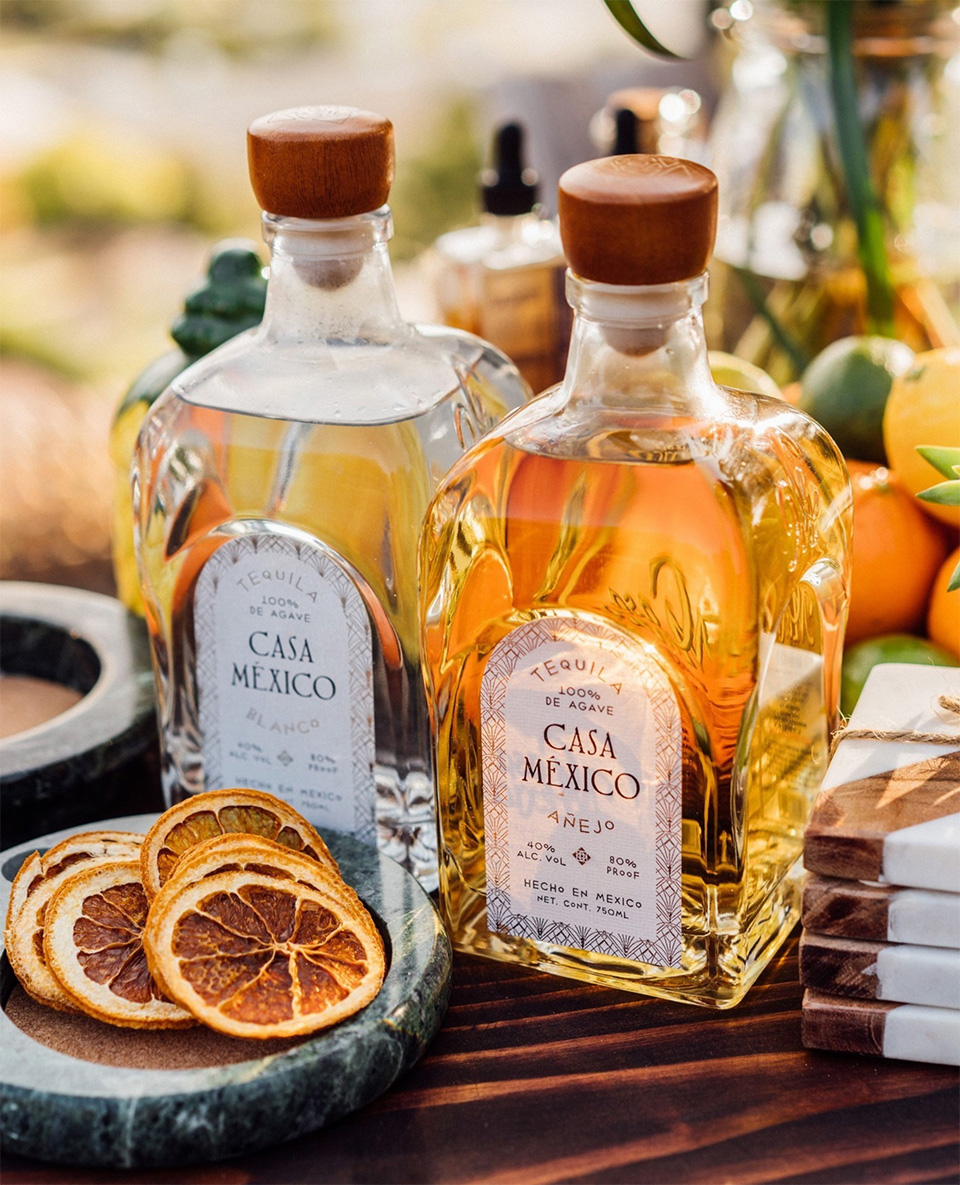
Casa Mexico Blanco
Casa Mexico Blanco is a crystal-clear, unaged tequila produced from fully mature blue agave, harvested from the mineral-rich red clay soils of the Jalisco Highlands. The piñas are cooked in brick ovens for two days, crushed in a tahona mill, and double distilled in copper alambique stills. The flavor profile delivers clean melon and pear notes at 40% ABV, making Casa Mexico Blanco the most compatible option for preserving the guava’s natural floral sweetness.
Casa Mexico Reposado
Casa Mexico Reposado is a lightly aged tequila rested for six months in American white oak barrels, producing a smooth spirit with vanilla, oak, citrus, and cinnamon tasting notes. The Reposado earned Double Gold at the 2023 SIP Awards and Gold at the New York International Spirits Competition in 2022. The oak-influenced vanilla notes complement guava’s floral sweetness, creating a deeper, more layered tropical flavor profile at 40% ABV.
Casa Mexico Añejo
Casa Mexico Añejo is an extended-aged tequila rested for twelve months in American white oak barrels, delivering a mature spirit with pronounced vanilla, oak, and cinnamon character. The Añejo earned Double Gold at the 2023 SIP Awards alongside Gold recognition at the Tequila and Mezcal Challenge in 2022. The twelve-month aging period introduces a warm, structured depth that pairs with guava’s sweetness for a more complex cocktail profile at 40% ABV.
Casa Mexico Cristalino
Casa Mexico Cristalino is a filtered aged tequila processed through a three-phase carbon cellulose filtration system after barrel resting, producing a crystal-clear spirit with oak and almond tasting notes. The Cristalino undergoes natural fermentation, double distillation in copper alambique stills, and a complex three-phase carbon cellulose filtration process after barrel aging. The ultra-smooth character of the Cristalino integrates cleanly with guava juice and citrus components without introducing color or heavy barrel influence, delivering a refined Guava Paloma at 40% ABV.
Does Guava Paloma have alcohol? Yes, Guava Paloma has alcohol, with tequila serving as the primary alcoholic spirit that contributes the agave-forward backbone structuring the tropical fruit and citrus components throughout the drink.
How Much Alcohol Does a Guava Paloma Have?
A Guava Paloma has approximately 14% to 18% alcohol by volume per serving, depending on the tequila measure and mixer ratios applied during preparation. A standard 1.5-ounce pour of blanco tequila at 40% ABV contributes the majority of the alcohol content, while the grapefruit soda, guava juice, and lime juice dilute the overall ABV across the finished 8-ounce serving.
The three primary factors determine the final alcohol range of a Guava Paloma cocktail. The tequila pour volume represents the most significant variable, as increasing the measure (1.5 ounces to 2 ounces) raises the overall ABV by approximately 3 to 4 percentage points. The mixer volume applied during preparation constitutes the second factor, with greater soda and juice quantities producing a lower final ABV through increased dilution. Ice dilution during shaking represents the third factor, reducing alcohol concentration by an estimated 1 to 2 percentage points across a standard 15 to 20 second shake.
The alcohol range directly influences the Guava Paloma’s taste profile. A higher ABV preparation intensifies the tequila’s agave character and produces a sharper citrus finish. A lower ABV preparation allows the guava’s natural sweetness and floral aromatics to dominate the overall flavor structure. A safe preparation range of 14% to 15% ABV delivers balanced tropical flavor without the tequila spirit overpowering the guava and citrus components.
Can Pregnant Women drink Guava Paloma? No, Pregnant women must not drink a Guava Paloma or any alcohol-containing cocktail during pregnancy. No established safe level of alcohol consumption during pregnancy exists, the Centers for Disease Control and Prevention (CDC) confirms, as alcohol exposure at any stage of pregnancy carries risk of fetal alcohol spectrum disorders and developmental complications. The American College of Obstetricians and Gynecologists (ACOG) reinforces the CDC position, recommending complete alcohol abstinence throughout all trimesters without exception. The guava juice, lime juice, and grapefruit soda components of the Guava Paloma carry no risk independently. A non-alcoholic version prepared without tequila represents a safe alternative for pregnant women seeking a tropical citrus beverage.
Does a Guava Paloma make you drunk?
Yes, a Guava Paloma makes you drunk if consumed in sufficient quantities. The tequila component delivers 40% ABV alcohol directly into the bloodstream. The cocktail’s tropical fruit sweetness and citrus brightness mask the spirit’s intensity, making the drink easier to consume quickly than the alcohol content warrants. A single standard Guava Paloma prepared with 1.5 ounces of blanco tequila contributes approximately 0.6 standard drink units of alcohol. Consuming two to three Guava Paloma cocktails within a one-hour period produces blood alcohol concentration levels associated with measurable impairment in most adults. The guava juice and grapefruit soda components slow neither alcohol absorption nor the rate of intoxication despite their fruit content. Responsible consumption of no more than one to two servings per hour, alongside food intake, represents the recommended approach for managing alcohol impact when drinking a Guava Paloma cocktail.
Does Guava Paloma Have Tequila?
Yes, a Guava Paloma has tequila as the foundational alcoholic spirit. Tequila serves as the non-negotiable base ingredient that defines the Guava Paloma as a tequila cocktail rather than a generic fruit punch or mocktail preparation. Blanco tequila represents the standard tequila type used in a Guava Paloma, selected for its clean agave character and neutral color that preserves the guava juice’s natural tropical appearance in the finished drink. Removing tequila from the Guava Paloma recipe eliminates the alcoholic content entirely and produces a non-alcoholic mocktail version, which requires no substitution to maintain the tropical citrus flavor profile. Reposado and Añejo varieties serve as accepted substitutes within the standard recipe, each introducing varying degrees (oak, vanilla, and cinnamon character) that modify the cocktail’s flavor depth without altering the core tequila-guava-citrus structure.
What is Guava Paloma?
The Guava Paloma is a tropical tequila cocktail. The Guava Paloma combines blanco tequila, fresh guava juice, grapefruit soda, and lime juice into a fruit-forward, citrus-balanced drink. The cocktail is served over ice in a salt-rimmed highball glass. The Guava Paloma builds on the classic Paloma cocktail structure, replacing the standard grapefruit juice base with fresh guava juice. The guava juice introduction delivers a sweeter, floral tropical dimension absent from the original recipe. The Guava Paloma’s flavor profile distinguishes the cocktail from other tequila-based drinks. Layered guava sweetness, grapefruit soda’s bitter citrus lift, and blanco tequila’s clean agave backbone define the taste structure. The salt or Tajín rim introduces a savory contrast that sharpens citrus perception on the palate. The cocktail performs best in warm-weather serving conditions. The tropical fruit character and light carbonation deliver immediate refreshment alongside moderate alcohol content.
Why is it called a Guava Paloma? The Guava Paloma takes its name from two direct sources. “Paloma” translates to “dove” in Spanish, the original name of the classic Mexican tequila-grapefruit cocktail. The Paloma name serves as the structural foundation of the drink. “Guava” identifies the tropical fruit ingredient that distinguishes the variation from the standard Paloma recipe. The combined name communicates both the cocktail’s Mexican tequila heritage and its tropical fruit modification in a single, direct descriptor.
Guava Paloma Recipe
What Does a Guava Paloma Taste Like?
The Guava Paloma tastes like a balanced combination of sweet tropical fruit, tart citrus, and clean agave spirit, with each ingredient contributing a distinct and measurable flavor dimension to the finished cocktail.
The ingredients that affect the taste of the Guava paloma are listed below.
- Fresh Guava Juice: The dominant flavor driver, delivering a sweet, floral, and lightly musky tropical character that forms the cocktail’s primary taste identity. Ripe guava juice produces a fuller, more defined sweetness compared to underripe fruit, which introduces a sharper, more acidic note.
- Blanco Tequila: The structural spirit base, contributing a clean, earthy agave flavor that anchors the tropical fruit components. Blanco tequila’s neutral, unaged profile prevents oak or vanilla interference, keeping the guava’s natural sweetness at the forefront of the taste experience.
- Fresh Lime Juice: The primary acidity agent, introducing a sharp citrus tartness that cuts through guava sweetness and prevents the cocktail from tasting flat or one-dimensional. Lime juice quantity directly controls the cocktail’s overall tartness level.
- Fresh Grapefruit Juice: A secondary citrus contributor, adding a slightly bitter, tangy depth that complements the guava base. Grapefruit juice bridges the sweetness of guava and the sharpness of lime into a cohesive citrus layer.
- Grapefruit Soda: The carbonation and brightness element, lifting the overall flavor profile with effervescent citrus sweetness. Grapefruit soda lightens the drink’s body and delivers a clean, refreshing finish after each sip.
- Agave Syrup: The sweetness regulator, softening lime acidity and rounding out the tequila’s earthy agave character. Excess agave syrup suppresses the citrus components, while insufficient syrup exposes harsh tequila sharpness.
- Kosher Salt or Tajín Rim: The contrast element, suppressing sweet taste receptor sensitivity on the palate and amplifying citrus brightness. Tajín introduces an additional mild chili note that adds a subtle heat dimension absent from a standard salt rim.
How to Drink a Guava Paloma?
To drink a Guava Paloma, follow the five steps below .
- Prepare the glass correctly before drinking. Select a chilled, salt-rimmed or Tajín-rimmed highball glass and ensure the rim coating is applied evenly. An even rim coating guarantees consistent savory contrast across every sip.
- Smell the cocktail before the first sip. Hold the glass approximately two inches from the nose and inhale the guava and citrus aromatics. Engaging the olfactory senses before drinking primes the palate to detect the guava’s floral tropical notes more clearly.
- Take the first sip through the rim. Tilt the glass so the liquid passes directly over the salt or Tajín rim coating. Rim contact on the first sip activates the savory contrast immediately, sharpening citrus perception from the opening taste.
- Sip steadily rather than drinking quickly. Allow each sip to rest briefly on the palate before swallowing. Steady sipping allows the layered guava sweetness, citrus tartness, and agave character to register as distinct flavor stages rather than a single blended taste.
- Consume the cocktail before excessive ice dilution occurs. Drink the Guava Paloma within 15 to 20 minutes of preparation. Extended ice contact dilutes the guava juice concentration and weakens the citrus structure of the finished cocktail.
Sipping through the rim on every drink, rather than only the first sip, produces the most consistent and complete taste experience across the full Guava Paloma cocktail.
Is Guava Paloma Best Served Over Ice or Blended?
The Guava Paloma is best served over ice rather than blended. Serving over ice preserves the cocktail’s carbonation, maintains the layered citrus and tropical fruit flavor structure, and delivers the clean agave finish that blending disrupts through over-aeration and texture alteration. The large ice cubes represent the optimal serving format for an over-ice Guava Paloma. Large ice cubes melt at a slower rate than crushed ice, reducing dilution speed and protecting the guava juice concentration and citrus balance across the full drinking duration. Crushed ice accelerates dilution and weakens the grapefruit soda’s effervescence within minutes of preparation. Blended preparation produces a structurally different drink rather than a superior version of the original recipe. The blending process breaks down carbonation entirely, eliminates the textural contrast between the liquid cocktail and the ice, and forces the guava juice and citrus components into a uniform slushy consistency. The blended format suits warm-weather outdoor consumption where texture variety takes priority over flavor precision.
The over-ice format remains the standard preparation method across professional cocktail environments for three measurable reasons. Carbonation integrity stays intact throughout the drinking period. The guava juice and citrus components retain their individual flavor identities rather than merging into a single blended profile. The salt or Tajín rim adheres more effectively to a chilled highball glass than to a frozen blended serving vessel, maintaining consistent savory contrast from the first sip to the last.
What are the Types of Guava Paloma Cocktails?
The types of Guava Paloma Cocktails are listed below.
- Pink Paloma: A visually distinct variation built on pink grapefruit juice and grenadine, producing a sweeter, berry-tinged citrus profile. The Pink Paloma tastes lighter and less tart than the Guava Paloma, with a milder fruit depth and no tropical sweetness.
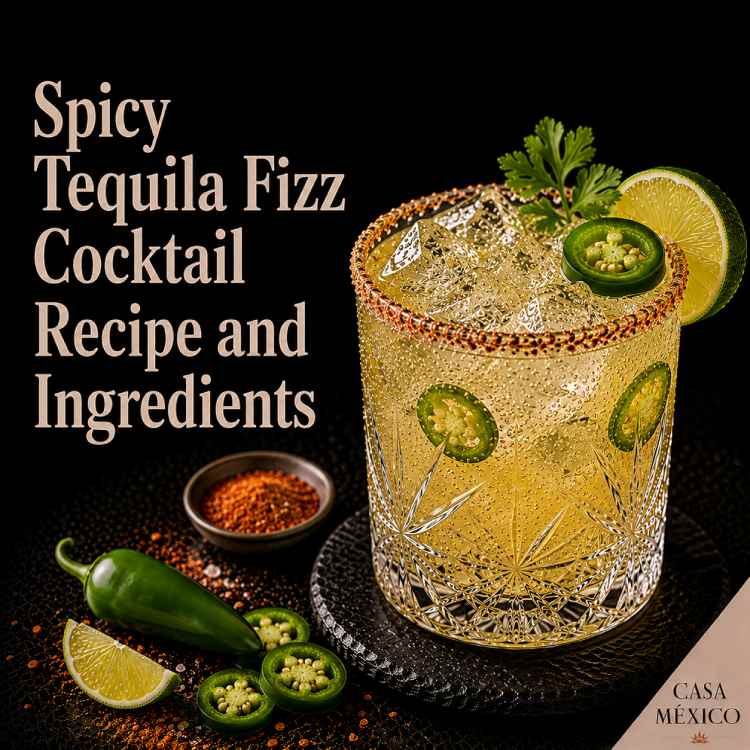
- Spicy Paloma: A heat-forward variation incorporating chili-infused tequila or fresh chili slices alongside the standard grapefruit base. The Spicy Paloma delivers a sharper, more aggressive flavor profile compared to the Guava Paloma’s gentle tropical sweetness.
- Jalapeño Paloma: A pepper-forward variation built on muddled fresh jalapeño slices, producing a slow-building capsaicin heat layered over citrus. The Jalapeño Paloma tastes considerably drier and more intense than the Guava Paloma, with heat dominating where guava delivers floral sweetness.
- Watermelon Paloma: A juice-forward variation using fresh watermelon juice as the primary fruit base, producing a light, watery sweetness with mild citrus undertones. The Watermelon Paloma tastes thinner and less aromatic than the Guava Paloma, with a more neutral fruit character throughout.
- Strawberry Paloma: A berry-citrus variation built on fresh strawberry purée or muddled strawberries, delivering a bright, jammy sweetness alongside grapefruit tartness. The Strawberry Paloma tastes sweeter and more dessert-forward than the Guava Paloma’s balanced tropical profile.
- Pineapple Paloma: A sharp tropical variation using fresh pineapple juice as the fruit base, producing a tangy, high-acid tropical sweetness distinct from guava’s floral character. The Pineapple Paloma tastes more acidic and less smooth than the Guava Paloma, with a pronounced tropical sharpness on the finish.
- Guava Paloma: The floral tropical variation built on fresh guava juice, delivering a sweet, aromatic, and lightly musky tropical profile layered over grapefruit soda and blanco tequila. The Guava Paloma tastes smoother and more fragrant than most citrus or berry-based Paloma variations.
- Blood Orange Paloma: A deep citrus variation using fresh blood orange juice in place of standard grapefruit juice, producing a berry-citrus hybrid flavor with a darker, richer color. The Blood Orange Paloma tastes less tropical than the Guava Paloma but delivers greater citrus complexity and a more pronounced tartness.
- Passion Fruit Paloma: A sharp tropical variation built on fresh passion fruit pulp, producing an intense, tangy tropical acidity that contrasts strongly with the cocktail’s agave base. The Passion Fruit Paloma tastes more acidic and punchy than the Guava Paloma, with a higher natural tartness level throughout.
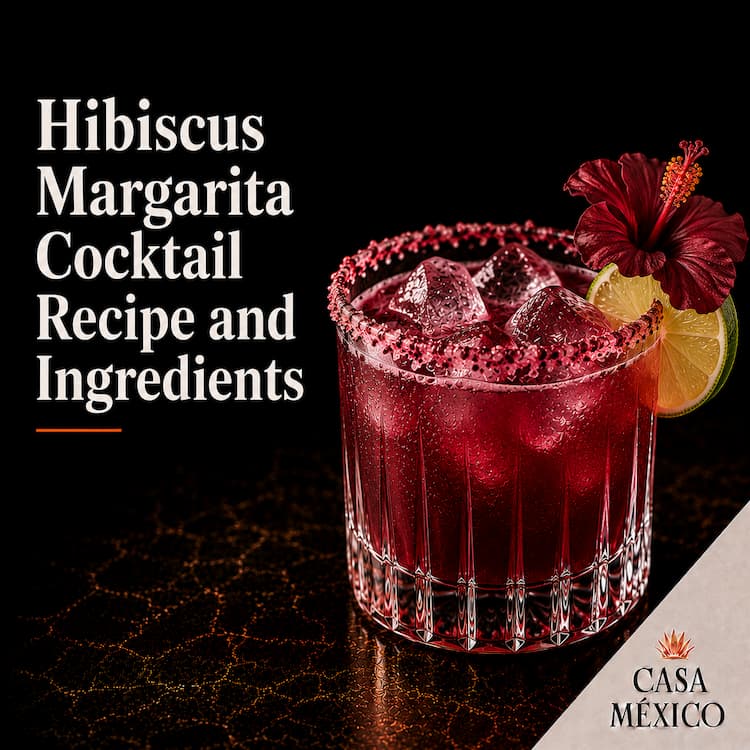
- Hibiscus Paloma: A floral-tart variation using hibiscus syrup or hibiscus-infused water as the primary flavor modifier, producing a deep crimson color and a tart, cranberry flavor profile. The Hibiscus Paloma tastes drier and more astringent than the Guava Paloma’s sweet tropical character.
- Rose Paloma: A delicate floral variation incorporating rose water or rose syrup alongside the grapefruit base, producing a lightly perfumed, subtly sweet flavor profile. The Rose Paloma tastes considerably lighter and more fragrant than the Guava Paloma, with a less defined fruit body throughout.
- Lavender Paloma: A herbal-floral variation built on lavender syrup, producing a soft, aromatic sweetness with mild herbal undertones layered over the citrus base. The Lavender Paloma tastes more restrained and perfumed compared to the Guava Paloma’s bold tropical fruit presence.
What is the Difference of Jalapeño Paloma than other Guava Paloma Cocktail Recipes?
The difference of Jalapeño Paloma than other Guava Paloma cocktail recipes is the addition of fresh jalapeño slices as the primary flavor modifier in place of a tropical or floral fruit base. The Jalapeño Paloma ingredients are blanco tequila, fresh jalapeño slices, fresh lime juice, grapefruit soda, agave syrup, and a salt or Tajín rim. The preparation difference requires muddling fresh jalapeño slices directly in the cocktail shaker before adding liquid ingredients, a step absent from all fruit-based Paloma variations including the Guava Paloma. The contrast explains why a Jalapeño Paloma Recipe feels heat-driven and structurally sharp, while a Guava Paloma feels smooth, floral, and tropical-forward.
Jalapeño Paloma andGuava Paloma Recipe
What is the Difference of Spicy Paloma than other Guava Paloma Cocktail Recipes?
The difference of Spicy Paloma than other Guava Paloma cocktail recipes is the use of chili-infused tequila or fresh chili slices as the heat-generating modifier rather than a fruit or floral ingredient. The Spicy Paloma ingredients are chili-infused blanco tequila or fresh chili slices, fresh grapefruit juice, fresh lime juice, grapefruit soda, agave syrup, and a Tajín rim. The preparation difference requires either pre-infusing the tequila with chili for 24 to 48 hours or muddling fresh chili slices in the shaker, producing a broader, more diffused heat profile compared to the Jalapeño Paloma’s direct capsaicin delivery.The contrast explains why a Spicy Paloma Recipe feels grounded, heat-layered, and citrus-dry, while a Guava Paloma feels light, sweet, and fruit-centered.
Spicy Paloma and Guava Paloma Recipe
What is the Difference of Rose Paloma than other Guava Paloma Cocktail Recipes?
The difference of Rose Paloma than other Guava Paloma cocktail recipes is the use of rose water or rose syrup.The rose water or syrup replaces the fruit juice base entirely with a floral flavoring agent. The Rose Paloma ingredients are blanco tequila, rose water or rose syrup, fresh grapefruit juice, fresh lime juice, grapefruit soda, and a sugar or salt rim. The preparation difference requires measuring rose water precisely at no more than 5ml per serving, as excess rose water produces an overpowering perfumed character that suppresses the grapefruit and tequila components entirely. The contrast explains why a Rose Paloma Recipe feels delicate, perfumed, and restrained, while a Guava Paloma feels bold, fruit-driven, and tropically defined.
Rose Paloma and Guava Paloma Recipe
What is the Difference of Strawberry Paloma than other Guava Paloma Cocktail Recipes?
The difference of Strawberry Paloma than other Guava Paloma cocktail recipes is the use of fresh strawberry purée or muddled strawberries.The primary fruit base is strawberry, delivering a berry-forward sweetness distinct from guava’s floral tropical character. The Strawberry Paloma ingredients are blanco tequila, fresh strawberry purée or muddled strawberries, fresh lime juice, fresh grapefruit juice, grapefruit soda, agave syrup, and a salt rim. The preparation difference requires either muddling fresh strawberries directly in the shaker or straining pre-made strawberry purée before combining with liquid ingredients. The strawberry base produces a deeper, jammy sweetness that sits heavier on the palate. The Guava Paloma’s light tropical profile delivers a noticeably lighter and more floral finish by comparison. The contrast explains why a Strawberry Paloma Recipe feels jammy, berry-rich, and dessert-adjacent, while a “Guava Paloma” feels lighter, more aromatic, and tropical in character.
Strawberry Paloma and Guava Paloma Recipe
Where to Serve Guava Paloma?
A Guava Paloma is best served at outdoor social gatherings, warm-weather celebrations, and casual dining environments. Brunch represents the most natural serving occasion, where the cocktail’s tropical fruit base and citrus acidity position the Guava Paloma as a direct alternative to mimosas and Aperol spritzes. Lunch service benefits from the light body and refreshing carbonation, pairing practically alongside grilled seafood, light salads, and tropical cuisine.
Dinner service suits the Guava Paloma as a pre-dinner aperitif rather than a primary dinner pairing. The citrus acidity and guava sweetness stimulate appetite effectively before heavier main courses. Spiced, grilled, and Mexican-cuisine dinner menus pair most naturally with the Guava Paloma’s tequila-citrus structure.
Birthday party and pool settings represent the highest-impact serving occasions for the Guava Paloma. The cocktail’s vibrant tropical color, floral aroma, and crowd-friendly sweetness profile suit large-group service naturally. Heat amplifies the refreshing citrus and tropical fruit character, making the Guava Paloma the most practical and flavorful cocktail option across warm outdoor environments. The Guava Paloma fits in perfectly with What to Serve with Guava Palomas across a casual brunch, an afternoon gathering, or a lively celebration.
What Glass to Serve a Guava Paloma?
A highball glass is the best glass to serve a Guava Paloma. The highball glass’s tall, narrow structure accommodates the cocktail’s layered liquid volume, maintains carbonation integrity from the grapefruit soda, and provides sufficient space for large ice cubes that control dilution throughout the drinking period. The highball glass’s height also supports the Guava Paloma’s visual presentation. The cocktail’s tropical pink-orange color gradient, visible ice layer, and garnish placement all read more effectively in a tall glass format than in a short or wide vessel. A standard highball glass capacity of 10 to 12 ounces accommodates the full ingredient volume without requiring reduction of any component measure.
Alternative glass types present specific trade-offs against the highball format. A rocks glass delivers a shorter, more concentrated drinking experience but sacrifices carbonation volume and reduces garnish display space. A Collins glass performs comparably to a highball glass due to its similar tall, narrow structure, making the Collins glass an accepted substitute in professional bar environments. A wine glass introduces excessive surface area that accelerates carbonation loss and disrupts the salt or Tajín rim application. A coupe glass eliminates ice entirely, altering the Guava Paloma’s intended serving temperature and dilution rate. A mason jar serves as a casual alternative in outdoor or informal settings, preserving volume capacity while delivering a relaxed aesthetic distinct from the standard highball presentation. The highball glass remains the definitive serving vessel for a Guava Paloma across all preparation environments, as the tall format protects carbonation, supports garnish structure, and frames the cocktail’s tropical color profile most effectively.
What makes Guava Paloma different from others?
Guava Paloma is different from others in ways listed below.
The Jalapeño Paloma: The Jalapeño Paloma shares the same tequila-grapefruit-lime foundation as the Guava Paloma but replaces the fruit sweetness entirely with muddled jalapeño heat. The Jalapeño Paloma delivers a sharp, capsaicin-driven profile where the Guava Paloma delivers smooth tropical depth.
The Passion Fruit Paloma: The Passion Fruit Paloma shares the tropical fruit base category with the Guava Paloma but produces a sharper, more acidic flavor profile due to passion fruit’s higher natural tartness. The Guava Paloma tastes noticeably smoother and more floral by direct comparison.
The Watermelon Paloma: The Watermelon Paloma shares the fresh fruit juice format with the Guava Paloma but delivers a lighter, more neutral sweetness with a thinner body. The Guava Paloma’s aromatic complexity and defined tropical character distinguish the two fruit-forward variations clearly.
The Strawberry Paloma: The Strawberry Paloma shares the fruit-sweetness profile with the Guava Paloma but produces a heavier, jammy, dessert-adjacent taste. The Guava Paloma feels lighter and more refreshment-driven by comparison, with greater aromatic lift from the guava’s natural floral compounds.
The Hibiscus Paloma: The Hibiscus Paloma shares the floral modifier category with the Guava Paloma but delivers a tart, cranberry-adjacent dryness rather than tropical sweetness. The Guava Paloma tastes considerably sweeter and more fruit-bodied than the Hibiscus Paloma’s astringent floral profile.
The Pineapple Paloma: The Pineapple Paloma shares the tropical juice base with the Guava Paloma but introduces a sharper, high-acid tropical character that lacks the guava’s smooth floral sweetness. The Guava Paloma remains the more balanced and aromatic tropical Paloma variation between the two fruit types. Tropical acidity originates from pineapple’s natural tartness rather than the floral, smooth fruit depth of a Drinks Similar to Jalapeño Paloma.