EN
EN ES
ES PL
PL TR
TR
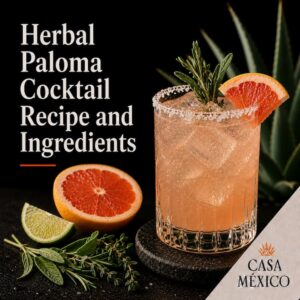
A Herbal Paloma Cocktail defines a modern variation of the classic Mexican cocktail. Herbal Paloma recipe replaces traditional tequila with a complex botanical liqueur for a herbaceous twist. Fresh grapefruit juice remains the essential citrus component that defines the Paloma category. A specific preparation sequence ensures optimal results for the herbal paloma beverage. A highball glass with ice before adding the herbal liqueur, fresh grapefruit juice, fresh lime juice, and simple syrup. Stirring integrates the mixture thoroughly. Top with club soda and garnish with a fresh herb sprig and grapefruit wedge to complete the cocktail.
The Herbal Paloma produces a beverage with moderate caloric content. Fresh grapefruit and lime juices supply Vitamin C to the final drink. The individual serving contains 150 to 200 calories derived from natural fruit sugars and added sweetener. A complex balance of bitter and bright flavor elements defines the cocktail. The tart grapefruit juice dominates the initial taste. The botanical liqueur contributes layers of herbs, spices, and roots. The lime juice adds sharp acidity that club soda ultimately transforms into a light, effervescent finish. Consume the Herbal Paloma immediately after preparation to experience the beverage at its optimal chilled temperature. A slow sip from a highball glass allows full appreciation of the evolving interplay between citrus tartness and botanical complexity.
What is Herbal Paloma made of? The Herbal Paloma is made from herbal liqueur, which provides the cocktail’s complex botanical foundation. Fresh grapefruit juice functions as the second main ingredient, delivering the essential tart and slightly bitter citrus character. The fundamental difference between the components lies in the respective contributions to the final cocktail. The herbal liqueur builds depth and complexity. Grapefruit juice establishes the bright, refreshing backbone of the beverage.
What are the Ingredients for Herbal Paloma Cocktail?
The ingredients of herbal paloma cocktail are listed below.
- Herbal Liqueur: The complex botanical spirit that serves as the primary alcohol base, replacing traditional tequila with layers of herb, spice, and root flavors.
- Fresh Grapefruit Juice: The essential citrus component that provides the cocktail’s signature tart and slightly bitter character.
- Fresh Lime Juice: The brightening agent that adds sharp acidity to balance the sweetness and complement the grapefruit.
- Simple Syrup: The liquid sweetener that softens the tart citrus notes and rounds out the overall flavor profile.
- Club Soda: The carbonated element that introduces effervescence and lightens the concentrated mixture.
- Fresh Herb Sprig (Rosemary or Thyme): The aromatic garnish that adds layer of botanical complexity to the drinking experience.
- Grapefruit Wedge: The visual garnish that reinforces the citrus theme and provides an optional flavor enhancer.
Should Fresh Lime or Lime Purée Be Used in a Herbal Paloma?
Fresh lime should be used in a Herbal Paloma. Fresh lime juice delivers bright, sharp acidity and volatile citrus oils that purée cannot replicate. The essential compounds of lime juice provide the necessary balance to the cocktail’s sweet and bitter elements. Lime purée introduces processed flavors and preservatives that compromise the integrity of the final beverage. The fresh lime juice guarantees the clean, vibrant character this cocktail requires.
Textural differences between fresh juice and purée reinforce the preference for fresh citrus. Fresh lime juice integrates seamlessly with sparkling components, creating a light, effervescent mouthfeel. Lime purée introduces undesirable thickness and viscosity that weighs down the finished beverage. Professional cocktail standards prioritize fresh citrus for superior performance in mixed drinks. Fresh lime ultimately elevates the Herbal Paloma from a simple combination to a sophisticated cocktail experience.
What Mixers Pair Best with Herbal Paloma?
The mixers that pair best with Herbal Paloma are listed below.
- Club Soda: Classic sparkling water adds effervescence and lightens the cocktail without introducing competing flavors. Club soda allows the herbal liqueur and fresh grapefruit juice to remain the dominant flavor elements in every sip.
- Grapefruit Soda: Traditional Mexican grapefruit soda amplifies the citrus profile while contributing additional sweetness. Grapefruit soda creates a more approachable, fruit-forward version of the classic cocktail.
- Fresh Grapefruit Juice: Essential citrus component provides the foundational tart and slightly bitter character. Fresh grapefruit juice delivers a bright, natural flavor that commercial alternatives cannot replicate.
- Fresh Lime Juice: Brightening agent adds sharp acidity that balances sweetness and complements the grapefruit. Fresh lime juice cuts through the botanical complexity to create a more refreshing finished beverage.
- Ginger Beer: Spicy, robust mixer introduces warmth and complexity that pairs exceptionally well with botanical spirits. Ginger beer adds a pleasant peppery finish that lingers after each sip.
- Tonic Water: Quinine bitterness creates an intriguing contrast with the herbal liqueur and citrus elements. Tonic water transforms the Herbal Paloma into a more sophisticated, adult-oriented cocktail experience.
- Sparkling Water with Bitters: A customizable combination allows precise control over bitterness and carbonation levels. Angostura or grapefruit bitters add aromatic complexity without introducing significant sweetness.
- Fresh Rosemary or Thyme Syrup: Herb-infused sweetener reinforces the botanical theme while adding aromatic complexity. Homemade syrup provides a consistent flavor that commercial products cannot match.
How to Make a Herbal Paloma?
To make a Herbal Paloma, follow the eight steps below.
Meet Our Maestra Tequilera
Casa México Tequila is crafted under the guidance of world-renowned Maestra Tequilera Ana María Romero Mena. With decades of experience creating acclaimed tequilas and mentoring future generations of distillers, she brings both deep tradition and thoughtful innovation to the brand. From agave selection to distillation and aging, her expertise ensures every expression reflects authenticity, precision and exceptional quality.

- Prepare the Glass. Coat the rim of a highball glass with salt using grapefruit or lime moisture. Fill the glass with fresh ice to stabilize temperature and carbonation retention.
- Add Herbal Liqueur. Pour two ounces of botanical spirit into the prepared glass. Herbal liqueur establishes the complex foundation for the cocktail.
- Incorporate Fresh Grapefruit Juice. Add three ounces of freshly squeezed pink grapefruit juice to deliver acidity and mild bitterness. Fresh juice maintains aromatic oils that define flavor clarity and visual tone.
- Add Fresh Lime Juice. Measure and add three-quarters of an ounce of fresh lime juice. Fresh lime introduces sharp acidity that balances the overall flavor profile.
- Balance with Sweetener. Introduce half an ounce of agave syrup or simple syrup in a measured amount. Sweetener offsets grapefruit bitterness while preserving freshness rather than masking citrus character.
- Stir the Mixture Thoroughly. Stir the ingredients gently to combine all elements. Proper stirring ensures even distribution of the sweetener and complete integration with the spirits.
- Finish with Soda Water. Top the mixture with two ounces of chilled soda water to introduce carbonation. Gentle stirring integrates components without flattening effervescence.
- Garnish and Serve. Add a grapefruit wedge or fresh herb sprig for aroma reinforcement. Serve immediately to preserve carbonation and citrus volatility.
Incorporating the herbal liqueur at the correct volume represents the most critical step in the preparation process. Proper measurement of the botanical spirit determines the herbal complexity of the finished Herbal Paloma cocktail.The excess liqueur volume produces an overpowering botanical profile that suppresses the grapefruit juice’s citrus clarity and the lime’s sharp acidity entirely.
How is the Nutrient Value of Herbal Paloma Cocktail?
The nutrient value of a Herbal Paloma cocktail depends primarily on the specific ingredients and their proportions in the recipe. Standard formulations using fresh citrus and moderate sweetener produce a beverage with measurable nutritional content from natural sources.
The detailed breakdown of the Herbal Paloma nutrient is listed in the table below.
| Nutrient | Amount per Serving | Unit | Daily Value % | Source / Measurement Basis | Notes |
| Calories | 185 | kcal | 10% | A combination of alcohol, fruit sugars, and added sweetener | Range varies based on the specific liqueur brand and juice quantity |
| Carbohydrates | 18 | g | 7% | Natural fruit sugars and simple syrup | Primary source of non-alcoholic energy in the beverage |
| Sugars | 15 | g | N/A | Grapefruit, lime, and added simple syrup | Includes both natural and added sugars |
| Protein | 0.5 | g | 1% | Trace amounts from citrus juices | Negligible contribution to daily requirements |
| Fat | 6 | g | 0% | Minute traces from citrus oils | No significant fat content in any ingredient |
| Fiber | 0.2 | g | 1% | Pulp content from fresh citrus juices | Straining removes most fiber content |
| Sodium | 10 | mg | 1% | Natural occurrence in citrus and potential salt rim | Salt rim means approximately 100-200 mg additional sodium |
How many calories in a Herbal Paloma? A standard Herbal Paloma contains between 185 and 210 calories per serving. The herbal liqueur contributes approximately 70-80 calories per ounce from alcohol content. Fresh grapefruit juice adds 40-45 calories per three-ounce serving from natural fruit sugars. Simple syrup provides 30-40 calories from added sugar in the standard half-ounce measurement.
What are the Tips to Prepare Herbal Paloma Cocktail Better?
The tips to prepare the Herbal Paloma Cocktail better are listed below.
- Select a high-quality herbal liqueur with a complex botanical character. Premium spirits contain more nuanced flavor compounds that define the entire drinking experience.
- Use only freshly squeezed grapefruit and lime juices. Fresh citrus delivers bright acidity and volatile aromatic oils that bottled alternatives completely lack.
- Measure all ingredients precisely using a jigger or measuring tool. Accurate proportions ensure a consistent balance between sweet, sour, bitter, and alcoholic elements.
- Adjust the sweetener quantity based on the specific liqueur’s sugar content. Some botanical spirits contain significant residual sugar, requiring little or no additional sweetener.
- Stir the mixture thoroughly before adding carbonated elements. Proper integration ensures even distribution of the sweetener and complete blending of flavors.
- Add club soda last and stir gently to preserve effervescence. Aggressive mixing forces carbonation from the liquid and produces a flat cocktail.
- Select large, dense ice cubes that melt slowly. Smaller ice introduces excess water that dilutes flavors before the drink is finished.
- Express citrus oils from a fresh peel over the finished cocktail. Essential oils released during this step add aromatic complexity with each sip.
- Garnish with fresh herb sprigs slapped gently to release their oils. Rosemary and thyme provide complementary botanical notes that enhance the liqueur’s character.
- Taste the cocktail before serving and adjust components as needed. Individual preferences and ingredient variations require final customization.
- Serve immediately after preparation to preserve carbonation and citrus volatility. The Herbal Paloma offers peak flavor within minutes of assembly.
How to Prevent a Herbal Paloma from Tasting Too Sweet?
To prevent a Herbal Paloma from tasting too sweet, reduce or eliminate the simple syrup from the recipe formulation. Herbal liqueurs contain significant residual sugar that provides sufficient sweetness without additional sweeteners. Tasting the cocktail after combining the spirit and citrus before adding any syrup determines whether a sweetener is actually necessary. Selecting a drier, less sweet herbal liqueur as the spirit base also prevents excessive sweetness from the outset. Different botanical liqueurs vary significantly in their sugar content, so researching specific brands identifies options with lower residual sugar.
Adjusting the citrus balance provides another effective strategy for sweetness control. Increasing the proportion of fresh grapefruit juice relative to other ingredients introduces additional tartness and mild bitterness that counteract sweet components. Adding an extra squeeze of fresh lime juice sharpens the overall flavor profile, as lime acidity cuts through residual sugar and creates a brighter, more refreshing cocktail. Pink grapefruit varieties offer the ideal balance of sweetness and acidity for the purpose, delivering maximum flavor impact without contributing excessive sugar.
Alternative ingredients and serving techniques further reduce perceived sweetness in the finished beverage. Using sparkling water with higher carbonation levels provides textural contrast, as aggressive bubbles cleanse the palate between sips and diminish sweet perception. Incorporating a salt rim on the glass acts as a flavor modifier, suppressing bitter notes while simultaneously reducing the perception of sweetness. Selecting an unaged or blanc vermouth as an alternative sweetener substitute contributes complexity without the cloying character of simple syrup.
What are the Variations of Herbal Paloma Cocktail Recipes?
The variations of Herbal Paloma Cocktail are shown in the table below.
| Variation Name | Ingredients | Nutrient | Steps | Opinion |
| Spicy Herbal Paloma | Standard recipe + 3 thin jalapeño slices muddled | Negligible calorie increase, no significant nutrient change | Muddle jalapeño in the glass before adding ice and the remaining ingredients | Capsaicin heat creates an exciting contrast with cool citrus and botanical elements |
| Smoked Herbal Paloma | Standard recipe + mezcal rinse or 0.5 oz mezcal substitute | 10 to 15 additional calories from mezcal | Rinse the glass with mezcal before building a drink, or replace 0.5 oz of liqueur with mezcal | Smoke notes add rustic complexity that complements the herbal foundation beautifully |
| Salted Grapefruit Herbal Paloma | Standard recipe + 0.25 tsp sea salt dissolved in juice | 200 to 300 mg additional sodium from salt | Dissolve salt in grapefruit juice before combining with other ingredients | Salt amplifies citrus brightness while suppressing bitterness for enhanced refreshment |
| Rosemary Grapefruit Herbal Paloma | Standard recipe + 0.5 oz rosemary simple syrup | 15 to 20 additional calories from syrup | Replace standard simple syrup with a rosemary-infused version | Piney rosemary notes reinforce the botanical character throughout the drinking experience |
| Blood Orange Herbal Paloma | 2 oz herbal liqueur, 3 oz blood orange juice, 0.75 oz lime, 0.5 oz simple syrup, soda | 5 to 10 fewer calories than standard. Higher vitamin C | Substitute blood orange juice for grapefruit juice completely | Blood orange provides a sweeter, less bitter profile with stunning visual presentation |
| Grapefruit Thyme Herbal Paloma | Standard recipe + 3 fresh thyme sprigs muddled | Negligible calorie increase, No significant nutrient change | Muddle thyme gently in the glass before adding ice and the remaining ingredients | Earthy thyme notes create an herbaceous depth that lingers pleasantly on the finish |
| Low-Sugar Herbal Paloma | 2 oz dry herbal liqueur, 4 oz grapefruit juice, 1 oz lime, soda, no sweetener | 30 to 40 fewer calories than standard. 6 to 8g less sugar | Select a drier liqueur brand. Eliminate simple syrup entirely | Crisp, tart expression allows citrus and botanical purity to dominate completely |
| Sparkling Grapefruit Herbal Paloma | Standard recipe + 2 oz grapefruit soda replacing club soda | 25 to 35 additional calories. 6 to 8g additional sugar | Replace club soda with chilled grapefruit soda | Fruit-forward version offers approachable sweetness ideal for casual entertaining |
| Thyme Honey Herbal Paloma | Standard recipe + 0.5 oz thyme honey syrup | 20 to 25 additional calories. 5 to 6g additional sugar | Replace simple syrup with honey syrup infused with fresh thyme | Honey adds floral sweetness that pairs exceptionally with the herbal liqueur character |
| Barrel-Aged Herbal Paloma | Standard recipe prepared in advance and aged 2 to 4 weeks in a small barrel | No significant nutrient change from aging | Combine all ingredients except soda, age 2 to 4 weeks, and serve over ice with fresh soda | Aging integrates flavors and adds subtle oak notes for remarkable depth and sophistication |
Can Herbal Paloma Be Made as a Frozen Cocktail?
Yes, an Herbal Paloma can be made as a frozen cocktail successfully. The essential grapefruit and lime components provide sufficient acidity and liquid volume for proper blending. The herbal liqueur’s botanical character translates effectively into frozen format without flavor degradation. The standard recipe requires modification for proper frozen consistency. Increasing the citrus proportion relative to alcohol prevents excessive dilution from melting ice. Adding a small amount of simple syrup improves texture and prevents large ice crystal formation.
Blending technique impacts the final result. Combining all liquid ingredients with two cups of ice per serving produces optimal texture. Blending at high speed until smooth creates the proper frozen consistency. Fresh citrus juices maintain their character perfectly when frozen and blended. Club soda must be eliminated from frozen versions, as carbonation creates undesirable foam and texture issues. The garnish presentation differs from the standard cocktail. A salted rim remains appropriate and adds desirable contrast to the frozen texture. Fresh herb sprigs provide aromatic appeal when placed on top of the finished slush. Serving temperature requires immediate consumption after preparation. Frozen Herbal Paloma melts rapidly and loses texture within minutes. Chilling serving glasses beforehand extends the optimal drinking window substantially.
What alcohol is in a Herbal Paloma?
The alcohol in a Herbal Paloma is tequila, which serves as the cocktail’s fundamental spirit base. A Herbal Paloma is a variation of the classic Paloma cocktail, and the defining characteristic remains the use of tequila. The “herbal” designation refers to the addition of botanical elements (rosemary, thyme, basil, or lavender) to enhance and complement the tequila.
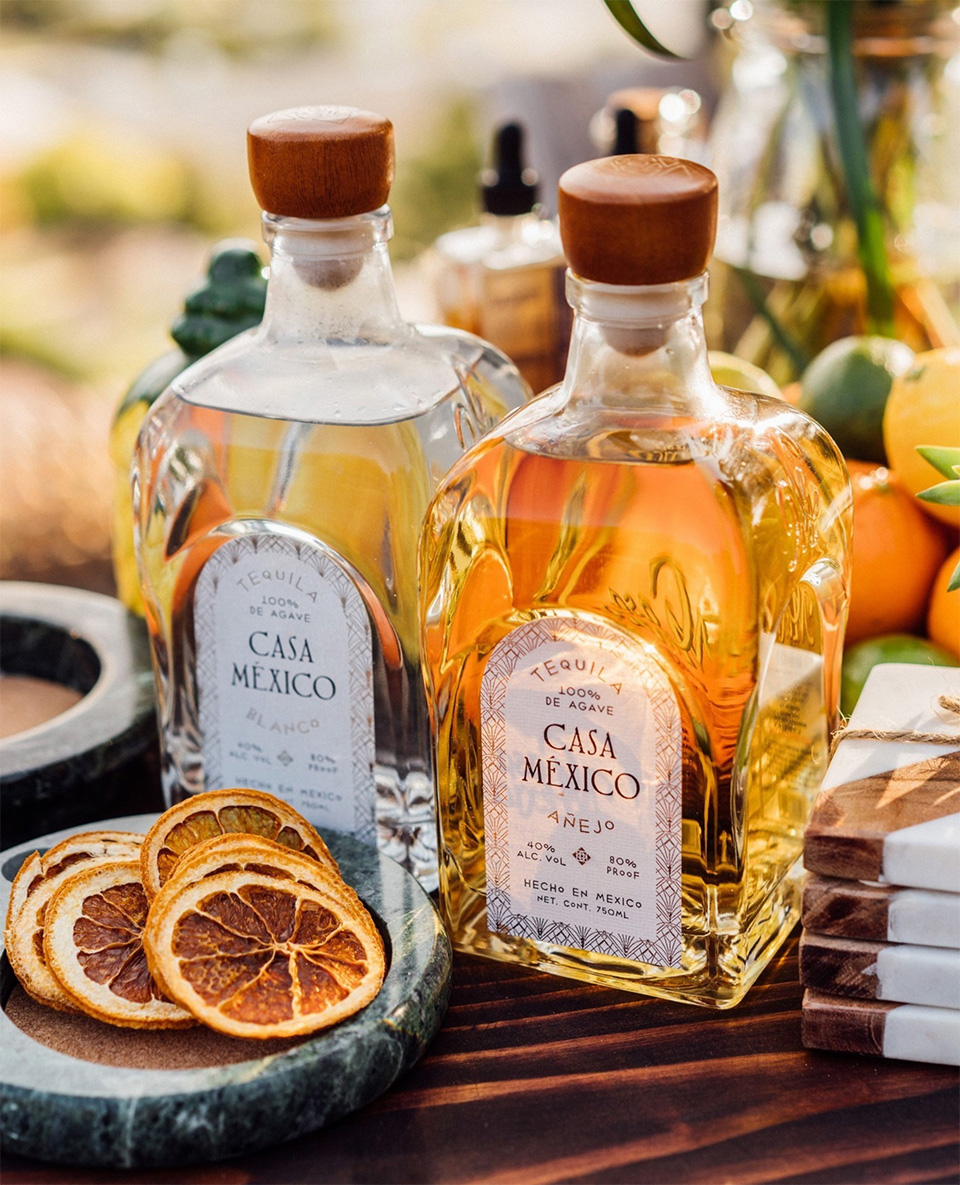
Casa Mexico Blanco
Casa Mexico Blanco Tequila provides an unaged silver expression offering the purest representation of blue agave flavor through its slow baking in clay ovens and double-distillation process for remarkable smoothness.
Casa Mexico Reposado
Casa Mexico Reposado Tequila undergoes eleven months of aging in new American Oak barrels, creating a perfectly balanced spirit specifically recommended on their website for mixing in Palomas.
Casa Mexico Añejo Tequila
Casa Mexico Añejo Tequila undergoes a minimum one-year oak aging to develop its characteristic warm, spicy profile intended for neat consumption.
Does Herbal Paloma have alcohol? Yes, a traditional Herbal Paloma contains alcohol. The alcohol content comes specifically from the herbal liqueur that serves as the primary spirit base. Herbal liqueurs range from 30% to 42% alcohol by volume, providing the cocktail with its characteristic botanical complexity and intoxicating effect.
How Much Alcohol Does a Herbal Paloma Have?
Herbal Paloma has alcohol content ranging from 0.5 to 0.8 fluid ounces of pure ethanol. The range depends entirely on the specific tequila quantity used in preparation. The standard recipe with 1.5 fluid ounces of 80-proof tequila produces 0.6 fluid ounces of alcohol. Eighty-proof spirits contain 40% alcohol by volume (ABV). Bartenders sometimes increase the pour to 2.0 fluid ounces. The larger pour elevates the alcohol content to 0.8 fluid ounces. Lighter pour of 1.25 fluid ounces reduces the alcohol content to 0.5 fluid ounces. The grapefruit soda, herbal liqueur, and lime juice contribute no additional alcohol.
The alcohol concentration dictates the final flavor balance of a herbal Paloma. The higher alcohol volume amplifies the warming sensation and the spirit’s core character. Pronounced agave and black pepper notes emerge from the tequila. The assertive flavors directly compete with the bitter grapefruit and layered herbal components. The resulting cocktail presents as bold, robust, and spirit-dominant. The reduced alcohol volume shifts the flavor hierarchy entirely. The grapefruit soda and herbal liqueur then assume a leading role. The profile transforms into a refreshing, tart, and predominantly botanical beverage. The herbal liqueur requires a sufficient alcohol presence for proper function. Alcohol serves as the essential solvent for extracting and carrying aromatic botanical compounds. Reducing the tequila pour significantly below 1.5 fluid ounces disrupts this extraction process. The aromatic delivery falters, and the drink loses the intended depth and structural complexity. A fundamental equilibrium between the spirit and its modifiers defines a well-executed cocktail. The 1.5-ounce tequila standard consistently achieves this critical equilibrium. The specific measurement permits the agave characteristics and the grapefruit elements to coexist without either dominating excessively.
A safe alcohol intake adheres to established standard drink definitions. The National Institute on Alcohol Abuse and Alcoholism defines one standard United States drink as 0.6 fluid ounces of pure alcohol. A Herbal Paloma prepared with a 1.5-ounce pour of 80-proof tequila meets this definition exactly. Dietary Guidelines for Americans define moderate drinking as one drink per day for women. The same guidelines define moderate drinking as two drinks per day for men. Food consumption alongside the beverage slows alcohol absorption into the bloodstream. Sipping the drink over 60 minutes reduces peak blood alcohol concentration.
Can Pregnant Women Drink Herbal Paloma? No, pregnant women cannot safely drink a Herbal Paloma or any other alcoholic beverage. Medical consensus maintains that no amount of alcohol is safe during pregnancy. The Royal College of Obstetricians and Gynaecologists (RCOG) states unequivocally that “there is no ‘safe’ level of alcohol to drink when you are pregnant.” Alcohol passes through the placenta to the developing baby, and the fetus breaks down alcohol more slowly than an adult. The UK Chief Medical Officers’ guidelines advise pregnant women to avoid alcohol completely. Drinking alcohol during pregnancy increases the risk of miscarriage, stillbirth, preterm birth, and low birth weight. Fetal Alcohol Spectrum Disorder (FASD) represents the most significant concern. The National Organization on Fetal Alcohol Syndrome reports that FASD affects an estimated 1 in 20 children in the United States, causing lifelong physical, cognitive, behavioural, and mental health difficulties. Children with FASD may experience developmental disabilities, cognitive delays, and problems with daily living that persist throughout life.
Does Herbal Paloma make you drunk?
Yes, Herbal Paloma can make you drunk. The cocktail contains tequila, typically 1.5 to 2 ounces (44-59 ml) per serving, provides enough alcohol, raises blood alcohol concentration, and produces intoxication effects. Pre-made Paloma cocktails demonstrate alcohol content ranging from 5.2% to 11% ABV, depending on the brand and formulation, while a standard restaurant-prepared Herbal Paloma with 1.5 ounces of 40% ABV tequila results in approximately 10% to 15% ABV for the finished drink. The liver processes approximately one standard drink per hour, and consuming alcohol faster than this metabolic rate causes the blood alcohol concentration to rise, producing intoxication effects.
Enthusiasts and situational factors determine how strongly a Herbal Paloma affects each drinker. Body composition plays a significant role because drinkers with higher muscle mass have greater total body water that dilutes alcohol more effectively. Food consumption slows alcohol absorption by retarding gastric emptying, while drinking on an empty stomach produces faster absorption and higher peak blood alcohol concentrations. Carbonated mixers (grapefruit soda) accelerate absorption by forcing the body to process alcohol more rapidly. A single Herbal Paloma containing two standard drinks requires two hours for complete metabolism, and consuming multiple Palomas within the timeframe causes alcohol accumulation in the bloodstream, increasing intoxication severity.
Does Herbal Paloma Have Tequila?
Yes, Herbal Paloma has tequila as its primary alcoholic base. The classic Paloma cocktail traditionally combines tequila with grapefruit flavors, and herbal variations maintain the foundation while adding botanical elements (rosemary, thyme, basil, or lavender) for improved complexity. Recipes consistently specify tequila as a non-negotiable ingredient, with most calling for 1.5 to 2 ounces of blanco, reposado, or añejo tequila per serving. The tequila provides the cocktail’s structural backbone, allowing herbal infusions to complement rather than overshadow the distinctive agave character.
Herbal Paloma recipes demonstrate thoughtful tequila selection to achieve specific flavor profiles. Blanco tequila offers clean, peppery notes that allow delicate herbs (basil and lavender) to shine without competition. Reposado tequila contributes subtle oak warmth that pairs exceptionally well with robust rosemary and thyme infusions. Añejo tequila provides deeper vanilla and caramel undertones that complement spiced herb combinations. Non-alcoholic versions specifically require alcohol-free tequila alternatives to replicate the authentic Paloma experience without the intoxicating effects.
What is Herbal Paloma?
A Herbal Paloma is a tequila-based cocktail that combines grapefruit flavors with fresh botanical ingredients for better aromatic complexity. The drink builds upon the classic Paloma formula, traditionally tequila and grapefruit soda, by incorporating rosemary, thyme, basil, lavender, or sage through infusion, muddling, or syrups. The herbal elements create a more nuanced flavor profile, preserving the cocktail’s essential character.
Why is it called a Herbal Paloma? The name Herbal Paloma combines two distinct elements that define the cocktail’s identity. Paloma, meaning dove in Spanish, references the classic cocktail originating in the 1950s in Jalisco, Mexico, where grapefruit and tequila first combined as a refreshing staple. The term Herbal indicates the addition of botanical ingredients that transform the traditional recipe. Bartenders and mixologists developed this naming convention as herb-infused variations emerged, distinguishing the aromatic interpretations from the standard Paloma. The herbs augment original components, bridging classic cocktail tradition with contemporary mixology.
Herbal Paloma recipe
What Does a Herbal Paloma Taste Like?
A Herbal Paloma tastes like a bright, botanical-forward cocktail where tart grapefruit and smooth tequila form the foundation for layered herbal complexity. The flavor opens with crisp citrus acidity, followed immediately by the distinctive essence of herbs (rosemary, thyme, or basil), creating an aromatic experience on the palate.
The ingredients that affect the taste of the Herbal Paloma are listed below.
- Tequila: Provides the foundational agave sweetness with peppery undertones. Blanco tequila offers clean, crisp vegetal notes, while reposado adds subtle vanilla and oak warmth that softens the overall profile.
- Fresh Grapefruit Juice: Contributes bright, tart citrus character with gentle bitterness. The grapefruit provides the cocktail’s essential refreshing quality and cuts through the tequila’s sweetness for balance.
- Herbs (Rosemary, Thyme, Basil, Lavender, or Sage): Introduces aromatic complexity and savory dimensions (rosemary adds piney notes, thyme contributes earthy and slightly floral qualities, basil provides sweet peppery freshness, lavender imparts delicate floral sweetness, and sage offers warm herbaceous depth)
- Herbal Simple Syrup: Infuses concentrated botanical sweetness, carrying herb flavors throughout the drink. The syrup ensures a consistent herbal presence in every sip without the variability of fresh muddling.
- Lime Juice: Adds bright acidity that promotes citrus notes and sharpens the overall flavor profile. Lime juice prevents the cocktail from tasting flat or overly sweet.
- Carbonated Grapefruit Soda or Club Soda: Introduces effervescence that lifts flavors and creates a light, refreshing mouthfeel. Grapefruit soda amplifies citrus notes with additional sweetness, while club soda provides cleaner carbonation, allowing herbs to dominate.
- Salt (Rim or Dash): Elevates all flavor components by suppressing bitterness and amplifying sweetness and acidity. Salt creates a more rounded, complex taste experience.
- Agave Nectar or Simple Syrup: Adds calibrated sweetness that balances tart citrus and bitter elements. Agave nectar complements tequila’s natural agave character particularly well.
How to Drink a Herbal Paloma?
To drink a Herbal Paloma, follow the 8 simple steps listed below.
- Prepare the glass. Select a highball glass or a large wine glass filled with fresh ice. The tall shape concentrates aromatic herbs at the rim while accommodating ample ice for proper dilution.
- Examine the cocktail’s appearance. Observe the color ranging from pale pink to deep ruby, depending on grapefruit juice concentration and herb infusion. Note any floating herbs or garnishes that indicate fresh botanical elements.
- Inhale the aroma before sipping. Bring the glass close and take a gentle breath through the nose. Identify specific herbal notes (rosemary, thyme, or lavender) rising above the citrus base.
- Take a small initial sip. Allow the liquid to coat the entire palate. Identify the bright grapefruit acidity first, followed by the tequila’s agave sweetness and the herbal undertones.
- Notice the texture and carbonation. Feel the effervescence on the tongue interacting with the cocktail’s body. Carbonation lifts the flavors and prevents the drink from tasting heavy.
- Identify the progression of flavors. Recognize the taste evolves from initial citrus brightness through herbal complexity to a clean, slightly dry finish.
- Sip slowly between stirring. Stir the cocktail gently every few minutes to incorporate any slight separation and maintain consistent flavor as ice gradually dilutes.
- Appreciate the evolution as ice melts. Notice the flavor profile shifts as dilution softens aggressive notes and allows subtle herbal characteristics to emerge.
The most important tip for better taste is to use fresh herbs as aromatics rather than relying solely on infused syrups and gently slapping a sprig of rosemary or thyme against the palm before placing it as a garnish releases essential oils that perfume each sip. The aromatic layer interacts with the grapefruit and tequila, creating a multisensory experience where scent and taste combine for elevated flavor perception.
Is Herbal Paloma Best Served Over Ice or Blended?
Herbal Paloma is best served over ice rather than blended. The cocktail’s essential character relies on controlled dilution, carbonation retention, and the layered presentation of herbal ingredients, all qualities compromised by blending.
Serving over ice allows the carbonated components, grapefruit soda or club soda, to maintain the effervescence, maintaining the lift of herbal and citrus flavors across the palate. Blending obliterates carbonation, producing a flat, slushy texture that dulls the bright, refreshing quality essential to the Paloma experience. The ice in a rocks or highball glass melts gradually, providing controlled dilution that softens aggressive notes and allows subtle herbal characteristics to emerge over time. Blended preparations introduce water rapidly, diluting flavors unevenly and washing out delicate botanical elements. Fresh herbs maintain the visual appeal and aromatic integrity when served over ice.
What are the Types of Herbal Paloma Cocktails?
The Types of Herbal Paloma Cocktails are listed below.
- Pink Paloma: Uses pink grapefruit juice or grapefruit soda with a hint of grenadine or cranberry for color. The taste delivers sweeter, less bitter citrus notes with subtle berry undertones compared to standard white grapefruit versions.
- Spicy Paloma: Incorporates fresh muddled jalapeño or serrano peppers with a splash of agave nectar. The taste combines bright grapefruit with building heat that lingers on the finish, creating contrast between cool citrus and warm spice.
- Jalapeño Paloma: Features sliced or muddled jalapeño infused directly into the tequila or shaken with other ingredients. The taste offers immediate pepper freshness (followed by gradual, steady heat that complements rather than overwhelms the grapefruit).
- Watermelon Paloma: Blends fresh watermelon juice or puree with tequila and grapefruit soda. The taste presents sweet, juicy melon notes that soften grapefruit tartness, resulting in a more approachable, summer-forward profile.
- Strawberry Paloma: Muddles fresh strawberries or uses strawberry syrup alongside traditional ingredients. The taste delivers bright berry sweetness and slight acidity that pairs harmoniously with grapefruit’s citrus character.
- Pineapple Paloma: Adds pineapple juice to the standard grapefruit and tequila base. The taste introduces tropical sweetness and tang that rounds out grapefruit bitterness while contributing additional fruit complexity.
- Herbal Paloma: Features fresh herbs such as rosemary, thyme, basil, lavender, or sage through infusion or muddling. The taste emphasizes savory, floral, and earthy notes that elevate the cocktail beyond simple fruit combinations.
- Blood Orange Paloma: Replaces standard grapefruit with blood orange juice or combines both citrus varieties. The taste offers deeper, berry-like citrus notes with reduced bitterness and vibrant crimson color.
- Passion Fruit Paloma: Incorporates fresh passion fruit pulp or high-quality passion fruit puree. The taste delivers intensely tart, aromatic tropical notes with distinctive seeds providing textural interest.
- Guava Paloma: Adds guava nectar or puree to the tequila and grapefruit base. The taste presents sweet, floral, slightly musky tropical notes that create a richer, more exotic profile than standard grapefruit alone.
- Hibiscus Paloma: Uses hibiscus tea concentrate or hibiscus syrup as a key ingredient. The taste offers tart, cranberry-like floral notes with deep ruby color and subtle earthiness beneath the citrus.
- Rose Paloma: Incorporates rose water, rose syrup, or rose-infused simple syrup. The taste introduces perfumed floral elegance that lifts grapefruit brightness while adding sophisticated aromatic complexity.
- Lavender Paloma: Features lavender simple syrup or a culinary lavender-infused cocktail. The taste presents sweet, herbaceous, floral notes that blend seamlessly with grapefruit, creating a calming, aromatic drinking experience.
What is the Difference of Pink Paloma than other Herbal Paloma Cocktail Recipes?
The Difference between Pink Paloma and Herbal Paloma Cocktail Recipes lies in their core flavoring ingredients and resulting taste profiles. A Pink Paloma uses pink grapefruit juice and grenadine to achieve a sweeter, fruit-forward character with a signature rosy hue. A Herbal Paloma relies on white grapefruit juice combined with fresh botanical ingredients (rosemary, thyme, basil, or lavender, producing a more tart, savory, and aromatically complex profile).
To prepare a Pink Paloma, combine blanco tequila, fresh pink grapefruit juice, lime juice, and grenadine in a shaker with ice. Shake vigorously, strain into a highball glass filled with fresh ice, top with grapefruit soda, and garnish with a pink grapefruit wheel and rosemary sprig. The Pink Paloma Recipe combines blanco tequila, fresh pink grapefruit juice, lime juice, and grenadine in a shaker with ice. Shake vigorously, strain into a highball glass filled with fresh ice, top with grapefruit soda, and garnish with a pink grapefruit wheel and rosemary sprig.
What is the Difference of Spicy Paloma than other Herbal Paloma Cocktail Recipes?
The Difference between Pink Paloma and Herbal Paloma Cocktail Recipes diverges primarily in their flavor architecture and sensory experience. The Spicy Paloma builds its character around heat, using fresh muddled jalapeño or serrano peppers that create a warming sensation, contrasting with bright grapefruit acidity. The Herbal Paloma constructs its profile around botanical depth, incorporating fresh herbs (rosemary, thyme, basil, or lavender that introduce savory, earthy, and floral dimensions to the citrus base).
The preparation methods reflect distinct flavor goals. Herbal Paloma uses fresh herbs muddled gently with simple syrup at the shaker bottom to release essential oils without bitterness. Blanco tequila, fresh white grapefruit juice, and lime juice join the shaker with ice before straining into a highball glass filled with fresh ice. Club soda or grapefruit soda tops the drink, and a fresh herb sprig provides the final aromatic garnish. The Spicy Paloma Recipe combines blanco tequila with muddled jalapeño slices at the bottom of a shaker. Fresh grapefruit juice, lime juice, and agave nectar join the shaker with ice. The mixture shakes vigorously before straining into a highball glass filled with fresh ice. Grapefruit soda tops the drink, and a jalapeño slice with a grapefruit wheel provides the garnish.
What is the Difference of Watermelon Paloma than other Herbal Paloma Cocktail Recipes?
The Difference between Watermelon Paloma and Herbal Paloma Cocktail Recipes diverges primarily in their core flavoring ingredients and taste profiles. The Watermelon Paloma builds character around fresh watermelon juice or puree, delivering sweet, juicy melon notes that soften grapefruit tartness for a summer-forward profile. The Herbal Paloma constructs a profile around botanical depth, incorporating fresh herbs (rosemary, thyme, basil, or lavender that introduce savory, earthy, and floral dimensions to the citrus base).
The preparation methods reflect distinct flavor goals. Herbal Paloma uses fresh herbs muddled gently with simple syrup at the shaker bottom to release essential oils without bitterness. Blanco tequila, fresh white grapefruit juice, and lime juice join the shaker with ice before straining into a highball glass filled with fresh ice. Club soda or grapefruit soda tops the drink, and a fresh herb sprig provides the final aromatic garnish. The Watermelon Paloma Recipe combines fresh watermelon puree with blanco tequila at the shaker base. Fresh grapefruit juice and lime juice join the shaker with ice. The mixture shakes vigorously before straining into a highball glass filled with fresh ice. Grapefruit soda tops the drink, and a watermelon wedge with a fresh mint sprig provides the garnish.
What is the Difference of Strawberry Paloma than other Herbal Paloma Cocktail Recipes?
The Difference between Strawberry Paloma and Herbal Paloma Cocktail Recipes diverges primarily in their core flavoring ingredients and taste profiles. The Strawberry Paloma builds character around fresh muddled strawberries or strawberry syrup, delivering bright berry sweetness and slight acidity that pairs harmoniously with grapefruit’s citrus character. The Herbal Paloma constructs its profile around botanical depth, incorporating fresh herbs (rosemary, thyme, basil, or lavender that introduce savory, earthy, and floral dimensions to the citrus base).
The preparation methods reflect distinct flavor goals. Herbal Paloma uses fresh herbs muddled gently with simple syrup at the shaker bottom to release essential oils without bitterness. Blanco tequila, fresh white grapefruit juice, and lime juice join the shaker with ice before straining into a highball glass filled with fresh ice. Club soda or grapefruit soda tops the drink, and a fresh herb sprig provides the final aromatic garnish. The Strawberry Paloma Recipe muddles fresh strawberries with simple syrup at the bottom of the shaker. Blanco tequila, fresh grapefruit juice, and lime juice join the shaker with ice. The mixture shakes vigorously before straining into a highball glass filled with fresh ice. Grapefruit soda tops the drink, and a strawberry slice with a fresh basil sprig provides the garnish.
Where to Serve Herbal Paloma?
A Herbal Paloma is served ideally at casual daytime gatherings (upscale brunches, outdoor celebrations, and as a sophisticated aperitif before dinner). The cocktail’s bright citrus character, herbal complexity, and refreshing effervescence make it appropriate for multiple settings throughout the day and year. The Herbal Paloma adapts to various occasions based on the flavor profile and alcohol content. The cocktail’s grapefruit brightness and botanical notes complement morning dishes without overwhelming the palate. The lower alcohol perception from carbonation and citrus makes it suitable for daytime consumption when served in moderation. Lunch service benefits from the Herbal Paloma’s refreshing qualities, particularly alongside lighter fare (salads, seafood, or Mexican-inspired dishes). The cocktail cleanses the palate between bites, and its effervescence aids digestion.
Dinner service positions the Herbal Paloma as an excellent aperitif, served before the meal to stimulate appetite and prepare the palate. The cocktail’s herbal complexity pairs well with appetizers and does not compete with subsequent wine or beverage selections. The Herbal Paloma offers a more sophisticated alternative to standard cocktails while remaining approachable for diverse guest preferences (Birthday parties and celebrations). The vibrant appearance and aromatic garnish make it visually appealing for festive photographs and social settings. What to Serve with Herbal Palomas are light seafood dishes and fresh Mexican appetizers (ceviche with fresh lime and cilantro, grilled shrimp skewers with chili-lime seasoning, fish tacos with cabbage slaw, and fresh guacamole with tortilla chips).
What Glass to Serve a Herbal Paloma?
The glass to serve a Herbal Paloma is a highball glass, a tall, straight-sided vessel designed specifically for cocktails served with substantial ice and carbonated mixers. The highball glass accommodates the drink’s essential components (ice, tequila, grapefruit juice, and carbonated soda) providing adequate space for herbal garnishes to release their aromatic oils above the liquid. The highball glass distinguishes itself from other cocktail glasses through its specific dimensions and functional design. A rocks glass is short and wide for spirits served with minimal ice and mixers. The highball glass stands tall and narrow to maintain carbonation by reducing the liquid’s surface area exposed to air. The highball glass differs from a Collins glass primarily in capacity, with Collins glasses typically holding 10 to 14 ounces while highball glasses hold 8 to 12 ounces, making the highball slightly shorter and better suited for balanced dilution rates. The glass contrasts sharply with a martini glass, which features a wide, shallow cone on a stem designed for spirit-forward cocktails served without ice. A margarita glass, with its distinctive wide-rimmed bowl on a stem, prioritizes salt rim application and visual presentation but fails to contain carbonation effectively for Paloma variations.
What makes Herbal Paloma different from others?
Herbal Paloma is different from others in the ways listed below.
- Classic Paloma: The direct ancestor of the Herbal Paloma, featuring tequila and grapefruit soda without botanical additions. The taste profile remains brighter and simpler, focusing exclusively on citrus and agave interaction.
- Rosemary Grapefruit Gimlet: A gin-based cocktail combining fresh rosemary, grapefruit juice, and lime. The gin provides botanical notes similar to herbal additions, while the grapefruit maintains a citrus connection to the Paloma family.
- Thyme Margarita: A tequila-based cocktail incorporating fresh thyme with lime and orange liqueur. The preparation method parallels Herbal Paloma techniques while the flavor profile leans more toward traditional margarita structure.
- Lavender Bee’s Knees: A gin cocktail featuring lavender-infused honey syrup with lemon juice. The floral-herbal character mirrors the botanical sophistication of Herbal Palomas despite the different spirit base.
- Basil Smash: A gin-based muddled cocktail combining fresh basil, lemon juice, and simple syrup. The prominent herbal presence and muddling technique directly parallel the Herbal Paloma preparation methods.
- Mexcal Herbal Paloma: A variation using mezcal instead of tequila, introducing smoky notes that interact with the same herbal and grapefruit components for an earthier profile, placing it among the Drinks Similar to Herbal Paloma collection.