EN
EN ES
ES PL
PL TR
TR
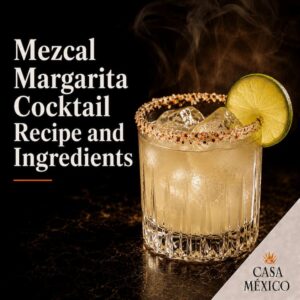
A Mezcal Margarita is a margarita-style cocktail that replaces tequila with mezcal, combining smoky agave character with citrus acidity, restrained sweetness, and a light saline finish. The recipe of the Mezcal Margarita follows the classic margarita structure while allowing mezcal’s roasted agave profile to define aroma and depth.
Mezcal as the primary spirit, fresh lime juice for sharp acidity, orange liqueur for citrus sweetness and structure, agave syrup for controlled sweetness that matches the agave base, and salt on the rim to heighten flavor contrast. Each ingredient serves a functional role in maintaining balance rather than adding excess flavor. Steps begin with lightly salting the rim of a chilled glass. Mezcal, fresh lime juice, orange liqueur, and agave syrup are measured into a shaker with ice and shaken until well chilled. The mixture is strained into the prepared glass over fresh ice or served straight, depending on preference.
Nutrients reflect a discretionary cocktail profile. Calories come primarily from alcohol and added sugars, carbohydrates originate from agave syrup and orange liqueur, sodium appears in small amounts from the salt rim, and minor amounts of vitamin C and potassium derive from fresh lime juice. Taste and flavors center on smoky, earthy agave balanced by bright lime acidity and subtle orange sweetness. The finish feels clean and structured, with salt sharpening citrus notes and softening mezcal smoke. Drinking a Mezcal Margarita involves serving the cocktail cold and sipping slowly. Initial sips without salt highlight mezcal aroma and citrus balance, while later salted sips adjust contrast and intensity for a fuller tasting experience.
What is a Mezcal Margarita made of? A Mezcal Margarita is made primarily of mezcal, which serves as the type of ingredient and defines the cocktail’s identity through smoky, earthy agave flavor created by roasted agave production. The second type of ingredient is citrus, represented by fresh lime juice, which introduces acidity that sharpens structure and balances mezcal smoke. Mezcal provides alcoholic strength and depth, while citrus provides brightness and contrast, creating a clear division between flavor foundation and flavor balance within the cocktail.
What are the Ingredients for a Mezcal Margarita?
The ingredients for a Mezcal Margarita are listed below.
- Mezcal: Provides the base spirit and delivers a smoky, earthy profile derived from roasted agave. Traditional espadín mezcal remains the most common choice due to balanced smoke intensity. Alcohol strength and aroma depth depend on mezcal proof and production style. Smoke-forward mezcal defines the cocktail identity.
- Fresh Lime Juice: Supplies acidity and brightness that offset mezcal smoke. Bottled lime juice weakens balance and reduces aromatic freshness. Fresh juice preserves sharpness and natural oils. Acidity controls sweetness and alcohol warmth.
- Orange Liqueur: Adds sweetness and citrus depth that rounds sharp lime acidity. Dry curaçao contributes a slightly bitter orange note. Liqueur choice affects the sweetness level and aroma intensity. Secondary alcohol content reinforces structure.
- Agave Syrup: Sweetens the drink while matching mezcal’s agave origin. Simple syrup alters flavor harmony and reduces authenticity. Agave syrup integrates naturally with agave spirits. Controlled use prevents a syrupy finish.
- Salt Rim: Flavors while softening the smoke intensity. Smoked salt or chili salt adds complexity without overpowering the drink. Selective rim contact controls salinity per sip. Salt sharpens citrus and reduces bitterness.
- Ice: Chills and dilutes the cocktail to achieve proper balance. Large, clear cubes slow dilution and preserve structure. Proper dilution tempers alcohol heat. Ice quality directly affects texture and finish.
Why do Mezcal Margaritas use salt on the rim?
Mezcal Margaritas use salt on the rim because salt sharpens lime acidity, softens mezcal smoke, and heightens agave sweetness in a single sip. Salt interacts with taste receptors to suppress bitterness while amplifying perceived sweetness and acidity. Mezcal carries smoky and earthy compounds from roasted agave, and salt reduces harsh edges from smoke and ethanol, creating a smoother flavor profile. Lime juice delivers high acidity, and salt prevents sharp citrus notes from overpowering the palate.
Salt on the rim controls flavor intensity through selective contact. Each sip passes through a salted edge, allowing drinkers to regulate salt intake rather than mixing salt directly into the drink. Controlled salinity preserves balance while maintaining clarity of mezcal character.
Salt supports traditional Mexican flavor pairing principles. Agave spirits pair with salt and citrus to highlight natural sweetness and manage intensity. Mezcal Margaritas follow the same sensory logic to maintain structure, balance, and drinkability. Rim salting avoids altering internal dilution and texture. Visual presentation reinforces the expectation of brightness and contrast before tasting.
Meet Our Maestra Tequilera
Casa México Tequila is crafted under the guidance of world-renowned Maestra Tequilera Ana María Romero Mena. With decades of experience creating acclaimed tequilas and mentoring future generations of distillers, she brings both deep tradition and thoughtful innovation to the brand. From agave selection to distillation and aging, her expertise ensures every expression reflects authenticity, precision and exceptional quality.

How to Make Mezcal Margarita?
To make a Mezcal Margarita, follow the eight steps below.
- Prepare the Glass. Moisten the rim with fresh lime juice. Coat the rim with salt to sharpen citrus flavor and soften mezcal smoke. Even salt coverage improves consistency across sips.
- Measure the Mezcal. Pour mezcal into a shaker using a precise ratio to preserve structure. Espadín mezcal delivers balanced smoke intensity. Accurate measurement prevents alcohol dominance.
- Add Fresh Lime Juice. Add freshly squeezed lime juice to provide acidity and brightness. Fresh juice maintains aromatic strength and clean flavor. Acidity defines balance and freshness.
- Add Orange Liqueur. Adding orange liqueur introduces citrus sweetness and depth. Balanced sweetness prevents harsh acidity. Liqueur selection affects aroma and sugar level.
- Sweeten with Agave Syrup. Add agave syrup to match mezcal’s agave base. Agave syrup maintains flavor continuity and controlled sweetness. Overuse dulls citrus clarity.
- Add Ice. Fill the shaker with ice to chill and dilute the mixture evenly. Proper dilution stabilizes alcohol intensity. Ice quality affects texture.
- Shake Vigorously. Shake until the shaker feels cold to the touch. Strong agitation integrates smoke, citrus, and sweetness. Full chilling improves mouthfeel.
- Strain and Serve. Strain the mixture into the prepared glass over fresh ice. Clear straining preserves texture and appearance. Immediate service protects the balance.
The most important step is a precise balance of mezcal, lime juice, and agave syrup, since flavor harmony defines a Mezcal Margarita. Accurate measurement protects smoke clarity and prevents citrus dominance. Consistent ratios maintain repeatable taste across servings and highlight mezcal character rather than alcohol heat.
How is the Nutrient Profile of Mezcal Margarita?
The nutrient profile of a Mezcal Margarita reflects a calorie-forward beverage driven by alcohol and added sugars rather than nutritional value. A standard serving delivers 190 to 210 calories, with most energy coming from mezcal ethanol and agave syrup sugars. Carbohydrates average 16 to 20 grams per serving, while fat and protein remain absent due to ingredient composition. Sodium appears in modest amounts from the salted rim, and small quantities of vitamin C and potassium originate from fresh lime juice, leaving nutrient density low despite balanced flavor structure.
The detailed nutrient breakdown of a standard Mezcal Margarita per 3-ounce serving is shown in the table below.
| Nutrient | Amount per Serving | Unit | Daily Value % | Source / Measurement Basis | Notes |
| Energy | 20 | kcal | 10% | Standard Mezcal Margarita serving | Calories come from mezcal ethanol and agave syrup |
| Carbohydrates | 18 | g | 7% | Lime juice, orange liqueur, agave syrup | Carbohydrates consist of simple sugars |
| Sugars | 15 | g | – | Agave syrup and orange liqueur | No established Daily Value for total sugars |
| Alcohol | 20 | g | – | Mezcal and orange liqueur ethanol content | Alcohol contributes 7 kcal per gram |
| Fat | 0 | g | 0% | Ingredient absence | No fat-containing ingredients |
| Protein | 0 | g | 0% | Ingredient absence | Protein contribution remains negligible |
| Sodium | 120 | mg | 5% | Salted rim contact | Sodium varies based on rim coverage |
| Vitamin C | 6 | mg | 7% | Fresh lime juice | Vitamin C degrades with storage and oxidation |
| Potassium | 90 | mg | 2% | Lime juice and agave | Mineral contribution remains minor |
How many calories are in a Margarita? A margarita contains about 190 to 250 calories per serving, depending on ingredients and portion size. Alcohol contributes the majority of calories, followed by added sugars from orange liqueur and sweeteners. Margaritas made with fresh lime juice and agave syrup typically fall on the lower end of the calorie range, while frozen or pre-mixed versions register higher totals. Larger pours and blended ice increase calorie intake through added dilution and sugar. Salt on the rim adds negligible calories and does not affect energy content.
What are the Tips to Prepare a Mezcal Margarita Better?
The tips to prepare a Mezcal Margarita are listed below.
- Select espadín mezcal with moderate smoke to prevent overpowering citrus and sweetness. Balanced smoke allows lime and orange notes to remain distinct.
- Freshly squeezed lime juice delivers clean acidity and a stronger aroma compared to bottled alternatives. Natural citrus oils improve freshness and structure.
- Limit agave syrup to maintain clarity and prevent sweetness from masking mezcal depth. Controlled sweetness protects agave character.
- Use a dry orange liqueur to add citrus complexity without excessive sugar. Drier styles support balance and reduce heaviness.
- Accurate ratios stabilize flavor harmony and prevent alcohol dominance or sour imbalance. Consistency improves repeatable results.
- Vigorous shaking chills the drink evenly and integrates smoke, citrus, and sweetness. Proper agitation improves mouthfeel and aroma release.
- Apply salt lightly to heighten flavor without overwhelming the palate. Selective salinity sharpens citrus and softens bitterness.
- Immediate serving preserves temperature, aroma, and balance before dilution increases. Delay dulls brightness and increases ethanol perception.
What are the Variations of Mezcal Margarita Recipes?
The variations of Mezcal Margarita recipes are shown in the table below.
| Variation Name | Ingredients | Nutrient | Steps | Opinion |
| Extra Salty Rim Mezcal Margarita | Mezcal, fresh lime juice, orange liqueur, agave syrup, heavy salt rim | Slightly higher sodium from increased rim contact | Coat the rim generously with salt before pouring the shaken cocktail | Strong salt presence heightens citrus and smoke while reducing bitterness |
| Chili-Forward Mezcal Margarita | Mezcal, lime juice, orange liqueur, agave syrup, and muddled chili | Minor increase in capsaicin with no caloric change | Muddle fresh chili in the shaker before adding liquid ingredients | Pronounced heat intensifies the mezcal character and creates lingering warmth |
| Lemon-Lime Mezcal Margarita | Mezcal, lemon juice, lime juice, orange liqueur, agave syrup | Slight vitamin C increase from added citrus | Replace part of the lime juice with fresh lemon juice | Brighter acidity sharpens the drink and reduces perceived sweetness |
| Smoked Salt Mezcal Margarita | Mezcal, lime juice, orange liqueur, agave syrup, smoked salt rim | Similar sodium level with added smoky compounds | Rim the glass with smoked salt instead of regular salt | Smoke-on-smoke pairing deepens aroma and complexity |
| Low-Sugar Mezcal Margarita | Mezcal, lime juice, orange liqueur, reduced agave syrup | Lower total calories and carbohydrates | Reduce agave syrup while maintaining standard citrus ratios | Cleaner, drier finish highlights agave and smoke |
| Citrus-Zest Mezcal Margarita | Mezcal, lime juice, orange liqueur, agave syrup, citrus zest | Negligible nutrient change | Express lime or lemon zest over the finished drink | Added aroma improves freshness and perceived balance |
What alcohol is in a mezcal margarita?
A mezcal margarita contains mezcal as the primary alcohol. Mezcal is a distilled agave spirit from Mexico, produced by roasting agave hearts in underground pits, which creates the signature smoky flavor. Orange liqueur contributes a secondary alcohol component, since orange liqueur contains ethanol and adds citrus sweetness and structure to the cocktail. Mezcal remains the defining alcoholic base that differentiates a mezcal margarita from a traditional tequila margarita. Alcohol strength reflects mezcal proof and measured pour rather than added mixers. Dilution from shaking affects texture and heat perception without reducing ethanol content.

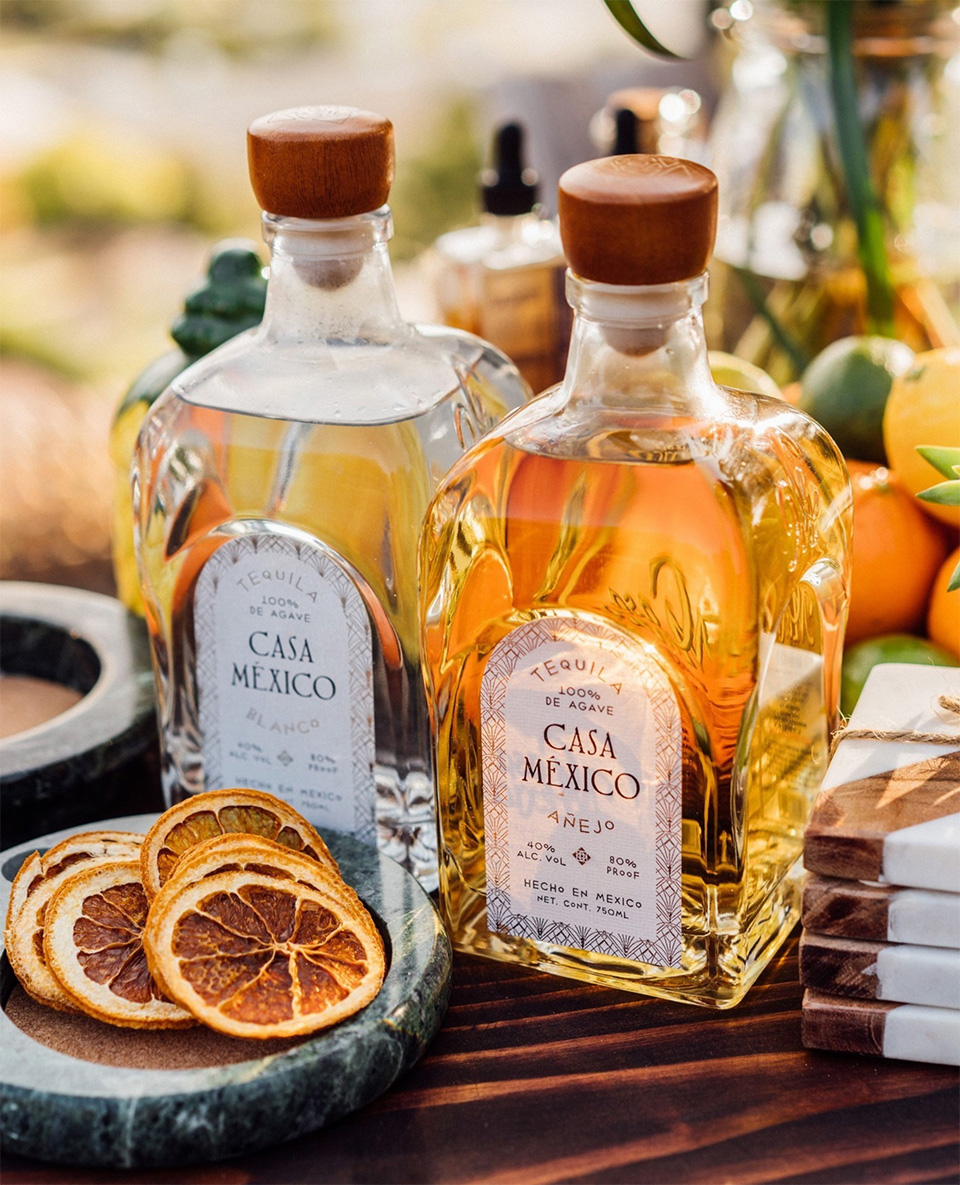
Casa Mexico Tequila Silver
Casa Mexico Tequila Silver delivers authentic Mexican flavor with smooth agave taste, ideal for strawberry margaritas. The silver tequila undergoes minimal aging, preserving pure agave flavor that complements fruit without overpowering it. The 40% alcohol by volume (80 proof) creates balanced cocktails. Use 2 ounces per serving for standard strength, or 1.5 ounces for lighter drinks. Combine with orange liqueur, fresh strawberries, lime juice, and ice to make the cocktail.
- AgingUnaged
- ABV40% (80 proof)
- FlavorSmooth agave, fruit-forward
- Serve2 oz standard / 1.5 oz lighter

Casa Mexico Tequila Reposado
Casa Mexico Tequila Reposado offers a slightly aged option with mellow agave flavor and subtle vanilla notes from 2 to 12 months in oak barrels. The golden color and smooth texture provide a richer profile that pairs well with strawberry sweetness. Use 2 ounces per serving in strawberry margaritas for a more complex taste. Blend with orange liqueur, fresh fruit, lime juice, and ice to complete the drink.
- Aging2–12 months in oak
- ABV40% (80 proof)
- FlavorMellow agave, vanilla, golden
- Serve2 oz — complex strawberry margarita

Casa Mexico Tequila Añejo
Casa Mexico Tequila Añejo presents a premium, well-aged choice for sophisticated strawberry margaritas. Aging for at least one year in oak barrels produces a deep amber color and notes of caramel, vanilla, and toasted oak. The mellow flavor works beautifully with the brightness of
- Aging1+ year in oak
- ABV40% (80 proof)
- FlavorCaramel, vanilla, toasted oak
- Serve2 oz — sophisticated margarita
Quick Comparison
| Silver | Reposado | Añejo | |
|---|---|---|---|
| Aging | Unaged | 2–12 months in oak | 1+ year in oak |
| Color | Crystal clear | Light gold | Deep amber |
| Flavor Profile | Smooth agave, fruit-forward | Mellow agave, vanilla, subtle oak | Caramel, vanilla, toasted oak |
| Cocktail Result | Balanced & bright | Richer & more complex | Smooth & sophisticated |
| Serve Size | 2 oz (1.5 oz lighter) | 2 oz | 2 oz |
| ABV | 40% (80 proof) | 40% (80 proof) | 40% (80 proof) |
| Agave | 100% Blue Agave | 100% Blue Agave | 100% Blue Agave |
| Origin | Jalisco, Mexico | Jalisco, Mexico | Jalisco, Mexico |
Casa Mexico Tequila Silver
Casa Mexico Tequila Silver delivers authentic Mexican flavor with smooth agave taste, ideal for strawberry margaritas. The silver tequila undergoes minimal aging, preserving pure agave flavor that complements fruit without overpowering it. The 40% alcohol by volume (80 proof) creates balanced cocktails. Use 2 ounces per serving for standard strength, or 1.5 ounces for lighter drinks. Combine with orange liqueur, fresh strawberries, lime juice, and ice to make the cocktail.
Casa Mexico Tequila Reposado
Casa Mexico Tequila Reposado offers a slightly aged option with mellow agave flavor and subtle vanilla notes from 2 to 12 months in oak barrels. The golden color and smooth texture provide a richer profile that pairs well with strawberry sweetness. Use 2 ounces per serving in strawberry margaritas for a more complex taste. Blend with orange liqueur, fresh fruit, lime juice, and ice to complete the drink.
Casa Mexico Tequila Añejo
Casa Mexico Tequila Añejo presents a premium, well-aged choice for sophisticated strawberry margaritas. Aging for at least one year in oak barrels produces a deep amber color and notes of caramel, vanilla, and toasted oak. The mellow flavor works beautifully with the brightness of fresh strawberries and lime. Use 2 ounces per serving to let tequila shine. Mix with orange liqueur, fresh strawberries, lime juice, and ice for a refined cocktail experience.
Does a mezcal cocktail have alcohol? Yes, a mezcal cocktail contains alcohol. Mezcal serves as the base spirit and provides ethanol as the primary source of alcohol in the drink. Additional ingredients such as orange liqueur contribute further alcohol content, confirming that a mezcal cocktail qualifies as an alcoholic beverage. Alcohol concentration varies by recipe, pour size, and dilution method. Flavor smoothness does not reduce ethanol strength, which remains present regardless of taste perception.
How Much Alcohol Does a Mezcal Margarita Have?
A Mezcal Margarita contains 15% to 25% alcohol by volume in the finished drink, depending on mezcal proof, pour size, and dilution from shaking. Higher alcohol concentration intensifies smoky agave aromas, increases heat on the palate, and shortens perceived citrus freshness. Lower alcohol concentration delivers smoother texture, clearer lime acidity, and softer smoke expression. Alcohol impact rises as ethanol concentration increases, affecting warmth, aroma lift, and intoxication speed. A safe range suggestion for general consumption places one serving close to a single standard drink equivalent of pure alcohol, approximately 14 grams of ethanol, which preserves flavor balance without excessive alcohol dominance.
Can Pregnant Women drink a Mezcal cocktail? Scientific health authorities state that pregnant women must not drink any alcoholic beverages, including a mezcal cocktail, because there is no known safe amount of alcohol during pregnancy and alcohol exposure harms fetal development. Ethanol passes through the placenta to the fetus, interfering with organ and brain formation and increasing the risk of miscarriage, preterm birth, stillbirth, and lifelong disorders grouped under Fetal Alcohol Spectrum Disorders (FASDs). Public health guidance from the U.S. Centers for Disease Control and Prevention (CDC) specifies no safe amount and no safe time to drink alcohol while pregnant, emphasizing complete abstinence to prevent developmental harm.
Does a Mezcal Margarita make you drunk?
Yes, a Mezcal Margarita makes you drunk. Mezcal Margarita contains mezcal as the base spirit and orange liqueur as a secondary alcohol source, placing total alcohol intake near or above one standard drink per serving. Shaking and dilution reduce harshness without reducing ethanol content, which allows alcohol to enter the bloodstream at the same rate as other spirits.
Cocktails mask alcohol strength through citrus acidity, sweetness, and salt, which reduces the perception of ethanol burn rather than lowering alcohol concentration. Faster consumption follows smoother taste, leading to quicker intoxication compared with sipping straight spirits. The combined effect explains why Mezcal Margaritas feel easy to drink while still producing strong intoxicating effects. Portion size and repeated servings compound intoxication rapidly. Alcohol impact remains unchanged regardless of flavor smoothness.
Does Mezcal Margarita Have Tequila?
No, a Mezcal Margarita does not have tequila in the standard recipe. A Mezcal Margarita uses mezcal as the base spirit, which differs from tequila in production method, flavor profile, and agave cooking process, with mezcal relying on roasted agave that creates smoke-forward notes. The tequila appears only when a recipe intentionally substitutes or blends spirits, which changes the drink classification and flavor identity, making the cocktail no longer a true Mezcal Margarita but a hybrid variation involving tequila. Mezcal production spans multiple agave varieties and regions, which introduces a broader flavor range than tequila regulations allow. Margarita structure remains intact only when mezcal functions as the sole agave spirit, since spirit choice defines the category and sensory outcome.
What is Mezcal Margarita?
A Mezcal Margarita is a margarita-style cocktail that uses mezcal as the base spirit instead of tequila, mixed with fresh lime juice, orange liqueur, and a controlled sweetener. Mezcal brings a smoky, earthy agave profile created by roasting agave hearts in underground pits, which gives the cocktail a deeper and more aromatic character than a traditional margarita.
The drink qualifies as a margarita because the defining structure relies on an agave spirit, citrus acidity, and orange liqueur rather than a specific spirit name. Replacing tequila with mezcal changes aroma, flavor intensity, and finish while preserving the classic balance that defines a margarita, resulting in a cocktail that remains recognizable in form while distinct in taste. Mezcal Margarita preparation often uses lighter sweetness to avoid masking smoke and mineral notes. Salt on the rim plays a stronger role in balancing bitterness and acidity compared to tequila-based versions.
Why is it called a margarita? The name margarita comes from the Spanish word for daisy and reflects the cocktail’s structural origin rather than a single historical figure. Classic cocktail taxonomy defines a Daisy as a spirit mixed with citrus juice and orange liqueur, which matches the margarita formula exactly. Tequila later replaced brandy or gin within the Daisy structure, and the Spanish translation of Daisy reinforced the name margarita as the drink gained recognition in Mexico and the United States. Historical consistency across recipes and bar manuals supports the explanation that the margarita name describes a category-based lineage rather than a personal dedication.
What Does a Mezcal Margarita Taste Like?
A Mezcal Margarita tastes smoky, bright, and sharply refreshing, with a clear balance of earthiness, citrus acidity, restrained sweetness, and a clean saline edge. Mezcal contributes roasted agave smoke and mineral depth, which sets a bolder foundation than a traditional tequila margarita. Fresh lime juice delivers crisp acidity that cuts through smoke and alcohol warmth, while orange liqueur adds subtle citrus sweetness that smooths sharp edges without covering mezcal character. A light salt rim heightens citrus perception and tempers bitterness, producing a layered flavor that feels bold, clean, and structured rather than heavy or sugary. Dilution from shaking softens alcohol intensity without dulling the smoke presence. The finish remains dry and aromatic, leaving lingering agave and citrus notes.
The ingredients that affect the taste of the mezcal margarita are listed below.
- Mezcal: Delivers smoky, earthy, and slightly vegetal notes created by roasted agave. Smoke depth defines the drink and separates it from a tequila margarita. Production method and agave variety influence intensity and aroma persistence.
- Fresh Lime Juice: Adds sharp acidity that cuts through smoke and alcohol heat. Citrus brightness keeps the drink crisp rather than heavy. Acidity level determines overall tension and freshness.
- Orange Liqueur: Contributes subtle sweetness and orange peel aroma. Citrus sweetness rounds acidity without overpowering mezcal character. Liqueur dryness controls sugar weight and finish length.
- Agave Syrup: Softens lime sharpness and reinforces agave continuity. Balanced sweetness prevents bitterness and ethanol burn. Overuse flattens structure and dulls aroma.
- Salt Rim: Heightens citrus perception and reduces smoky bitterness. Salinity sharpens flavor contrast and improves drink clarity. Selective contact allows adjustment per sip.
How to Drink a Mezcal Margarita?
To drink a Mezcal Margarita, follow the five steps below.
- Serve Cold. Chill the glass and drink immediately after preparation to preserve citrus brightness and control alcohol heat. Cold temperature tightens the structure and keeps the smoke from feeling heavy. Warmth increases ethanol perception and dulls lime clarity.
- Sip Before Salting. Take the first sip without touching the salt rim to taste mezcal smoke, lime acidity, and sweetness in pure balance. Unsalted tasting reveals true spirit character and citrus ratio. Salt introduction works best after baseline flavor recognition.
- Use the Salt Selectively. Alternate sips that contact the salt rim to adjust salinity and highlight citrus when needed. Selective salt contact sharpens acidity and reduces bitterness. Continuous salt contact overwhelms mezcal aroma and flattens nuance.
- Pause Between Sips. Allow aromas to reset between sips to recognize roasted agave notes and orange peel complexity. Short pauses prevent palate fatigue from smoke and acidity. Aroma recognition improves when the tasting pace slows.
- Avoid Straw Use. Drink directly from the glass to engage aroma and salt placement for fuller sensory perception. Straw use bypasses the rim and limits aroma intake. Direct sipping preserves the intended balance and texture.
The most important tip for better taste perception is to sip slowly without salt first, since mezcal aroma and citrus balance define the Mezcal Margarita experience. Slow pacing prevents alcohol warmth from overwhelming smoke and acidity. Temperature control remains critical because warming dulls citrus clarity and amplifies ethanol presence. Aroma awareness strengthens flavor recognition when attention stays on roasted agave and orange notes rather than the speed of consumption.
What are the Types of Mezcal Margarita?
The types of Mezcal Margarita are listed below.
- Classic Mezcal Margarita: The Classic Mezcal Margarita delivers smoky agave depth balanced by lime acidity and restrained sweetness. Flavor feels bolder and earthier than a tequila margarita, with smoke leading the profile. Balance stays tight and spirit-forward without excess sweetness.
- Spicy Mezcal Margarita: The Spicy Mezcal Margarita introduces chili heat that amplifies mezcal smoke and shortens citrus sharpness. Heat creates a lingering finish compared to the cleaner taste of the classic version. Capsaicin adds warmth that increases perceived intensity.
- Mezcal Mule: The Mezcal Mule replaces citrus focus with ginger spice and carbonation. Ginger sharpness brightens smoke and produces a lighter, more refreshing taste than a Mezcal Margarita. Effervescence reduces palate weight and speeds refreshment.
- Mezcal Paloma: The Mezcal Paloma shifts flavor toward grapefruit bitterness and subtle sweetness. Grapefruit softens smoke and delivers a more bitter, citrus-forward taste compared to lime-based margaritas. Bitterness plays a larger role than sweetness.
- Oaxacan Old Fashioned: The Oaxacan Old Fashioned removes citrus entirely and emphasizes agave richness and bitters. Flavor feels warmer, deeper, and less refreshing than a Mezcal Margarita. Spirit character dominates without acidic contrast.
- Mezcal Negroni: The Mezcal Negroni combines smoke with herbal bitterness from vermouth and bitter liqueur. Taste becomes more complex and bitter-heavy compared to the bright acidity of a Mezcal Margarita. Sweetness shifts toward herbal depth rather than citrus.
- Smoky Mezcal Sour: The Smoky Mezcal Sour highlights foam texture and rounded acidity. Taste appears softer and creamier than a Mezcal Margarita while retaining smoke. Mouthfeel becomes smoother and less sharp.
- Mezcal Mojito: The Mezcal Mojito replaces salt and orange notes with mint freshness and light sweetness. Mint reduces smoke intensity and creates a fresher profile than a margarita. Cooling aromatics dominate the finish.
- Fruity and Herbal Mezcal Margaritas: The Fruity and Herbal Mezcal Margaritas incorporate fruit or herbs to soften the smoke and add aroma. Flavor becomes lighter and more aromatic than the classic Mezcal Margarita, depending on additions. Sweetness and aroma vary by ingredient choice.
What is the Difference of Classic Margarita than other Mezcal Margarita Cocktail Recipes?
The difference between a Classic Margarita and other Mezcal Margarita cocktail recipes centers on the base spirit and resulting sensory profile, where a Classic Margarita uses tequila to deliver a clean citrus expression, and Mezcal Margarita cocktail recipes rely on mezcal to introduce smoky depth. A Classic Margarita uses tequila, fresh lime juice, orange liqueur, salt, and ice, followed by shaking the mixture with ice and straining it into a salt-rimmed glass. Mezcal Margarita cocktail recipes follow the same preparation method while replacing tequila with mezcal, which alters aroma, aftertaste, and mouthfeel due to pit-roasted agave production. The Classic Margarita emphasizes brightness, acidity, and balance that pair easily with food and warm weather settings. Mezcal Margarita cocktail recipes emphasize earthiness and smoke that create a heavier structure and longer finish. Ingredient ratios remain identical, yet the flavor perception shifts because mezcal contributes mineral and charred notes absent from tequila-based recipes. Preparation steps remain consistent and straightforward across Classic Margarita and Mezcal Margarita Cocktails, which highlights how spirit selection alone defines the primary difference.
What is the Difference of Frozen Margarita than other Mezcal Margarita Cocktail Recipes?
The difference between a Frozen Margarita and other Mezcal Margarita cocktail recipes lies in texture, preparation method, and flavor concentration, where a Frozen Margarita relies on blended ice for a slushy consistency and Mezcal Margarita cocktail recipes rely on shaking for a liquid form. A Frozen Margarita uses tequila, fresh lime juice, orange liqueur, and a high volume of ice blended until smooth, which softens acidity and dilutes alcohol intensity through ice integration. Mezcal Margarita cocktail recipes use mezcal, fresh lime juice, orange liqueur, and ice shaken rather than blended, which preserves sharper acidity and highlights smoky agave notes. Frozen Margarita preparation emphasizes cooling and sweetness balance suited for hot climates and casual settings. Mezcal Margarita cocktail recipes emphasize aroma and depth created by roasted agave, which remains more pronounced without heavy ice dilution. Texture defines the drinking experience, where a Frozen Margarita feels smooth and icy, while Mezcal Margarita cocktail recipes deliver a crisp and structured mouthfeel.
What is the Difference of Spicy Margarita than other Mezcal Margarita Cocktail Recipes?
The difference between a Spicy Margarita and other Mezcal Margarita cocktail recipes lies in the use of heat driven ingredients and the way spice reshapes flavor perception, where a Spicy Margarita focuses on chili based intensity, and Mezcal Margarita cocktail recipes focus on smoke derived from roasted agave. A Spicy Margarita uses tequila, fresh lime juice, orange liqueur, chili peppers or chilli-infused syrup, salt or chili salt, and ice, prepared by shaking the ingredients and straining into a rimmed glass. Mezcal Margarita cocktail recipes replace tequila with mezcal and omit direct spice additions, relying instead on smoky aromatics for complexity. A Spicy Margarita delivers sharp heat that amplifies acidity and sweetness through contrast. Mezcal Margarita cocktail recipes deliver earthiness and smoke that develop gradually across the palate. Flavor structure differs clearly, where spice creates immediate impact and mezcal creates depth and length.
What is the Difference of Strawberry Margarita than other Mezcal Margarita Cocktail Recipes?
The difference between a Strawberry Margarita and other Mezcal Margarita cocktail recipes lies in fruit integration, sweetness profile, and aroma dominance, where a Strawberry Margarita emphasizes fresh berry flavor and Mezcal Margarita cocktail recipes emphasize smoke-driven complexity. A Strawberry Margarita uses tequila, fresh lime juice, orange liqueur, strawberries (fresh or puréed), salt, and ice, prepared by blending or shaking to infuse fruit sweetness into the drink. Mezcal Margarita cocktail recipes rely on mezcal, fresh lime juice, orange liqueur, salt, and ice, prepared by shaking to preserve clarity and aromatic intensity. Strawberry Margarita flavor structure leans toward sweetness and softness, driven by natural fruit sugars. Mezcal Margarita cocktail recipes present earthy, mineral, and smoky notes that dominate the palate. Texture and aroma shift, where strawberries create a smooth and fragrant profile, and mezcal delivers a dry and lingering finish.
Where to Serve Mezcal Mezcal Margarita?
Serve a Mezcal Margarita during lunch, dinner, and social celebrations rather than early morning occasions. Lunch settings benefit from citrus acidity and moderate alcohol strength, which pair well with savory or spicy meals and support a relaxed daytime atmosphere. Dinner occasions highlight mezcal smoke and lime balance, alongside grilled dishes, Mexican cuisine, or rich entrées that benefit from acidity and salt contrast. Birthday parties and evening gatherings suit a Mezcal Margarita due to bold flavor, festive presentation, and cocktail-level alcohol content. Breakfast settings remain unsuitable because alcohol strength and smoke intensity conflict with morning dining norms. Late afternoon gatherings and sunset events align well with mezcal aroma and salt-driven contrast. Social settings that encourage slow sipping allow mezcal complexity to remain the focus rather than rapid consumption.
What Glassware is Best for Mezcal Margarita Cocktails?
The glassware best suited for Mezcal Margarita Cocktails is listed below.
- Rocks Glass: The Best Margarita Glasses option for Mezcal Margaritas served on ice. Thick walls retain cold temperature and support a salt rim without spillage. Casual settings and spirit-forward preparations benefit most from a rocks glass. Weight and durability reinforce a grounded drinking experience.
- Classic Margarita Glass: Provides traditional presentation with a wide rim for salt coverage. The flared bowl exposes aroma and emphasizes citrus brightness. Formal settings and classic-style service favor the classic margarita glass. Visual identity reinforces expectations of balance and freshness.
- Coupe Glass: Suits Mezcal Margaritas served straight without ice. The shallow bowl concentrates aroma and delivers a clean sip without dilution. Upscale bars and refined presentations use coupe glassware for clarity and elegance. Minimal surface area preserves structure and aroma focus.
- Nick and Nora Glass: Offers controlled volume and focused aroma delivery. Smaller capacity supports precise pours and preserves balance. Craft cocktail service and tasting-focused settings match the glass type. Portion control protects flavor intensity and alcohol balance.
- Double Old Fashioned Glass: Works well for large ice cubes and slow dilution. Wider base accommodates smoked salt rims and garnishes. Extended sipping and bold mezcal expressions pair well with the option. Slow dilution maintains smoke clarity over time.
Why Mezcal is Popular in Cocktails?
Mezcal is popular in cocktails because its smoky agave flavor delivers depth, contrast, and versatility that standard spirits do not provide. Roasted agave production creates complex aroma compounds that stand up to citrus, bitterness, sweetness, and spice without losing identity. Bartenders favor mezcal because small amounts influence an entire drink, allowing structure and character without excessive alcohol presence. Growing interest in regional Mexican spirits, artisanal production methods, and transparent origin labelling further supports mezcal’s rise as a cocktail base that offers authenticity, intensity, and balance. Smoke-driven aroma adds immediate distinction to menus and tasting experiences. Flavor persistence across dilution strengthens mezcal performance in shaken and stirred cocktails.
Why is a Mezcalita a Unique Type of Mezcal Cocktail?
A Mezcalita is a unique type of mezcal cocktail because it applies the margarita framework while centering mezcal’s smoky agave identity rather than masking it. Mezcal replaces tequila as the base spirit, which introduces roasted agave smoke, mineral depth, and earthy complexity that reshape the aroma and finish. Citrus and sweetener remain restrained to support mezcal character, creating a sharper contrast and stronger structure than fruit-forward or blended mezcal drinks. The result separates a Mezcalita from broader mezcal cocktails by preserving margarita balance while expressing mezcal as the defining flavor driver. Recipe discipline limits variation and protects flavor clarity. Sensory consistency distinguishes a Mezcalita from experimental mezcal cocktails that prioritize novelty over structure.
What is Mezcalita? A Mezcalita is a mezcal-based margarita-style cocktail that uses mezcal as the primary spirit instead of tequila, combined with fresh lime juice, orange liqueur, and a controlled sweetener. The cocktail follows the classic margarita structure of agave spirit, citrus acidity, and orange notes while highlighting mezcal’s smoky, earthy character created by roasted agave production. Mezcalita emphasizes balance and clarity rather than heavy sweetness, which allows the mezcal aroma and mineral depth to remain dominant throughout the drink.
Are Mezcalitas Different from Mezcal Cocktails?
Yes, Mezcalitas are different from general mezcal cocktails. A Mezcalita follows the margarita structure by combining mezcal, fresh lime juice, orange liqueur, and a controlled sweetener, which places the drink within a specific cocktail category defined by balance and formula. Mezcal cocktails represent a broader group that includes stirred, shaken, bitter, sweet, herbal, or spirit-forward drinks that do not rely on citrus and orange liqueur structure. The distinction rests on recipe framework rather than base spirit, since a Mezcalita applies a fixed margarita format while other mezcal cocktails explore varied styles, techniques, and flavor directions. Flavor expectation stays consistent in a Mezcalita because structure governs taste outcome. Broader mezcal cocktails allow greater variation in sweetness, bitterness, texture, and aroma.
What Makes This Mezcal Margarita different from others?
Mezcal Margarita is different from others in the ways listed below.
- Mezcal Paloma leans toward grapefruit bitterness and carbonation, which softens smoke and shifts focus away from margarita-style citrus balance. Carbonation lightens the body and reduces perceived alcohol weight. Grapefruit bitterness replaces lime sharpness as the dominant contrast.
- Mezcal Mule replaces salt and orange notes with ginger spice and effervescence, producing a lighter and sharper drinking experience. Ginger heat creates a crisp bite rather than citrus-driven acidity. Carbonation shortens the finish and increases refreshment.
- Oaxacan Old Fashioned removes citrus entirely and emphasizes agave richness and bitters, creating a warmer and spirit-driven profile. Bitters replace acidity as the balancing element. Mouthfeel feels heavier and more contemplative than a Mezcal Margarita.
- Smoky Mezcal Sour introduces egg white or foam texture that rounds acidity and creates a softer mouthfeel compared to the crisp structure of a Mezcal Margarita. Foam reduces sharpness and adds creaminess. Smoke integrates more gently across the palate.
- Mezcal Negroni combines herbal bitterness and sweetness, pushing smoke into a complex, bitter-forward profile rather than a citrus-led balance. Vermouth and bitter liqueur dominate mid-palate structure. Sweetness expresses as herbal depth rather than fruit brightness.
- Spicy Mezcal Cocktails emphasize heat and intensity, which shifts attention toward capsaicin warmth instead of clean lime acidity and salt contrast. Heat lengthens finish and increases perceived strength. Balance depends on spice control rather than citrus precision, belonging to Drinks Similar to Mezcal Cocktails.