EN
EN ES
ES PL
PL TR
TR
How long tequila lasts after opening depends on storage conditions, bottle handling, and the amount of air remaining inside the bottle after the seal is broken. The shelf life of opened tequila is primarily a matter of preserving quality rather than preventing spoilage because tequila typically contains 35% to 55% alcohol by volume, creating an environment that limits microbial growth. Opening the bottle exposes the tequila to oxygen, which gradually changes its aroma, flavor, and overall character through oxidation. Proper storage slows oxidation and helps preserve the tequila’s intended aroma, flavor, and overall drinking experience for longer.
Opening a bottle begins a gradual process in which the original agave aroma and flavor become less vibrant over time. Heat, sunlight, poor sealing, and repeated exposure to air accelerate quality deterioration, although properly stored tequila remains drinkable for many years. Recognizing the factors affecting longevity, identifying signs of quality loss, and following appropriate storage practices help preserve freshness after opening.
What is the Shelf Life of an Open Bottle of Tequila?
The shelf life of an open bottle of tequila extends for many years when the bottle remains tightly sealed and is stored under proper conditions, although the highest quality gradually declines after opening. Tequila contains a relatively high alcohol concentration that prevents rapid spoilage, making quality preservation a greater concern than food safety. Oxygen slowly reacts with aromatic compounds after the seal is broken, reducing the intensity of fresh agave notes and altering delicate flavor characteristics over time. The rate of change depends largely on storage practices rather than age alone.
Proper storage preserves aroma, flavor, and overall drinking quality by slowing oxidation and evaporation. Keeping the bottle upright reduces prolonged contact between the liquid and the closure, helping maintain a secure seal. Storing tequila away from direct sunlight and excessive heat limits chemical changes affecting aroma and taste. Bottles that remain mostly full generally retain quality longer because less oxygen occupies the empty space above the liquid. Consistent storage conditions allow opened tequila to maintain an enjoyable flavor profile for years, although subtle changes become more noticeable during extended storage.
What Affects How Long an Open Bottle of Tequila Lasts?
The factors affecting how long an open bottle of tequila lasts include oxygen exposure, storage temperature, sunlight, humidity, bottle seal quality, and the amount of tequila remaining inside the bottle. Oxygen becomes the primary factor because every opening introduces fresh air that slowly changes aromatic compounds responsible for the spirit’s original character. Higher temperatures accelerate chemical reactions, whereas direct sunlight further degrades materials through ultraviolet exposure. Proper storage limits the combined influence of these environmental conditions.
A tightly sealed bottle slows evaporation while reducing continuous oxygen exchange. Bottles containing smaller amounts of tequila have more air inside, increasing the surface area exposed to oxygen and allowing quality changes to develop more rapidly. Stable temperatures reduce repeated expansion and contraction inside the bottle, helping preserve the integrity of the closure. Moderate humidity helps protect natural cork closures from drying when present. Careful control of storage conditions preserves aroma, flavor balance, and visual clarity throughout long-term storage.
Does air Exposure Make Tequila Go Bad?
Yes, air exposure causes tequila to lose quality gradually because oxygen reacts with aromatic and flavor compounds after the bottle is opened. Oxidation reduces the brightness of fresh agave aromas and softens distinctive tasting notes over time. Bottles opened frequently or stored partially full experience faster quality changes because more oxygen remains inside after every pour. Extended exposure does not normally create dangerous spoilage because tequila contains enough alcohol to resist rapid microbial growth.
Quality deterioration appears gradually through flatter aromas, muted flavors, and reduced complexity instead of sudden spoilage. Properly replacing the cap immediately after pouring limits unnecessary oxygen exposure and slows oxidation. Bottles stored upright with a secure closure preserve their original character much longer than bottles left loosely sealed. Reducing air exposure remains one of the most effective methods for maintaining tequila quality after opening.
Meet Our Maestra Tequilera
Casa México Tequila is crafted under the guidance of world-renowned Maestra Tequilera Ana María Romero Mena. With decades of experience creating acclaimed tequilas and mentoring future generations of distillers, she brings both deep tradition and thoughtful innovation to the brand. From agave selection to distillation and aging, her expertise ensures every expression reflects authenticity, precision and exceptional quality.

Does Tequila Go Bad After Opening?
No, tequila does not normally go bad after opening the way perishable foods do, because its high alcohol content creates a stable environment that resists harmful microbial growth. Opening the bottle instead initiates a gradual decline in sensory quality, driven mainly by oxidation, evaporation, and environmental exposure. Fresh agave aromas, balanced flavors, and distinctive finish become less pronounced as exposure continues over extended periods. Proper storage significantly slows the changes and preserves the intended character for much longer.
Quality changes develop gradually rather than suddenly. Storage near heat sources, direct sunlight, or fluctuating temperatures accelerates the deterioration of aroma and flavor. Poor bottle seals allow additional oxygen inside, increasing evaporation and reducing freshness over time. Most opened bottles remain safe to drink for years, although the overall tasting experience becomes less satisfying as the original character slowly fades.
How can You Tell if Tequila Has Gone Bad?
You can tell that the tequila has gone bad by noticeable changes in aroma, flavor, appearance, or overall character compared with its original condition. Fresh agave aromas become dull or flat after prolonged oxidation, reducing the complexity expected from the spirit. Flavor loses balance as bright herbal, citrus, pepper, fruit, or oak notes become muted during extended storage. Properly stored tequila normally remains clear and free from unusual particles, making visible contamination an indicator of improper handling rather than normal aging.
Discoloration, cloudy appearance, floating debris, or unusual odors suggest storage problems that affected the bottle after opening. A stale smell, harsh taste, or unexpected off-notes indicate deterioration caused by oxygen, heat, or prolonged exposure to sunlight. The changes represent declining quality rather than typical spoilage because the alcohol content continues providing microbial stability. Comparing the aroma and taste with a freshly opened bottle of the same tequila provides one of the most reliable methods for recognizing quality loss.
Can you Still Drink Old Tequila?
Yes, you can drink old tequila when the bottle has been stored properly and shows no signs of contamination because the alcohol content provides long-term stability. Extended storage primarily reduces aroma, flavor intensity, and overall complexity rather than creating unsafe conditions. Bottles kept tightly sealed in cool, dark environments retain their quality much longer than bottles exposed to excessive heat, sunlight, or repeated air exposure. Sensory evaluation becomes the best method for determining whether the drinking experience remains satisfactory.
Quality loss affects enjoyment more than safety. Flattened aromas, muted flavors, and reduced finish indicate that oxidation has altered the original character over time. Visible contamination, damaged seals, or unusual appearance suggest improper storage that deserves closer inspection before consumption. Proper storage practices preserve tequila for many years while maintaining a more enjoyable tasting experience.
How Should you Store Opened Tequila?
Opened tequila should be stored upright in a tightly sealed bottle in a cool, dark place, away from direct sunlight and heat sources. Proper storage minimizes oxidation, evaporation, and exposure to environmental conditions that gradually reduce the spirit’s aroma and flavor. Unlike wine, tequila does not benefit from continued aging in the bottle because maturation occurs only inside oak barrels before bottling. Preserving the original character depends on maintaining stable storage conditions after opening rather than allowing additional aging.
Keeping the bottle tightly closed limits the amount of oxygen entering after each pour, slowing the gradual loss of aromatic compounds. Storing the bottle upright protects the closure by reducing prolonged contact between the tequila and the cap or cork, which can deteriorate over time. Consistent room temperatures are preferable because repeated warming and cooling accelerate evaporation and oxidation. Following these storage practices helps maintain the tequila’s intended aroma, taste, clarity, and overall drinking experience for years after opening.
What is the Best Way to Keep Tequila Fresh?
The best way to keep tequila fresh is to minimize exposure to air, light, and heat after opening the bottle. Proper storage preserves the original flavor, aroma, and character by slowing oxidation and reducing environmental effects that gradually alter the spirit. Tequila remains stable for an extended period, although improper storage accelerates flavor deterioration after the seal is broken.
Keeping the bottle tightly sealed limits air entering the container, reducing oxidation that weakens aroma and changes flavor over time. Storing the bottle upright prevents prolonged contact between tequila and the cap, lowering the risk of seal deterioration and contamination. Placing tequila in a cool, dark location away from direct sunlight and heat sources protects the spirit from temperature-related degradation. Stable storage conditions prevent repeated expansion and contraction inside the bottle, which affects long-term quality. Bottles that contain only a small amount of tequila benefit from timely consumption because the larger air space increases oxidation. Proper storage practices maintain the original drinking experience and preserve the quality associated with Casa Mexico Tequila.
Does Tequila Need to Be Refrigerated After Opening?
No, tequila does not need to be refrigerated after opening because normal room-temperature storage is sufficient when the bottle remains tightly sealed and protected from heat and sunlight. Refrigeration neither extends the shelf life significantly nor improves long-term quality. The spirit’s alcohol content provides excellent stability under proper storage conditions.
Cold storage may slightly reduce aroma intensity while the tequila remains chilled because lower temperatures suppress volatile aromatic compounds. Many drinkers prefer serving tequila at room temperature to experience its full aroma and flavor profile. A consistently cool cabinet offers better long-term storage than repeatedly moving the bottle from room temperature to the refrigerator. Proper sealing and protection from environmental factors remain far more important than refrigeration.
How Long Does Unopened Tequila Last?
Unopened tequila lasts indefinitely when stored under appropriate conditions because its high alcohol content makes it highly resistant to spoilage. A factory seal prevents oxygen from entering the bottle, preserving the spirit’s original aroma, flavor, and appearance for many years. Unlike beverages that continue to develop after packaging, bottled tequila remains essentially unchanged when the seal is intact and storage conditions are stable.
Long-term quality depends primarily on protecting the bottle from excessive heat, sunlight, and dramatic temperature fluctuations. Prolonged exposure to these conditions can slowly affect flavor compounds even though the tequila remains safe to drink. Keeping unopened bottles upright in a cool, dark environment helps preserve the intended balance created during production. Properly stored sealed tequila can maintain its original sensory characteristics for decades.
What is the Shelf Life of Sealed Tequila?
The shelf life of sealed tequila is essentially indefinite because the unopened bottle prevents oxidation and protects the spirit from environmental exposure. The factory seal keeps oxygen from interacting with the tequila, allowing its aroma, flavor, and appearance to remain remarkably stable during long-term storage. Proper storage conditions further support the preservation of its intended character.
Heat, direct sunlight, and repeated temperature fluctuations can gradually degrade quality even when the bottle remains unopened. High temperatures accelerate subtle chemical changes that may reduce aroma intensity over many years. Direct sunlight may also affect the spirit and decorative packaging during prolonged exposure. Storing sealed bottles upright in a consistently cool, dark location provides the best protection for long-term quality preservation.
Does Unopened Tequila Expire?
No, unopened tequila does not expire when properly sealed and stored, because the alcohol content and factory seal provide excellent long-term stability. The bottle protects the spirit from oxidation, allowing it to retain its intended flavor profile for many years. Most unopened bottles remain in excellent condition long after their production date.
Improper storage can gradually reduce sensory quality without making the tequila unsafe to drink. Heat, sunlight, and damaged seals allow gradual deterioration that affects aroma and flavor rather than safety. Inspecting the bottle for leaks, damaged closures, or visible contamination before opening provides additional assurance that storage conditions remained suitable throughout its lifespan.
Do Different Types of Tequila Last the Same After Opening?
Yes, different types of tequila generally last the same amount of time after opening because their alcohol content provides similar stability. Blanco, reposado, añejo, and extra añejo tequilas all remain drinkable for years when stored properly, although each style responds differently to oxidation due to its unique production and aging characteristics. Changes become noticeable in flavor complexity rather than overall safety.
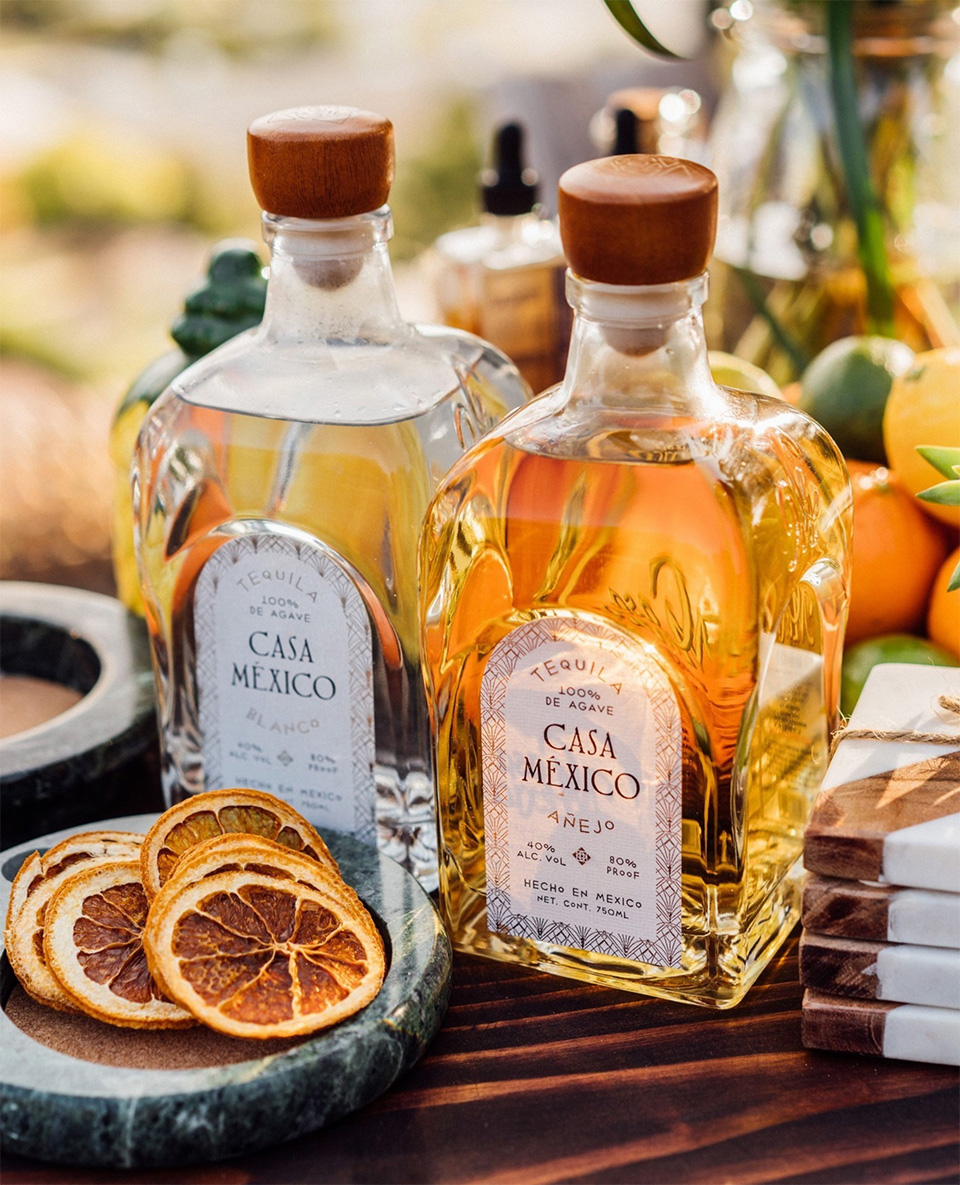
Blanco tequila emphasizes fresh agave notes that may soften with extended oxygen exposure. Reposado and añejo tequilas contain additional oak-derived aromas from barrel aging, making subtle changes in vanilla, caramel, spice, and toasted wood characteristics more noticeable over time. Tequila retains its intended character when stored upright, tightly sealed, and away from heat, regardless of style. Understanding the Types of Tequila helps explain why each style develops unique flavor characteristics after opening.
How do Blanco, Reposado, and Añejo Compare in Shelf Life?
Blanco, reposado, and añejo tequilas have a similar shelf life after opening because their alcohol content provides the same level of stability against spoilage. The primary difference is how their flavor profiles respond to oxidation over time, rather than how long they remain drinkable. Blanco tequila generally retains its fresh agave character well, while reposado and añejo may experience more noticeable changes in their oak-derived aromas and flavors, including vanilla, caramel, spice, and toasted wood. Gradual oxidation affects the overall drinking experience instead of the tequila’s safety.
Proper storage helps preserve the intended character of every tequila style regardless of its aging process. Keeping the bottle tightly sealed, stored upright, and placed in a cool, dark location slows oxidation and minimizes flavor loss. Consistent storage conditions maintain the balance of aromas and flavors for a longer period after opening. Understanding Blanco vs Reposado explains how different aging methods influence each tequila’s flavor profile and how those characteristics respond to oxidation over time.
Does Aged Tequila Stay Fresh Longer?
No, aged tequila does not necessarily stay fresh longer after opening than blanco tequila. Barrel aging develops additional layers of aroma and flavor before bottling, but it does not significantly increase resistance to oxidation after the bottle is opened. All tequila styles gradually lose freshness as oxygen interacts with their aromatic compounds.
Aged expressions may show more noticeable changes because their oak-derived characteristics are often more delicate and complex than the fresh agave notes found in blanco tequila. Proper storage remains the determining factor in preserving quality, whether the tequila is unaged or barrel-aged. Bottles that remain tightly sealed and protected from heat and light maintain their intended flavor profile for as long as possible.
Can Heat and Light Affect Tequila Quality?
Yes, heat and light can significantly affect tequila quality by accelerating the deterioration of its aroma, flavor, and overall character. Tequila retains its intended sensory profile after bottling, although environmental conditions influence long-term flavour and aroma despite the spirit’s microbiological stability from its alcohol content. Exposure to excessive heat speeds up oxidation and evaporation, while direct sunlight, particularly ultraviolet light, gradually breaks down delicate aromatic compounds. Protecting tequila from both elements helps preserve its freshness for longer.
Consistent storage conditions play an important role in maintaining quality. Bottles stored in cool, dark locations experience slower flavor changes than bottles left on sunny windowsills, near kitchen appliances, or inside vehicles. Heat and light do not usually make tequila unsafe to drink, but they can noticeably reduce its complexity, balance, and smooth finish. Proper storage remains one of the most effective ways to preserve the original characteristics created during production.
What Happens When Tequila Is Stored in Warm Conditions?
Warm storage conditions accelerate the deterioration of tequila’s flavor and aroma, especially after the bottle has been opened. Higher temperatures increase the rate of chemical reactions occurring inside the bottle, allowing oxidation and evaporation to progress more quickly. Fresh agave notes, fruity aromas, herbal characteristics, and barrel-derived flavours diminish gradually because prolonged storage reduces their intensity. Extended exposure to warmth can noticeably reduce the balance and complexity that define a quality tequila.
Heat also affects the bottle itself by encouraging the liquid’s expansion and increasing pressure around the closure, which may allow additional air exchange over long periods. Frequent temperature fluctuations cause repeated expansion and contraction, which further contribute to gradual quality loss. Storing tequila at a stable, cool room temperature helps preserve aroma, flavor, and mouthfeel more effectively than moving the bottle between warm and cool environments. Consistent storage conditions remain essential for maintaining tequila’s intended character throughout its shelf life.
Can Tequila Go Bad in Heat?
Yes, tequila can go bad in heat. Prolonged exposure to heat can cause tequila to lose quality much faster than properly stored bottles. Elevated temperatures accelerate oxidation, increase evaporation, and gradually diminish the spirit’s aroma and flavor. Bottles stored in hot environments may develop flatter aromas, muted flavors, and a less balanced finish long before properly stored tequila shows similar changes.
Heat rarely causes tequila to spoil in the traditional sense because its alcohol content remains high enough to inhibit harmful microbial growth. The primary consequence is declining sensory quality rather than reduced safety. Keeping tequila away from direct sunlight, heaters, ovens, and other heat sources helps preserve its original taste and overall drinking experience for much longer.
Does Tequila Expire or Just Lose Quality?
Tequila primarily loses quality rather than expiring when it is stored properly. The spirit remains microbiologically stable because of its relatively high alcohol content, making true spoilage uncommon under normal storage conditions. Oxygen, heat, and light gradually reduce the intensity of the tequila’s aroma and flavour after the bottle has been opened. The changes occur slowly and affect the overall drinking experience more than the product’s safety.
Proper storage significantly delays these quality changes by minimizing oxidation and environmental exposure. Bottles that remain tightly sealed and are kept in cool, dark locations preserve their original characteristics for much longer than bottles exposed to unfavorable conditions. Tequila delivers its most vibrant aromas and flavours while the bottle remains fresh, although it can stay drinkable for years.
What Happens to the Flavor Over Time?
Tequila’s flavor gradually becomes less vibrant over time as it is exposed to oxygen and environmental conditions after opening. Oxidation gradually alters the aromatic compounds that give the spirit its fresh, complex character, softening the overall flavor profile and reducing its expressiveness. The changes occur gradually rather than suddenly, making proper storage essential for preserving the tequila’s original quality.
Fresh agave notes, fruity aromas, herbal characteristics, and barrel-aged flavors may become flatter or less pronounced during extended storage, particularly when the bottle contains a large amount of air or is exposed to heat and sunlight. Proper storage in a tightly sealed bottle, kept upright in a cool, dark place, slows flavor deterioration and helps maintain the intended drinking experience for longer. Learning more about Tequila Flavor also provides a better understanding of the aromas and tasting notes that proper storage helps preserve.
Does Tequila Ever Go Bad?
Yes, tequila can eventually go bad from a quality perspective, but it rarely becomes unsafe to drink when stored correctly. The gradual effects of oxidation, evaporation, heat, and light diminish its original aroma, flavor, and overall character rather than causing rapid spoilage. Properly stored tequila often remains enjoyable for many years, even after opening, although subtle quality changes become increasingly noticeable over time.
Poor storage conditions accelerate deterioration and may eventually produce dull aromas, muted flavors, discoloration, or signs of contamination if the bottle has been compromised. Inspecting the tequila before drinking and following recommended storage practices helps ensure the best possible tasting experience. Tequila retains its quality for many years, although preserving its flavour and aroma depends on protecting the bottle from unnecessary exposure to air, heat, and sunlight throughout its life.