EN
 ES
 PL
 TR

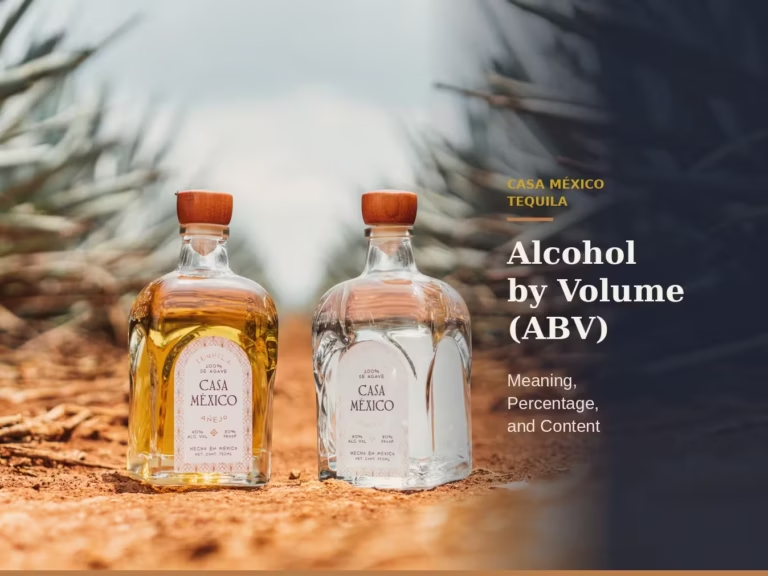
A standard drink is a unit that measures the amount of pure alcohol, called ethanol, in a beverage. A standard drink in the United States contains 14 grams of pure alcohol, based on guidance from the National Institute on Alcohol Abuse and Alcoholism (NIAAA). The unit converts serving size and alcohol strength into one comparable amount. Beer, wine, distilled liquor, and cocktails fit into the same system. Tequila, a spirit distilled from blue Weber agave in Jalisco, is commonly bottled at 40% ABV.
Definitions differ by country. The United Kingdom defines one unit as 8 grams of pure alcohol. Canada uses 13.45 grams, and Australia uses 10 grams. A 44 mL pour of tequila at 40% ABV equals one US standard drink. A 355 mL beer at 5% ABV equals the same amount. A 148 mL glass of wine at 12% ABV matches the same amount. The unit helps people compare drinks, read labels, and track intake against national drinking guidelines. Pure alcohol, not beverage volume, determines the count. Standard drink counts give a clear baseline in bars, restaurants, and home gatherings.
What does a Standard Drink Measure?
A standard drink measures the quantity of pure alcohol in a beverage, not the total volume of the beverage. The measurement accounts for serving size and alcohol by volume (ABV). A small pour of 40% ABV tequila holds about the same amount of alcohol as a larger glass of 5% ABV beer. Volume alone does not reveal the alcohol content of a drink.
How Much Pure Alcohol Does a Standard Drink Contain?
One standard drink in the United States contains 14 grams of pure alcohol. The amount equals 0.6 US fluid ounces or 17.7 milliliters of pure ethanol. Definitions differ internationally, so the matching serving size depends on national guidelines. Japan defines one unit asat 20 grams, which is a larger amount than the US figure.
Is a Standard Drink the Same Size as a Regular Drink?
No, a standard drink is not the same size as a regular drink. A standard drink is a fixed amount of alcohol. A regular drink is whatever quantity a bartender or host pours. A 250 mL glass of 12% ABV wine holds about 1.7 standard drinks. A 473 mL pint of 8% ABV beer holds about two.
What is the Purpose of a Standard Drink Measurement?
The purpose of a standard drink measurement is to give a consistent way to quantify and compare alcohol consumption. The measurement helps people estimate intake, follow drinking guidelines, and spot beverages that hold multiple servings. Actual pours and alcohol concentrations vary, so standard drink counts are estimates rather than guarantees of exact alcohol content.
How does Alcohol Percentage Affect Drink Size?
Alcohol percentage, expressed as ABV, affects the size of a drink that is pure alcohol. Higher-ABV beverages require smaller servings to match the alcohol content of lower-ABV beverages. A 355 mL beer at 5% ABV and 148 mL of wine at 12% ABV each contain about 14 grams of pure alcohol. Each drink in the comparison shows how Alcohol Percentage shifts the serving size needed for one standard drink.
Can Two Drinks of Different Sizes Contain the Same Amount of Alcohol?
Yes, two drinks of different sizes can contain about the same amount of pure alcohol. The amount depends on volume and ABV. A 44 mL shot of 40% ABV tequila contains as much alcohol as a 355 mL beer at 5% ABV. Standard drink measurements make the comparison simple.
Meet Our Maestra Tequilera
Casa México Tequila is crafted under the guidance of world-renowned Maestra Tequilera Ana María Romero Mena. With decades of experience creating acclaimed tequilas and mentoring future generations of distillers, she brings both deep tradition and thoughtful innovation to the brand. From agave selection to distillation and aging, her expertise ensures every expression reflects authenticity, precision and exceptional quality.

What are the Standard Drink Sizes for Beer, Wine, and Liquor?
The standard drink sizes for beer, wine, and liquor in the United States are listed below.
- Beer: About 355 mL (12 US fl oz) at 5% ABV.
- Wine: About 148 mL (5 US fl oz) at 12% ABV.
- Distilled Liquor: About 44 mL (1.5 US fl oz) at 40% ABV.
Each serving contains about 14 grams of pure alcohol under the US definition. Actual sizes vary by country and ABV, which frames the comparison in Is Wine Stronger than Tequila?
How Much Beer Counts as One Standard Drink?
One standard drink of beer in the United States is about 355 mL (12 US fl oz) at 5% ABV. Stronger beers hold a greater amount of alcohol per milliliter, so a smaller serving equals one standard drink. A 473 mL beer at 8% ABV contains about 30 grams of pure alcohol, or a little over two US standard drinks.
Does a Higher Alcohol Percentage Mean a Smaller Serving?
Yes, a higher alcohol percentage means a smaller serving contains the same amount of alcohol as a larger serving of a lower-ABV beverage. Higher ABV means a greater share of the beverage is pure alcohol. Serving sizes do not automatically adjust to alcohol content, so strong beers, wines, and cocktails contain multiple standard drinks.
How Much Wine is Considered One Standard Drink?
A standard drink of wine in the United States is about 148 mL (5 US fl oz) at 12% ABV. Wine at 14% or 15% ABV contains more alcohol per serving. A large wine glass holds well over 148 mL, so a single pour contains over one standard drink.
How Many Standard Drinks are in a Bottle of Wine?
A 750 mL bottle of wine at 12% ABV contains about five US standard drinks. The same bottle at 14% ABV contains about 5.9. The exact amount depends on ABV and bottle volume. A bottle is not one or two drinks simply because it is one container.
Does Red Wine Contain More Alcohol Than White Wine?
No, red wine does not always contain more alcohol than white wine. Red wines commonly range from 12% to 15% ABV. White wines commonly range from 9% to 14% ABV. Grape ripeness, climate, and fermentation set alcohol content, not wine color. A Zinfandel at 15% ABV exceeds a Riesling at 9% ABV. A Chardonnay at 14% ABV exceeds a Pinot Noir at 12.5% ABV.
How Much Alcohol Is in a Standard Shot?
A standard US shot of 44 mL (1.5 US fl oz) of liquor at 40% ABV contains about 14 grams of pure alcohol. The amount equals one US standard drink. Shot sizes and spirit strengths vary, so a larger pour or a higher-ABV liquor can hold more than one standard drink.
How Many Ounces Are in a Shot of Liquor?
A shot of liquor contains 1.5 US fluid ounces, or about 44 mL, in the United States. Some bars and countries use either 1 or 2 US fluid ounces. Shot size alone does not set alcohol content, since ABV decides the total. A larger shot or stronger spirit contains substantially greater alcohol than one standard drink. Liqueurs commonly carry a lower ABV than distilled liquor, a contrast explained in Liquor vs. Liqueur.
Is One Shot of Liquor Equal to One Beer?
Yes, one shot of liquor equals one beer in alcohol content when the shot and the beer match typical US standard drink sizes and strengths. A 44 mL shot of 40% ABV liquor and a 355 mL beer at 5% ABV each contain about 14 grams of pure alcohol. A larger beer, a stronger beer, a larger shot, or a higher-proof spirit contains more alcohol. Effects depend on drinking speed, food intake, and body factors.
How Many Standard Drinks Are in a Mixed Drink?
A mixed drink contains one, two, or multiple standard drinks, depending on the quantity and strength of the alcoholic ingredients. A cocktail made with one 44 mL shot of 40% ABV liquor contains about one US standard drink before any additional alcohol is added. Cocktails built from multiple shots, spirits, or large pours exceed two standard drinks. Mixers (juice, soda) do not reduce the alcohol that has already been added.
How can you Calculate the Alcohol Content of a Cocktail?
You can calculate the alcohol content of a cocktail by following the six steps listed below.
- Measure each ingredient. Record the volume of each alcoholic ingredient in milliliters.
- Check the ABV. Find the alcohol percentage of each ingredient.
- Calculate pure alcohol. Multiply each volume by its ABV as a decimal. A 45 mL pour at 40% ABV contains 18 mL of pure alcohol.
- Add the totals. Combine the pure alcohol volumes from the alcoholic ingredients.
- Convert to grams. Multiply the total milliliters of pure alcohol by 0.789 to estimate grams of ethanol.
- Divide the grams by 14. The result gives US standard drinks. Use the national definition when the country differs.
Can a Single Cocktail Contain More Than One Standard Drink?
Yes, a single cocktail can contain more than one standard drink. Cocktails built from multiple shots, generous spirit pours, or several alcoholic ingredients exceed one standard drink. Sweet flavors and large glasses make a strong cocktail seem less alcoholic. The total alcohol used sets the count, not the appearance or final volume.
How can you Measure Standard Drinks Accurately?
You can measure standard drinks accurately by following the six steps listed below.
- Check the label. Read the stated ABV and container volume.
- Measure the pour. Use a jigger or measuring cup instead of estimating by eye.
- Calculate pure alcohol. Multiply beverage volume by ABV as a decimal.
- Convert to grams. Multiply the milliliters of pure alcohol by 0.789.
- Include each alcoholic ingredient. Count every spirit, wine, or beer in cocktails and mixed drinks.
- Apply the local standard. Divide the grams of ethanol by the grams defined as one standard drink in the country.
How can a Standard Drink Calculator Help Track Alcohol Intake?
A standard drink calculator helps track alcohol intake by estimating the number of standard drinks from beverage volume and alcohol percentage. The tool tracks intake across beer, wine, spirits, and cocktails. Accurate estimates need correct serving sizes and ABV values. A calculator does not determine the exact blood alcohol concentration or confirm safety to drive.
Can Standard Drink Measurements Help You Compare Alcohol Consumption?
Yes, standard drink measurements can help compare alcohol consumption across beverages and serving sizes. The measurements provide a common unit for estimating the amount of pure alcohol consumed. Comparisons work best when volume and ABV are measured accurately, and one country’s definition applies. Standard drink counts estimate intake but do not remove the health risks of drinking.