EN
EN ES
ES PL
PL TR
TR
Liquor vs. liqueur compares two alcoholic beverage categories that differ in production, ingredients, sweetness, alcohol content, and serving purposes. Liquor vs. liqueur explains why distilled spirits contain higher alcohol concentrations, whereas liqueurs combine distilled spirits with flavorings and sweeteners.
Liquor refers to distilled alcoholic beverages (tequila, whiskey, vodka, rum, gin, brandy). Liqueur refers to flavored alcoholic beverages produced from a distilled spirit blended with fruits, herbs, spices, nuts, flowers, cream, or sugar. Liquor is commonly the primary ingredient in cocktails or a sipping spirit. Liqueur contributes sweetness, aroma, and flavor to cocktails, desserts, and culinary recipes. Alcohol content varies across each category because production methods, dilution, and ingredient additions influence the final beverage. Understanding the differences supports informed selection for mixing, cooking, gifting, or collecting alcoholic beverages.
What is the Difference Between Liquor and Liqueur?
The difference between liquor and liqueur is that liquor is a distilled alcoholic spirit, whereas liqueur is a flavored and sweetened alcoholic beverage produced from a distilled spirit. Production methods, ingredients, sweetness, alcohol content, and serving purposes distinguish the two categories.
The difference between Liquor and Liqueur is shown in the table below.
| Feature | Liquor | Liqueur | Key Difference |
| Base Ingredients | Fermented grains, agave, fruit, sugarcane, potatoes | Distilled spirit with fruits, herbs, spices, nuts, cream, or sugar | Liqueur contains added flavoring ingredients |
| Production Process | Fermentation, distillation, maturation, bottling | Distillation followed by infusion, flavoring, sweetening, and bottling | Liqueur requires additional processing after distillation |
| Sweetness | Little or no added sugar | Sweetened with sugar or syrup | Liqueur contains noticeably higher sugar content |
| Typical Alcohol Content | 35% to 50% ABV | 15% to 35% ABV | Liquor usually contains a higher alcohol concentration |
| Common Uses | Straight pours, cocktails, culinary spirits | Cocktails, desserts, coffee drinks, and baking | Liqueur contributes flavor and sweetness |
What is Liquor?
Liquor is a distilled alcoholic beverage produced from fermented agricultural ingredients (agave, grains, sugarcane, grapes, potatoes). Distillation concentrates ethanol by separating alcohol from water and other fermentation compounds. Liquors contain no added sugar after distillation unless product regulations permit limited adjustments. Production methods influence flavor, aroma, and texture through fermentation, distillation, filtration, and maturation. Tequila, whiskey, vodka, gin, rum, and brandy belong to the liquor category.
Is Liquor Alcohol?
Yes, liquor is alcohol. Liquor is an alcoholic beverage because ethanol is produced through fermentation before concentration by distillation. Alcoholic beverages include beer, wine, cider, liquor, and liqueur. Liquor contains one of the highest alcohol concentrations among common beverage categories because distillation removes a significant portion of water.
Does Liquor have Alcohol?
Yes, liquor has alcohol. Ethanol is the primary alcoholic product of fermentation and is concentrated by distillation. Liquors contain alcohol concentrations from 35% to 50% ABV, although some overproof spirits exceed 57% ABV. National regulations establish minimum bottling strengths for many spirit categories.
What is Liqueur?
Liqueur is a flavored alcoholic beverage produced by blending a distilled spirit with sugar and flavoring ingredients (fruit, herbs, spices, flowers, nuts, chocolate, coffee, cream). Sweetening distinguishes liqueur from standard distilled liquor. Production includes infusion, maceration, extraction, or blending before filtration and bottling. Many liqueurs complement cocktails, desserts, coffee beverages, and culinary recipes because balanced sweetness enhances flavor complexity.
Meet Our Maestra Tequilera
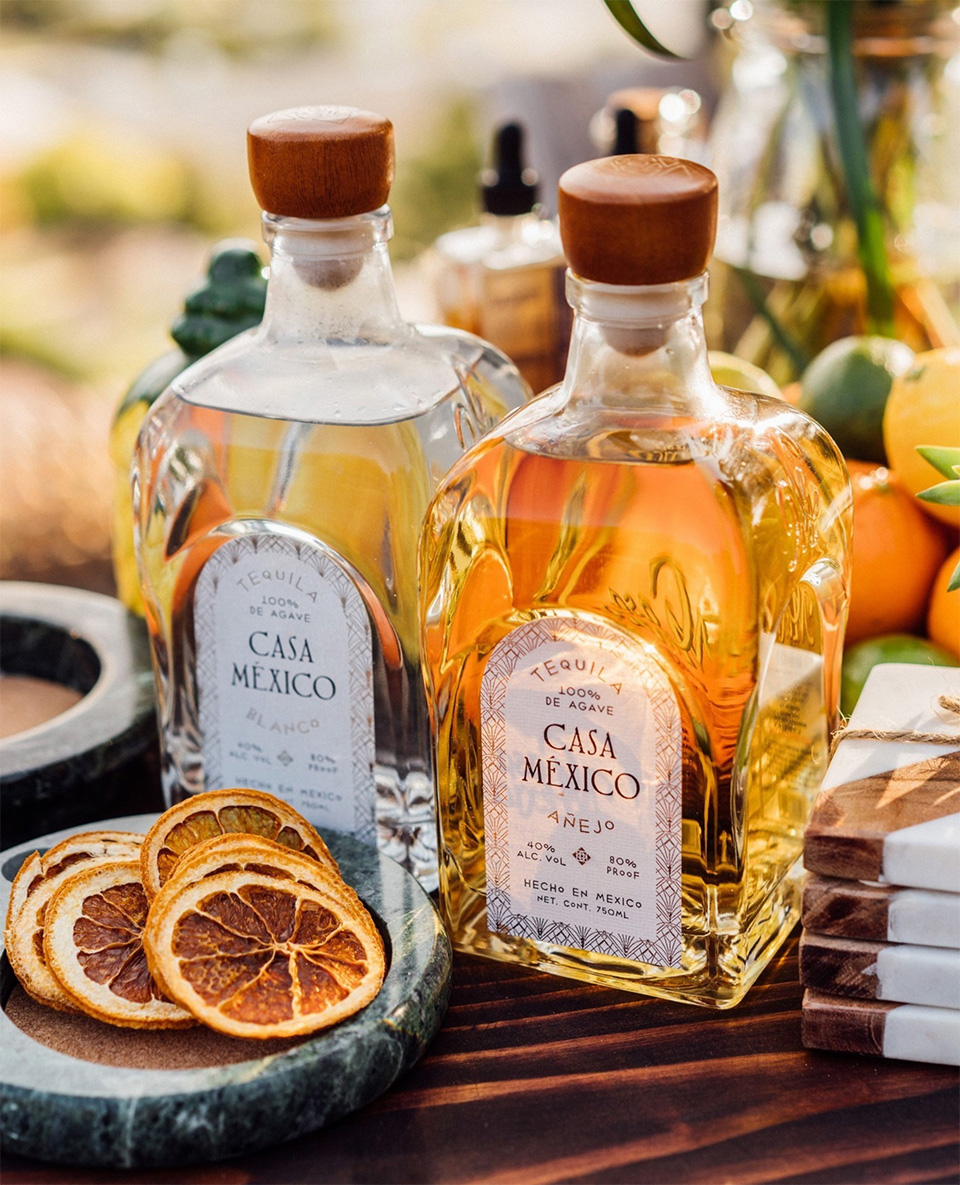
Casa México Tequila is crafted under the guidance of world-renowned Maestra Tequilera Ana María Romero Mena. With decades of experience creating acclaimed tequilas and mentoring future generations of distillers, she brings both deep tradition and thoughtful innovation to the brand. From agave selection to distillation and aging, her expertise ensures every expression reflects authenticity, precision and exceptional quality.

Does Liqueur have Alcohol?
Yes, liqueur has alcohol. Distilled spirits provide the alcoholic base before flavorings and sweeteners are incorporated. Liqueurs contain alcohol concentrations from 15% to 35% ABV. Sugar and flavor additions reduce alcohol concentration compared with many distilled liquors while creating a smoother drinking profile.
What does Liqueur mean?
Liqueur means a sweetened alcoholic beverage flavored with botanical or culinary ingredients after distillation. The word originated from the French term liqueur, referring to a flavored liquid prepared from distilled spirits. Modern beverage production applies the term to alcoholic drinks flavored with ingredients (fruit, coffee, herbs, spices, citrus peel, nuts, cream). Product identity depends on the combination of a distilled spirit, natural flavorings, and sweetening rather than distillation alone.
How do Liquor and Liqueur Differ in Ingredients and Production?
Liquor and liqueur differ in ingredients and production because liquor is produced through fermentation and distillation, whereas liqueur begins with a distilled spirit followed by flavoring and sweetening. Additional ingredients and processing create distinct flavor profiles, sweetness levels, and serving purposes.
The differences between liquor and Liqueur in ingredients are shown in the table below.
|
Production Stage |
Liquor |
Liqueur |
Why It Matters |
|
Raw Materials |
Agave, grains, sugarcane, grapes, potatoes |
Distilled spirit, fruits, herbs, spices, nuts, cream, sugar |
Ingredients determine flavor and aroma |
|
Fermentation |
Fermentable sugars convert into ethanol |
The base spirit completes fermentation before liqueur production |
Fermentation occurs before flavor additions |
|
Distillation |
Ethanol concentrates through distillation |
Distilled spirit serves as the foundation |
Distillation produces the alcoholic base |
|
Flavoring |
Limited flavor additions after distillation |
Botanical, fruit, spice, coffee, nut, or cream infusions |
Flavor defines the liqueur category |
|
Sweetening |
Little or no added sugar |
Sugar or syrup creates sweetness |
Sugar distinguishes liqueur from liquor |
|
Aging |
Selected spirits mature in wooden barrels |
Liqueurs mature briefly or remain unaged |
Aging influences color and flavor complexity |
|
Bottling |
Spirit is filtered and bottled |
The flavored mixture is filtered and bottled |
Final preparation determines product consistency |
How is Liquor made?
Liquor is made through fermentation, distillation, maturation when required, and bottling. Raw material selection determines the final flavor before distillation begins.
Liquor is made by following the four steps listed below.
- Ferment the Raw Materials. Yeast converts sugars from agave, grains, sugarcane, grapes, or potatoes into ethanol and carbon dioxide. Fermentation produces the alcoholic liquid required for distillation.
- Distill the Fermented Liquid. Heat separates ethanol from water because alcohol vaporizes at a lower temperature. Distillation increases alcohol concentration and removes unwanted compounds.
- Mature the Spirit. Whiskey, rum, brandy, and many tequilas mature in oak barrels to develop color and flavor. Vodka and many silver tequilas are filtered directly after distillation.
- Filter and Bottle the Spirit. Filtration removes remaining particles before bottling at the intended alcohol content. Bottling completes production for commercial distribution.
Process diagrams improve understanding of each production stage. Spirit-specific production guides provide additional details for tequila, whiskey, rum, vodka, and gin.
How is Liqueur made?
Liqueur is made by combining a distilled spirit with flavoring ingredients and sweeteners after distillation. Flavor infusion distinguishes liqueur production from standard liquor production.
Liqueur is made by following the four steps listed below.
- Prepare the Base Spirit. Vodka, brandy, rum, whiskey, or neutral grain spirit provides the alcoholic foundation. Spirit selection influences the finished flavor profile.
- Infuse Flavoring Ingredients. Fruits, herbs, spices, flowers, coffee, nuts, chocolate, or citrus peels release flavor through maceration, infusion, or extraction. Flavor compounds blend into the distilled spirit.
- Add Sweeteners. Sugar, syrup, honey, or cream balances bitterness and strengthens the body. Sweetening creates the smooth taste associated with many liqueurs.
- Filter and Bottle the Mixture. Filtration removes remaining solids before bottling. Resting after blending produces a more balanced flavor profile.
Why is Liqueur Sweeter than Liquor?
Liqueur is sweeter than liquor because sugar or other sweetening ingredients are added after distillation. Liquor usually contains little or no added sugar unless product standards permit limited adjustments.
Fruit extracts, herbal infusions, coffee, chocolate, vanilla, spices, honey, and cream contribute natural sweetness and flavor complexity. Sugar balances botanical bitterness and fruit acidity, creating a smoother taste suited for cocktails, desserts, and after-dinner beverages.
How do Liquor and Liqueur Compare in Alcohol Content?
Liquor and liqueur compare differently in alcohol content because liquor undergoes distillation without significant sweetening, whereas liqueur contains added sugar and flavoring ingredients that reduce alcohol concentration. Product regulations and production methods influence final alcohol percentages.
The comparison of Liquor and Liqueur in Alcohol Content is shown in the table below.
|
Beverage Type |
Typical ABV |
Lowest ABV |
Highest ABV |
Common Uses |
|
Liquor |
35% to 50% |
35% |
75% or higher |
Straight pours, cocktails, cooking |
|
Liqueur |
15% to 35% |
15% |
55% |
Cocktails, desserts, coffee drinks, and baking |
What is the Typical Alcohol Percentage of Liquor?
The typical alcohol percentage of liquor ranges from 35% to 50% ABV across distilled spirits. National regulations establish minimum bottling strengths, whereas production methods determine the final alcohol concentration.
Vodka commonly ranges from 40% to 50% ABV. Gin usually ranges from 37.5% to 47% ABV. Rum commonly ranges from 37.5% to 50% ABV. Whiskey generally ranges from 40% to 50% ABV. Tequila is commonly bottled from 35% to 40% ABV, depending on market regulations. Proof values correspond directly to alcohol concentration because proof equals twice the ABV value in the United States. Additional information appears in Alcohol Percentage of Liquor.
What is the Typical Alcohol Percentage of Liqueur?
The typical alcohol percentage of liqueur ranges from 15% to 35% ABV. Sugar content, flavoring ingredients, and production style influence the final alcohol concentration.
Low-proof liqueurs commonly range from 15% to 20% ABV and include many cream and fruit products. Medium-proof liqueurs generally range from 20% to 30% ABV and include coffee, herbal, and nut varieties. High-proof liqueurs commonly range from 30% to 35% ABV, although selected products exceed 40% ABV.
What Factors Affect the Alcohol Percentage of Liqueurs?
The alcohol percentage of liqueurs depends on the base spirit, recipe, dilution, sugar content, production regulations, and intended beverage style. Each production step influences the final alcohol concentration.
Base spirits establish the starting alcohol level before flavoring begins. Water and syrup lower the alcohol concentration during blending. Higher sugar content reduces the ethanol content of the finished product. Product regulations establish minimum alcohol levels for selected liqueur categories. Intended serving purposes influence formulation because dessert liqueurs commonly contain lower ABV than specialty or overproof liqueurs.
How are Liquor and Liqueur used Differently?
Liquor and liqueur serve different purposes. Liquor functions as the primary alcoholic base, whereas liqueur adds sweetness and concentrated flavor. Beverage style, alcohol content, ingredient composition, and serving purpose determine the preferred application.
Liquor appears in classic cocktails, straight pours, and spirit tastings. Distilled spirits (tequila, whiskey, vodka, gin, rum, brandy) provide the dominant flavor and alcohol structure. Mixologists combine liquor with mixers, bitters, citrus juice, vermouth, or soda to create balanced drinks that retain the character of the base spirit.
Liqueurs complement beverages with fruit, herbal, coffee, cream, citrus, spice, or nut flavors. Small quantities change aroma, sweetness, texture, and color without replacing the base liquor. Many cocktail recipes combine liquor and liqueur to balance bitterness, acidity, or strong spirit notes.
Cooking creates another distinction. Liquor contributes subtle spirit flavor to marinades, reductions, glazes, and flambé recipes. Liqueur enriches cakes, pastries, mousses, custards, dessert sauces, chocolates, and ice cream through concentrated sweetness and aromatic ingredients. Beverage purpose, flavor intensity, sweetness level, and alcohol strength distinguish the practical uses of liquor and liqueur.
What Drinks are Commonly made with Liquor?
Liquor forms the foundation of many classic cocktails.
The drinks commonly made with liquor are listed below.
- Tequila Cocktails: Tequila provides earthy agave flavor and moderate citrus compatibility. Representative examples include Margarita, Paloma, Tequila Sunrise, and Ranch Water.
- Whiskey Cocktails: Whiskey contributes oak, vanilla, caramel, and spice characteristics. Representative examples include Old Fashioned, Manhattan, Whiskey Sour, and Mint Julep.
- Vodka Cocktails: Vodka delivers a neutral flavor profile that blends with many mixers. Representative examples include Moscow Mule, Bloody Mary, Cosmopolitan, and Vodka Martini.
- Gin Cocktails: Gin supplies botanical aromas from juniper and herbs. Representative examples include Martini, Negroni, Tom Collins, and Gin and Tonic.
- Rum Cocktails: Rum contributes sugarcane sweetness and tropical character. Representative examples include Mojito, Daiquiri, Piña Colada, and Mai Tai.
- Brandy Cocktails: Brandy provides fruit-forward notes from distilled wine or fruit. Representative examples include Sidecar, Brandy Alexander, and Brandy Crusta.
What Drinks are Commonly made with Liqueur?
Liqueur provides sweetness and concentrated flavor in many cocktails and beverages.
The drinks commonly made with liqueur are listed below.
- Fruit Liqueur Drinks: Fruit liqueurs contribute berry, peach, cherry, melon, or blackcurrant flavors. Representative examples include Kir Royale, Singapore Sling, and Sex on the Beach.
- Coffee Liqueur Drinks: Coffee liqueurs combine roasted coffee flavor with sweetness. Representative examples include Espresso Martini, Black Russian, White Russian, and Mudslide. Additional beverage examples appear in Common Drinks Made with Liqueur.
- Cream Liqueur Drinks: Cream liqueurs produce a smooth texture and sweet dairy flavor. Representative examples include Irish Coffee, Mudslide, and Chocolate Martini.
- Herbal Liqueur Drinks: Herbal liqueurs contribute botanical complexity from herbs and spices. Representative examples include Last Word, Bijou, and Rusty Nail.
- Orange Liqueur Drinks: Orange liqueurs deliver citrus aroma and balanced sweetness. Representative examples include Margarita, Cosmopolitan, Sidecar, and White Lady.
How is Liqueur used in Cooking and Baking?
Liqueur adds sweetness, aroma, and concentrated flavor to desserts, sauces, pastries, and baked goods. Heat changes alcohol content while preserving much of the flavor.
The five steps to using liqueur in cooking and baking are listed below.
- Add Liqueur to Desserts. Coffee, chocolate, fruit, and cream liqueurs enrich ice cream, mousse, cheesecake, and tiramisu. Flavor compounds remain after preparation.
- Incorporate Liqueur into Cakes. Orange, coffee, cherry, and hazelnut liqueurs improve the flavor of sponge, chocolate, and pound cakes. Batter absorbs aroma during baking.
- Prepare Sweet Sauces. Fruit and herbal liqueurs enrich dessert sauces served over pancakes, waffles, pastries, and ice cream. Gentle heating blends flavors without excessive reduction.
- Flavor Fillings and Frostings. Small amounts of liqueur enhance buttercream, whipped cream, ganache, custard, and pastry fillings. Concentrated flavor improves richness without excessive liquid.
- Finish Savory Sauces. Selected herbal and citrus liqueurs complement cream sauces, pan reductions, and glazes served with poultry, seafood, or pork. Balanced sweetness supports aromatic complexity.
Liqueur contributes flavor beyond alcohol because aromatic compounds remain throughout cooking and baking. Recipe selection, heating time, and ingredient balance produce the desired culinary result.
How can you choose between Liquor and Liqueur?
Choosing between liquor and liqueur depends on the intended use, preferred flavor profile, sweetness level, alcohol strength, and serving style. Liquor delivers the primary alcoholic character in cocktails and straight pours, whereas liqueur contributes sweetness, aroma, and concentrated flavors that complement mixed drinks, desserts, and culinary recipes.
Liquor suits drinkers seeking the natural characteristics of distilled spirits because production emphasizes fermentation, distillation, maturation, and filtration rather than added flavorings. Tequila highlights roasted agave notes, whiskey develops oak and caramel flavors during barrel aging, gin emphasizes botanical ingredients, vodka provides a neutral profile, and rum expresses sugarcane character. Higher alcohol content creates greater versatility for classic cocktails and premium sipping spirits.
Liqueur suits beverages and recipes requiring fruit, herbal, coffee, chocolate, cream, nut, or spice flavors. Added sugar softens alcohol intensity while creating a richer mouthfeel than most distilled spirits. Many classic cocktails rely on liqueurs to balance acidity, bitterness, or strong alcoholic flavors. Culinary applications include cakes, pastries, dessert sauces, chocolates, ice cream, and fillings because flavor compounds remain noticeable after moderate heating.
Selecting the appropriate beverage becomes easier once the intended purpose.
Cocktails centered on the base spirit usually benefit from liquor. Dessert beverages, flavored cocktails, baking, and after-dinner drinks commonly benefit from liqueur. Flavor intensity, sweetness, alcohol concentration, versatility, and recipe requirements provide practical criteria for comparing both beverage categories.
Which should you use for Cocktails?
Cocktail selection depends on the desired flavor profile and the role of each ingredient.
The recommendations are listed below.
- Classic Spirit Cocktails: Liquor forms the primary alcoholic base in cocktails with bold spirit character. Representative examples include Old Fashioned, Martini, Manhattan, Margarita, and Negroni.
- Sweet and Fruity Cocktails: Liqueur contributes fruit flavor and sweetness that balance citrus juice and distilled spirits. Representative examples include Cosmopolitan, Sidecar, Singapore Sling, and Mai Tai.
- Coffee Cocktails: Coffee liqueur creates roasted coffee flavor and sweetness in dessert-style beverages. Representative examples include Espresso Martini, White Russian, and Black Russian.
- Cream Cocktails: Cream liqueurs create a smooth texture and rich sweetness, making them suitable for after-dinner drinks. Representative examples include Mudslide, Chocolate Martini, and Irish Coffee.
- Layered Cocktails: Liqueurs create colorful layers because their sugar content changes the liquid’s density. Representative examples include B-52 and pousse-café cocktails.
Which should Beginners try first?
Beginners benefit from beverages that match preferred sweetness and alcohol intensity.
The recommendations are listed below.
- Sweet Flavor Preference: Liqueurs offer fruit, coffee, chocolate, cream, or herbal flavors that soften alcohol’s intensity. Lower bitterness creates an approachable drinking experience.
- Classic Spirit Experience: Vodka, tequila, or light rum introduces the character of distilled spirits without additional sweetness. Simple mixed drinks create a balanced starting point.
- Lower Alcohol Preference: Lower-proof liqueurs reduce perceived alcohol intensity through added sugar and flavoring ingredients. Cream and fruit liqueurs are approachable.
- Cocktail Exploration: Simple cocktails made with one liquor and one liqueur offer balanced flavor combinations. Margarita, White Russian, and Cosmopolitan provide familiar examples.
- Flavor Discovery: Tasting different spirit styles develops familiarity with botanical, agave, grain, fruit, and sugarcane characteristics. Additional beginner-friendly tequila recommendations appear in Beginners Try First.
Choosing a beverage becomes easier after identifying preferred sweetness, flavor intensity, alcohol strength, and serving style.
How should Liquor and Liqueur be stored?
Proper storage preserves flavor, aroma, and product quality after bottling. Temperature, sunlight, oxidation, and bottle condition influence shelf life.
The five steps in liquor and liqueur storage are listed below.
- Store Bottles Upright. Upright storage reduces prolonged contact between alcohol and the closure. Cork deterioration becomes less likely through proper bottle positioning.
- Keep Bottles Away from Sunlight. Direct light accelerates flavor degradation and color changes. Dark storage locations preserve product stability.
- Maintain a Stable Temperature. Storage temperatures from 59°F to 77°F reduce expansion and contraction inside the bottle. Temperature stability preserves flavor consistency.
- Seal Bottles Tightly After Opening. Airtight closures reduce oxygen exposure after each use. Oxidation gradually changes aroma and flavor.
- Refrigerate Cream Liqueurs After Opening. Dairy ingredients require refrigeration after opening, according to the manufacturer’s recommendations. Refrigeration extends product freshness and safety.
Proper storage preserves aroma, flavor, appearance, and shelf life through reduced heat, light, and oxygen exposure.
How do you pronounce Liqueur?
Liqueur is pronounced “lih-KYOOR” in English, with emphasis on the second syllable. The pronunciation differs from liquor because the word entered English from French before becoming part of modern beverage terminology.
The International Phonetic Alphabet represents the standard pronunciation as /lɪˈkjʊr/. Dictionaries published by Oxford, Cambridge, Merriam-Webster, and Collins recognize nearly identical pronunciations. Hospitality professionals, bartenders, educators, and beverage producers consistently apply the same pronunciation during service, training, and product
discussions.
The spelling reflects the French origin of the word rather than modern English pronunciation patterns. English retained much of the original pronunciation while adapting the spelling for common usage. Clear pronunciation improves communication when discussing cocktail recipes, beverage menus, spirit education, and product labeling.
Why is Liqueur pronounced differently from Liquor?
Liqueur is pronounced differently from liquor because the words entered English through different linguistic paths despite sharing related Latin origins. Language development preserved the French pronunciation of liqueur, whereas liquor evolved through English pronunciation patterns.
The French word liqueur originated from the Latin word liquor, meaning liquid. French pronunciation introduced the distinct “kyoor” sound that English retained when referring to sweetened, flavored alcoholic beverages. English pronunciation simplified liquor into two syllables with a shorter vowel sound, creating a clear distinction between the two beverage categories.
Modern beverage terminology continues to use separate pronunciations because each word identifies a different product type. Liquor refers to distilled spirits without substantial sweetening, whereas liqueur identifies distilled spirits blended with sugar and flavoring ingredients. Separate pronunciation reduces confusion during education, product selection, hospitality service, and cocktail preparation.