EN
EN ES
ES PL
PL TR
TR
Tequila qualifies as both a spirit and a liquor, since the two terms describe the same category of distilled alcoholic beverage under different linguistic traditions. A spirit is any distilled alcoholic beverage with no added sugar after distillation. Liquor is the common American English term for that same category, covering tequila, whiskey, vodka, and rum alike.Tequila belongs to the distilled spirits category because producers ferment Blue Weber agave sugars before distillation concentrates ethanol. Blue Weber agave distinguishes tequila from whisky, rum, and brandy, which originate from grain, sugarcane, and fruit respectively.
Mexican regulation enforces this classification through the Consejo Regulador del Tequila (CRT) and the Norma Oficial Mexicana (NOM) production standards, restricting authentic tequila to Blue Weber agave grown within the Tequila Denomination of Origin, a region centered on Jalisco state. Bottled tequila carries an Alcohol by Volume (ABV) content of 35% to 55% ABV under these standards, with most commercial releases set at 40%. The sections below break down tequila’s production, alcohol content, and classification in detail.
What Kind of Liquor Is Tequila?
An agave-based distilled liquor, tequila is produced by fermenting and distilling sugars extracted from the Blue Weber agave plant. Mexican regulation, enforced by the CRT, separates tequila into two main categories, 100% agave tequila made entirely from Blue Weber agave sugars and mixto tequila made from a minimum of 51% agave sugars blended with other fermentable sugars such as cane or corn syrup. Both categories fall under the broader liquor classification because each reaches a finished alcohol content of 35%-55% ABV through distillation. Aging further divides tequila into styles such as Blanco, Reposado, Añejo, and Extra Añejo, each reflecting a different barrel-aging period rather than a different production method. Flavour, aroma, colour, and oak influence vary across ageing categories, creating clear distinctions within each Kind of Tequila classification.
What is the Difference Between a Spirit and a Liquor?
Spirit and liquor describe the same category of distilled alcoholic beverages, though the terms differ in usage. Spirit is the internationally recognized technical term used by regulatory bodies and the beverage alcohol industry worldwide. Liquor is a colloquial American English term, often used interchangeably with spirit in everyday conversation, but occasionally applied more broadly to alcoholic beverages, depending on regional usage. The difference lies in terminology rather than production method, alcohol content, or legal classification.
The table below compares the two terms across definition, production method, examples, alcohol content, and common uses.
|
Term |
Definition |
Production Method Meet Our Maestra TequileraCasa México Tequila is crafted under the guidance of world-renowned Maestra Tequilera Ana María Romero Mena. With decades of experience creating acclaimed tequilas and mentoring future generations of distillers, she brings both deep tradition and thoughtful innovation to the brand. From agave selection to distillation and aging, her expertise ensures every expression reflects authenticity, precision and exceptional quality. 
|
Examples |
Alcohol Content |
Common Uses |
|
Spirit |
A distilled alcoholic beverage with no added sugar after distillation |
Fermentation followed by distillation to concentrate alcohol |
Tequila, whiskey, vodka, rum, gin |
Typically 35% to 50% ABV |
Neat drinking, cocktails, culinary use |
|
Liquor |
American English synonym for spirit, occasionally used for any alcoholic beverage, regionally |
Same fermentation and distillation process as spirits |
Tequila, bourbon, rum, brandy |
Typically 35% to 50% ABV |
Cocktails, mixed drinks, bar service |

How does Tequila Compare to Other Types of Liquor?
Base ingredient sets tequila apart from most other liquor categories, since agave sugars produce a flavor profile unavailable in grain-, fruit-, or sugar-based spirits. Whiskey relies on fermented grain mash, vodka is distilled from grain or potato starches to a neutral flavor, and rum ferments sugarcane byproducts into a sweeter spirit base. Distillation equipment and aging practices vary across categories, changing texture, color, and flavor development in each finished liquor.
The Tequila comparisons to other types of liquor are shown in the table below.
|
Liquor |
Base Ingredient |
Distillation Process |
Flavor Profile |
Aging Categories |
Typical Alcohol Percentage |
|
Tequila |
Blue Weber agave |
Double pot distillation, sometimes column distillation |
Earthy, vegetal, peppery, citrus notes, depending on style |
Blanco, Reposado, Añejo, Extra Añejo |
35% to 55% ABV |
|
Whiskey |
Fermented grain mash (barley, corn, rye, wheat) |
Pot or column distillation, aged in oak |
Caramel, vanilla, oak, grain-forward notes |
Bourbon, Scotch, Rye, Single Malt |
40% to 50% ABV |
|
Vodka |
Grain or potato starch |
Multiple column distillations for neutrality |
Neutral, minimal flavor |
Typically unaged |
35% to 50% ABV, commonly 40% |
|
Rum |
Sugarcane juice or molasses |
Pot or column distillation |
Sweet, molasses, caramel notes |
White, gold, dark, and aged categories |
35% to 50% ABV |
|
Gin |
Neutral grain spirit redistilled with botanicals |
Redistillation with juniper and botanicals |
Juniper-forward, herbal, citrus notes |
Typically unaged |
37.5% to 47% ABV |
|
Brandy |
Fermented fruit, often grapes |
Pot distillation, aged in oak |
Fruity, oaky, warm notes |
Region-specific categories such as Very Special (VS), Very Special Old Pale (VSOP), and Extra Old (XO) for cognac |
35% to 60% ABV |
What is Tequila Made From?
Agave supplies every gram of fermentable sugar in a bottle of tequila, specifically Agave tequilana Weber variety azul, better known as Blue Weber agave. Farmers harvest mature plants after six to eight years of growth, once the plant’s core reaches peak sugar concentration for processing. Producers cook, extract, ferment, and distil agave sugars into tequila, following production requirements established by NOM standards. Mixto tequila blends agave sugars with additional sugar sources such as cane sugar, while 100% agave tequila relies exclusively on Blue Weber agave throughout the entire process.
Why is Blue Weber Agave Used to Make Tequila?
Blue Weber agave supplies tequila production because of its high concentration of fermentable sugars stored in the plant’s core, known as the piña. NOM regulation requires producers to use Agave tequilana Weber variety azul exclusively, setting tequila apart from mezcal and other agave spirits that permit dozens of agave species. Jalisco’s volcanic soil and climate support consistent Blue Weber agave growth, giving producers a reliable, high-sugar crop suited to large-scale distillation. Other agave species can produce alcohol through similar fermentation and distillation methods, though Mexican law restricts the tequila designation to Blue Weber agave alone.
What Parts of the Agave Plant Are Used to Make Tequila?
Tequila production relies primarily on one part of the Blue Weber agave plant, the piña, which stores the sugars needed for fermentation. Farmers, known as jimadores, remove the surrounding leaves before harvest to expose the piña for cooking and extraction. Other parts of the agave plant play a limited or indirect role in tequila production compared with the piña’s central function.
The parts of the agave plant used in tequila production are listed below.
- Piña: The core of the agave plant, resembling a large pineapple, stores the starches and sugars converted into fermentable sugar during cooking. A mature piña can weigh 80 to 200 pounds, depending on growing conditions and harvest timing.
- Agave Leaves (Limited Use): Jimadores trim the spiky leaves away before harvest, and producers generally discard them rather than process them into tequila. Some producers repurpose leaf fiber for other agricultural or textile products outside tequila production.
- Agave Sap: Tequila’s fermentable liquid, called mosto, comes from the cooked and pressed piña rather than raw sap collected separately during trimming. Aguamiel, the raw sap more commonly associated with agave plants, plays a role in pulque production from other agave species, not standard tequila production.
How is Tequila Made?
Seven core stages carry a batch of agave from harvest to bottle, transforming raw plant sugars into a finished, regulated spirit. Cooking, extraction, fermentation, and distillation shape the base spirit, while optional aging shapes color and flavor depth afterward. Producers follow standards set by the CRT and NOM to maintain consistency across the Denomination of Origin region.
The steps below outline the complete tequila production process from harvest to bottle.
- Harvest the Agave. Jimadores cut mature Blue Weber agave plants after six to eight years of growth, trimming away the leaves to expose the sugar-rich piña.
- Cook the Piña. Workers cook the harvested piñas to convert stored starches into fermentable sugars ahead of extraction.
- Extract the Juice. Producers crush the cooked piñas to release the sugary liquid, called mosto, ahead of fermentation.
- Ferment the Mosto. Yeast converts the mosto’s sugars into alcohol over several days, producing a low-alcohol liquid near 4% to 9% ABV before distillation.
- Distill the Liquid. Producers distill the fermented liquid twice, concentrating the alcohol content to roughly 55% ABV before dilution.
- Age the Spirit (Optional). Producers rest the distilled tequila in oak barrels for periods ranging from two months to more than three years, depending on the intended aging category.
- Bottle the Tequila. Producers dilute the tequila with water to reach the final bottling strength, typically 40% ABV, then filter and bottle the finished spirit under regulated conditions.
Mexican regulatory oversight from the CRT ties each stage to a specific classification outcome. Cooking method affects sweetness, extraction method affects texture, fermentation length affects complexity, and aging determines the final classification between Blanco, Reposado, and Añejo styles.
What are the Steps in the Tequila Production Process?
Traditional and modern equipment produce measurably different results at nearly every stage of tequila production, from cooking method to extraction technique. Brick ovens and steel autoclaves cook agave piñas using different heating methods, which affect caramelization and the speed of sugar conversion. Tahona stone wheels and mechanical roller mills extract agave juice through different pressure and crushing methods, influencing how much fiber remains in the
fermented mosto.
A closer look at each production stage and its equipment is listed below.
- Select and Harvest Mature Agave. Jimadores assess agave maturity by measuring sugar content in the piña, then harvest plants once sugar levels peak, typically between six and eight years of growth.
- Cook the Piñas in an Oven or an Autoclave. Traditional brick ovens, called hornos, steam piñas slowly over 24 to 48 hours, developing deeper caramelized flavor, while modern autoclaves pressure-cook piñas in 8 to 12 hours for faster, more consistent output.
- Extract Juice Using a Tahona or Roller Mill. A tahona, a large stone wheel traditionally pulled by a tractor or mule, crushes cooked piñas while leaving some fiber in the juice, a texture some producers value, while roller mills mechanically shred and press piñas for faster, higher-volume extraction with less fiber carryover.
- Ferment the Extracted Mosto. Producers add natural airborne yeast or cultivated yeast strains to the extracted juice, fermenting it in wood, stainless steel, or stone tanks for several days to develop alcohol and flavor compounds.
- Distill the Fermented Liquid Twice. Two sequential distillation runs concentrate alcohol content from the fermented mosto into a spirit ready for bottling or aging, a process explained in full in the next section.
- Rest or Age the Tequila. Unaged tequila bottles are shortly after distillation, while aged styles rest in oak barrels, often previously used for bourbon or whiskey, for periods ranging from two months to several years.
- Filter, Dilute, and Bottle. Producers dilute the tequila with water to reach bottling strength, filter the liquid for clarity, and then bottle it under NOM regulatory oversight, completing the final stage of the Tequila Production Process within Mexico.
How does Tequila Distillation Work?
Two sequential distillation runs concentrate the alcohol content of tequila’s fermented agave liquid. The first run, called destrozamiento, separates alcohol vapor from water and solids, producing a cloudy, low-proof liquid known as ordinario, with an ABV of 20% to 25%. A second run further refines the ordinario, removing impurities and concentrating the spirit to approximately 55% ABV before dilution. Most producers rely on copper or stainless steel pot stills for both runs, since pot stills preserve more of the agave’s natural flavor compounds than continuous column distillation, a method more common among high-volume vodka and grain spirit producers.
What is Tequila Percentage and How Much Alcohol Does Tequila Contain?
ABV is the percentage printed on a tequila bottle’s label, and NOM regulation sets that figure between 35% and 55%. Most commercial bottles list 40% ABV, since producers commonly dilute the spirit to that strength after distillation for consistency across brands. Barrel-strength or cask-strength bottlings occasionally exceed 45% ABV, skipping some dilution to preserve a more concentrated flavor profile. Production standards, dilution practices during bottling, and individual brand decisions all influence where a specific tequila lands within that legal range. Framed against the question of whether tequila is a spirit or liquor, alcohol percentage offers no distinction between the two terms, since both apply to the same regulated 35% to 55% ABV range.
How does Tequila Alcohol Content Compare to Other Liquors?
Regulatory bodies worldwide set similar ABV ranges across major liquor categories, so tequila’s alcohol content overlaps closely with most other distilled spirits. Vodka, gin, and rum are commonly bottled at 40% ABV, matching tequila’s most common strength. Cask-strength whiskey and certain brandies can exceed tequila’s typical range, reaching alcohol content above 55% ABV in some bottlings.
The table below compares tequila’s alcohol content against five other major liquor categories.
|
Liquor |
Typical ABV Range |
Common Bottling Strength |
|
Tequila |
35% to 55% |
40% |
|
Whiskey |
40% to 50%, cask-strength bottlings are higher |
40% to 43% |
|
Vodka |
35% to 50% |
40% |
|
Rum |
35% to 50%, overproof bottlings are higher |
40% |
|
Gin |
37.5% to 47% |
40% to 42% |
|
Brandy |
35% to 60% |
40% |
What is the Meaning of Tequila?
Tequila takes its name from the town of Tequila, located in Jalisco, Mexico, where large-scale production of the spirit began in the eighteenth century. Linguists trace the town’s name to Nahuatl origin, with most interpretations pointing to a combination of words meaning place of work or place of tribute. Some regional accounts connect the name to the nearby Tequila Volcano or to a type of volcanic rock found in the area. Mexican regulation later adopted the town’s name as the legal designation for agave spirits produced under the Tequila Denomination of Origin.
Where does Tequila Come From?
Tequila comes from a legally defined Denomination of Origin region centered on the Jalisco state in western Mexico. Mexican regulation extends limited production rights to specific municipalities in four additional states, Guanajuato, Michoacán, Nayarit, and Tamaulipas, with the CRT verifying compliance across the entire zone. Producers outside this designated region cannot legally label a spirit tequila, regardless of ingredients or production method used. Jalisco’s volcanic soil, elevation, and climate create growing conditions well suited to Blue Weber agave cultivation, reinforcing the region’s central role in tequila production.
How did Tequila Become a Popular Spirit Worldwide?
Tequila’s rise to global popularity developed gradually across more than a century of export growth, cocktail culture, and premium branding. Early exports to the United States began in the late nineteenth century, expanding steadily through trade agreements and growing demand for Mexican spirits. Cocktail culture and premium marketing later accelerated tequila’s international reputation well beyond its regional origins.
The key milestones behind tequila’s worldwide popularity are listed below.
- Export Trade Expanded in the Late 1800s. Mexican producers began shipping tequila across the border into the United States, introducing the spirit to a growing American market.
- The Margarita Cocktail Popularized Tequila Mid-Century. Bartenders across the United States and Mexico popularized tequila-based cocktails through the mid-twentieth century, with the Margarita becoming a signature entry point for new drinkers.
- Trade Agreements Supported Export Growth. Agreements such as the North American Free Trade Agreement (NAFTA), later replaced by the United States-Mexico-Canada Agreement (USMCA), reduced trade barriers and supported steady tequila export growth into North American markets.
- Premium and Celebrity Brands Raised Its Profile. Celebrity-backed and premium tequila brands launched from the 1990s through the 2000s, shifting public perception of tequila toward a sipping spirit rather than a shot-only drink.
- The Craft Cocktail Movement Boosted 100% Agave Demand. Bartenders and consumers during the 2000s and 2010s craft cocktail movement increased demand for 100% agave tequila, favoring quality and production transparency over mixto blends, marking the latest chapter in how tequila became a popular spirit worldwide.
What are the Different Types of Tequila?
Tequila divides into distinct types based primarily on aging period, ranging from unaged Blanco to Extra Añejo styles aged several years in oak. Each aging category changes color, flavor intensity, and smoothness compared with unaged tequila. NOM regulation defines minimum and maximum aging windows for each category, ensuring labels accurately reflect a bottle’s time in barrel.
The main types of tequila are listed below.
- Blanco (Silver): Unaged or aged less than two months, Blanco tequila retains a clear color and a sharp, agave-forward flavor.
- Joven (Gold): A blend of Blanco tequila with aged tequila or added coloring, Joven tequila offers a smoother profile than pure Blanco while remaining relatively young.
- Reposado: Aged two months to one year in oak barrels, Reposado tequila develops a light golden color and mellow oak notes alongside its agave base.
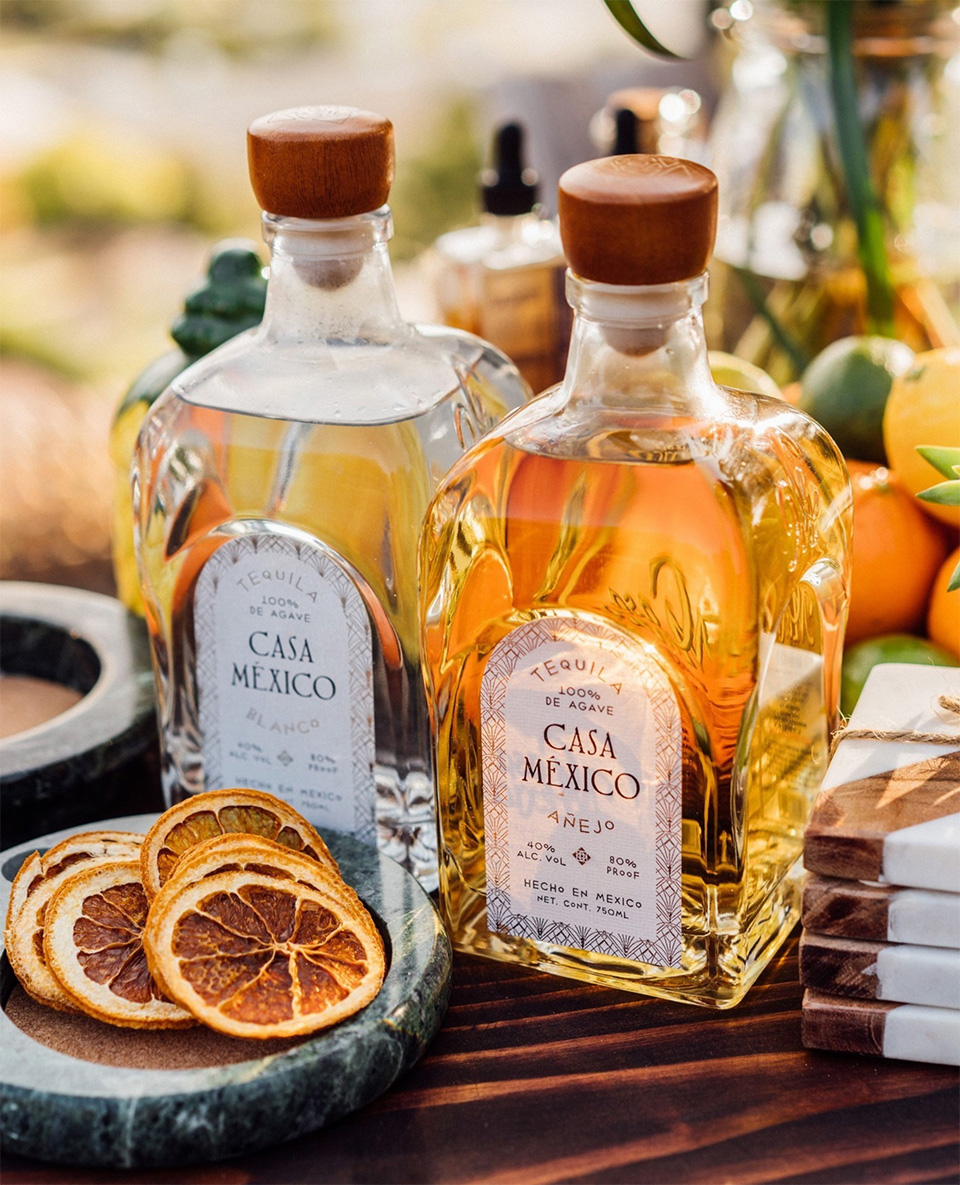
- Añejo: Aged one to three years in oak barrels, Añejo tequila carries a deeper amber color and richer vanilla and caramel notes from extended barrel contact.
- Extra Añejo: Aged more than three years, Extra Añejo tequila reaches the darkest color and most pronounced oak complexity among standard categories.
- Cristalino: Aged tequila filtered through charcoal or other media to remove color while retaining some barrel-derived flavor, Cristalino offers a smooth profile in a clear bottle.
How do Tequila Types Differ in Flavor and Aging?
Tequila types differ most noticeably in aging time, which directly shapes color, flavor complexity, and smoothness across each category. Barrel aging introduces oxidation and wood-derived compounds that soften tequila’s sharper agave notes over time. Longer aging periods generally produce deeper color and more pronounced vanilla, caramel, and spice notes, while unaged styles preserve a cleaner, more direct agave flavor.
The table below compares aging time, color, flavor notes, and best uses across the main tequila types.
|
Tequila Type |
Aging Time |
Color |
Flavor Notes |
Best Uses |
|
Blanco |
Unaged or under 2 months |
Clear |
Sharp agave, citrus, pepper |
Margaritas, cocktails needing a bright agave flavor |
|
Joven |
Blend, minimal aging |
Light gold |
Smoother agave, mild caramel |
Mixed drinks, easy-sipping cocktails |
|
Reposado |
2 months to 1 year |
Light gold |
Agave with mellow oak and vanilla |
Sipping neat, cocktails wanting light oak notes |
|
Añejo |
1 to 3 years |
Amber |
Vanilla, caramel, dried fruit, spice |
Sipping neat, small pours over ice |
|
Extra Añejo |
Over 3 years |
Deep amber |
Rich oak, dark caramel, dried fruit |
Sipping neat, special occasion pours |
|
Cristalino |
Filtered aged tequila |
Clear |
Smooth aged flavor without visible color |
Sipping neat, premium cocktails |
Is Tequila Considered a Liquor or a Spirit?
Yes, tequila is considered both a liquor and a spirit. Spirit and liquor describe the same category of distilled alcoholic beverage, and tequila belongs to that category through the fermentation and distillation of Blue Weber agave sugars. American English commonly uses the term liquor, whereas regulatory bodies and international beverage organisations generally use the term spirit. The terminology reflects regional language usage rather than differences in alcohol content, production methods, or legal classification.
Can Tequila Be Classified as a Distilled Spirit?
Yes, tequila qualifies as a distilled spirit because producers ferment Blue Weber agave sugars and distill the resulting liquid to concentrate alcohol. Distillation separates ethanol from water and other compounds, creating the higher alcohol content associated with spirits. This production method places tequila in the same distilled beverage category as whiskey, vodka, rum, and gin.
Does All Tequila Come From Agave?
Yes, all legally labeled tequila comes from agave, specifically Blue Weber agave sugars processed through cooking, extraction, fermentation, and distillation. NOM regulation prohibits the tequila designation on any spirit made from other plant sugars, grains, or fruit sources. Mixto tequila blends a minimum of 51% agave sugars with other fermentable sugars, though agave still supplies the majority of fermentable content even in that category. 100% agave tequila relies exclusively on Blue Weber agave sugars throughout the entire production process, with no other sugar source permitted.
Can Tequila Be Considered a Type of Alcohol?
Yes, tequila counts as a type of alcohol, specifically a distilled beverage within the broader spirits and liquor category. Ethanol produced through agave fermentation and concentrated through distillation gives tequila its alcoholic content, typically between 35% and 55% ABV. Alcohol serves as a general term covering beer, wine, and spirits, while tequila falls specifically within the distilled spirits subcategory alongside whiskey, vodka, and rum. Classification as alcohol does not change tequila’s more specific identity as an agave-based, NOM-regulated spirit and liquor.