EN
EN ES
ES PL
PL TR
TR

The Piña Colada Margarita recipe and ingredients bring together tequila, cream of coconut, and pineapple juice in a single frozen or on-the-rocks pour. Piña Colada Margarita Recipe and Ingredients trace back to two separate tropical classics, the piña colada and the margarita, merged into a single citrus-and-coconut build. Tequila forms the main alcohol base, distilled from blue agave, carrying near 40% ABV in a standard bottling. Cream of coconut is the second core ingredient, supplying the tropical sweetness and thick body that set the drink apart from a standard citrus-only margarita. Lime juice and orange liqueur round out the citrus profile, cutting through the sweetness from coconut and pineapple. Salt or sugar lines the rim of a margarita or Collins glass, depending on the serving style.
Six steps build the finished drink, from rimming the glass through shaking or blending, straining, and garnishing with pineapple or toasted coconut. A single serving carries between 350 and 420 kilocalories, drawn mainly from tequila, orange liqueur, and coconut cream. Taste balances tropical sweetness against citrus acidity, sharpest right after mixing and softest once ice begins to melt. Sipping slowly, alongside food, in a chilled glass keeps the flavor and temperature balanced from the first taste through the last.
What is Pina Colada Margarita Collins made of? Piña Colada Margarita Collins is made with tequila as the main spirit, coconut cream, pineapple juice, fresh lime juice, orange liqueur, and ice. Tequila provides the alcoholic base, while coconut cream creates a smooth, creamy tropical texture. Pineapple juice adds the signature sweet fruit flavor, while fresh lime juice brings bright acidity that balances the sweetness. Orange liqueur adds citrus depth and supports the classic margarita character. The ingredients are shaken with ice until chilled, then strained into a glass over fresh ice. A pineapple wedge, lime wheel, toasted coconut, or pineapple leaf provides a tropical finishing touch.
What are the Ingredients for Piña Colada Margarita Cocktail?
Piña Colada Margarita ingredients combine a tequila base alongside coconut and citrus mixers, producing the tropical-citrus profile the drink is known for.
The ingredients for the Piña Colada Margarita Cocktail are listed below.
- Tequila: Tequila, distilled from blue agave, forms the drink’s base, poured at about 1.5 fluid ounces per serving.
- Cream of coconut: A sweetened coconut product distinct from coconut milk, gives the drink its tropical body.
- Pineapple juice: Pour about 2 fluid ounces to add a tart-sweet fruit layer that lightens the coconut cream.
- Orange liqueur: Orange liqueur, poured near one fluid ounce, adds a citrus-forward sweetness alongside the lime juice.
- Lime juice: Fresh lime juice, poured near half a fluid ounce, supplies the acidity that balances the sweetness from coconut and pineapple.
- Salt or sugar rim: A salt or sugar rim, pressed onto a wet glass edge, adds a final flavor layer at the start of each sip.
What Is the Best Ingredient Ratio for a Piña Colada Margarita?
Piña Colada Margarita ratio follows a standard build, keeping tequila, citrus, and sweet mixers inside a balanced pour.
The best ingredient ratio for a Piña Colada Margarita is listed below.
- Tequila to citrus: A 1.5-to-1 tequila-to-lime-juice ratio keeps the agave flavor forward without an overly sharp finish. A higher lime ratio pushes the drink toward a sour profile, hiding the tequila underneath. Bartenders measure the pour carefully to protect the balance built into the recipe.
- Tequila to orange liqueur: A 1.5-to-1 tequila-to-orange-liqueur ratio adds citrus sweetness without overtaking the tequila base. A lower liqueur ratio leaves the drink too sharp, missing the rounded citrus note. The ratio keeps tequila as the dominant flavor across the finished glass.
- Tequila to coconut cream: A 1.5-to-1 tequila-to-coconut-cream ratio adds tropical body without turning the drink into a dessert. A heavier coconut pour flattens the tequila underneath, losing the drink’s citrus edge. The ratio keeps coconut as a supporting flavor rather than the lead.
- Coconut cream to pineapple juice: A 1-to-2 coconut-cream-to-pineapple-juice ratio keeps the tropical sweetness balanced against fruit acidity. A heavier coconut pour turns the drink thick and cloying, losing the fruit-forward brightness. The ratio keeps pineapple juice as the lighter half of the tropical pairing.
What Mixers Pair Best with Pina Colada Margarita?
Piña Colada Margarita mixers round out the sweetness, acidity, and tropical flavor alongside the tequila base.
Meet Our Maestra Tequilera
Casa México Tequila is crafted under the guidance of world-renowned Maestra Tequilera Ana María Romero Mena. With decades of experience creating acclaimed tequilas and mentoring future generations of distillers, she brings both deep tradition and thoughtful innovation to the brand. From agave selection to distillation and aging, her expertise ensures every expression reflects authenticity, precision and exceptional quality.

The best mixers that pair with Piña Colada Margarita are listed below.
- Pineapple juice: Pineapple juice pairs closely alongside tequila, adding a tart-sweet layer that lightens the coconut cream base. Fresh juice keeps the pairing bright, while canned juice adds unwanted extra sugar. The mixer bridges the tequila and coconut flavors across the finished glass.
- Cream of coconut: Cream of coconut pairs alongside tequila for body and sweetness, standing apart from coconut milk, which thins the mixture. A thicker cream product holds its texture longer once mixed with ice. The mixer provides most of the drink’s tropical character.
- Fresh lime juice: Fresh lime juice pairs well with tequila, adding acidity that cuts through the sweetness of coconut and pineapple. Bottled juice loses acidity within days of opening, dulling the citrus edge. The mixer keeps the drink from tasting overly sweet.
- Orange liqueur: Pairs with tequila for a citrus-forward sweetness, rounding out the drink alongside lime juice. A higher-proof liqueur raises the total alcohol content across the finished pour. The mixer bridges the sharper lime juice and the sweeter coconut cream.
- Simple syrup: Simple syrup, added in small amounts, pairs alongside tequila to adjust sweetness without changing the core flavor profile. Quarter-ounce additions keep the sweetness from overwhelming the citrus balance. The mixer works best as a final adjustment rather than a core ingredient.
How is the Nutrient Value of Piña Colada Margarita Cocktail?
A Pina Colada Margarita calorie count ranges from 350 to 420 kilocalories per standard 8- to 10-fluid-ouncePina Colada Margarita calorie count ranges from 350 to 420 kilocalories per standard 8 to 10 fluid ounce serving, drawn mainly from tequila, orange liqueur, and cream of coconut.
The nutrient value of Piña Colada Cocktail is shown in the table below.
.
| Nutrient | Amount per Serving | Unit | Daily Value % | Source / Measurement Basis | Notes |
| Calories | 350 to 420 | kcal | Not established | USDA FoodData Central estimate | Based on a 2,000-calorie diet |
| Total Sugars | 25 to 35 | g | 50 to 70 | FDA Daily Value, 50 g per day | Mainly from pineapple juice and coconut cream |
| Total Carbohydrates | 30 to 40 | g | 11 to 15 | FDA Daily Value, 275 g per day | Includes natural fruit sugars |
| Total Fat | 3 to 6 | g | 4 to 8 | FDA Daily Value, 78 g per day | Drawn from the cream of coconut |
| Sodium | 50 to 150 | mg | 2 to 6 | FDA Daily Value, 2,300 mg per day | From a salted rim, where added |
| Pure Alcohol | 14 to 16 | g | Not established | Calculated from a 1.5 oz tequila and 1 oz orange liqueur pour | Near 1.5 standard US drinks |
How many calories in a Pina Colada Margarita Collins? A Piña Colada Margarita Collins contains about 250 to 350 calories per serving. The exact amount varies with the recipe and serving size. Tequila contributes alcohol calories, while coconut cream and pineapple juice add carbohydrates and sugars. Extra sweetener or coconut cream can raise the total calorie content. A lighter version can contain fewer calories by reducing the coconut cream and sweetener while keeping the pineapple and citrus flavors.
How to Make a Pina Colada Margarita?
Pina Colada Margarita preparation follows six steps, from rimming the glass to garnishing the finished pour.
To make a Piña Colada Margarita, follow the six steps below.
- Rim the glass. Run a lime wedge around the rim of a margarita or Collins glass. Press the rim into salt, sugar, or a salt-sugar blend for a balanced first sip. Chill the glass in the freezer for 5 minutes before pouring.
- Combine the base ingredients. Pour 1.5 oz tequila, 1 oz orange liqueur, 1 oz cream of coconut, and 2 oz pineapple juice into a shaker or blender. Add 0.5 oz fresh lime juice to cut through the sweetness.
- Add ice. Fill the shaker with ice for a shaken version, or add one cup of ice to a blender for a frozen texture. The amount controls the drink’s final consistency.
- Shake or blend. Shake the mixture for 15 seconds, or blend until smooth for a slushy result. A blended version needs less added ice to avoid a watery finish.
- Strain or pour. Strain a shaken version into the rimmed glass over fresh ice. Pour a blended version directly into the chilled glass without straining.
- Garnish and serve. Top the drink alongside a pineapple wedge, a lime wheel, or toasted coconut flakes. Serve the cocktail right away, while the temperature and dilution stay balanced.
A Pina Colada Margarita Collins combines tequila, coconut cream, pineapple juice, citrus, and orange liqueur into a tropical cocktail. The preparation method controls the texture, with shaking producing a lighter drink and blending creating a frozen consistency. A salted, sugared, or mixed rim adds contrast to the sweet fruit flavors. Fresh garnishes complete the drink and add a tropical presentation.
What are the Tips to Prepare Pina Colada Margarita Cocktail Better?
Pina Colada Margarita preparation improves with a few small adjustments to ingredients and timing.
The tips to prepare Piña Colada Margarita Cocktail better are listed below.
- Fresh lime juice raises the citrus note higher than bottled juice, cutting through the sweetness of coconut and pineapple more evenly. Squeezing the lime right before mixing keeps the acidity at its peak
- Cream of coconut, not coconut milk, gives the drink its thick body, since coconut milk thins the mixture and lowers the sweetness. Shaking the can before pouring keeps the texture consistent across each glass.
- Chilled glassware keeps the first sip cold, slowing the melting rate of added ice and preserving the balance established by the ratio. A ten-minute freezer chill works well before pouring.
- A quality blanco tequila keeps the agave flavor forward instead of hiding it under coconut and pineapple sweetness. A mixto-style tequila, blended alongside sugarcane spirit, dulls the agave note more than a 100% agave bottling.
- A short shake or blend time of about 15 seconds helps avoid over-dilution, keeping the tequila and citrus flavors from washing out. Longer shaking mainly adds unwanted water without improving the flavor balance.
How Can You Make a Pina Colada Margarita Sweeter or Less Sweet?
Increase cream of coconut or pineapple juice to make a Pina Colada Margarita sweeter. Cream of coconut adds concentrated sweetness with a rich coconut texture, while pineapple juice adds fruity sweetness with mild acidity. Increasing the amount of orange liqueur also raises the sweetness while adding more orange flavor.
Reduce the cream of coconut and pineapple juice for a less sweet cocktail. Increase fresh lime juice to add acidity that balances existing sweetness without adding sugar. Using a drier orange liqueur also keeps the citrus character while limiting additional sweetness. Adjust each ingredient gradually to maintain the intended tequila, coconut, pineapple, and citrus balance.
What Mistakes Should You Avoid When Preparing a Pina Colada Margarita?
Pina Colada Margarita preparation carries a few common mistakes that shift the flavor away from the intended balance.
Mistakes that you should avoid when preparing a Piña Colada Margarita are listed below.
- Over-diluting: Excess ice in a shaker or blender waters down the tequila and citrus balance. A watered-down pour loses the agave character that defines the drink. Shorter shake times and smaller ice amounts protect the finished flavor.
- Skipping fresh juice: Bottled lime or pineapple juice carries added preservatives that shift the taste away from a fresh profile. Fresh-squeezed juice keeps acidity bright and matches the tequila more closely. A fresh squeeze right before mixing gives the most accurate flavor result.
- Choosing the wrong tequila type: A reposado or añejo tequila carries oak notes that compete with coconut and pineapple sweetness. A blanco tequila keeps the profile clean and lets the fruit and citrus lead. Matching tequila type to the recipe protects the intended flavor balance.
- Pouring an unbalanced ratio: A heavy pour of cream of coconut without matching lime juice pushes the drink toward a dessert-like sweetness. Sweetness without acid flattens the tequila underneath. Measuring each pour keeps the standard ratio intact.
What alcohol is in a Pina Colada Margarita?
A Pina Colada Margarita contains tequila as its primary alcohol. 100% Blue Weber agave blanco tequila serves as the base spirit and delivers clean agave, citrus, and herbal notes that pair naturally with pineapple and coconut. Reposado tequila works as a second option, adding light vanilla, caramel, and oak notes while preserving the cocktail’s tropical character. Orange liqueur adds alcohol alongside tequila while contributing a sweet citrus flavor.
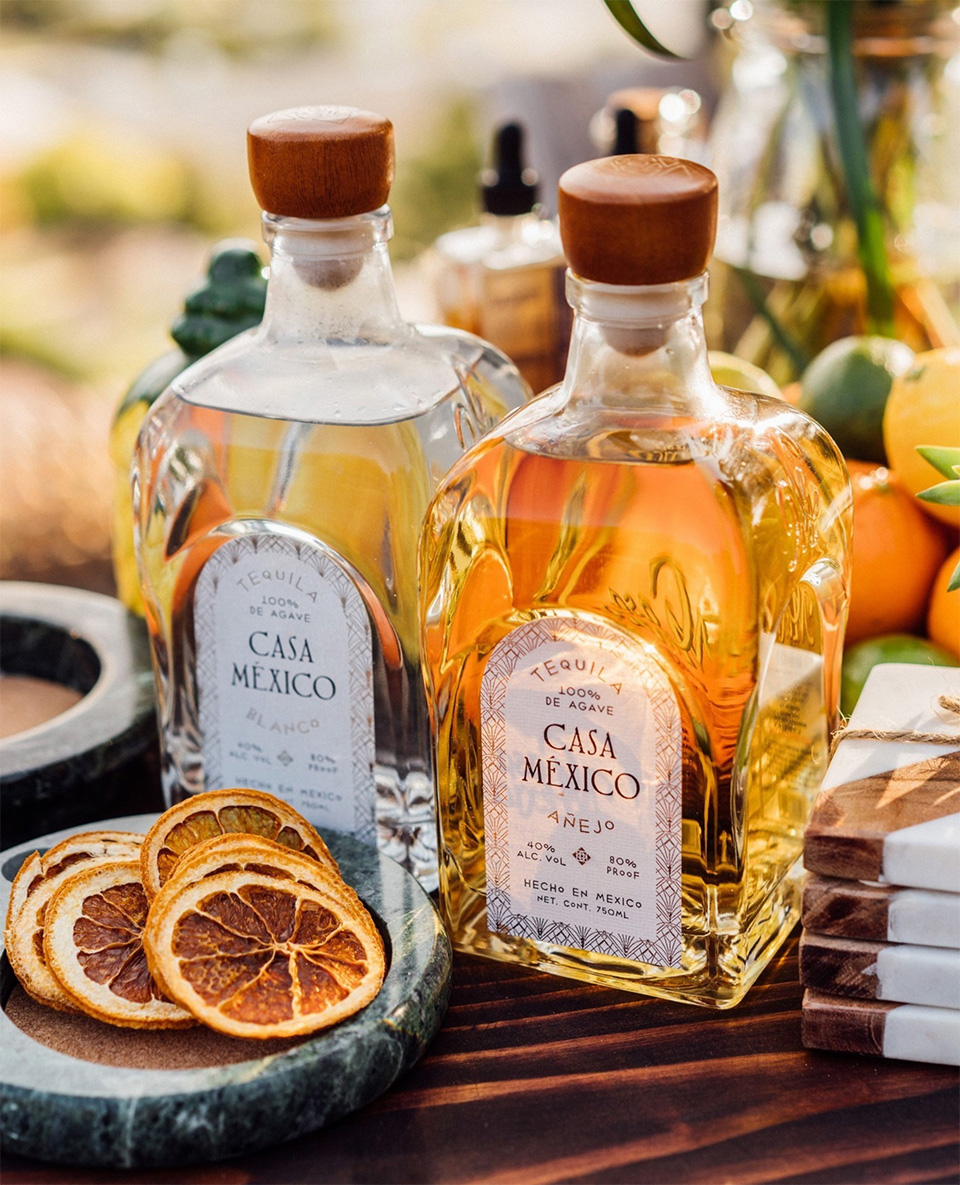
Casa Mexico Blanco Tequila is the primary spirit inside a Pina Colada Margarita. The unaged 100% Blue Weber agave spirit delivers clean agave, melon, pear, citrus, and crisp herbal notes that complement pineapple and coconut without overpowering the tropical profile.
Casa Mexico Blanco is bottled at 40% ABV (80 proof) and works well for Margaritas, tropical cocktails, and citrus-driven drinks.
Casa Mexico Reposado Tequila is a 100% Blue Weber agave tequila aged in oak barrels for several months. Barrel aging develops vanilla, light oak, caramel, and gentle spice while preserving the agave core. Reposado creates a rounder, warmer Pina Colada Margarita suited to richer tropical flavors.
Casa Mexico Añejo Tequila is a 100% Blue Weber agave tequila aged in oak barrels for about 1 year. Extended aging produces deeper flavors of toasted agave, vanilla, oak, caramel, and warm spice. Añejo tequila creates a more complex Pina Colada Margarita intended for slower sipping, where pineapple and coconut complement the aged spirit.
Does Pina Colada Margarita Have Alcohol? Yes, a Pina Colada Margarita contains alcohol because tequila forms the cocktail’s base spirit. Orange liqueur adds additional alcohol, while pineapple juice, cream of coconut, and lime juice provide flavor without adding alcohol. Most tequila used in the recipe is bottled at 40% ABV (80 proof).
How Much Alcohol Does a Pina Colada Margarita Have?
A Pina Colada Margarita typically contains 10% to 15% alcohol by volume (ABV) when mixed with pineapple juice, cream of coconut, lime juice, orange liqueur, and ice dilution, depending on pour size and mixer ratio. Tequila measures 40% ABV before mixing, while orange liqueur adds additional alcohol. A heavier tequila or orange liqueur pour raises the final ABV toward the higher end of the range.
Alcohol level shapes the cocktail’s flavor and drinking experience. A stronger pour produces a more noticeable agave character and warming sensation, while additional pineapple juice and cream of coconut create a softer tropical profile. A balanced Pina Colada Margarita keeps tequila present alongside pineapple, coconut, orange, and lime flavors.
Can Pregnant Women Drink Pina Colada Margarita? No, pregnant women cannot drink a Pina Colada Margarita because it contains alcohol. The Centers for Disease Control and Prevention (CDC) states that there is no known safe amount of alcohol use during pregnancy. Alcohol exposure during pregnancy raises the risk of fetal alcohol spectrum disorders (FASDs), miscarriage, and preterm birth.
Does a Pina Colada Margarita make you Drunk?
Yes, a Pina Colada Margarita can make you drunk because tequila and orange liqueur contain alcohol. A typical recipe uses 1.5 oz tequila plus 1 oz orange liqueur, giving the cocktail a substantial alcohol content before dilution from ice, pineapple juice, cream of coconut, and lime juice. Drinking speed, serving size, food intake, body size, and alcohol tolerance influence the level of intoxication.
A sweet tropical flavor does not reduce the alcohol effect. Pineapple, coconut, and citrus flavors mask some of the tequila’s sharpness, making the cocktail easier to drink quickly. Drinking several Pina Colada Margaritas in a short period increases alcohol exposure and impairment. Avoid driving after drinking and use a nonalcoholic option when avoiding alcohol.
Does Piña Colada Margarita Have Tequila?
Yes, a Pina Colada Margarita contains tequila as its primary spirit. A typical recipe uses 1.5 oz of tequila alongside orange liqueur, cream of coconut, pineapple juice, and fresh lime juice. Blanco tequila delivers a clean agave flavor that pairs well with tropical pineapple and coconut notes. Reposado tequila provides an alternative with added vanilla, caramel, and light oak flavors from barrel aging. Añejo tequila creates a richer profile with deeper oak and warm spice notes. Blanco, reposado, and añejo expressions offer distinct flavor profiles in Casa Mexico Tequila.
What is a Piña Colada Margarita?
A Pina Colada Margarita is a tequila cocktail built with pineapple juice, cream of coconut, fresh lime juice, and orange liqueur, creating a drink that combines tropical sweetness with bright citrus acidity. The combination adds creamy, fruity, and tangy layers to the classic Margarita structure of tequila, orange liqueur, and lime. Blanco tequila remains a preferred base, since a clean agave profile lets pineapple and coconut stand out without competing with barrel-aged flavors.
Pineapple juice contributes tart-sweet fruit flavor alongside natural acidity that balances the richness of cream of coconut and the citrus from lime. The combination complements tropical ingredients, making the cocktail a popular warm-weather choice. A Piña Colada Margarita layers pineapple and coconut flavors onto the classic tequila base, creating a richer, more tropical profile from familiar Margarita ingredients, unlike a standard Margarita. The name reflects the combination of Piña Colada flavors with Margarita ingredients rather than a separate tequila category.
Why Is It Called a Piña Colada Margarita? A Piña Colada Margarita earns its name because pineapple and coconut join the classic Margarita base of tequila, orange liqueur, and lime juice. The name reflects the tropical ingredients rather than a distinct spirit category. Blanco tequila serves as a common base, since a clean agave profile highlights pineapple and coconut without overpowering the fruit flavors. The straightforward name identifies the cocktail as a Margarita infused with Piña Colada-inspired tropical flavors.
What Does a Pina Colada Margarita Taste Like?
Pina Colada Margarita taste balances tropical sweetness against citrus acidity, shifting alongside each ingredient poured.
The ingredients that affect the taste of Piña Colada Margarita are listed below.
- Tequila: Blanco tequila carries a clean agave and pepper note that anchors the drink underneath the sweeter mixers.
- Cream of coconut: Cream of coconut adds a thick, toasted sweetness that rounds out the sharper citrus notes.
- Pineapple juice: Pineapple juice contributes a tart-sweet fruit layer, brightening the drink without added sugar.
- Lime juice: Lime juice supplies the acidity that keeps the sweetness from overwhelming the tequila underneath.
- Orange liqueur: Orange liqueur adds a citrus-forward sweetness that bridges the tequila and the tropical mixers.
How to Drink a Pina Colada Margarita?
A Pina Colada Margarita offers the best flavor when tropical, creamy, citrus, and tequila notes remain balanced. The methods below highlight different ways to enjoy the cocktail.
To drink a Pina Colada Margarita, follow the 5 steps below.
- Serve It Chilled. Pour the cocktail over fresh ice immediately after mixing. Cold temperature keeps the drink refreshing while preserving the pineapple and coconut flavors.
- Sip It Slowly. Take small sips to notice the transition from agave and citrus to pineapple and creamy coconut. Slow sipping reveals the layered tropical profile.
- Use the Rim. Alternate between the cocktail and the salted or sugared rim with each sip. Salt contrasts with coconut sweetness, while sugar reinforces the tropical flavor.
- Match It With Food. Pair the cocktail with tacos, grilled seafood, spicy chicken, or fresh salsa. Savory dishes complement pineapple, coconut, lime, and tequila.
- Rotate the Garnish. Alternate between a pineapple wedge, lime wheel, or toasted coconut flakes for a varied aroma with each sip.
Sipping slowly is the most important tip for fully tasting a Pina Colada Margarita, since rushing it blurs the distinctions among tequila, pineapple, coconut, and citrus. Fresh ice preserves the cocktail’s temperature and dilution balance throughout the drinking experience. A fresh lime wedge squeezed into the final few sips adds extra acidity that refreshes the palate while highlighting the tropical pineapple flavor.
What are the Types of Piña Colada Margarita Cocktails?
Piña Colada Margarita cocktails branch into several tequila-based variations, each shifting the fruit, spice, or smoke profile.
The types of Piña Colada Margarita Cocktails are listed below.
- Mixed Berry Margarita: Mixed Berry Margarita swaps pineapple for a blend of strawberries, blueberries, and blackberries, resulting in a tart, less tropical profile. Coconut cream stays out of the recipe, leaving a lighter, fruit-forward finish. The berry blend carries more tartness than the coconut-forward original.
- Spicy Cilantro Margarita: Spicy Cilantro Margarita adds muddled cilantro and jalapeño, trading sweetness for a savory, peppery finish. Coconut cream and pineapple juice stay out of the build entirely. The heat from jalapeño replaces the tropical sweetness found in the original recipe.
- Hibiscus Margarita: Hibiscus Margarita infuses dried hibiscus flowers into the citrus base, adding a floral tartness. Cream of coconut plays no part in the floral variation. The hibiscus note carries a tartness closer to cranberry than to coconut.
- Cadillac Margarita: Cadillac Margarita floats a top-shelf orange liqueur over the finished drink, adding a stronger citrus-alcohol layer. Coconut cream and pineapple juice are absent from the float-style build. The floated liqueur raises the alcohol content past the coconut-forward original.
- Strawberry Smoky Margarita: Pairs strawberry puree with a mezcal float, adding a smoky note. Coconut cream and pineapple juice play no part in the smoky build. The mezcal float carries a smokiness absent from the coconut-forward original.
What is the difference between the Frozen Margarita Cocktail recipe and other Pina Colada Margarita Cocktail Recipes?
The main difference is the texture and preparation method. A Frozen Margarita uses blended ice to create a thick, smooth, slushy consistency, while other Pina Colada Margarita recipes focus on pineapple juice, cream of coconut, and tropical flavors. The ingredients for a Frozen Margarita include tequila, orange liqueur, fresh lime juice, simple syrup, and ice. The preparation starts by adding tequila, orange liqueur, lime juice, simple syrup, and ice to a blender. Blend the mixture until the ice becomes evenly crushed and the drink reaches a thick consistency. Pour the mixture into a chilled glass with a salt or sugar rim. Garnish the cocktail with a lime wheel before serving. The recipe delivers a brighter citrus flavor with a frozen texture, while Pina Colada Margarita recipes emphasize creamy coconut and sweet pineapple. The blended ice remains the defining feature that separates the drink from other tropical Margarita variations, including the Frozen Margarita.
What is the Difference Between a Coconut Margarita Cocktail and Other Pina Colada Margarita Cocktail Recipes?
The main difference is the coconut flavor and ingredient balance. A Coconut Margarita focuses on coconut cream or coconut milk alongside tequila, lime, and orange liqueur, while a Pina Colada Margarita combines coconut with pineapple juice for a sweeter, more tropical profile. The ingredients include tequila, coconut cream, orange liqueur, fresh lime juice, simple syrup, and ice. The preparation starts by adding tequila, coconut cream, orange liqueur, lime juice, simple syrup, and ice to a shaker. Shake for about 15 seconds until chilled and well combined. Strain the cocktail into a chilled glass over fresh ice. Garnish with a lime wheel or toasted coconut before serving. The result delivers a creamy coconut-forward flavor with bright citrus acidity, while Pina Colada Margarita recipes add pineapple for a stronger fruity character. The coconut-centered ingredient balance remains the defining feature of the Coconut Margarita.
What is the Difference Between a Pineapple Margarita Cocktail and Other Pina Colada Margarita Cocktail Recipes?
The main difference is the pineapple flavor and ingredient balance. A Pineapple Margarita focuses on fresh pineapple juice alongside tequila, lime juice, and orange liqueur, while a Pina Colada Margarita combines pineapple with coconut cream or coconut milk for a richer tropical profile. The ingredients include tequila, fresh pineapple juice, orange liqueur, fresh lime juice, agave syrup, and ice. The preparation starts by adding tequila, pineapple juice, orange liqueur, lime juice, agave syrup, and ice to a shaker. Shake for about 15 seconds until chilled and well combined. Strain the cocktail into a chilled glass over fresh ice. Garnish with a pineapple wedge or lime wheel before serving. The result delivers a bright pineapple-forward flavor with refreshing citrus acidity, while Pina Colada Margarita recipes add coconut for a creamier tropical character. The pineapple-centered ingredient balance remains the defining feature of the Pineapple Margarita.
Where to Serve Pina Colada Margarita?
Pina Colada Margarita is best served at lunch, dinner, birthday parties, pool parties, beach gatherings, and summer celebrations. The pineapple and coconut combination gives the cocktail a sweet, creamy tropical profile that suits relaxed daytime and evening occasions. Classic Piña Colada recipes also use pineapple and coconut as their defining flavors, reinforcing the drink’s tropical character.
Lunch works well for outdoor meals and tropical-themed gatherings. A cocktail suits dinner as a refreshing after-meal or social drink. Birthday parties provide an ideal setting for serving multiple glasses with pineapple wedges or cherries as garnish. Pool parties and beach gatherings suit the Pina Colada Margarita particularly well because the cold tropical profile complements warm-weather occasions. Breakfast is less suitable because the cocktail contains tequila and functions primarily as an alcoholic social drink.
What Garnishes Complement a Pina Colada Margarita?
Pina Colada Margarita pairs well with tropical garnishes that reinforce pineapple, coconut, and citrus flavors. Popular options include pineapple wedges, lime wheels, toasted coconut, maraschino cherries, and fresh mint.
The garnishes that complement a Piña Colada Margarita are listed below.
- Pineapple wedge: A wedge of pineapple, pressed onto the rim, adds a fresh, tropical aroma that mirrors the juice in the glass. The fruit garnish doubles as an edible finish alongside the last sip. Fresh pineapple retains its aroma better than a canned alternative.
- Toasted coconut flakes: Pressed onto a wet rim, they add a nutty crunch that mirrors the cream of coconut base. Toasting the flakes beforehand deepens the aroma past raw coconut. The garnish adds texture absent from a plain glass rim.
- Lime wheel: A lime wheel adds a citrus aroma that lifts the acidity already present inside the drink. Placed on the rim, the garnish doubles as a squeeze-in addition mid-drink. Fresh lime keeps the aroma brighter than a bottled substitute.
- Maraschino cherry: A maraschino cherry, dropped inside the glass, adds a small sweetness note alongside the final sip. The garnish adds color contrast against the pale coconut-based drink. Bartenders reserve the cherry mainly for the frozen, dessert-style version.
- Salt-sugar rim: A combined salt-sugar rim balances sweetness and acidity across each sip from the first taste. Salt alone cuts sweetness harder, while sugar alone raises it further. The blended rim option suits a drink built around coconut and pineapple.
What Glass to Serve a Pina Colada Margarita?
A Pina Colada Margarita is best served in a margarita glass for the classic presentation. The wide rim provides space for salt, sugar, or toasted coconut, while the broad bowl showcases the cocktail’s tropical color and garnishes. Cointreau identifies the margarita glass as the traditional vessel for both classic and frozen margaritas. A rocks glass provides the best practical option for a Pina Colada Margarita served over fresh ice. The sturdy lowball shape provides enough room for ice, while the wide opening accommodates pineapple wedges, lime wheels, or toasted coconut. Margarita-focused glassware guides also recommend rocks glasses for margaritas served on the rocks.
A hurricane glass suits a frozen Pina Colada Margarita when the goal is a stronger tropical presentation. Hurricane glassware is traditionally associated with tropical cocktails, including the Piña Colada, while its larger shape provides room for blended ice and generous garnishes.
A coupe glass suits a shaken Pina Colada Margarita served without ice. The elegant bowl provides a refined presentation for dinner parties or cocktail-focused events. The classic margarita glass remains the strongest choice for a recognizable tropical margarita presentation.