EN
EN ES
ES PL
PL TR
TR
A Tangerine Margarita is a citrus-forward tequila cocktail that replaces traditional lime juice with fresh tangerine juice. The recipe keeps the classic margarita structure intact while shifting flavor toward softer acidity and higher natural sweetness. The drink emphasizes aroma, smoothness, and balance rather than sharp sourness.
The key ingredients include tequila as the base spirit, orange liqueur for citrus depth, and fresh tangerine juice for sweetness and fragrance. Small amounts of lime juice appear when added brightness is needed. Salt and ice support structure, temperature control, and flavor contrast. The steps involve combining tequila, orange liqueur, and fresh tangerine juice in a shaker filled with ice. Shaking chills the drink and creates proper dilution before straining into a salt-rimmed glass. Immediate service preserves aroma intensity and temperature stability.
The nutrients come from tangerine juice, which supplies vitamin C, natural sugars, and trace antioxidants. Alcohol contributes calories without nutritional value. Nutrient density remains low, with energy derived mainly from ethanol and fruit sugars. Taste and flavors present bright citrus sweetness supported by clean agave warmth. Tangerine aroma leads the palate, followed by rounded orange notes from the liqueur. The finish feels smoother and less puckering than lime-based margaritas.
The enjoyment of this drink is influenced by its temperature and the speed at which it is consumed. Cold service preserves citrus clarity and limits alcohol heat. Slow sipping allows aroma, sweetness, and finish to register clearly, while light contact with the salt rim heightens flavor balance.
What is a Tangerine margarita made of? A Tangerine Margarita is made of tangerine juice, which functions as the main flavor-defining ingredient. Tangerine juice provides natural sweetness, soft acidity, and aromatic citrus oils that shape the drink profile and distinguish it from lime-based margaritas. The second main ingredient is tequila, which supplies alcoholic structure and agave warmth. Tangerine juice defines sweetness and aroma, while tequila defines strength and balance, with tequila acting as the backbone rather than the dominant flavor driver.
What are the Ingredients for a Tangerine Margarita Cocktail?
The ingredients for a Tangerine Margarita Cocktail are listed below.
- Tequila: Provides the alcoholic base and classic margarita structure. Blanco tequila preserves clean agave notes that complement fresh citrus. The alcohol structure of tequila defines balance and mouthfeel.
- Fresh Tangerine Juice: Delivers bright sweetness with softer acidity than lime alone. Natural sugars add a smooth, aromatic citrus profile. Tangerine character reduces sharpness while maintaining freshness.
- Lime Juice: Adds sharp acidity that balances tangerine sweetness. Citrus contrast keeps the drink crisp and structured. Acid presence prevents sweetness from feeling heavy.
- Orange Liqueur: Bridges sweetness and acidity with layered citrus depth. The liqueur supports cohesion between tangerine and lime flavors. Orange notes extend aroma and finish.
- Simple Syrup or Agave Nectar: Adjusts balance depending on tangerine ripeness. Controlled sweetness prevents excess tartness. Minimal dosing preserves citrus clarity.
- Salt or Citrus-Salt Rim: Improves citrus brightness and suppresses bitterness on the first sip. A citrus-infused salt reinforces tangerine aroma. Rim seasoning sharpens flavor contrast.
- Ice: Chills the cocktail and controls dilution during mixing. Proper ice quality preserves flavor clarity. Large, solid ice slows the melt rate.
- Tangerine Peel or Slice (Garnish): Adds aromatic oils and a visual cue. Citrus oils heighten perception of freshness. Garnish signals flavor profile before the first sip.
Why does Tangerine Margarita Have Salt?
A Tangerine Margarita has salt because salt intensifies citrus flavor and balances sweetness and acidity, which produces a cleaner and more defined taste. Salt suppresses bitterness from citrus peel oils and alcohol while increasing perceived sweetness from tangerine juice, which creates smoother flavor integration. Salt on the rim delivers immediate contrast at first sip, helping tequila warmth and lime acidity feel less sharp. Salt presence supports aroma perception by drawing attention to citrus notes rather than alcohol burn, which improves drink clarity. Controlled salt contact allows the drinker to adjust intensity with each sip. Absence of salt reduces flavor contrast and makes citrus acidity feel flatter.
How to Make a Tangerine Margarita
To make a Tangerine Margarita, follow the seven steps below.
Meet Our Maestra Tequilera
Casa México Tequila is crafted under the guidance of world-renowned Maestra Tequilera Ana María Romero Mena. With decades of experience creating acclaimed tequilas and mentoring future generations of distillers, she brings both deep tradition and thoughtful innovation to the brand. From agave selection to distillation and aging, her expertise ensures every expression reflects authenticity, precision and exceptional quality.

- Prepare the Glass. A chilled glass preserves temperature and sharpens citrus aroma. A salted or citrus-salt rim enhances contrast between sweetness and acidity at first sip. Even rim coverage ensures consistent flavor contact.
- Juice the Citrus. Fresh tangerine juice provides natural sweetness and aromatic citrus oils. Fresh lime juice supplies the acidity needed to balance fruit sugars. Hand-juiced citrus delivers a cleaner flavor than bottled juice.
- Measure the Spirits. Blanco tequila delivers clean agave structure without oak interference. Orange liqueur bridges tangerine sweetness and lime sharpness. Accurate measurement preserves balance and alcohol control.
- Balance the Sweetness. Agave nectar or simple syrup adjusts flavor based on tangerine ripeness. Controlled sweetness prevents the drink from tasting flat or overly tart. Small additions protect citrus clarity.
- Shake With Ice. Ice chills the mixture and integrates ingredients evenly. Proper shaking controls dilution while preserving clarity. Firm shaking releases citrus oils for a better aroma.
- Strain and Serve. Straining removes excess pulp and ice shards for a clean texture. Immediate service preserves temperature and flavor separation. Clean straining improves mouthfeel.
- Garnish Lightly. Tangerine peel or slice adds aromatic oils and a visual cue. Minimal garnish keeps focus on citrus balance. Expressed peel oils enhance first-sip aroma.
The most important step is to use fresh tangerine juice, since fresh citrus determines sweetness, aroma, and balance more than any other step in a Tangerine Margarita. Fresh juice delivers natural sugars and volatile oils that bottled alternatives lack. Aroma intensity from freshly expressed juice defines first-sip perception. Flavor balance remains brighter and cleaner throughout the finish. Oxidation occurs quickly in bottled juice, which dulls the citrus character. Fresh juice preserves acidity, clarity, and prevents flatness.
How is the Nutrient Value of Tangerine Margarita Cocktail?
The nutrient value of a Tangerine Margarita Cocktail reflects a beverage where calories and carbohydrates come from alcohol and citrus sugars rather than nutritional density. Alcohol contributes most of the energy content, while fresh tangerine and lime juice add limited vitamins and minerals. Nutrient contribution remains modest and should be viewed as incidental rather than functional.
The detailed nutrient breakdown of a standard Tangerine Margarita per serving is shown in the table below.
| Nutrient | Amount per Serving | Unit | Daily Value % | Source / Measurement Basis | Notes (Optional) |
| Calories | 180–220 | kcal | 11-9% | Tequila, orange liqueur, citrus juice | Alcohol-driven energy |
| Alcohol (Ethanol) | 14–16 | g | N/A | 1.5–2 oz tequila equivalent | Primary intoxicating component |
| Carbohydrates | 18–24 | g | 6-8% | Tangerine juice, lime juice, liqueur | Mostly natural and added sugars |
| Sugars | 14–20 | g | N/A | Tangerine juice and liqueur | Level varies by juice ripeness |
| Vitamin C | 10–18 | mg | 11-20% | Fresh tangerine and lime juice | Heat and storage reduce content |
| Sodium | 150–300 | mg | 6-13% | Salted rim | Optional based on rim use |
| Potassium | 120–180 | mg | 3-5% | Tangerine juice | Minor electrolyte contribution |
| Fat | 0 | g | 0% | None | No lipid sources present |
| Protein | 0 | g | 0% | None | Not a protein source |
How many calories are in a margarita? A margarita contains about 150 to 250 calories per serving, depending on ingredients and portion size. A classic margarita made with tequila, lime juice, and orange liqueur falls near the lower end, while versions with added fruit juices, sweeteners, or frozen preparation increase calorie content. Alcohol contributes most of the calories, followed by sugars from citrus juice and liqueur. Larger pours, sweetened mixers, or flavored variations raise total calorie intake.
How does Fresh Tangerine Juice Affect a Margarita?
Fresh tangerine juice affects a margarita with a sweeter citrus profile and reduces acidity. Fresh tangerine juice adds natural sugars and moderate citric acid, shifting the flavor balance toward sweetness and brightness. Softening the cocktail’s sourness compared to lime juice, which has higher acidity, tangerine juice has lower acidity.
The increased sweetness from tangerine juice also reduces the perception of alcohol sharpness. Its natural sugars (8–10 grams per 100 milliliters) balance the ethanol bite more effectively than lime juice’s lower sugar content. The aromatic compounds in tangerine zest (such as limonene) further elevate the drink’s fragrance. Adjustments to lime juice or sweetener proportions are necessary, depending on the desired flavor profile, to maintain balance. The effect of fresh tangerine juice is supported by scientific understanding of sugar–acid ratios and their impact on taste perception.
What are the Tips to Prepare Tangerine Margarita Cocktail Better?
The tips to prepare Tangerine Margarita Cocktail are listed below.
- Use freshly squeezed tangerine juice to preserve volatile citrus oils and natural sugars, which deliver brighter aroma and cleaner sweetness than packaged juice.
- Balance tangerine juice with fresh lime juice to maintain sufficient acidity, since tangerines contain a lower citric acid concentration than limes.
- Measure sweeteners precisely to prevent sugar dominance, because tangerine juice contributes high natural fructose content.
- Chill all ingredients before mixing to slow ice melt and protect citrus aroma during agitation.
- Shake vigorously with dense ice to emulsify citrus oils evenly and create a smooth, cohesive mouthfeel.
- Rim the glass lightly with salt to sharpen citrus perception and offset sweetness without masking fruit character.
- Select a high-quality blanco tequila to preserve citrus clarity, since aged tequilas introduce oak notes that compete with tangerine aromatics.
- Strain the cocktail through a fine mesh to remove pulp fragments, which stabilizes texture and improves visual clarity.
- Express fresh tangerine peel over the finished drink to release surface oils that intensify aroma without altering sweetness.
- Serve immediately after shaking to preserve carbonation-free freshness and prevent flavor flattening from temperature rise.
What are the Variations of Tangerine Margarita Cocktail Recipes?
The variations of Tangerine Margarita Cocktail Recipes are shown in the table below.
| Variation Name | Ingredients | Nutrient | Steps | Opinion |
| Extra Salt Rim Tangerine Margarita | Fresh tangerine juice, blanco tequila, lime juice, triple sec, fine sea salt | Slightly lower perceived sweetness due to salt interaction | Coat rim with additional salt, mix standard ingredients, shake with ice, and strain into prepared glass | Extra salt sharpens citrus flavor and limits sugar dominance |
| Half Lime Half Lemon Tangerine Margarita | Fresh tangerine juice, lime juice, lemon juice, blanco tequila, triple sec | Higher citric acid content compared to the lime-only version | Replace half of the lime juice with lemon juice, shake thoroughly, and strain | Lemon increases brightness and lifts aroma intensity |
| Low-Sugar Tangerine Margarita | Fresh tangerine juice, blanco tequila, lime juice, reduced triple sec | Reduced carbohydrate contribution from added sugars | Cut orange liqueur volume, rely on tangerine sugars, shake, and serve | Natural tangerine sweetness becomes more pronounced |
| Spicy Salt Tangerine Margarita | Fresh tangerine juice, blanco tequila, lime juice, chili salt rim | No significant calorie change | Rim glass with chili-infused salt, prepare standard mix, and strain | Mild heat heightens citrus perception without altering balance |
| Tangerine Forward Margarita | Increased tangerine juice, reduced lime juice, and blanco tequila | Slightly higher natural sugar content | Increase tangerine ratio, decrease lime volume, shake briefly | Tangerine character dominates with softer acidity |
| Citrus Oil Boost Tangerine Margarita | Fresh tangerine juice, lime juice, blanco tequila, and expressed tangerine peel | No measurable nutrient change | Express peel oils over finished drink, discard peel | Aroma intensity improves without affecting sweetness or acidity |
Which Cocktails Use Tangerine Juice Besides Margarita?
The Cocktails that use Tangerine Juice besides margarita are listed below.
- Tangerine Spritz: The Tangerine Spritz blends tangerine juice with prosecco and sparkling water to create a low-alcohol aperitif profile. Tangerine juice provides natural sweetness that reduces reliance on syrups while maintaining a clean citrus finish. The cocktail fits daytime service, and warm-weather menus focused on light refreshment.
- Tangerine Sidecar: The Tangerine Sidecar replaces lemon juice with tangerine juice in a cognac and orange liqueur structure. Tangerine juice softens sharp edges and adds round citrus depth that complements aged brandy notes. The drink presents a smoother palate than the classic Sidecar formula.
- Tangerine Paloma: The Tangerine Paloma combines tequila, tangerine juice, and grapefruit soda for a sweeter citrus variation. Tangerine juice offsets grapefruit bitterness and creates a smoother agave-forward balance. The flavor profile suits drinkers seeking reduced tartness without losing brightness.
- Tangerine Gin Fizz: The Tangerine Gin Fizz mixes gin, tangerine juice, soda water, and optional egg white for texture. Tangerine juice highlights botanical notes without overpowering juniper or herbal elements. The result emphasizes aroma and mouthfeel rather than sharp acidity.
- Tangerine Bellini: The Tangerine Bellini substitutes peach purée with tangerine juice in a sparkling wine base. Tangerine juice contributes bright aromatics and a lighter mouthfeel suited for brunch service. The cocktail maintains elegance while offering a fresher citrus expression.
- Tangerine Negroni: The Tangerine Negroni integrates tangerine juice or tangerine-infused syrup into gin, sweet vermouth, and Campari. Tangerine juice tempers bitterness and introduces fresh citrus lift. The balance favors drinkers sensitive to Campari-forward intensity.
- Tangerine Whiskey Sour: The Tangerine Whiskey Sour uses tangerine juice instead of lemon in a whiskey and sweetener framework. Tangerine juice delivers mellow acidity that pairs well with oak and caramel notes. The substitution produces a rounder finish with less bite.
- Tangerine Mojito: The Tangerine Mojito combines white rum, mint, and tangerine juice for a softer citrus expression. Tangerine juice reduces sharpness while preserving refreshing character. The profile supports longer sipping without palate fatigue.
- Tangerine Martini: The Tangerine Martini blends vodka or gin with tangerine juice and orange liqueur. Tangerine juice adds natural sweetness and fragrance without heavy sugar content. The drink emphasizes aroma-driven citrus rather than aggressive acidity.
- Tangerine Punch: The Tangerine Punch mixes tangerine juice with rum, brandy, or vodka in batch formats. Tangerine juice anchors fruit complexity and supports large-serve consistency. The composition suits events requiring balanced flavor across extended service periods.
What Alcohol is in a Tangerine Margarita?
A Tangerine Margarita contains tequila as the primary alcohol, supported by an orange liqueur as the secondary alcohol. Tequila provides the structural backbone and agave-driven strength, with blanco tequila favored for clean flavor alignment with fresh tangerine juice. Orange liqueur such as triple sec, Cointreau, or Grand Marnier deepens citrus character and stabilizes sweetness without masking fruit aroma. The alcohol combination defines the Tangerine Margarita’s balance between brightness and warmth. The final profile depends on liqueur selection, with lighter options producing a crisp finish and brandy-based options creating a fuller mouthfeel.

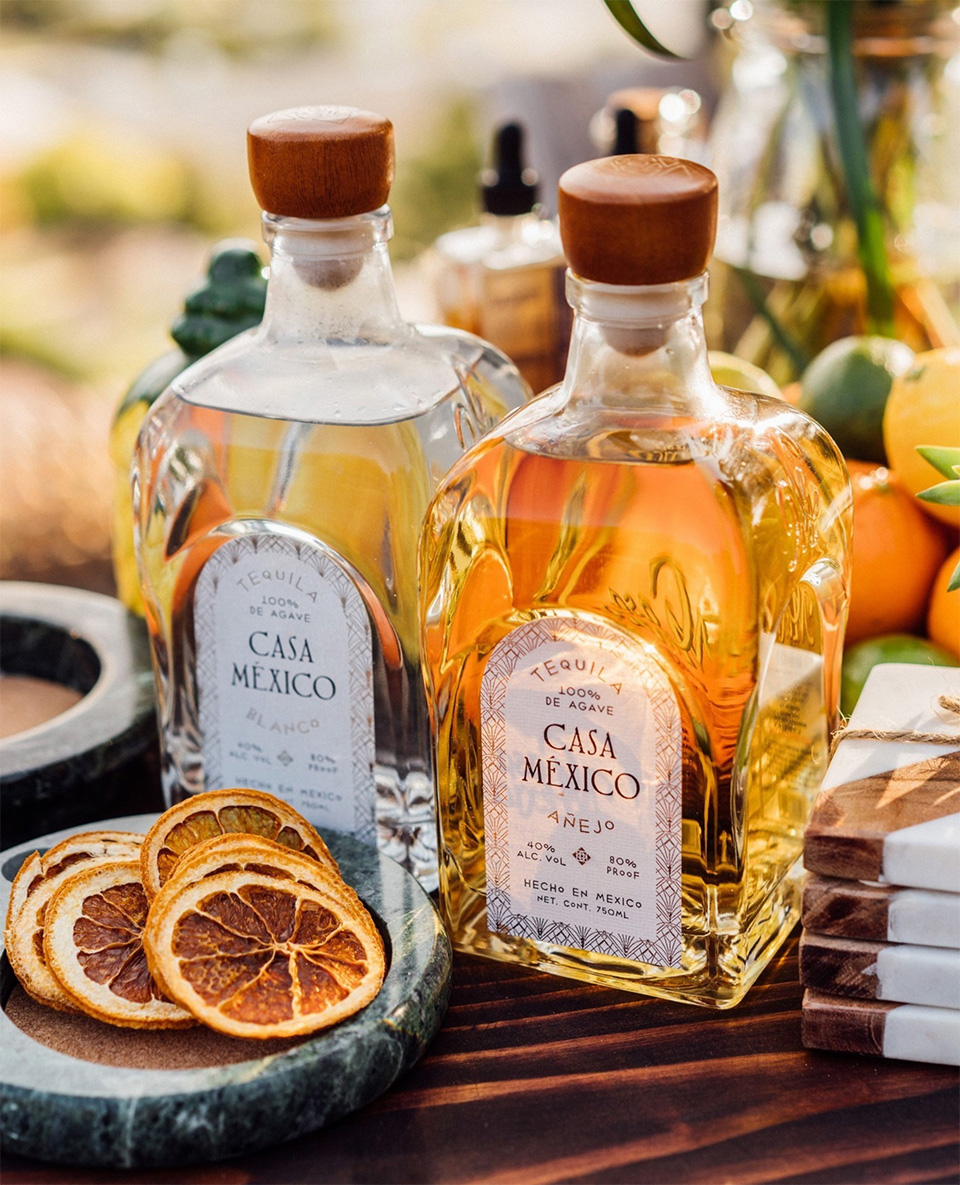
Casa Mexico Tequila Silver
Casa Mexico Tequila Silver delivers authentic Mexican flavor with smooth agave taste, ideal for strawberry margaritas. The silver tequila undergoes minimal aging, preserving pure agave flavor that complements fruit without overpowering it. The 40% alcohol by volume (80 proof) creates balanced cocktails. Use 2 ounces per serving for standard strength, or 1.5 ounces for lighter drinks. Combine with orange liqueur, fresh strawberries, lime juice, and ice to make the cocktail.
- AgingUnaged
- ABV40% (80 proof)
- FlavorSmooth agave, fruit-forward
- Serve2 oz standard / 1.5 oz lighter

Casa Mexico Tequila Reposado
Casa Mexico Tequila Reposado offers a slightly aged option with mellow agave flavor and subtle vanilla notes from 2 to 12 months in oak barrels. The golden color and smooth texture provide a richer profile that pairs well with strawberry sweetness. Use 2 ounces per serving in strawberry margaritas for a more complex taste. Blend with orange liqueur, fresh fruit, lime juice, and ice to complete the drink.
- Aging2–12 months in oak
- ABV40% (80 proof)
- FlavorMellow agave, vanilla, golden
- Serve2 oz — complex strawberry margarita

Casa Mexico Tequila Añejo
Casa Mexico Tequila Añejo presents a premium, well-aged choice for sophisticated strawberry margaritas. Aging for at least one year in oak barrels produces a deep amber color and notes of caramel, vanilla, and toasted oak. The mellow flavor works beautifully with the brightness of fresh strawberries and lime. Use 2 ounces per serving to let tequila shine. Mix with orange liqueur, fresh strawberries, lime juice, and ice for a refined cocktail experience.
- Aging1+ year in oak
- ABV40% (80 proof)
- FlavorCaramel, vanilla, toasted oak
- Serve2 oz — sophisticated margarita
Quick Comparison
| Silver | Reposado | Añejo | |
|---|---|---|---|
| Aging | Unaged | 2–12 months in oak | 1+ year in oak |
| Color | Crystal clear | Light gold | Deep amber |
| Flavor Profile | Smooth agave, fruit-forward | Mellow agave, vanilla, subtle oak | Caramel, vanilla, toasted oak |
| Cocktail Result | Balanced & bright | Richer & more complex | Smooth & sophisticated |
| Serve Size | 2 oz (1.5 oz lighter) | 2 oz | 2 oz |
| ABV | 40% (80 proof) | 40% (80 proof) | 40% (80 proof) |
| Agave | 100% Blue Agave | 100% Blue Agave | 100% Blue Agave |
| Origin | Jalisco, Mexico | Jalisco, Mexico | Jalisco, Mexico |
Does a margarita have alcohol? Yes, a margarita has alcohol. A margarita contains tequila as the primary alcoholic ingredient, which defines the cocktail as a distilled-spirit drink rather than a mocktail. Standard margarita recipes include orange liqueur alongside tequila, which increases total alcohol content and reinforces citrus structure. Alcohol presence differentiates a margarita from nonalcoholic citrus beverages served in similar glassware. The alcoholic composition remains consistent across classic, fruit-based, and frozen margarita variations.
How much Alcohol does a Tangerine Margarita have?
A Tangerine Margarita contains 12% to 18% alcohol by volume (ABV), depending on pour ratios and dilution level. Standard builds using 2 ounces of tequila and 1 ounce of orange liqueur fall near 15% ABV after shaking with ice. Frozen or highly diluted versions sit closer to the lower end of the range.
Alcohol level affects taste through heat perception, citrus clarity, and finish length. Higher ABV sharpens agave bite and shortens perceived sweetness, while lower ABV highlights tangerine aroma and softens acidity. Ice dilution directly reduces alcohol intensity while extending drink volume. A safe range suggestion places consumption at one standard Tangerine Margarita per hour, equivalent to one 1.5-ounce serving of distilled spirits. Slower pacing supports flavor balance and reduces cumulative alcohol impact during extended service.
Can Pregnant Women drink a Margarita? No, pregnant women drinking a margarita presents a health risk and lacks a safe consumption level. The Centers for Disease Control and Prevention (CDC) states, “There is no known safe amount of alcohol use during pregnancy,” and confirms that alcohol exposure during pregnancy increases the risk of fetal alcohol spectrum disorders (FASDs). Alcohol in a margarita crosses the placenta rapidly and reaches fetal circulation at concentrations similar to maternal blood alcohol levels. Medical consensus defines zero alcohol intake as the only safe range during pregnancy. Avoidance of margaritas and all alcoholic beverages prevents alcohol-related developmental harm and eliminates avoidable fetal risk.
Can you make a Non-Alcoholic Tangerine Cocktail?
Yes, you can make a non-alcoholic tangerine cocktail that functions as a true zero-proof beverage rather than a modified margarita. A non-alcoholic tangerine cocktail replaces tequila and orange liqueur with fresh tangerine juice, citrus modifiers, and carbonation or botanical alternatives that replicate structure without ethanol. Flavor balance relies on acidity, aroma, and mouthfeel instead of alcohol heat. Fresh tangerine juice supplies natural sweetness, lime juice restores brightness, and sparkling water or tonic provides lift and length. Non-alcoholic spirit alternatives or bitters without alcohol content add complexity through botanical notes rather than intoxicating effects.
Scientific guidance supports zero-alcohol cocktails for populations avoiding ethanol. The Centers for Disease Control and Prevention (CDC) confirms that non-alcoholic beverages eliminate alcohol-related health risks while preserving social and sensory aspects of cocktail consumption.
Does a Tangerine Margarita Make You Drunk?
Yes, a Tangerine Margarita makes you drunk when consumed in sufficient quantity. A Tangerine Margarita contains tequila and orange liqueur, which introduce ethanol into the bloodstream and trigger central nervous system depression. Alcohol absorption occurs quickly because citrus juice lacks fiber and slows gastric emptying. A standard Tangerine Margarita equals one to one and a half standard drinks, depending on pour size and dilution, which directly raises blood alcohol concentration. Intoxication intensity increases with faster consumption, higher alcohol ratios, lower body mass, and empty stomach conditions.
Does a Tangerine Margarita have Tequila?
Yes, a Tangerine Margarita has tequila as a core ingredient. A Tangerine Margarita uses tequila as the primary spirit that defines the cocktail structure and alcohol content. Tequila contributes agave character that balances citrus acidity and controls perceived sweetness. The alcohol profile depends on tequila style, with blanco tequila delivering cleaner citrus alignment than aged expressions. The drink classification remains a margarita because citrus juice, orange liqueur, and tequila appear together in fixed proportion, with tequila positioned between fruit sweetness and liqueur depth in the final composition.
How Strong is a Tangerine Tequila Margarita?
A Tangerine Tequila Margarita is a moderately strong cocktail with an average alcohol content of 12% to 18% alcohol by volume (ABV). A standard recipe built with 2 ounces of tequila and 1 ounce of orange liqueur settles near 15% ABV after shaking and ice dilution. Strength exceeds beer and wine because distilled spirits form the alcoholic base rather than fermentation alone. Alcohol delivery remains concentrated because citrus juice contains no fiber to slow absorption. Smaller glassware increases perceived strength by limiting dilution volume. Larger frozen servings soften taste perception while preserving total ethanol intake per drink.
What is a Tangerine Margarita?
A Tangerine Margarita is a citrus-forward tequila cocktail that uses fresh tangerine juice in place of traditional lime juice. The cocktail combines tequila, orange liqueur, tangerine juice, and a salt-rimmed glass to preserve classic margarita structure while shifting flavor emphasis. Tangerine juice delivers softer acidity and higher natural sweetness than lime, which creates a smoother palate and reduced sharpness. The drink retains margarita classification because tequila and orange liqueur remain central to the formulation despite the citrus substitution. Flavor balance favors aroma and roundness rather than aggressive tartness. The profile suits drinkers seeking a less acidic expression without altering alcohol structure.
Why is it called a Margarita? It is called a margarita because the Spanish word margarita translates to daisy, which connects the drink to the classic Daisy cocktail family. The Daisy formula uses a base spirit, citrus juice, and orange liqueur, which mirrors the foundational margarita structure. Tequila replaced brandy or gin as the base spirit, while lime replaced lemon without changing the construction. The name reflects translation rather than authorship or location. Early twentieth-century cocktail records document tequila Daisy variations before the margarita name became widespread. The term gained consistency as tequila-based cocktails entered mainstream bar menus.
What does a Tangerine Margarita Taste Like?
A Tangerine Margarita tastes bright, smooth, and citrus-forward with softer acidity than a classic lime margarita. Tangerine juice delivers natural sweetness and fragrant orange notes, which round the palate and reduce sharp tartness. Tequila contributes agave warmth and a mild peppery bite that anchors the citrus profile without dominating it. Orange liqueur deepens the flavor with layered citrus richness, while a salted rim heightens contrast by sharpening sweetness and aroma. The finish feels cleaner and less puckering than lime-based versions. Aroma emphasis leans toward sweet citrus rather than sharp acid.
The ingredients that affect the taste of the Tangerine Margarita are listed below.
- Tangerine Juice: Controls primary flavor direction by adding natural sweetness and soft citrus aroma. Lower acidity produces a rounder palate and reduces sharp sourness.
- Tequila: Determines warmth, structure, and alcoholic presence. Agave notes add earthy depth and light peppery heat that stabilizes fruit sweetness.
- Orange Liqueur: Reinforces citrus layers and adjusts the sweetness level. Higher-quality liqueurs add depth and a longer finish rather than simple sugar notes.
- Lime Juice: Restores brightness and prevents the drink from tasting flat. Controlled acidity sharpens citrus clarity without overpowering tangerine character.
- Salt Rim: Alters taste perception by amplifying sweetness and aroma. Salinity reduces bitterness and increases flavor contrast at the sip entry.
- Ice Dilution: Moderates alcohol intensity and texture. Proper dilution smooths heat and allows citrus notes to open gradually.
- Sweetener (Agave Syrup): Fine-tunes sweetness and mouthfeel. Matching the sweetener source with the tequila strengthens flavor cohesion and reduces harsh edges.
How to Drink a Tangerine Margarita?
To drink a Tangerine Margarita, follow the x steps below.
- Chill the Glass. Serve the Tangerine Margarita in a chilled glass to preserve citrus aroma and slow alcohol volatility. Cold temperature sharpens freshness and keeps sweetness controlled. Pre-chilling prevents rapid warming during early sips.
- Assess the Aroma First. Lift the glass and inhale gently before sipping. Tangerine oils and agave notes register more clearly before palate exposure. Aroma evaluation prepares sensory perception for balance recognition.
- Engage the Salt Rim Selectively. Sip from the glass edge where salt coverage appears partial rather than continuous. Controlled salt contact heightens sweetness perception without masking tangerine aroma. Partial contact avoids excessive salinity dominance.
- Stir Lightly Before Drinking. Rotate the glass once to redistribute dilution and temperature evenly. Balanced dilution prevents alcohol concentration at the surface. Uniform mixing stabilizes flavor from first sip to last sip.
- Take Small, Measured Sips. Drink in short sips rather than large pulls. Smaller intake highlights the balance between tangerine sweetness, tequila warmth, and acidity. Controlled pacing improves flavor separation.
- Let the Drink Coat the Palate. Hold each sip briefly in the mouth before swallowing. Palate contact reveals texture and layered citrus depth. Extended contact increases flavor resolution.
- Pause Between Sips. Allow several seconds between sips to evaluate finish and aftertaste. Alcohol integration and citrus persistence appear during the pause. Rest intervals reduce palate fatigue.
- Monitor Temperature Change. Continue drinking while the cocktail remains cold. Rising temperature increases alcohol heat and reduces citrus clarity. Temperature awareness preserves intended balance.
The most important tip is to preserve cold temperature throughout consumption, since temperature control determines aroma clarity, sweetness balance, and alcohol smoothness more than any other factor. Cold serving conditions suppress ethanol volatility, which prevents harsh alcohol burn from dominating the palate. Citrus aromatics remain sharper and more expressive at lower temperatures, allowing tangerine notes to stay prominent. Warmer temperatures flatten acidity perception and exaggerate sweetness, which disrupts balance. Consistent chill maintains intended structure from first sip through finish.
What are the other Types of Tangerine Margarita Cocktails?
The other types of Tangerine Margarita Cocktails are listed below.
- Classic Tangerine Margarita: The Classic Tangerine Margarita delivers balanced citrus sweetness with clean agave warmth. Taste remains smoother and less tart than lime-based versions. Flavor emphasis stays centered on natural tangerine aroma.
- Frozen Tangerine Margarita: The Frozen Tangerine Margarita presents diluted intensity with a colder, slush-like texture. Taste feels lighter and less sharp than shaken versions due to the ice volume. Mouthfeel becomes softer with slower flavor release.
- Spicy Tangerine Margarita: The Spicy Tangerine Margarita introduces heat through chili or pepper infusion. Taste contrast increases as sweetness offsets spice intensity more than acidity. Heat lingers longer on the finish.
- Strawberry Tangerine Margarita: The Strawberry Tangerine Margarita adds berry sweetness and mild acidity. Taste shifts toward fruit-forward softness compared to citrus-dominant profiles. Berry notes reduce perceived alcohol sharpness.
- Mango Tangerine Margarita: The Mango Tangerine Margarita emphasizes tropical sweetness and a thicker mouthfeel. Taste appears richer and less bright than pure tangerine builds. Mango flesh adds weight to the palate.
- Watermelon Tangerine Margarita: The Watermelon Tangerine Margarita delivers high freshness and subtle sweetness. Taste feels lighter and more refreshing with reduced citrus bite. Aroma remains delicate and clean.
- Pineapple Tangerine Margarita: The Pineapple Tangerine Margarita introduces sharper tropical acidity. Taste balance leans brighter and more tangy than standard tangerine versions. Finish carries a mild tart snap.
- Passion Fruit Tangerine Margarita: The Passion Fruit Tangerine Margarita intensifies aroma and acidity. Taste feels bolder and more aromatic than mild citrus-forward styles. Acidity appears more pronounced on entry.
- Coconut Tangerine Margarita: The Coconut Tangerine Margarita adds creamy sweetness and smooth texture. Taste shifts toward dessert-like richness with muted acidity. Coconut softens alcohol heat.
- Blue Curaçao Tangerine Margarita: The Blue Curaçao Tangerine Margarita increases orange sweetness and visual appeal. Taste mirrors sweeter citrus depth rather than sharp fruit clarity. Bitterness remains minimal.
- Cadillac Tangerine Margarita: The Cadillac Tangerine Margarita uses Grand Marnier for deeper orange-brandy notes. Taste feels fuller and more complex than triple-sec-based builds. Finish carries subtle warmth and richness.
- Mezcal Tangerine Margarita: The Mezcal Tangerine Margarita replaces tequila with mezcal for a smoky character. Taste contrast increases as smoke balances tangerine sweetness. Earthy notes dominate the finish.
- Skinny Tangerine Margarita: The Skinny Tangerine Margarita reduces sweeteners and liqueur volume. Taste becomes drier and sharper with stronger citrus definition. Alcohol presence feels more direct.
- Blood Orange Tangerine Margarita: The Blood Orange Tangerine Margarita deepens citrus flavor with berry-like undertones. Taste feels darker and slightly more tart than standard tangerine. Color intensity matches flavor depth.
- Blackberry Tangerine Margarita: The Blackberry Tangerine Margarita adds deep fruit sweetness and mild tannins. Taste appears richer and less acidic. Tannins add structure to the finish.
- Peach Tangerine Margarita: The Peach Tangerine Margarita softens citrus with stone-fruit sweetness. Taste leans rounder and smoother. Peach aroma reduces sharp citrus perception.
- Cucumber Tangerine Margarita: The Cucumber Tangerine Margarita introduces vegetal freshness. Taste feels cleaner and less sweet with enhanced refreshment. Cooling notes lighten the finish.
- Jalapeño Tangerine Margarita: The Jalapeño Tangerine Margarita delivers controlled heat and vegetal spice. Taste contrast sharpens as spice interacts with citrus sweetness. Heat builds gradually rather than immediately.
- Hibiscus Tangerine Margarita: The Hibiscus Tangerine Margarita adds floral tartness and mild bitterness. Taste becomes brighter and more aromatic. Floral notes extend the aftertaste.
- Pomegranate Tangerine Margarita: The Pomegranate Tangerine Margarita contributes tart fruit depth and dryness. Taste shifts toward sharper acidity with reduced sweetness. Finish feels crisp and wine-like.
What is the Difference of Classic Margarita than other Tangerine Margarita Cocktail Recipes?
The difference of classic margarita lies in the citrus source, acidity strength, and sweetness profile when compared with tangerine margarita cocktail recipes. A classic margarita uses tequila, orange liqueur, and fresh lime juice, which creates sharp acidity and a clean, sour-driven taste. Tangerine margarita recipes replace lime juice with fresh tangerine juice, which introduces softer acidity and higher natural sweetness while keeping tequila and orange liqueur unchanged. Preparation steps remain nearly identical, since classic margarita and tangerine margarita involve shaking ingredients with ice and straining into a salt-rimmed glass. Flavor perception separates the two styles, where lime emphasizes bite and tangerine emphasizes aroma, smoothness, and rounded citrus character.
What is the Difference of Watermelon Margarita than other Tangerine Margarita Cocktail Recipes?
The difference of watermelon margarita compared with other tangerine margarita cocktail recipes centers on fruit structure, sweetness intensity, and acidity balance. Tangerine margarita recipes rely on citrus juice that delivers aroma, moderate acidity, and concentrated flavor, while watermelon juice contributes high water content and mild sweetness with very low acidity. Watermelon-based builds require additional lime or citrus correction to prevent a flat taste, whereas tangerine versions achieve balance through natural citrus acids. Texture shifts toward a lighter, more diluted mouthfeel because watermelon juice increases volume without adding sharpness. Flavor emphasis moves away from citrus brightness and toward refreshing freshness, which defines the contrast in a Watermelon Margarita.
What is the Difference of Blackberry Margarita than other Tangerine Margarita Cocktail Recipes?
The difference of the blackberry margarita compared with other tangerine margarita cocktail recipes lies in fruit density, acidity type, and flavor weight. Tangerine margarita recipes depend on citrus juice that delivers brightness, aroma, and natural acidity, while blackberry introduces deep berry sweetness with mild tartness and light tannic structure. Blackberry juice adds darker fruit notes and a heavier mouthfeel, which contrasts with the lighter and more aromatic citrus profile of tangerine. Balance in blackberry versions relies more on lime or citrus support to maintain freshness. The flavor profile shifts from bright citrus toward rich fruit depth, which defines the character of a Blackberry Margarita.
What is the Difference of Peach Margarita than other Tangerine Margarita Cocktail Recipes?
The difference of peach margarita compared with other tangerine margarita cocktail recipes centers on fruit acidity, sweetness type, and aroma weight. Tangerine margarita recipes rely on citrus juice that provides natural acidity and bright aroma, while peach contributes low acidity with soft stone-fruit sweetness. Peach juice or purée creates a smoother and rounder mouthfeel, which reduces sharpness and shifts balance toward sweetness rather than brightness. Additional lime often appears in peach builds to restore the structure that tangerine juice supplies naturally. Flavor emphasis moves from citrus clarity to mellow fruit richness, which defines the profile of a Peach Margarita.
Where to Serve Tangerine Margarita?
Serve Tangerine Margarita during brunch, lunch, dinner, and celebratory events based on flavor balance and alcohol presence. Brunch service works when menus feature fruit-forward dishes, light egg plates, or citrus-accented pastries because softer tangerine acidity aligns with daytime flavors. Lunch and dinner service suit grilled seafood, tacos, roasted vegetables, and mildly spiced entrees where citrus sweetness offsets salt and char. Birthday parties and social celebrations benefit from the Tangerine Margarita presentation due to its approachable sweetness and broad appeal across mixed palates. Serving context remains strongest when cold temperature and food contrast support balance, which connects directly to What to Serve with Margaritas.
What is the Best Glass for Tangerine Margarita?
The best glass for a Tangerine Margarita is a margarita glass (coupe-style with a wide rim). The wide rim supports salt application and directs aroma toward the nose, while the shallow bowl preserves cold temperature and showcases citrus color. The stem limits hand contact with the bowl, which slows warming and maintains flavor balance.
The margarita glass differs from other cocktail glasses in rim width and bowl geometry. A rocks glass restricts aroma release and increases warming through hand contact. A martini glass exaggerates alcohol volatility and lacks rim space for salt. A highball glass increases dilution and softens citrus intensity due to higher ice volume. Standard cocktail glass options for Tangerine Margarita service include the margarita glass for aroma and salt control. The coupe glass for salt-free presentations and smoother sipping, the rocks glass for casual service with controlled dilution, and the highball glass for lighter, extended-drink formats. Glass selection directly affects aroma delivery, temperature stability, and perceived sweetness, which defines the practical value of Best Margarita Glasses.
What makes this Tangerine Margarita Different from Others?
Tangerine Margarita is different from others in the ways listed below.
- Classic Tangerine Margarita presents balanced citrus sweetness supported by clean agave warmth. The taste profile remains smoother and less tart than lime-based margaritas. Natural tangerine aroma stays central from entry through finish.
- Frozen Tangerine Margarita delivers diluted intensity through a cold, slush-like texture. The taste feels lighter and less sharp due to higher ice volume. Mouthfeel turns softer with slower flavor release.
- Spicy Tangerine Margarita introduces heat through chili or pepper infusion. Sweetness counters spice more than acidity. Heat lingers noticeably on the finish.
- Strawberry Tangerine Margarita adds berry sweetness with mild acidity. The profile shifts toward fruit-forward softness over citrus dominance. Berry notes reduce perceived alcohol sharpness.
- Mango Tangerine Margarita emphasizes tropical sweetness and a thicker mouthfeel. The taste appears richer and less bright than pure tangerine builds. Mango flesh adds weight across the palate.
- Watermelon Tangerine Margarita delivers high freshness with subtle sweetness. The taste feels lighter and more refreshing with reduced citrus bite. Aroma remains delicate and clean.
- Pineapple Tangerine Margarita introduces sharper tropical acidity. The balance leans brighter and more tangy than standard tangerine versions. The finish carries a mild tart snap.
- Passion Fruit Tangerine Margarita intensifies aroma and acidity. The taste feels bolder and more aromatic than mild citrus-forward styles. Acidity appears pronounced on entry.
- Coconut Tangerine Margarita adds creamy sweetness and smooth texture. The profile shifts toward dessert-like richness with muted acidity. Coconut presence softens alcohol heat.
- Blue Curaçao Tangerine Margarita increases orange sweetness and visual appeal. The taste mirrors sweeter citrus depth rather than sharp fruit clarity. Bitterness remains minimal throughout.
- Cadillac Tangerine Margarita uses Grand Marnier for deeper orange-brandy notes. The taste feels fuller and more complex than triple-sec-based builds. The finish carries subtle warmth and richness.
- Mezcal Tangerine Margarita replaces tequila with mezcal for a smoky character. Smoke balances tangerine sweetness through contrast. Earthy notes dominate the finish.
- Skinny Tangerine Margarita reduces sweeteners and liqueur volume. The taste becomes drier and sharper with stronger citrus definition. Alcohol presence feels more direct.
- Blood Orange Tangerine Margarita deepens citrus flavor with berry-like undertones. The taste feels darker and slightly more tart than standard tangerine. Color intensity aligns with flavor depth.
- Blackberry Tangerine Margarita adds deep fruit sweetness with mild tannins. The profile appears richer and less acidic. Tannins add structure to the finish.
- Peach Tangerine Margarita softens citrus with stone-fruit sweetness. The taste leans rounder and smoother. Peach aroma reduces sharp citrus perception.
- Cucumber Tangerine Margarita introduces vegetal freshness. The taste feels cleaner and less sweet with enhanced refreshment. Cooling notes lighten the finish.
- Jalapeño Tangerine Margarita delivers controlled heat with vegetal spice. The contrast sharpens as spice meets citrus sweetness. Heat builds gradually rather than immediately.
- Hibiscus Tangerine Margarita adds floral tartness with mild bitterness. The profile becomes brighter and more aromatic. Floral notes extend the aftertaste.
- Pomegranate Tangerine Margarita contributes tart fruit depth and dryness. The taste shifts toward sharper acidity with reduced sweetness. The finish feels crisp and wine-like among Drinks Similar to the Tangerine Margarita.