EN
 ES
 PL
 TR

Pot Still vs. Column Still is a comparison of two distillation machines that turn fermented liquid into spirit. Pot Still vs. Column Still comes down to batch runs against continuous runs and to rich flavor against clean flavor. A pot still distills one batch at a time and gives a fuller, richer spirit. A column still runs nonstop and gives a lighter, cleaner spirit at 94% to 96% alcohol by volume (ABV).
Copper pot stills trace back to medieval alembics in the Middle East and Europe. Aeneas Coffey patented the modern column still in 1830 in Dublin, Ireland. Tequila makers use both machines, since brands in Jalisco run pot stills or stainless steel alembics for two distillations, and larger producers add column stills. Whiskey, rum, brandy, and vodka makers choose a machine by the style of spirit wanted. Guides to pot still vs column still start with flavor, strength, and speed.
What is a Still in Distilling?
A still in distilling is the equipment that heats a fermented liquid so the alcohol turns to vapor, then cools the vapor back into a stronger liquid. Ethanol boils at 78.4°C and water boils at 100°C, so the alcohol vaporizes first. A condenser of cold water or air turns the vapor into liquid. Stills come in four common builds (pot, column, hybrid, alembic), and the build shapes flavor, strength, and speed. Each distillery picks a still to match the spirit style wanted.
How Many Types of Stills are Common?
Four kinds of stills are common in distilleries worldwide. Each kind separates alcohol from water by heat, but the shape of the vessel changes flavor, strength, and output. Pot stills and column stills form the two main families, and hybrid stills and alembics extend the range.
The common types are listed below.
- Pot Still: A pot still is a bulb shaped copper vessel that heats one batch of fermented liquid at a time. Vapor rises through a swan neck into a condenser and returns to liquid at a higher strength. Copper removes sulfur compounds and softens the taste. Scotch malt whisky, cognac, and Jamaican rum come from pot stills. Batch runs keep a fuller, richer flavor. Each run ends before the next batch starts.
- Column Still: A column still is a tall tower with stacked plates that separates alcohol from water in one continuous run. Steam rises through the plates, and fermented liquid flows down, so the spirit distills again and again. Aeneas Coffey patented the build in 1830 in Dublin. A column reaches 94% to 96% ABV and makes a lighter, cleaner spirit. Vodka, light rum, and grain whiskey rely on columns.
- Hybrid Still: A hybrid still joins a copper pot to a short rectifying column on top. The pot adds body and flavor, and the column adds plates that raise the strength and clean the vapor. Craft distillers in Kentucky, Scotland, and Jalisco use hybrids to switch from a rich style to a light style in one machine. Operators control the style by opening or closing plates and by adjusting the heat.
- Alembic: An alembic is the traditional pot still of Spain, Mexico, and the Arab world. The word comes from Arabic and names the head of a distilling vessel. Tequila and mezcal producers in Jalisco and Oaxaca use alembics of copper, stainless steel, or clay. Batch runs and a pot shaped body place alembics in the pot still family. A guide to types of stills lists the alembic as the oldest build.
Is an Alembic Still a Pot Still?
Yes, an alembic still is a pot still. The alembic heats one batch of fermented liquid in a closed vessel, sends the vapor through a neck, and cools the vapor in a condenser. The pot shaped body and batch process match the pot still family. Traditional alembics in Spain, Mexico, and France use copper, and clay versions exist in Oaxaca. Production guides for tequila and mezcal list the machine under the name Alembic Still.
What is a Pot Still?
A pot still is a bulb shaped vessel of copper that distills one batch at a time and keeps the flavor of the base. Heat turns the alcohol in the fermented liquid to vapor, and a neck and condenser return the vapor to liquid. The pot still is the older build, in use since the Middle Ages. Scotland, Ireland, France, and Mexico shape classic spirits on the machine. Makers choose pot still distillation to gain body, aroma, and richness, and the Pot Still holds flavor compounds from grain, cane, grape, and agave.
How does a Pot Still Work?
A pot still heats one batch of fermented liquid in a pot, so the alcohol turns to vapor, rises into the neck, and cools in a condenser back into a stronger liquid. The first run, called the stripping run, produces low wines at 20% to 30% ABV. A second run, called the spirit run, lifts the strength to 55% to 70% ABV and separates heads, hearts, and tails. Distillers keep the hearts. The pot still method repeats batch by batch, which gives control over flavor.
Meet Our Maestra Tequilera
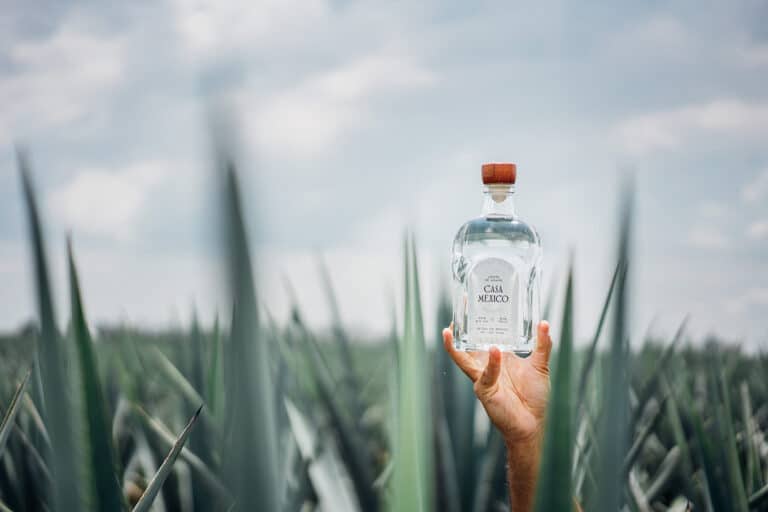
Casa México Tequila is crafted under the guidance of world-renowned Maestra Tequilera Ana María Romero Mena. With decades of experience creating acclaimed tequilas and mentoring future generations of distillers, she brings both deep tradition and thoughtful innovation to the brand. From agave selection to distillation and aging, her expertise ensures every expression reflects authenticity, precision and exceptional quality.

Is a Pot Still Used for Tequila?
Yes, a pot still is used for tequila. Producers in Jalisco distill tequila twice, and pot stills of copper or stainless steel handle both runs. The first run creates ordinario at 20% to 25% ABV, and the second run lifts the spirit to about 55% ABV. The Consejo Regulador del Tequila (CRT) allows column stills, so brands choose the machine by style. Pot stills keep a fuller agave flavor, and the glass shows cooked agave, citrus, and pepper.
What is a Column Still?
A column still is a tall still with plates that lets the spirit distill again and again in one run, so the machine runs nonstop. Aeneas Coffey patented the machine in 1830, so the names Coffey still, patent still, and continuous still describe the same equipment. Each plate works like a mini still and raises the alcohol strength a little higher. Vodka, grain whiskey, light rum, and neutral spirit come from columns. Makers choose a column still to gain clean flavor and high output, and the Column Still suits a large volume.
How does a Column Still Work?
A column still feeds fermented liquid into a tall column, and steam rises through perforated plates, so the alcohol separates again and again in one run. Alcohol vapor climbs to the top of the column, and water and heavy compounds fall to the bottom. A condenser collects the strong spirit from the top at 94% to 96% ABV. Spent liquid (stillage) leaves at the base. The patent still method runs day and night, so output stays steady.
Does a Column Still Run Continuously?
Yes, a column still runs continuously. Fermented liquid enters the column at a steady rate, and spirit leaves the top without a stop between batches. Shutdowns happen for cleaning and repairs, not for each load. A single column handles thousands of liters per hour, so the output of a large plant reaches millions of liters per year. Operators set the feed rate, the steam, and the cut points once, and the process holds steady for weeks. The continuous column still suits makers of vodka, grain whiskey, and light rum who need volume.
How do Pot Still and Column Still Flavors Differ?
A pot still keeps a full, rich, flavorful spirit, and a column still makes a lighter, cleaner spirit. Pot stills leave flavor compounds (esters, fusel oils, congeners) in the spirit, and the compounds give body, fruit, and oil. Columns strip nearly all of the compounds through repeated plate separation, so the base tastes neutral. The choice depends on the style a maker wants. Rich spirits suit sipping, and clean spirits suit mixing.
What Strength Can Each Still Reach?
A pot still reaches a lower strength per run, and a column still reaches a very high strength in one run. A double distilled pot still spirit lands at 55% to 70% ABV after the spirit run. A column still reaches 94% to 96% ABV, which is the limit of ordinary distillation. The limit comes from the ethanol and water azeotrope near 96% ABV. Makers add water before bottling, so standard bottles reach 40% ABV.
Is a Column Still Faster Than a Pot Still?
Yes, a column still is faster than a pot still. A column runs nonstop, and a pot still stops after each batch for loading, heating, cooling, and cleaning. A single pot still run takes six to 10 hours, and the machine needs a second run to reach a high strength. A column reaches high strength in one pass and handles thousands of liters per hour. Speed lowers cost, but the faster run trades away flavor.
What does Pot Still Rum Taste Like?
Rum from a pot still tastes full and rich, and the cane character stays clear. Jamaican rums from Hampden and Appleton show ripe banana, tropical fruit, and funky ester notes. Demerara rums from Guyana show molasses and smoke. Blends of pot and column spirit are common in rum, so a bottle balances body and lightness. Barbados producers (Foursquare, Mount Gay) blend the two machines. A bottle of pot still rum carries weight, and column still rum tastes lighter and cleaner.
Why do Some Rums Use a Column Still?
Rums use a column still when makers want a lighter, cleaner spirit that suits mixing. Columns strip heavy compounds, so the rum tastes crisp in a daiquiri, mojito, or highball. Continuous runs lower the cost and raise the output, which suits brands that sell millions of bottles. Bacardi in Puerto Rico and Cuban style light rums follow the method. A mild base lets lime, mint, and cola lead the flavor. Aging in oak then adds color and vanilla.
Can Aged Rum Come From a Column Still?
Yes, aged rum can come from a column still. Column spirit rests in oak barrels like pot spirit, and the wood adds color, vanilla, and caramel. Ex bourbon barrels are common in Barbados and Panama. A column distillate enters the barrel at 65% to 80% ABV, and years of aging soften the clean base. Añejo and reserva rums from Panama, Puerto Rico, and Barbados start in columns, so the machine does not limit age. The age statement on the label counts the youngest rum in the bottle.
How is Tequila Distilled?
Tequila distillation turns the sugars of blue Weber agave into spirit through cooking, fermenting, and two distillations. The Consejo Regulador del Tequila (CRT) oversees the process in Jalisco and four other Mexican states. Pot stills of copper or stainless steel handle the runs in traditional distilleries, and column stills serve larger plants.
The steps to distill tequila are listed below.
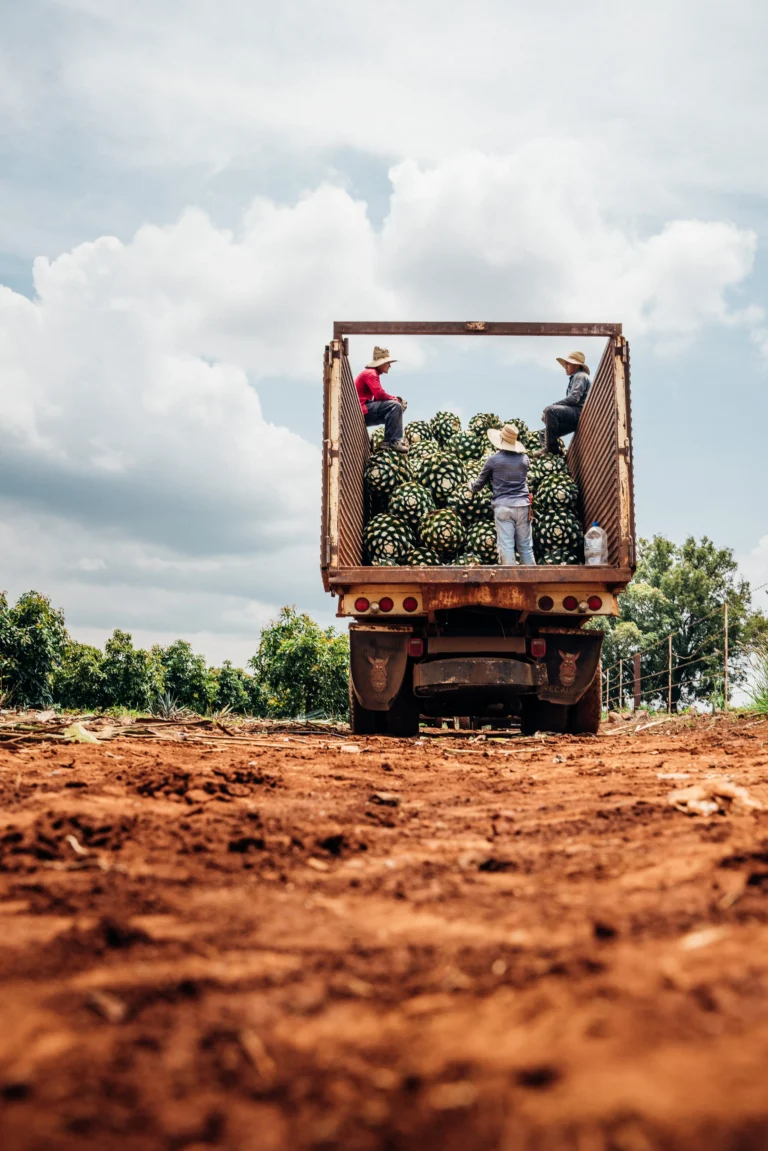
- Cook and mash the blue agave. Workers harvest piñas of blue Weber agave at six to eight years of age and cook the piñas in brick ovens or steel autoclaves. Cooking converts inulin to fermentable sugar and takes seven to 48 hours (autoclaves are faster, brick ovens slower). A roller mill or tahona stone then crushes the cooked agave and releases the juice called aguamiel. Fibers (bagazo) stay in the tank at traditional distilleries.
- Ferment the juice. Distillers add yeast to the aguamiel in stainless steel or wooden tanks. Fermentation lasts two to seven days, depending on temperature and yeast. Sugar turns to ethanol, and the wash reaches 5% to 7% ABV. Longer fermentation builds fruity and spicy notes, and a controlled temperature near 30°C protects aroma. Cultured or wild yeast shapes the style.
- Distill the wash in a still. The first distillation, called destrozamiento, runs the wash through a pot still or column and yields ordinario at 20% to 25% ABV. The run lasts 1.5 to two hours. Copper pots remove sulfur compounds, and stainless steel pots keep a crisp agave flavor. Column stills run the same step in one continuous pass.
- Distill again to refine the spirit. The second distillation, called rectificación, lifts the spirit to about 55% ABV and separates heads, hearts, and tails. Distillers keep the hearts and recycle the heads and tails. The Mexican standard calls for at least two distillations, so the step is routine in Jalisco. A third run is optional and gives a lighter spirit. Double distillation keeps cooked agave, citrus, and pepper flavor.
- Rest or bottle the tequila. Blanco tequila is bottled fresh or rests up to two months in steel or oak. Reposado rests two to 12 months in oak, añejo rests one to three years, and extra añejo rests over three years. Water brings the spirit to 40% ABV, or to a strength from 35% to 55% ABV allowed by the standard. Filtration and bottling follow, and the CRT certifies the lot.
Why do Makers Distill Tequila Twice?
Makers distill tequila twice in pot stills to refine the spirit and bring it to a standard bottling strength. The first run raises the wash from 5% to 7% ABV to 20% to 25% ABV and strips solids and water. The second run lifts the spirit to about 55% ABV and cuts away heads and tails. The double run removes harsh compounds (methanol, acetone, fusel oils) and keeps the agave flavor. Water then lowers the strength to 40% ABV.
Can You Sip Tequila Made in a Pot Still?
Yes, you can sip tequila made in a pot still. Pot still tequila keeps a full agave body and notes of cooked agave, citrus, and black pepper. A tulip shaped copita glass concentrates the aroma, and a pour of 1.5 to two ounces suits slow sipping. Room temperature shows the flavor best, since chilling mutes aroma. Blanco shows crisp agave, and reposado and añejo add vanilla and oak. Small sips with pauses let the palate adjust to the 40% ABV strength. Technique and serving steps appear in the guide on how to Sip Tequila.
How does Tequila vs Whiskey Differ in Distilling?
Tequila distills from blue agave, and whiskey distills from grain (barley, corn, rye, wheat). Each spirit can use pot or column stills, so the machine does not separate the two. Tequila runs twice to about 55% ABV. Whiskey ferments a grain mash into beer at 8% to 10% ABV and runs from one to three times, depending on the style. A side by side look at base ingredient, aging, and flavor appears in the comparison of Tequila vs Whiskey.
What Cocktails Show Off Pot Still Tequila?
Pot still tequila keeps cooked agave, citrus, and pepper flavor that survives mixing. Simple cocktails of three or four ingredients let the spirit lead the taste. Fresh citrus, soda, and bitters frame the agave and leave the body clear.
The cocktails that show off pot still tequila are listed below.
- Paloma: A Paloma builds two ounces of blanco tequila, half an ounce of lime juice, and grapefruit soda over ice in a highball glass. Pot still blanco adds peppery agave that stands up to bitter grapefruit. A pinch of salt rounds the citrus. The drink takes under one minute. A tall glass of ice keeps the fizz lively and the flavor crisp. Jalisco claims the cocktail as a regional classic.
- Margarita: A Margarita shakes two ounces of blanco tequila, one ounce of lime juice, and one ounce of orange liqueur, then strains the mix over fresh ice. Pot still tequila supplies the agave body that carries the lime. A salt rim sharpens the citrus. Reposado adds vanilla and oak for a softer glass. The recipe scales to a pitcher of 12 drinks.
- Old Fashioned: A Tequila Old Fashioned stirs two ounces of reposado or añejo tequila, one teaspoon of agave syrup, and two dashes of Angostura bitters over a large ice cube. Pot still aged tequila adds oak, vanilla, and a full agave body. An orange peel adds citrus oil. Stirring for 30 seconds chills the drink and adds a little water. The spirit forward build suits slow sipping after dinner.
Does Pot Still Tequila Suit a Classic Paloma?
Yes, pot still tequila suits a Classic Paloma. The full agave body and peppery finish stand up to grapefruit soda and lime juice, so the tequila stays clear in a tall drink. Blanco gives the freshest result, and a pinch of salt balances the bitter citrus. The recipe builds two ounces of tequila, half an ounce of lime juice, and soda in a highball glass. Ingredient lists and steps appear in the guide to the Classic Paloma.
Is Pot Still Tequila Good in a Tequila Old Fashioned?
Yes, pot still tequila is good in a Tequila Old Fashioned. Reposado or añejo from a pot still brings oak, vanilla, caramel, and cooked agave, which replace the grain notes of bourbon. The spirit carries body, so a small splash of agave syrup and two dashes of bitters are enough. A large ice cube slows dilution and keeps the glass cold. Ingredient amounts and steps appear in the recipe for the Tequila Old Fashioned.