EN
 ES
 PL
 TR

A pot still is a pot-shaped vessel, traditionally built from copper, that distills one batch of fermented liquid at a time. A pot still holds the liquid in a rounded base, heats the liquid until the alcohol turns to vapor, then guides the vapor through a narrow neck into a condenser. The slow, small-batch method carries congeners, the flavor compounds from grain, agave, sugarcane, or grapes, into the finished spirit. Distillers in Scotland, Ireland, Cognac, Jalisco, and Jamaica rely on the method to preserve a fuller body in the bottle.
Tequila, whiskey, rum, and brandy are each made in pot stills, though the base liquid changes the final character of each bottle. Scotch single malt, Jamaican rum, Cognac, and Jalisco tequila are well-known examples of pot still spirits. Copper surfaces inside the pot bind sulfur compounds, softening harsh aromas before the vapor condenses. Column stills, including the Coffey still, offer a different approach by allowing continuous distillation rather than processing separate batches. Column distillation generally produces a lighter, higher-strength spirit, while pot still distillation retains more flavor and texture. Batches of 500 to 3,000 liters are typical in a craft pot distillery, giving the distiller close control over each cut. The pot still method rewards patience, producing spirits of texture, aroma, and depth that continuous column distillation rarely matches.
What Is a Pot Still Made Of?
A pot still is made of copper, formed into a pot at the bottom, a neck above the pot, and a pipe leading to a condenser. The pot holds the fermented liquid over a heat source, either a direct flame, a steam jacket, or internal steam coils. Pot stills range from 50-liter craft units to 30,000-liter units in Scottish production distilleries. Coppersmiths in Speyside (Scotland), Charente (France), and Jalisco (Mexico) hammer sheets into curved shapes by hand, producing stills that last 15 to 25 years before panel replacement. A copper pot still provides natural sulfur removal during distillation, helping produce cleaner aromas and flavors. Stainless steel appears in modern pot stills built by distilleries that value lower upkeep, since the metal resists dents and tolerates harsh cleaning. Stainless steel pot stills lack the sulfur-removing chemistry of copper, so distillers insert copper plates, mesh, or sleeves in the neck to restore cleaner flavor. The hybrid approach keeps the budget-friendly body of stainless steel and adds the chemical benefits of a copper pot still.
Why Do Makers Choose Copper for Pot Stills?
Makers choose copper in pot stills since copper heats evenly, removes unwanted sulfur notes from the vapor, and produces a cleaner spirit. Copper conducts heat about 25 times faster than stainless steel, spreading warmth across the pot without hot spots. Fermented liquids release sulfur compounds (hydrogen sulfide, dimethyl sulfide) during heating, giving off aromas of boiled eggs and cooked cabbage. Copper atoms bond to the sulfur compounds, forming copper sulfate (the green crust visible after a run) on the inner surface instead of passing into the spirit. Distillers clean off the green crust after each run, restoring the reactive surface. Copper bends easily under a hammer, letting coppersmiths shape the swan neck, the bulge, the lyne arm to exact proportions. Shape adds another lever, since a tall neck sends heavier vapors back into the pot, a process called reflux, producing a lighter spirit. Distillers of Scotch single malt, Cognac, and Jalisco tequila rely on copper to balance richness against cleanliness. Copper carries a higher price than stainless steel, yet the flavor benefit keeps heritage distilleries loyal to the metal.
Is Every Pot Still Made of Copper?
No, a pot still is not always made of copper. Stainless steel pot stills operate in craft distilleries, university programs, and home hobby setups, where budget, maintenance, and regulation shape the choice. Stainless steel resists dents, tolerates acidic cleaning solutions, and costs less to fabricate than a hammered copper vessel. Distillers using stainless pot stills add copper mesh, copper packing, and copper plates in the neck or condenser path to recover sulfur. Glass pot stills appear in laboratories and educational demonstrations, producing small test batches of one to five liters. Clay pot stills appear in rural Oaxaca, where mezcal makers distill agave mash in earthen vessels fired over wood. Copper remains the benchmark metal, yet a pot still earns the name from the batch method, not the material. The distinction matters when comparing flavor, since stainless units without copper contact leave sulfur notes in the spirit. Tequila producers in Jalisco run pot stills of copper or stainless steel, depending on tradition, budget, and flavor targets.
How Does a Pot Still Turn Liquid Into Spirit?
A pot still turns liquid into spirit by heating one batch of fermented liquid, so the alcohol becomes vapor, rises, cools in a condenser, and emerges in a stronger form. Ethanol boils at 173°F, water boils at 212°F, so alcohol vapor leaves the pot first. The first run, called the stripping run, produces low wines of about 20 to 30 percent alcohol by volume. A second run, the spirit run, concentrates the low wines to about 65 to 70 percent in Scotch single malt production. Tequila producers in Jalisco run two distillations too, reaching about 55 percent before dilution. Distillers split the second run into heads, hearts, and tails, keeping the hearts and redistilling the remainder. Hearts hold the balanced middle of the run, heads carry sharp solvent notes, tails carry heavy, oily flavors. The pot must be emptied, cleaned, and refilled after each run, so pot stills work in batches rather than a continuous flow. The slow pace preserves congeners, giving pot still spirits a rounder body. A full pot still distillation takes from six to 10 hours per run, depending on the pot size and the heat source.
What Are the Main Parts of a Pot Still?
A pot still diagram helps identify each component and shows how fermented liquid moves through the still, from heating and vaporization to condensation and collection.
The main parts of a pot still are listed below.
Meet Our Maestra Tequilera
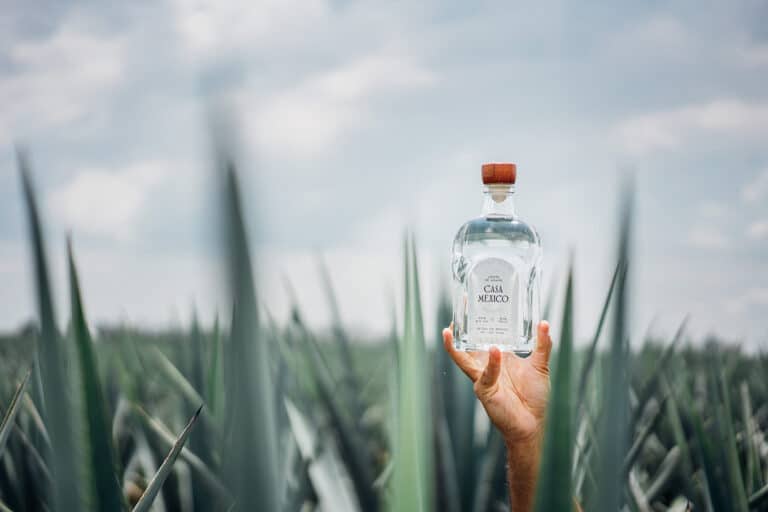
Casa México Tequila is crafted under the guidance of world-renowned Maestra Tequilera Ana María Romero Mena. With decades of experience creating acclaimed tequilas and mentoring future generations of distillers, she brings both deep tradition and thoughtful innovation to the brand. From agave selection to distillation and aging, her expertise ensures every expression reflects authenticity, precision and exceptional quality.

- Pot: The pot is the rounded base chamber holding the fermented liquid. The wide belly gives the liquid a large surface for evaporation. Thick walls withstand repeated heating cycles.
- Heat Source: A direct flame, steam jacket, or internal steam coil raises the liquid to a boil. Direct fire gives a toasty, caramelized edge, steam gives gentler, even heat. Cognac distillers use direct fire in Charentais stills, Scottish distilleries use steam coils.
- Neck: The neck is the narrowing column above the pot that guides rising vapor toward the exit. A tall, thin neck increases reflux, producing a lighter spirit. A short, wide neck delivers a heavier, oilier spirit.
- Lyne Arm: The lyne arm is the pipe that carries vapor from the top of the neck to the condenser. A rising angle returns heavier vapor to the pot, producing a lighter spirit. A falling angle passes heavier vapor forward, producing a fuller spirit.
- Condenser: The condenser cools the vapor back into liquid. Condensers come as a tube bundle (narrow copper tubes surrounded by cold water) or a worm tub (a coiled copper pipe submerged in a water tank). The worm tub offers less copper contact, producing a heavier spirit.
- Receiving Vessel: The receiving vessel collects the condensed liquid that drips from the condenser. Distillers in Scotland route the flow through a spirit safe, a locked glass box that lets the operator measure strength and direct the heads, hearts, and tails. Hearts move to a spirit receiver, heads and tails return for redistillation.
Does a Pot Still Use a Thumper?
Yes, a pot still does use a thumper in Kentucky bourbon production, Appalachian moonshine making, and a handful of American craft distilleries. A pot still with thumper includes a sealed copper keg positioned after the pot and before the condenser. Hot vapor from the pot bubbles into low wines or water held inside the keg, heats the liquid, then exits the keg as a second, stronger vapor. The process delivers a double distillation in one run, saving time, fuel, and labor. The name comes from the thumping sound of vapor rushing into the liquid. Scottish single malt producers skip the thumper, running a separate second distillation in a spirit still instead. Jalisco tequila makers follow the same two-run method, so a thumper rarely appears in agave production. Distillers who add a thumper gain a heavier, oilier spirit than a standard single run provides, since extra congeners travel in the second vapor. A pot still with a thumper reaches higher proof during the first run, which explains its popularity in Kentucky and Tennessee.
Where Do Makers Use a Pot Still?
Pot still uses are listed below.
- Whiskey: Distillers in Scotland, Ireland, Kentucky run pot stills for single malt, Irish single pot still whiskey, small batch bourbon. The batch method keeps oils, esters, and grain character in the spirit. Oak aging then adds vanilla, caramel, and spice.
- Rum: Jamaica, Guyana, and Barbados distilleries run pot stills on fermented molasses or cane juice. Long fermentation builds fruity esters, which the pot still carries into the bottle. The result is a heavy, aromatic rum.
- Brandy: Cognac producers in Charente run Charentais pot stills on fermented white wine. Two distillations refine the spirit, leaving fruit and floral notes. Oak barrels from Limousin round the finish.
- Tequila: Jalisco distillers run pot stills on cooked, fermented blue Weber agave. Two distillations refine the spirit, keeping earthy, sweet agave character. Copper or stainless steel pots are both found across the region.
- Gin: Makers in England, the Netherlands, and Spain distill neutral spirit through juniper berries, coriander seed, and citrus peel. Botanicals steep in the pot or rest in a basket above the liquid. The vapor carries aromatic oils into a fragrant, juniper-forward spirit.
- Mezcal: Producers in Oaxaca distill fermented roasted agave in copper or clay pot stills. Smoke from the roasting pit stays in the spirit. Batches are small, usually double distilled.
What Is Pot Still Whiskey?
Pot still whiskey is whiskey distilled in a pot still (Scottish single malt, Irish single pot still), giving a rich, full flavor. Batch distillation keeps congeners (esters, fatty acids, higher alcohols) in the spirit, producing oily, creamy, spicy notes. Scottish single malt uses 100 percent malted barley, whereas Irish single pot still whiskey blends malted barley and raw barley, mashed together. Scottish distillers run the spirit twice, traditional Irish distilleries run the spirit three times. Wider cuts from the run keep heavier oils, narrow cuts give a lighter, fruitier whiskey. Scotland and Ireland require a minimum of three years in wooden casks, adding vanilla, caramel, and baking spice. Bourbon producers in Kentucky lean on column stills, though craft makers add pot stills to build body. A copper whiskey still shapes the character of each batch, from the height of the neck to the angle of the lyne arm.
Does Tequila vs Whiskey Use the Same Pot Still?
No, tequila vs whiskey does not use the same pot still. Tequila producers in Jalisco distill fermented agave in smaller alembic-style stills, commonly 1,000 to 3,000 liters, built in copper or stainless steel. Scottish wash stills reach 10,000 liters or larger, with tall necks that push reflux and lighten the spirit. Tequila stills run shorter, wider necks, which keep earthy, sweet agave flavor in the vapor. The base liquid differs too, since agave contains fructose sugar, while grain mash contains starch converted by malt enzymes. Mexican rules require tequila to be distilled to a maximum of 55 percent alcohol by volume before dilution, whiskey runs higher before casking. Cleaning schedules, heat sources, and cut points follow separate traditions. Differences in the base ingredient, the aging, and the legal rules are broken down further in a comparison of Tequila vs Whiskey.
How Do Rum and Brandy Use a Pot Still?
Rum and brandy use a pot still when makers distill fermented cane juice or molasses (rum) or fermented wine (brandy) in batches, keeping a fuller flavor. Distilleries in Jamaica, Guyana, and Barbados run copper or wooden pot stills on molasses wash, producing heavy rums rich in fruity esters. Fermentation in Jamaica lasts from two days to two weeks, building aromas of banana, pineapple, and tropical spice. A pot still rum carries the heavy esters straight into the bottle. Cognac producers in Charente distill white wine (Ugni Blanc grapes) twice in Charentais pot stills. The first run yields brouillis of about 28 percent alcohol, the second run, called the bonne chauffe, reaches about 70 percent. Distillers discard the heads and tails, keeping the hearts for oak aging. Fruit brandies (apple, pear, plum) follow a similar path, giving each pot still brandy a clear fruit character.
Can Rum Be Made in a Pot Still?
Yes, rum can be made in a pot still. Jamaican distilleries run double retort pot stills, which add a second distillation inside one run, producing rums with high ester counts. Guyana preserves wooden pot stills (Port Mourant, Versailles) that yield dark, oily rums. Barbados producers blend pot still rum with column still rum to balance richness against lightness. Pot still rum carries banana, pineapple, molasses, caramel notes, whereas column still rum tastes lighter, cleaner. Dunder, the leftover liquid from a previous distillation, is added to Jamaican fermentations to build funky, tropical aromas. Aging in oak barrels in a hot climate softens the heavy character within a few years. Craft distillers in the United States, the Caribbean, and the Philippines now use copper pot stills to make single-batch rums.
How Does Tequila Use a Pot Still?
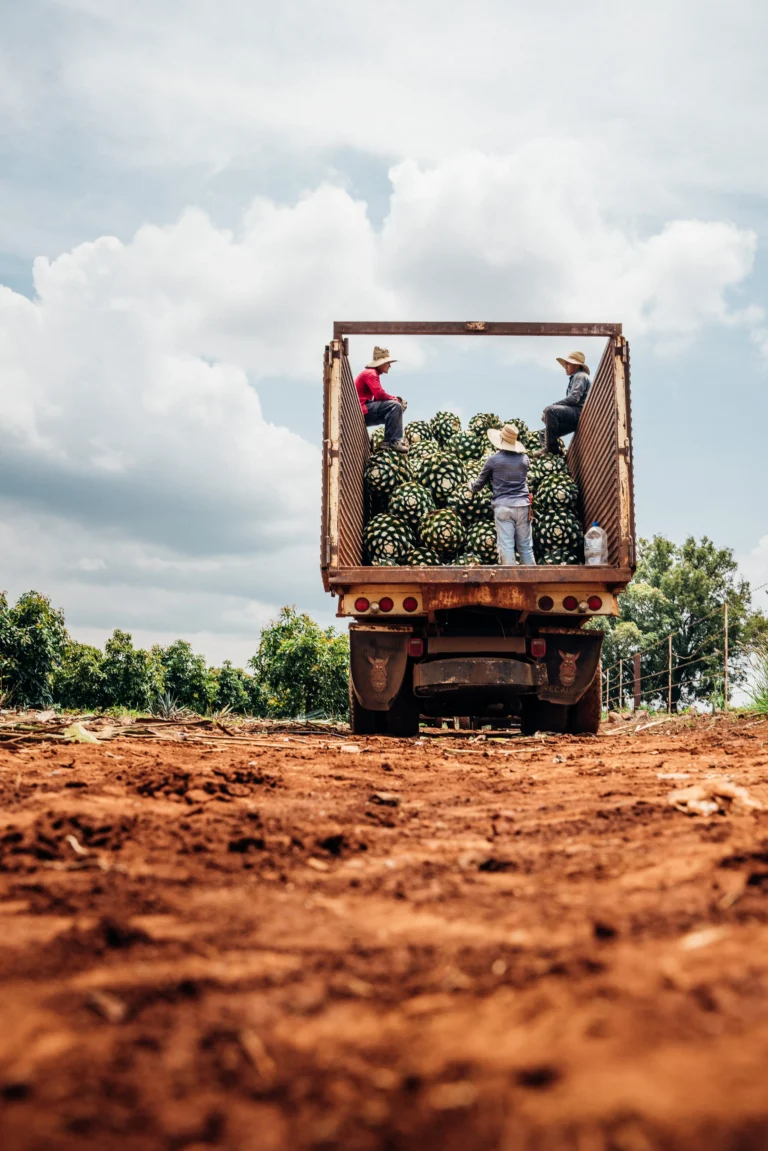
Tequila uses a pot still when makers distill fermented agave, commonly in two runs, to refine the spirit while keeping agave flavor. Jalisco distillers cook blue Weber agave in brick ovens or autoclaves, extract the juice, and ferment the juice for several days before distillation. The first run, called ordinario, produces a liquid of about 25 percent alcohol by volume. The second run, called rectificación, raises the strength to about 55 percent before dilution to bottling strength, usually 40 percent. Pot stills in tequila country are made of copper or stainless steel, holding 500 to 3,000 liters per batch. Some producers use column stills or continuous stills, which run faster but give a lighter spirit. Tequila labeled 100 percent agave reflects the pot still tradition most closely. Hand cuts of heads, hearts, and tails shape the final aroma.
What Flavor Does Pot Still Tequila Have?
Pot still tequila has a fuller flavor, with deeper agave sweetness and earthy notes. Batch distillation keeps cooked agave and vegetal aromas that lighter column distillation strips away. Tasting notes include roasted agave, black pepper, citrus peel, and mineral earth. Blanco expressions carry the sharpest agave character, since no barrel aging softens the spirit. Reposado, aged two to 12 months in oak, adds vanilla and light caramel. Añejo, aged one to three years, adds toasted wood, dried fruit, and cinnamon. Copper contact in the pot smooths sulfur notes, leaving a clean finish despite the full body. Highland agave from Los Altos, Jalisco, tends toward sweet, floral flavor, lowland agave from the Valley of Tequila gives earthy, peppery notes. Oily texture and a long finish are the marks of a well-made pot still tequila.
Should You Sip Tequila Neat After Pot Still Distilling?
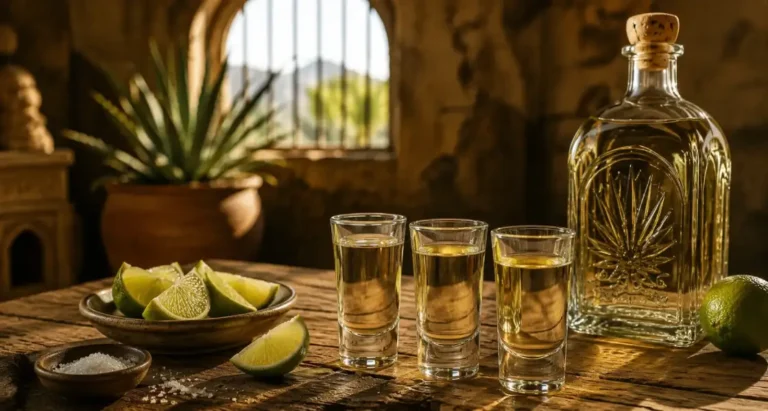
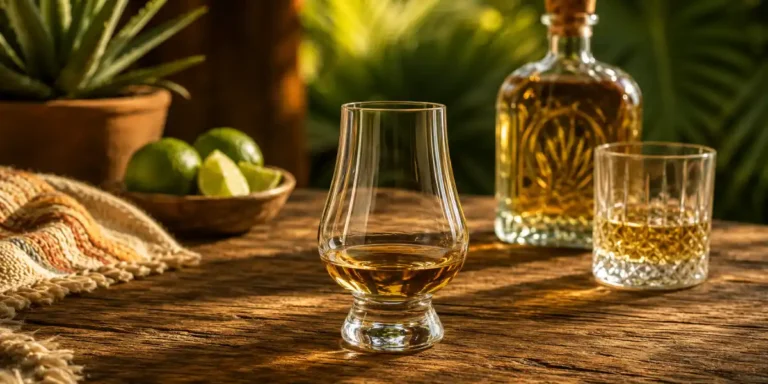
Yes, you should sip tequila neat after pot still distilling. Fuller pot still tequila shows cooked agave, black pepper, and citrus peel, which ice or mixers hide. A tulip-shaped tequila glass (copita) concentrates the aroma, letting the nose pick up earthy sweetness before the first taste. Room temperature serving opens the spirit, whereas cold serving mutes the flavor. Small sips of about half an ounce let the oils coat the tongue. Blanco, reposado, and añejo each suit neat sipping, depending on the preferred balance of agave strength and oak spice. Water in a separate glass cleanses the palate between pours. Lime and salt are optional, though both cover the agave character. Tasting notes, glassware, and pacing are covered in a guide on how to Sip Tequila.
How Does Pot Still Tequila Taste in Mixed Drinks?
Pot still tequila tastes full, agave-forward in mixed drinks, holding earthy sweetness against citrus or sweeteners. The oily texture carries through lime juice, grapefruit soda, and orange liqueur without disappearing. Fruit juices, syrups, and bitters fail to bury the cooked agave core, so the spirit stays recognizable. Blanco pot still tequila fits fresh, tart drinks (Paloma, Margarita, Ranch Water), where peppery agave cuts through citrus. Reposado adds vanilla and light oak to stirred drinks (Old Fashioned variations, Tequila Negroni). Añejo suits slow sipping cocktails, where caramel, dried fruit notes lead. Lighter column still tequila blends into the background in the same drinks, giving a thinner body. A measure of 1.5 to 2 ounces per drink gives enough agave presence to hold the structure. Bartenders in Guadalajara, Mexico City favor pot still blanco for balance and aroma.
Is Pot Still Tequila Good in a Tequila Sour?
Yes, pot still tequila is good in a tequila sour. The fuller body supports the sharp acid of lemon or lime juice, balancing the sweetness of agave syrup or simple syrup. Earthy agave and light pepper notes cut through the foam when egg white is shaken into the drink. A standard build uses 2 ounces of tequila, 1 ounce of fresh citrus juice, and three-quarters of an ounce of syrup. Blanco keeps the flavor bright and crisp, whereas reposado adds vanilla and oak warmth. A dry shake, then a shake over ice, produces a silky texture. A thin tequila gets lost beneath the citrus, so the oily weight of pot still tequila improves the finish. Ingredient ratios, garnish options, and shaking steps are laid out in a Tequila Sour recipe.
Does a Pomegranate Margarita Need Pot Still Tequila?
No, a pomegranate margarita does not need pot still tequila. A 100 percent agave blanco from any still type mixes cleanly with pomegranate juice, lime juice, and orange liqueur. Pot still tequila adds extra depth, since earthy, peppery agave notes balance the tart, jammy fruit. Column still tequila gives a lighter, cleaner profile, letting the pomegranate lead. A standard build uses 2 ounces of tequila, 1 ounce of pomegranate juice, three-quarters of an ounce of lime juice, and half an ounce of orange liqueur. Salt on half the rim sharpens the fruit. Mixto tequila, made from 51 percent agave sugars, brings a sweeter, thinner body, so 100 percent agave stays the safer pick. Ingredient measures, shaking technique, and garnish ideas are covered in a Pomegranate Margarita recipe.
What Does a Still Do?
A still heats a fermented liquid so the alcohol turns to vapor, then cools the vapor into a stronger liquid. Ethanol boils at 173°F, water boils at 212°F, so alcohol vapor leaves the liquid first. A condenser, a coiled pipe or tube bundle cooled by water, turns the vapor back into liquid. The collected liquid holds a higher alcohol strength than the fermented base, which starts at 5 to 12 percent. Stills come in multiple forms (pot, column, hybrid), each shaping the flavor, strength, and speed of the run. Distillers split the output into heads, hearts, and tails, keeping the hearts for bottling. Fermented grain, agave, sugarcane, grapes, and fruit all feed the process. Copper and stainless steel are the two main materials. Spirits from Scotland to Jalisco depend on the same physical principle. A modern distillery runs one or more alcohol stills, matched to the style of spirit.
How Is a Pot Still Different From Other Stills?
A pot still differs from other stills by distilling in batches, keeping more flavor, whereas a column still runs continuously, giving a lighter, higher-strength spirit. A pot still holds one charge of liquid, runs once, then must be emptied, cleaned, and refilled. Output reaches about 55 to 70 percent alcohol by volume per run, depending on the number of distillations. A column still feeds liquid in at the top and steam in at the bottom, producing spirit of 90 to 96 percent alcohol by volume in one pass. The stacked plates inside the column act like many small pot stills in a row. Pot stills keep congeners, so whiskey, rum, brandy, and tequila carry richer aromas. Column stills strip congeners, a trait suited to vodka, light rum, and grain whiskey. Hybrid stills combine a pot with a short rectifying column. A Column Still is explained further in a separate guide. The contrast between a pot still and patent still shows in flavor, speed, and strength.
Is a Pot Still the Same as a Patent Still?
No, a pot still is not the same as a patent still. A patent still is a column still, named for the 1830 patent granted to Aeneas Coffey, an Irish inspector of excise. The Coffey still runs continuously, whereas a pot still distills in separate batches. Output from a patent still reaches 94 percent alcohol by volume or higher, giving a light, neutral spirit. A pot still reaches lower strength, keeping heavier oils, esters, and congeners. Scottish grain whisky, light rum, and vodka rely on patent stills, whereas single malt, cognac, and tequila rely on pot stills. Blended Scotch whisky mixes grain whisky from patent stills plus malt whisky from pot stills, balancing lightness against richness. The patent still spread through Scotland, Ireland, and England in the 1830s, changing the economics of spirit production.
How Old Is the Pot Still Design?
The pot still is one of the oldest distilling forms, dating back more than 1,000 years in its recognizable alembic shape. Arab alchemists in the 8th to 9th centuries refined the alembic, a domed pot that sends vapor into a side tube, giving the pot still a direct ancestor. Clay vessels in Mesopotamia, dated to about 2000 BC, distilled perfumes, which places the earliest roots far deeper in history. Medieval European monks adapted the alembic to produce aqua vitae, an early distilled spirit. Scottish records mention aqua vitae in the 1494 Exchequer Rolls, whereas Irish distilling reaches back to monastic traditions of the 6th century. Spanish colonists carried copper pot stills to Mexico in the 16th century, where Jalisco makers adopted the tool to distill agave. The basic shape of a pot, a neck, and a condenser has changed little across the centuries. Modern pot stills add steam jackets, stainless steel panels, and thermostats, yet the batch method is unchanged. Distilleries in Scotland, Ireland, France, Mexico, and Jamaica keep the form in daily use, which proves the lasting value of the tool in producing flavorful spirits.
Where Did Pot Still Distilling Begin?
Pot still distilling is believed to have begun in the ancient world (Mesopotamia, Egypt, Greece), spread to Europe, and later reached the Americas, with the exact path told in multiple ways. Clay vessels in Mesopotamia, dated to about 2000 BC, were used to distill perfumes and aromatic oils. Greek and Egyptian alchemists in Alexandria refined the vessels in the early centuries AD. Arab scholars (Jabir ibn Hayyan, Al-Razi) improved the alembic, passing the knowledge to Spain and Italy by the 12th century. Monasteries in Ireland, Scotland, and France adapted the pot still to produce spirits from grain and wine. Spanish colonists brought copper pot stills to Mexico in the 16th century, where agave distilling grew in Jalisco. Some historians credit a separate Asian tradition in Mexico, which adds another route to the story. Evidence for each claim remains partial.
Is Pot Still Distilling Still Used Today?
Yes, pot still distilling is used today across the world. Scotch single malt distilleries, Cognac houses, Irish distilleries, Jalisco tequila producers, and Jamaican rum makers run copper pot stills every day. Craft distilleries in the United States, Japan, Australia, and Mexico have grown from fewer than 100 in 2000 to thousands today, most choosing pot stills for small-batch spirits. Gin makers, mezcal producers, and fruit brandy makers add to the list. Modern pot stills use steam jackets, thermostats, and stainless steel panels, yet the principle of heating one batch at a time is unchanged. Column stills dominate the production of vodka, light rum, and grain whiskey, whereas pot stills dominate the production of spirits prized for flavor. Demand for artisanal, single-batch spirits keeps the pot still in production, from family distilleries to large houses.